Updated: October 26, 2026
Three minutes that decide the night
At most Miami nonprofit galas, the evening builds to one moment: the auctioneer or emcee steps up, the room goes quiet, and guests are asked to raise a paddle for a gift at a named level. This is the fund-a-need, also called the paddle raise or the special appeal. In many organizations it brings in a large share of the money raised all night. Right before it, the lights dim and a short film plays on the screens.
That film has one job: to make the room feel the need just before they are asked to meet it. It is a different job from an annual report video, a brand film or a recap of last year's event, and the organizations that treat it as its own production tend to see the difference when the paddles go up. This guide explains how a fund-a-need video works, how to plan it with your development team and auctioneer, what to film, and how to make it play well in a ballroom full of people with drinks in their hands.
What makes a fund-a-need video different
Most nonprofit video is watched alone, on a phone, with the sound off and a thumb ready to scroll. The gala appeal film is the opposite. It plays once, on large screens, to a room that has chosen to be there, with full sound. You have the audience's attention, and you lose it fast if the film feels long or generic.
- One story, one ask. The film usually follows one person, family or program, and ties directly to what the money will fund tonight.
- Short. Two to four minutes is the usual range. Anything longer and conversations at the back tables start again.
- Built to hand off. The last frame leads straight into the emcee or auctioneer's ask. The film does not end with a generic logo and a website address, because nobody is going to visit a website mid-gala.
- Specific numbers. If a gift of a certain amount pays for a month of tutoring or a week of meals, the film can set that up so the ask feels concrete. Use only numbers your finance team can stand behind.
For broader fundraising approaches, our guide to fundraising video production in Miami covers the other formats an organization uses through the year.
Plan the film backward from the ask
The development director, the event chair and whoever is running the paddle raise should agree on three things before a script exists:
- What the fund-a-need money will pay for, in plain words. "General operations" is hard to film. "A second van for the after-school pickup route" is easy.
- The giving levels the auctioneer will call, from the top level down to the smallest.
- The single story that shows why that need is real today.
With those settled, the film structure follows naturally: introduce the person, show the gap in their life or the program's capacity, show what changes when the gap is filled, and finish on the moment that leaves a question in the room. The emcee answers it.
We also ask who will speak after the film. A board chair, a program participant who is present that night, or a professional benefit auctioneer each need a different handoff. Some organizations bring the person featured in the film onto the stage right after it ends, and when the subject is comfortable with that, it is very powerful.
What to film
The interview
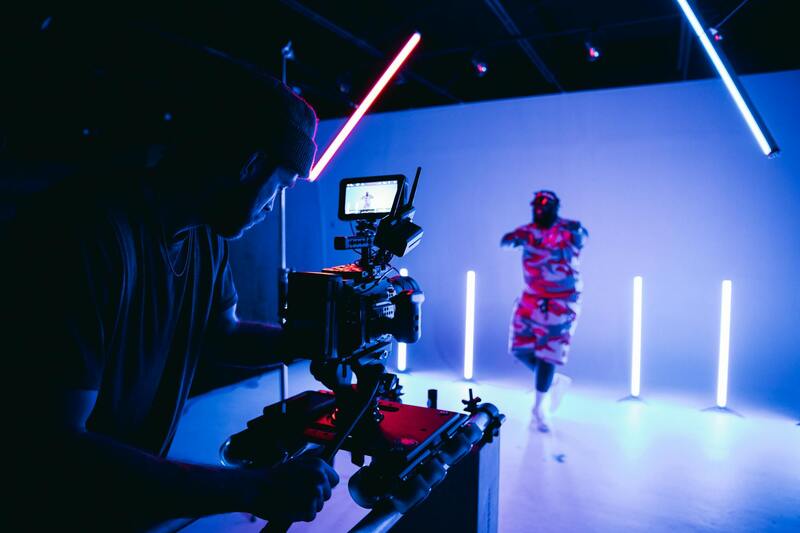
The heart of the film is an interview with someone whose life the program touches: a parent, a student, a patient, a caregiver, a staff member who sees the work daily. The best interviews are filmed in a quiet place where the person is comfortable, often their home or the program site, and they take time. We spend an hour to get three good minutes.
Consent and dignity matter even more in a room of wealthy donors. The person should understand exactly where the film will play, who will see it and whether it will be posted online later. Our article on filming the people you serve with consent and dignity goes through the release and review process we use.
The program in action
Real footage of the work: the classroom, the clinic waiting room, the mobile unit, the kitchen. Shoot on an ordinary day, with permission from everyone who appears, and avoid staging that looks staged.
The gap
The hardest shot to plan, and often the most important. A waitlist, a line outside the door, an empty room that could be a second classroom, a van that is not there. Showing the need without making people look helpless takes care and a conversation with the program staff.
Making it play well in the room
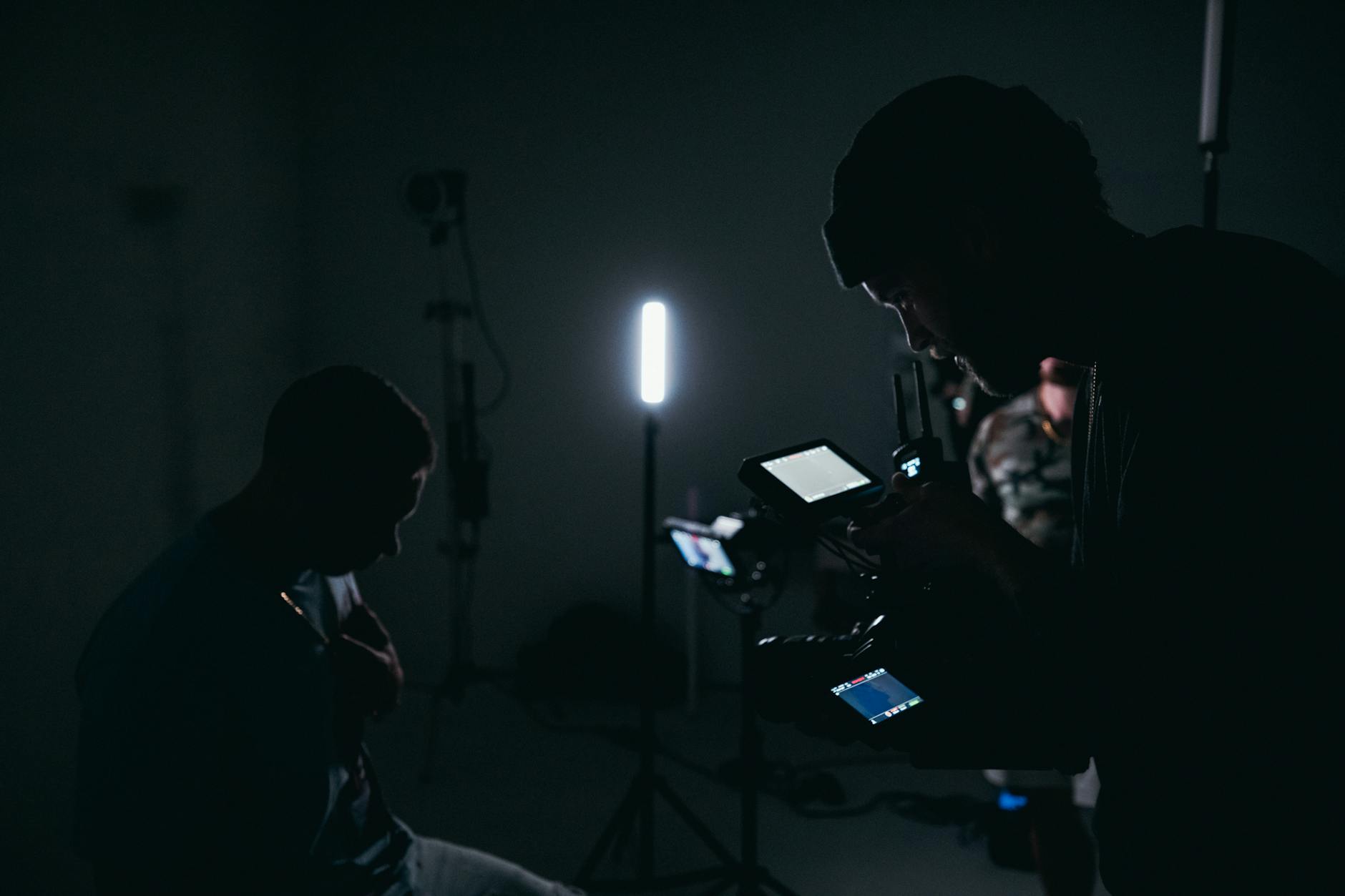
A film that looks good on an edit monitor can fall apart in a hotel ballroom. Most of the problems are technical and preventable.
| Issue | What goes wrong | How to avoid it |
|---|---|---|
| Sound | Interview audio is muddy over the house system, or music drowns the voice | Mix for a large room, keep music low under speech, test with the AV company |
| Screen shape | Film is cropped or letterboxed on wide stage screens | Ask the AV company for the exact screen resolution and aspect ratio weeks ahead |
| Captions | Back tables cannot hear clearly | Burn in open captions, and use them in Spanish too if the audience is bilingual |
| Playback | Wrong file, stutter, sound from the laptop speaker | Deliver several formats on two drives, and attend the tech rehearsal |
| Timing | Film plays during dinner service and the clatter of plates | Coordinate with the catering captain so service pauses during the film |
Captions also make the film usable later for people who are deaf or hard of hearing, which ties into the approach in our article on accessible nonprofit video.
After the gala: getting more from the same footage
The fund-a-need film plays once in the room, but the footage keeps working afterward. With the subject's permission, a shorter online version can go to guests who could not attend, a thank-you cut can go to everyone who raised a paddle, and individual clips can support the year-end appeal. Plan this second use at the start so releases cover it. Our guide to donor thank-you video shows how to turn gala footage into stewardship.
Budget and timeline
A fund-a-need film normally needs six to ten weeks from the first planning call to the gala: two or three weeks to plan and schedule interviews, one or two shoot days, two to three weeks of editing and review, and a buffer for the AV rehearsal. Organizations on a tight budget can combine the shoot with other content needs, an approach described in our article on producing nonprofit video on a tight budget. Sponsors sometimes underwrite the film itself in exchange for a credit at the gala.
Gala appeal video production with our Miami team
We produce fund-a-need and special appeal films for nonprofits, schools and foundations across Miami-Dade and Broward. We work with your development team and auctioneer from the start, plan the story around the specific need being funded, film interviews with care for the people involved, and mix and format the final film for the room it will play in. We can also attend the AV rehearsal so playback is not left to chance.
If your gala date is set and the fund-a-need is still a blank page, tell us about your organization and the need you want to fund through our contact page. You can learn more about our work with mission-driven organizations on the about page. A good first step is a short list of the people whose story could carry the evening.