Updated: October 26, 2026
A story that matters, told to an audience that includes people who could cause harm
Miami is home to organizations that serve newcomers from across Latin America, the Caribbean and beyond: legal aid clinics, refugee resettlement agencies, English classes, worker centers, health navigators and community groups. Their work is easy to explain and hard to film. The stories that move donors most are those of the people served, yet those people can face real consequences if their face, their name or their story appears online. An immigration case can be affected. Relatives in a home country can be put at risk. A person who fled violence may be found by the people they fled.
This guide is for communications and development staff at immigrant and refugee service organizations in South Florida. It covers how to decide who appears on camera, how to protect identities when people do want to share their story, language and cultural considerations, and which video formats work well without putting anyone in danger.
Start with a risk conversation, not a shot list
Before any filming is planned, the program staff who know the clients best, often case managers and attorneys, should talk about the risks with the communications team. Useful questions include:
- Does anyone have a pending immigration case that publicity could affect? Ask the legal team, not the client alone.
- Are there safety concerns related to a person's home country, a former partner, a trafficker or a gang?
- Could a client feel pressure to agree because they rely on your services? How will you make it clear that saying no changes nothing?
- Where will the video be published, and for how long? A video shown once at a private donor event carries a different risk from a public YouTube upload.
- What happens if someone changes their mind after publication?
The answers decide the format. In many cases the best answer is that clients do not appear identifiably at all, and the story is told another way.
Ways to tell the story without showing a face
Identity protection does not have to mean a blurred face and a distorted voice, which can make a person look like a criminal rather than someone seeking help. There are more dignified options:
- Hands and details. Hands filling out a form, holding a child's backpack, a kitchen table with paperwork. Close details carry emotion and reveal nothing.
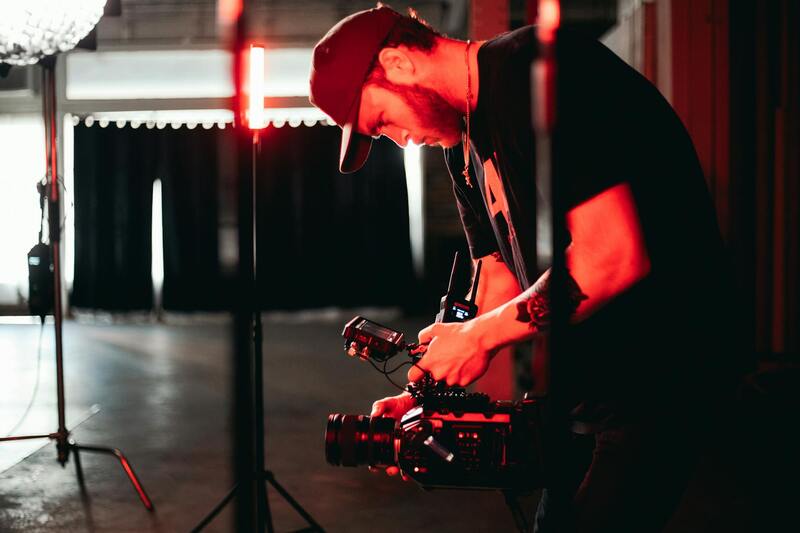
- Silhouette and back light. A person sitting in front of a bright window, filmed as an outline, can speak for themselves with no identifying features. This needs planning on lighting, so tell your crew in advance.
- Voice with a different visual. The client's own voice, or a translated voiceover, over footage of the neighborhood, the office or the classroom.
- Animation. Illustrated or animated stories can follow a real journey closely while protecting everyone in it. Our guide to animated explainers for nonprofits covers when that approach works best.
- Staff and volunteers as narrators. An attorney, a teacher or a caseworker describing a typical situation, changed enough to be unrecognizable, keeps the story real without exposing anyone.
- Alumni who choose to speak. People who resolved their status years ago and want to speak publicly, with full understanding of what that means.
Avoid metadata leaks too. Remove location data from files, avoid filming street signs near a client's home, and do not caption anyone with their country of origin unless they have asked for it.
Consent that holds up
A release form in English handed to someone with limited English is not consent. For immigrant-serving organizations, informed consent should be:
- Given in the person's own language, with an interpreter who is not a family member if possible.
- Specific about where the video will be shown, who will see it and for how long.
- Separate from any service relationship: the person should hear clearly that their help continues whatever they decide.
- Revisited before publication. Show the person the cut and ask again.
- Revocable, with a named staff contact they can call to have the video taken down.
We describe consent practices in more depth in filming the people you serve: consent, dignity and telling a story responsibly.
Language access and cultural details
Miami's immigrant communities speak Spanish in many regional varieties, Haitian Creole, Portuguese, Russian, Ukrainian, Arabic and more. Subtitles should be translated by people who know the community, not machine-translated. Pay attention to how terms are used. Words like "illegal" for people, or labels a community finds offensive, should never appear in your video. Music choices, clothing in staged scenes and even the food on a table in a B-roll shot can feel right or wrong to the people you serve, so let staff from the community review the rough cut.
For information videos, such as how to prepare for an appointment, what documents to bring, or what a "know your rights" session covers, plain language and short segments help most. Be careful with legal content: have your attorneys review every line, avoid anything that reads as individual legal advice, and date the video so viewers know when rules may have changed.
Formats that work for immigrant-serving organizations
| Format | Purpose | Identity risk |
|---|---|---|
| Organization overview with staff | Website, funders, partners | Low, staff only |
| Know-your-rights or how-to explainers | Community education | Low, animated or staff presenter |
| Volunteer recruitment | Interpreters, tutors, pro bono attorneys | Low |
| Client story with identity protection | Donor events, appeals | Medium, plan carefully |
| Alumni story with full identity | Gala, annual report | Depends on the person, legal review |
Videos shown only at private events, such as a gala film or a board presentation, can sometimes include more than a public video could. Keep those files off public platforms and tell participants exactly that.
Planning the shoot day with your team
Filming inside a legal clinic, a resettlement office or an ESL classroom needs as much planning as any client interview. Waiting rooms are full of people who did not agree to be filmed, and screens and files on desks carry personal data. On the day, we recommend:
- Filming in a closed room or after hours for any interview, so no one walks through the frame.
- Scheduling classroom or office B-roll at a time when only consenting participants and staff are present, or filming from behind the group so faces are not visible.
- Clearing desks, bulletin boards and screens of names, case numbers and documents before the camera rolls.
- Having a staff member present at every interview who knows the person and can pause the conversation if it becomes distressing.
- Agreeing on the questions in advance. Avoid asking anyone to relive trauma for the camera. A story about the first week in Miami, the first English class or the first paycheck can carry as much feeling as a story about what someone fled.
Many people who come to these organizations have been interviewed many times by officials. A video interview can feel like another interrogation. Keep the crew small, sit at eye level, offer water and breaks, and let the person bring someone they trust. These details show in the footage: a relaxed person looks and sounds very different from a nervous one.
How Miami Video Services approaches this work
We produce video for nonprofits across Miami-Dade and Broward, and we treat projects for immigrant and refugee organizations with extra care. We start with a planning call that includes your program or legal staff. We propose formats that protect the people you serve, budget for proper translation and subtitles, and we light and frame interviews so anonymous speakers still look like people with dignity. Raw footage of clients is stored securely and handed over or deleted at the end of the project, as you decide.
Many organizations combine this with advocacy video or a donor appeal. If you are planning a project and want to talk through what is safe for your clients, contact our team. You can also read about who we are or browse more nonprofit guides on our blog.