Understanding Testimonial Videography
Testimonial videography involves capturing authentic customer stories and experiences through professionally produced video content. This specialized form of videography centers on showcasing genuine feedback from clients, which serves as a compelling means to demonstrate the value and impact of a product or service. In today’s digital landscape, where consumers seek trustworthy information, testimonial videos have become an essential component of marketing strategies for businesses aiming to build credibility and foster trust.
For Miami-based companies, testimonial videography holds particular significance given the city's diverse and competitive market. Producing high-quality testimonial videos ensures businesses can effectively communicate their positive reputation, highlight client satisfaction, and differentiate themselves from competitors. These videos not only boost brand awareness but also influence purchase decisions by providing relatable, real-world endorsements that resonate with prospective customers.
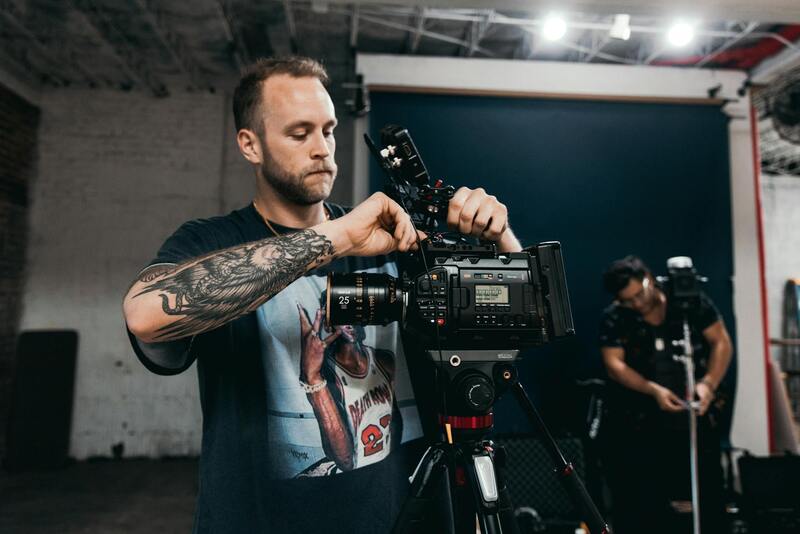
The process of testimonial videography typically involves identifying satisfied clients willing to share their experiences, preparing interview questions that elicit impactful stories, and utilizing professional filming techniques. The final product becomes a versatile marketing asset that can be integrated across various channels, including social media, websites, and live presentations. As businesses in Miami compete within an ever-evolving market environment, harnessing the power of testimonial videos has proven to be an effective method to establish trust, increase conversions, and reinforce brand reputation.
Implementing official and reliable testimonial videography methods ensures the content produced is authentic, compelling, and aligned with strategic marketing objectives. Every stage, from pre-production planning to final distribution, must be meticulously managed to maximize impact and authenticity. With professional testimonial videos, Miami businesses can showcase their satisfied customers’ stories in a manner that resonates deeply with potential clients, ultimately strengthening their market position and fostering long-term relationships.
Planning and Pre-production for Testimonial Videos
Successful testimonial videography begins with meticulous planning and thorough pre-production processes. The first step is to identify clients whose experiences genuinely reflect the value your Miami business offers. These individuals should be willing to share their stories candidly, providing authenticity that appeals to prospective customers.
Once suitable participants are selected, the next phase involves designing a comprehensive interview framework. Carefully crafted questions are essential to guide the conversation towards compelling narratives that highlight specific benefits and memorable moments. These questions should be open-ended to encourage detailed storytelling, which adds depth and credibility to the testimonial.
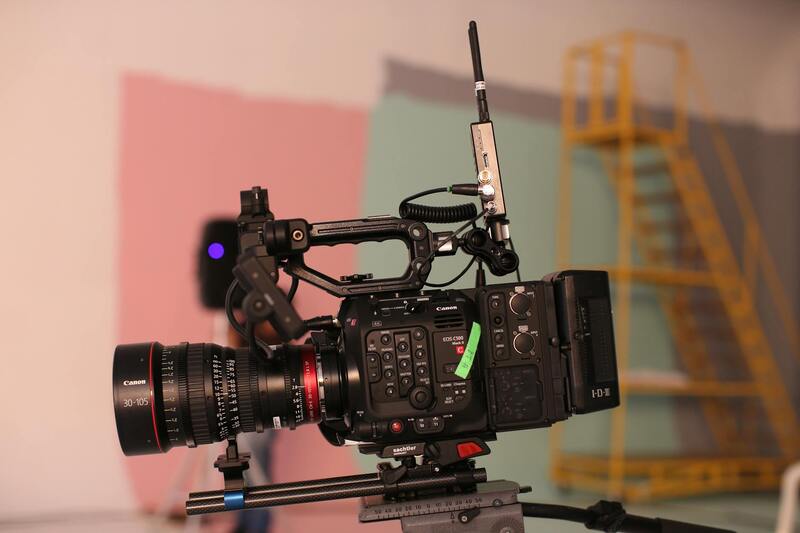
Pre-production also includes logistical arrangements such as scheduling filming sessions at convenient, well-lit locations equipped with professional audio-visual gear. It’s vital to prepare a shot list to ensure all necessary visual and contextual elements are captured efficiently. During this planning stage, it’s beneficial to outline the desired stylistic approach, whether aiming for a documentary feel or a polished corporate tone, aligning with your overall branding strategy.
In addition to technical and logistical preparations, obtaining clear permissions and releases is a critical step. This ensures that clients explicitly consent to the use of their testimonial content across various marketing channels, establishing a foundation of transparency and trust. A well-organized pre-production process minimizes surprises during filming, streamlines workflow, and ensures that the final product aligns with your strategic objectives.
Furthermore, implementing detailed project timelines and checklists helps coordinate the collaboration among your creative team, clients, and production crew. Mapping out these steps ensures thorough coverage of all essential elements, such as equipment setup, lighting considerations, sound quality, and shot framing. This meticulous approach ultimately results in a testimonial video that maximizes brand impact and resonates with your target audience in Miami.
Selecting the Right Clients and Crafting Authentic Narratives
Choosing the appropriate clients for testimonial videography is fundamental to conveying genuine experiences and reinforcing your brand’s credibility. The ideal candidates are those who have meaningful interactions with your products or services and are willing to share their honest feedback. It’s essential to identify clients whose stories align with your target audience’s interests and demographics, ensuring resonance and relatability.
Once suitable clients are identified, the focus shifts to developing a compelling narrative. Authenticity is paramount in testimonial videos; scripted monologues may come across as rehearsed, undermining trust. Instead, crafting open-ended questions that encourage clients to narrate their experience naturally is more effective. Questions should be designed to highlight specific benefits, emotional impacts, or challenges overcome through your offerings.
A well-structured interview guide serves as a roadmap during filming, ensuring all critical points are covered without constraining the client’s flow of storytelling. This approach allows clients to express genuine feelings and insights, resulting in content that authentically reflects their journey.
A crucial aspect of eliciting authentic testimonials involves creating a comfortable environment. This can be achieved by conducting pre-interview consultations to build rapport, clarifying the purpose of the video, and assuring clients of their agency in the process. As a result, testimonials emerge more candid and persuasive, leveraging real emotions to connect with prospective customers.
Moreover, integrating visual storytelling elements—such as selecting appropriate settings and capturing candid moments—enhances the personal touch and overall impact of the video. This approach not only amplifies credibility but also visually engages viewers, making the testimonial more memorable.
Production Techniques for Effective Testimonial Videos
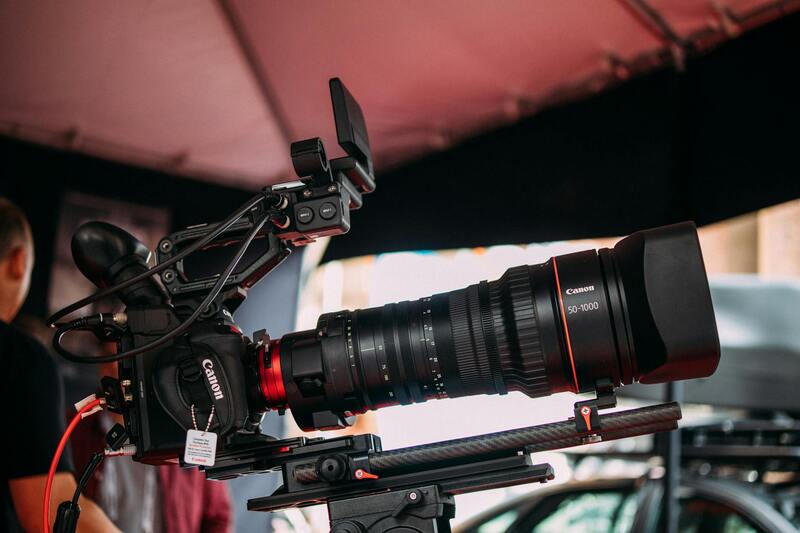
High-quality production is essential for creating impactful testimonial videos that resonate with viewers and reinforce your brand's credibility. The filming process should prioritize capturing authentic expressions, genuine emotions, and natural conversations. To achieve this, use a combination of strategic lighting, clear audio, and thoughtfully chosen settings.
Proper lighting plays a vital role in ensuring the subject appears authentic and approachable. Soft, diffused lighting minimizes harsh shadows and creates a welcoming atmosphere. When shooting indoors, utilize natural light or professional softboxes to illuminate the client evenly. For outdoor settings, aim for early morning or late afternoon shoots when sunlight is softer, avoiding harsh midday sun that can cast unflattering shadows.
Audio quality cannot be overstated, as clear sound is crucial for conveying the client's message convincingly. Use lavalier microphones or shotgun mics positioned close to the subject to capture crisp, distortion-free sound. Conduct audio checks prior to filming to adjust levels and minimize background noise, ensuring the client's words are heard distinctly.
Choosing the right setting amplifies the testimonial’s authenticity. Opt for environments familiar to the client or relevant to their story—such as their business office, workshop, or community space. These backgrounds add context and visual interest, making the story more relatable. Avoid cluttered or distracting backgrounds that could divert attention from the speaker.

To capture candid moments, employ a mix of close-up shots and wider frames. Close-ups focus on facial expressions and emotional cues, while wider shots provide context and environment storytelling. Using stabilized camera equipment such as gimbals ensures smooth footage, especially if movement is involved, adding a professional touch to the final product.
Effective direction during filming encourages clients to share openly. Maintain a conversational tone, prompting them with open-ended questions that allow for expansive, heartfelt responses. Giving clients ample time to articulate their thoughts results in testimonials that feel authentic and persuasive, fostering a stronger emotional connection with viewers.
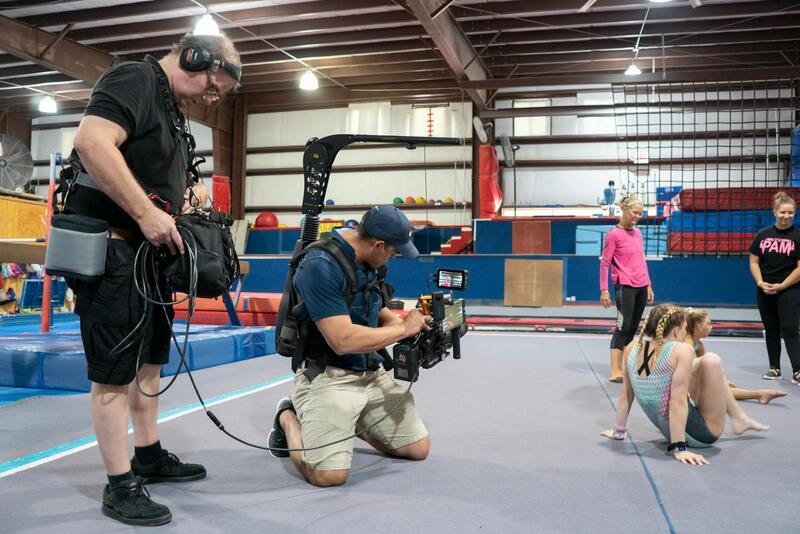
Post-filming, thorough review of footage ensures that the best takes are selected for editing. Consistency in audio and visual quality across scenes enhances the cohesive look of the final video. Incorporating B-roll footage—such as the client engaging with their environment or demonstrating a product—adds visual interest and contextual depth, enriching the storytelling experience.
Skilled editing and meticulous post-production work refine the testimonial, emphasizing key messages while maintaining authenticity. Color grading, sound balancing, and strategic pacing contribute to a polished presentation that captures and holds viewer attention. Ultimately, sophisticated production techniques elevate the testimonial's professional appearance and emotional impact, making it a powerful tool for brand storytelling in Miami's competitive landscape.
Techniques for Authentic and Engaging Testimonial Delivery
To maximize the impact of testimonial videos, directing clients during filming is crucial to capturing genuine and compelling narratives. Employing a relaxed and conversational environment allows clients to feel comfortable, fostering honest expressions of their experiences. Open-ended questions designed to prompt detailed responses can help clients share meaningful insights, revealing their authentic perspectives. For example, asking about specific benefits they've experienced or challenges they overcame encourages storytelling that resonates deeply with viewers.
Furthermore, using natural lighting and minimalistic backgrounds can reduce distractions, allowing the audience to focus solely on the client’s message. Incorporating varied shot compositions—such as close-ups to capture emotional expressions and wider frames to contextualize the environment—adds visual interest and depth to the narrative. It’s also beneficial to capture multiple takes, providing options for post-production refinement, ensuring the most authentic moments are highlighted.
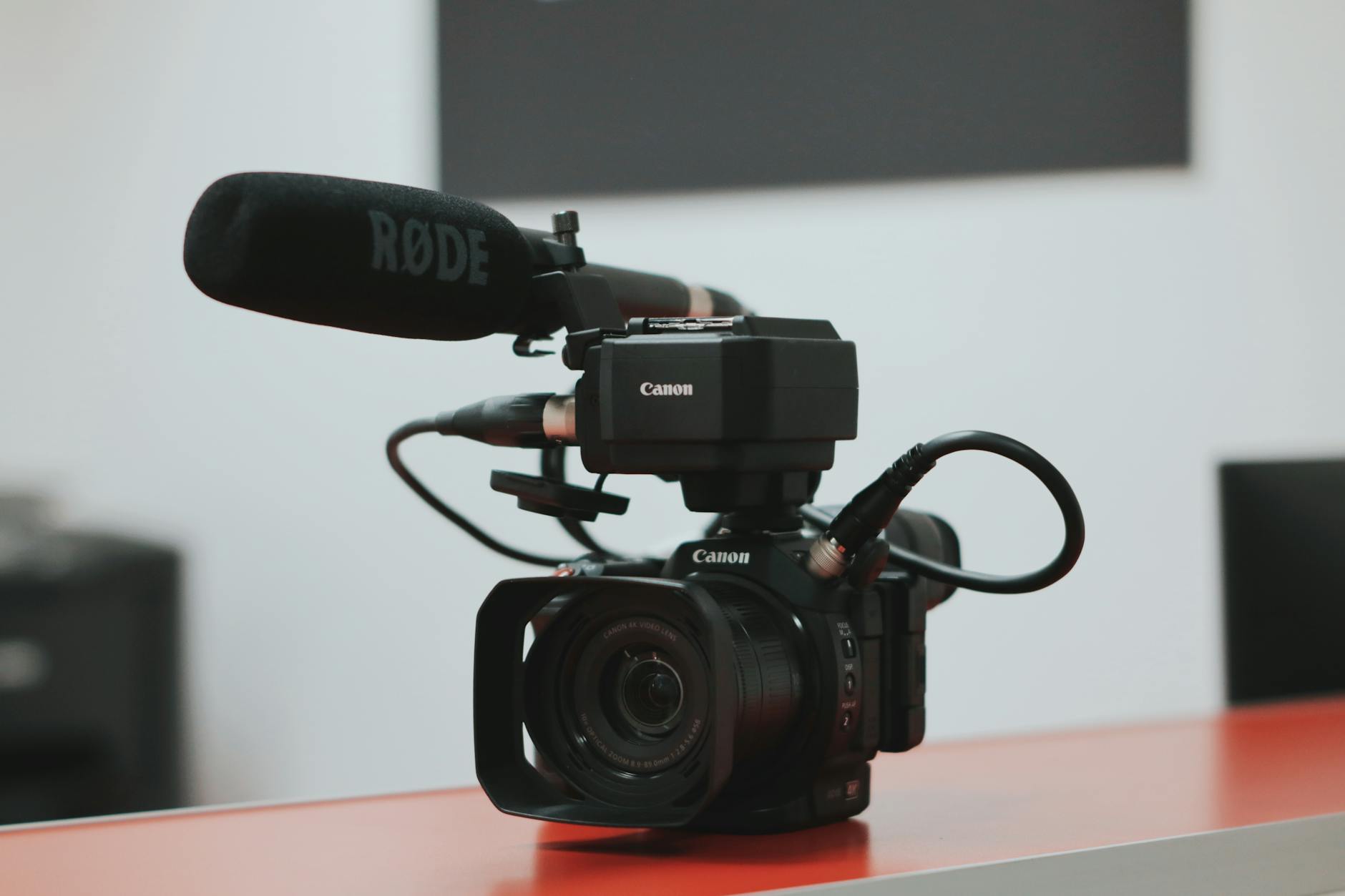
Post-filming, a thorough review process is essential to select footage that best embodies the client’s story. During editing, maintaining an authentic tone is paramount—avoiding over-editing helps preserve the genuine emotion and credibility of the testimonial. Subtle retouches, like color correction and audio balancing, can enhance visual and sonic clarity without detracting from the sincerity of the message.
Integrating branding elements—such as consistent logo placements, color schemes aligned with a company’s palette, and branded intro/outro segments—ensures the testimonial aligns with overall marketing strategies. Cinematic techniques like background blur or depth of field can focus viewer attention sharply on the subject, further amplifying engagement. When executed with precision, these methods create a polished and professional testimonial video that effectively communicates client satisfaction and bolsters brand credibility in the Miami marketplace.
Implementing Authentic Testimonials: Proven Methods
To develop testimonial videos that resonate with viewers and bolster credibility, it is essential to adhere to recognized and respectful methods of content collection. These methods not only ensure the integrity of the testimonials but also foster genuine client participation that reflects true experiences. Below are some of the most effective and legitimate techniques for capturing high-quality testimonial content:
- Structured Interview Sessions: Conducting one-on-one interviews with clients allows for guided conversations that uncover authentic stories. By preparing thoughtful questions in advance, videographers can help clients articulate their experiences naturally. This approach ensures that the core message aligns with the brand's core values while allowing the client’s personality to shine through.
- On-site Client Filming: Arranging visits to the client’s place of business or a familiar setting allows for real-life context. Filming in a comfortable environment encourages spontaneity and authenticity, which translates into more relatable testimonials. This method is especially effective when the setting itself supports the story being told, whether it’s a bustling retail store or a serene service location.
- Customer Feedback Collection via Written Statements: Soliciting written testimonials and then editing them into video format can be a highly effective approach. These written accounts can be read by clients on camera or narrated by voice-over artists, ensuring that the words are genuine while maintaining professional presentation standards. This method also provides flexibility if clients are uncomfortable appearing on camera.
- User-Generated Content: Encouraging satisfied clients to produce their own testimonial clips adds an element of spontaneity and personalization. Clear guidelines should be provided to ensure footage quality and authenticity. Offering simple prompts helps clients highlight specific benefits or positive outcomes, which can then be incorporated into comprehensive testimonial videos.
- Follow-up and Verification: After initial collection, follow-up conversations can clarify details and verify the authenticity of shared experiences. Maintaining transparent communication throughout the process builds trust and ensures that the testimonials accurately reflect the client’s perspective.
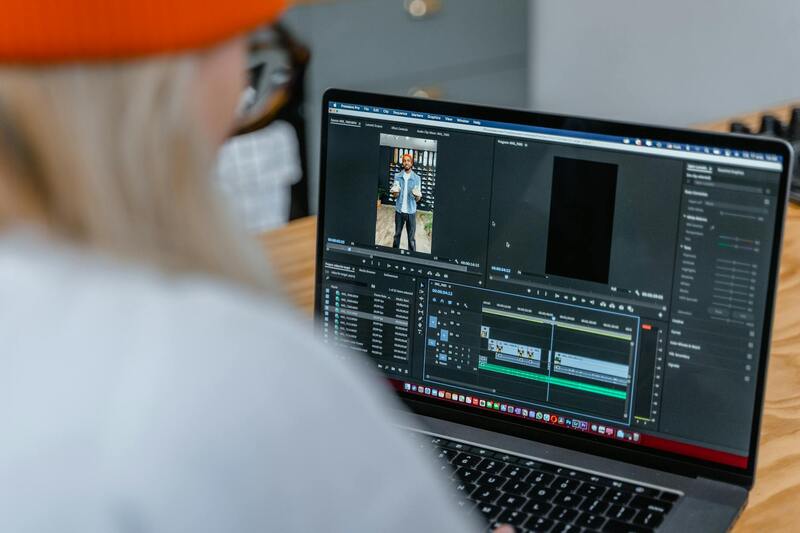
Implementing these methods with professionalism not only enhances the quality of the testimonial footage but also demonstrates respect for client participation. Adhering to proven practices ensures that the final video content accurately and effectively represents the client’s genuine experience, ultimately fostering trust and connection with prospective customers in the Miami market.
Legal and Ethical Considerations in Testimonial Videography
Ensuring that all testimonial videos adhere to key legal and ethical standards is fundamental to producing content that resonates with authenticity and professionalism. Securing proper consent is a foundational step; this involves clearly informing clients about how their footage will be used, stored, and shared across various platforms. Written consent forms are essential, not only to document permission but also to outline the scope of usage, which can include multiple channels such as social media, websites, or promotional events.
Respecting client privacy is equally paramount. Testimonial content should only feature information that clients are comfortable sharing and should omit any sensitive data unless explicitly authorized. For example, if a testimonial mentions specific health issues, financial details, or other personal matters, clients must have given explicit approval for such disclosures.
Proper rights management extends beyond consent. It involves securing intellectual property rights related to the footage, including rights to edit, reproduce, and distribute the videos. Before commencing filming, clear agreements should be established that specify these rights, safeguarding both the production team and the client from potential disputes.
Transparency throughout the process helps in building a respectful relationship with the client and fosters an environment of honesty. Maintaining detailed records of all communications and signed consents is recommended, especially for testimonials that could significantly impact a company’s reputation or legal standing.
Furthermore, adhering to best practices in ethical storytelling involves presenting honest and balanced accounts. This means refraining from manipulation or exaggeration of client experiences, which can undermine credibility and lead to mistrust. Authenticity is vital; testimonials should accurately reflect the client's real experiences without undue influence or misrepresentation.
Engaging clients in open discussions about their comfort levels and content preferences is critical. This collaborative approach ensures that testimonials are both true to the client's experience and in alignment with their broader communication goals. Ultimately, prioritizing legal and ethical standards not only protects the involved parties but also enhances the overall effectiveness and reputation of testimonial marketing efforts within the Miami business landscape.
Legal and Ethical Considerations in Testimonial Videography
Ensuring that testimonial videos are produced within established legal and ethical boundaries is essential for maintaining the integrity and reputation of your business. This involves implementing official procedures that safeguard all parties involved, from clients to production teams, while adhering to best practices in storytelling and content creation.
Securing Proper Authorization and Consent
Prior to filming, it is crucial to obtain explicit consent from the individual providing the testimonial. This consent should be secured through signed, written agreements that clearly specify the scope of use, distribution channels, and duration of authorized video usage. These agreements serve to formalize permissions and mitigate misunderstandings or unauthorized use of the content.
Consent forms should detail specific information, including the rights of the producer to edit or adapt the footage, as well as any restrictions the client may request. Additionally, if minors are involved, parental or guardian consent becomes mandatory, with all legal age restrictions respected.
Promoting Transparency and Honest Representation
Authenticity remains at the heart of effective testimonial videos. It is essential that clients feel comfortable sharing their genuine experiences without undue influence or the possibility of exaggeration. Testimonials should accurately depict the client’s perspective, avoiding manipulative editing or selective storytelling that could distort their message.
Open communication during the planning stages helps establish realistic expectations and ensures that clients are aware of how their testimonials will be used. Maintaining transparency about the production process fosters trust and helps to create content that aligns with both the client's story and the brand's values.
Respecting Client Preferences and Privacy
Clients should be informed about their rights regarding privacy and the ability to review and approve the final edit before distribution. This review process not only enhances trust but also ensures that all parties are satisfied with the content's representation.
Respecting client confidentiality and sensitive information is vital. When recording testimonials that touch on proprietary or personal topics, appropriate measures should be taken to protect client privacy, including blurring or omitting specific details if necessary.
Documentation and Record-Keeping
Keeping comprehensive records of all agreements, communications, and consents is fundamental to safeguarding the production process. Documentation provides evidence of authorized permissions, helps resolve potential disputes, and demonstrates adherence to ethical standards. This practice is especially important in cases where testimonials could impact a company’s reputation or legal standing.
Implementing Ethical Storytelling Practices
- Adopt honest, balanced narratives that genuinely reflect client experiences.
- Avoid manipulation or exaggeration of testimonials that could mislead audiences.
- Ensure that testimonials do not intentionally omit critical context that could change the perceived message.
- Respect client autonomy by allowing them to review their testimonials before publication.
It is also advisable to stay informed about local regulations and industry standards related to advertising, promotional content, and recording practices. Regular training and updates for production teams help uphold these standards and reinforce a culture of integrity in testimonial videography.