Understanding the Purpose of Interview Filming
Interview filming is a crucial component of media production, serving as a primary method to capture insights, stories, and expert opinions that enhance the overall narrative. Whether producing documentaries, corporate videos, journalistic reports, or promotional content, effectively filming interviews ensures the message is conveyed with clarity, credibility, and impact. The primary objective is to create a visual dialogue that resonates with viewers and provides authentic, engaging content that aligns with the intended purpose of the project.
During the process of filming an interview, it is vital to focus on several key objectives. These include capturing the interviewee’s expressions and gestures clearly, maintaining visual interest through composition, and ensuring high-quality sound. Good framing supports the storytelling by emphasizing the interviewee’s facial expressions and body language, which are essential for conveying emotions and emphasizing points made during the conversation.
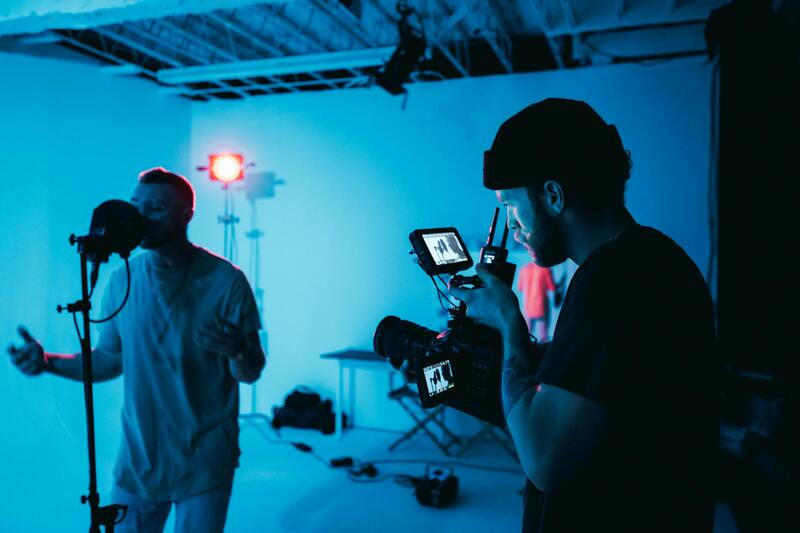
Creating an environment that is visually appealing yet unobtrusive allows the audience to concentrate solely on the content of the interview. The goals also include also ensuring technical aspects such as lighting and audio are optimized to prevent distractions that could diminish the perceived value of the final product. Successful interview filming balances technical quality with compelling storytelling; this requires a comprehensive understanding of the purpose behind the shoot and meticulous attention to detail throughout the process.
Before setting the camera rolling, defining the key messages and themes that the interview aims to communicate is essential. This clarity guides decisions on framing, background, and interview approach. It is equally important to establish rapport with the interviewee beforehand, making them comfortable and encouraging natural responses. In this way, interview filming becomes a collaborative effort to produce content that is both visually appealing and thematically meaningful.
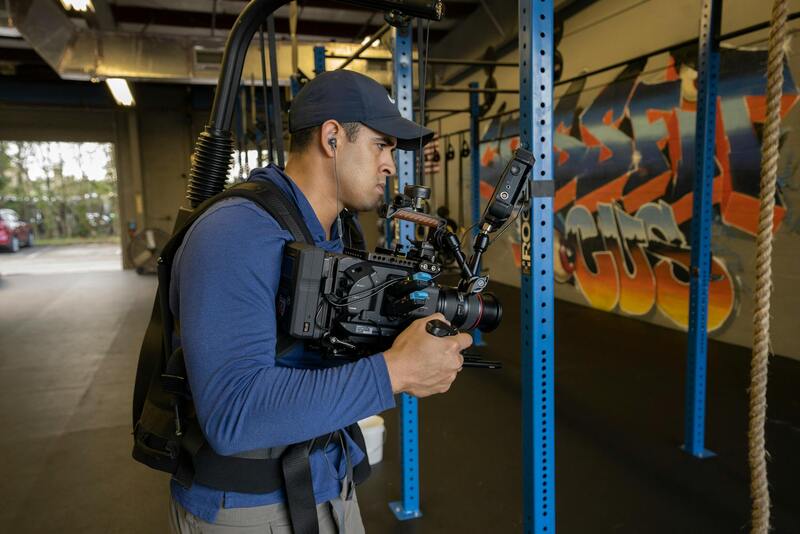
Overall, understanding the purpose behind interview filming lays the foundation for a successful shoot. It ensures that every technical and creative choice aligns with the core objectives of the project, resulting in compelling, professional content that effectively communicates the intended message. From establishing clear goals to crafting an appropriate environment, each step contributes towards capturing interview footage that stands out for its authenticity and visual integrity.
Choosing Equipment and Setup
To ensure the highest quality interview footage, selecting the appropriate equipment is paramount. The foundation of professional filming begins with choosing cameras that deliver sharp, high-resolution images with accurate color reproduction. Typically, a camera capable of recording in at least 1080p Full HD is ideal, while 4K cameras provide more flexibility in post-production editing.
Tripods and stabilizers are essential for maintaining steady shots, preventing unwanted shake that can detract from the interview’s professionalism. Using remote focus or autofocus features can help keep the interviewee in sharp focus, especially during movement or if they shift position slightly.
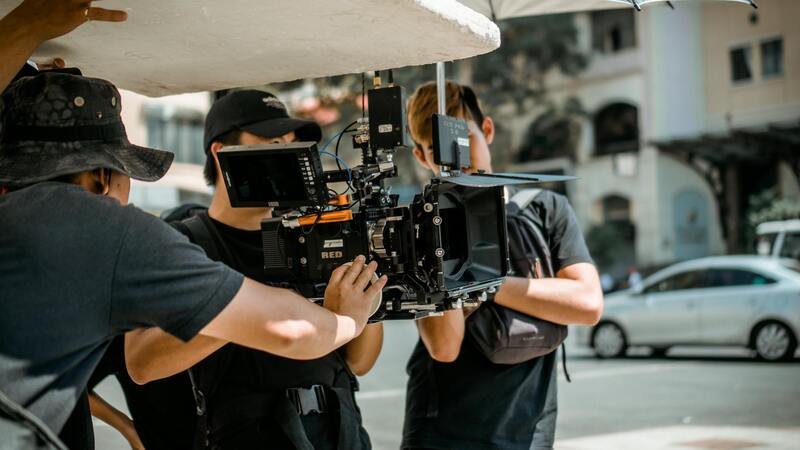
Lighting equipment, such as softbox lights, ring lights, or LED panels, should be selected based on the interview environment. Soft, diffused lighting minimizes harsh shadows and creates a flattering appearance for the subject. Additionally, considering the placement of lights relative to the subject and background is crucial to achieve a balanced and natural look.
Audio quality is often overlooked but plays a critical role in the effectiveness of interview content. High-quality microphones, including shotgun mics or lavalier (lapel) microphones, should be used to capture clear, unobstructed sound. Positioning microphones appropriately—close to the subject but out of the camera frame—ensures optimal audio capture while maintaining visual professionalism.
Framing and Composition Techniques
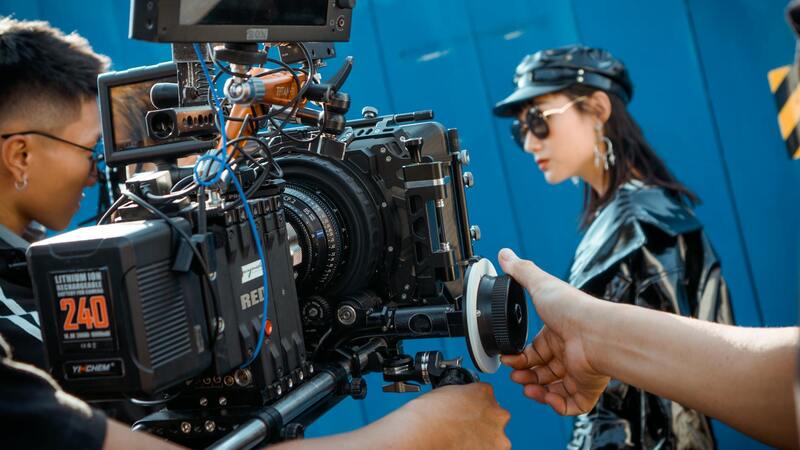
Mastering framing and composition is essential for creating visually engaging interview footage. Start with the rule of thirds to position the interviewee's eyes along the upper horizontal line, fostering an engaging focal point for viewers. This technique also provides a balanced composition that guides the viewer’s eye naturally across the shot.
Choosing the appropriate shot type—such as close-up, medium, or wide—depends on the interview’s context and the desired emotional impact. Close-up shots focus on facial expressions, capturing subtle emotions, while medium shots include hand gestures and body language, adding depth to the storytelling.
Background selection and depth of field play significant roles in visual storytelling. A clutter-free background that aligns with the interview’s tone maintains focus on the subject while avoiding distractions. Employing a wider aperture creates a shallow depth of field, blurring the background to emphasize the interviewee and enhance visual appeal.
Directing the Interviewee and Conducting the Shoot
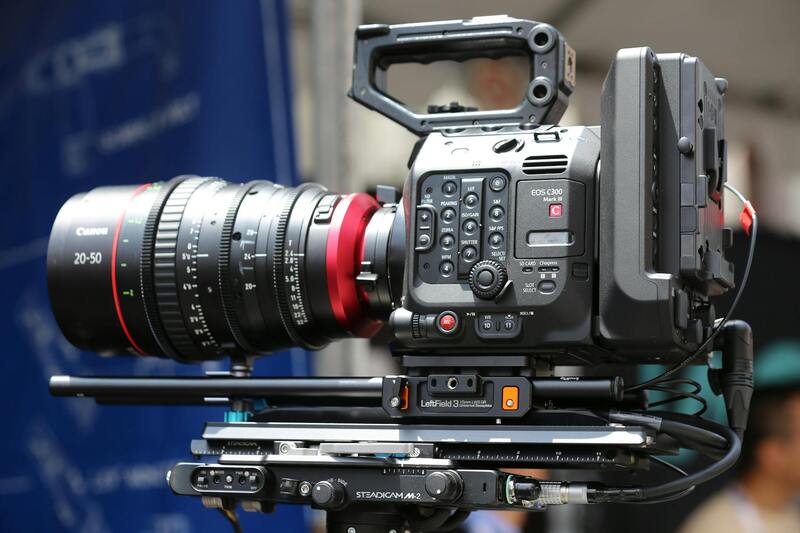
Effective communication with the interviewee fosters a relaxed atmosphere conducive to authentic responses. Providing clear instructions about framing, eye contact, and delivery helps align their presentation with the project’s objectives. Reminding them to maintain natural posture and avoid distracting behaviors ensures that footage remains polished and professional.
During the shoot, the interviewer’s role is to facilitate a flowing conversation by asking open-ended questions that encourage detailed answers. Listening actively and following up on interesting points can enrich the content, making it more engaging. It’s also important to maintain eye contact with the interviewee when appropriate and manage pacing to keep the session lively without rushing through content.
Multiple takes of key responses can provide options during editing, allowing for the best possible segments to be selected. Ensuring proper microphone placement and lighting consistency across shots contributes to a seamless final product.
Optimizing Equipment and Setup for Filming Interviews
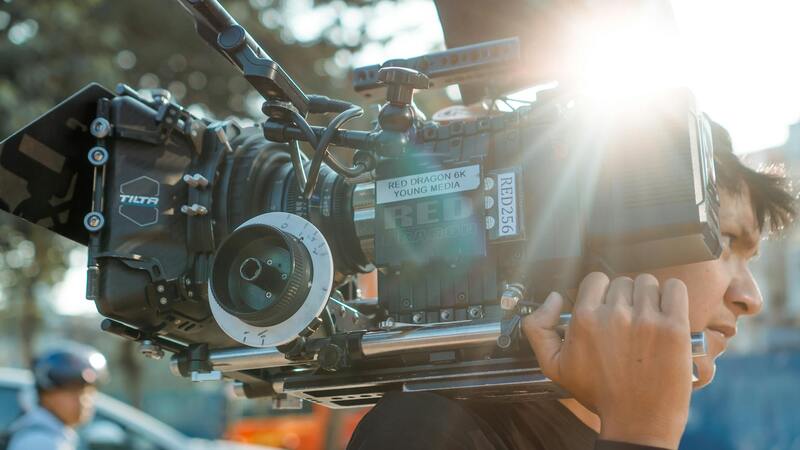
Creating professional-grade interview footage hinges significantly on the proper selection of equipment and meticulous setup. When planning a shoot, an emphasis on high-quality, reliable gear ensures clear visuals and pristine sound, both of which are integral to engaging interview content. From choosing the right camera to setting up effective lighting and audio solutions, every element plays a crucial role in capturing impactful stories.
Camera Selection and Positioning
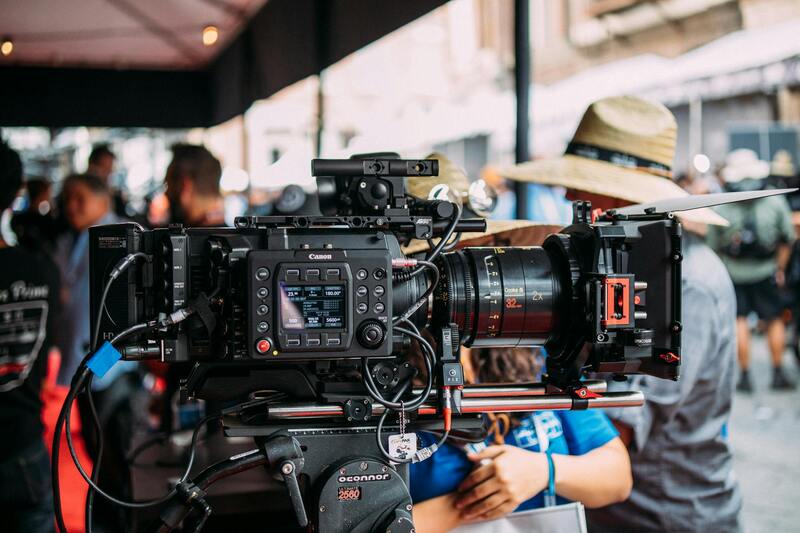
Opt for cameras that offer at least 4K resolution, as this allows for detailed footage with ample flexibility during editing. DSLRs, mirrorless cameras, or dedicated video camcorders are popular choices, depending on budget and project scope. It's essential to consider the camera’s sensor size, frame rate options, and stability features. Position the camera at eye level to establish direct visual engagement and employ a tripod to prevent unwanted shakiness.
Lighting Setup
Lighting profoundly influences the mood, clarity, and professionalism of the footage. Use a three-point lighting setup—key light, fill light, and backlight—to sculpt the interviewee’s features and separate them from the background. Soft, diffused lighting minimizes harsh shadows. If shooting indoors, utilize softboxes or ring lights with adjustable brightness. For outdoor shoots, plan around natural light conditions, and consider reflectors to bounce light onto the subject.
Sound Equipment and Acoustic Considerations
Clear audio quality is non-negotiable in interview filming. Use a high-quality shotgun microphone mounted on the camera or a lavalier microphone clipped directly onto the interviewee. Both options have advantages: shotgun mics are versatile and capture ambient sound minimally, while lavalier mics deliver consistent sound levels directly from the speaker. Ensure proper microphone placement—keeping it close to the mouth while avoiding clothing rustle or other noise sources.
Address acoustic challenges by choosing quiet environments and adding sound-absorbing materials when necessary. Using windshields outdoors can reduce wind noise significantly. Regularly perform sound checks to monitor levels and clarity before recording begins.
Additional Essential Gear
- Extra batteries and memory cards for extended shoots
- Gaffer tape and clamps to secure cables and accessories
- Monitor or external display for accurate framing and focus
- Lighting modifiers like diffusers and reflectors for flexible lighting control
Executing a well-organized setup process, from equipment choice to environmental considerations, grants the flexibility and quality necessary for compelling interview footage. Each element, thoughtfully integrated, enhances the storytelling potential and leaves a lasting impression on viewers.
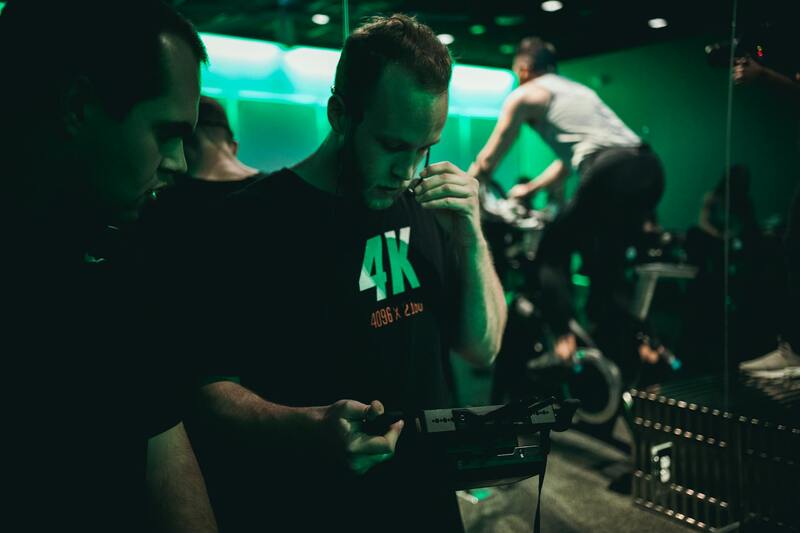
Understanding the Purpose of Interview Filming
Effective interview filming begins with a clear understanding of its core purpose and the message it intends to convey. Whether capturing testimonials, expert insights, or personal stories, the goal is to communicate information authentically and compellingly. This requires a focus on the interviewee’s delivery, the clarity of the content, and how the visual and audio elements support the narrative. Having a defined purpose guides every decision made during the shoot, from framing to lighting, ensuring that the final product resonates with its intended audience.
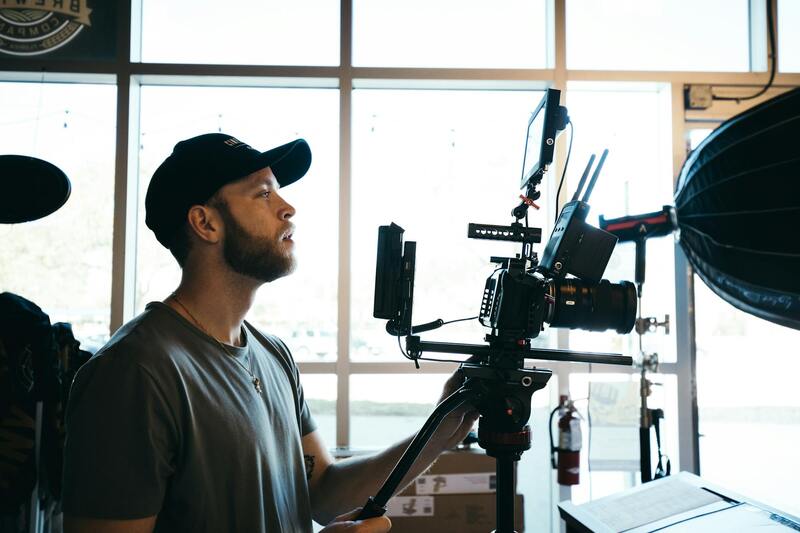
Audience engagement is heightened when the footage aligns seamlessly with the interview’s objectives. For example, a corporate testimonial aims to build trust and showcase expertise, so the shoot should emphasize a professional appearance and confident delivery. Conversely, capturing personal stories may require a more relaxed setup to foster openness. Prioritizing the interview’s purpose influences every aspect of pre-production and production, laying the groundwork for high-quality, impactful content.
Pre-Production Planning for Interview Shoots
Thorough planning in the early stages is crucial for a smooth and efficient shooting process. This phase includes identifying the key messages, preparing questions, scouting locations, and assembling the necessary equipment. It is essential to consider the interviewee’s comfort and the environment, selecting a setting that enhances the visual and acoustic quality of the footage. Developing a shooting schedule and detailed shot list ensures that all necessary shots are captured systematically, minimizing disruptions and saving valuable time during filming.
Furthermore, pre-production involves coordinating with the interviewee about wardrobe choices and discussing any logistical needs. Securing permits or permissions for location shoots may also be necessary depending on the setting. Professional planning guarantees that technical considerations, such as lighting arrangements and soundproofing, are addressed beforehand. This preparation fosters a controlled environment conducive to high-quality footage and helps mitigate unforeseen issues on the day of filming.
Choosing Equipment and Setup
Selecting the appropriate equipment hinges on the interview’s context, location, and desired production quality. A high-definition camera capable of capturing sharp, resolution-rich footage is fundamental. When choosing lenses, a portrait lens with a wide aperture (such as f/1.4 or f/2.8) can create a pleasing background blur that draws attention to the subject. Tripods or stabilizers ensure steady shots, preventing distracting camera shakes that could diminish the professionalism of the footage.
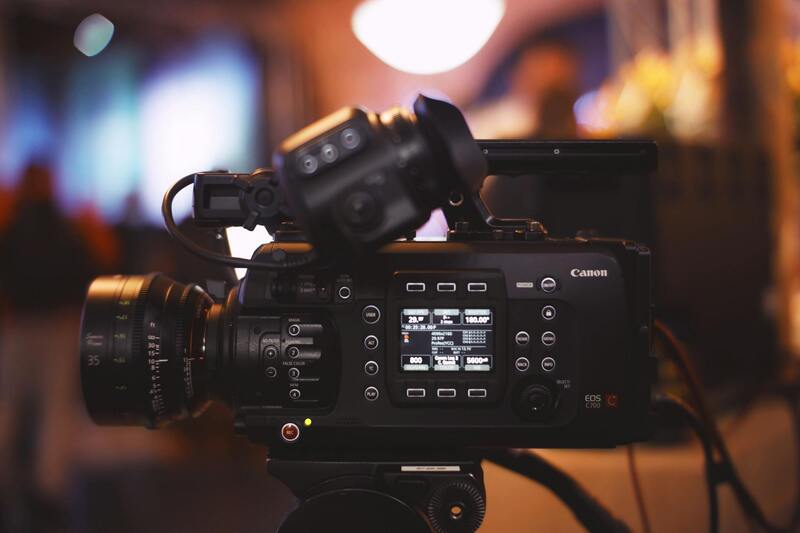
Lighting setup is equally pivotal. Softbox lights or LED panels with adjustable brightness and color temperature produce even, flattering illumination while minimizing harsh shadows. Position lights at 45-degree angles relative to the subject to create depth, and use reflectors or diffusers to soften light if needed. For sound, employing professional microphones such as shotgun mics or lavalier packs ensures clear audio. Proper placement—keeping microphones close to the subject—further enhances sound quality while reducing background noise.
Summary of Equipment Choices
- High-resolution camera with interchangeable lenses
- Tripods or stabilization devices
- LED or softbox lighting kits
- Shotgun microphones and lavaliers
- Reflectors, diffusers, and light modifiers
- Extra batteries, memory cards, and cable organizers
Attention to these technical details ensures that every element of the setup contributes to capturing professional-grade interview footage that effectively communicates the intended message without distractions or technical issues.
Implementing Effective Filming Techniques for Interview Sessions
Professional filming of interviews hinges upon a combination of precise execution and adherence to established standards for quality and clarity. Once the setup phase is complete, attention shifts to capturing footage that reflects authenticity while maintaining visual and auditory excellence. Achieving consistent results requires a careful balance of technical skills and creative instinct, ensuring each shot effectively conveys the interviewee's message and personality.
Camera positioning plays a critical role in establishing rapport and focusing viewer attention. Typically, framing the subject using a medium close-up (from the chest up) allows viewers to connect with the interviewee while highlighting facial expressions and gestures. Maintaining eye level with the subject creates a natural perspective, fostering authenticity and engagement. When possible, use a shallow depth of field to isolate the subject from the background, making them the focal point of the scene and minimizing distractions.
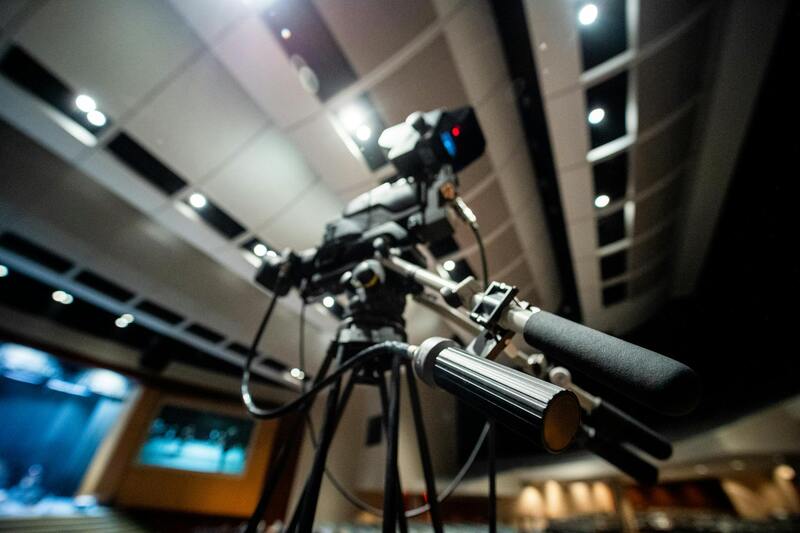
Consistent eye contact from the interviewee, directed by the interviewer’s verbal cues, helps create a seamless flow. Recording multiple takes allows for flexibility during editing, capturing candid reactions or adjusting delivery. Employing a combination of long shots and tighter shots provides versatility in storytelling, enabling editors to emphasize expressions or environments. It’s important to monitor camera settings—such as focus, white balance, and exposure—periodically throughout the shoot to prevent fluctuations that can require time-consuming corrections later.
In terms of audio capture, professional-grade lavalier microphones or shotguns mounted close to the subject guarantee clean, intelligible sound. Regularly checking audio levels ensures consistent volume and reduces risks of clipping or distortion. For outdoor environments, windshields and pop filters are essential in decreasing noise interference and preserving audio integrity. Behind-the-scenes considerations, such as minimizing background noise and controlling ambient sounds, also contribute to a polished final product.
During the filming process, constant communication between the director and interviewee helps maintain a relaxed atmosphere, encouraging authentic responses. The interviewer’s role extends beyond questioning to actively guiding the subject's expressions, pauses, and gestures to align with the desired narrative. Properly managing this interaction results in footage that not only informs but also resonates emotionally with viewers.
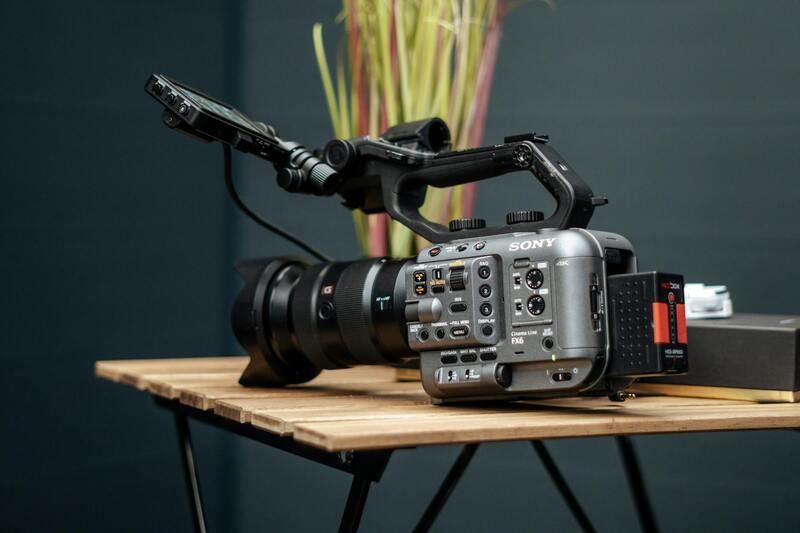
Meticulous attention to detail during filming sets the foundation for post-production success. Consistent framing, precise audio recordings, and capturing natural interactions create a cohesive visual story that can be seamlessly edited and refined. Skilled filmmakers leverage these best practices to produce interview content that commands credibility, engages audiences, and effectively communicates key messages.
Legal and Ethical Aspects of Filming Interviews
Securing Proper Releases and Permissions
To ensure that interview content is constructed on a solid foundation, obtaining appropriate releases and permissions is essential. This process involves formal documentation that affirmatively grants consent from all participants involved in the shoot. These documents clearly delineate the rights to record, use, and distribute the footage, establishing an official record that minimizes potential disputes later in post-production. Releasing agreements should specify the scope of usage, including promotional efforts, online distribution, and broadcast rights, providing clarity and transparency for all parties.
Practitioners must also be diligent in acquiring permissions for any locations, copyrighted materials, or proprietary assets featured during filming. For instance, if the interview is conducted within private premises or in a public space, explicit approval or permits may be necessary to avoid infringing on property rights. When incorporating imagery, music, or other media elements, verifying their licensing status ensures that the content adheres to established intellectual property standards.
Maintaining Confidentiality and Respect
Respect for participants' privacy and confidentiality is a key aspect of ethical filming. Interviewers should communicate clearly about what information will be shared publicly and obtain explicit consent when sensitive topics are involved. It is advisable to provide participants with an overview of how the footage will be edited and presented, giving them the opportunity to express concerns or make requests regarding their portrayal.
Practitioners also need to be conscious of power dynamics, especially when interviewing vulnerable populations or discussing sensitive issues. Ensuring a respectful environment fosters honest engagement and upholds professional standards, reinforcing the credibility of the final footage.
Data Management and Storage
Proper management of recorded materials involves secure storage, backup protocols, and controlled access. Maintaining organized archives of raw footage, interview transcripts, and related documentation simplifies editing workflows and preserves critical assets for future reference or repurposing. Employing encryption and password protection when storing digital files adds an extra layer of security, protecting the integrity and confidentiality of the content.
Proactive Ethical Standards in Interview Filming
Upholding ethical standards is central to producing trustworthy, impactful interview content. This entails honesty in representation, avoiding manipulation or misinterpretation of responses, and being transparent about the intentions behind the footage. Additionally, responsible practitioners avoid sensationalism or exploitation, maintaining a focus on authentic storytelling that respects the dignity of participants.
Engaging in ongoing training and staying updated with industry best practices demonstrates a commitment to ethical filming. Such dedication not only enhances professional reputation but also ensures that the produced content reflects integrity, fostering trust with audiences and stakeholders alike.
Methods for Verifying and Authenticating Interview Content
Ensuring the credibility of interview footage begins with meticulous verification methods that authenticate the authenticity of the recorded material. These practices are pivotal in establishing trust and maintaining the integrity of the content. One of the primary approaches involves detailed documentation during the filming process. This includes maintaining comprehensive logs that record the date, time, location, and conditions of each shoot, as well as the identities of all participants. Using timestamped recording devices helps establish a clear timeline, substantiating the authenticity of the footage.
Implementing secure, version-controlled workflows during editing also plays a crucial role. Every edit or adjustment should be meticulously logged, producing an audit trail that demonstrates transparency and allows for verification if necessary. Preservation of original, unaltered recordings ensures that the initial state of the footage can be revisited and validated.
Additionally, employing metadata tagging during the recording phase facilitates indexing and retrieval of footage, aiding in verification processes. Metadata can include details such as GPS coordinates, device information, and camera settings, which collectively reinforce the contextual authenticity of the content.
For interviews that require official or high-stakes presentation, digital signatures and cryptographic techniques can be utilized. These methods provide a way to verify that recordings have not been tampered with since their creation. Embedding such signatures within the digital files affirms their integrity over time.
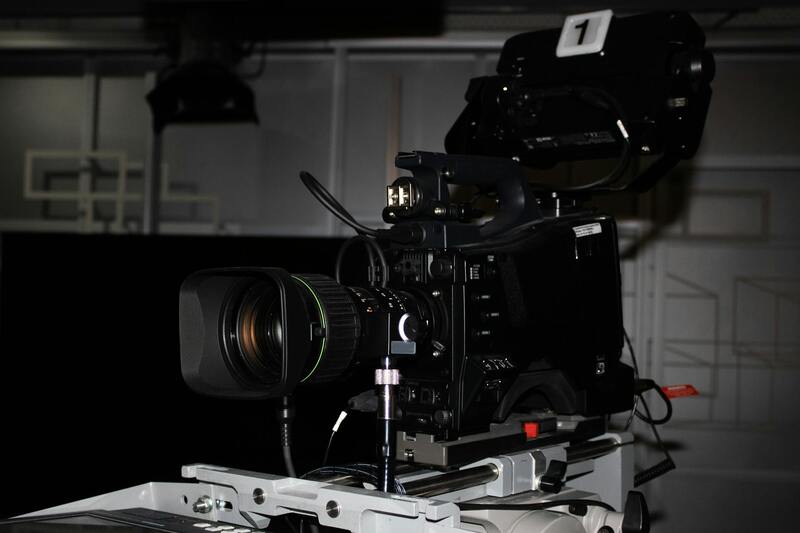
In addition to technological measures, a transparent process involving clear consent procedures and participant acknowledgment of the recording process reinforces the legitimacy of the footage. Providing participants with copies of the recorded material and obtaining their verified approval further establishes a formal record of the interview's authenticity.
By combining meticulous documentation, secure digital practices, and respectful participant engagement, professionals can uphold the authenticity of interview recordings, fostering trust and confidence among audiences and stakeholders.
Ensuring Proper Documentation and Verification of Interview Footage
Accurate documentation is fundamental when conducting and recording interviews for professional purposes. From initial planning to final archiving, every step should be carefully documented to establish a clear record of the process. This includes maintaining detailed logs of the interview schedule, participant consents, and the equipment used during filming. Such records serve as a foundation for verification and help in resolving any disputes or questions regarding the authenticity of the footage.
Implementing comprehensive metadata tagging during the recording process enhances the traceability of video files. Metadata captures essential information such as timestamps, device identifiers, and location data, providing a multi-layered context for the content. This detailed tagging not only facilitates efficient retrieval during post-production but also acts as an additional layer of verification, supporting the integrity of the footage over time.
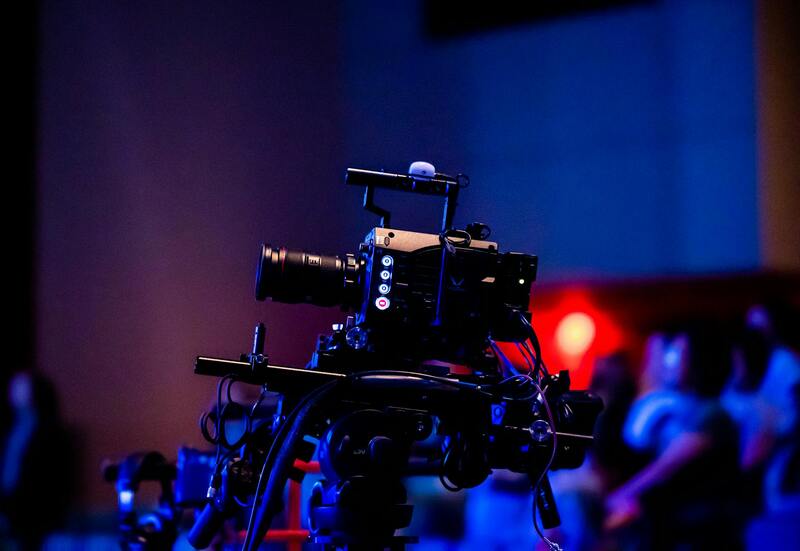
Furthermore, for interviews that are intended for high-stakes use, such as official testimonies or public disclosures, digital signatures can be employed to affirm the authenticity of the recordings. These cryptographic techniques embed a unique identifier within the digital file, allowing professionals to verify that the content has remained unaltered since its capture. Utilizing such methods enhances the credibility of the footage without explicitly referencing legal measures, focusing instead on established digital verification practices.
Secure Storage and Chain of Custody
Proper storage protocols ensure that interview recordings remain unaltered and accessible for future reference. This involves using secure, access-controlled storage solutions that prevent unauthorized modifications. Maintaining a detailed chain of custody—documenting every transfer or access to the footage—serves as a key element in verifying the integrity of the content. This practice records who has handled the footage, when, and under what circumstances, thereby establishing a transparent trail that supports the content's authenticity.
Participant Engagement and Acknowledgment
Engaging interviewees through formal acknowledgment processes reinforces the content’s reliability. Providing participants with copies of the final recordings and obtaining their explicit acknowledgment of the content’s accuracy and authenticity creates a formal record. This step is essential in ensuring that all involved parties have a shared understanding of the procedures and outcomes related to the filming session.
Additional Verification Methods
- Timestamping and Watermarking: Embedding timestamps or digital watermarks into the footage can serve as markers of authenticity that withstand editing or tampering attempts.
- Validated Backup Systems: Regularly backing up video files using validated and secure backup solutions ensures data preservation, aiding in future verification efforts.
- Independent Auditing: Periodic audits by third-party professionals can confirm the integrity of stored footage and verify adherence to established documentation processes.