Understanding Interview Video Production
Interview video production is a specialized segment of professional visual content creation that focuses on capturing compelling conversations and stories through high-quality video recordings. This process involves meticulous planning, technical expertise, and creative execution to ensure the final product effectively communicates the intended message. For businesses and content creators in Miami, leveraging expert interview video production is crucial for enhancing brand credibility, sharing expert insights, and engaging target audiences in a meaningful way.
Developing an impactful interview video entails more than just filming an individual speaking. It requires a comprehensive approach that includes understanding the audience, selecting appropriate locations, and ensuring the message resonates clearly. When executed properly, interview videos can serve as powerful tools for marketing, training, testimonials, or informational content, fostering stronger connections with viewers.
In Miami’s vibrant media landscape, professional interview video production is a strategic investment that can elevate a brand’s visibility and credibility. From small-scale testimonial recordings to extensive documentary-style interviews, businesses and creators benefit from pairing compelling storytelling with technical precision. This combination ensures the final video content aligns with marketing goals and enhances the organization’s reputation.
The importance of well-produced interview videos extends beyond aesthetics. Viewers tend to engage more deeply with content that appears polished, authentic, and professionally arranged. This engagement drives web traffic, improves brand perception, and encourages sharing across platforms. Many organizations in Miami rely on expert production teams that understand local nuances and can adapt their approach to suit diverse industries and target audiences.
In summary, interview video production serves as a vital communication channel for sharing knowledge, showcasing expertise, and building trust. As businesses and creators strive to stand out in a competitive environment, professionally crafted interview videos offer a tangible way to deliver authentic messages with impact. Whether for corporate purposes or content creation, investing in efficient production methods ensures that each interview resonates with viewers and supports overarching communication objectives.
Equipment and Technical Considerations
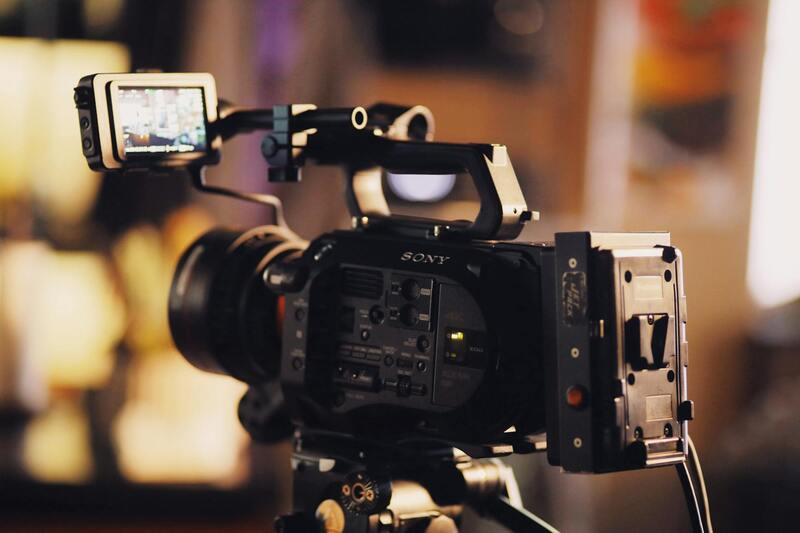
Successful interview video production hinges on selecting the right equipment and ensuring optimal technical conditions. High-quality audio equipment is paramount since clear sound enhances viewer engagement and comprehension. Lavalier microphones, shotgun mics, or wireless microphone systems are commonly used to capture crisp audio, minimizing background noise and interference. Complementing audio gear, professional cameras with high resolution, proper lenses, and stable tripods are essential for capturing sharp visuals that reflect professionalism.
Lighting plays a crucial role in creating a polished look. Studio lighting setups or natural light modifiers should be employed to eliminate shadows and highlight interview subjects effectively. Video producers often utilize softboxes, ring lights, or diffusers to ensure even lighting that flatters the subject and enhances visual clarity.
Color grading and image stabilization are additional technical elements that elevate the final product. Using external monitors and calibration tools during shooting helps maintain consistent color output, while gimbals or stabilizers prevent shaky footage, providing smooth viewing experiences.
Furthermore, it is beneficial to have backup equipment, such as extra batteries, memory cards, and spare cables, to avoid disruptions during shooting. Wireless transmission systems may also be advantageous for flexibility, especially in dynamic shooting environments.
Technical Methods for Authentic and Effective Interview Videos
When aiming to produce interview videos that resonate authenticity and professionalism, relying solely on subjective techniques is insufficient. Instead, adopting official and established methods ensures consistency, quality, and credibility throughout the production process. These methods are grounded in industry standards and adhere to proven practices, resulting in content that aligns with professional expectations.
One prominent approach involves meticulous planning of the shooting environment, whether indoor or outdoor, to optimize sound and visuals. For indoor settings, soundproofing measures such as acoustic paneling and controlled lighting create an ideal ambiance for capturing clear audio and vibrant visuals. In outdoor situations, utilizing windshields for microphones and portable lighting ensures that environmental influences do not compromise the footage.
Precise Audio Capture Techniques
Sound quality is paramount in interview production. Employing legitimate methods like using lapel microphones, shotgun mics, or wireless audio systems guarantees crisp, interference-free sound. Professional audio recorders should be used to capture audio levels accurately and to prevent fluctuations that could detract from viewer engagement. Regularly calibrating audio settings and conducting test recordings before shooting begins are essential steps to verify sound clarity.
Furthermore, utilizing off-camera technicians for sound monitoring during recording sessions allows real-time adjustments, ensuring optimal audio delivery. Post-production, legitimate noise reduction and equalization techniques can refine audio tracks without compromising the natural tone of interviewees, maintaining their credibility and authenticity.
Visual Precision and Camera Work
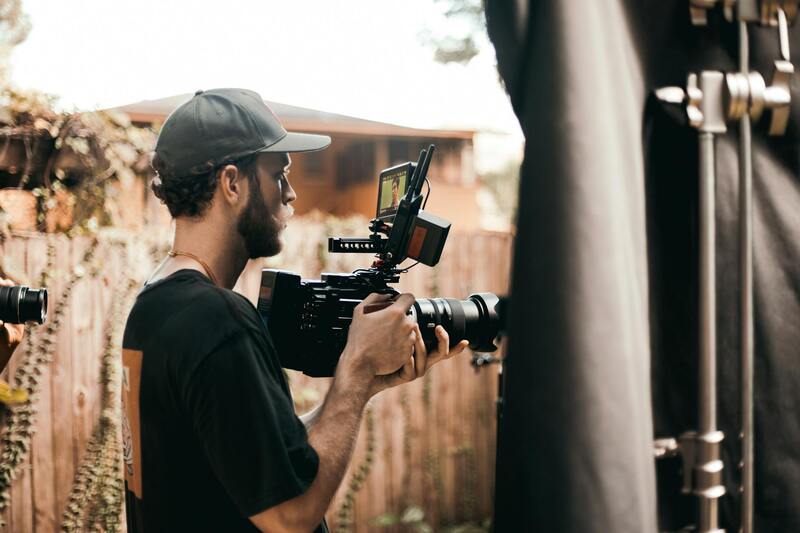
Using legitimate camera techniques, including correct framing, focus, and stabilization, contributes significantly to a professional visual presentation. Employing official stabilization tools like gimbals, tripods, or steadicams minimizes shaky footage, providing a smooth viewing experience. Additionally, accurate camera calibration ensures that color representation remains consistent and true to life throughout the shoot.
Another established method involves multi-angle shooting. By capturing the interview from different perspectives, editors gain flexibility during post-production to create engaging, dynamic content without resorting to unprofessional editing tricks. Official focus pullers and professional lenses help achieve sharp images, capturing details that strengthen the interview’s emotional impact.
Adherence to Professional Editing Standards
Post-production editing should follow industry-standard procedures, including color grading, audio normalization, and visual effects, to produce a refined final product. Using reputable editing software ensures fidelity to technical specifications, allowing meticulous correction of imperfections while preserving authenticity. Syncing audio and video precisely is critical to avoid distracting mismatches that could diminish the perceived credibility of the interview.
Regarding review processes, incorporating multiple feedback rounds with experienced editors ensures the final product aligns with desired quality and messaging. This disciplined approach demonstrates a commitment to delivering official, high-caliber interview content that resonates with audiences and upholds the integrity of the subject matter.
Equipment and Technical Considerations
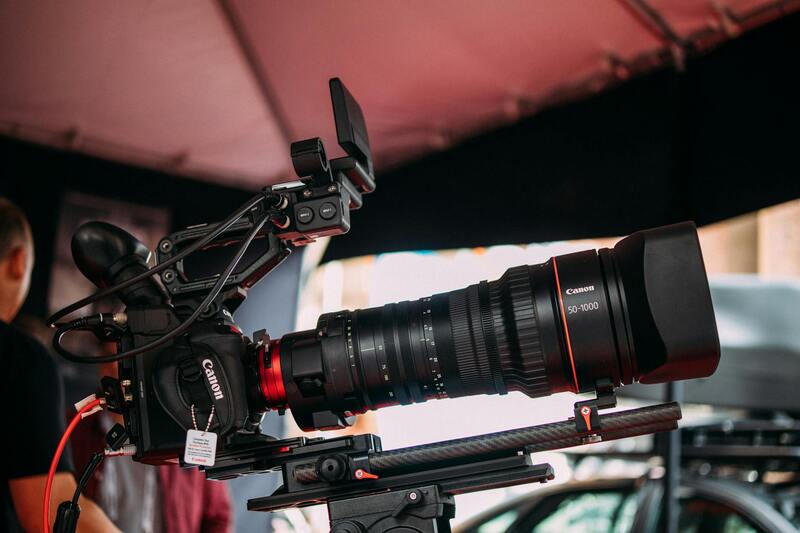
Achieving high-quality interview videos requires meticulous attention to equipment selection and technical setup. Starting with the camera, professional-grade cameras capable of capturing in high resolution, such as 4K or higher, are essential to produce sharp, detailed footage suitable for multiple viewing platforms. It is important to use lenses with appropriate focal lengths and apertures to frame subjects effectively and provide a depth of field that draws focus to the interviewee. Prime lenses are popular for their clarity and optical precision, contributing to a polished look.
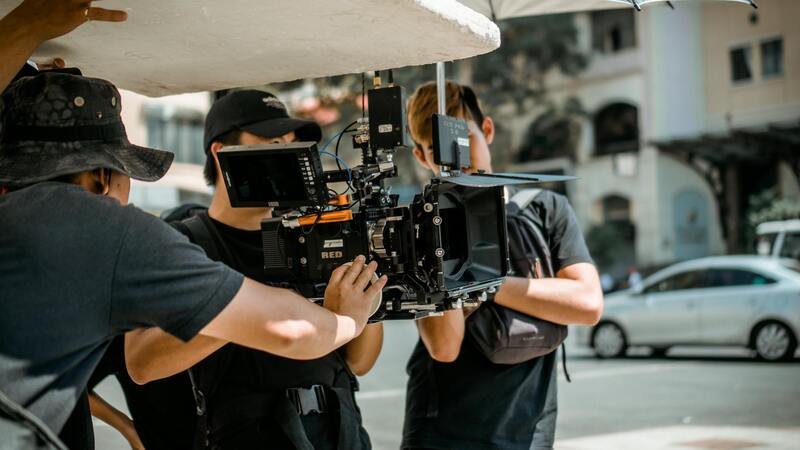
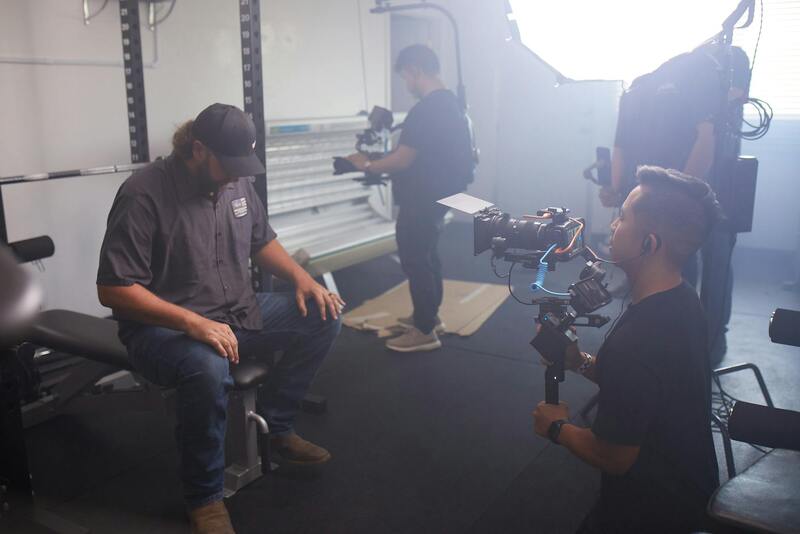
Stability of the footage is paramount; thus, employing stabilizers such as tripods, shoulder rigs, or steadicams is standard practice. These tools eliminate unwanted shakes, presenting a smooth visual experience that maintains viewer engagement. When shooting interviews from multiple angles, using dedicated multi-camera setups allows capturing different perspectives simultaneously, providing more dynamic editing options and enhancing visual interest.
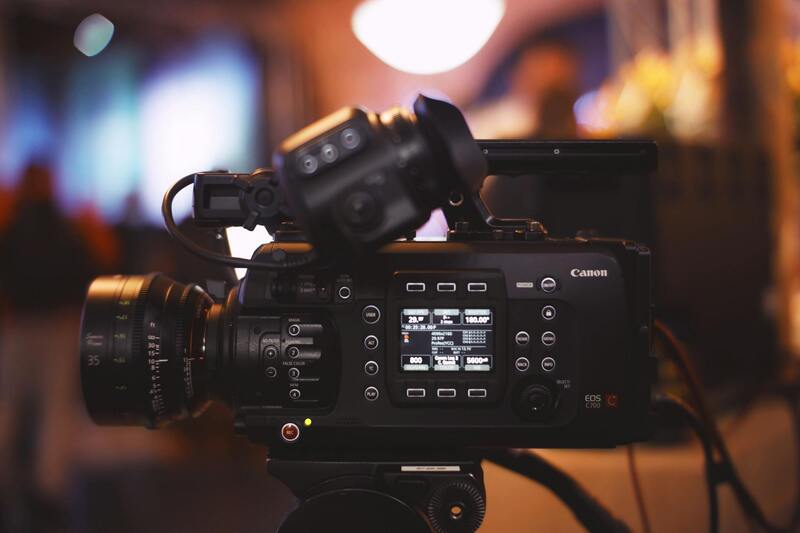
Audio quality can significantly influence the perceived professionalism of an interview video. Utilizing lapel microphones (lavaliers), shotgun mics, or studio condenser microphones ensures clear audio capture, minimizing background noise and echoes. Proper microphone placement is critical to avoid muffled or inconsistent sound levels. Audio interfaces and mixers can be employed to balance multiple audio sources and apply filters, such as noise reduction, to improve clarity.
Lighting plays a crucial role in setting the tone and ensuring the subject is well-presented. Key lighting involves positioning softboxes or LED panels in a three-point lighting arrangement, which evenly illuminates the subject’s face, reducing shadows and highlighting facial expressions. Color temperature control ensures consistent skin tones and background integration. Diffusers and reflectors help achieve a flattering light quality, making the visual presentation more professional.
Post-production workflows underpin the credibility and polish of the final product. Utilizing reputable editing software, such as Adobe Premiere Pro or DaVinci Resolve, allows for precise editing, color correction, and audio synchronization. Professional editors follow industry standards for color grading to ensure visual consistency and authenticity. They also employ meticulous audio normalization to enhance clarity and balance levels across all clips.
Synchronization of audio and video is essential; precise editing minimizes distracting mismatches. Color grading not only corrects lighting and exposure inconsistencies but also enhances the mood and tone of the interview, aligning visuals with the intended message. Incorporating B-roll footage or overlays can reinforce key points and maintain viewer engagement.
Finally, a thorough review process involving multiple feedback stages with experienced editors ensures the content meets quality standards and accurately represents the interview subject. This disciplined approach is fundamental to producing an official, credible interview video that resonates with viewers and strengthens the interview’s message.
Video Shooting and Direction
Executing professional interview videos requires careful attention to framing, camera movement, and directing the interviewee to produce compelling and authentic content. Proper shot composition involves selecting the right angles and framing that focus on the interviewee’s facial expressions and body language, thereby enhancing viewer engagement and clarity. A common approach is the use of a medium close-up shot, which captures facial details and subtle gestures, making the interview more relatable and impactful.
Directing interviewees effectively ensures they appear natural and confident on camera. Clear instructions on where to look, maintaining eye contact with the interviewer or camera, and recommending a relaxed posture help achieve authentic responses. It is also beneficial to encourage interviewees to pause briefly after answering, allowing editors to make clean cuts and maintain a smooth flow in post-production.
Adapting to various filming locations can be challenging but crucial for maintaining visual consistency. Stable shots are achieved through tripod use or stabilizers, especially in uneven or dynamic environments. When filming in different settings, assessing lighting conditions and background elements is vital for making real-time adjustments that enhance visual quality. For instance, repositioning interviewees in front of neutral backgrounds minimizes distractions, ensuring the focus remains on the speaker.
The use of multiple camera angles during shooting—such as close-ups, wide shots, and over-the-shoulder frames—provides flexibility in editing and enriches the final product. Directors should plan these shots meticulously, coordinating with camera operators to capture all necessary perspectives for a professional and engaging interview video.
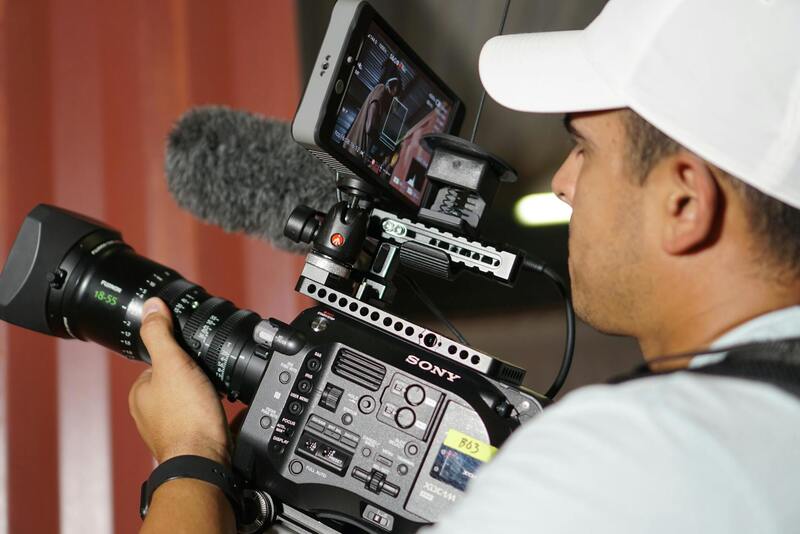
Adjustments in shot composition and camera movement must be made based on the interview context and location. For example, interviews in dynamic environments require quick adaptations to minimize background noise and distractions while maintaining shot quality. When necessary, using external microphones, windshields, and proper audio placement can significantly improve sound clarity, complementing the visual professionalism of the footage.
Throughout the filming process, directors must continuously monitor the footage to ensure it adheres to desired standards, adjusting lighting, framing, and speaker positioning as needed. Regular communication with interviewees fosters a relaxed atmosphere, prompting authentic responses and reducing awkwardness or stiffness on camera. Such effective coordination guarantees that the final interview video is visually appealing, well-organized, and meaningful to viewers.
Optimizing the Interview Video for Various Platforms
After the filming phase, editing plays a critical role in shaping a compelling interview video. The post-production process begins with importing the footage into editing software, where editors organize clips and select the most impactful segments. Implementing a coherent narrative flow requires careful trimming and sequencing to maintain viewer engagement while emphasizing key messages.
Color correction is an essential step to ensure visual consistency across all shots. This process involves adjusting brightness, contrast, and color balance, which helps to set the appropriate mood and professional tone for the video. For instance, warmer tones can evoke a welcoming atmosphere, while cooler shades may convey professionalism and calmness.
Sound editing contributes significantly to the overall quality. Background noise must be minimized, and the clarity of speech should be maximized with equalization and noise reduction techniques. Incorporating suitable audio effects or music tracks can enhance the viewer’s emotional connection, provided they are used judiciously so as not to overpower the primary content.
During the review process, it is vital to scrutinize all elements meticulously. Multiple review stages allow for feedback incorporation, ensuring the final video aligns with the original objectives. Attention to detail—such as frame transitions, graphical overlays, and captions—adds a polished finish that elevates the professionalism of the interview presentation.
Adapting Content for Different Audience Segments
Effective interview videos are tailored to fit diverse distribution channels and target audiences. For social media platforms like LinkedIn, short, impactful snippets are more effective at capturing attention, emphasizing key messages or compelling quotes from the interviewee. These clips should be optimized with subtitles and eye-catching visuals to enhance accessibility and engagement.
On corporate websites or professional portals, full-length interview videos serve to establish credibility and demonstrate expertise. Ensuring the content is clear, concise, and formatted for easy navigation helps viewers find relevant information quickly. Embedding these videos within blog posts or resource sections further amplifies their reach and usefulness.
For broadcast or streaming platforms, compatibility with various formats and resolutions is essential. High-definition content ensures a professional appearance across screens and devices, while considering platform-specific aspect ratios optimizes viewer experience. Strategic placement and timely promotion of these videos can significantly increase their impact and visibility.
Maintaining consistency in branding elements—such as logos, color schemes, and visual styles—across all distribution formats reinforces brand recognition and trust. Implementing a comprehensive content strategy ensures that each interview video not only reaches its intended audience but also supports broader communication goals effectively.
Strategic Methods for Authentic Interview Video Content
When developing interview videos, utilizing established and reputable methods for content collection and dissemination is vital to ensure the material accurately reflects the interviewee’s insights and expertise. Employing high-quality, professional production techniques is fundamental to achieving a polished final product that commands viewers' trust and engagement. This begins with meticulous planning during pre-production, encompassing location scouting, script preparation, and audience analysis to tailor the content’s tone and messaging effectively.
In the production phase, leveraging professional equipment such as high-resolution cameras, external lighting, and crisp microphones guarantees clear visuals and crisp audio. These elements are crucial for delivering a seamless viewing experience that fosters credibility. Employing multiple camera angles provides dynamic perspectives and reduces monotony, engaging viewers throughout the video. Proper lighting not only enhances visual appeal but also ensures interviewees are presented in the best possible light, both literally and figuratively.
Moreover, conducting interviews in controlled environments minimizes background distractions and noise, further elevating production standards. Interviewers should prepare insightful questions that encourage candid responses, allowing interviewees to share expertise authentically. During filming, maintaining a relaxed yet professional atmosphere helps interviewees deliver natural, compelling answers.
Post-production plays a critical role in refining interview content. This stage involves editing footage to highlight key messages, removing interruptions or redundancies, and ensuring the video's pacing aligns with viewer engagement patterns. Incorporating visual aids, such as graphics or on-screen text, can emphasize important points and enhance clarity. Sound mixing, color correction, and the integration of branding elements ensure the final video maintains a consistent and professional appearance.
Utilizing credible editing and review processes, including multiple rounds of quality assurance, assures the integrity of the content. Validating that the audio and visuals are synchronized, and that the message is conveyed clearly, helps build reliability and trustworthiness. Once finalized, the video should be stored securely and prepared in various formats suitable for diverse distribution channels, including web hosting platforms and social media outlets.
Implementing formalized methods for release—such as scheduled uploads, targeted emailing campaigns, or partnership promotions—bolsters the video’s reach. It’s important to monitor viewer analytics to refine future content and distribution strategies. Overall, combining proven production practices with strategic distribution ensures that interview videos serve as powerful tools for communication, demonstrating expertise while fostering audience engagement and confidence.
Ensuring Proper Licensing and Rights Management
Secure, clear permissions are essential for the successful use of interview footage, especially when utilizing third-party visuals, music, or proprietary content within your video. This entails obtaining the necessary licenses for any copyrighted material incorporated into the final product, preventing potential legal complications or content removal issues. Documenting the rights and permissions granted by individuals, organizations, or content providers is crucial for maintaining transparency and accountability throughout the production process.
Additionally, contracts should clearly specify terms regarding the usage, distribution, and modification of the footage. Establishing these agreements upfront ensures that all parties are aware of their rights and responsibilities, fostering a smooth post-production workflow. When working with external vendors or freelancers, verify that all licenses for equipment, software, and media assets are valid, up-to-date, and compliant with industry standards.
Maintaining meticulous records of permissions and licenses simplifies the process of editing, distribution, and potential future modifications. It also enables quick resolution of any disputes that may arise regarding content rights. Employing official licensing channels and clearly defining usage scopes ensures that your interview videos are legally sound and reputable, reinforcing your brand's integrity in the wider digital landscape.
Implementing Consistent Branding and Quality Standards
Consistency in branding elements such as logos, color schemes, and visual styles enhances the professional appearance of your interview videos. Developing a comprehensive style guide helps to maintain uniformity across all content, which is vital for brand recognition and trustworthiness.
Quality assurance during and after production guarantees that each video meets industry standards. Conduct thorough reviews aligned with established criteria for audio clarity, visual fidelity, and overall pacing. Using professional color correction and sound mixing workflows ensures a polished final product, reinforcing credibility with viewers.
Implementing regular training sessions and updates for your production team maintains adherence to these standards. Additionally, feedback loops involving stakeholders or voice of customer insights help to refine creative elements, aligning the content more closely with viewer expectations and organizational goals.
Saving and Archiving Final Video Assets
Proper archiving procedures are vital for future use, revision, or re-purposing of interview content. Store high-resolution master files in secure, backed-up locations with clear, detailed metadata, including project descriptions, licensing details, and creation dates. This facilitates easy retrieval and ensures that the original quality of your footage is preserved regardless of future modifications or republishing needs.
Cloud-based storage options can offer scalable solutions, allowing authorized personnel to access content remotely and securely while maintaining version control. Establishing systematic naming conventions and folder structures streamlines the management of a growing video archive.
Regular audits and updates to your archiving system help identify obsolete content, update metadata, and ensure compatibility with emerging technology standards. This proactive approach safeguards your investment and readiness for future distribution or repurposing efforts, making your interview videos a valuable resource for sustained organizational engagement and reputation management.