Understanding the Role of a Testimonial Video Production Company
In the competitive landscape of modern marketing, businesses increasingly recognize the significant impact of authentic client stories to build trust and credibility. A testimonial video production company specializes in capturing these stories through high-quality visual content that communicates genuine customer experiences. Their expertise lies not only in filmmaking but also in storytelling, ensuring each testimonial resonates with potential clients and highlights real results achieved through a company's products or services.
Testimonial videos serve as powerful endorsements, showcasing tangible benefits and fostering emotional connections with viewers. For a testimonial video production company, the initial phase involves collaborating closely with clients to understand their brand voice, target audience, and specific messaging goals. This understanding guides the entire production process, from conceptualization to final editing.
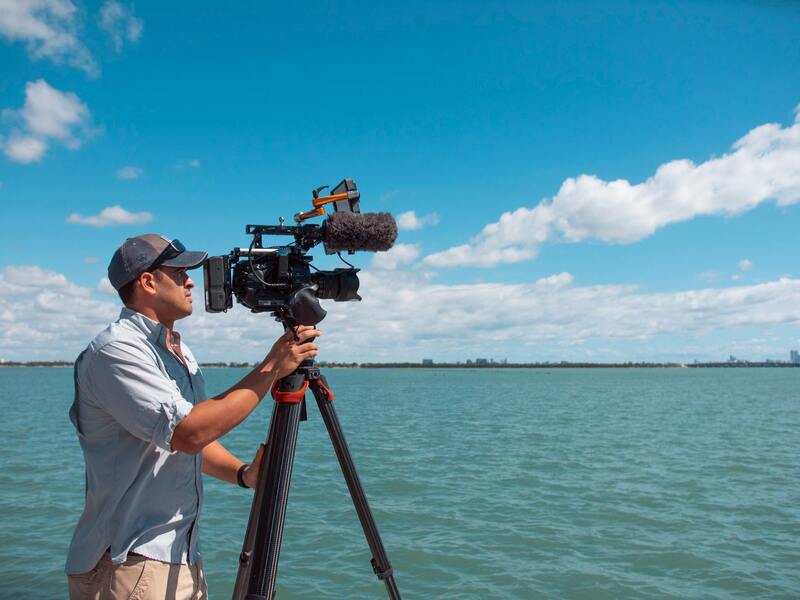
Such companies are equipped with technical expertise, including camera work, sound engineering, and editing, combined with a keen eye for storytelling that aligns with marketing objectives. They work to create compelling narratives that portray client success authentically, often involving interviews, b-roll footage, and post-production enhancements that enhance the overall quality and impact of the final product.
Beyond production, these companies often offer strategic guidance on distribution, helping clients leverage testimonial videos across various marketing channels such as websites, social media, and email campaigns for maximum outreach. This holistic approach ensures that each testimonial video not only highlights genuine customer experiences but also serves as a dynamic tool to influence purchasing decisions and enhance brand reputation.
The importance of a testimonial video production company extends to their ability to tailor content to specific audiences, customize storytelling techniques, and incorporate branding elements seamlessly. Their role in modern digital marketing is essential, providing businesses with authentic, engaging content that underscores their value proposition through the voice of satisfied clients.
Understanding the Role of a Testimonial Video Production Company
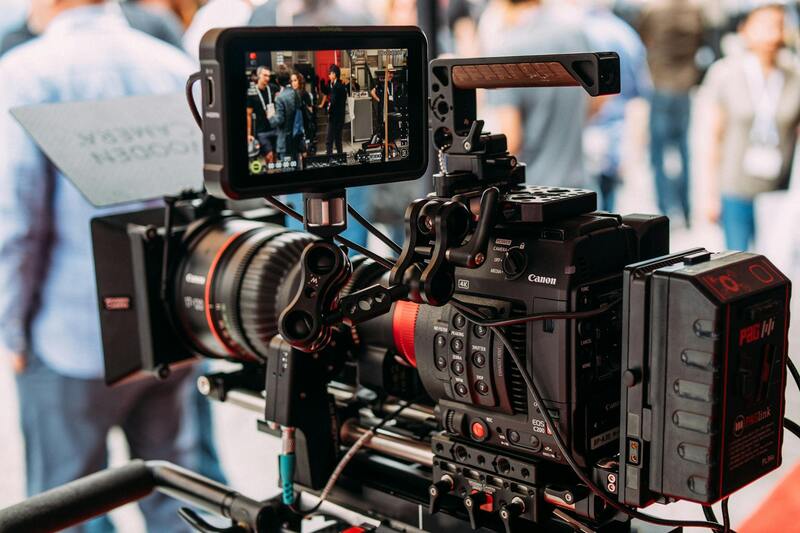
A testimonial video production company specializes in creating compelling video content that showcases authentic customer experiences and success stories. These firms bring together a combination of technical prowess and storytelling expertise to produce videos that resonate with target audiences, ultimately strengthening brand trust and credibility. They are equipped with state-of-the-art equipment, including high-definition cameras, professional lighting, and advanced sound systems, to ensure each testimonial is captured with clarity and professionalism. Beyond equipment, these companies emphasize storytelling, guiding clients through interviews and narrative development to craft authentic, relatable content.
A typical testimonial video production process involves several stages, starting with pre-production planning—identifying key messages, selecting interviewees, and defining the video's purpose. During filming, production crews focus on capturing sincere interviews and candid client interactions to evoke genuine emotional responses. Post-production editing integrates footage, enhances sound quality, and adds branding elements, voice-overs, or subtitles as needed. A skilled production company aims to produce videos that authentically reflect client success while aligning with the client’s marketing goals.
Furthermore, these companies often extend their expertise to strategic distribution, helping clients optimize the reach of their testimonial videos. They advise on the best channels for sharing, whether through social media platforms, corporate websites, or email marketing campaigns, ensuring the content generates maximum engagement. The seamless integration of storytelling, technical quality, and strategic insight underscores the critical role of a professional testimonial video production company in modern digital marketing efforts. Their goal is to produce compelling, high-quality videos that serve as powerful tools for building credibility, fostering trust, and ultimately influencing consumer behaviors.
Choosing a reputable Miami-based testimonial video production company involves evaluating their portfolio, client reviews, and understanding their approach to storytelling. Businesses should look for companies with a proven track record of producing authentic, engaging testimonial content that appeals to their target demographics. Furthermore, a proficient production partner should demonstrate flexibility in adapting creative strategies to fit diverse industries and brand identities. By collaborating closely with a seasoned partner, organizations can ensure the final product effectively communicates their message and resonates with potential customers.
Implementing Authentic Testimonials to Capture Genuine Customer Experiences
Authenticity forms the backbone of impactful testimonial videos. When potential customers watch firsthand accounts of satisfied clients, they gain a sincere perspective that resonates more deeply than scripted marketing messages. To achieve this, companies should focus on capturing real stories that highlight specific benefits, challenges overcome, and tangible results. Interview techniques play a crucial role; open-ended questions allow clients to share their experiences naturally, revealing nuances that add credibility and emotional appeal.
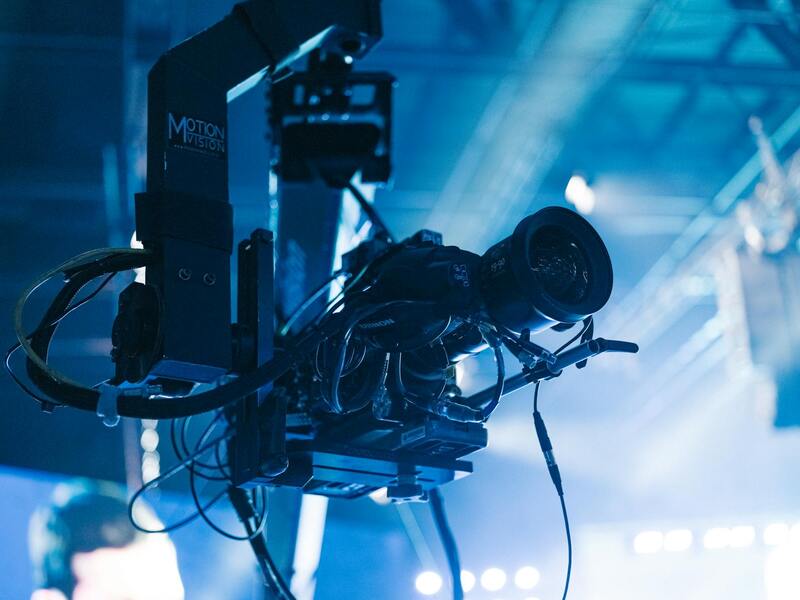
Lighting and audio quality are critical in maintaining professionalism. Clear visuals and sound enable viewers to focus on the testimonial content without distractions, reinforcing the message’s authenticity. Moreover, selecting diverse testimonials that reflect various customer demographics can broaden appeal and demonstrate the company's broad effectiveness. By emphasizing stories that highlight real-world applications and outcomes, a testimonial video can substantially elevate a brand’s credibility in the eyes of prospective clients.
Best Practices for Structuring and Editing Testimonial Videos
Once the raw footage is collected, the editing process becomes essential in crafting a compelling narrative. Effective testimonial videos typically follow a clear structure: an engaging introduction that captures attention, a detailed account of the client's challenge and solution, and a conclusion that reinforces the positive outcome. Incorporating b-roll footage—such as the client in their environment or using the product—adds visual interest and context to the story.
Editing should prioritize the clarity of the message, removing any superfluous content that detracts from the core story. Incorporating branding elements subtly throughout the video helps maintain consistency with overall marketing efforts without overwhelming the viewer. Adding captions and subtitles ensures accessibility and allows viewers to engage with the content even without sound, which is crucial for social media platforms.
Ensuring Compliance with Content and Privacy Standards
Producing testimonial videos that adhere to content standards involves obtaining explicit consent from clients to share their stories publicly. Clear agreements should specify how the footage will be used across different media channels. Respect for privacy is paramount; sensitive information must be handled carefully, and any client identifiers or proprietary data should be either anonymized or used with approval.
To maintain transparency, companies should inform clients about the editing process and have them review the final cut before publication. This review process not only fosters trust but also ensures that the testimonial accurately reflects the client's experience. Handling these aspects professionally helps build long-term relationships and safeguards the company's reputation.

Distribution Strategies to Maximize the Impact of Testimonial Videos
Once finalized, a comprehensive distribution plan ensures that testimonial videos reach the target audience effectively. Incorporating videos into a multi-channel marketing approach amplifies their influence. Embedding clips on the company website’s landing pages creates immediate trust signals for visitors making purchase decisions. Hosting videos on popular social media platforms increases engagement and shareability, extending reach organically.
Email marketing campaigns benefit from including testimonial videos to add personal, relatable content that nurtures leads. Additionally, deploying videos through paid advertising allows precise targeting of demographics most receptive to the message. Analyzing performance metrics—such as view counts, engagement rates, and conversion data—provides insights into the campaign's effectiveness, guiding future content and distribution strategies.

Implementing Best Practices for Testimonial Video Production
To optimize the effectiveness of testimonial videos, several best practices should be integrated throughout the production process. These strategies ensure the content resonates with the target audience and leverages the full potential of visually compelling storytelling.
- Authenticity is Key: Genuine testimonials from satisfied clients create a more relatable and trustworthy image. Encourage interviewees to share honest experiences rather than scripted responses. This authenticity builds credibility and fosters emotional connections with viewers.
- Focus on Clear Messaging: The core message of the testimonial should highlight specific benefits or solutions provided by the business. Structuring interviews to emphasize problem-solving aspects, unique value propositions, and tangible results enhances persuasive impact.
- Professional Lighting and Sound: High-quality visual and audio elements are fundamental for engaging viewers. Proper lighting minimizes distractions and enhances facial expressions, while clear audio ensures messages are transmitted effectively. Investing in professional equipment or hiring seasoned videographers significantly improves production quality.
- Use of Visuals and B-Roll: Incorporating supplementary visuals, such as product demonstrations, before-and-after shots, or relevant environment footage, enriches storytelling. B-roll footage provides context and sustains viewer interest, enabling the narrative to flow smoothly without monotony.
- Concise and Impactful Content: Testimonials should be succinct yet comprehensive enough to communicate key points. Editing out redundancies and focusing on compelling statements keeps the audience engaged and facilitates message retention.
- Strategic Placement of Call-to-Action: Clearly defined calls-to-action guide viewers towards desired outcomes, such as visiting a website, requesting a quote, or contacting sales. Positioning these prompts at natural pauses within the testimonial ensures they are perceived as a logical next step.
- Optimizing for Platforms: Different distribution channels have specific requirements. Adjusting the aspect ratio, length, and format of testimonial videos for social media, websites, or email campaigns maximizes engagement. Utilizing subtitles or captions also enhances accessibility and viewer retention, especially on silent autoplay environments.

By adhering to these practices, a testimonial video production company ensures that each project not only meets technical standards but also resonates authentically with the intended audience. This strategic approach results in compelling content that effectively communicates client success stories, elevates brand trust, and drives measurable business results.
Legal Considerations and Best Practices
Producing testimonial videos requires adherence to established protocols that safeguard the integrity of the content and ensure a seamless viewing experience. This encompasses securing appropriate permissions, implementing clear consent procedures, and maintaining transparency throughout the production process.
Secure explicit consent from all individuals featured in testimonials, confirming their agreement to be recorded and for their statements to be used for promotional purposes. This process typically involves signing detailed releases that outline the scope and distribution of the content, thereby establishing mutual understanding and protecting all parties involved.
Maintain accuracy and truthfulness in the portrayal of clients’ experiences. Testimonials should authentically reflect their opinions without embellishment or exaggeration. This honesty sustains credibility and enhances viewer trust in the brand or service being promoted.
Implement high-quality audio-visual standards to produce professional and engaging content. Clear audio, sharp visuals, and appropriate lighting not only reflect well on the brand but also augment the testimonial’s persuasive power. Proper editing ensures a smooth narrative flow, highlights key messages, and eliminates distractions or redundancies.
Develop a structured interview methodology that focuses on open-ended questions. This encourages genuine stories and emotional connections, making the testimonials more relatable. Keep the interview environment comfortable, fostering authentic conversations that resonate with viewers.
Adopt content management best practices for distribution. Customize videos for various platforms, respecting aspect ratios and length constraints, and utilize captions or subtitles to enhance accessibility. These steps improve viewer engagement, especially in environments where sound may be muted or environments are noisy.
Regularly review compliance guidelines, industry standards, and platform-specific policies to avoid inadvertent issues that could affect the video’s effectiveness or reach. Ongoing education and vigilance in these areas help maintain a professional standard and uphold the reputation of the production company.
Ultimately, the meticulous attention to legal and ethical standards in testimonial video production fosters trust, enhances brand credibility, and ensures that the content serves its intended purpose effectively and responsibly.
Legal Considerations and Best Practices
Establishing a testimonial video involves navigating specific legal considerations to ensure that the content aligns with industry standards, respects intellectual property rights, and maintains transparency. A reputable testimonial video production company in Miami systematically manages these aspects by implementing well-defined protocols and best practices that protect both the client’s interests and the integrity of the content.
One of the fundamental steps is obtaining clear and explicit consent from all individuals featured in the testimonial videos. This can be achieved through comprehensive release forms that specify the scope of usage, distribution channels, and duration of the content's deployment. These forms should outline the rights granted to the production company and client, helping prevent misunderstandings or disputes later on.
In addition to consent, managing the accuracy and authenticity of testimonials is paramount. Production companies emphasize crafting questions that elicit honest and natural responses, avoiding any prompts that might influence or distort the client’s story. This approach supports the creation of genuine narratives that resonate with viewers while respecting the real experiences of the individuals involved.
Pursuing consistency in branding and messaging also involves ensuring that testimonials do not inadvertently contain misleading information or exaggerations. Proper fact-checking and alignment with brand values are integral to maintaining credibility. Clear communication and transparency are prioritized throughout the production process, reinforcing trust between the company, its clients, and the audience.

From a technical perspective, a professional production company in Miami adheres to platform-specific guidelines and technical standards. This includes respecting content duration, aspect ratios, and captioning requirements to optimize reach and engagement. Video content should be crafted with attention to detail, ensuring all necessary disclosures are clearly presented where applicable.
Maintaining the confidentiality of proprietary information and respecting privacy settings are additional concerns managed meticulously. Companies implement secure data handling procedures to protect sensitive information shared by clients during filming and editing phases.
Lastly, continuous education about evolving regulations and industry standards forms a critical component of responsible testimonial video production. By staying informed on legal updates and best practices, the production team can proactively adapt to new requirements, safeguarding the integrity and effectiveness of the content.
Strategies for Ensuring Authenticity and Compliance in Testimonial Videos
Creating testimonial videos that resonate with audiences and uphold the highest standards involves meticulous planning and adherence to best practices. One of the pillars of effective testimonial content is honesty. Clients featuring in these videos should provide genuine insights and experiences, which naturally build trust and credibility. To foster authenticity, production companies should develop transparent scripts and guide clients to share specific, verifiable details about their journey or the benefits they received.
Equally important is transparent disclosure regarding any incentives or compensations tied to the testimonial. Clear communication from the outset about the purpose of the video and any associated disclosures ensures the integrity of the testimonial. This approach aligns with well-established ethical standards and enhances the trust viewers place in the content.

From a technical perspective, each testimonial should clearly display necessary disclosures, such as statements about sponsorships or material connections, directly within the video or in accompanying metadata when hosted online. This transparency helps set accurate viewer expectations and supports compliance with platform standards.
Implementing Secure and Respectful Filming Practices
Protecting client privacy and proprietary information is paramount during testimonial video production. Production companies must implement secure data handling protocols to safeguard sensitive information provided by clients during interviews or behind-the-scenes footage. Clients should be informed about how their data will be used, stored, and shared, with explicit consent obtained before filming commences.
Respecting privacy involves limiting the exposure of confidential details and giving clients control over what is shared publicly. Editing stages should be carefully managed to avoid revealing proprietary information unintentionally. Additionally, securing written releases from clients confirms their agreement to the content and its intended use, protecting all parties involved.
Adapting to Evolving Standards and Industry Guidelines
Legal and regulatory landscapes are constantly evolving, which makes ongoing education essential for production teams. Staying current on emerging requirements, platform policies, and industry standards ensures testimonials remain compliant and effective. Participating in relevant training and consulting with legal or industry experts can provide valuable insights to navigate complex scenarios.
Furthermore, creating internal checklists or protocols for review before finalizing videos can serve as an effective safeguard, ensuring all necessary disclosures, permissions, and technical standards are met. Such proactive measures help in delivering high-quality testimonial videos that are both compelling and ethically sound.
Quality Assurance and Post-Production Review
Before releasing testimonial videos, thorough reviews should be conducted to verify that all content aligns with agreed-upon guidelines. This includes checking for accurate disclosures, confirming client approvals, and ensuring that the final product accurately reflects the authentic experiences shared. Maintaining meticulous records of consents and modifications throughout the process further supports credibility and organizational transparency.

Implementing Best Practices for Ethical and Authentic Testimonial Videos
Producing testimonial videos that genuinely reflect client experiences without compromising on ethical standards requires adherence to established best practices. Authenticity remains a cornerstone of a compelling testimonial, as viewers can detect insincerity or over-promising, which can diminish trust and credibility. To maintain authenticity, it is critical to ensure that clients share honest, transparent feedback that aligns with their true experiences. This involves careful interview techniques where questions are open-ended and encourage detailed responses rather than scripted monologues.
Clear communication about the purpose and use of the testimonial helps clients understand their role and responsibilities. Having written consent and documented approval processes not only safeguards all parties involved but also promotes transparency. It’s equally important to avoid editing that significantly distorts the client's message or misrepresents their experience, preserving the integrity of the testimonial.
In addition, respecting the client’s confidentiality and privacy preferences is paramount. When necessary, clients should authorize specific details to be included in the testimonial, especially if sensitive information or proprietary business insights are involved. This level of professionalism fosters trust and encourages more authentic engagement.

Structured Review and Approval Processes
Implementing a rigorous review and approval routine ensures that testimonial videos meet all compliance standards and accurately reflect the client's feedback. This process often involves multiple review stages: initial client approval of the rough cut, followed by a final review to confirm the accuracy of the content, and authentication of any disclosures.
Documenting each step of the approval process with written confirmations helps prevent misunderstandings and provides a clear record of consent. Utilizing comprehensive checklists during review sessions can aid in ensuring that all essential elements, including disclaimers, disclosures, and branding, are properly incorporated.
Ensuring Proper Use of Testimonials Across Platforms
When deploying testimonial videos across various platforms, adherence to permitted use and distribution guidelines is crucial. Each medium—whether social media, websites, or broadcast—may have different content formatting requirements and restrictions. Conforming to these standards ensures that videos are both effective and compliant.
Proper categorization and tagging of content facilitate targeted reach and improve viewer engagement. Additionally, understanding platform-specific policies about endorsements or testimonials helps avoid inadvertent violations and supports a consistent, credible brand image.
Regular Monitoring and Updating of Testimonial Content
Given that business relationships and client experiences evolve, updating testimonial videos periodically is advisable. Regular reviews of existing content can identify outdated information, while new testimonials can provide fresh perspectives and reinforce the authenticity of a brand.
Monitoring viewer engagement and feedback offers insights into the ongoing effectiveness of testimonial videos. Adjustments based on quantitative and qualitative data ensure that the content remains relevant, impactful, and aligned with current industry standards.