Understanding Video Interview Services
Video interview services have become an essential tool for modern organizations seeking efficient and effective ways to evaluate and connect with potential candidates or partners. These platforms facilitate real-time or recorded interactions that eliminate geographic barriers, allowing for a seamless interview process regardless of location. Typically, these services are integrated with secure, user-friendly interfaces that support high-quality video and audio communication, ensuring clear and professional exchanges. Beyond recruitment, video interview services are also utilized in corporate training, onboarding processes, and stakeholder discussions, providing a versatile solution for various business needs.
At their core, these platforms streamline the interview process by offering features such as scheduling automation, multi-user engagement, and integrated note-taking. Companies can pre-record questions for candidates to answer at their convenience or conduct live sessions that mirror in-person interviews. This flexibility not only accelerates hiring timelines but also expands the pool of candidates, enabling organizations to consider a wider range of talent from different regions. As technology advances, these services are increasingly incorporating AI-driven analytics, translation tools, and integration with applicant tracking systems to enhance the overall experience and accuracy of candidate assessments.

Benefits of Using Video Interview Services
- Reduces Hiring Time: Quickly connect with candidates without scheduling conflicts or travel arrangements.
- Expands Talent Pool: Access a broader range of applicants from various locations, increasing diversity.
- Enhances Candidate Experience: Provides a professional and flexible interview process tailored to modern expectations.
- Cost Efficiency: Minimizes expenses related to travel, venue booking, and logistical arrangements.
- Improves Assessment Accuracy: Offers tools for structured interviews, recordings for review, and data-driven insights.
- Supports Flexibility: Enables interviews to be conducted asynchronously or synchronously, accommodating diverse schedules.
Key Features of Video Interview Platforms
- Secure Authentication: Ensures that only authorized individuals access the interview environment.
- High-Quality Video and Audio: Facilitates clear communication, essential for accurate assessments.
- Flexible Scheduling Tools: Automates appointment setting and reminders to streamline operations.
- Recording Capabilities: Allows for review of interviews and sharing with stakeholders.
- Candidate Management: Integrated applicant tracking and communication tools.
- Accessibility Features: Accommodates users with varying technological setups and needs.
Choosing the Right Video Interview Service Provider in Miami
Selecting an optimal platform requires assessing several factors tailored to your organization’s specific requirements. Key considerations include platform reliability, user interface intuitiveness, data security standards, and customer support responsiveness. Local providers in Miami may offer additional advantages, such as tailored training, on-site assistance, and familiarity with regional hiring practices. It's beneficial to compare platforms based on scalability, integration capabilities with existing HR systems, and overall user reviews.
Moreover, evaluating the provider’s compliance with industry-specific standards ensures that your interview process maintains professional integrity and confidentiality. Conducting pilot tests with shortlisted platforms can also aid in determining which solution best aligns with organizational workflows and candidate engagement strategies. Partnering with a reputable local provider familiar with Miami’s unique market dynamics can further streamline implementation and ongoing support.

Implementation and Best Practices
Seamless deployment of video interview services involves strategic planning and adherence to best practices. It begins with stakeholder training to ensure all users are comfortable with the platform functionalities. Setting clear guidelines for candidates regarding technical requirements, preparation tips, and interview scheduling helps foster professionalism.
To maximize effectiveness, organizations should establish structured interview protocols, utilize standardized questions, and incorporate scoring rubrics. Testing technology beforehand minimizes disruptions, and providing technical support for candidates can enhance the overall experience. Regularly reviewing interview recordings and gathering feedback from interviewers and applicants inform continuous improvement efforts, ensuring the process remains efficient and candidate-centric.
Legal and Privacy Considerations
While employing video interview services, organizations must prioritize safeguarding personal information and maintaining compliance with applicable data protection standards. This involves choosing platforms with robust encryption, secure data storage, and transparent privacy policies. Informing candidates about how their data will be used, stored, and shared is essential for building trust and transparency.
Additionally, organizations should establish clear policies on recording interviews, access controls, and retention periods. Regular audits and updates to privacy practices ensure ongoing compliance with local regulations and industry best practices, supporting a respectful and secure interview environment.
Future Trends in Video Interviewing
The landscape of video interview services is continuously evolving, with emerging trends focused on enhancing realism, assessment accuracy, and candidate engagement. Artificial intelligence integration is enabling more sophisticated analysis of facial expressions, voice tone, and speech patterns to support decision-making. Virtual reality environments could soon simulate immersive interview scenarios, offering richer assessment contexts.
Moreover, increasingly personalized and adaptive interview processes will tailor questions based on candidate responses and profiles. The integration of multilingual support and real-time translation will facilitate cross-cultural evaluations, expanding global accessibility. As cloud-based platforms become more ubiquitous, scalability and seamless connectivity will further streamline hiring operations across regions.
Local Resources and Support in Miami
Miami’s vibrant business community offers numerous resources to assist organizations in optimizing their video interview strategies. Local technology consultants and HR specialists can provide tailored training, systems integration, and ongoing support. Collaborating with regional service providers ensures solutions are aligned with local hiring practices and cultural nuances.
Furthermore, professional associations and business chambers often host workshops and seminars that highlight best practices, technological advancements, and compliance updates related to virtual interviewing. Leveraging these resources enables organizations to enhance their recruitment processes and maximize the benefits of video interview services within the Miami market landscape.
Benefits of Using Video Interview Services
Utilizing professional video interview services offers substantial advantages for organizations aiming to optimize their recruitment processes. One of the primary benefits is increased efficiency. Virtual interviews considerably reduce the time required to coordinate and conduct initial candidate screenings, allowing hiring teams to evaluate a larger pool of applicants within shorter timeframes. This acceleration enables organizations to move swiftly through the hiring pipeline, minimizing delays associated with traditional face-to-face interviews.
Cost savings stand out as another critical advantage. Eliminating the need for travel, accommodation, and logistical arrangements for preliminary interviews diminishes expenses significantly. Companies can allocate resources more effectively, focusing budgets on further stages of the hiring process or candidate development initiatives.
Expanding candidate reach is facilitated seamlessly through video interview services. Organizations are no longer constrained by geographical limitations, opening access to talent across different regions, states, or countries. This broadened scope enhances diversity and increases the likelihood of discovering highly qualified individuals who might not have applied through conventional methods. Moreover, remote interviews mitigate scheduling conflicts, offering flexibility for both interviewers and participants.
From an evaluative perspective, video platforms provide tools that improve candidate assessment. High-quality recordings allow for detailed reviews and sharing among hiring teams. Features such as timed responses, structured questions, and integrated evaluation forms enable a standardized and comprehensive analysis of candidates' communication skills, technical knowledge, and overall suitability for the role. When combined with recording capabilities, interviewers can revisit discussions to ensure informed decision-making.
In addition, the use of virtual interview services enhances the candidate experience by demonstrating a company's commitment to modern, flexible employment practices. Applicants appreciate the convenience of remote testing, which can lead to a more positive perception of the organization and potentially increase acceptance rates after offers are extended. The adaptability offered by these platforms aligns with evolving workforce expectations, especially among younger, digitally-native candidates.
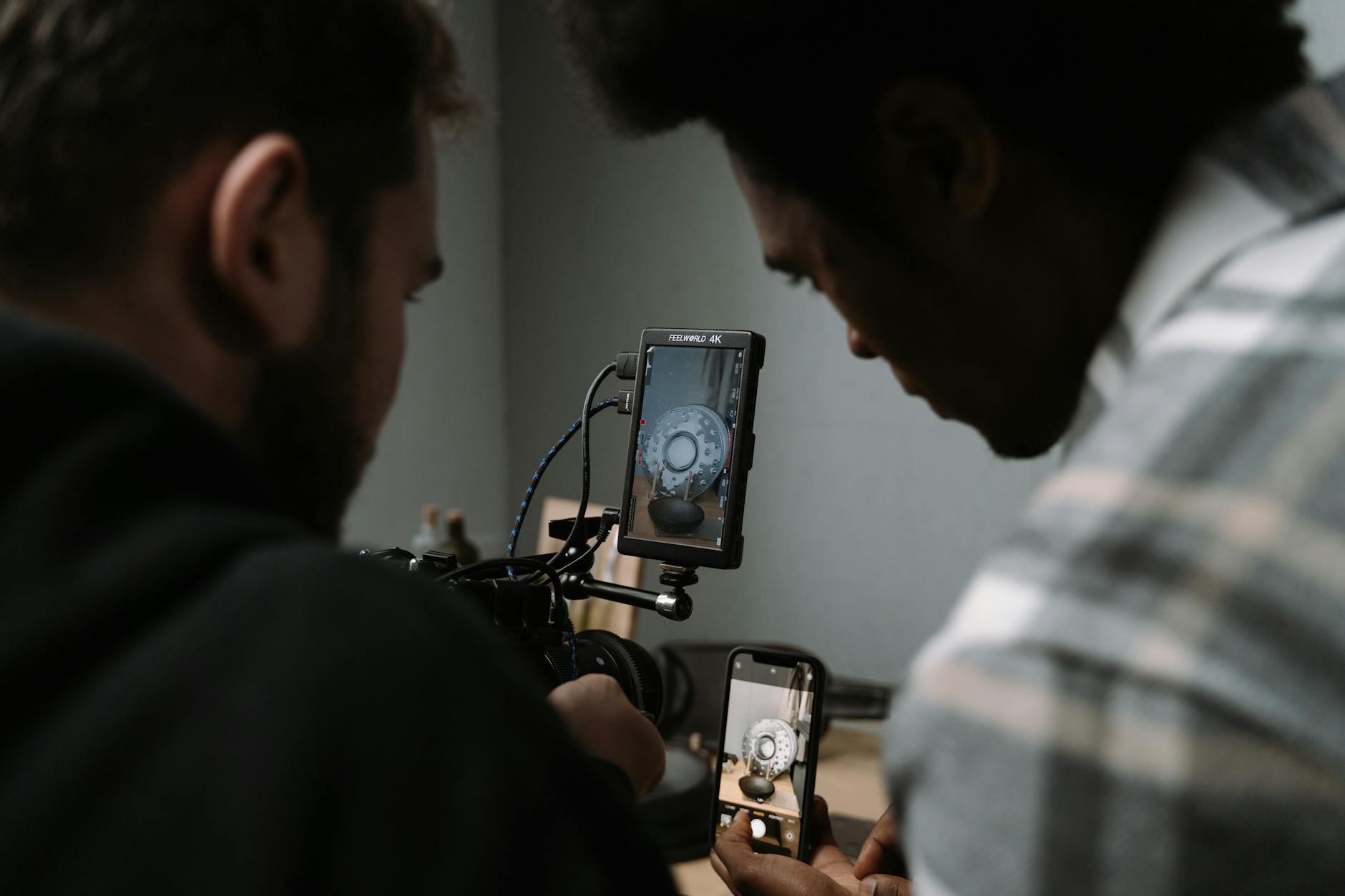
Overall, integrating reliable video interview solutions into the recruitment framework equips organizations with tools that deliver speed, cost-efficiency, reach, and enhanced candidate analysis—key factors in maintaining a competitive advantage in today's fast-paced employment market.
Key Features of Video Interview Platforms
When selecting a video interview service, understanding the core functionalities that enhance the interviewing process is essential. The most effective platforms provide a balanced mix of real-time interaction and advanced tools that streamline recruitment while maintaining the integrity and security of candidate information.
One of the primary features to consider is live streaming, allowing recruiters to conduct interviews in real-time with candidates from any location. This format enables immediate interaction, facilitating follow-up questions and on-the-spot assessment of communication skills. High-quality audio and video are crucial to ensure clarity and minimize technical disruptions, which can interfere with the interview flow.
Recorded interviews are another pivotal component. Platforms that offer seamless recording capabilities allow for comprehensive review by multiple team members, ensuring consistency and fairness in candidate evaluation. These recordings can serve as valuable references during decision-making processes, providing insights into candidates’ responses and demeanor over time.
Advanced features such as artificial intelligence (AI) integration are increasingly prevalent. AI can assist in analyzing verbal responses, evaluating facial expressions, and providing insights into candidate sentiment and confidence levels. These tools contribute to a more objective assessment process, reducing potential biases and supporting data-driven hiring decisions.
Security measures are paramount to protect sensitive candidate information. Leading platforms incorporate encryption protocols, secure login processes, and data storage practices compliant with industry standards. Ensuring that proprietary data remains confidential fosters trust among candidates and maintains organizational integrity.
Additional functionalities may include structured interview workflows, customizable evaluation forms, and multi-language support to cater to diverse applicant pools. Many systems can also integrate with existing HR management software, creating a streamlined talent acquisition ecosystem.
By prioritizing these features, organizations can leverage video interview platforms that not only facilitate efficient hiring but also uphold the professionalism and security standards necessary for a reliable recruitment process.
Implementing Effective Video Interview Procedures
For organizations seeking to maximize the advantages of video interview services, establishing clear procedures is crucial. A structured approach ensures that each step—from scheduling to post-interview analysis—is executed efficiently, consistently, and professionally. The process begins with thorough preparation, where interviewers outline key competencies, prepare standardized questions, and familiarize themselves with the platform’s features. Clear communication with candidates about interview expectations, technical requirements, and timelines enhances the overall experience.
During the interview, ensuring a distraction-free environment and a professional backdrop supports a positive impression and maintains focus. Interviewers should also be trained to utilize platform tools effectively, such as screen sharing, recording functionalities, and real-time note-taking. Recording interviews with candidate consent allows for comprehensive review and comparison, bolstering the accuracy of assessments.

Post-interview, a systematic evaluation method helps to document impressions and scores against predefined criteria. These evaluations ought to be completed promptly to ensure that insights remain fresh. The integration of candidate data into your existing HR management systems facilitates seamless tracking, communication, and decision-making, ultimately leading to more effective hiring outcomes.
To maintain high standards, regular training for interviewers on platform updates and interview techniques is advisable. This commitment to continuous improvement not only boosts the quality of candidate evaluation but also reinforces a professional employer brand that values innovation and fairness.
Optimizing the Use of Video Interview Services
Leveraging analytics tools embedded within modern platforms can significantly enhance hiring processes. By analyzing response patterns, facial cues, and speech dynamics, companies can gain deeper insights into a candidate’s qualifications and cultural fit. These data-driven insights support objective decision-making, reducing reliance on subjective judgments.
Another critical aspect is fostering an inclusive experience for applicants from diverse backgrounds. Employing features such as multi-language support and accessible interface design ensures that every candidate can perform at their best, regardless of language or physical ability.

Regular review and refinement of interview processes, informed by stakeholder feedback and outcome metrics, help organizations stay aligned with evolving industry standards. An efficient, consistent approach to video interviewing not only accelerates recruitment cycles but also improves the quality of hires, contributing to organizational growth and success.
Legal and Privacy Considerations
Implementing video interview services requires a thorough understanding of the legal and privacy considerations to protect both the organization and candidates. Ensuring compliance with local regulations and industry standards is essential for maintaining trust and safeguarding sensitive information.
First, organizations must establish clear policies regarding data collection, storage, and usage. Candidates should be informed upfront about how their data will be used, who will have access to it, and the duration of storage. This transparency helps in building confidence and demonstrates a commitment to respecting privacy rights.
Secure data handling practices are paramount. Employing encrypted channels for video transmissions and secure servers for data storage minimizes the risk of unauthorized access. Regular security audits and adherence to best practices in cybersecurity should be integrated into the organization’s protocol.
Moreover, organizations must ensure that their systems are accessible and compliant with relevant accessibility standards. This includes providing alternative means for candidates with disabilities to participate fully in the interview process, such as captioning options or screen reader compatibility.
It is equally important to establish protocols for recording interviews. Candidates should be explicitly informed if their interviews will be recorded, and consent should be obtained proactively. Clear policies regarding the storage duration, access rights, and eventual destruction of these recordings are necessary to prevent misuse and ensure accountability.

Organizations should also stay updated on evolving technology regulations and privacy laws applicable in their jurisdiction. Regular staff training on these policies ensures that all team members involved in the hiring process uphold the highest standards of confidentiality and data protection.
Finally, leveraging professional legal advice can help tailor policies specifically to organizational needs while aligning with local best practices. This proactive approach reduces the risk of potential issues and fosters a secure, fair interview environment for all participants.
Legal and Privacy Considerations
Conducting video interviews using professional services involves strict adherence to comprehensive policies that protect both the organization and the candidates. Ensuring proper consent is obtained before recording or transmitting interviews is a vital component of responsible data management. Clear communication with candidates regarding how their data will be used, stored, and protected must be maintained throughout the process.
Organizations should implement protocols that specify secure storage practices for interview recordings and transmitted data. These protocols should outline access controls, encryption standards, and retention policies, including clear instructions on how long data is retained and procedures for its destruction after the purpose has been fulfilled. Such measures help prevent unauthorized access and mitigate risks associated with data breaches.
Adherence to established standards regarding user privacy and data security elevates the integrity of the interview process. Regular audits and updates to privacy policies ensure continuous alignment with evolving best practices and sector-specific requirements. Employing secure, reputable video interview platforms that incorporate end-to-end encryption and robust authentication mechanisms offers an additional layer of protection for sensitive information.
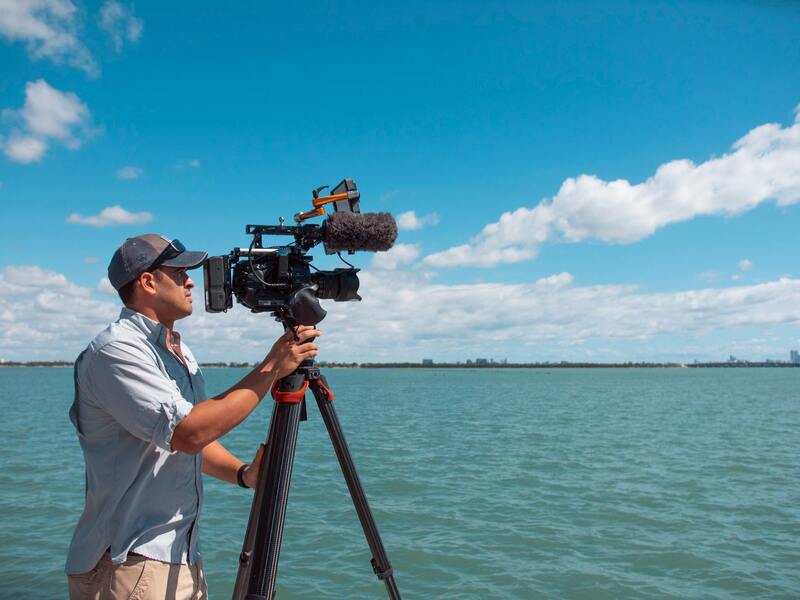
In Miami, organizations involved in video interviewing should also be aware of local standards and practices for handling personal and biometric data, especially when dealing with sensitive information such as health or financial details. Establishing clear protocols for data access, user authentication, and incident response contributes to a resilient and compliant interview environment.
It is essential to also have comprehensive training for staff involved in the interview process. Training should include understanding privacy policies, recognizing phishing or social engineering attempts, and following secure handling procedures for interview materials and recordings. Regular review and updates to these training programs reinforce a culture of security and confidentiality at every stage of the hiring cycle.
Legal and Privacy Considerations
When utilizing video interview services, it is vital to adhere to recognized practices that protect the privacy and security of all parties involved. Organizations must implement measures that ensure the confidentiality of interview recordings and the integrity of the data transmitted during the process. Employing platforms that provide secure transmission protocols, such as end-to-end encryption, helps safeguard sensitive information from potential interceptions.
In addition, establishing clear access controls is essential. Only authorized personnel should have permission to view or handle interview recordings and related data. Regular audits of access logs and permissions help maintain control over confidential information, reducing the risk of internal breaches.
Data retention policies should specify the duration for which recordings and associated data are stored, aligning with organizational needs and compliance standards. Secure storage solutions involve encrypted databases or cloud services that meet high-security standards. When it comes to data disposal, robust procedures ensure that outdated or unnecessary recordings are securely deleted, preventing unauthorized recovery.
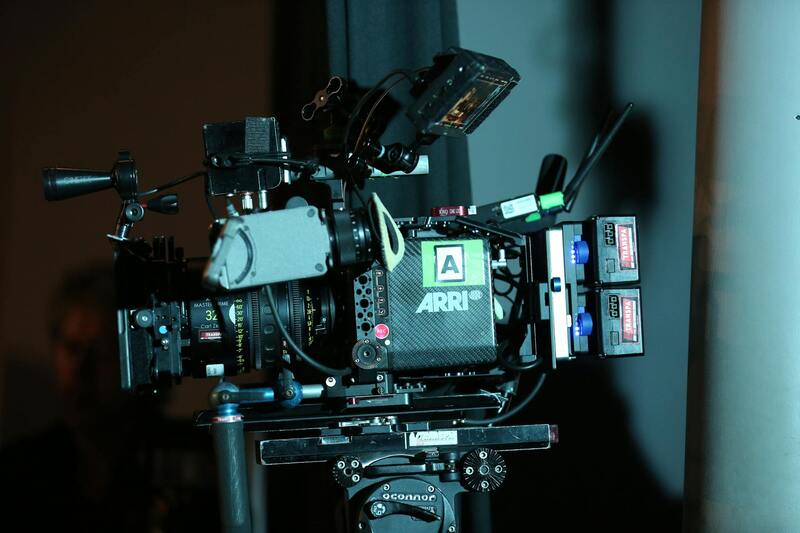
Organizations should also stay informed about local regulations pertaining to the handling of personal information, especially when dealing with sensitive data such as health, financial, or biometric details. Conducting periodic training for staff involved in the interview process reinforces best practices in data privacy and cybersecurity. Understanding potential vulnerabilities, such as phishing attempts or social engineering methods, enables staff to respond appropriately.
Implementing incident response protocols for potential data breaches ensures swift action to mitigate damage, notify affected individuals, and prevent further issues. Transparency with candidates about how their data is collected, used, and protected builds trust and demonstrates a commitment to ethical standards. Continuous review and updating of privacy policies and security measures reflect an organization's dedication to maintaining a secure interview environment.
Understanding Video Interview Services
Video interview services have revolutionized the way organizations evaluate prospective candidates, enabling a streamlined, efficient, and flexible interview process. These services facilitate the conduction of interviews remotely, removing geographical barriers and reducing logistical challenges associated with traditional face-to-face interactions. They offer a range of features tailored to meet the diverse needs of modern recruitment and assessment strategies, including real-time video conferencing, pre-recorded interview options, and secure data handling capabilities. The sophistication of these platforms ensures seamless connectivity, crisp audio-visual quality, and intuitive user interfaces, making the interview experience smooth for both interviewers and candidates.

Benefits of Using Video Interview Services
Employing dedicated video interview services offers significant advantages. They enhance the recruitment process by enabling organizations to reach a broader pool of candidates, including those who may not be able to attend in-person interviews due to distance or scheduling conflicts. These platforms also enable organizations to record and review interviews at their convenience, facilitating more thorough assessments. Additionally, video interview services contribute to consistent evaluation standards and help reduce biases that may influence in-person interviews. Data security features embedded within these systems ensure that candidate information remains protected throughout the process. Furthermore, video interviews expedite hiring timelines, allowing for quicker decision-making, which is critical in competitive job markets.
Key Features of Video Interview Platforms
- High-Definition Video and Audio: Ensures clear communication, reducing misunderstandings and technical disruptions.
- Pre-Recorded Interview Options: Candidates can record responses at their convenience, allowing flexibility in scheduling.
- Secure Data Storage: Encrypted servers safeguard sensitive interview data and recordings.
- Intuitive User Interface: Facilitates easy setup and navigation for both recruiters and candidates.
- Integration Capabilities: Compatibility with applicant tracking systems (ATS) and other HR software.
- Assessment Tools: Built-in scoring systems, skill tests, and behavioral analytics enhance evaluation accuracy.
- Analytics and Reporting: Provides insights into interview metrics to optimize hiring strategies.
Choosing the Right Video Interview Service Provider in Miami
Selecting an appropriate provider requires careful consideration of several factors. Prioritize platforms that comply with rigorous data protection standards, ensuring that all recordings and personal information remain confidential. Ease of use is essential to minimize technical difficulties and foster a positive candidate experience. Local providers often offer additional support services, including technical assistance and tailored solutions aligned with regional practices. Cost structures should be transparent, with clear pricing for features and support. Additionally, evaluate platform compatibility with existing HR infrastructure and assess the provider’s reputation through client testimonials or case studies specific to Miami's corporate landscape.

Implementation and Best Practices
Implementing video interview services demands strategic planning for maximum effectiveness. Conduct comprehensive training for HR staff and hiring managers to familiarize them with platform functionalities and best practices. Candidate instructions should be clear and comprehensive, covering technical requirements, interview etiquette, and troubleshooting procedures. Establish standardized interview workflows that integrate seamlessly into existing recruitment pipelines, ensuring consistency and fairness. Test the system thoroughly before going live to identify potential issues and address them proactively. Maintaining open communication channels with candidates throughout the process cultivates transparency and trust. Regularly review interview data and feedback to refine procedures, improve candidate experience, and uphold high evaluation standards.
Legal and Privacy Considerations
Handling video interview data comes with responsibility for safeguarding candidate privacy. It is important to establish robust data management policies, including encryption of stored recordings and secure transmission methods. Clear policies should outline who has access to interview recordings and under what circumstances, ensuring that data is only accessible to authorized personnel. Candidates must be informed about how their data will be used, stored, and retained, fostering transparency and trust. Regular audits of data security measures help identify vulnerabilities and reinforce protection protocols. Additionally, organizations should adhere to applicable regional standards related to data privacy, privacy notices, and consent procedures. Building a culture of confidentiality and respect around interview data preserves organizational integrity and candidate confidence.