Understanding Video Interviews Production
Video interviews have become an essential tool across numerous industries, serving as a powerful medium for recruitment, brand storytelling, training, and media outreach. In today’s digital landscape, organizations increasingly rely on professionally produced interview videos to communicate effectively with their target audiences, ensuring clarity and engagement. The process of video interviews production involves a series of deliberate steps and meticulous attention to detail, which collectively contribute to the creation of compelling, high-quality content.
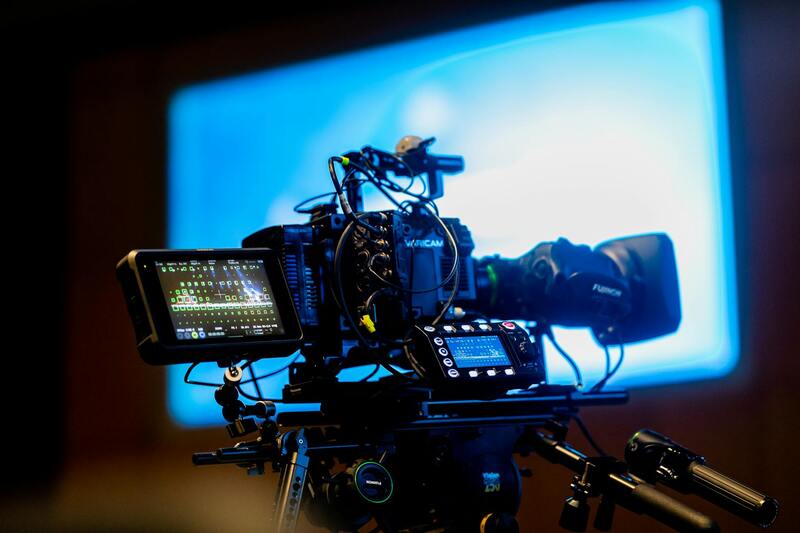
The core elements that define successful video interview production include robust pre-planning to establish clear objectives and script development, the careful selection and setup of technical equipment to ensure optimal footage quality, skilled interview techniques to evoke authentic responses, and seamless post-production editing to enhance visual and audio clarity. Each phase demands professionalism and an understanding of industry best practices to produce engaging and credible interview content.
For organizations and content creators aiming to leverage video interviews effectively, understanding these fundamental components is crucial. High-caliber production not only amplifies the message but also bolsters trust and authority, turning simple interviews into influential communication tools. As video content continues to dominate digital platforms, investing in quality video interviews production becomes an indispensable element within a comprehensive media strategy.
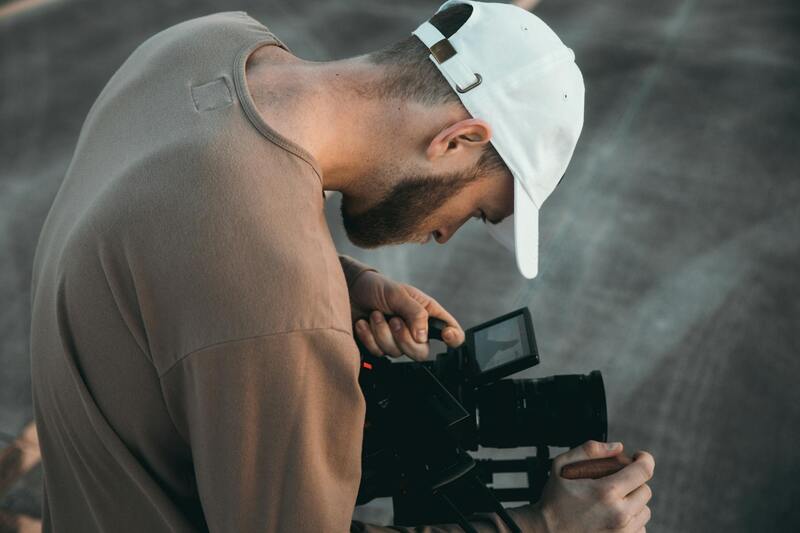
Through a systematic approach to production, firms can enhance viewer engagement, ensure message consistency, and achieve their communicative goals with precision and professionalism. Properly curated video interviews are more than just recordings—they are strategic assets that deepen audience understanding and foster meaningful connections.
Equipment and Technical Setup
Choosing the appropriate equipment is a critical element in delivering high-quality video interviews. Professional-grade cameras, lighting, and audio tools are essential to produce visually appealing and clear content that holds viewers' attention. Investment in high-definition cameras with adjustable settings ensures sharp image quality, while proper lighting setups—such as three-point lighting—eliminate shadows and highlight subjects effectively. Sound quality plays a pivotal role; thus, directional microphones or lavalier mics are preferred to capture clean audio without background interference.
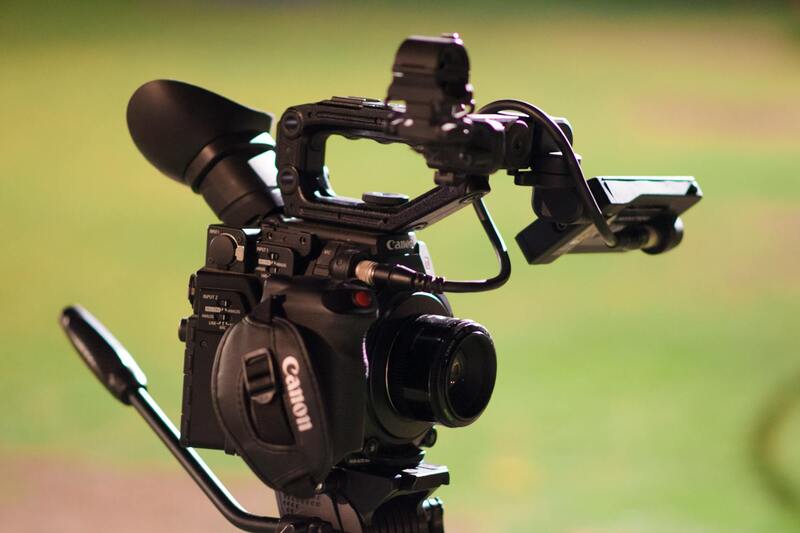
Additionally, the backdrop or environment where interviews are conducted should be carefully selected to minimize distractions and enhance visual appeal. Soundproofing options or controlled indoor environments help prevent external noise from compromising audio clarity. To maintain consistency across multiple sessions, utilizing standardized settings on equipment and conducting pre-shoot tests are vital steps.
Operational efficiency during production also involves ensuring all technical components are properly calibrated and tested before recording. This includes video framing, audio levels, and lighting conditions. Having backup equipment, such as extra batteries and memory cards, mitigates disruptions and delays. When working with remote interview setups, stable internet connections and reliable streaming software become vital to facilitate real-time conversations without interruptions.
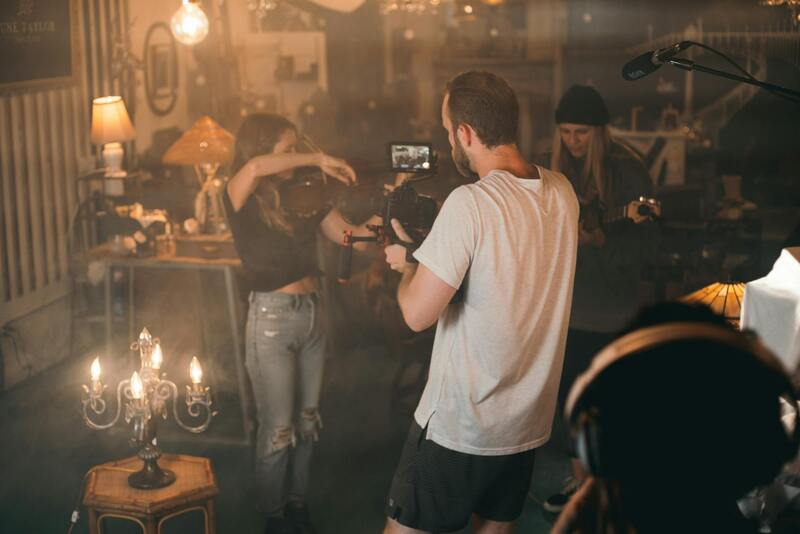
Incorporating multi-camera setups allows for dynamic shot angles and more engaging editing options, while professional teleprompters assist hosts and interviewers in delivering smooth, confident responses. Organizations that invest in state-of-the-art equipment and rigorous technical preparation position their video interviews to achieve maximum impact and credibility.
Choosing the Right Equipment for Video Interviews Production
In the realm of professional video interviews production, selecting the appropriate equipment is crucial for capturing high-quality footage that aligns with your organization’s standards. The cornerstone of visual clarity begins with high-definition cameras capable of recording in at least 1080p, ensuring that every detail is sharp and clear. For environments with variable lighting conditions, cameras equipped with adjustable ISO and aperture settings prove invaluable in maintaining optimal exposure without introducing noise or graininess.
Lighting is equally essential; soft, diffused lighting setups minimize shadows and create a flattering visual for interview subjects. Key lights, fill lights, and backlights should be arranged to produce an even, natural look while avoiding hotspots or glare. For mobility and flexibility, LED panel lights are recommended due to their adjustable color temperature and brightness levels.
Audio quality often distinguishes a compelling interview from one that feels unprofessional. Directional microphones, such as shotgun mics, capture clear vocals while suppressing ambient noise. Lavalier microphones attached to the interviewee's clothing provide consistent audio pickup, especially in environments with movement. Additionally, using audio mixers or portable recorders helps control levels and ensures clean sound recordings, which are vital for post-production editing.
Tripods and stabilization tools prevent unwanted camera shake, contributing to a steady and professional visual presentation. When producing remote interviews, high-speed internet connections and reliable streaming software are necessary to facilitate seamless real-time communication. Investing in backup batteries, memory cards, and power supplies reduces the risk of interruptions during the shoot.
In different settings, equipment choices may vary; for indoor studio setups, fixed lighting and stationary cameras offer controlled conditions, while outdoor or mobile productions might rely on portable gear with weather-resistant features. Whichever environment you choose, consistent calibration and testing of all technical components before recording sessions can prevent technical difficulties and ensure a smooth production process.
Understanding Video Interviews Production
Producing high-quality video interviews involves a meticulous approach to planning, execution, and refinement. Every stage, from conceptualization to distribution, must adhere to best practices that ensure the final product is professional, engaging, and aligns with the intended message. Effective video interviews capture not only the content but also the authentic personality of the interviewee, making the audience feel connected and engaged. This requires a strategic approach to production that emphasizes clarity, visual appeal, and sound integrity.
Pre-Production Planning and Strategy
Preparation is the cornerstone of successful video interview production. It begins with defining the purpose of the interview, understanding the target audience, and determining the desired tone and style. Pre-production involves detailed scripting or outline development, which guides the flow of questions and ensures key points are covered. Selecting appropriate locations that complement the interview's message is equally crucial. Whether in a professional studio or a more casual setting, the chosen environment should minimize background distractions and noise.
Scheduling and logistics management are also integral. Confirming interview times, coordinating with participants, and setting up technical checklists help minimize unforeseen issues. Securing permission for filmed content and establishing clear agreements regarding the use and distribution of footage are necessary steps in maintaining transparency and professionalism.
Equipment and Technical Setup
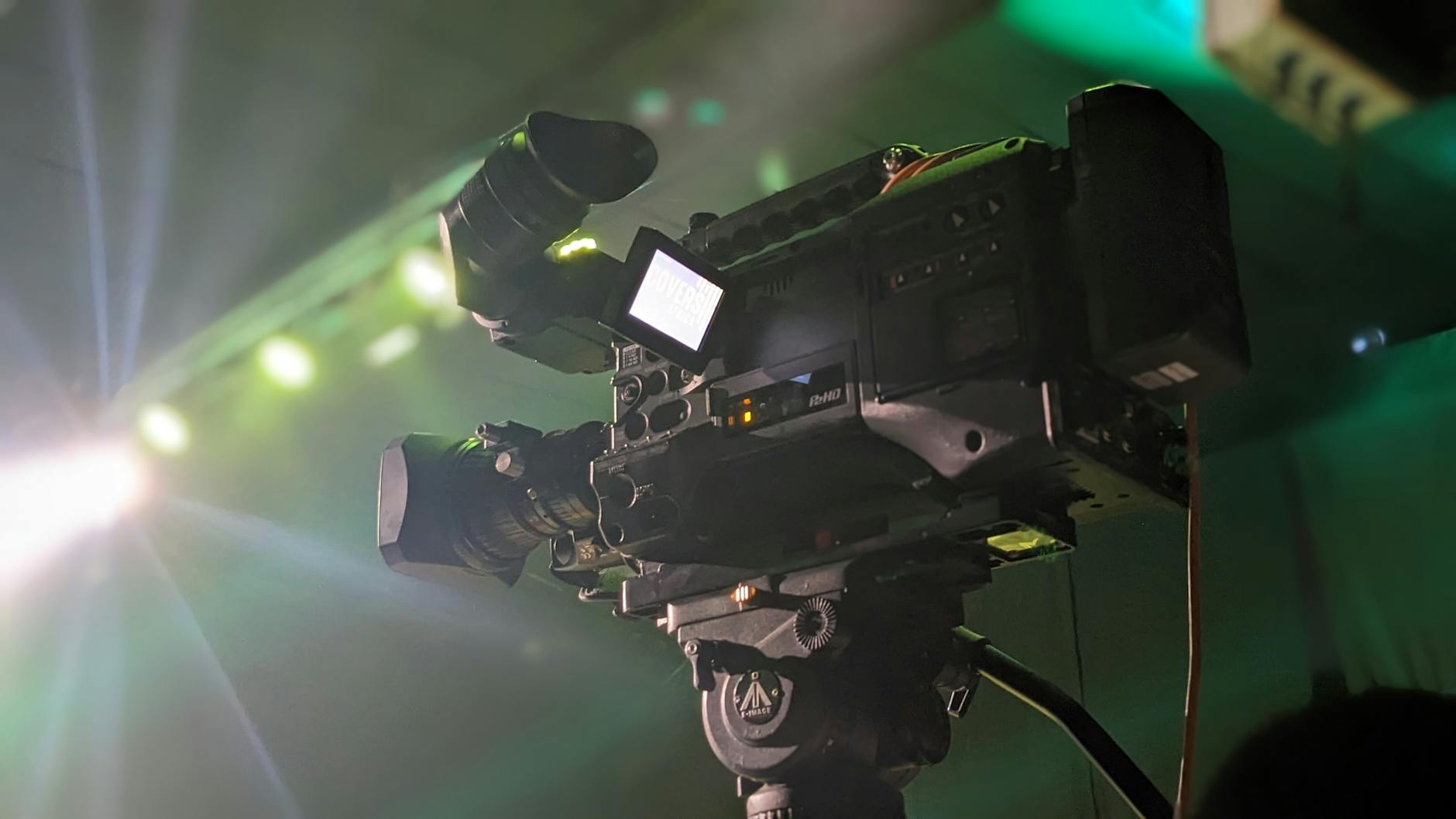
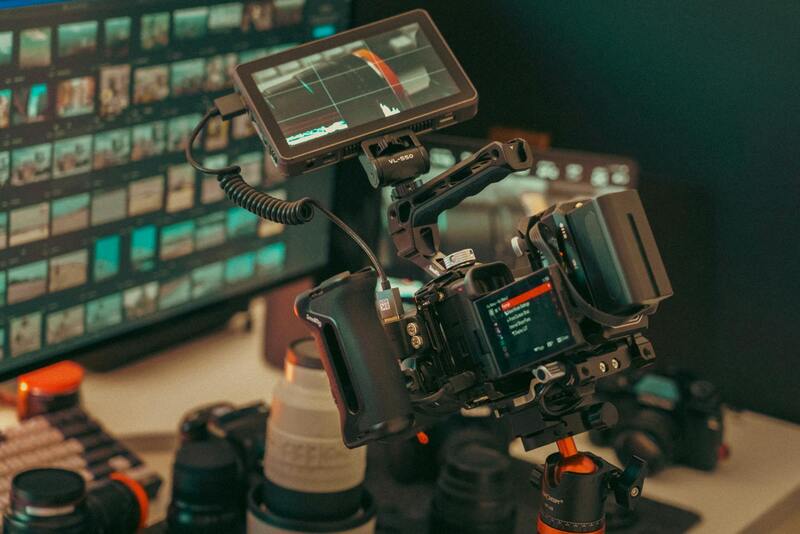
High-quality equipment is vital for capturing clear visuals and crisp audio in video interviews. Camera choice depends on the production scale; professional-grade camcorders or DSLRs with suitable lenses are standard for studio setups, while high-resolution mobile devices can suffice for informal or mobile interviews. It is important to use stable mounting solutions like tripods to prevent unwanted camera movement, which can distract viewers and detract from professionalism.
Lighting plays a pivotal role in establishing the visual tone. Soft, diffused lighting minimizes harsh shadows and creates a flattering appearance for interview subjects. LED panel lights are versatile due to their adjustable color temperature, brightness, and energy efficiency. In combination with reflectors and diffusers, lighting setups can be tailored to suit interior or exterior environments, ensuring consistent illumination under varying conditions.
Audio quality directly influences viewer engagement and comprehension. Directional microphones such as shotgun mics are used to focus on the speaker's voice, effectively reducing ambient noise. Lavalier microphones provide a hands-free solution, allowing mobility without compromising audio clarity. Pairing microphones with audio mixers or portable recorders enables real-time level adjustments and optimized sound quality during recording. For remote or live interviews, reliable streaming software combined with high-speed internet connections ensures seamless communication and broadcasting.
Implementation of Findings in Production Workflow
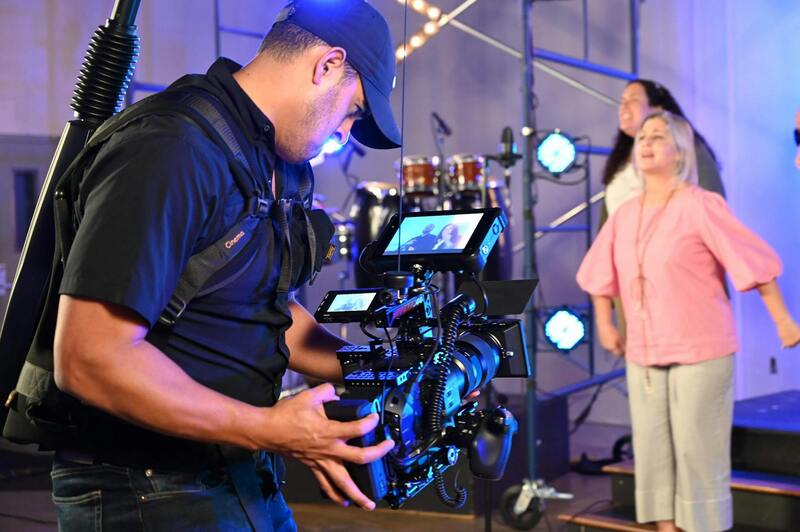
After establishing the technical foundation, it is imperative to integrate these elements into a coherent workflow. Conducting technical rehearsals prior to the actual shoot allows the team to troubleshoot issues, verify camera angles, set audio levels, and confirm lighting conditions. During the recording sessions, director oversight ensures that framing, focus, and composition align with creative objectives. Maintaining clear communication with interviewees helps achieve natural and confident responses, contributing to authentic content.
Continuous monitoring during filming is essential—adjustments may be necessary if lighting shifts or background noise varies. Post-shoot, raw footage should be organized systematically, with backups secured to prevent data loss. This discipline ensures a streamlined transition into editing and subsequent production phases.
Understanding Video Interviews Production
Effective video interviews production hinges on meticulous planning, technical precision, and strategic execution. Ensuring clear communication, engaging visuals, and high-quality audio are fundamental to producing content that resonates with audiences and accomplishes communicative goals. From initial concept development through post-production refinement, each phase contributes to delivering professional-grade results. This comprehensive approach not only enhances viewer engagement but also reinforces the credibility and authority of the content creator.
Pre-Production Planning and Strategy
Pre-production serves as the backbone of successful video interview projects. It involves detailed scheduling, logistical coordination, and the creation of a comprehensive storyboard or shot list. Clearly defining the interview's purpose guides content tone and style, helping to select appropriate locations, interviewees, and visual elements. Conducting thorough research on interview subjects ensures relevant questions are prepared, fostering a natural flow during filming. Establishing a detailed production timeline facilitates efficient use of resources and minimizes delays.
Coordination with all team members—including camera operators, lighting technicians, sound engineers, and interviewers—is crucial. Allocating sufficient time for technical rehearsals provides opportunities to evaluate equipment functionality, test framing, and verify audio fidelity. Additionally, securing necessary permits, releasing legal consents, and confirming the availability of all participants mitigate potential disruptions and streamline the overall production process.
Equipment and Technical Setup
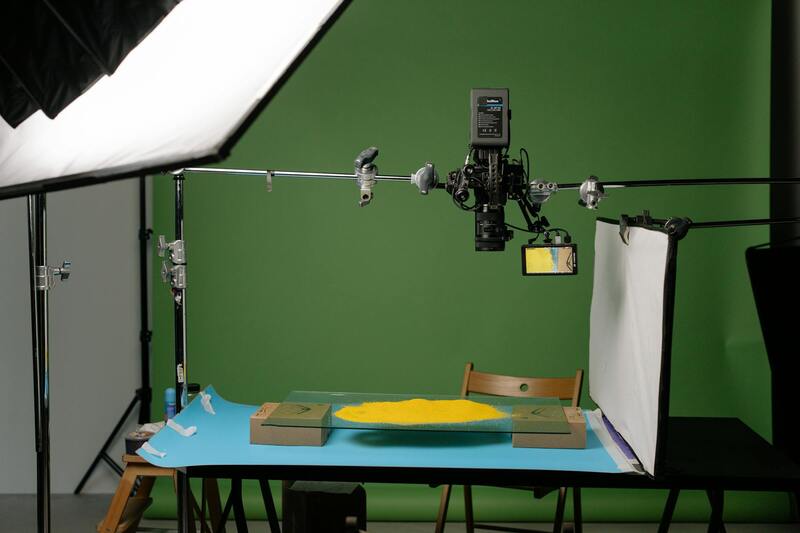
Choosing the right equipment is pivotal for capturing high-definition visuals and pristine audio. Cameras should be capable of recording at minimum 1080p resolution, with support for 4K where available, to ensure crisp image quality. Tripods and stabilizers eliminate shaky footage, providing steady shots that enhance viewer immersion. Selecting lenses suited to close-up and wide-angle shots improves framing flexibility and visual interest.
Lighting setup plays a vital role in establishing a professional ambiance. Softbox lighting kits or LED panels deliver even illumination, reducing shadows and highlighting interviewees’ features. Proper placement of lights, typically at 45-degree angles to the subject, creates depth and dimension. For sound, cardioid or shotgun microphones mounted on boom poles or lavalier microphones pinned to clothing ensure clear voice capture, minimizing environmental noise.
- Ensure all equipment is tested before recording begins.
- Utilize backup batteries, memory cards, and power sources for uninterrupted shooting.
- Adjust camera settings for optimal exposure, focus, and white balance prior to interview start.
Complementing the core setup, advanced equipment such as wireless microphones and professional audio mixers can further enhance sound quality. Incorporating reliable streaming or recording software ensures content is captured accurately and can be easily edited during post-production. The integration of these technical elements forms a solid foundation for a polished and professional final product.
Interview Technique and Host Preparation
The success of a video interview is deeply rooted in the preparation and skill of the host and interviewers. Conducting rehearsals allows them to familiarize with questions, maintain natural rapport, and refine delivery. The interviewer should establish a comfortable environment, encouraging openness and genuine responses. Maintaining eye contact, active listening, and appropriate body language contribute to authentic dialogue and viewers’ engagement.
Question framing is critical; open-ended questions promote detailed insights, while concise prompts keep the conversation focused. Hosts should be adept at adapting to interview dynamics, managing pacing, and probing interesting points without leading the interviewee. Technical awareness during filming, such as monitoring audio levels and camera framing, prevents issues that could compromise content quality.
Prior to filming, hosts must review all prepared materials, understand the context of each interviewee’s background, and coordinate with the production team on visual and technical cues. This comprehensive preparation ensures seamless interactions, leading to natural, compelling content that effectively communicates intended messages and resonates with target audiences.
Understanding Video Interviews Production
Producing effective video interviews requires meticulous attention to each phase of the process. From initial planning and equipment setup to post-production editing, each step plays a crucial role in delivering engaging and professional content. Ensuring the authenticity and integrity of the interview process involves adherence to established methods that prioritize clarity, professionalism, and audience engagement. This encompasses selecting appropriate interview formats, understanding target audiences, and aligning content with brand or organizational goals.
Pre-Production Planning and Strategy
Effective video interview production begins with detailed planning. This involves defining clear objectives for the interview, identifying suitable interviewees, and establishing a timeline. Developing a content strategy ensures the interview aligns with overarching communication goals. Creating a thorough interview outline helps structure questions and anticipate potential follow-up topics, fostering a natural flow during filming.
It is essential to conduct thorough background research on interviewees to craft relevant questions that elicit insightful responses. Preparing a shot list, including framing, lighting, and background considerations, streamlines the filming process. Additionally, securing necessary permissions and understanding any content restrictions ensures compliance with applicable standards.
Equipment and Technical Setup
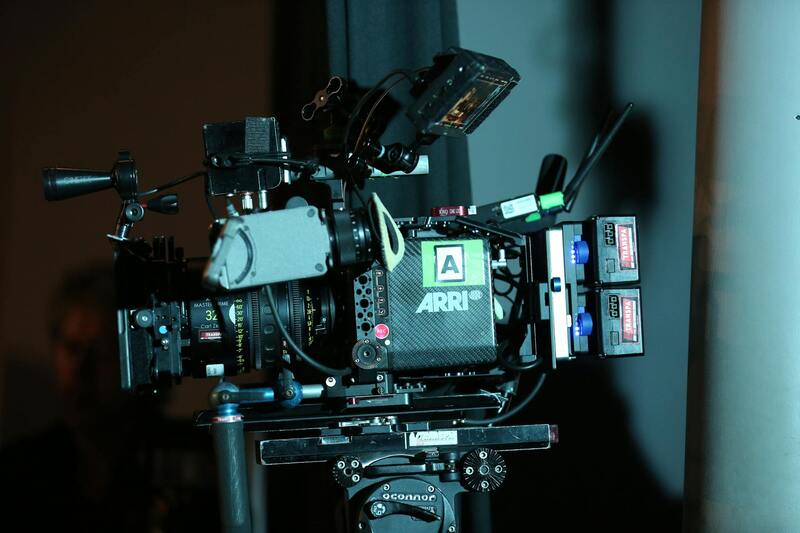
High-quality production hinges on the selection and proper setup of technical equipment. This includes professional-grade cameras capable of capturing clear visuals, external microphones to improve audio quality, and lighting setups that illuminate the interview subject evenly. 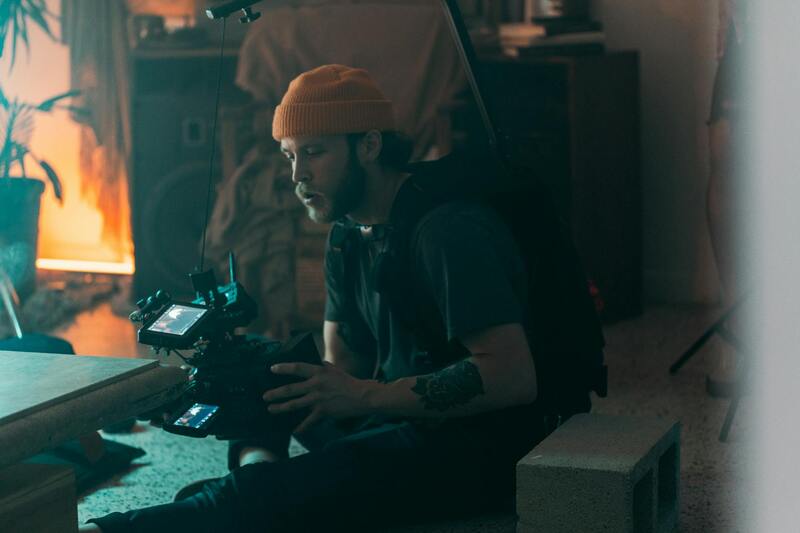
- Camera: Use high-resolution cameras with manual focus control to ensure sharp images.
- Microphones: Lavalier or shotgun microphones help capture clear audio without background noise.
- Lighting: Softbox lights or LED panels help maintain consistent and flattering lighting conditions.
- Backdrop: Choose a neutral or branded background that aligns with the video's purpose.
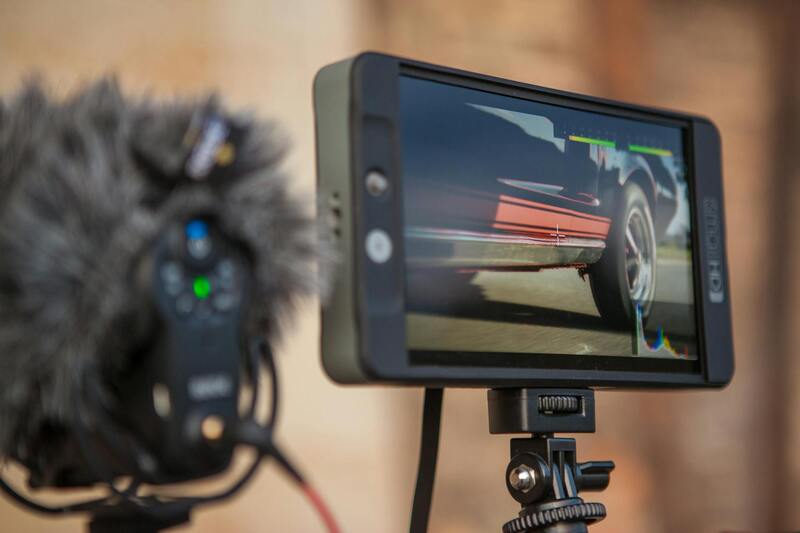
- Monitoring: Use external monitors and audio meters to oversee technical parameters during filming.
Positioning of equipment is vital; cameras should be at eye level to establish direct engagement, while microphones must be appropriately placed to optimize sound quality. Perfecting this setup prior to recording minimizes technical issues and ensures the footage is suitable for editing and distribution.
Interview Technique and Host Preparation
The success of any video interview relies heavily on the host’s ability to facilitate a comfortable environment. Prior to filming, hosts should review their questions thoroughly, familiarize themselves with the interviewee’s background, and practice active listening skills. Conducting rehearsals enhances confidence and helps identify potential issues with question clarity or flow.
During the interview, maintaining appropriate eye contact fosters a sense of authenticity and trust. Using open body language and encouraging interviewees to share honest insights create a more engaging experience for viewers. Hosts should be adaptable, allowing conversations to evolve naturally while keeping the discussion aligned with core themes.
Technical vigilance is also essential; hosts and crew must monitor audio levels throughout to avoid muffled or distorted recordings. Consistent framing, avoiding distracting backgrounds, and ensuring proper lighting contribute significantly to the overall quality of the final video. Reviewing key points before moving to subsequent questions helps maintain clarity and focus, resulting in a compelling narrative.
Filming and Directing the Interview
Filming an interview involves a blend of technical proficiency and strong direction. Multiple camera angles should be considered, such as close-ups and wide shots, to add visual interest during editing. Proper framing ensures the interviewee remains centered and visually appealing without distractions.
During the shoot, directors must communicate effectively with interviewees to keep them relaxed and engaged. Monitoring facial expressions and gestures offers cues to adjust interview pace or tone when necessary. Engaging in real-time feedback helps capture genuine reactions that resonate with viewers.
Lighting adjustments, camera focus, and audio levels should be checked periodically to prevent any discrepancies. If multiple takes are required, clear instructions help streamline the process, saving time and resources. Ensuring seamless transitions between shots contributes to a cohesive final product suitable for various distribution channels.
Legal and Ethical Considerations in Video Interviews Production
Producing professional video interviews demands strict adherence to established practices that respect the rights and interests of all parties involved. One of the primary aspects involves obtaining explicit permissions before recording begins. This includes securing consent from the interviewee, ensuring they are aware of how the footage will be used, distributed, or published. Clearly communicated consent involves providing detailed information on the scope of use, rights transfer, and duration of the content's circulation. Furthermore, it is essential to maintain transparency regarding the interview process and content. Prior to filming, detailed agreements should be drafted that specify the purpose of the interview, the expected distribution channels, and any potential modifications to the footage. This helps prevent misunderstandings and provides legal clarity. Storing signed consent forms and agreements securely is equally important to uphold professional standards. During the production process, attention must be given to intellectual property rights. This involves verifying that any third-party materials incorporated into the video—such as music, graphics, or images—are properly licensed or fall under permissible use. Unauthorized use of copyrighted content can lead to claims or restrictions on the final product. Consent should also be revisited if the interview content is modified or repurposed beyond the original scope. If there are sensitive topics discussed or personal information shared, additional safeguards should be put in place to protect privacy. Editing practices that could potentially misrepresent the interviewee's statements or intent should be avoided, ensuring that the final presentation remains truthful and respectful. Ethical considerations extend to cultural sensitivity and fairness. Interviewers and production teams must ensure they do not perpetuate stereotypes or biases, and they should foster an environment where interviewees feel comfortable and respected. Maintaining a professional tone throughout the interview process preserves the integrity of the production. By implementing these legitimate production methods, organizations can create high-quality, respectful content that not only satisfies industry standards but also builds trust with viewers and subjects alike.
Ensuring Proper Distribution and Promotion of Video Interview Content
Effective distribution and promotion are essential to reaching the target audience and maximizing the impact of your video interviews. These activities should be grounded in established methods that respect privacy, intellectual property, and audience engagement principles. Adopting strategic dissemination practices ensures your content is accessible to wider audiences while maintaining the integrity of the material.
Utilizing Established Platforms
Choosing the right dissemination channels involves leveraging reputable hosting services tailored for video content. Popular platforms such as institutional websites, professional social media outlets, or industry-specific forums provide reliable environments for sharing video interviews. These channels enable organizations to control access, monitor engagement metrics, and secure the content against unauthorized distribution. When uploading videos to these platforms, it is important to adhere strictly to their terms of service, including copyright policies and community guidelines.
Implementing Content Management and Rights Clearance
Proper management of video content involves maintaining clear records of licensing agreements, permissions obtained, and the scope of usage rights. When releasing interviews, organizations should ensure that all involved parties have granted consent for distribution and that any third-party materials used are correctly licensed or fall under fair use provisions. This systematic documentation safeguards against inadvertent infringements and facilitates legitimate dissemination across multiple channels.
Engaging in Audience-Centric Promotion
Promotion strategies should be tailored to target audiences and designed to foster engagement. Official press releases, email campaigns, webinars, and industry newsletters serve as effective means of reaching stakeholders. Content should be optimized for search engines through relevant metadata, descriptive titles, and keyword-rich descriptions to enhance discoverability. Consistent branding and messaging reinforce the professionalism of the content while aligning with organizational goals.
Measuring Effectiveness and Feedback
Monitoring the performance of distribution efforts allows production teams to analyze viewer engagement, retention rates, and the reach of the content. Such metrics provide insights into audience preferences and behavior, informing adjustments in future promotion strategies. Soliciting feedback through surveys or direct comments encourages dialogue with viewers, fostering a community around the content and ensuring continuous improvement.
Maintaining Ethical Distribution Practices
It is vital to distribute content responsibly, respecting the boundaries set during the production process. This includes preventing unauthorized sharing or alteration that could misrepresent the interview or infringe on confidentiality agreements. Clear restrictions and permissions should be communicated where necessary, especially when sharing content externally or through third-party platforms. Adopting transparent practices builds trust with interviewees and viewers alike, demonstrating a commitment to integrity throughout the distribution process.