Understanding the Purpose of Video Interviews
Video interviews have become an integral component of modern business communications, serving multiple strategic objectives that drive organizational growth and brand recognition. Their primary purpose extends beyond mere candidate evaluation; they function as powerful tools for talent sourcing, branding, and targeted marketing efforts. By leveraging high-quality video content, companies can showcase their culture, expertise, and unique value propositions to a broad audience, including potential employees, clients, and stakeholders.
One of the key objectives of conducting video interviews is talent sourcing. Organizations utilize this method to attract top-tier candidates by offering an engaging glimpse into their work environment and expectations. Dynamic video interviews can illustrate company values, foster transparency, and present essential role-specific insights, making the recruitment process more efficient and appealing.
Additionally, video interviews serve as a compelling branding platform. They provide an opportunity to communicate the company's ethos and commitment directly to viewers, which enhances corporate identity and builds trust. This form of content is instrumental in establishing a consistent voice across digital channels and expanding brand awareness.
Furthermore, marketing through video interviews enables organizations to reach target demographics effectively. By sharing success stories, client testimonials, or thought leadership content, businesses can reinforce their market position and attract new clients or partnerships. These videos often act as versatile marketing assets that can be integrated into websites, social media campaigns, and email outreach, amplifying outreach efforts with authentic, engaging video content.
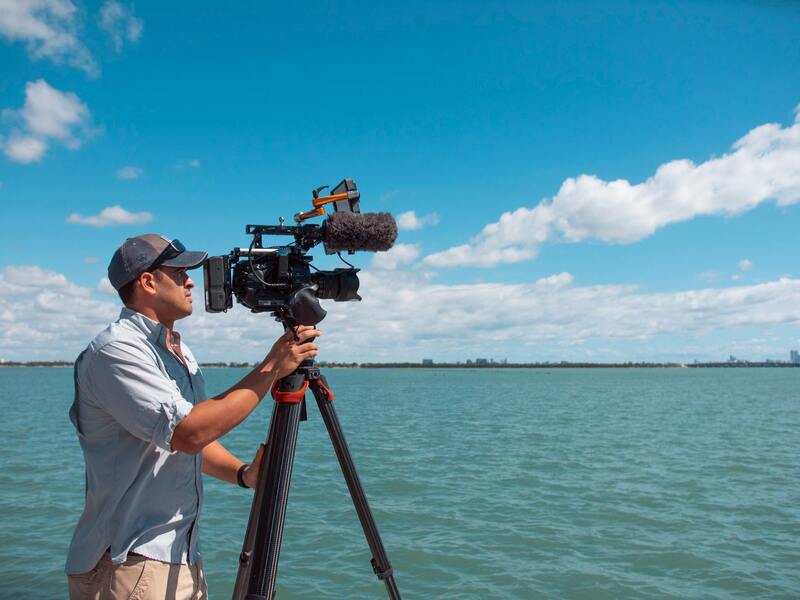
Video interviews, when executed professionally, serve as a comprehensive tool that aligns with organizational communication goals. They facilitate a transparent, engaging, and visually appealing means of sharing vital messages with diverse audiences. An effective video interview not only meets immediate hiring needs but also contributes to long-term brand positioning and market development, making it an essential asset within a holistic business communication strategy.
Legal Considerations and Permissions
Establishing a professional video interview entails meticulous attention to legal procedures and permissions. Securing rights to use all content, including footage, music, and images, is fundamental to maintaining integrity and avoiding potential disputes. It is imperative to obtain clear consent from all interview participants, ensuring they are fully informed of how their likeness and statements will be used across various platforms. This consent should be documented through signed release forms that specify the scope of usage, duration, and any geographic restrictions.
Furthermore, adherence to privacy guidelines is essential, especially when interviews involve sensitive information or personal data. Organizations must evaluate and respect confidentiality boundaries, implementing measures to anonymize or safeguard sensitive details when necessary. It’s also advisable to understand and apply proper copyright protocols, including licensing agreements for third-party materials incorporated into the videos.
When conducting interviews within a corporate environment, obtaining internal approvals or notifications might be necessary to align with company policies. This ensures the content reflects the company's image and messaging standards. For public-facing videos, establishing protocols for review and approval of content before publication helps prevent misrepresentation or inadvertent dissemination of inaccurate information.
By systematically managing permissions and legal obligations, organizations can produce high-quality, compliant video content that enhances brand reputation. Proper documentation and foresight into legal aspects prevent costly revisions or legal complications post-production, ensuring a seamless transition from filming to dissemination. These foundational steps uphold the credibility of the interview content and reinforce the organization’s commitment to ethical practices in digital media production.
Effective Techniques for Filming Engaging Video Interviews
Capturing compelling and professional-looking video interviews requires a strategic approach to filming techniques that emphasize clarity, engagement, and viewer retention. A well-executed filming process can significantly enhance the communication of important messages and uphold the organization's credibility.
Central to successful video interview production is the maintenance of consistent framing and camera angles. Employing a stable tripod setup ensures steady shots free from distracting movements. Utilizing a multi-camera setup can enable seamless switching between different perspectives, such as close-ups of the interviewee’s facial expressions and wider shots that include body language and environment context. This variety keeps the visual narrative lively and engaging for viewers.
Optimal framing typically follows the rule of thirds, positioning the subject slightly off-center to create a balanced and aesthetically pleasing composition. Proper eye-level camera positioning fosters a sense of direct engagement and authenticity. In addition, focusing on sharp, clear visuals helps maintain audience attention, especially when capturing nuanced expressions or gesture details.
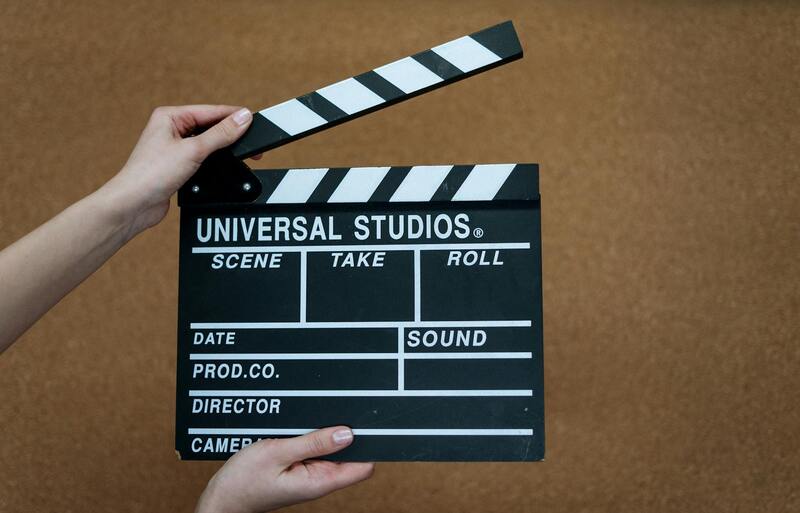
Lighting plays an essential role in setting the tone and ensuring interview subjects are well-illuminated. Soft, diffuse lighting minimizes shadows and highlights facial features effectively. When filming in Miami’s varied environments, natural light can be leveraged during daytime shoots, but supplementing with artificial lighting provides control over brightness and consistency. Lighting setup should be planned to avoid backlighting, which can cause subjects to appear silhouetted, or harsh shadows that distract viewers.
Clear audio quality is equally crucial. Lavalier microphones, shotgun mics, or lapel microphones are commonly used to capture crisp sound. Positioning the microphone close to the interviewee's mouth reduces background noise and echoes, creating a more professional audio experience. Soundproofing the filming area when possible further minimizes ambient noise, particularly in busy or acoustically reflective spaces in Miami.
For locations, selecting environments that reflect the interview’s purpose and resonate with the target audience is beneficial. Indoor venues should be chosen based on lighting conditions and acoustics, while outdoor settings require consideration of weather, noise levels, and visual backgrounds. Miami offers diverse scenic options, from urban cityscapes to lush parks, each contributing distinct visual appeal to the final production.
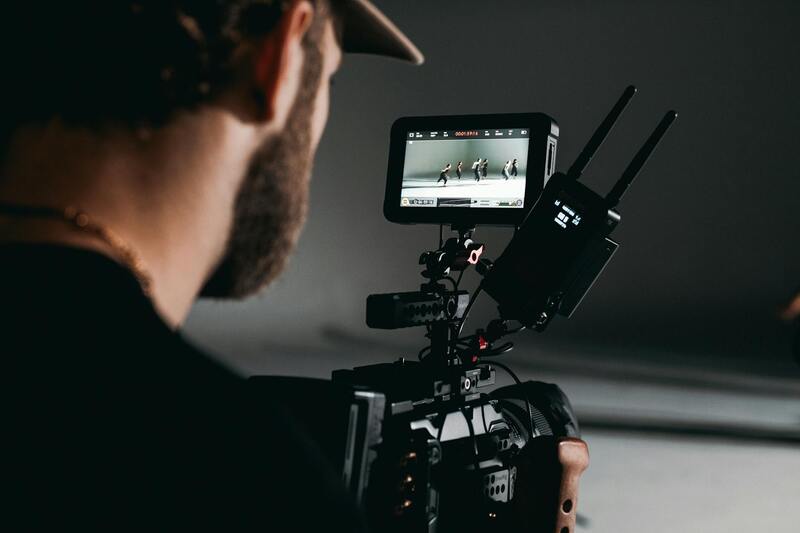
In summary, mastering filming techniques—including strategic shot composition, lighting, and sound management—ensures the production of engaging, high-quality video interviews. These methods are fundamental in delivering messages with clarity, professionalism, and visual appeal, thereby strengthening the impact and reach of the content produced.
Understanding the Purpose of Video Interviews
Video interviews serve as a dynamic medium to communicate messages, share insights, and connect with audiences across various platforms. Unlike static text or images, a well-crafted video interview can convey emotion, tone, and authenticity, making it a powerful tool for branding, education, or promotional endeavors. Recognizing the fundamental purpose behind each video interview guides the entire production process, from planning to distribution, ensuring that the final product aligns seamlessly with its intended goals.
When conceptualizing a video interview, it’s essential to pinpoint the core message or story that needs to be communicated. This involves understanding the target audience’s interests, preferences, and expectations. Are the videos aimed at establishing authority within a niche market, providing training, or sharing testimonials? Each purpose demands a tailored approach in terms of content style, interview structure, and presentation techniques.
Moreover, the purpose impacts technical choices, including interview format. For instance, a casual, conversational style might be suitable for community engagement, while a polished, high-production approach is often necessary for corporate or promotional content. Recognizing these nuances ensures that the interview remains relevant, engaging, and effective in achieving its objectives.
Effective video interview production emphasizes authenticity and clarity. By establishing a clear purpose, producers can craft questions that elicit insightful responses, select appropriate interviewees, and design visuals that reinforce the message. The end goal is to create a cohesive and compelling narrative that resonates with viewers, enhances credibility, and encourages action, whether that’s driving sales, fostering community engagement, or building brand recognition.
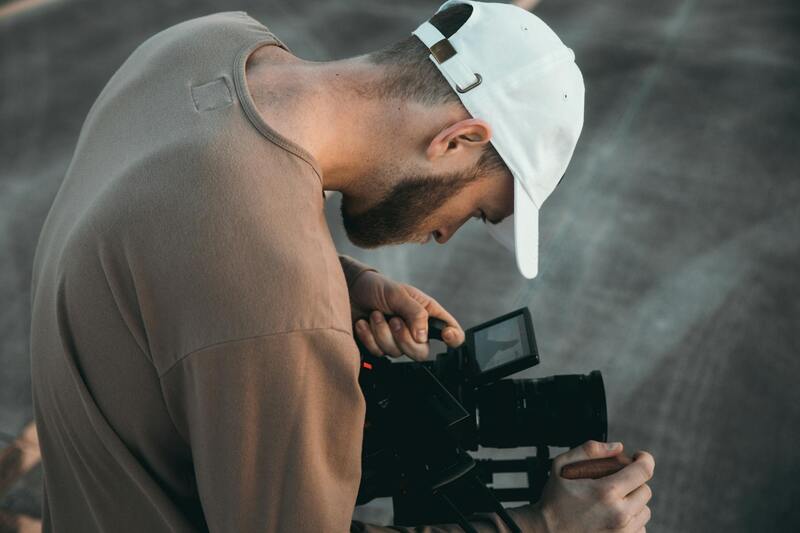
In the Miami area, where diverse audiences and vibrant locales provide rich visual backgrounds, understanding the purpose also helps in selecting contextual elements that enhance the message. Be it leveraging the city skyline, urban streetscapes, or scenic parks, these choices should reinforce the core message and appeal to the target demographic. Ultimately, clear intent ensures that every element of the production—from interview questions to visual framing—serves the overarching goal of the content, maximizing its impact and reach.
Advanced Filming Techniques to Capture Authenticity and Engagement
Effective video interview production relies heavily on adept filming techniques that ensure the subject’s message resonates with the audience. Proper framing, lighting, and camera angles contribute significantly to the visual quality and emotional impact of the interview. When aiming to produce professional content, utilizing multi-camera setups can provide dynamic perspectives, allowing editors to craft more engaging narratives through varied shot compositions.
Lighting plays a crucial role in setting the tone and highlighting the interviewee's expressions. Using soft, diffuse light sources reduces harsh shadows and creates a natural appearance, fostering a sense of trustworthiness and approachability. In indoor settings, overhead softboxes or ring lights are ideal, while outdoor shoots benefit from natural light supplemented with reflectors or diffusers to manage shadows effectively.
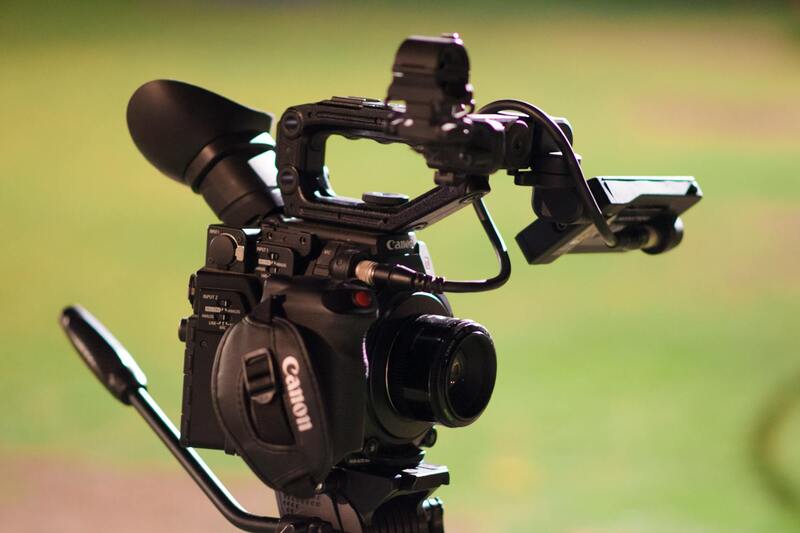
Camera placement is equally vital. Positioning the camera at eye level with the interviewee ensures a connection with viewers, emphasizing direct communication. Maintaining a balanced composition by adhering to the rule of thirds can draw viewers’ attention toward key elements, while also providing visual interest. Incorporating close-up shots during emotional or impactful moments can deepen listener engagement, capturing subtle facial cues and expressions that convey sincerity and enthusiasm.
Sound quality is fundamental to maintaining professionalism in video interview production. Using high-quality microphones, such as lavalier or shotgun mics, minimizes background noise and captures clear, detailed audio. Ensuring that audio levels are balanced prevents distortion or inaudibility, which can diminish the perceived credibility of the interview. Additionally, filming in acoustically treated environments or quiet outdoor locations helps avoid echo and unwanted noise, preserving the integrity of the message.
In terms of movement, controlled camera movements like slow pans or zooms can emphasize important points without distracting from the conversation. Stabilization equipment such as tripods, gimbals, or steadicams add smoothness to shots, especially in dynamic environments or when incorporating multiple takes. Recognizing when to use static versus dynamic shots depends on the tone and intent of the content, ensuring each technique enhances viewer engagement.
Further, integrating background elements thoughtfully influences the overall atmosphere. For urban outdoor shoots, selecting vibrant cityscapes or scenic locations aligns the visuals with the intended message, while branded or contextual backdrops reinforce identity and purpose. When shooting in versatile Miami locations, selecting backgrounds that complement the subject’s message and audience demography can significantly improve message retention and viewer connection.
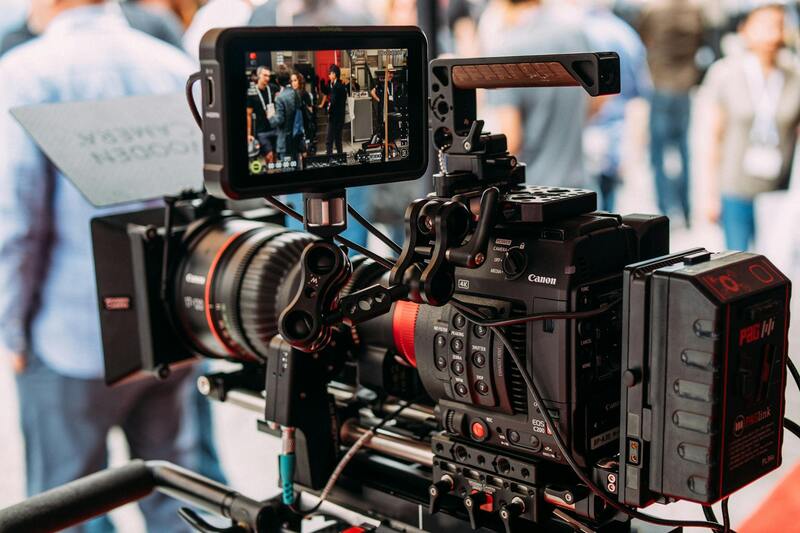
Lastly, attention to detail in these filming techniques establishes a level of competence and professionalism that viewers trust. It conveys that the message is worth attention, making audiences more receptive and engaged. Skillful execution in these areas is essential to produce compelling, high-quality video interviews that are visually appealing, emotionally resonant, and aligned with the intended message. Each choice, from camera angles to lighting and sound, contributes to a seamless viewer experience—one that reinforces credibility and maximizes the production’s overall impact.
Legal Considerations and Permissions
Producing high-quality video interviews requires adherence to established protocols for permissions and rights management. Securing consent from interview subjects not only ensures transparency but also demonstrates professional integrity, fostering trust with both clients and audiences. It is essential to obtain written agreements that clearly outline how the footage will be used, distributed, and archived, especially when the content involves sensitive or proprietary topics.
Intellectual property rights are a crucial aspect of video interview production. This includes permissions for any third-party content that might appear in the footage, such as copyrighted images, branded elements, or background music. Proper licensing or permissions must be secured to prevent copyright infringements, which could lead to legal complications or the removal of the published content.
When filming in public or private locations within Miami, permissions from property owners or relevant authorities should be meticulously documented. This process often involves acquiring filming permits that specify the permitted duration, scope, and type of footage allowed on-site. Such documentation safeguards the production team against disruptions and ensures compliance with local regulations.
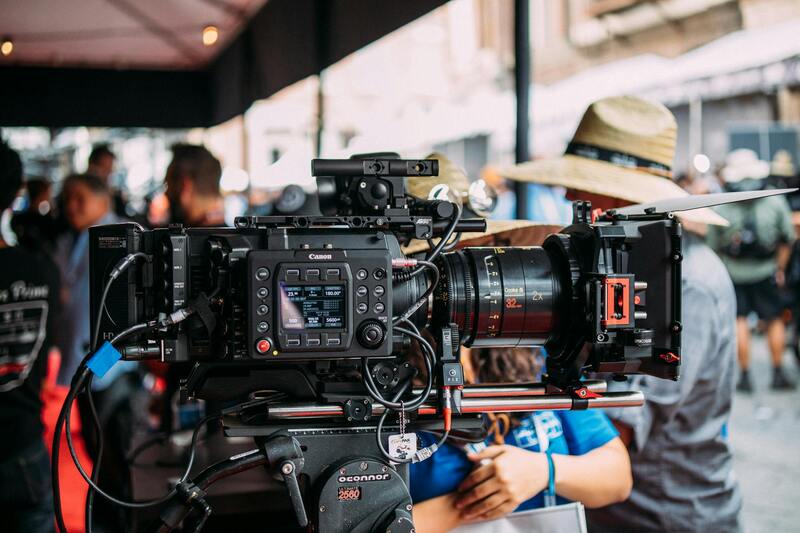
Additionally, consideration must be given to privacy protections for participants, particularly when filming individuals in intimate or sensitive settings. Respecting confidentiality and knowing how to handle personal data aligns with industry standards for responsible production.
Maintaining detailed records of all permissions and releases is vital for post-production and distribution phases, minimizing potential disputes and ensuring that the content can be freely utilized across relevant platforms.
Legal Considerations and Permissions
Effective management of legal considerations plays a critical role in ensuring that professional video interview production proceeds without interruptions or disputes. Central to this process is the acquisition of comprehensive releases and permissions from all individuals appearing in the footage, as well as from property owners if filming occurs in private or public spaces. These legal documents serve to clearly establish consent, outline the scope of usage, and provide assurances that the content can be utilized across various platforms without infringing on personal or proprietary rights.
When drafting and securing release forms, it is essential to specify the nature of the interview, the intended distribution channels, and the duration for which the footage may be used. This level of detail helps safeguard against misunderstandings or future claims regarding unauthorized use. Additionally, releases should be signed prior to filming to ensure all parties are aware of and agree to the terms, creating a foundation for smooth post-production and distribution activities.
Respecting privacy laws involves a nuanced understanding of how participant data and images are handled. For example, sensitive content that captures personal or private moments requires careful consideration and, in many cases, explicit consent. Filmmakers and producers should implement strict protocols for protecting personal information, including secure storage of signed releases and minimizing the collection of unnecessary data. This approach ensures responsible handling of participant rights and maintains the integrity of the project.
To further mitigate risks, detailed documentation of all permissions and rights clearances should be maintained throughout the production process. This repository of records facilitates seamless compliance checks during editing and dissemination phases, and can be instrumental in resolving any unforeseen legal queries. The importance of such documentation cannot be overstated, as it serves as a tangible proof that all necessary authorizations were obtained, thereby safeguarding the production against potential disputes.
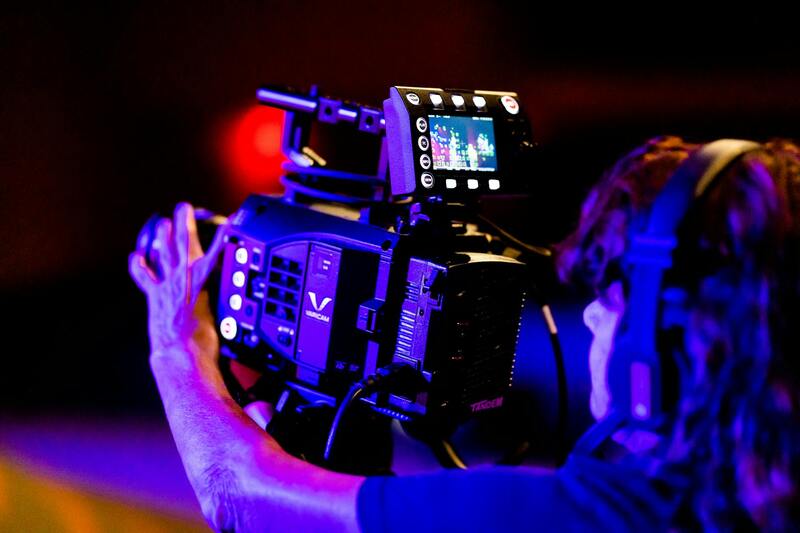
Adhering to these legal protocols ensures that the production aligns with industry standards and upholds the rights of all involved parties. It is advisable for production teams to consult with legal experts or experienced legal consultants, especially when handling complex scenarios involving third-party rights, copyrighted material, or sensitive content. Such guidance is instrumental in executing a compliant and smoothly progressing video interview project, giving clients confidence in the professionalism of the process and results.
Ensuring Proper Archiving and Documentation of Video Content
Effective management of video interview content is crucial for maintaining the integrity of the production and enabling future use or review. Proper archiving practices involve systematic storage of raw footage, final edited versions, and all associated documentation such as permission forms, release agreements, and production notes. These records serve as vital references in case of any future queries or updates, ensuring that the project can be revisited or repurposed with confidence.
Digital storage solutions should be secure, backed up regularly, and organized in a manner that allows quick retrieval. Clearly labeled folders with detailed metadata—including dates, participant information, and version histories—facilitate efficient management and reduce the risk of misplacing important files. Leveraging cloud-based storage systems can enhance accessibility for authorized personnel while maintaining security controls. Establishing a standardized archiving protocol fosters consistency across projects and simplifies compliance audits.
Additionally, maintaining a comprehensive catalog of permissions and releases linked to respective footage is essential. Digital asset management (DAM) tools can streamline this process, providing transparency and ease of access for authorized users. Well-documented archives not only support legal and contractual obligations but also serve as an asset for future marketing, training, or documentary purposes. Ensuring that these assets are stored securely, compliant with company standards, and accessible only to authorized personnel safeguards sensitive information while preserving the project's value.
It is advisable to implement routine audits of stored content, verify the integrity of backups, and update storage methodologies to incorporate new technological developments. Such diligence ensures that the production’s digital assets remain intact and retrievable over time, supporting seamless continuity and compliance with best practices in video content management.
Monitoring and Adjusting Content Distribution
Once the interview content is finalized and archived, effective distribution becomes critical. Tailoring the distribution approach to the target audience ensures that the message reaches the intended viewers while protecting the content’s integrity. Distributing through reputable channels, whether online platforms, internal corporate portals, or conference presentations, requires strategic planning to optimize impact and security.
- Assessing Audience Reach: Understand the demographics and preferences of your target viewers to choose appropriate platforms and formats.
- Utilizing Secure Platforms: Opt for broadcasting on secure, trusted platforms that support content rights management and access controls.
- Implementing Controlled Access: Use password protection, authentication, and digital rights management tools to prevent unauthorized viewing or sharing of sensitive content.
- Tracking Engagement: Employ analytics tools to monitor viewer engagement and gather feedback, informing future production and distribution strategies.
Furthermore, consider periodic updates or repurposing of the content to extend its relevance and reach. This might include creating shorter clips for social media, translating content for different regions, or integrating the footage into broader multimedia campaigns. Maintaining control over distribution channels and continuously monitoring access and engagement helps safeguard the project's reputation and value.