Understanding Video Interview Costs
When planning a professional video interview, understanding the various components that contribute to its total expense is essential for effective budgeting. The costs associated with producing and recording a high-quality interview encompass several key factors, starting from equipment and technical needs to staffing, location, and post-production services. Each element plays a crucial role in determining the final investment required to achieve a polished and impactful video that meets the desired standards.
Equipment and Technical Requirements
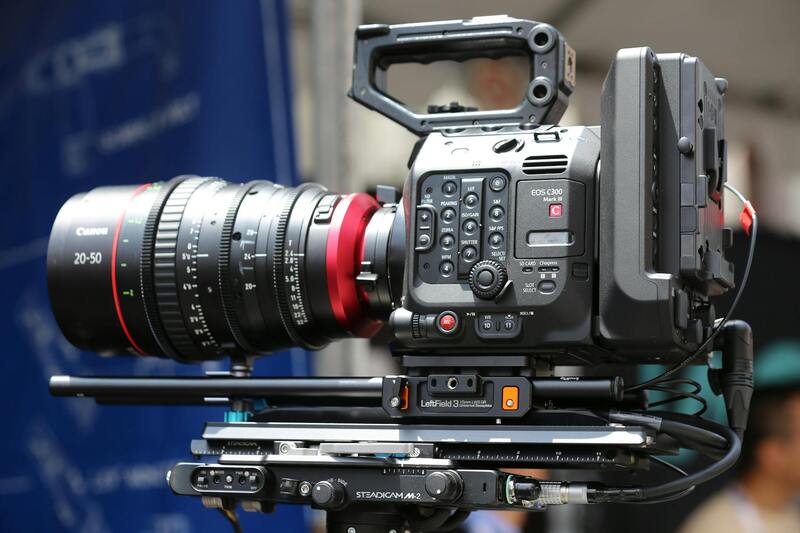
High-quality audio-visual equipment is fundamental to producing a professional video interview. This includes high-definition cameras, professional lighting kits, and reliable microphones that ensure clear sound and crisp visuals. The type and quality of equipment directly influence production costs, with advanced models and additional accessories increasing expenses. Technical requirements also encompass backup equipment, monitors, and other gadgets necessary for seamless recording and troubleshooting during filming.
Personnel and Staffing Costs
Behind every successful video interview are skilled professionals who manage various aspects of the production. This team often includes videographers, lighting specialists, sound engineers, and directors or producers. Compensation for these professionals depends on their experience, the duration of the shoot, and the complexity of the production. Having a dedicated team ensures the interview is finished efficiently, with high production standards met at every stage.
Location and Facility Expenses
The choice of location significantly impacts overall costs. Renting a professional studio space equipped for video production may involve hourly or daily fees. In some cases, on-location shoots require permits, transportation, and additional setup costs, especially if filming occurs at external venues. The environment's quality and accessibility also influence the costs, with more sophisticated or custom-designed settings demanding higher investment.
Additional Services and Post-Production
Post-production encompasses editing, color correction, sound enhancement, and graphical or subtitle additions to improve the final product. These services are typically billed separately and may vary based on project complexity. Moreover, additional services such as script development, talent coaching, or animation can further elevate the production value but also increase the overall expense.
Budgeting Tips for Secure Cost-Effective Video Interviews
To optimize spending while maintaining quality, it is advisable to clearly define the scope and objectives of the project from the outset. Prioritizing essential elements helps allocate funds more effectively. Comparing quotes from reputable vendors, opting for high-impact yet affordable equipment, and scouting suitable locations can lead to significant savings. Additionally, planning the shoot efficiently—limiting the number of takes and minimizing additional setups—can further control costs and streamline the production process.
Equipment and Technical Requirements
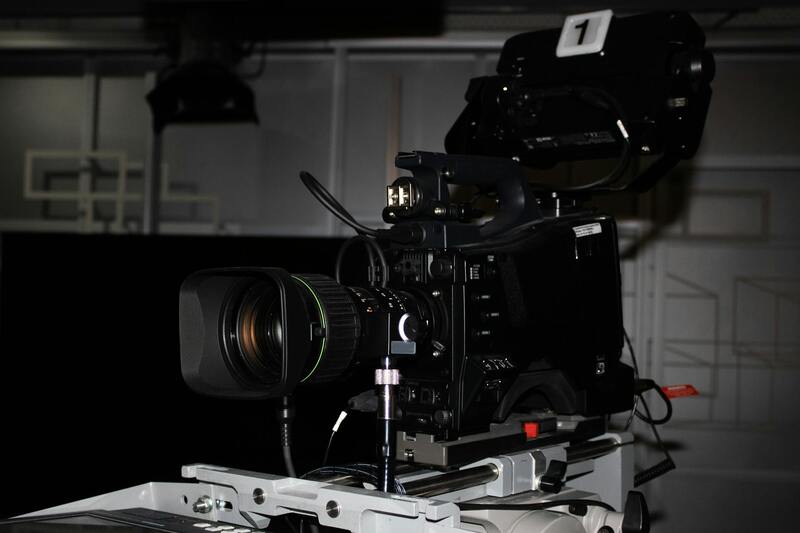
Achieving a professional-quality video interview depends heavily on utilizing appropriate equipment and technical resources. High-definition cameras are typically essential for capturing clear visuals that meet modern viewing standards, particularly for online distribution and corporate presentations. Investing in quality microphones ensures crisp, intelligible audio, which is crucial in maintaining viewer engagement and conveying professionalism.
Lighting setup also plays a vital role in creating an optimal visual environment. Proper lighting equipment helps eliminate shadows, highlight interviewees effectively, and produce a polished look. Depending on the scope of the project, additional tools such as lapel microphones, boom mics, and external audio recorders may be necessary to accommodate different scenarios.
Furthermore, the selection of editing software and post-production hardware influences both the quality of the final product and the associated costs. Advanced editing suites can streamline the process, allowing for seamless integration of graphics, subtitles, and special effects. Meanwhile, backup power supplies and stable internet connectivity are also factors that contribute to uninterrupted filming and smooth post-production workflows.
Lighting and camera equipment rental options are widely available and can be a cost-effective choice for short-term projects rather than purchasing expensive gear outright. Ensuring compatibility and calibration of all technical elements forms the foundation of a smoothly executed video interview.
Methods for Verifying and Comparing Video Interview Costs
When planning a professional video interview, ensuring transparency and accuracy in cost estimates is essential for effective budgeting. The primary approach involves obtaining detailed quotes directly from reputable service providers. These quotes should outline the scope of work, the specific services included, and any additional charges that may arise, such as equipment rentals or post-production services.
To facilitate comparison, clients are encouraged to request itemized breakdowns of each quote. This makes it possible to identify which elements contribute most significantly to the overall cost and evaluate whether any services can be adjusted or replaced to better align with budget constraints.
Researching service providers with proven track records and positive client reviews ensures the selection of those offering reliable, high-quality services at a fair price. Verifying credentials, viewing portfolios, and checking references are effective steps to confirm the provider’s expertise and dedication to quality standards.
Understanding the differences between providers’ offerings often reveals variations in pricing based on their equipment quality, experience, and included services. For example, some may include comprehensive editing packages, while others might price these as add-ons. By evaluating these factors, clients can make more informed decisions, selecting the best combination of price and service quality.
Additionally, some organizations utilize online platforms or industry networks to gather reviews or ratings from previous clients. These insights provide further confidence in selecting a provider that offers quality services at a reasonable cost.
Estimating Costs Using Industry Benchmarks
Another reliable method involves analyzing industry benchmarks and average rates within the region. Many professional associations or industry publications publish standard rates for video production, including interview filming. Although these figures serve as general guides, they help set realistic expectations when negotiating with service providers.
In a dynamic market like Miami, where competition is high, service providers often adjust prices based on demand, scope, and client requirements. Consequently, obtaining multiple estimates and understanding prevailing rates assist clients in recognizing fair pricing and avoiding inflated costs.
Leveraging Cost-Effective Solutions
Organizations seeking to control costs should consider off-peak scheduling, utilizing in-house resources, or opting for streamlined service packages. Many providers offer scalable options that modify the extent of services delivered—ranging from basic recording setups to full-scale production with post-editing and graphics.
Some providers have preset packages designed for various budgets, which can be customized further to prioritize essential elements. Employing such strategies ensures the delivery of professional-quality interviews without overspending, especially for organizations with restricted budgets.
Conclusion
Accurately verifying and comparing video interview costs involves a combination of obtaining detailed quotes, analyzing industry benchmarks, and considering scalable service options. Maintaining open communication with service providers and thoroughly reviewing the scope and breakdown of costs enable organizations to make informed decisions that align with their operational budgets while ensuring high-quality results.
Equipment and Technical Requirements
The technical setup plays a significant role in determining the overall cost of a video interview. High-definition cameras, professional lighting, and superior sound equipment contribute to a polished, visually appealing final product. The choice between renting high-end equipment and utilizing existing resources can influence costs substantially.
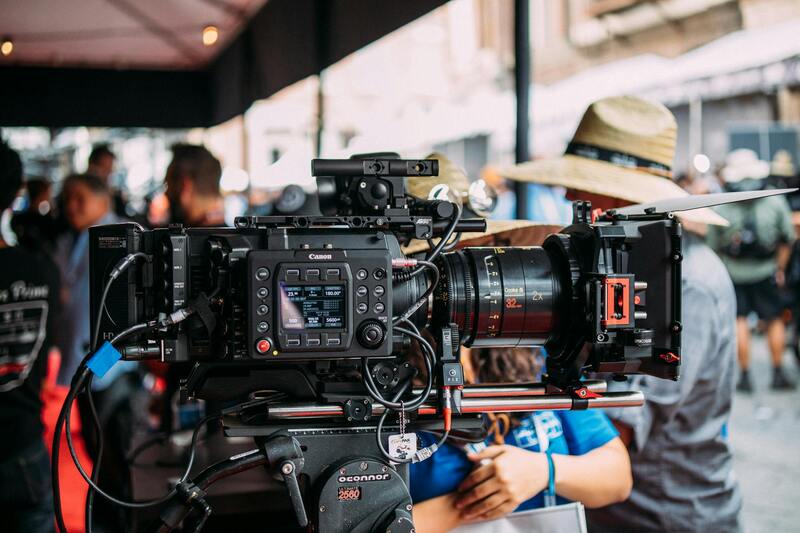
For example, professional-grade cameras capable of capturing detailed images in various lighting conditions tend to come with higher rental or purchase prices. Similarly, proper lighting setups, which may include soft boxes, key lights, and diffusers, enhance image quality but add to production expenses. Sound equipment, including lavalier microphones or shotgun mics, ensures crystal-clear audio, which is essential for engaging interviews.
Service providers with access to advanced technical equipment often charge premium rates due to the costs associated with maintaining and operating this gear. On the other hand, organizations opting for basic setups with economical equipment can substantially reduce expenses. Balancing quality requirements with budget constraints involves choosing equipment that meets professional standards without unnecessary luxury features.
Furthermore, technical complexity—such as integrating multiple camera angles, live streaming capabilities, or incorporating special effects—escalates costs. These enhancements require specialized equipment and skilled technicians to operate, thus increasing both labor and rental outlays.
Innovative solutions like utilizing high-quality webcams with proper lighting or employing portable production kits can offer cost-effective alternatives without significantly compromising quality. Carefully assessing technical needs against available resources ensures optimal investment and a professional video interview outcome.
Production Crew and Staffing Costs
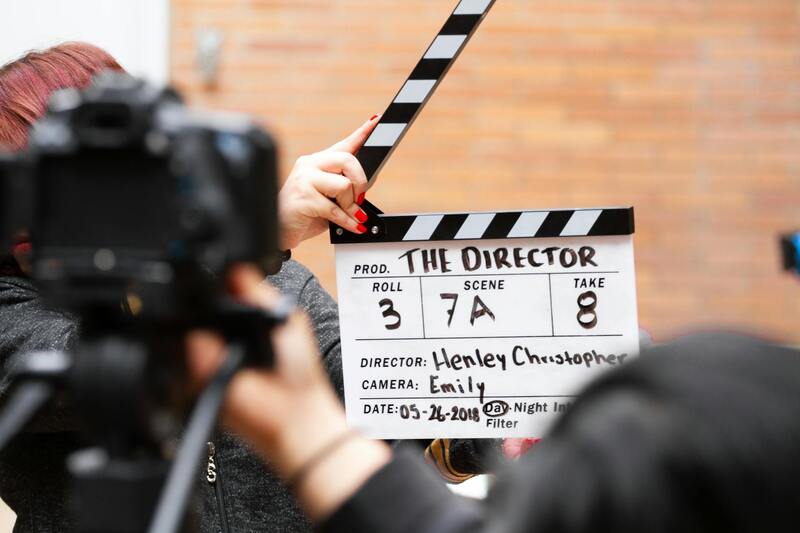
For professional video interviews, assembling a competent production crew is essential to ensure a polished and seamless final product. The core team typically includes camera operators, who manage camera angles and framing; a director or producer, who oversees the overall flow and coherence of the interview; and editors, responsible for post-production refinement. In addition, sound technicians may be needed to monitor audio quality throughout the shoot.
The expertise and experience of these personnel directly impact costs. More seasoned professionals often command higher rates due to their skill level and ability to resolve technical issues swiftly. Conversely, hiring less experienced crew members or working with freelance staff can provide cost savings, but may require more oversight to maintain quality standards.
In some cases, a minimal crew suffices, especially when employing single-camera setups or when filming in controlled environments. However, complex interviews involving multiple camera angles or live streaming capabilities necessitate a larger, more specialized team. This expands labor costs but enhances the overall production value.
Factors influencing staffing expenses include the duration of the shoot, the complexity of the interview setup, and the level of post-production involvement. Budget-conscious organizations should evaluate the scope of their project carefully, selecting staffing arrangements that align with their quality expectations without incurring unnecessary expenses.
Equipment and Technical Requirements
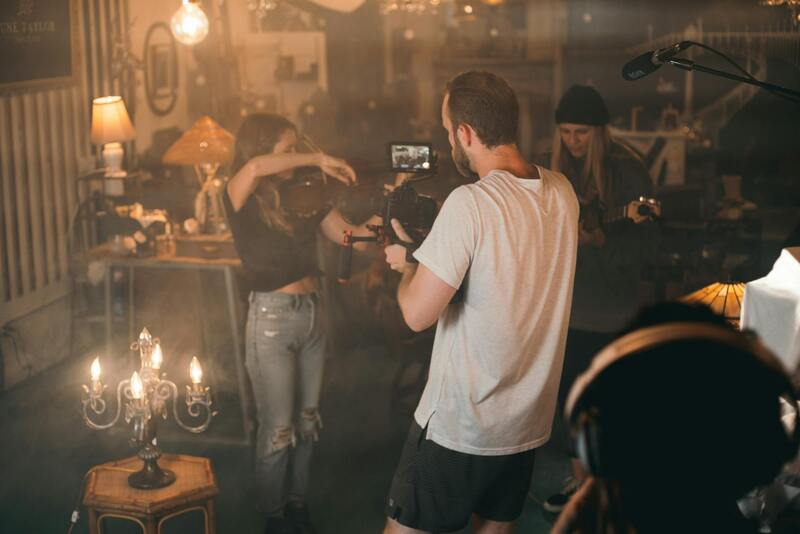
High-quality video interviews demand specialized equipment to ensure clear visuals and pristine audio. This includes professional-grade cameras capable of capturing high-definition footage, which often represents a significant portion of the overall expense. Additionally, lighting equipment plays a crucial role, as proper illumination enhances both the visual appeal and clarity of the interview, especially in indoor environments or low-light conditions.
Audio quality is equally vital. Wireless microphones, lapel mics, or boom microphones are typically employed to capture crisp sound, minimizing background noise. Audio mixers and monitoring devices are also used to ensure consistent audio levels throughout the shoot.
Beyond the core gear, technical infrastructure such as teleprompters, multiple camera setups, and live streaming hardware can add to costs, depending on the interview's scope. For remote or virtual interviews, high-speed internet connections and video conferencing platforms are necessary, where the stability and bandwidth directly influence the quality and smoothness of the session.
Production Crew and Staffing Costs
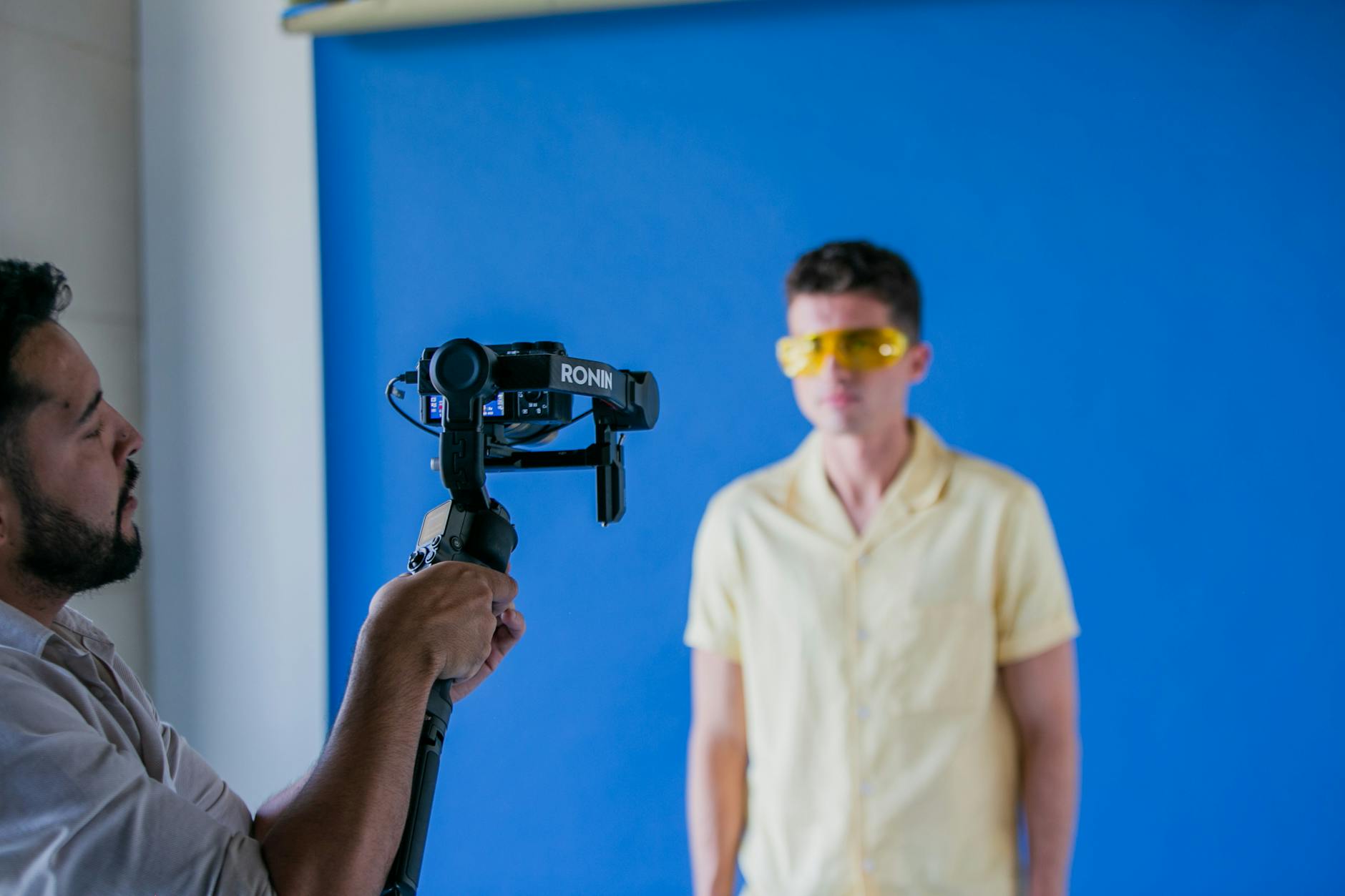
The proficiency and size of the production team significantly influence the total expenditure for a video interview. A small, efficient crew consisting of a single camera operator and a technician might suffice for straightforward recordings, maintaining lower costs. However, more complex setups—such as multi-camera angles, live broadcasting, or on-location shoots—require additional personnel, including multiple camera operators, lighting technicians, sound engineers, and a director.
The experience level of staff also impacts pricing. Seasoned professionals with extensive expertise in video production often charge premium rates but contribute to ensuring the interview's technical quality and smooth execution. Freelance specialists or less experienced staff may reduce costs but could necessitate more oversight or additional post-production corrections.
Labor costs are typically calculated based on hourly rates, with longer shoots or intricate setups increasing the expense. Additionally, post-shoot activities, such as editing and color correction, involve dedicated personnel whose fees are factored into the final budget.
Understanding Video Interview Costs
Accurately estimating the expense of conducting a video interview involves examining multiple components that contribute to the overall budget. Costs can vary depending on the scope of the project, technical specifications, and the professional standards expected. It is essential for organizations to identify and plan for these elements to ensure the successful execution of a high-quality video interview without exceeding financial constraints. The investment in this process reflects the importance of producing polished, engaging content suitable for professional use, such as corporate communications, job candidate assessments, or marketing campaigns.
Factors Affecting the Price of Video Interviews
Several key factors influence the overall expense associated with video interview services. These elements range from technological requirements to personnel involved, each impacting the final cost differently:
- Technical Complexity: High-definition recording, multi-camera setups, or live broadcast features require advanced equipment and technical expertise, increasing costs.
- Duration of the Interview: Longer sessions necessitate more time from staff and equipment usage, which directly affects billing.
- Location and Venue: On-location shoots in specific venues or multiple sites involve additional logistical arrangements and possible rental fees.
- Post-Production Needs: Editing, adding graphics, sound adjustments, and other enhancements extend the timeline and budget.
- Expertise and Experience: Hiring seasoned professionals with specialized skills may come at a premium but ensures a higher quality outcome.
Typical Cost Range for Video Interviews in Miami
In Miami, the costs for professional video interview services generally fall within a specific range, reflecting the area's market conditions and industry standards. Basic packages, suited for straightforward interviews with minimal editing, tend to start at approximately $1,000 to $2,000. These usually include basic equipment, a single camera operator, and standard editing services. More comprehensive setups involving multiple cameras, advanced lighting, on-location filming, and sophisticated post-production can elevate the expense to between $3,000 and $10,000 or more.
Equipment and Technical Requirements
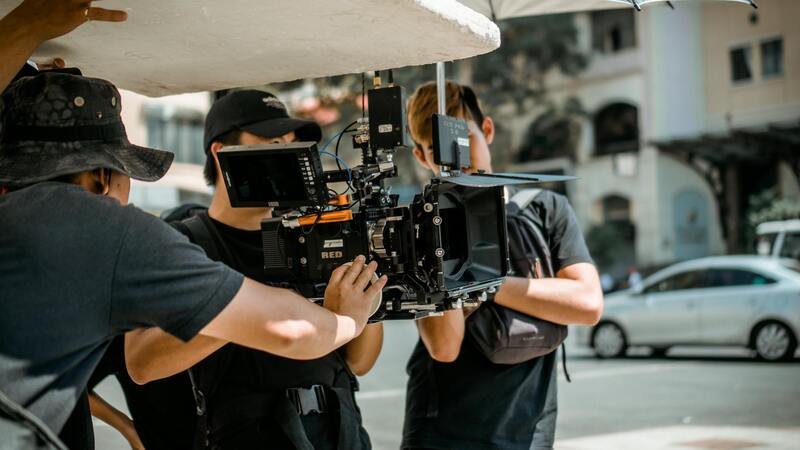
Ensuring a professional and clear video interview hinges on the use of reliable, high-quality equipment. Essential technical components include high-definition cameras, professional microphones, lighting rigs, and stable internet connections. Advanced video conferencing platforms and recording software also play a critical role in capturing crisp visuals and audio. The choice of equipment directly correlates with the expected image quality and functionality, influencing both initial costs and ongoing maintenance or rental fees. When planning a video interview, organizations should prioritize equipment that guarantees seamless operation and compatibility with chosen platforms, thereby reducing the risk of technical disruptions that could lead to additional expenses.
Production Crew and Staffing Costs
The caliber of the production team is a significant determinant in the overall costs of a video interview. A lean setup with a single camera operator and a technician can manage simple recordings at a lower rate. Conversely, complex projects featuring multiple angles, live streaming, or multi-location shoots require a larger, more specialized team—including camera operators, sound engineers, lighting technicians, and a director—to coordinate and execute the process efficiently.
Staffing costs are typically billed hourly, with seasoned professionals commanding higher rates. For high-stakes or highly polished productions, organizations may also employ dedicated post-production editors and graphic designers to enhance the visual appeal. Effective planning involves balancing the quality of personnel involved with the scope of work, ensuring expenses remain aligned with the intended outcomes.
Location and Facility Expenses
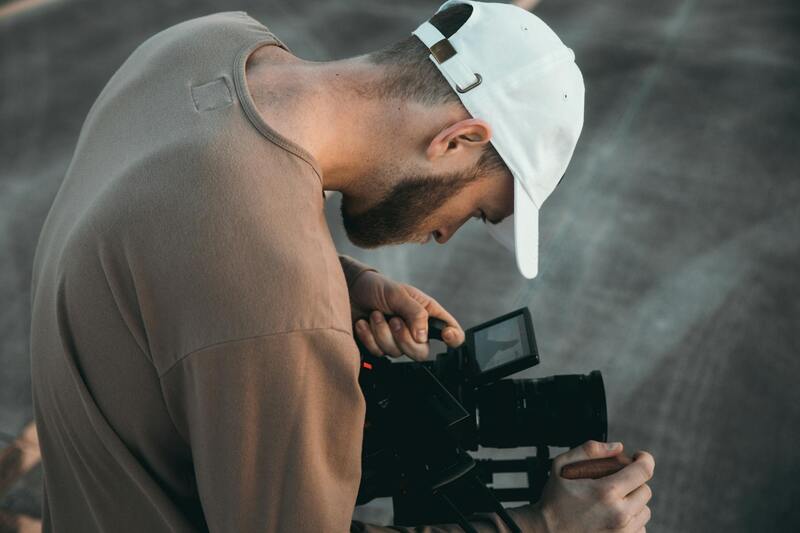
Choosing the right setting for a video interview can influence both the aesthetic quality and the associated costs. Renting a professional studio or dedicated interview room provides controlled lighting, soundproofing, and a convenient environment that contributes to the overall production value. On-location shoots may incur additional charges such as permits, transportation, and setup fees, especially if filming occurs outside standard business hours or in exclusive venues. For remote or virtual interviews, organizations should consider the setup of a dedicated space equipped with proper lighting and background setups, which could reduce costs while maintaining professionalism.
Exploring Cost-Saving Strategies for Video Interviews in Miami
Successfully managing expenses while maintaining high production standards requires a strategic approach to planning and execution. Organizations aiming to optimize their video interview costs should consider various comprehensive strategies that ensure quality is not compromised by overly restrained budgets. These strategies are crucial, especially when working within the diverse economic landscape of Miami, where service providers offer a range of options tailored to different project scales and budgets.
Thorough Planning and Clear Objectives
Defining a detailed plan before initiating the project helps prevent unnecessary expenditures. Establish specific goals for the interview that dictate the scope of work, such as the number of camera angles, locations, and post-production needs. This detailed planning allows for precise resource allocation, avoiding over-investment in elements that may not significantly impact the final output.
Leverage Virtual and Hybrid Setups
Incorporating virtual interview formats can significantly reduce costs related to location, transportation, and on-site crew. When appropriate, hybrid setups—combining live footage with virtual components—offer flexibility and cost efficiencies. Utilizing professional yet affordable virtual studios or remote production services ensures consistent quality without the inflated expenses associated with physical studio rentals.
Negotiate Service Packages and Custom Solutions
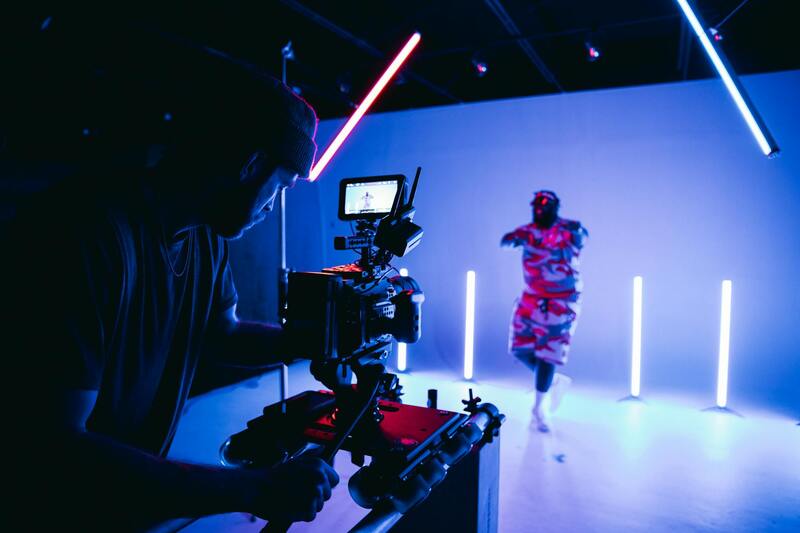
Many Miami-based video production companies offer package deals that bundle various services—such as filming, editing, and graphics—at a reduced rate. Engaging in detailed negotiations can lead to customized solutions that align specifically with project needs, avoiding unnecessary add-ons. It’s advisable to request detailed quotes and compare offerings to identify the most cost-effective options without sacrificing quality.
Prioritize Essential Equipment and Limit Extras
Focus on utilizing core equipment necessary for a professional-looking interview. Avoid excessive accessories or complex setups unless vital. For instance, high-end lighting may be unnecessary if natural light or simple softboxes suffice, thus reducing rental and operational costs. This pragmatic approach ensures funds are allocated to elements that markedly enhance the production value.
Choose Suitable Locations and Optimize Usage
Opt for locations that balance aesthetics with budget constraints. Professional studios provide ideal conditions but at higher costs. Alternatively, in-house or rented spaces that require minimal modification can also serve effectively. Planning shorter shoot durations minimizes location rental time and associated fees. Moreover, scheduling shoots during off-peak hours can sometimes reduce costs related to location usage.
Invest in Skilled Pre-Production and Efficient Scheduling
Proper pre-production, including clear shot lists, rehearsals, and technical checks, minimizes on-set errors and delays. Efficient scheduling ensures the crew remains focused and productive, avoiding additional charges for extended hours. Having a dedicated project manager can streamline communication and logistics, preventing misunderstandings that lead to unexpected expenses.
Utilize Standard and Cost-Effective Post-Production Solutions
Post-production costs can significantly impact the overall budget. Opting for efficient editing workflows and standardized graphics can reduce time and expenses. Many providers offer tiered editing packages, allowing organizations to select essential enhancements rather than comprehensive, high-cost services. Collaborating with the same team for both filming and editing can also streamline the process, potentially reducing overall costs through long-term partnerships.
Encourage In-House Capabilities and Client-Provided Content
Organizations with in-house expertise or resources can potentially handle basic editing or content formatting, further lowering costs. Additionally, providing raw footage, visuals, or other materials in advance enables the production team to focus on editing and assembling, rather than reshooting or capturing additional content, thus saving both time and money.
Maintain Flexibility and Regular Cost Review
Building flexibility into the project timeline and budget allows for adjustments based on real-time assessments of costs versus quality expectations. Regular review of expenses ensures adherence to budget constraints and prompts timely modifications if costs threaten to escalate. This proactive approach fosters financial control without sacrificing necessary production standards.