Introduction to Video Testimonials in Business
In the dynamic landscape of contemporary marketing, businesses are constantly seeking innovative methods to connect with their target audiences and build credibility. Among these, video testimonials have emerged as a highly effective tool for harnessing the power of authentic customer experiences to influence potential clients. Unlike written reviews, video testimonials create a personal and engaging narrative that allows viewers to see and hear real customers sharing their positive interactions with a brand or product.
Video testimonials serve as a bridge between a company's offerings and consumer perceptions. They convey trustworthiness and transparency, which are key factors in the decision-making process. When potential clients observe genuine customers articulating their satisfaction and showcasing actual results, it fosters a sense of confidence rooted in real-world experiences. This form of content taps into the psychological tendency of consumers to rely on social proof, making it a crucial component of any comprehensive marketing strategy.
Incorporating video testimonials into your business approach is more than a trend; it’s a proven method to enhance brand visibility and credibility. They provide a multidimensional insight into product performance and customer service that no other content type can match. Moreover, these videos can be leveraged across various channels—websites, social media, email campaigns, and more—creating consistent messaging that resonates with diverse audiences.
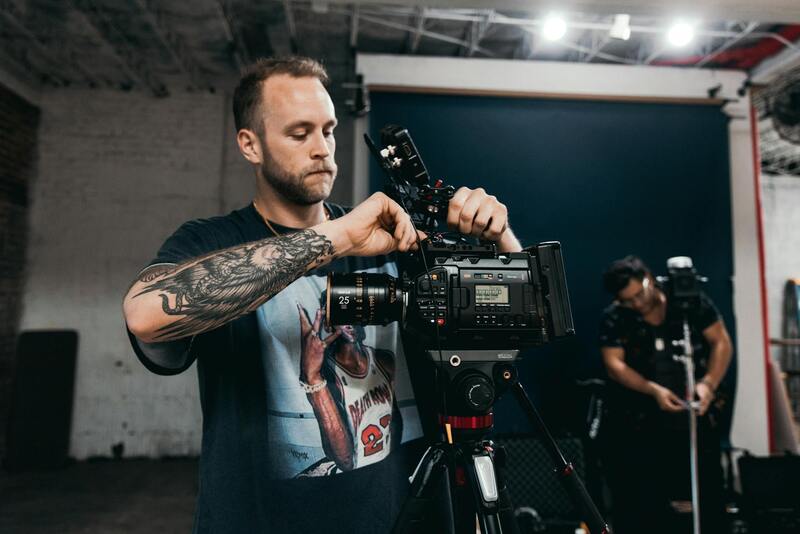
As consumer behavior continues to evolve, the demand for authentic and relatable content grows stronger. Video testimonials fulfill this need by showcasing real stories, making your business more relatable and trustworthy in a competitive marketplace. Deploying this powerful form of content is a strategic move that can significantly influence consumer perceptions and ultimately drive sales.
In the following sections, we will explore the numerous benefits of integrating video testimonials into your marketing ecosystem, alongside best practices for creating impactful videos, choosing the right participants, and measuring their effectiveness. Understanding these fundamentals equips your business to utilize video testimonials as a strategic asset that enhances reputation and fosters continuous growth.
Creating Effective Video Testimonials
To maximize the impact of video testimonials, it is essential to focus on authenticity and clarity. Effective videos typically feature genuine customer stories that reflect real experiences with your product or service. Professionals recommend preparing a set of open-ended questions that encourage detailed responses and highlight specific benefits or solutions your business provides. This approach fosters credibility by allowing viewers to see relatable, heartfelt accounts rather than scripted or rehearsed messages.
Another critical element is production quality. Clear audio, proper lighting, and stable visuals contribute to a polished appearance that enhances viewers’ trust. While high production values can elevate the perceived professionalism of your content, it’s equally important to maintain a natural, unscripted tone that resonates with audiences. Striking this balance ensures the testimonial feels both genuine and professional.
Often overlooked, the length of the testimonial can significantly influence viewer engagement. Shorter videos, generally between one to two minutes, tend to hold attention better and deliver concise messages. However, longer stories that delve into specific challenges and solutions can deepen emotional connection when crafted thoughtfully. Incorporating visual cues, such as clients demonstrating products or showing before-and-after results, can also reinforce the story’s authenticity and clarity.
In addition, emphasize the testimonial subject's authenticity. Customers who genuinely express their experiences—highlighting both successes and genuine emotions—are more persuasive than scripted or overly curated content. Including diverse customer segments ensures the testimonials resonate with different audience demographics, expanding your outreach effectively.
Choosing the Right Clients for Testimonials
Selecting appropriate clients to feature in video testimonials is a strategic step that influences authenticity and effectiveness. The ideal candidates are those who have experienced tangible benefits from your offerings and are comfortable sharing their stories publicly. These clients should represent a variety of customer personas, ensuring your testimonials encompass a broad spectrum of experiences and preferences.
Prioritizing clients with recognizable or respected profiles can boost credibility significantly, especially if their endorsement aligns with your target market. Additionally, current or long-standing customers are often preferred, as their ongoing relationship with your business lends credibility to their endorsements.
Engaging clients who are articulate and comfortable on camera is vital. To facilitate this, it is beneficial to conduct preliminary interviews or provide guidance on how to express their experiences naturally. Providing clear instructions and setting expectations can help clients feel prepared and confident during filming, resulting in more authentic and compelling testimonials.
Integrating Video Testimonials into Marketing Strategies
Once produced, integrating video testimonials across multiple marketing channels amplifies their impact. Embedding these videos on your website, especially on dedicated testimonial or case study pages, enhances credibility and encourages visitors to engage further with your brand. Featured prominently on landing pages, they can increase conversion rates by providing proof of value right at critical decision points.
Social media platforms serve as powerful venues for sharing video testimonials, reaching broader audiences and fostering community engagement. Shortened clips optimized for platforms like Instagram, Facebook, and LinkedIn allow easy sharing while maintaining message integrity. Consistent branding and messaging across channels ensure that your testimonials reinforce your overall positioning and value proposition.
Email campaigns also benefit from video testimonials. Incorporating videos into newsletters or targeted outreach can boost open rates and click-through rates by offering compelling, visual proof of satisfied customers. Additionally, these videos can be repurposed for paid advertising, further extending their reach and influence.
Legal and Ethical Considerations
Ensuring transparency and respecting client privacy are paramount when utilizing video testimonials. It is essential to obtain explicit consent from customers before filming, distributing, or using their testimonials publicly. Documentation of this consent, whether through signed releases or formal agreements, safeguards your business and maintains trust.
Clear communication about how the videos will be used and who will view them helps manage expectations and prevents misunderstandings. Ethical practices also involve accurately representing clients’ words and experiences without manipulation or exaggeration. Authenticity is key to maintaining credibility and fostering long-term customer relationships.
Additionally, consider providing clients with a preview or approval of the final video, giving them confidence in the content before it goes live. This collaborative approach ensures that all parties are aligned on the message, further strengthening the authenticity and ethical standing of your testimonial campaign.
Implementing Video Testimonials Through Structured and Ethical Methods
To maximize the influence of video testimonials, businesses should adopt a disciplined approach to their collection and presentation. Establishing clear procedures for obtaining testimonials not only streamlines the process but also ensures consistency and professionalism. This includes creating standardized scripts or key questions that guide clients in sharing their experiences authentically, while allowing room for spontaneous insights that add genuine emotion and personality.
Furthermore, selecting appropriate clients for testimonials involves identifying individuals who best exemplify the benefits of your products or services and who are comfortable sharing their story publicly. This proactive selection helps tailor the message to resonate with target audiences, enhancing relevance and persuasive power.
Strict adherence to consent and transparency remains critical during this phase. Formalizing agreements through signed release forms secures the right to use client footage and details, safeguarding your business interests. Providing clients with previews of their testimonials before finalization ensures their comfort and approval, fostering trust and reinforcing ethical standards.

Business success with testimonials also depends on the strategic placement of videos within various marketing channels. Integrating videos seamlessly into websites, email campaigns, social media platforms, and advertisements broadens exposure and engagement. Consistent branding and messaging aligned with your overall marketing goals reinforce authenticity and enhance recall.
Authentic and well-produced video testimonials serve as powerful social proof, influencing potential customers’ purchase decisions by showcasing real experiences. Their strategic deployment should be complemented by ongoing performance monitoring, which enables measurement of their contribution to lead generation, customer conversion rates, and overall brand perception.

By adhering to these methods, companies can ensure their video testimonials not only comply with best practices but also genuinely reflect clients’ experiences, thus building a trustworthy and compelling narrative that resonates with their audience. Employing a disciplined, transparent, and client-centric approach to testimonial creation underscores the credibility and long-term value these videos can deliver to your business growth.
Legal and Ethical Considerations in Using Video Testimonials
When incorporating video testimonials into your marketing efforts, it is essential to adhere to best practices that uphold transparency and trustworthiness. Ensuring that clients have provided informed consent prior to filming and publishing their testimonials helps establish a clear understanding of how their content will be utilized. This process involves communicating the purpose of the video, the target audience, and the platforms where it will be shared.
To maintain integrity, businesses should obtain explicit approval from clients for the finalized video, confirming that they agree with the representation of their experiences. This approval process not only reinforces authenticity but also reduces the risk of misunderstandings or misrepresentations that could impact your brand’s credibility.
Authentic testimonials are most effective when clients share their genuine experiences truthfully. Avoid editing or scripting their stories to fit a predetermined narrative, as this can compromise the authenticity of their message. Instead, focus on creating an environment that encourages honest feedback and natural storytelling.
Moreover, businesses should be attentive to the portrayal of their products or services. All claims made within the testimonial should be accurate and substantiated to prevent miscommunication. This ethical approach fosters trust with your audience and enhances your reputation as a transparent and responsible organization.
Furthermore, when sharing testimonials across various channels, it is crucial to respect privacy and confidentiality agreements. If clients prefer anonymity or specific details to remain confidential, these preferences should be honored. This respect for individual privacy not only aligns with ethical standards but also demonstrates your commitment to customer rights.
Employing professional editing practices ensures that testimonials are presented clearly and engagingly without altering the core message. High-quality production enhances viewers’ perception of authenticity while highlighting the genuine experiences of your clients.
Finally, maintaining a record of consent documentation and approval correspondence provides an additional layer of verification. This documentation serves as a safeguard, emphasizing your company’s dedication to ethical marketing practices and reinforcing the trustworthiness of your testimonial content.

Legal and Ethical Considerations
Utilizing video testimonials for business purposes involves adhering to certain best practices to preserve the integrity of the content and maintain credibility with your audience. One primary concern is ensuring that testimonials are authentic representations of clients’ experiences. Businesses must establish transparent processes for collecting and presenting these testimonials, avoiding any manipulative or misleading editing that could distort the original message.
To uphold ethical standards, it is essential to obtain explicit permission from clients before featuring their image, name, or personal details in testimonial videos. This consent process should be documented and include clear information about where and how the video will be used. It safeguards both parties and fosters a transparent relationship.
Respecting client privacy is another crucial aspect. If a client prefers to remain anonymous or wishes certain details to be withheld, these preferences should be strictly honored. Implementing options for privacy can include blurring faces or omitting specific personal information, which demonstrates a commitment to respecting individual rights and building trust.
In addition, all claims made within testimonial videos should be substantiated with factual information. For instance, if a testimonial mentions specific results or benefits, these assertions should be verifiable to ensure consistency and truthfulness. This approach not only supports ethical marketing practices but also helps prevent potential misunderstandings or misinterpretations.
To further ensure the credibility of testimonial content:
- Maintain comprehensive records of client consents and approvals.
- Regularly review testimonial content for accuracy and appropriateness prior to publication.
- Develop internal guidelines for testimonial collection and presentation to standardize quality and ethics across all campaigns.
Implementing these practices fortifies the reputation of your business and assures consumers they are engaging with honest and responsible messaging. Authenticity in testimonial videos builds a foundation of trust that can significantly influence purchasing decisions and customer loyalty.

Implementing Video Testimonials in Your Business: Key Strategies
To maximize the effectiveness of video testimonials, it is crucial to adopt standardized procedures that ensure consistency, authenticity, and professionalism. Establishing a structured process for collecting and integrating testimonials can streamline workflow and maintain high standards across all productions.
- Develop a Clear Workshop Process: Create a detailed guideline for clients and employees outlining the steps involved in filming testimonials. This includes pre-production planning, interview questions, filming logistics, and review procedures. Clear instructions minimize misunderstandings and foster a smooth experience for all parties involved.
- Request Specific and Honest Feedback: Encourage clients to share candid insights about their experiences. Authenticity is key; testimonials that highlight genuine challenges and solutions tend to resonate more with prospective customers than overly polished or generic comments.
- Use Professional Equipment for Filming: High-quality video and audio equipment are essential to produce visually appealing testimonials. Clear visuals and sound ensure messages are conveyed effectively and reflect positively on your brand’s professionalism.
- Include Branding Elements: Incorporate your company's branding subtly within the video, such as logos or branded backgrounds, to reinforce brand recognition without detracting from the testimonial content.
Furthermore, secondary attention should be given to the confidentiality and permissions associated with testimonial footage. Formal consent forms must be signed, explicitly granting permission to use the footage across various marketing channels. These forms should clearly specify the scope, duration, and platforms where the testimonials will be displayed, ensuring all parties are informed and agree to the usage terms.

Regularly reviewing testimonial content before publication adds an additional layer of quality control. This review process ensures that claims are accurate, the message aligns with brand values, and the testimonial maintains a professional tone. Developing internal review protocols can help standardize this step across your organization or with external production partners.
Utilizing a centralized archive for all testimonials can also be beneficial. This repository allows easy access for future marketing campaigns, repurposing content, or addressing any discrepancies or updates needed in the future. The organization of testimonial content supports long-term marketing efforts and resource management, ultimately strengthening the consistency of your brand voice.
Effective Collection and Management of Video Testimonials
Establishing a streamlined system for collecting, storing, and managing video testimonials is essential to maintain consistency and adhere to best practices. This includes creating standardized procedures for client outreach, recording, editing, and approval processes. Client onboarding should involve clear communication about the scope of testimonial use, the timeline for production, and the rights involved. Providing clients with detailed guidelines and examples can facilitate a smoother recording process, ensuring the testimonial aligns with your brand voice and standards.
In terms of storage, a centralized digital repository with secure access allows your team to efficiently locate and repurpose content as needed. Organize testimonials categorically by project, industry, or client type to facilitate targeted marketing campaigns. Regular audits of these archives help identify outdated or redundant content, ensuring your testimonial library remains fresh and relevant.

Furthermore, employing professional editing tools can enhance video quality and ensure uniformity across all testimonials. Consistent branding elements—such as colors, logos, and fonts—reinforce brand identity and lend credibility to each video. When collecting testimonials, consider using high-quality recording equipment or partnering with professional videographers to ensure a polished, authentic appearance that appeals to prospective clients.
Implementing a formal review process before publishing testimonials is vital. This review should verify the accuracy of the content, confirm client consent, and check compliance with your brand standards. Establishing clear internal protocols and quality benchmarks helps safeguard your reputation and ensures each testimonial upholds your business’s professional image.
Incorporating feedback loops with clients during the editing and approval stages encourages transparency and strengthens trust. It also mitigates potential miscommunications or misunderstandings regarding the testimonial content. The goal is to produce authentic, compelling testimonials that resonate with your target audience and support your marketing objectives.
Legal and Ethical Considerations in Using Video Testimonials for Business
Incorporating video testimonials into your marketing initiatives requires strict adherence to established standards that prioritize honesty, transparency, and respect for the individuals whose endorsements are featured. While these videos are powerful tools for building trust, it is imperative to follow recognized formal procedures that safeguard all parties involved and uphold your company's reputation.
Securing explicit, documented consent from clients before publishing their testimonials is the foundational step. This consent should clearly outline how the video will be used, where it will appear, and the intent behind its application. It’s best practice to obtain written permission through signed release forms, ensuring clarity and mutual understanding. This documentation not only affirms the client's willingness to participate but also provides a record should any questions about the use of their content arise later.

When producing testimonial videos, maintain fidelity to the original message conveyed by clients. Avoid editing that alters the intended meaning or misrepresents their experience. This honesty enhances credibility and fosters long-term trust between your brand and your audience.
Verification and Authenticity
- Implement internal review processes to confirm the accuracy of testimonial content before publication.
- Ensure consistency by cross-checking statements against the original feedback provided by clients.
- Use only genuine testimonials, avoiding fabricated or exaggerated claims that could compromise your credibility.
Respect for Privacy and Confidentiality
Respect clients' privacy rights by controlling the scope of information shared. Always ask clients about any sensitive details they wish to exclude or limit from the testimonial. When necessary, omit identifying information or use pseudonyms to maintain confidentiality without detracting from the testimonial’s authenticity.

Compliance with Advertising Standards
Ensure that all testimonial content complies with local advertising regulations and industry standards. This includes avoiding misleading claims, substantiating any numerical assertions made (such as ROI or satisfaction levels), and clearly identifying sponsored or promotional content where applicable. Transparent labeling of testimonials, especially if incentivized or directly connected to sponsored campaigns, enhances consumer trust and aligns with best practices.
Ongoing Monitoring and Ethical Practices
Regularly review testimonial content and usage practices to ensure ongoing compliance with evolving standards. This includes monitoring feedback, updating older testimonials to reflect current client experiences, and promptly addressing any concerns or disputes raised by clients. Maintaining an open line of communication with clients encourages a respectful relationship and helps prevent misunderstandings.
By adhering to these methodologies, businesses can leverage the persuasive power of video testimonials ethically and responsibly. This not only protects brand integrity but also fosters a genuine connection with potential clients who value authenticity and transparency in your marketing communications.