Understanding Testimonial Video Content
Testimonial video content serves as a powerful tool for brands and businesses aiming to establish credibility and foster trust with their audience. These videos feature real customers sharing their genuine experiences with a product or service, offering a personalized narrative that resonates with prospective clients. By showcasing authentic feedback, testimonial videos create a compelling bridge between a company's offerings and the viewer's needs, helping to influence purchasing decisions and enhance brand reputation.
Unlike traditional advertising methods, testimonial videos focus on storytelling through the voice of satisfied clients, which significantly amplifies their persuasive impact. They often address common concerns or questions potential customers may have, providing relatable insights that textual reviews alone cannot achieve. This visual and verbal affirmation acts as social proof, reinforcing the value and reliability of a business.

The primary purpose of testimonial videos extends beyond merely endorsing a product or service. They serve as strategic tools that can influence consumer perceptions and behaviors. When prospective clients see real people sharing positive experiences, it humanizes the brand and builds an emotional connection. This connection often results in increased conversion rates and customer loyalty.
Effective testimonial videos employ various techniques to maximize impact. They are typically concise yet detailed enough to convey authentic stories, often incorporating visual elements that complement the narration. The videos can be tailored to suit different platforms, whether website pages, social media channels, or digital advertising campaigns, ensuring broad reach and engagement.
Moreover, testimonial videos play a vital role in establishing authority and credibility. They serve as evidence of a company’s commitment to customer satisfaction and quality service. By featuring diverse customers and highlighting different benefits, Miami-based businesses can showcase their versatility and appeal to a broader audience.
Creating compelling testimonial content requires strategic planning, capturing honest feedback, and skillful production to ensure the final piece conveys authenticity and professionalism. As these videos become integrated into a comprehensive digital marketing approach, they can significantly influence the decision-making process, ultimately fostering trust and long-term relationships with clients.
Key Elements of Effective Testimonial Videos
Creating impactful testimonial videos requires a strategic approach that emphasizes authenticity, clarity, and emotional resonance. First and foremost, the selection of testimonial subjects plays a critical role. Ideal participants should genuinely have positive experiences with the product or service, and their stories need to be relatable to the target audience. Authenticity is reinforced when clients speak naturally, avoiding scripted dialogues that can feel rehearsed or insincere.
Another vital element is the visual presentation. High-quality production values, including clear audio and well-composed shots, reflect professionalism and help reinforce credibility. Incorporating real-life settings, such as the client’s business environment or personal spaces, adds a layer of authenticity that resonates with viewers.
Narrative structure also contributes significantly to a testimonial’s effectiveness. Stories should be concise yet comprehensive, highlighting specific challenges faced by the client and how the business’s solution provided value. Using a storytelling approach that highlights transformation or positive outcomes makes the content more compelling.
Lastly, incorporating supporting visual cues—such as before-and-after shots, product demonstrations, or relevant visuals—can enhance comprehension and engagement. Text overlays summarizing key points or emphasizing particular benefits can also reinforce the message.

Understanding Testimonial Video Content
Testimonial videos serve as powerful tools for Miami businesses aiming to build trust and authority within their industry. They provide a platform for satisfied clients to share their authentic experiences with a company's products or services. Such videos not only illustrate the tangible benefits clients have enjoyed but also humanize the brand, creating a relatable narrative that resonates with potential customers.
Creating effective testimonial content involves capturing genuine stories that reflect real interactions and outcomes. Business owners and marketers should focus on showcasing clients who represent their target audience, ensuring their stories align with the needs and interests of prospective customers. This relevance encourages viewers to see themselves in the client’s journey, fostering a deeper connection with the brand.

One essential aspect of testimonial videos is their sourcing. Authentic narratives are most compelling when clients are encouraged to speak openly and naturally about their experiences without scripted prompts. This sincerity helps to convey trustworthiness and sincerity, factors critically valued by viewers evaluating whether to engage with a business.
The visual quality of testimonial videos plays a significant role in establishing credibility. Clear audio, well-lit scenes, and professional framing demonstrate a serious approach to storytelling, which can influence the audience's perception of the brand's professionalism. Incorporating real-life settings, like the client’s workplace or homes, lends additional authenticity to the visual storytelling, enriching the overall impact.
Key Elements of Effective Testimonial Videos
- Genuine Narratives: Real stories told by actual clients, emphasizing their specific challenges and the solutions provided by the business.
- Relatable Characters: Clients who reflect the target audience, enabling viewers to identify with their experiences.
- Clear and Concise Messaging: Focused stories that highlight key benefits and outcomes without unnecessary complexity.
- High-Quality Production: Professional visuals, sound, and editing to reinforce the brand's credibility.
- Supporting Visuals: Before-and-after shots, product demonstrations, or contextual footage that complement the narrative and clarify the message.
The narrative structure also significantly influences the effectiveness of testimonial videos. A well-organized story begins by outlining the client’s initial challenges, then transitions into the solution provided, and concludes with tangible results or transformations. This storytelling approach makes the content more engaging and memorable, establishing emotional ties that can motivate viewer actions.

In addition to narrative and visual elements, incorporating supporting cues like text overlays can enhance comprehension and retention. Summarizing key points, highlighting specific benefits, or including call-to-action prompts ensures the viewer retains critical information and understands the next steps.
Apart from filming the stories, businesses should also consider the context in which testimonials are presented. Including case studies or client photos can elevate credibility, making the testimonials more compelling and relatable. Combining these visual and narrative strategies results in content that not only captures attention but also fosters trust, ultimately leading to increased engagement and conversions.
Understanding Testimonial Video Content
Testimonial videos are a powerful form of social proof that showcase authentic experiences and positive outcomes from real customers. They serve as a bridge of trust between potential clients and your brand by providing relatable, compelling narratives that highlight your products or services' value. These videos underscore the credibility of your business, demonstrating how your solutions have made a tangible difference in the lives of your clients. The authenticity conveyed through sincere testimonials can significantly influence purchasing decisions, especially when presented in a professional and engaging manner. By capturing genuine stories, businesses build a trustworthy reputation that resonates with their target audience.

Creating effective testimonial video content involves more than simply recording client statements. It requires a strategic approach to narrative structure, visual presentation, and emotional appeal. A well-crafted testimonial not only shares a satisfied customer's experience but also aligns with your brand messaging, reinforcing your position in the market. Employing legitimate methods to gather and produce these stories ensures the content remains genuine and impactful, fostering deeper connections with viewers and strengthening overall trust in your brand.
Key Strategies for Authentic Testimonial Video Content
- Authentic Storytelling: Focus on genuine stories that highlight specific challenges and how your solutions provided meaningful results. Authenticity resonates deeply with viewers and enhances credibility.
- Professional Filming Techniques: Use high-quality visuals and sound to ensure the testimonial appears polished while maintaining the natural tone of the client's experience. This combination reinforces seriousness and professionalism.
- Contextual Support: Incorporate relevant visuals such as product demonstrations, before-and-after shots, or contextual settings that support the narrative. These elements clarify the message and make the testimonial more relatable.
- Clear Narrative Structure: Guide the story logically—from initial challenges to the implemented solution and final results. A coherent story helps viewers follow and retain the testimonial's core messages.
- Supporting Text and Calls to Action: Use overlays to highlight key points or benefits, and include prompts encouraging viewers to take the next step, whether contacting you or exploring your offerings.

Collecting testimonials through legitimate means is essential to ensure the content remains believable and impactful. selecting satisfied clients who have a clear understanding of your services, asking open-ended questions that prompt detailed responses, and capturing stories in natural, comfortable environments contribute to the quality of your testimonials. The focus should always remain on truthfulness and transparency, as these qualities foster trust and credibility among prospective clients. Moving forward, businesses should adhere to authorized methods for obtaining testimonials, respecting client privacy, and ensuring the presentation aligns with professional standards.
Legal and Ethical Considerations When Obtaining Testimonial Content
Securing testimonial video content that resonates with audiences and upholds professional integrity requires adherence to established standards for obtaining and presenting client stories. Businesses should focus on transparent communication with clients, ensuring they understand how their testimonials will be used and seeking explicit consent prior to recording or publishing the content. This practice not only fosters trust but also enhances the authenticity of the testimonial, making it more relatable and persuasive to prospective customers.
When selecting clients for testimonials, it is crucial to engage individuals who have genuinely experienced your services and can articulate their feedback convincingly. This selection process involves identifying clients who are satisfied and willing to share their experiences openly, without coercion or undue influence. Authenticity is a key driver of credibility; testimonials that reflect honest opinions often have a stronger impact than scripted or overly polished endorsements.
To ensure testimonials are genuine and meaningful, ask open-ended questions that encourage clients to detail their initial challenges, the specific solutions provided by your business, and the tangible benefits they received. This approach helps capture natural stories that highlight the effectiveness of your offerings. Additionally, creating a comfortable environment for recording, such as a familiar setting or a professional but relaxed atmosphere, contributes to more honest and spontaneous responses.

By documenting these stories through legitimate channels, companies can ensure the integrity of their testimonials remains intact. Proper documentation of consent, along with clear records of the intended use of the content, helps maintain transparency. This not only protects the client’s rights but also aligns with professional standards that value truthful representation.
When editing testimonial videos, care should be taken to preserve the original message and emotion conveyed by clients. Alterations that distort the interviewees’ words or meaning can undermine authenticity and damage trust. Instead, editing should focus on clarity, professionalism, and ensuring the final product accurately reflects the client’s experience.
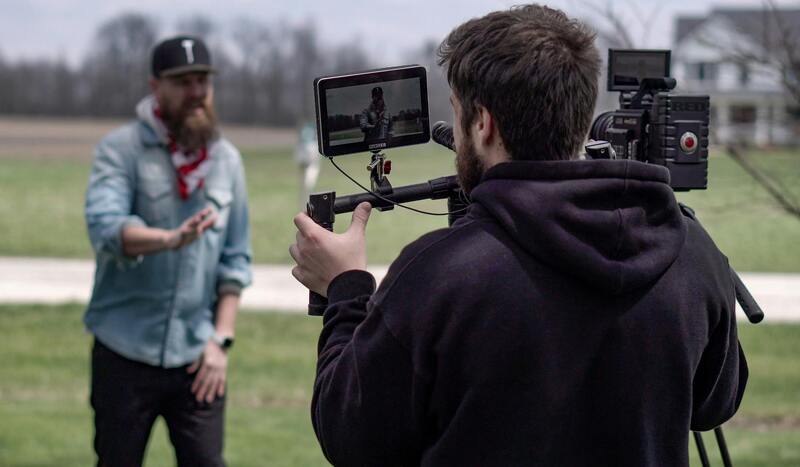
Businesses must also be cautious with the portrayal of testimonials, avoiding any form of manipulation that may seem misleading. Presenting client stories in a truthful manner, complemented by accurate visuals and audio, reinforces your commitment to quality and honesty. In this way, testimonial videos become not just promotional tools but also credible narratives that genuinely exemplify your business’s impact and value.
Strategies for Collecting Compelling Testimonials
Gathering impactful testimonial video content requires a thoughtful approach that prioritizes authenticity and clarity. The key is to create an environment where clients feel comfortable sharing their genuine experiences without feeling pressured. This can be achieved by scheduling interviews at locations that clients find familiar and comfortable, whether that’s their place of business or a neutral, quiet setting. Ensuring a relaxed atmosphere encourages spontaneous and honest feedback, which adds sincerity to testimonial videos.
It is important to develop a structured interview process that prompts clients to articulate specific aspects of their experience. Open-ended questions like 'How has our service impacted your business?' or 'What stood out to you about working with us?' can elicit detailed and heartfelt responses. Such questions help in capturing stories that resonate with potential clients, providing authenticity and relatability.
Verifying client consent through formal documentation safeguards the integrity of the content. Clear records of permission, including the scope of content usage, are essential. These documents confirm that clients are aware of where and how their testimonials will be presented, reinforcing transparency?

Another effective strategy involves scheduling a pre-interview, during which the client’s expectations are clarified, and the process is explained. This step not only helps in easing any nerves but also ensures that clients understand the type of content being produced. During the actual recording, using high-quality audio and lighting equipment minimizes distractions, so the focus remains on the client’s story.
Post-filming, reviewing the content with the client provides an opportunity for feedback and approval, reinforcing trust and transparency. Clients appreciate being involved in the process and seeing their stories accurately represented contributes to more compelling and trustworthy testimonial content.
Ensuring Ethical Standards in Testimonial Collection
Maintaining ethical standards involves explicit communication about how the testimonial will be used and ensuring the client’s comfort throughout the process. It’s vital to avoid any coercion or undue influence during the testimonial collection. Authenticity remains paramount, and unaltered responses preserve the testimonial’s credibility.
In addition, respecting client confidentiality may sometimes involve anonymizing certain details or adjusting visuals to protect their privacy, while still conveying the core message effectively. Clear documentation of these arrangements helps uphold ethical practices and enhances the credibility of the testimonial video content produced.
Implementing Ethical Standards in Testimonial Video Content Collection
Adhering to strict ethical guidelines ensures that testimonial video content remains credible and trustworthy. One of the foundational practices involves transparent communication with clients about how their testimonials will be utilized. This includes clearly outlining the purpose, scope, and channels through which the content will be shared, which fosters an environment of honesty and respect.
Prior to recording, obtaining explicit consent from clients is essential. This consent should detail how the testimonial will be presented, ensuring the client is fully aware of the potential audience and the context of the content. Such transparency not only upholds ethical standards but also enhances the integrity of the testimonial content.

Throughout the collection process, it is critical to maintain an environment free from coercion or undue influence. Clients should feel comfortable and free to share their genuine experiences without feeling pressured. Encouraging authentic responses preserves the testimonial’s credibility and aligns with best practices in content collection.
In some cases, clients may request anonymity or prefer to conceal specific details for privacy reasons. Respecting these preferences involves carefully editing visual content or anonymizing identifiable information without compromising the core message of the testimonial. This approach demonstrates respect for client privacy while delivering impactful content.
Documenting all agreements and permissions related to testimonial use creates a transparent record, helping to prevent misunderstandings and ensuring compliance with ethical standards. Adhering to these principles results in testimonial video content that is not only compelling but also ethically sound, building trust with current and prospective clients.

Maintaining these ethical practices reinforces the credibility of the content, fosters client trust, and demonstrates a commitment to integrity in marketing strategies. When clients see that their stories are handled with respect and transparency, they are more likely to share genuine experiences that resonate with future customers, creating a positive cycle of trust and engagement.
Final Considerations for Creating Impactful Testimonial Video Content
Developing testimonial videos that resonate with target audiences requires meticulous planning and adherence to best practices. The process begins with understanding the core message that the client or business aims to convey. This involves identifying the specific benefits, transformations, or unique features that set a product or service apart. Collaborative planning ensures that the testimonial aligns with the overall branding strategy and marketing objectives.
Pre-production is a critical phase where selecting suitable clients or customers for testimonials is paramount. Ideal candidates are those willing to share authentic experiences and have a clear understanding of the message they wish to communicate. Developing guiding questions can help elicit detailed narratives that highlight tangible results or emotional impacts. It’s equally important to establish a comfortable environment for interviewees, promoting openness and honesty.

During the actual filming, attention to technical quality significantly influences viewer perception. High-resolution visuals, clear audio, and well-composed shots contribute to a professional appearance. Employing a variety of shot angles can add visual interest and better capture the interviewee’s expressions and gestures. Additionally, background environments should be controlled to avoid distractions, emphasizing the testimonial itself.
Post-production plays a pivotal role in shaping the final narrative. Editing should focus on maintaining the authenticity of the client's story while enhancing clarity and engagement. Adding overlays, subtitles, or branding elements can improve comprehension and reinforce brand identity. It is also advisable to include call-to-action prompts that direct viewers towards further engagement, such as visiting a website or contacting the business.
Documenting and Respecting Client Consent
Securing explicit consent from clients before publishing testimonial videos is a fundamental step. This involves explaining how the content will be used and obtaining written approval. Respecting privacy preferences, such as anonymizing names or concealing identifying details, is essential. This ensures the testimonial remains both impactful and considerate of the client’s comfort and expectations. Preserving records of consent helps maintain transparency and trust throughout the content lifecycle.

Continually evaluating the effectiveness of testimonial videos involves analyzing metrics such as viewer engagement, sharing rates, and conversion actions. Feedback from viewers and clients can provide insights into content resonance and areas for improvement. Performance data guides future content strategies, fostering ongoing engagement and success in leveraging testimonial videos as a powerful marketing asset.