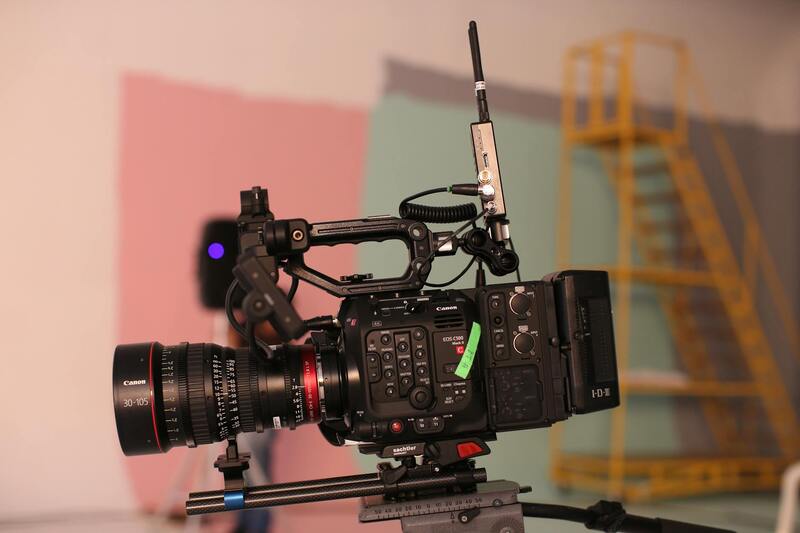
Understanding the Role of a Testimonial Videographer
A testimonial videographer specializes in capturing authentic customer stories that highlight the positive experiences clients have with a business, product, or service. Their primary responsibility is to craft compelling visual narratives that reflect genuine satisfaction and trust. These professionals are not merely cameramen; they are storytellers who understand how to draw out honest testimonials that resonate with prospective clients.
Effective testimonial videos serve as a powerful marketing tool by providing credible, relatable proof of value from real customers. A skilled testimonial videographer focuses on establishing a comfortable environment where clients feel at ease to share their experiences candidly. They utilize interviewing techniques that encourage openness and highlight specific benefits relevant to potential customers. Through their expertise, they ensure each video authentically showcases the client's perspective, thereby enhancing the credibility and emotional appeal of the message.
In addition, testimonial videographers possess a keen eye for visual storytelling, knowing how to frame shots and utilize lighting that emphasizes the sincerity of each testimonial. They are adept at capturing not only spoken words but also subtle expressions and body language that add depth and authenticity. Ultimately, their role is to produce a video that accurately represents the client's story, while also aligning with the brand's message and marketing objectives.
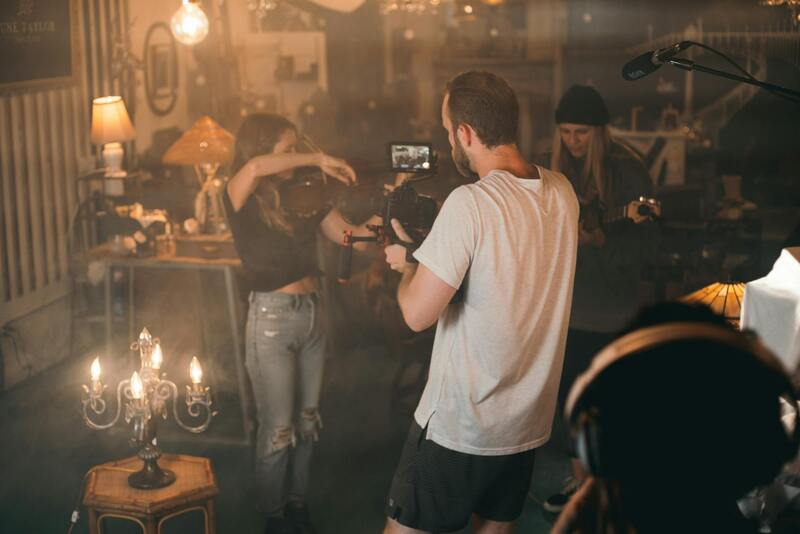
In a marketplace saturated with competing messages, the genuine narratives operationalized by testimonial videographers can significantly differentiate a brand. They ensure each testimonial is authentic, visually engaging, and strategically structured to deliver maximum impact. From initial planning to final editing, their discipline and technical prowess are integral to creating content that genuinely connects with viewers, fostering trust and encouraging engagement. Whether working on a corporate event, product launch, or service highlight, testimonial videographers play a crucial role in translating personal stories into compelling promotional assets that influence potential customers’ decisions.
Importance of Professional Equipment and Production Quality
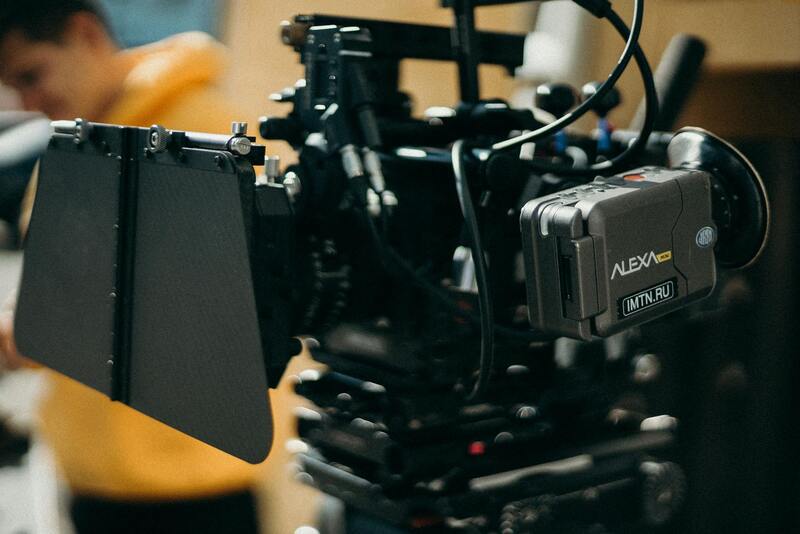
High-quality testimonial videos rely heavily on the use of professional-grade equipment to capture visuals and sound with clarity and precision. The choice of cameras impacts the sharpness, depth, and overall aesthetic appeal of the footage. Professional cameras enable videographers to adapt to varying lighting conditions and deliver crisp images that convey authenticity and professionalism. Additionally, the use of high-quality microphones ensures that spoken words are captured without distortion or background noise, which is crucial for maintaining the viewer's trust and engagement.
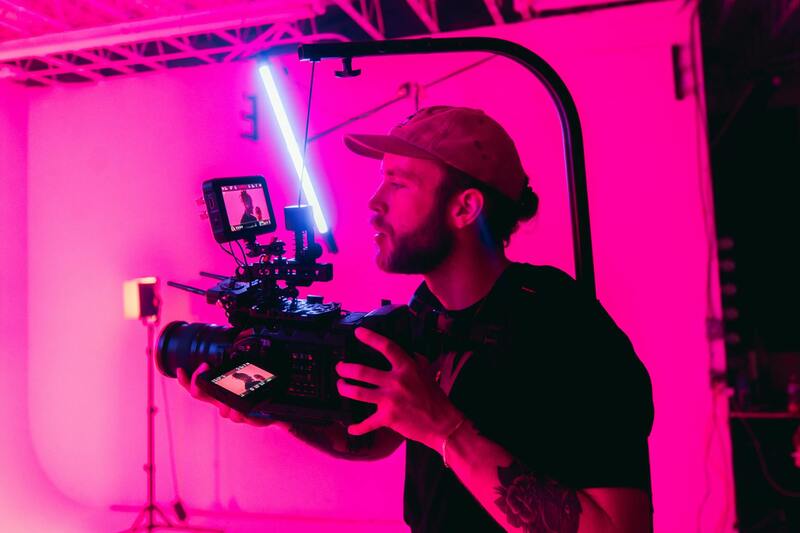
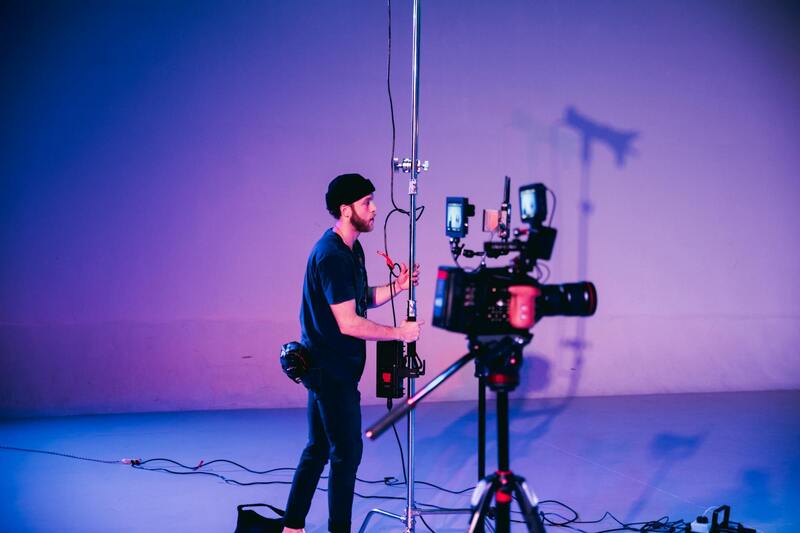
Lighting equipment also plays a vital role in creating a welcoming and natural atmosphere for interviewees. Proper lighting highlights facial expressions, emphasizing sincerity and emotional connection. When combined with stable camera setups, such as tripods or gimbals, the footage remains steady and visually pleasing, reducing distractions that could undermine the message.
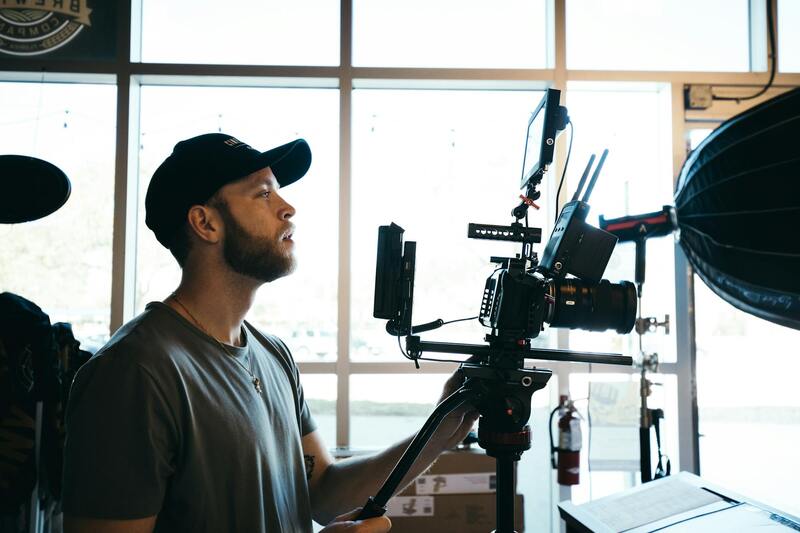
Beyond the camera and audio gear, professional editing tools are essential for refining footage, color correction, sound balancing, and seamless integration of branding elements. These post-production techniques elevate the overall quality, ensuring the final product aligns with client expectations and marketing goals. Ultimately, investment in advanced production equipment demonstrates a commitment to excellence, facilitating the creation of compelling storytelling that resonates with viewers.
Factors to Consider When Hiring a Testimonial Videographer
Selecting the right testimonial videographer requires careful evaluation of various factors to ensure the content achieves desired outcomes. First, assess their portfolio to gauge their experience with similar projects, noting their ability to craft authentic and engaging stories. Experience working within your industry can also provide valuable insights into how well they understand your target audience and messaging.
Next, consider their technical skills and equipment capabilities. A professional videographer should demonstrate proficiency with modern filming techniques and equipment, ensuring high production standards. Compatibility and communication are equally important; a videographer who listens attentively and asks insightful questions will better tailor the process to your specific objectives. Additionally, review references or testimonials from previous clients to verify their professionalism, reliability, and ability to deliver on time and within budget.
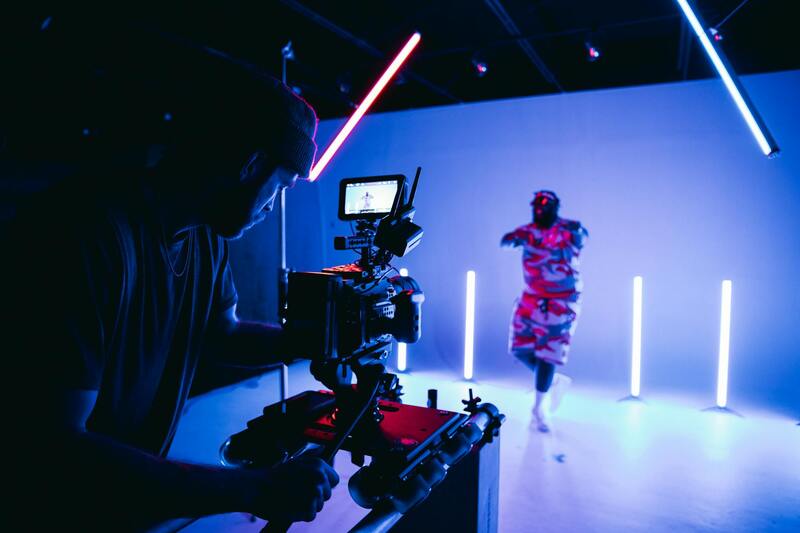
Other practical considerations include availability and turnaround times, especially if the testimonial videos are part of a larger marketing campaign. Clarifying these details upfront helps prevent delays and aligns expectations. Finally, ensure that the videographer's style matches your brand's tone and aesthetic preferences, which is critical for maintaining consistency across your marketing materials.
Importance of Professional Equipment and Production Quality
High-caliber testimonial videos rely heavily on the quality of their visual and audio components. Utilizing advanced cameras, professional lighting setups, and superior audio recording devices ensures that every detail is captured clearly and vibrantly. This level of equipment helps to eliminate issues such as poor lighting, background noise, or unstable footage, which can detract from the message and diminish viewer engagement.
When a testimonial is shot with state-of-the-art gear, it reflects a commitment to professionalism and attention to detail. Sharp visuals paired with crisp sound create a more immersive experience, allowing the audience to connect more authentically with the storyteller. Such production quality enhances credibility, making the testimonial appear more trustworthy.
Furthermore, the integration of modern editing tools allows for seamless post-production refinement. Skilled editors can correct color inconsistencies, add appropriate graphics, and incorporate background music or subtitles to emphasize key points. These enhancements contribute to a cohesive and polished final product that resonates with viewers.
Investing in professional equipment also simplifies the filming process. Quality gear often requires less retakes and adjustments, which can save time and reduce costs. This efficiency leads to a smoother workflow, ensuring deadlines are met without compromising quality.
Overall, the use of sophisticated filming and audio technologies directly correlates with the production of compelling testimonial videos that effectively communicate brand stories, build trust, and boost audience engagement.
Understanding the Role of a Testimonial Videographer
A testimonial videographer plays a pivotal role in capturing authentic stories from clients, customers, or stakeholders that convey trust and credibility. Their primary responsibility is to craft compelling visual narratives that highlight genuine experiences and satisfaction with a product or service. Unlike casual videographers, professional testimonial videographers bring a nuanced understanding of storytelling elements, ensuring that each video aligns with the client’s overarching message and brand identity.
They act as both an interviewer and a technician, guiding subjects through a natural, cohesive conversation while simultaneously capturing high-quality footage. This dual role demands a keen eye for detail and an ability to put interviewees at ease, fostering openness and honesty in their responses. The resulting content becomes a powerful endorsement that resonates with prospective clients, strengthening brand reputation.
Beyond filming, testimonial videographers are also responsible for pre-production planning, including location scouting, scripting, and scheduling, to maximize efficiency and emotional impact. During the shoot, they utilize a blend of technical skill and artistic eye to frame each shot with precision, ensuring the footage highlights the subject’s authenticity and enthusiasm. Post-production then involves editing for clarity, pacing, and emotional resonance, transforming raw footage into a cohesive story that engages viewers from start to finish.
Key Skills and Qualities of an Effective Testimonial Videographer
- Strong Communication Skills: Ability to engage interviewees to elicit authentic responses and maintain a conversational flow that feels natural.
- Technical Expertise: Proficiency with high-quality cameras, lighting, and sound equipment to produce visually appealing and clear audio content.
- Storytelling Ability: Understanding how to craft and structure stories that evoke emotional responses and convincingly showcase the client’s message.
- Attention to Detail: Ensuring every shot, sound, and edit component aligns perfectly to create a seamless final product.
- Adaptability: Flexibility to work in diverse environments and respond to unforeseen challenges during production.
- Professionalism and Reliability: Punctuality, clear communication, and a commitment to deadlines ensure a smooth production process.
Importance of Professional Equipment and Production Quality
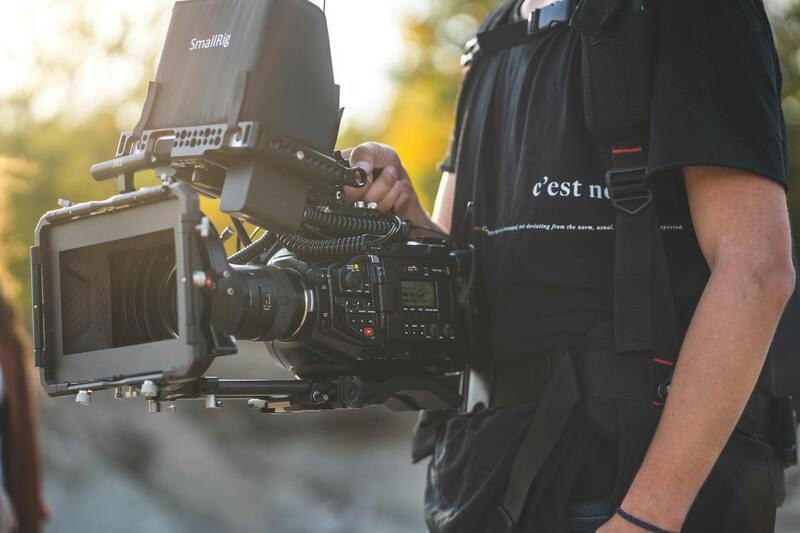
The caliber of equipment directly influences the effectiveness of testimonial videos. Utilization of high-definition cameras, stabilized rigs, and advanced lighting setups results in footage that is sharp, vibrant, and engaging. High-quality audio gear ensures clarity, reducing distracting background noise and delivering the speaker’s message with prominence. Pairing image clarity with crisp sound creates an immersive viewing experience, fostering viewer trust and emotional connection.
In addition, modern editing software enables refined post-production work. Color grading, visual effects, and sound mixing enhance the visual appeal and coherence of the final video. graphics and subtitles increase accessibility and emphasize key points, making the testimonial more impactful across various viewing platforms.
Factors to Consider When Hiring a Testimonial Videographer
Selecting the right professional involves evaluating multiple criteria. Experience in producing testimonial content ensures familiarity with storytelling nuances and technical demands. Reviewing a portfolio provides insight into their style, versatility, and previous success stories. Feedback from past clients offers perspectives on reliability, professionalism, and overall satisfaction. Understanding of the specific industry or niche is also beneficial, as it helps tailor the messaging and context to resonate with the target audience.
It’s equally important to discuss approach and workflow during initial consultations. Transparent communication about timelines, deliverables, and revisions minimizes misunderstandings and establishes a foundation for effective collaboration. Ultimately, choosing a testimonial videographer with proven expertise and a strategic mindset enhances the likelihood of creating a compelling and memorable video that elevates brand trust.
Understanding the Role of a Testimonial Videographer
A testimonial videographer plays a pivotal role in capturing authentic customer stories that resonate with target audiences. Their expertise goes beyond merely filming; it involves understanding narrative flow, emotional engagement, and visual storytelling strategies. A skilled testimonial videographer assesses the client’s objectives to craft a compelling visual narrative that highlights real experiences and genuine feedback. They skillfully combine interview techniques, cinematic framing, and strategic shot composition to produce videos that evoke trust and credibility.
The process begins with thorough consultations where the videographer gathers detailed insights into the client’s brand, target demographic, and key messaging points. This understanding guides every aspect of the shoot, from selecting interviewees to designing the filming environment. During production, the testimonial videographer ensures that each frame captures authentic expressions and sincere reactions, which are crucial in forging an emotional connection between viewers and the subject.
Furthermore, a testimonial videographer's role extends into post-production, where their expertise ensures seamless editing, sound mixing, and refined color grading. These steps enhance the overall quality, making the final product visually engaging and professional. The ability to tell a compelling story through interviews, B-roll footage, and narrative pacing allows the testimonial to stand out, whether on a website, social media, or marketing campaign.
Image placeholder: 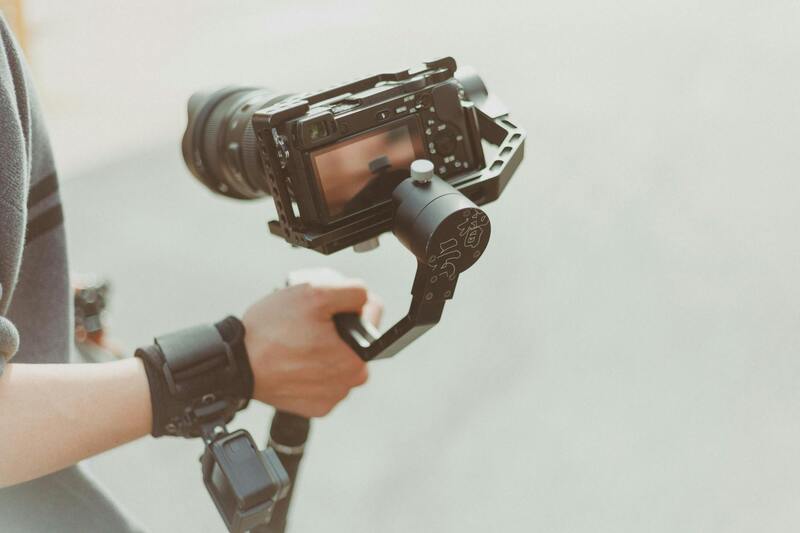
Understanding the Role of a Testimonial Videographer
A testimonial videographer serves as a visual storyteller who specializes in capturing authentic client experiences and transforming them into engaging video content. Their primary aim is to craft narratives that resonate emotionally with prospective customers, leveraging real voices and genuine reactions. This role extends beyond merely recording interviews; it involves a comprehensive understanding of storytelling techniques, audience engagement, and brand messaging to ensure each testimonial aligns with the client’s strategic goals. A testimonial videographer meticulously plans each shoot by selecting appropriate environments that foster authenticity, such as comfortable settings or familiar spaces that help interviewees express themselves naturally. They use their technical expertise to frame shots that highlight sincerity, capturing subtle facial expressions and body language that convey trust and credibility. During the interview process, they guide subjects to tell compelling stories without scripting, preserving the honesty and spontaneity that make these testimonials impactful. Post-production plays a vital role in the process. The testimonial videographer edits footage to create a cohesive and compelling narrative, balancing visual elements, sound, and pacing to sustain viewer interest. Their skill in color correction, audio clarity, and visual effects enhances the overall presentation—ensuring the final product looks polished without losing its authentic feel. By doing so, they help brands build trust, showcase real customer satisfaction, and communicate value effectively to potential clients.
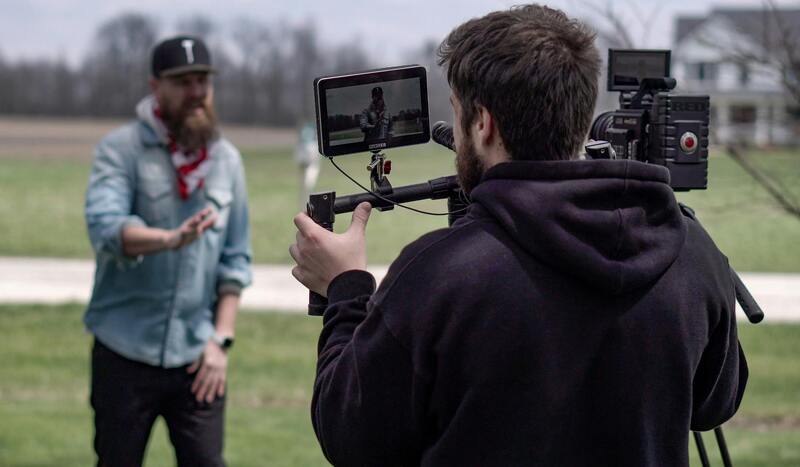
In addition to technical prowess, a testimonial videographer must possess exceptional interpersonal skills. They create a comfortable environment for interviewees, encouraging honest and heartfelt sharing. Their ability to listen attentively and ask pertinent questions results in stories that are relatable and persuasive. Furthermore, they stay informed about current video marketing trends to ensure that the testimonial content remains relevant across various digital platforms. An expertly crafted testimonial not only highlights a client’s positive experience but also strategically addresses potential concerns by weaving in specific details about the product or service. This nuanced storytelling approach helps in guiding prospective customers toward making informed decisions, ultimately strengthening brand authority and reputation.
Understanding the Role of a Testimonial Videographer
A testimonial videographer specializes in capturing authentic customer stories that serve to endorse a brand, product, or service. Their primary responsibility is to create compelling visual narratives that resonate with potential clients by showcasing real experiences. This role requires a deep understanding of storytelling techniques, technical filming skills, and an ability to foster a comfortable environment for interviewees. The process involves more than just recording; it entails strategic planning to highlight key messages, ensuring that each testimonial aligns with marketing goals.
Effective testimonial videographers are proficient in conducting interviews that delve into genuine customer experiences. They craft questions that elicit heartfelt responses without leading the interviewee, ensuring the authenticity of the story. Additionally, they are adept at framing shots, utilizing lighting, and managing sound to produce high-quality footage. Their work not only captures the content but also enhances the audience’s emotional connection with the testimonial, ultimately strengthening brand trust.

Beyond filming, a testimonial videographer plays a crucial role in post-production—editing footage cohesively, balancing visual and audio elements, and adding overlays or branding to reinforce messaging. Their expertise ensures that the final video maintains authenticity while appearing polished and professional, making it a powerful tool in marketing campaigns.
Key Skills and Qualities of an Effective Testimonial Videographer
- Technical proficiency: Mastery of camera operation, lighting, sound recording, and editing software.
- Strong communication skills: Ability to connect with interview subjects and ask insightful questions.
- Storytelling ability: Skill in crafting narratives that evoke emotion and credibility.
- Professional appearance and demeanor: Presentation that inspires confidence and comfort among clients.
- Adaptability: Capacity to operate efficiently under various environments and conditions.
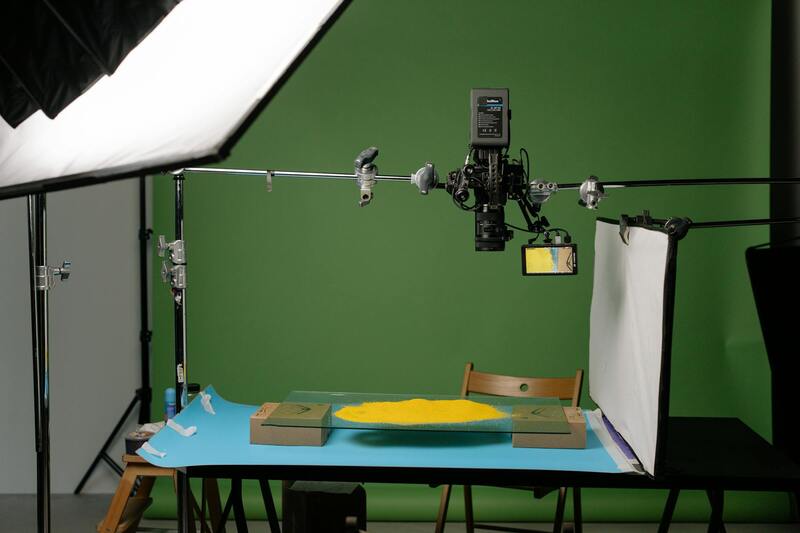
Moreover, their ability to adapt to different industries or target audiences ensures that each testimonial resonates effectively. This combination of qualities enables them to produce compelling content that authentically communicates customer satisfaction and builds trust with prospective clients.
Importance of Professional Equipment and Production Quality
High-quality testimonial videos depend heavily on the use of professional-grade equipment. Superior cameras, lenses, and lighting setups contribute significantly to visual clarity and depth, making the footage more engaging. Clear audio recording equipment ensures that interviewees’ stories are heard without distraction, which is crucial for maintaining viewer engagement.
Post-production editing also plays a vital role in elevating video quality. Skilled editors employ color grading, sound mixing, and visual effects judiciously to enhance storytelling without sacrificing authenticity. Well-produced testimonial videos appear credible and polished, increasing their impact across digital marketing channels.
Investing in quality production tools and techniques results in videos that look professional, resonate with viewers, and effectively communicate the brand message. This level of quality helps foster trust, as clients are more inclined to believe in a brand that presents itself with consistency and competence.
Factors to Consider When Hiring a Testimonial Videographer
When selecting a testimonial videographer, several critical factors influence the success of the project:
- Experience and Portfolio: Review previous work to assess their ability to produce authentic and compelling testimonials.
- Understanding of your industry: A videographer familiar with your market can better tailor content to appeal to your target audience.
- Technical competence: Ensure they employ up-to-date equipment and editing techniques for high-quality output.
- Communication skills: A professional who listens and understands your objectives will deliver a more aligned final product.
- Pricing and packages: Clarify costs upfront and compare offerings to ensure alignment with your budget.
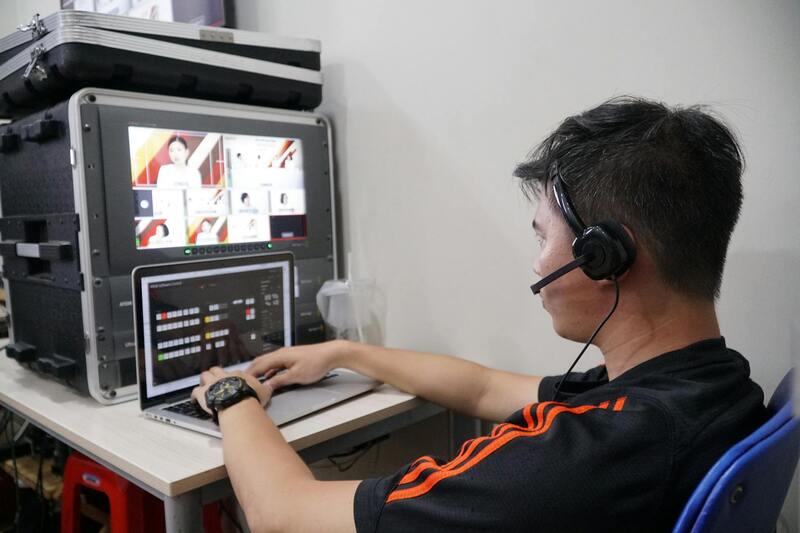
Ultimately, choosing the right professional involves evaluating their ability to tell your story authentically while fitting within your strategic and financial plans. Transparent communication and a clear understanding of deliverables help create a seamless production process.
The Process of Planning and Executing a Testimonial Video
Effective testimonial video production follows a structured approach:
- Initial Consultation: Define objectives, target audience, key messages, and desired tone.
- Pre-production Planning: Develop interview questions, scout locations, and schedule shoots.
- Filming: Conduct interviews and capture supplementary footage, ensuring all visuals align with the brand image.
- Post-production: Edit footage for storytelling flow, enhance visual quality, and add branding elements.
- Review and Finalization: Obtain client feedback, make necessary adjustments, and deliver the completed video.
Adhering to this process ensures a comprehensive approach that maximizes content quality and relevance. It also guarantees that each testimonial effectively communicates authentic customer experiences to foster trust and credibility.
Ensuring Effective Distribution and Leveraging Testimonial Videos
Once a testimonial video has been produced, the focus shifts to strategic distribution to maximize its reach and impact. Utilizing a multi-channel approach ensures that the authentic stories are seen by the right audience, fostering trust and engagement across various platforms.
Optimizing Video Visibility Across Digital Platforms
Embedding testimonial videos on your website’s homepage or dedicated testimonial page amplifies credibility directly to visitors. Ensuring the videos are optimized for fast loading and mobile responsiveness enhances user experience and retention. Additionally, sharing these videos on social media channels such as Facebook, Instagram, LinkedIn, and YouTube increases organic reach. Tailoring the content to suit each platform’s unique format can drive engagement and shareability.
Integrating Testimonials into Marketing Campaigns
Incorporating testimonial videos into email marketing campaigns can significantly influence decision-making. Including SELECTED video clips in newsletters or targeted outreach efforts personalizes the message and demonstrates real customer satisfaction. Furthermore, embedding videos within digital ads enhances ad creative, making campaigns more persuasive and trustworthy.
Utilizing Testimonials in Presentations and Public Relations
Adding testimonial videos to sales pitches, investor presentations, or press releases can boost credibility and support persuasive storytelling. When shared during webinars or industry events, these videos serve as powerful social proof, helping to reinforce your brand positioning and build stronger relationships with stakeholders.
Measuring the Effectiveness of Testimonial Videos
Tracking engagement metrics such as view count, shares, comments, and conversion rates ensures that the content is achieving desired outcomes. Utilizing analytics tools to monitor viewer behavior helps refine future video content and distribution plans, ensuring ongoing alignment with marketing objectives.
Securing Continuous Authentic Content Creation
Establishing ongoing relationships with professional testimonial videographers enables a continual stream of fresh content. Regularly updated testimonials keep your brand relatable and demonstrate sustained customer satisfaction, fostering ongoing trust among prospective clients.
Enhancing Brand Credibility and Customer Trust
Consistently showcasing genuine customer feedback through high-quality testimonial videos builds a reputation for transparency and reliability. This authentic content becomes a cornerstone of your brand narrative, encouraging new customers to make informed decisions based on real experiences shared by peers.