Understanding Corporate Production Videos
Corporate production videos serve as a dynamic and impactful medium for organizations to communicate their core messages, showcase their products and services, and strengthen their brand identity. These videos are meticulously crafted to align with a company's marketing strategies and communication goals, ensuring that viewers receive clear, engaging, and persuasive content that resonates with their target audience. By integrating visual storytelling, high-quality visuals, and strategic messaging, corporate videos can effectively enhance corporate reputation, attract new clients, retain existing customers, and communicate complex information in an accessible manner.
Creating a compelling corporate production video involves a comprehensive understanding of the intended message, the target audience, and the overall branding objectives. These videos are often used for a variety of purposes, including promotional campaigns, internal communications, investor relations, training modules, and event coverage. The versatility and adaptability of corporate videos make them a crucial tool in today’s digital communication landscape, where visual content increasingly dominates consumer and stakeholder engagement.
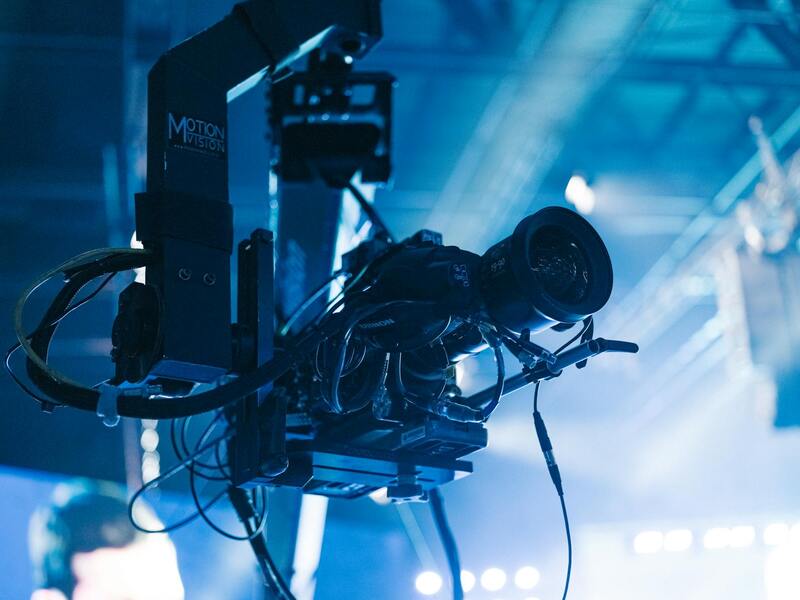
At their core, these videos serve to reinforce brand recognition and credibility while providing visually compelling content that captures attention quickly. They are meticulously planned and executed to ensure the message is conveyed succinctly yet memorably. As businesses continue to recognize the importance of professional visual communication, corporate production videos have become a staple in marketing, HR, and executive communication strategies, helping organizations stand out in a competitive marketplace.
Types of Corporate Production Videos
Corporations leverage a diverse array of video formats to serve different strategic objectives, each crafted with specific content goals in mind. These include:
- Corporate Explainer Videos: Short, engaging narratives that simplify complex concepts, products, or services to ensure clear understanding among target audiences. They often incorporate animations, motion graphics, and concise storytelling to boost engagement.
- Product Videos: Demonstrative content showcasing the features, benefits, and applications of a product. These videos are pivotal in product launches, e-commerce, and marketing campaigns, providing viewers with a virtual hands-on experience.
- Training and Onboarding Videos: Educational content aimed at onboarding new employees or training existing staff. Well-designed training videos ensure consistent messaging and knowledge transfer across various departments or locations.
- Event Coverage Videos: Footage capturing corporate events, conferences, seminars, and workshops. These videos serve dual purposes: internal documentation and external promotional use, highlighting the company's active engagement within the industry.
Each format requires tailored production approaches to maximize impact, ensuring that the messaging aligns with the company's branding standards and strategic goals. As organizations harness visual content, these video types facilitate improved communication, stronger brand positioning, and increased stakeholder engagement.
Key Elements of Effective Corporate Videos
To produce compelling corporate videos that resonate with audiences, several core elements must be meticulously integrated throughout the production process:
- Clear and Concise Messaging: The core message must be straightforward and deliver value, avoiding ambiguity or unnecessary complexity. A well-defined narrative helps maintain viewer interest and enhances message retention.
- High-Quality Visuals and Audio: Professional-grade visuals, lighting, and sound recording create a polished appearance that aligns with a company's brand image. Clarity and crispness are essential to convey professionalism and credibility.
- Brand Consistency: The video should reflect the company's branding elements, including logo placement, color schemes, fonts, and tone of voice, ensuring seamless integration with existing marketing or communication materials.
- Engaging Storytelling: Incorporating storytelling techniques—character development, scenario-based narratives, or metaphors—can emotionally engage viewers, making the content more memorable and impactful.
- Strategic Call-to-Action: Effectively guiding viewers toward a desired response—such as visiting a website, contacting sales, or attending an event—maximizes the video's ROI and aligns with overall marketing objectives.
Assessing Production Capabilities and Equipment
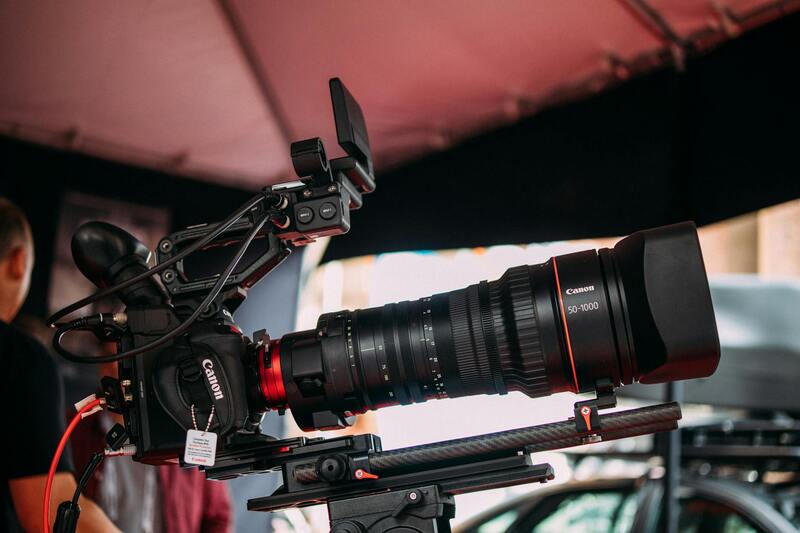
For organizations aiming to craft impactful corporate production videos, understanding the available production capabilities and equipment is essential. A reputable Miami-based production agency invests in cutting-edge technology that ensures each video meets high standards of quality and professionalism. High-resolution cameras, professional lighting, steadycam stabilization, and high-quality audio equipment form the backbone of successful production sessions. The integration of drones and aerial filming equipment also allows for dynamic shots, adding a distinctive visual flair that can elevate corporate narratives. This comprehensive approach to equipment selection guarantees that the final product is visually compelling and accurately reflects the company's message and brand identity.
Streamlining the Production Workflow
An efficient production workflow is vital for delivering polished corporate videos within the stipulated timelines. The process begins with an organized schedule that aligns all stages—from shooting to post-production. Advanced editing software facilitates seamless integration of visual effects, graphics, sound design, and color correction. Employing professional editors and graphic designers ensures a high level of precision and creativity. Additionally, maintaining open communication channels with the client allows for timely feedback and revisions. This iterative process ensures that the final video aligns perfectly with the strategic communication goals of the organization.
Quality Control and Final Delivery
Quality control measures are embedded at every stage of production to uphold the project's standards. After initial editing, the rough cut undergoes scrutiny for visual consistency, audio clarity, and overall coherence. Adjustments are made until the product meets the desired quality benchmarks. The final output is prepared in various formats suitable for different distribution channels, such as websites, social media platforms, and internal presentations. Delivery is typically accompanied by comprehensive file management, ensuring that the client receives all necessary formats and versions for diverse applications.
Pre-Production Planning
Effective pre-production planning is the cornerstone of a successful corporate production video. This phase involves detailed scripting, storyboarding, and scheduling to ensure all elements align with the company's branding and communication objectives. During this stage, project managers coordinate with key stakeholders to define the video's purpose, target audience, and distribution channels. A comprehensive plan minimizes unforeseen delays and overspending, providing a clear roadmap for all involved team members. Careful location scouting and permitting processes are also crucial to avoid disruptions during filming. Additionally, casting talent or selecting voice-over artists interdependently enhances the overall message delivery. Securing the necessary equipment and setting up shot lists ensures efficiency during the shooting days. Ultimately, meticulous pre-production lays a solid foundation for smooth execution and cohesive storytelling.
Production Process and Equipment
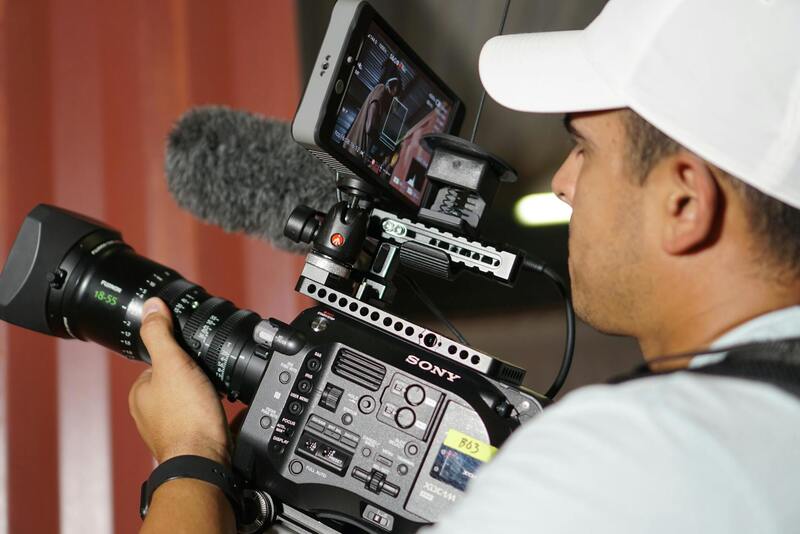
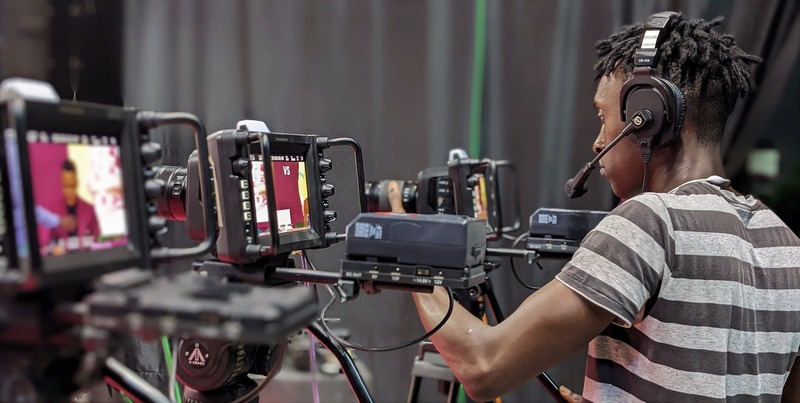
The production phase is where the creative vision comes to life. Utilizing high-quality filming equipment—including professional cameras, stabilizers, and lighting gear—is essential for capturing visually compelling content. Filming often takes place in controlled studio environments or on-location settings that match the narrative's tone and message. To ensure visuals are sharp and engaging, sound recording equipment such as lapel microphones or boom mics are used to capture crystal-clear audio. The use of drone cameras allows for dynamic aerial shots that can add a cinematic dimension to corporate videos. Directors and cinematographers oversee the filming to ensure scenes are shot according to plan, with multiple takes to guarantee options during editing. This phase demands precision, creativity, and technical expertise to produce footage that resonates with the audience and accurately reflects the organization’s values.
Post-Production and Final Output
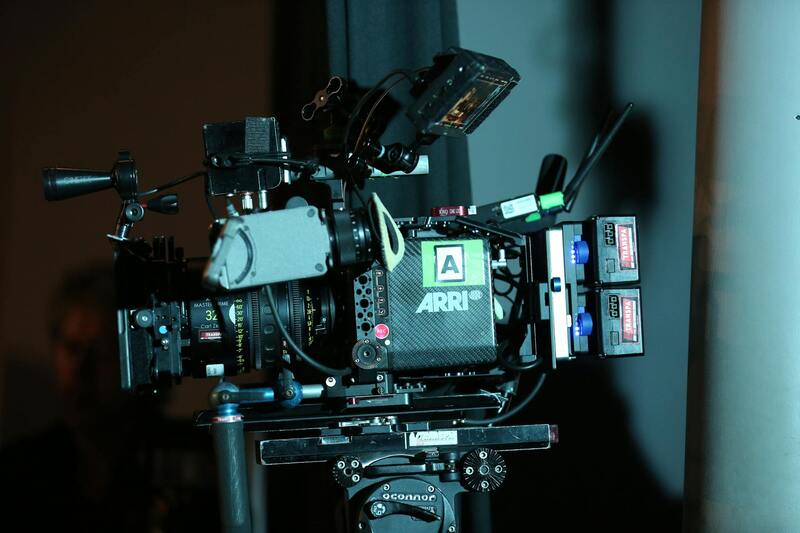
Post-production transforms raw footage into an engaging and polished corporate video. This process involves editing footage for pacing and clarity, incorporating graphics and animations to clarify complex information, and adjusting color grading to evoke the desired mood. Sound design plays a pivotal role, with background music and sound effects added to enhance emotional impact. Typography and on-screen text are carefully integrated to highlight key messages, while voice-overs are synchronized to improve narration quality. Advanced editing software enables precise cuts, seamless transitions, and visual effects that reinforce branding elements. Quality control measures, including color correction and audio calibration, are rigorously applied to meet high visual standards. The final product is rendered in multiple formats suitable for web streaming, social media, presentations, and other distribution channels. Delivering a cohesive and impactful corporate video demands precision and creativity in post-production, ensuring viewers leave a lasting impression.
Legal Compliance and Ethical Standards in Corporate Video Production
Adhering to established legal and ethical standards is fundamental to maintaining the integrity of corporate production videos. This encompasses obtaining necessary permissions for location usage, securing rights for copyrighted materials such as music, logos, and images, and ensuring accurate representation of facts without misrepresentation or misleading content. Transparency with clients about the sources of footage and any required disclosures in the videos reinforce trust and uphold professional standards.
Employing clear contractual agreements before production begins helps delineate responsibilities, rights, and usage limits, protecting both the production team and the organization. These agreements should specify rights related to airings, distribution, and modifications of the final product. Additionally, respecting privacy laws involves securing consent from individuals appearing in the videos, especially in less controlled environments or proprietary settings. This preemptive approach minimizes the risk of disputes or issues related to content rights.
Ensuring accessibility standards are met, such as incorporating subtitles, transcripts, or audio descriptions, demonstrates a commitment to inclusivity. Such practices align with best practices for corporate communications and expand the reach of the video content to diverse audiences.
Distribution Strategies for Corporate Videos
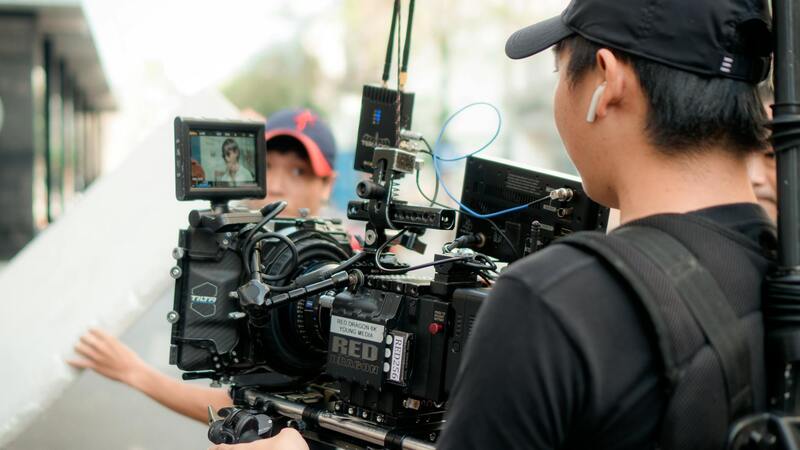
Maximizing the impact of a corporate production video involves strategic distribution across multiple channels to target specific audiences effectively. Selecting the right distribution method depends on the video's purpose, whether it is for brand awareness, internal communication, training, or investor relations.
- Official Website and Digital Platforms: Embedding videos on the company’s website and dedicated landing pages enhances visitor engagement and delivers important messages directly to interested viewers.
- Social Media: Sharing clips or full versions across platforms like LinkedIn, Twitter, Facebook, and Instagram allows targeted outreach and encourages sharing among followers, broadening visibility.
- Email Campaigns: Incorporating videos into newsletters or targeted email campaigns helps in nurturing client relationships and reinforcing key messages.
- Trade Shows and Corporate Events: Screening videos at industry events or internal meetings can amplify branding efforts and foster engagement.
- YouTube and Video Hosting Services: Distributing through popular video hosting platforms ensures easy access and optimized discoverability, with potential for organic growth through SEO strategies.
Monitoring and Evaluating Video Performance
Assessing the effectiveness of corporate videos requires implementing robust monitoring methods to gather data on viewer engagement, reach, and overall impact. Key performance indicators (KPIs) include view counts, engagement rates (likes, comments, shares), click-through rates, and conversion metrics aligned with campaign goals.
Utilizing analytic tools provided by hosting platforms or third-party software allows organizations to track user behavior, identify the most engaging content, and understand audience demographics. This insight guides future content strategies and ensures materials are aligned with organizational objectives.
Qualitative feedback from viewers is equally valuable. Conducting surveys or focus groups after video screenings can provide detailed insights into message clarity, emotional resonance, and overall reception. Combining quantitative data with qualitative input offers a comprehensive evaluation framework.
Production Process and Equipment
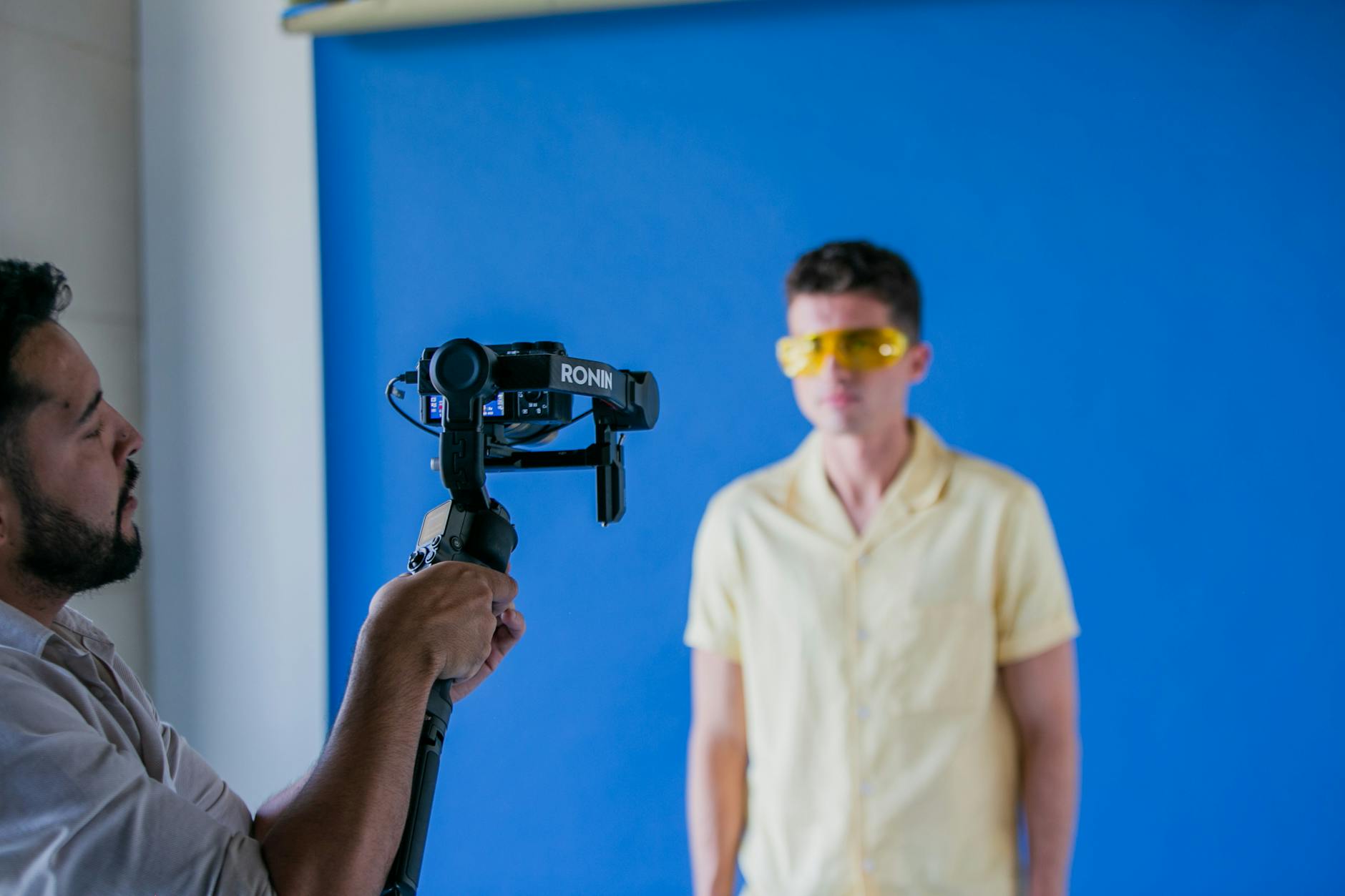
Executing a professional corporate production video necessitates meticulous coordination of various technical and creative elements. The filming process begins with selecting the appropriate locations that align with the brand message and project objectives. Site reconnaissance ensures optimal lighting, acoustics, and logistical considerations, which can significantly influence the final footage quality.
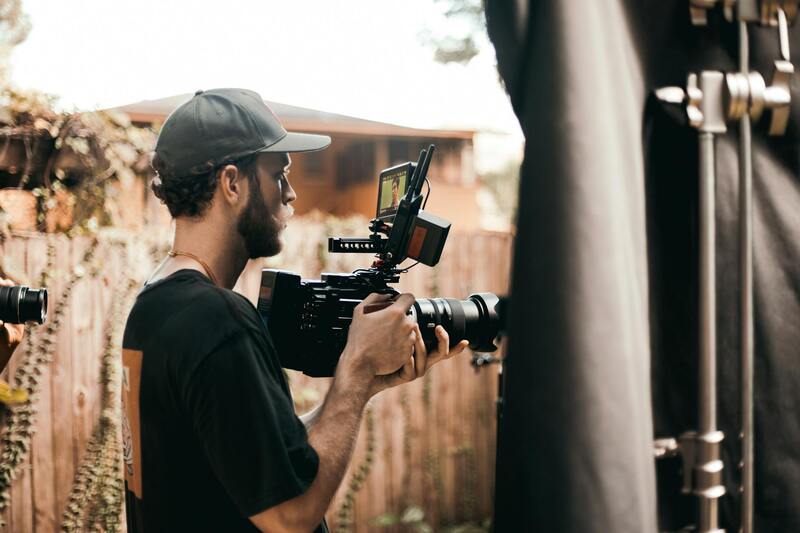
During production, a skilled crew manages multiple roles, including director, camera operators, audio specialists, and lighting technicians. The director guides the narrative flow, ensuring each shot captures the intended message effectively. Camera operators utilize high-definition cameras equipped with stabilizers and lenses tailored to the scene's requirements, whether capturing wide-angle shots for dynamic interactions or close-ups for emotional resonance.
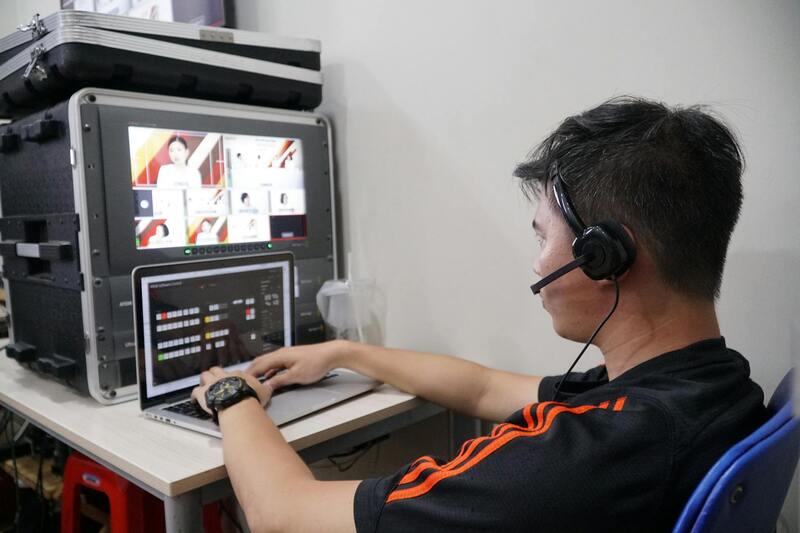
Sound quality is prioritized through the use of professional-grade microphones, including lapel mics for interviews and boom mics for ambient sound, ensuring clarity and consistency. Lighting setups involve key lights, fill lights, and backlights designed to flatter subjects and create the desired mood, whether promotional, educational, or corporate storytelling.
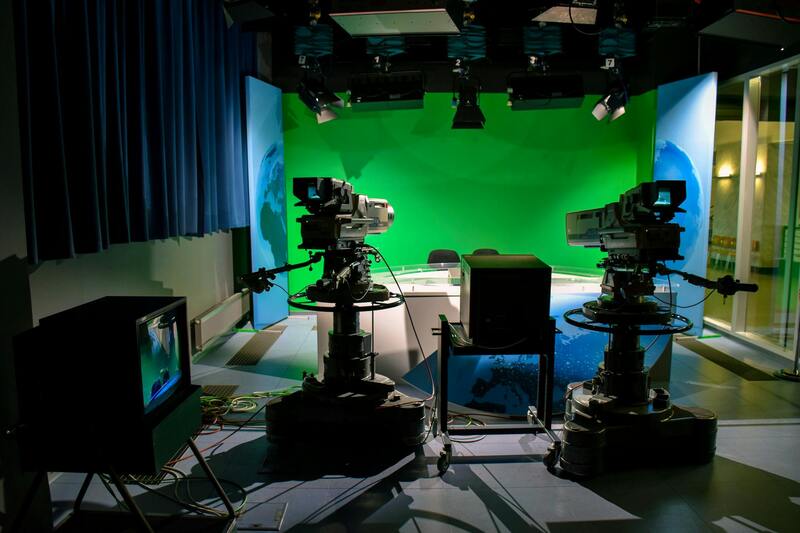
Modern production also leverages specialized equipment like drones for aerial shots, cranes for smooth movement shots, and green screens for versatile backgrounds. These tools expand the creative possibilities, allowing for engaging visuals that elevate the overall quality of the corporate production video.
Post-shoot, footage is organized, with raw materials cataloged and backed up securely. Color correction, audio enhancements, and visual effects are integrated during post-production to ensure the final product meets professional standards and aligns with the company’s branding guidelines.
Key Equipment Highlights
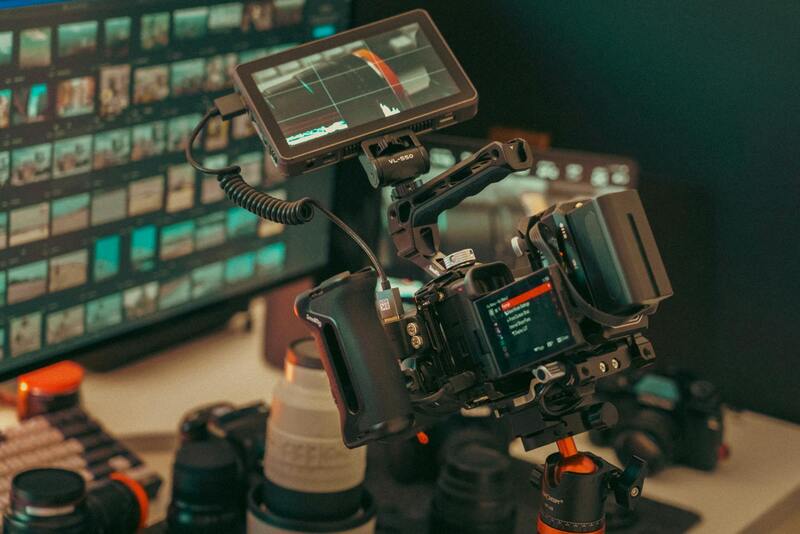
- High-definition cameras (e.g., cinema-grade or mirrorless models)
- Stabilizers and gimbals for smooth shots
- Professional audio recording devices and microphones
- Advanced lighting kits with adjustable intensity
- Drone technology for aerial visuals
- Green screen setups for compositing
Understanding Corporate Production Videos
Corporate production videos serve as a dynamic tool for organizations to communicate their message effectively to various audiences, including clients, investors, and employees. These videos encompass a broad spectrum of formats, from promotional content and training modules to internal communications and brand storytelling. Their primary purpose is to enhance corporate identity, showcase company achievements, or introduce new products and services in a compelling visual format. Crafting a high-quality corporate production video requires a clear understanding of the company's objectives and target audience. The narrative should be aligned with the brand's voice, conveying authenticity and professionalism. A well-executed video can foster trust, boost brand recognition, and generate engagement that translates into tangible business results. As such, the process involves meticulous planning, professional expertise, and attention to detail throughout every stage of production. In Miami, numerous production agencies offer specialized services in creating corporate videos that resonate with a local and global audience. These professionals leverage industry-standard equipment and creative storytelling techniques to deliver content that stands out, whether on digital platforms, broadcast channels, or internal communication systems. Ensuring consistency in visual branding and message clarity is key to achieving maximum impact from these corporate assets.
Types of Corporate Production Videos
A diverse array of corporate videos caters to different strategic needs. Each type employs specific stylistic and technical approaches to achieve desired outcomes:
- Promotional Videos: Designed to highlight products, services, or company milestones, these videos aim to attract new customers and generate leads.
- Brand Storytelling: Focuses on communicating the company's history, values, and mission, creating an emotional connection with viewers.
- Training and Educational Content: Used for employee onboarding, skill development, or product tutorials, enhancing internal knowledge dissemination.
- Internal Communications: Facilitates transparent communication between management and staff, sharing updates or strategic initiatives.
- Event Coverage: Documents corporate events, conferences, or award ceremonies, providing content for future promotional or internal use.
Each category demands tailored content strategies and production techniques to effectively engage the intended audience and fulfill organizational goals.
Key Elements of Effective Corporate Videos
To produce impactful corporate videos, certain core elements must be integrated seamlessly:
- Clear Messaging: The narrative should communicate the intended message concisely and persuasively.
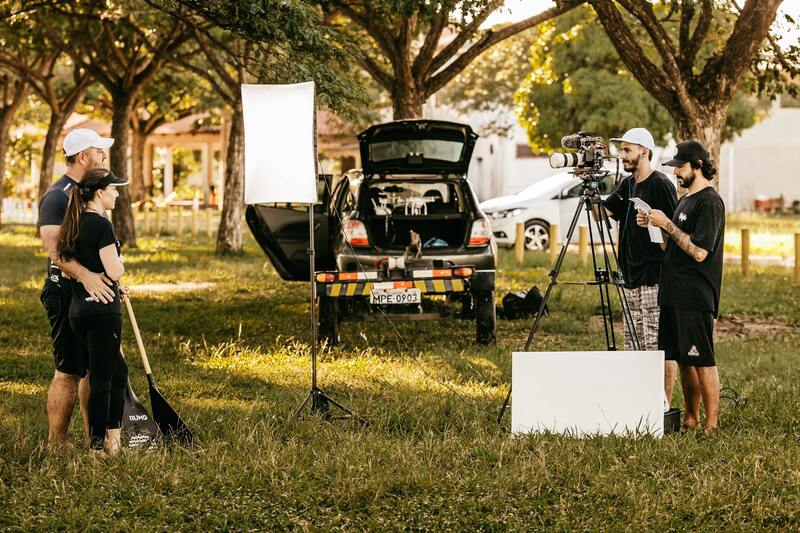
- High-Quality Production: Utilization of professional-grade cameras, lighting, and audio equipment ensures visual and auditory clarity.
- Authentic Content: Real stories, genuine testimonials, and relatable scenarios foster viewer trust and engagement.
- Strong Visuals: Dynamic shots, engaging graphics, and effective use of color palette reinforce brand identity.
- Appropriate Length: Content should be concise yet comprehensive enough to maintain viewer interest.
- Optimized Distribution: Strategically sharing the video across relevant platforms maximizes reach and impact.
Incorporating these elements enhances viewer retention and delivers a compelling message that aligns with the company's strategic objectives.
Choosing a Miami Production Agency
Selecting the right production partner in Miami involves assessing their technical expertise, creative capabilities, and understanding of corporate communication needs. An experienced agency should demonstrate a portfolio of successful corporate projects, a clear production process, and a comprehensive service offering—including pre-production planning, filming, post-production, and distribution advice.
It’s essential to evaluate their familiarity with local and international markets, as well as their ability to adapt to various content formats and distribution channels. Effective communication and collaboration during planning stages ensure the final product aligns precisely with organizational branding and messaging standards.
Pre-Production Planning
Successful corporate videos commence with thorough pre-production planning. This phase includes defining objectives, identifying target audiences, and developing a comprehensive script or storyboard. During this stage, organizational goals are translated into visual concepts, ensuring the message remains clear and impactful.
Additional planning considerations involve logistics such as location scouting, talent procurement, scheduling, and equipment requirements. Ensuring all elements are aligned before shooting begins minimizes unexpected delays and budget overruns. Effective pre-production also entails obtaining necessary permits and managing crew logistics to facilitate a smooth filming process.
Collaborating with a Miami-based production team that emphasizes meticulous preparation helps produce polished content that resonates with viewers and reflects the company's professionalism. This strategic planning stage is crucial for executing a seamless production.
Enhancing Corporate Production Videos Through Legal and Ethical Practices
Creating high-quality corporate production videos requires adherence to established, ethical methods that safeguard the integrity and professionalism of the content. Engaging in legitimate practices not only ensures compliance with industry standards but also preserves your organization’s reputation as a responsible entity committed to transparency and quality. When partnering with a Miami-based production agency, it is essential to verify their commitment to these standards, ensuring all activities—from filming to post-production—are conducted within well-defined legal frameworks.
One fundamental aspect of conducting authorized corporate video production involves securing the necessary permits for filming in various locations. This process typically includes obtaining approval from local authorities and property owners, especially when shooting in public spaces or private venues. Proper permits prevent potential disruptions, legal penalties, or the need for costly reshoots. Moreover, respecting location regulations demonstrates your organization’s dedication to lawful operations and fosters positive relationships with community stakeholders.
In addition to permits, adhering to copyright laws when using music, images, or third-party content is crucial. All media incorporated into the video must be properly licensed or attributed, preventing copyright infringement issues that could compromise the project’s credibility. Working with reputable vendors and licensing agencies ensures that all assets used are legitimate and ethically sourced.
Another critical element involves contractual agreements with all talent, crew members, and partners involved in the production. These contracts should clearly define roles, responsibilities, rights, and confidentiality clauses. Establishing these agreements upfront minimizes misunderstandings and protects your organization from potential disputes.
Data privacy and compliance with relevant regulations, such as GDPR or CCPA, are also vital in corporate video production. If your content involves capturing personal data or testimonies, obtaining explicit consent from participants is necessary. This ethical approach not only aligns with legal standards but also demonstrates your commitment to respecting individual rights and fostering trust with your audience.
Leveraging legitimate and transparent methods throughout the production process contributes significantly to the finished product’s professionalism and effectiveness. It underscores your organization’s dedication to ethical business practices, which can strengthen brand credibility and build long-term relationships with clients, partners, and viewers. Collaborating with Miami production agencies that emphasize adherence to these standards not only facilitates smooth project execution but also guarantees a successful, compliant outcome reflective of your organization’s core values.