Understanding the Role of a Corporate Videographer
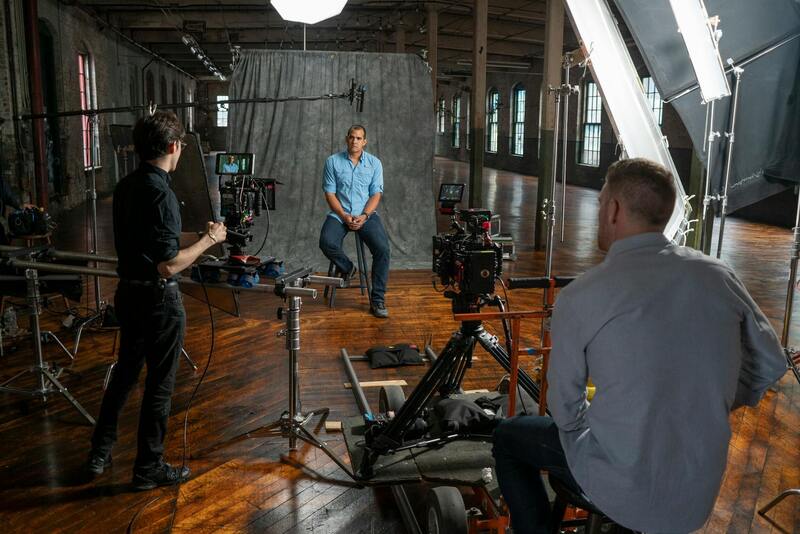
A corporate videographer specializes in creating dynamic visual content tailored to meet the marketing, communication, and branding needs of businesses. Their core responsibilities extend beyond simple video production, encompassing a broad spectrum of services that elevate a company's brand presence through engaging storytelling. These professionals are experienced in capturing and delivering high-quality footage that aligns with corporate objectives, ensuring that every project effectively communicates the intended message.
In the realm of corporate video production, a videographer is tasked with developing promotional videos that showcase products or services, highlighting unique selling points in a compelling format. They provide comprehensive coverage of corporate events such as conferences, product launches, and employee celebrations, ensuring that these moments are documented professionally to support internal and external communication efforts.
One of the fundamental roles of a corporate videographer is creating visually captivating brand stories. This involves conceptualizing narratives that resonate with target audiences, engaging viewers emotionally while reinforcing brand identity. Their expertise includes script development, shooting, editing, and post-production processes that result in polished videos ready for deployment across websites, social media, and other marketing channels.
Legal and Licensing Aspects
Engaging a professional corporate videographer in Miami involves understanding the standards and procedures that ensure the production aligns with industry best practices. It is essential to confirm that all necessary permits and licenses are obtained before filming begins, especially when shooting in public or private properties that require special permissions. Proper licensing guarantees that the content creation process adheres to local regulations, avoiding potential disruptions or legal complications during production.
Securing appropriate licensing also extends to the use of copyrighted music, visuals, and other multimedia elements incorporated into corporate videos. A reputable videographer will have clear licensing agreements or rights to utilize these assets, ensuring the final product is legally compliant for distribution across various channels.
Additionally, it is worthwhile to review the contractual terms regarding intellectual property rights. A professional corporate videographer in Miami will typically handle licensing agreements that clarify ownership rights of the finished content, allowing the business to use and modify videos as needed without infringement issues. Transparent agreements also specify the scope of usage, revisions, and deliverables, fostering a smooth collaboration.
Understanding these licensing protocols and legal considerations safeguards your investment and ensures that the final corporate video remains compliant with regional and industry standards. This meticulous approach to licensing and permits demonstrates a commitment to professionalism and accountability, reinforcing your business’s reputation for integrity and adherence to best practices.
Detailed Aspects of Legal and Licensing Considerations in Corporate Video Production
When engaging a corporate videographer, especially within a vibrant and regulated environment like Miami, understanding the nuanced legal and licensing considerations is essential for ensuring seamless project execution. These considerations encompass a range of elements that protect both the client's and the creator’s interests, facilitating smooth approval processes and post-production distribution.
One critical facet involves the procurement and management of permits necessary for on-location shoots. Miami's diverse urban and natural landscapes often require permission from local authorities or property owners to film in public spaces or private venues. Securing these permissions in advance prevents potential interruptions, keeps the production timeline on track, and preserves professional relationships with property managers or authorities.
Another vital aspect pertains to intellectual property rights, which determine who holds ownership of the footage, music, and visual elements incorporated into the final product. A responsible corporate videographer will meticulously handle licensing agreements for copyrighted materials, ensuring that all elements used in the video are appropriately licensed or owned outright. This diligence guards against infringement claims that could jeopardize distribution or lead to costly legal proceedings from content owners.
Furthermore, clear and comprehensive contractual agreements should define the scope of usage rights for the finished videos. These agreements specify how the client can utilize the content across various channels, including digital, broadcast, or internal corporate portals, and outline any restrictions or obligations regarding revisions and modifications. Such contractual clarity ensures both parties are aligned on expectations and usage rights, fostering a transparent collaborative environment.
In addition, licensing for multimedia assets like stock footage, music, or special effects must be managed diligently. A professional videographer will verify that all multimedia elements incorporated have valid licenses or rights, avoiding unintended copyright violations that could impair distribution or enforcement of moral rights.
Overall, meticulous attention to legal and licensing aspects enhances the credibility of the production process, minimizes risk, and guarantees that the output remains compliant with regional standards and industry best practices. This comprehensive approach to licensing underscores a commitment to accountability and exemplifies trustworthiness in corporate brand representation.
Ensuring Compliance with Proper Licensing and Creative Protocols
Incorporating multimedia content into corporate videos requires meticulous attention to licensing and intellectual property rights. Professionals in Miami adhere to rigorous standards to secure valid permissions for all visual and auditory elements used. This includes confirming that stock footage, music tracks, images, and special effects are appropriately licensed, preventing potential disputes that could disrupt distribution channels or lead to costly corrections.
Fundamentally, a reputable corporate videographer collaborates with clients to establish clear usage rights from the outset. Contractual agreements explicitly define how and where the video content can be utilized, covering digital platforms, broadcast media, and internal channels. These agreements also specify restrictions, such as geographical limitations or specific dates for campaign use, ensuring both parties share a common understanding of content deployment.
Additionally, a comprehensive licensing approach extends to multimedia assets. All stock content must be verified for proper rights clearance, which involves reviewing license documentation or purchase acknowledgments. This practice not only safeguards against inadvertent copyright infringements but also preserves the integrity of the production timeline, avoiding delays associated with resolving legal ambiguities.
A professional Miami-based corporate videographer will employ a diligent process in sourcing and integrating multimedia elements, guaranteeing all assets are used within the bounds of their licenses. This attention to detail demonstrates accountability and reinforcing trustworthiness, which are vital in corporate branding efforts.
By leveraging an established network of licensed content providers and maintaining meticulous records, expert videographers uphold industry standards that protect clients from future complications. This proactive approach emphasizes transparency, accountability, and adherence to regional laws, reflecting the professionalism expected of top-tier corporate storytellers.
Legal and Licensing Aspects in Corporate Video Production
When producing professional corporate videos, it is essential to understand the key legal and licensing considerations that ensure a smooth production process and protect all involved parties. Proper licensing involves obtaining rights for all multimedia elements incorporated into the video, including stock footage, music, trademarks, and images. This process requires thorough review of licensing agreements, purchase receipts, or permissions from content creators to confirm that each asset is cleared for commercial use.
One significant aspect of licensing is ensuring that all third-party content used in the video complies with regional copyright laws and licensing agreements. By working with a corporate videographer experienced in Miami’s regional regulations, companies can safeguard their projects from potential legal complications and ensure their content is fully compliant with licensing standards.
Furthermore, detailed documentation of rights and licenses must be maintained throughout the production lifecycle. This documentation not only serves as proof of proper licensing but also facilitates easier updates, revisions, or licensing renewals in the future. Clients should expect their chosen videographer to have robust systems in place for managing licensing records, which underscores professionalism and accountability.
In addition to licensing assets, contractual agreements should define the scope of usage, duration, territories, and any restrictions pertaining to produced videos. Clear contracts prevent misunderstandings about how the final product can be utilized across various channels, including digital marketing, television broadcasts, and internal communications.
In Miami, regional regulations may influence licensing practices, particularly regarding the use of local landmarks, public spaces, or regional trademarks. A seasoned corporate videographer familiar with local laws will oversee proper authorization for filming in restricted areas or featuring recognizable private properties. This proactive approach mitigates potential legal issues, allowing the project to proceed smoothly and within the prescribed legal framework.
Ultimately, comprehensive legal diligence and licensing management are fundamental components of producing high-quality corporate videos. They reflect a company’s commitment to integrity and professionalism, reinforcing trust with clients, stakeholders, and audiences. Engaging a Miami-based corporate videographer with experience in licensing protocols ensures that your video content complies fully with regional and industry standards, supporting your corporate communications and branding objectives effectively.
Understanding the Legal and Licensing Aspects of Corporate Videography
When engaging a corporate videographer for your Miami-based project, it is essential to understand the crucial legal and licensing considerations that underpin professional video production. These elements not only safeguard the interests of your business but also ensure that the final content complies with regional regulations and industry standards.
One primary aspect involves obtaining necessary permits for filming in public spaces or private properties. A seasoned corporate videographer with local knowledge will proactively secure permissions from relevant authorities or property owners. This step is vital to prevent disruptions during the shoot and to avoid potential legal complications that could arise from unauthorized filming.
In addition to permits, clear contractual agreements should delineate the scope of usage rights, license periods, territorial restrictions, and content distribution channels. These contracts are integral to defining how the final videos can be utilized across various platforms, including digital media, internal channels, or external advertising campaigns. Properly drafted licenses prevent misunderstandings and provide legal clarity, protecting both the client and the service provider.
Regional regulations specific to Miami can influence licensing practices, particularly concerning images of landmarks, identifiable private properties, or regional trademarks. An experienced corporate videographer familiar with Miami's legal landscape will ensure that all necessary permissions are obtained before filming. This proactive approach minimizes the risk of regulatory infringements, safeguarding your project’s timeline and budget.
Furthermore, copyright considerations are paramount. Licensing music, stock footage, or commercial images must be carefully managed to avoid infringement issues. A professional corporate videographer will have established relationships with licensed content providers and will handle the licensing process efficiently. Moreover, they will ensure that all necessary rights are secured for each element incorporated into the final product, maintaining content integrity.
High-quality corporate videos also require adherence to industry standards such as branding guidelines, intellectual property rights, and data privacy regulations. For instance, if your video includes employee testimonials or proprietary information, appropriate consent forms and releases should be obtained and meticulously documented. This not only protects your organization but also demonstrates your commitment to ethical content creation.
In Miami, where diverse cultural and business sectors often intersect, understanding local nuances in licensing can influence project success. An experienced corporate videographer will navigate these intricacies seamlessly, ensuring compliance and reinforcing your company's professional image.
Ultimately, a comprehensive approach to legal and licensing processes involves thorough due diligence, proactive permissions management, and clear contractual agreements. Partnering with a Florida-based or Miami-specific corporate videographer with extensive local experience ensures that your project aligns with all regional requirements. This expertise contributes to producing compelling, compliant videos that effectively communicate your message while respecting legal boundaries.
Local Licensing and Content Rights Management
Securing appropriate permissions and understanding licensing nuances are vital steps in the production of corporate videos. This process involves obtaining clearances from individuals featured in the videos, as well as permissions for any proprietary or copyrighted material used. An experienced corporate videographer in Miami will have an in-depth understanding of the licensing frameworks applicable within the region, including any specific local regulations or customary practices that might influence content rights management.
The process begins with drafting comprehensive contracts and release forms that specify the scope of usage rights. These contracts ensure that your organization holds the necessary permissions to utilize the content across various media platforms without complications. Proper documentation of permissions prevents future disputes, safeguarding your business interests and enabling smooth distribution channels.
Additional considerations involve the licensing of music, stock footage, and visual elements incorporated into your corporate video. With Miami's vibrant media scene and diverse music industry, it's essential to verify that all audio elements are properly licensed for commercial use. This diligence not only complies with copyright laws but also enhances the professionalism and quality of the final product.
Having a local expert who is familiar with the regional legal landscape offers distinct advantages, simplifying negotiations and licensing procedures. They will also ensure that all legal documentation aligns with your company's branding and messaging standards, reinforcing your company's credibility and professionalism.
Contractual Agreements and Content Ownership
Robust contractual agreements form the foundation of safe and effective corporate video projects. These agreements clearly delineate content ownership rights, usage limitations, and confidentiality clauses. When engaging with a Miami-based corporate videographer, detailed contracts safeguard your organization's interests by defining the scope of work, approval processes, and post-production rights.
Ownership clauses specify whether your organization retains full rights to the final video or if certain usage rights are licensed to the videographer for promotional portfolio purposes. Transparent agreements help avoid misunderstandings and provide a legal framework for content use, modifications, and potential future repurposing.
Additional Considerations for Video Content Security
Incorporating sensitive or proprietary information into corporate videos demands additional security measures. A seasoned videographer will guide you in implementing privacy controls, including secure storage of footage and restricted access during the editing process. For projects involving confidential business strategies or employee data, signing non-disclosure agreements (NDAs) alongside licensing contracts offers extra layers of protection.
Furthermore, being aware of regional content restrictions related to Miami's diverse markets can influence licensing agreements. Adapting licensing terms to address local demographic sensitivities and cultural nuances enhances the effectiveness and reach of your corporate messaging.
By strictly adhering to this detailed legal framework, your organization can confidently produce impactful corporate videos, knowing that all content rights and permissions are handled meticulously. Working with a professional, Miami-based corporate videographer who is well-versed in these aspects ensures a smooth production process and a final product that is both compelling and compliant with regional standards.
Implementation of Licensing and Rights Management in Corporate Video Production
Effective licensing and rights management are fundamental in safeguarding the use and dissemination of corporate video content. When engaging a corporate videographer in Miami, establishing clear rights agreements ensures that both parties understand the scope and limitations of media rights, including distribution, modification, and future repurposing. Detailed licensing contracts delineate the permissions granted, whether for internal use, social media, broadcast, or third-party licensing, thereby preventing misunderstandings that could arise from ambiguous arrangements.
Clearance of Content and Talent Rights
Before filming begins, securing rights clearance for all on-screen talent, music, and proprietary assets is essential. This process involves obtaining signed consent forms or releases from individuals featured in the video, especially when images, voices, or personal information are showcased. Additionally, licensing any copyrighted material, such as music tracks or proprietary graphics, ensures legal compliance and uninterrupted use. When working with a corporate videographer, detailed contracts should specify the extent of rights granted and include clauses covering the scope of use, duration, and territorial rights.
Managing Intellectual Property and Brand Assets
Corporate videos often incorporate company logos, trademarks, and proprietary branding elements. These assets require specific rights management to prevent misuse or unauthorized reproduction. A professional corporate videographer can assist in documenting the ownership rights of such content and ensuring that usage aligns with the company's branding policies. Proper rights management also supports future modifications, such as creating highlights or translations, by clearly delineating permitted alterations and distribution channels.
Utilizing Content Security Protocols
Protecting digital files during production and post-production stages is a key aspect of rights management. Secure storage solutions, access controls, and encrypted transfer methods mitigate the risk of unauthorized access or leaks. For sensitive projects involving confidential information or strategic data, signing non-disclosure agreements (NDAs) alongside licensing contracts offers an extra layer of assurance. These legal instruments stipulate confidentiality obligations and repercussions for breaches, underpinning a secure production environment.
Addressing Local and International Content Restrictions
Miami’s diverse demographic and extensive regional market mean that content restrictions and cultural considerations play a role in licensing. A seasoned videographer familiar with Miami’s media landscape can tailor licensing terms to align with regional sensitivities, ensuring the content resonates effectively without contravening local standards. When distributing internationally, additional licensing considerations such as licensing territories, language rights, and cultural adaptation rights become pertinent. Close collaboration with legal experts and licensing specialists helps navigate these complexities, fostering compliance and maximizing reach.
By establishing comprehensive licensing agreements and adhering to diligent rights management practices, organizations can safeguard their content, uphold brand integrity, and facilitate smooth distribution channels. Working with a Miami-based corporate videographer experienced in these aspects ensures that productions are not only compelling but structured under robust legal frameworks that support long-term strategic goals.