Understanding Corporate Video Services
Corporate video services encompass a comprehensive range of video production solutions tailored to meet the communication needs of businesses across various industries. These services include conceptualization, scripting, filming, editing, and post-production work, all aimed at creating high-quality visual content that effectively conveys a company's message. As organizations seek innovative ways to engage clients, train employees, or enhance their brand image, professional corporate videos have become essential tools in achieving these goals.
Utilizing corporate videos allows companies to showcase their products, services, corporate culture, and success stories in a compelling format. They serve as a dynamic means for marketing, internal communications, brand positioning, and training purposes. A well-crafted corporate video can enhance credibility, foster trust with target audiences, and differentiate a business in a competitive landscape.
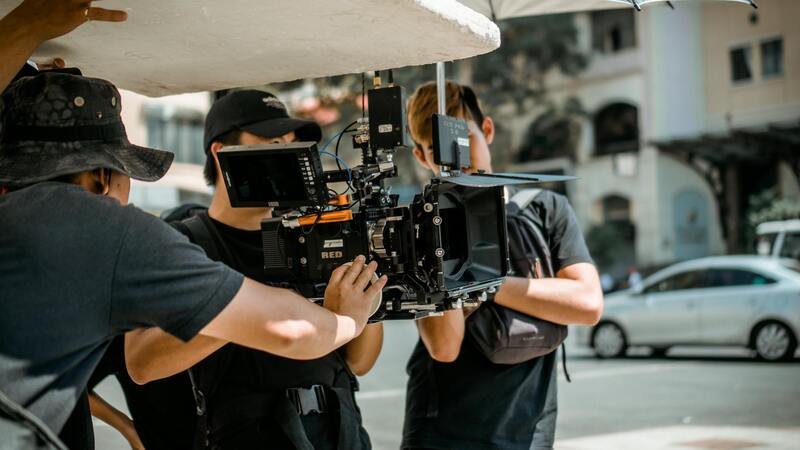
When engaging a corporate video service provider, businesses benefit from professional expertise in storytelling, technical production, and distribution channels. These specialists understand how to translate an organization's core values and messages into visually appealing content, optimized for various platforms. The importance of professional involvement ensures that the final product aligns with branding standards, reaches the intended audience, and achieves the desired impact.
Corporate video services are tailored to support a wide array of objectives, including promoting products, onboarding new employees, presenting annual reports, or delivering message campaigns. They bring together creative and technical skills to produce content that resonates with viewers, drives engagement, and delivers measurable results. As the digital landscape continues to evolve, the role of high-quality corporate videos remains a pivotal element in comprehensive communication strategies for businesses committed to growth and innovation.
Importance of Professional Video Production
Utilizing skilled professionals in corporate video production guarantees that each element of the video—from scripting and storyboarding to filming and editing—aligns with strategic business goals. Professional production teams possess the technical expertise and creative insight necessary to craft compelling narratives that resonate with target audiences. Their proficiency ensures high production quality, impeccable audio-visual synchronization, and effective use of visual effects and graphics, which collectively enhance the credibility and appeal of the final product.
Beyond mere technical skills, seasoned production teams understand how to optimize video content for various distribution channels. They are well-versed in current industry standards, incorporating appropriate aspect ratios, resolutions, and formats suitable for social media, corporate websites, presentations, and internal platforms. This technical knowledge maximizes the video's reach and engagement potential, delivering a consistent viewer experience across all mediums.
Moreover, professional videographers and editors bring a strategic perspective to the project. They collaborate closely with clients to understand corporate messaging, branding guidelines, and target demographics, ensuring that the content aligns perfectly with the company’s vision. This collaborative approach minimizes revisions, streamlines the production timeline, and results in a polished, impactful video that evokes the desired emotional and cognitive responses from viewers.

Key Elements of a Successful Corporate Video
- Clear Objectives: Defining precise goals such as brand awareness, product education, or recruitment helps shape the video’s messaging and tone.
- Engaging Script: A well-written script ensures the message is concise, compelling, and aligned with the target audience’s interests.
- High-Quality Visuals and Audio: Professional-grade filming equipment and sound design elevate the production’s overall quality and credibility.
- Authentic Storytelling: Connecting with viewers through authentic stories fosters trust and emotional engagement.
- Consistent Branding: Visual elements, tone, and messaging must reflect the company’s brand identity for cohesive communication.
- Effective Call-to-Action: Clear directives guide viewers toward desired outcomes, whether visiting a website, subscribing, or making inquiries.
Choosing a Miami-Based Corporate Video Service Provider
Opting for a corporate video service provider located in Miami offers notable advantages. Local providers possess in-depth knowledge of the regional market dynamics and audience preferences, allowing for more tailored content creation. They also facilitate easier communication and face-to-face consultations, which can streamline the planning and production process.
Moreover, partnering with Miami-based professionals often leads to quicker turnaround times and more flexible scheduling, accommodating urgent or evolving project needs. They have established relationships with local talent, venues, and equipment suppliers, ensuring smooth logistical operations. A provider with a strong local reputation demonstrates a proven track record of delivering impactful, high-quality corporate videos that meet both strategic and operational requirements.
Production Process and Timeline
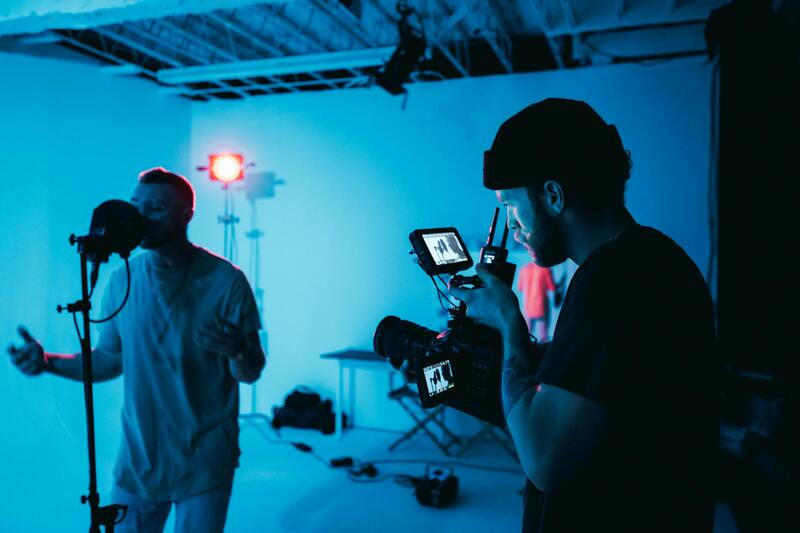
The production of a corporate video involves multiple phases, each critical to achieving a polished final product. Initial steps include comprehensive planning—defining objectives, scripting, and storyboarding—followed by pre-production activities such as casting talent, scouting locations, and scheduling. Once preparations are complete, filming proceeds, often spanning one or multiple days, depending on the project’s scope.
Post-production encompasses editing, color correction, sound design, and the integration of graphics or animations. This phase requires close collaboration with clients to review drafts and implement revisions. Typically, a mid-sized corporate video project takes approximately 4 to 8 weeks from concept development to final delivery. Complex productions or extensive edits may extend this timeline, emphasizing the importance of clear communication and planning to meet deadlines effectively.
Budgeting and ROI for Corporate Videos
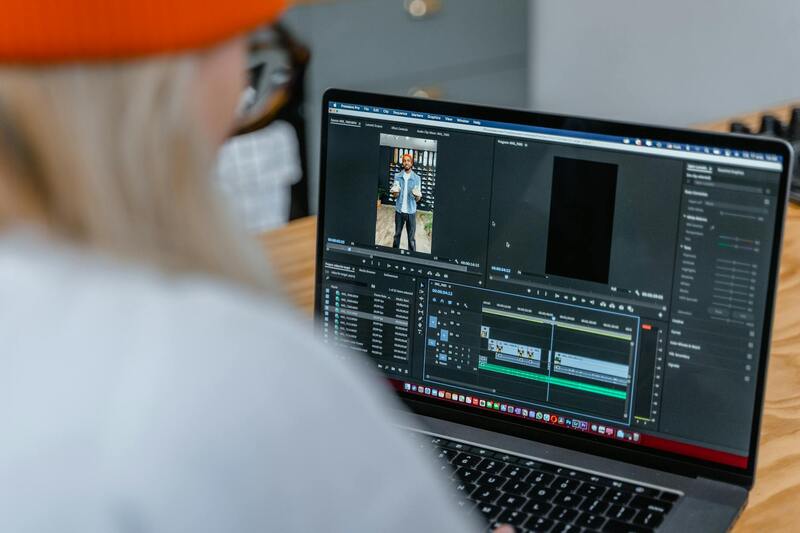
Strategic budgeting for corporate videos involves balancing quality expectations with available financial resources. Costs vary based on factors such as video length, production complexity, location requirements, and post-production needs. Investing in professional quality often results in higher engagement rates and greater brand impact, making it a worthwhile expense for many organizations.
Measuring ROI involves assessing how well the video meets predefined objectives—such as increased brand awareness, lead generation, or employee training outcomes—and analyzing viewer engagement metrics. Effective distribution strategies amplify the video’s reach, translating creative efforts into tangible business results. By choosing a reputable production partner and aligning project goals with budget considerations, companies maximize their investment in corporate video content.
Vital Components of an Effective Corporate Video
Creating a compelling corporate video involves several key elements that work together to enhance message delivery and viewer engagement. These components are carefully crafted to ensure the final product aligns with company branding, conveys clear messaging, and resonates with target audiences.
- Clear Objectives: Defining the purpose of the video—whether for brand awareness, product launch, corporate training, or investor relations—is fundamental. Clear objectives guide the scripting, visuals, and overall tone, ensuring each element serves a specific goal.
- Strong Storytelling: Authentic and relatable storytelling captures attention and fosters emotional connection. Effective narratives help viewers understand the company’s values, vision, or product benefits, making the message memorable.
- Professional Scriptwriting: A well-crafted script provides a seamless flow of information, incorporates persuasive language, and maintains audience interest. Scripts should be concise, engaging, and aligned with brand voice.
- High-Quality Visuals and Sound: Visual appeal is crucial. High-resolution imagery, smooth camerawork, and professional lighting enhance credibility. Complemented by crisp sound, clear narration or voiceovers, these elements elevate overall production quality.
- Brand Consistency: Incorporating brand elements such as logos, color schemes, and typography ensures that the video reinforces brand identity. Consistency across all visual and audio cues helps establish a unified brand presence.
- Engaging Graphics and Animations: Strategic use of animations, infographics, and motion graphics enhances understanding of complex concepts and adds a dynamic touch, keeping viewers engaged throughout the video.
- Call to Action (CTA): Every corporate video should have a clear CTA, guiding viewers on the next steps—whether visiting a website, contacting sales, or sharing the video. Effective CTAs drive measurable engagement and support business objectives.
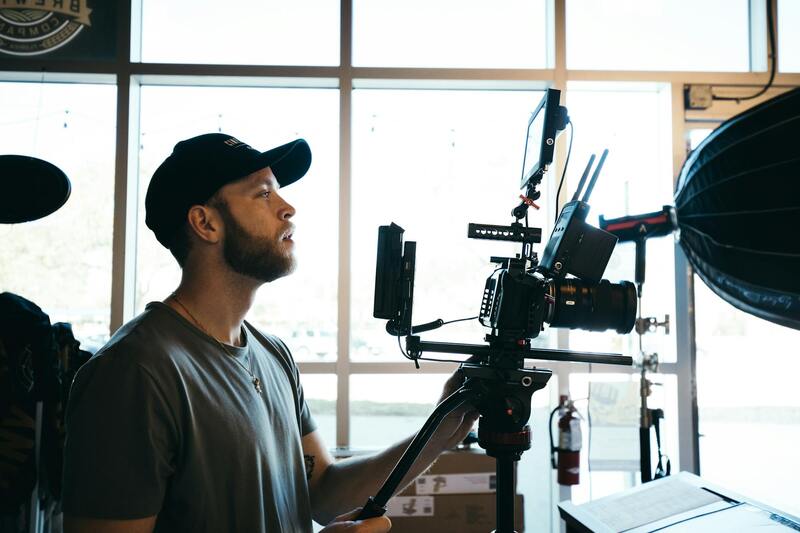
It’s essential that all these components are seamlessly integrated during production, with careful attention to detail. Collaboration between the client and production team ensures that the video not only meets technical standards but also authentically reflects the company's message and brand image.
Strategies for Effective Corporate Video Production in Miami
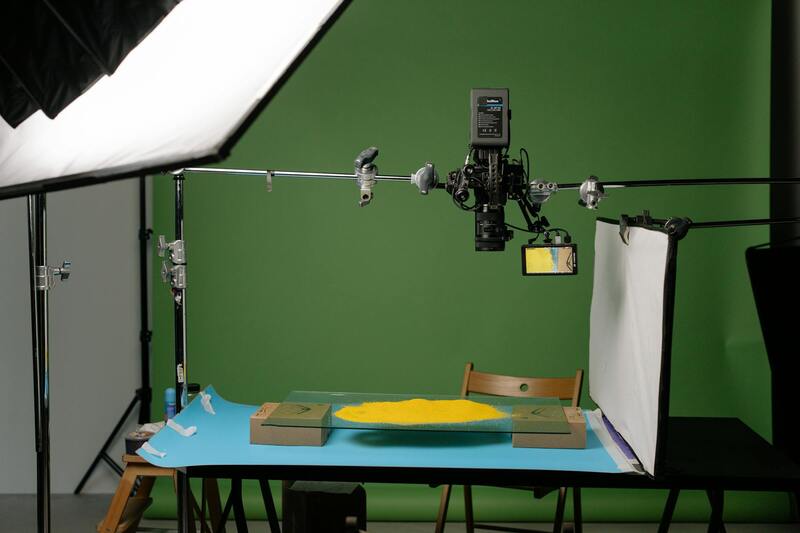
To achieve impactful results, selecting a production approach that aligns with your brand goals and target audience is essential. The process begins with meticulous planning, which involves defining clear objectives for the video, identifying the target demographic, and establishing key messages that resonate with viewers. This foundation ensures that every element of the production—from scripting to final editing—serves the overarching business purpose.
Pre-production planning involves several critical steps, including developing a compelling script that narrates your brand story authentically and engagingly. Collaborating with scriptwriters and storyboarding experts ensures that the narrative flows logically and visually captures viewer attention from start to finish. Location scouting in Miami allows for the selection of visually appealing settings that enhance the video’s overall aesthetic appeal and contextual relevance.
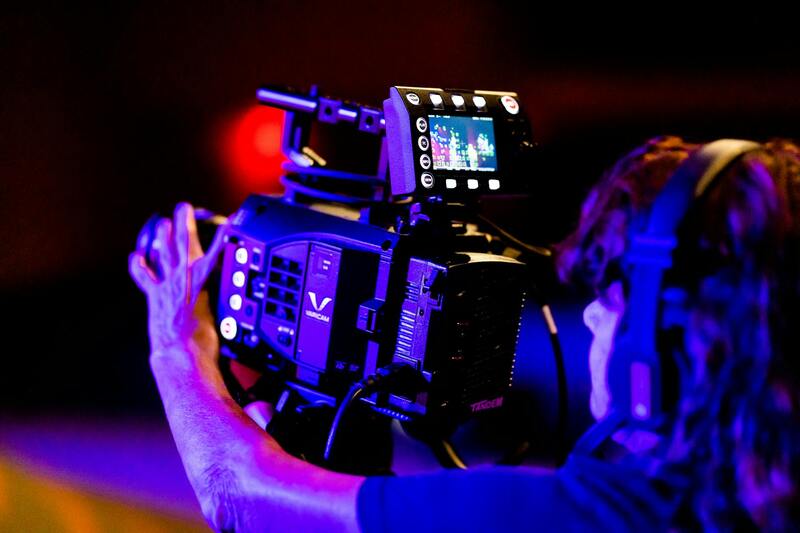
During production, professional videographers employ state-of-the-art equipment to capture high-quality visuals and audio. Lighting, camera angles, and sound quality are carefully managed to produce a polished and professional look, reflecting your company’s standards. Employing local talent and crew experienced in corporate projects within Miami can streamline the process and ensure the execution aligns with regional aesthetics and expectations.
Post-production encompasses editing, motion graphics, color correction, and sound design. These steps refine the footage, adding visual effects and branding elements that reinforce your corporate identity. Final reviews and revisions are crucial to ensure that the video effectively conveys your message and adheres to your brand guidelines.
Adhering to a structured timeline—often spanning several weeks—allows for smooth progress through each stage. Enlisting a Miami-based corporate video service provider with proven expertise guarantees that each phase is completed efficiently, maintaining quality benchmarks while respecting deadlines.
Throughout the production lifecycle, maintaining open communication and collaborative feedback ensures the final product exceeds expectations. A professional provider also offers strategic advice on storytelling techniques, visual aesthetics, and technical standards, which collectively elevate the quality and impact of the corporate video.
Strategies for Ensuring the Sustainability and Longevity of Corporate Videos
Maximizing the lifespan and impact of your corporate video involves more than just initial production quality. It requires strategic planning for updates, adaptations, and effective distribution to keep the content relevant and engaging over time. Regular review and enhancement of the video ensure it continues to resonate with your target audience and reflects current branding, industry standards, and market dynamics.
One key approach is creating evergreen content—videos that provide lasting value and remain pertinent regardless of changing trends. This includes highlighting core company values, showcasing longstanding products or services, and emphasizing fundamental client benefits, rather than transient marketing messages. Evergreen videos can be reused and repurposed across multiple channels, reducing the need for constant new productions.
Additionally, adapting corporate videos for different platforms amplifies their longevity. For example, shorter clips derived from the primary video can be tailored for social media, email campaigns, or internal training, extending the reach without additional extensive filming. Proper formatting and optimization for each platform ensure the videos perform well and maintain visual and informational integrity.

Another crucial aspect is integrating analytics and feedback mechanisms. By monitoring how audiences engage with your videos—through view counts, engagement rates, and viewer comments—you gain valuable insights into what resonates most. This data-driven approach informs future updates and ensures your content remains aligned with audience preferences.
Maintaining a comprehensive content library of high-quality videos also facilitates quick responses to current business objectives or market changes. As your company evolves, your videos should evolve with it, reflecting new offerings, corporate achievements, or shifts in branding strategy. Periodic reviews and strategic refreshes keep your corporate videos an active, integral component of your marketing and communication efforts.
Investing in a distribution strategy that leverages multiple channels—such as corporate websites, social media platforms, email newsletters, and trade shows—ensures the content continues to generate engagement and leads. Well-executed distribution sustains the relevance of your videos and maximizes their return on investment over time.
Production Process and Timeline
Developing a high-quality corporate video involves a structured and strategic approach, ensuring that each phase effectively contributes to the final product. The entire production process typically unfolds in several key stages: initial planning, scripting, pre-production, filming, and post-production. Understanding these stages helps organizations set realistic expectations and align their goals with every step of the creative journey.
Initial Planning and Concept Development
The process begins with comprehensive planning, where objectives are clearly defined based on the intended message and target audience. During this phase, organizations collaborate with production teams to determine the video’s purpose, desired tone, and key deliverables. Stakeholders often participate in brainstorming sessions to conceptualize the narrative and identify the core themes that will resonate most effectively.
Scripting and Storyboarding
Once the concept is established, scripting becomes fundamental in outlining dialogue, narration, and visual cues. A well-crafted script aligns with branding standards and communicates the intended message succinctly. To enhance visualization, storyboarding visualizes each scene, providing a frame-by-frame guide for filming and animation. This detailed blueprint ensures that all parties involved understand the story flow, camera angles, and scene transitions, reducing miscommunication during filming.
Pre-Production Planning
Pre-production lays the groundwork for a smooth filming experience. This phase includes location scouting, casting, scheduling, and resource allocation. Securing appropriate filming locations, hiring talent or actors, and organizing necessary equipment are key tasks. Additionally, pre-production involves gathering permits if needed, arranging technical crew, and preparing production schedules to keep the project on track and within budget.
Filming and Production
The filming stage captures all the planned scenes, often involving multiple takes to ensure quality. Experienced camera operators, lighting technicians, and directors work collaboratively to bring the storyboard to life. High-definition equipment and professional lighting setups guarantee that each shot adheres to the visual standards established during planning. Depending on the complexity, filming can span a few days to several weeks, with flexibility built into the schedule to accommodate unforeseen challenges.
Post-Production and Delivery
Post-production refines the raw footage into a polished final product. This stage includes editing, color correction, sound design, voice-overs, and graphical enhancements. The editing process is critical, as it shapes the narrative structure, pacing, and overall flow of the video. Feedback loops with clients or stakeholders are integral to this phase, allowing for revisions and fine-tuning before the final approval. Once completed, the video is formatted for various distribution channels, optimized to ensure usability across platforms such as corporate websites, social media, or internal portals.
Adhering to a well-defined production timeline minimizes delays and helps manage costs effectively, resulting in a compelling corporate video that accurately communicates your message and elevates your brand presence. Depending on the project's scope and complexity, the entire process can range from several weeks to a few months, emphasizing the importance of careful planning and coordination at each stage.
Strategies for Ensuring Video Quality and Effectiveness
Achieving a professional and impactful corporate video hinges on meticulous planning and execution of key quality assurance practices. One essential step is selecting experienced personnel equipped with advanced filming and editing techniques. Skilled videographers and editors understand the nuances of lighting, framing, and audio clarity, all of which significantly influence the final product. Using state-of-the-art equipment ensures sharp visuals and crystal-clear sound, preventing distractions that could dilute the message.
Another critical element is rigorous pre-production planning. This phase involves detailed storyboarding, comprehensive shot lists, and clear communication of the desired visual style and message. Such preparation minimizes on-set errors and overlapping efforts, streamlining the filming process. Regular consultations with the client or stakeholders during this stage can clarify expectations and incorporate feedback early on, reducing costly revisions later.
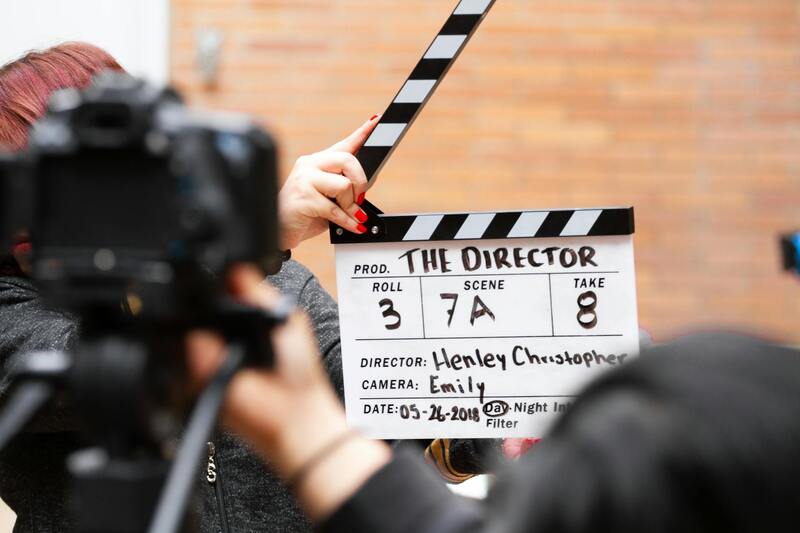
During filming, maintaining consistency in lighting, sound levels, and camera angles contributes to the coherence and professionalism of the final product. The use of high-definition cameras and professional lighting setups helps to capture vibrant visuals that resonate with viewers. Skilled directors and cinematographers work collaboratively to ensure each shot aligns with the overall narrative and branding objectives. This cohesion reinforces brand identity and enhances viewer engagement.
Post-production further elevates the video's impact. Editing is not merely about cutting footage; it involves crafting a seamless narrative flow that maintains viewer interest. Incorporating brand elements such as logos, custom graphics, and on-brand color schemes reinforces visual consistency. Sound design, including background music, voice-overs, and sound effects, adds to the emotional appeal. Regular quality checks and client feedback sessions throughout editing are vital to address concerns promptly, ensuring the project aligns with expectations.
Optimization for various platforms is another focus of quality assurance. Adapting the video's resolution, aspect ratio, and formatting guarantees compatibility across digital channels. Testing the final product across devices and screen sizes ensures that it maintains visual fidelity and usability everywhere it appears. This comprehensive approach to quality control guarantees that the corporate video not only meets industry standards but also effectively communicates its intended message.
Ultimately, a combination of professional expertise, detailed planning, and rigorous review processes contributes to the creation of corporate videos that are visually striking, engaging, and aligned with organizational goals. Ensuring consistency and high standards at every stage of production transforms a simple concept into a powerful communication tool capable of elevating brand recognition and stakeholder engagement.
Ensuring Compliance and Secure Delivery of Corporate Videos
Once a corporate video has been completed and approved, it becomes crucial to ensure that its dissemination adheres to established protocols that safeguard both its integrity and the rights associated with its content. Implementing official distribution channels guarantees that the video reaches the intended audience through reliable methods, maintaining the professional standards that reflect positively on the organization.
Utilizing Established Digital Platforms
Distributing corporate videos via reputable digital platforms such as official company websites, verified social media accounts, and professional streaming services offers several advantages. These channels provide controlled environments where content can be presented in high quality, with features such as analytics tracking, audience insights, and targeted advertising options. Such platforms facilitate direct engagement with viewers, enabling organizations to gauge response and gather valuable feedback.
Secure Hosting and Content Management
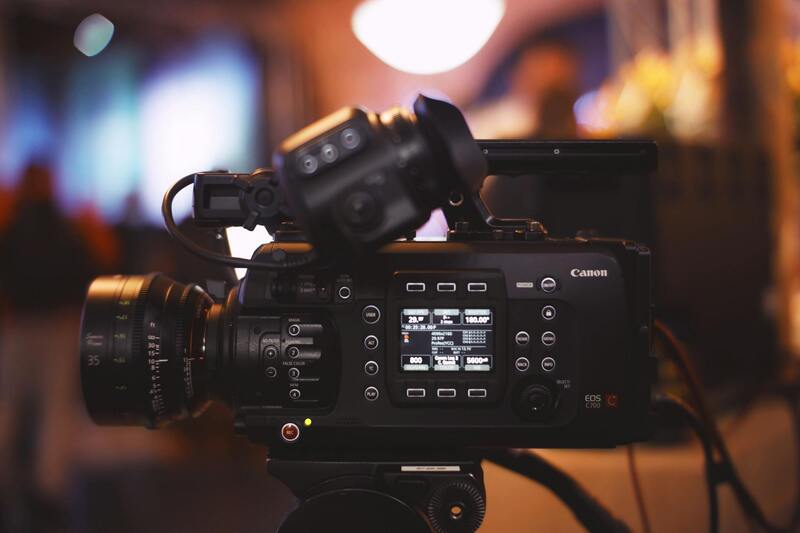
Hosting videos on secure, enterprise-grade servers ensures protection against unauthorized access, tampering, or distribution. A content management system (CMS) designed for enterprise use allows organizations to control user permissions, schedule releases, and update content seamlessly. This systematic approach helps maintain the video's quality and presentation consistency. Moreover, integrating encryption protocols during upload and access prevents potential breaches, preserving the company's reputation and intellectual property rights.
Monitoring and Analytics
Analytics tools embedded within distribution channels help monitor viewer engagement, retention rates, and geographic reach. Analyzing this data provides insights into the effectiveness of the video's messaging and helps identify areas for improvement. Regularly reviewing performance metrics supports strategic decisions for future content creation and distribution efforts, ensuring ongoing alignment with organizational objectives.
Adherence to Brand Guidelines and Compliance Standards
Ensuring that all distributed content remains consistent with brand standards enhances credibility and fosters brand recognition. This involves verifying that logos, color schemes, fonts, and messaging are correctly applied throughout the video. Additionally, organizations should confirm that distributed content complies with applicable industry standards and internal policies related to data privacy, intellectual property rights, and accessibility requirements. Utilizing official distribution channels and secure hosting methods supports these compliance efforts effectively.
Legal and Ethical Considerations in Distribution
While focusing on official methods, organizations must also be vigilant to avoid unauthorized sharing or pirated copies of their corporate videos. Implementing digital rights management (DRM) solutions, watermarking, or content verification techniques helps track and control the usage of proprietary media. These measures serve to protect the organization's investment and uphold the integrity of its communications in every distribution avenue.
Archiving and Backup Strategies
Proper archiving of final video files and associated project assets is essential for future use, updates, or audits. Maintaining secure backups in multiple locations ensures that essential content remains accessible and intact over time. This practice not only safeguards against technical failures but also facilitates seamless reuse of content for different campaigns or platform updates.
Implementing these official and legitimate methods for the distribution and management of corporate videos ensures that organizations effectively communicate their messages while safeguarding their brand assets. This meticulous approach supports sustained engagement and preserves the credibility of corporate communications across all channels.