Understanding the Role of Corporate Film Makers
Corporate film makers specialize in creating visual content that effectively communicates a company's message, values, and brand identity. Their expertise bridges the gap between storytelling and marketing, producing videos that serve multiple business objectives. These professionals are adept at transforming complex information into engaging visual narratives, making them invaluable partners for brands seeking to enhance their communication strategies.
In today’s competitive market, corporate films are essential tools for brand positioning, internal training, product launches, and promotional campaigns. Corporate film makers in Miami possess a nuanced understanding of local and international markets, enabling them to craft content that resonates with diverse audiences. Their work involves meticulous planning, scripting, filming, editing, and post-production processes, all tailored to meet specific client goals.
The core of their role lies in aligning creative vision with strategic intent. Whether the goal is to elevate brand awareness, educate employees, or attract new clients, corporate film makers develop customized content that aligns with client branding guidelines and targets the right audience segments. Their expertise ensures that each video communicates its intended message clearly, professionally, and memorably.
Miami’s vibrant business environment offers a fertile ground for corporate film makers to showcase their skills. They work with a variety of industries such as tourism, finance, healthcare, and entertainment, each requiring a unique approach to storytelling. The flexibility and versatility of corporate film makers allow them to produce content in different styles—from sleek, corporate-style videos to dynamic, innovative promotional clips.
Furthermore, their work extends beyond mere filming. Corporate film makers often participate in preliminary consultations to understand client needs deeply. They provide strategic advice on conceptual development, visual storytelling, and production techniques to ensure the final product aligns with broader marketing initiatives.
In essence, corporate film makers serve as visual strategists and creative experts dedicated to advancing a company’s brand presence through high-quality, impactful video content. Their role is fundamental in today's digital landscape, where visual communication can significantly influence consumer perceptions and business success.
Key Services Offered by Corporate Film Makers
Corporate film makers deliver a broad spectrum of video production services tailored to meet business objectives effectively. These services encompass high-quality corporate videos that articulate company missions, values, and achievements in a professional format. Promotional content is also a significant offering, designed to boost brand visibility through innovative storytelling that captures audience attention and fosters engagement.
Training videos represent another essential service provided by corporate film makers. These videos facilitate employee onboarding, ongoing education, and compliance training, ensuring consistent messaging across the organization. Additionally, brand documentaries provide a compelling narrative about company history, culture, and community involvement, which can be instrumental in building trust and loyalty with clients and stakeholders.

Beyond these core offerings, many corporate film makers also excel in creating event coverage videos, product demonstrations, and testimonial compilations. Their expertise lies in crafting content that resonates with target audiences while aligning with the strategic marketing plans of their clients. By combining technical skill with storytelling finesse, corporate film makers ensure each video project supports broader branding and communication goals.
Criteria for Selecting a Corporate Film Maker in Miami
Choosing the right corporate film maker involves evaluating several critical factors to ensure the production team aligns with your project needs. First, review their portfolio thoroughly to assess the quality and diversity of their previous work, paying attention to the style, creativity, and production values. Experience within your specific industry can also be advantageous, as familiarity with industry jargon and target audiences enhances the relevance of the final product.
It's important to consider their technical capabilities, including their access to the latest filming equipment and editing software, as well as their proficiency in various digital formats suitable for different platforms—be it social media, websites, or broadcast channels. Additionally, understanding their collaborative approach—how they incorporate client feedback and manage project timelines—can significantly influence the success of the partnership.

References and testimonials from previous clients provide further insight into their professionalism, communication skills, and ability to deliver projects within scope and budget. Lastly, an understanding of their pricing structure, including any additional costs for revisions or special requests, helps in making a well-informed decision that aligns with your financial planning.
Exclusive Techniques and Approaches in Corporate Video Production
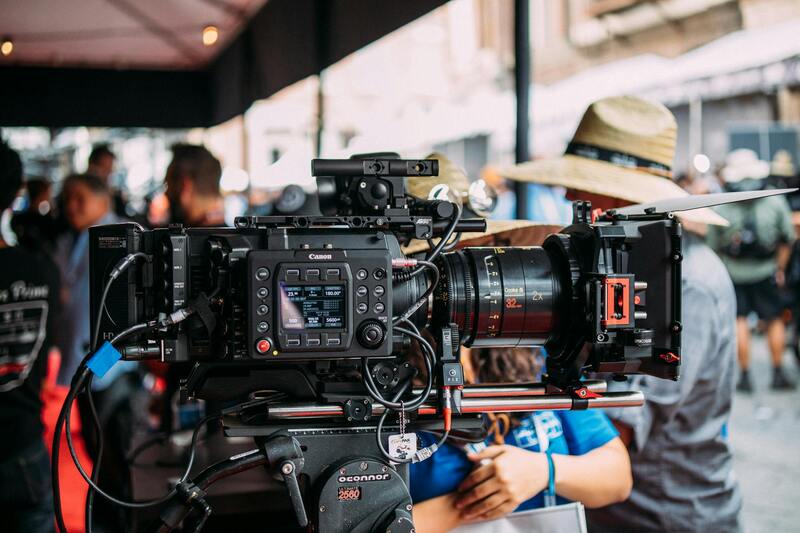
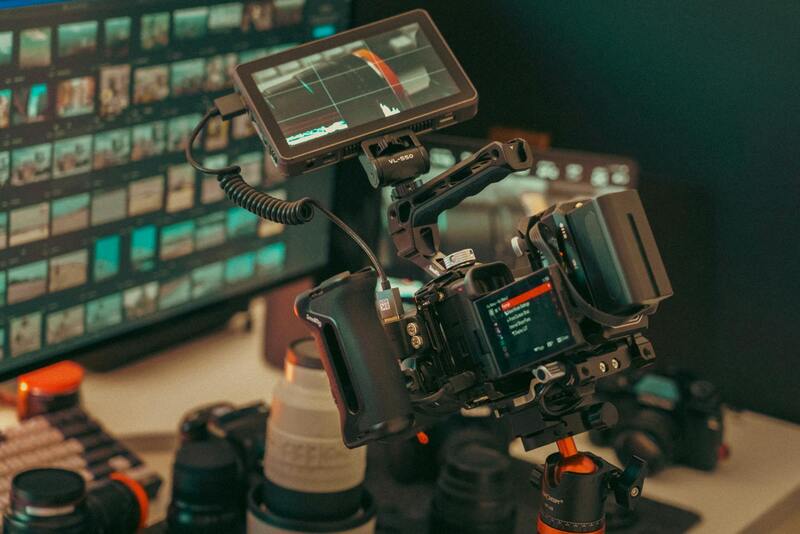
High-quality corporate videos demand more than just good filming; they require a strategic blend of creative storytelling, technical expertise, and innovative production techniques. Corporate film makers employ a variety of exclusive approaches to ensure each project resonates with the intended audience and effectively communicates the client’s message. These methods include advanced camera work, such as aerial drone footage, which adds a dynamic perspective to corporate narratives and enhances visual engagement. Utilizing stabilizers and gimbals allows for smooth, cinematic shots that elevate production quality, making videos more professional and compelling.
In addition to camera technology, corporate film makers leverage sophisticated editing software that enables the seamless integration of visuals, sound, and motion graphics. These tools facilitate the creation of polished videos with precise color grading, visual effects, and synchronized audio that heighten emotional impact and clarity. Motion graphics and animated sequences are often incorporated to explain complex processes or data sets, transforming abstract concepts into visually appealing and easily digestible content.
Furthermore, a tailored approach to storytelling is vital. Corporate film makers craft narratives that align with a brand's core message, emphasizing authenticity and relevance. They carefully consider the target demographic, selecting appropriate tone, style, and emotional cues to connect effectively. To ensure authenticity, some teams incorporate interviews, testimonials, and real-life footage, adding credibility and fostering trust among viewers.
Post-production is equally crucial, as it involves refining the footage, adjusting audio levels, and integrating graphical elements that reinforce branding. Sound design, voice-over narration, and music scoring are meticulously curated to enhance mood and engagement, making the finished product more persuasive. These techniques, combined with a strategic project workflow, enable corporate film makers to deliver impactful videos that meet both aesthetic standards and communication goals.
Consistency in quality and innovation in approach set top-tier corporate film makers apart. They stay ahead of evolving industry standards by continuously adopting new technologies and creative methodologies. This dedication to excellence results in videos that not only meet current market expectations but also set trends for future corporate storytelling endeavors. By focusing on tailored strategies, cutting-edge techniques, and meticulous execution, professional corporate film makers in Miami can transform your vision into a captivating visual narrative that drives engagement and enhances your brand reputation.
Legal and Contractual Aspects
When engaging with corporate film makers, establishing clear legal and contractual parameters is essential to safeguard both parties' interests and ensure the project proceeds smoothly. A comprehensive contract should delineate the scope of work, including deliverables, timelines, and milestones, providing a structured roadmap for the project. This document also clarifies ownership rights over the final content, allowing clients to utilize the footage across various platforms without ambiguity.
Intellectual property rights are a fundamental component of the agreement. The contract should specify whether the client retains full rights to the finished product or if the film maker retains certain rights for promotional purposes. Such clarity prevents potential disputes and facilitates seamless content usage post-production.
Payment terms and schedules are also critical considerations. Industry-standard practices often involve phased payments aligned with project milestones—initial deposits, progress payments, and final balance upon completion. This structure incentivizes timely delivery while providing financial protection.
Moreover, confidentiality clauses might be integrated, especially when sensitive corporate strategies, proprietary information, or branding elements are involved. These clauses obligate the film maker to handle all project-related data with discretion, fostering trust and safeguarding the client’s strategic interests.
It's also advisable to include provisions for revisions, addressing how additional edits or modifications will be managed and billed. Clear communication pathways, including designated points of contact and review processes, contribute to the project's transparency and overall success.
In integrating these contractual elements, Miami-based corporate film makers demonstrate professionalism and a commitment to client satisfaction. They prioritize transparent processes that foster mutual understanding, reduce misunderstandings, and support the creation of impactful visual content aligned with strategic objectives.
Criteria for Selecting a Corporate Film Maker in Miami
When choosing a corporate film maker in Miami, it is essential to evaluate their experience and portfolio to ensure they possess a proven track record of delivering high-quality content for corporate clients. A comprehensive portfolio provides insights into their versatility, creativity, and technical expertise, showcasing a range of projects that align with different industry requirements.
Industry reputation and client testimonials further serve as reliable indicators of a film maker’s professionalism and ability to meet deadlines. Seeking recommendations from trusted sources or reviewing case studies helps in assessing their approach to storytelling, branding consistency, and overall project management.
Specialization in corporate videos, such as brand storytelling, product launches, internal communications, or training videos, is another critical consideration. A firm with targeted expertise demonstrates a deeper understanding of corporate objectives, enabling the development of compelling content that resonates with the intended audience.
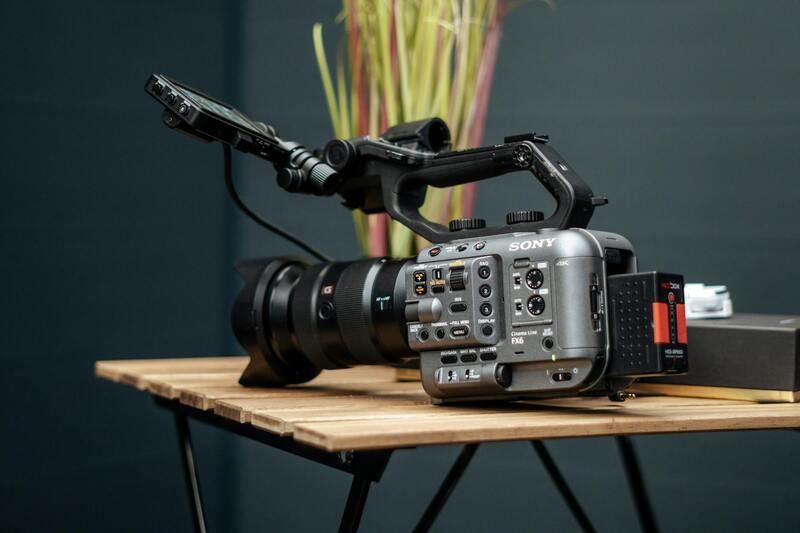
Technical capabilities, including state-of-the-art equipment, advanced editing software, and visual effects expertise, greatly enhance the production quality. Additionally, familiarity with current trends in motion graphics, animation, and immersive technologies such as 360-degree filming or virtual reality can provide innovative ways to engage viewers effectively.
Clear communication skills and a professional approach are equally important. Engaging with a film maker who maintains transparent dialogue, provides detailed proposals, and offers ongoing consultation ensures that your vision is accurately translated into the final product.
Moreover, understanding the project scope, timeline, and pricing structure in advance can streamline the selection process. Flexibility in accommodating revisions, along with comprehensive service packages—including pre-production planning, on-location filming, and post-production editing—are hallmarks of reputable Miami-based corporate film makers.
Choosing the right partner for corporate video productions demands a balanced assessment of experience, technical prowess, client feedback, and strategic alignment with your organizational objectives. This careful selection process ensures the creation of impactful and memorable videos that effectively communicate your brand’s message and foster engagement across your target audiences.
Legal and Contractual Aspects
Engaging with professional corporate film makers involves carefully navigating contractual agreements that outline the scope, rights, and responsibilities of each party. Ensuring clear contractual terms helps in establishing a shared understanding of project deliverables, timelines, and payment schedules. Contracts typically specify ownership rights of the footage, usage rights, and distribution limitations, which are crucial for aligning expectations and safeguarding your organization’s interests. A comprehensive agreement also details confidentiality clauses, especially when proprietary or sensitive information is involved. This mitigates risks related to leaks or unauthorized disclosures during the production process. Additionally, terms regarding revisions, scope adjustments, and dispute resolution mechanisms are integral to maintaining a smooth working relationship. In Miami, reputable corporate film makers often provide detailed proposals or service agreements that delineate all aspects of the project, including pre-production planning, on-set activities, and post-production editing. Reviewing these documents thoroughly, preferably with legal counsel experienced in media agreements, ensures that all terms are clear and agreed upon before production commences. Furthermore, understanding licensing rights associated with stock footage, music, or visual effects included in your project can prevent future conflicts. It is advisable to confirm that any third-party content used is properly licensed for commercial use, ensuring seamless utilization in your final corporate videos. By adhering to structured contractual practices, organizations can protect their investment and foster transparent, professional relationships with their chosen production partners. This approach ultimately contributes to a hassle-free production process and produces a corporate film that aligns well with strategic branding goals.
Understanding the Role of Corporate Film Makers
Corporate film makers serve as the creative strategists and technical specialists responsible for translating a company's vision into compelling visual narratives. Their expertise encompasses conceptual development, scriptwriting, filming, editing, and post-production processes. These professionals understand how to craft stories that resonate with target audiences, reflect the organization's values, and communicate key messages effectively. Their role extends beyond mere videography, involving strategic planning to ensure each frame aligns with overarching branding and communication goals.

In Miami, a vibrant hub for multimedia production, corporate film makers leverage local talent, state-of-the-art technology, and a diverse cultural landscape to create videos that stand out in competitive markets. Their responsibilities include initial client consultations to identify objectives, developing creative concepts, coordinating logistics for shoots, managing on-site production, and overseeing editing and post-production tasks. These experts often collaborate with marketing teams, branding specialists, and external agencies to ensure consistency and effectiveness across all communication channels.
By engaging dedicated corporate film makers, organizations gain a strategic partner capable of delivering tailored video content that elevates brand awareness, enhances stakeholder engagement, and supports corporate initiatives ranging from internal training to investor relations. Their ability to produce high-quality, engaging content positions Miami-based companies at the forefront of visual marketing innovation.
Key Services Offered by Corporate Film Makers
- Concept Development: Collaborating with clients to generate creative ideas aligning with business objectives.
- Scriptwriting: Crafting scripts that effectively communicate intended messages while maintaining viewer engagement.
- Pre-Production Planning: Organizing logistics, casting, location scouting, and scheduling to ensure seamless shoot execution.
- Production: Filming scenes using professional equipment, lighting, and sound to capture high-quality footage.
- Post-Production: Editing, color correction, sound design, and visual effects to finalize the video for distribution.
- Distribution Strategy: Advising on the best channels and formats for maximum reach and impact.
Criteria for Selecting a Corporate Film Maker in Miami
Choosing the right corporate film partner involves evaluating several key factors. Experience in producing videos aligned with business and branding goals signifies the firm's ability to deliver results. Reviewing a portfolio of past work provides insight into their creative style, technical skills, and versatility across different industries and formats. Client testimonials and case studies further demonstrate their reliability, professionalism, and capacity to handle projects within specified timeframes and budgets.
Effective communication throughout the production process is vital; therefore, transparency and responsiveness are essential qualities of a reliable partner. Additionally, a clear understanding of project scope, pricing, and contractual terms ensures mutual expectations are aligned before work begins. Familiarity with the latest industry technologies and trends indicates that the firm can offer innovative solutions that enhance video quality and viewer engagement in Miami's dynamic market landscape.
Advantages of Choosing a Miami-based Production Agency
Opting for a Miami-based corporate film maker provides access to local expertise, resources, and cultural insights that are invaluable for creating authentic and relatable content. Proximity facilitates easier communication, quicker turnaround times, and the ability to adapt to evolving project needs efficiently. Miami's vibrant media scene is characterized by experienced professionals who understand regional preferences and industry standards, often resulting in more impactful and culturally relevant videos.
Local agencies also benefit from established relationships with venues, talent, and suppliers, which can streamline production logistics and reduce costs. Furthermore, their familiarity with Miami's diverse settings enables the creation of visually engaging content that showcases regional highlights, landmarks, and cultural nuances—adding authenticity and appeal to corporate storytelling efforts.
Production Process and Workflow
A structured production process ensures consistent quality and timely delivery of corporate videos. It begins with detailed planning, including objectives clarification, script approval, and scheduling. Pre-production involves logistic arrangements, casting, location scouting, and securing necessary permits. During filming, production crews focus on capturing footage adhering to the predetermined script and style guidelines while managing technical quality.
Post-production then takes center stage, where editors refine footage, incorporate graphics, sound design, and visual effects, and prepare drafts for client review. Collaborative feedback and revisions are integral to achieving the desired outcome. Once finalized, the videos are formatted for various platforms, ensuring compatibility with digital channels, presentations, or broadcast.
The entire workflow emphasizes communication, flexibility, and adherence to deadlines—elements that are vital for maintaining organizational trust and project coherence. Employing a well-established process reduces risks of miscommunication and ensures that the final product aligns with branding standards and strategic objectives.
Legal and Contractual Aspects of Corporate Filmmaking
Engaging in professional corporate video projects necessitates careful attention to legal and contractual considerations that safeguard the interests of all parties involved. A comprehensive understanding of drafting clear contracts ensures that the scope of work, deliverables, timelines, and payment terms are explicitly defined, minimizing potential disputes and misunderstandings throughout the production process.
Contracts should specify ownership rights, licensing agreements, and usage permissions for the final content. Typically, the agreement delineates whether the client has exclusive rights, or if the production company retains certain rights for promotional purposes. Furthermore, confidentiality clauses can protect sensitive corporate information and proprietary data shared during the project.
It is equally important to address confidential information handling, intellectual property considerations, and rights clearance for any third-party content such as music, stock footage, or branded assets integrated into the video. Ensuring all necessary permissions are acquired prior to production prevents potential legal complications that could arise from infringement claims.
In addition, establish a detailed payment schedule aligned with project milestones to facilitate smooth financial transactions. This includes initial deposits, progress payments, and final settlement upon delivery of the finished product. Such structures promote transparency and keep the project on track financially.
Engaging legal professionals or consultants with expertise in media and intellectual property rights can streamline contract drafting and review processes. They assist in ensuring that all contractual terms are legally enforceable and tailored to the specific needs of corporate communications efforts.
Finally, it is vital to maintain comprehensive documentation of all stages of production, including approvals, revisions, and correspondence. These records serve as valuable references should any disagreements or ambiguities arise, ensuring a clear record of agreements and commitments is preserved throughout the project lifecycle.