Defining Corporate Films and Their Purpose
Corporate films are professionally produced visual content designed to communicate essential messages about a company, its products, services, or values. Unlike traditional advertising, these films serve as comprehensive tools to enhance corporate identity, foster stakeholder engagement, and support business objectives. They often include brand stories, company profiles, training modules, and promotional content tailored to different audiences such as clients, employees, investors, and partners.
Creating compelling corporate films involves a strategic approach that aligns visual storytelling with the company’s branding goals. These films play a vital role in shaping public perception and establishing authority within a competitive marketplace. They are used in a variety of contexts, including official presentations, trade shows, online platforms, and internal communications, making them versatile assets that can elevate a company's profile on multiple fronts.

One of the primary functions of corporate films is to create an emotional connection with viewers by telling authentic stories that resonate with their values and aspirations. This storytelling capability helps build trust and credibility, essential factors in long-term business relationships. Moreover, well-crafted corporate videos can significantly influence decision-makers by clearly demonstrating a company’s expertise, innovations, and commitment to quality.
The Role of Corporate Films in Business Growth
- Brand Awareness: Enhances visibility by showcasing the brand’s identity and core message effectively.
- Market Positioning: Differentiates the company from competitors through compelling narratives.
- Employee Engagement: Inspires and educates staff, fostering a sense of pride and shared purpose.
- Investor Relations: Builds confidence among stakeholders by transparently presenting achievements and future plans.
- Training and Development: Serves as an educational tool for onboarding and continuous skills improvement.
In essence, corporate films are an essential element in modern business communication strategies. They provide a platform for companies to articulate their story convincingly, engage diverse audiences visually, and strengthen their market positioning. As the digital landscape evolves, investing in high-quality corporate videos remains a crucial step toward sustainable growth and brand recognition.
Pre-production Planning for Corporate Films
Effective pre-production is the cornerstone of a successful corporate film. This phase involves meticulous planning to ensure that the final product aligns with the company's strategic objectives and branding guidelines. It starts with a comprehensive understanding of the target audience, the core message, and the desired emotional response. Defining these elements early on helps shape the script, visual style, and overall tone of the film.
During this phase, a detailed script or storyboard is developed, outlining key scenes, interview questions, and visual cues. This acts as a blueprint for the entire production process, facilitating smooth communication among team members and stakeholders. It’s also essential to determine the filming locations, cast, and crew, ensuring that logistical arrangements support the production timeline and budget constraints.
Budget planning is another critical aspect of pre-production. Companies must allocate resources efficiently to cover equipment, talent, permits, travel, and post-production costs without compromising quality. Developing a comprehensive schedule that includes deadlines for each stage of production helps maintain momentum and facilitates timely delivery.

Collaborating with experienced professionals during this phase enhances creative input and technical expertise. Whether it involves scriptwriters, storyboard artists, or location scouts, leveraging industry knowledge improves the overall quality and relevance of the corporate film. Clear communication channels and approval processes should also be established early, allowing stakeholders to review and approve concepts before moving into production.
Production Process in Corporate Filmmaking
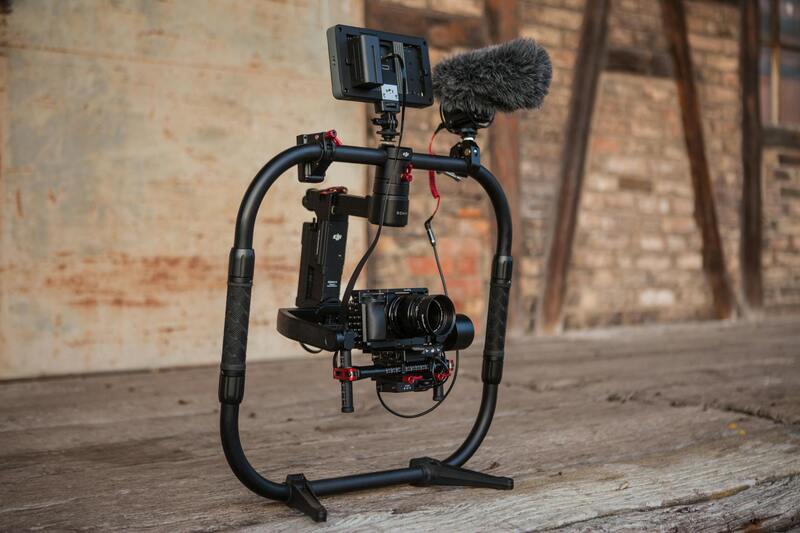
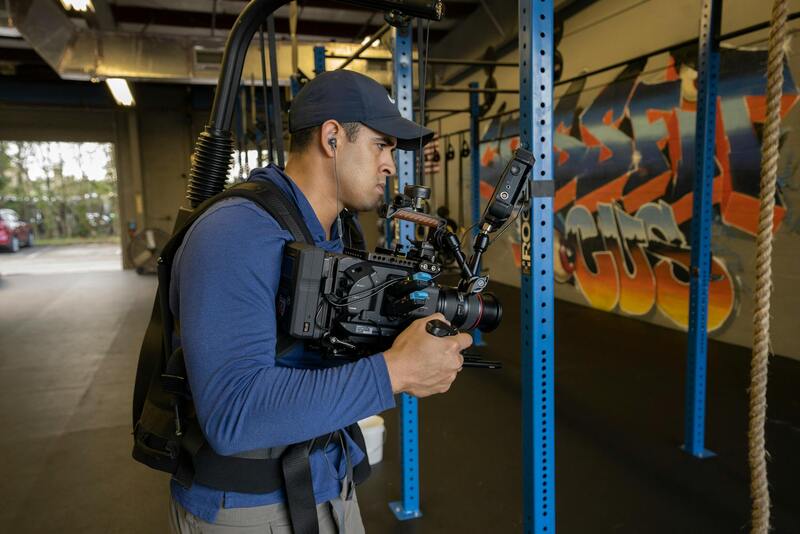
Production is the execution phase where all the planned elements come to life. It involves setting up equipment, directing talent, capturing footage, and managing on-site logistics. A well-structured production schedule ensures that each scene is shot efficiently, minimizing delays and cost overruns. Directors and cinematographers work closely to achieve the desired visual aesthetic, employing professional camera techniques, lighting, and sound to enhance the storytelling.
Capturing authentic performances is vital in corporate films, whether they are interviews, testimonials, or product demonstrations. It’s important to create a comfortable environment that encourages genuine expressions and interactions. High-quality audio recording and stable camera work contribute significantly to the professional appearance of the final product.
Throughout the production, continuous review and adaptation are necessary to address unforeseen challenges. Effective communication between the production team and clients ensures that filming aligns with the initial vision and brand guidelines.
Post-production and Editing
The post-production phase involves editing footage, adding visual effects, color grading, sound design, and integrating branding elements. Skilled editors work meticulously to craft a coherent narrative that communicates the intended message effectively. This stage also allows for refining pacing, emphasizing key messages, and ensuring visual consistency throughout the film.
Incorporating motion graphics, animations, or subtitles may enhance clarity and engagement. Sound editing is equally important; clear voice-overs, balanced background music, and sound effects contribute to a polished final product. Throughout this process, clients should review rough cuts and provide feedback to ensure the editing aligns with their expectations and objectives.
Distribution and Promotion Strategies
Once finalized, the corporate film should be strategically distributed to maximize reach and impact. This involves multiple platforms tailored to target audiences. Social media channels, corporate websites, email campaigns, and industry events are effective avenues for showcasing the content. Optimizing videos for each platform, including appropriate formatting and length, increases viewer engagement.
Embedding the videos into presentations, press releases, and email newsletters amplifies visibility and reinforces branding efforts. Paid advertising and targeted campaigns can also boost exposure among specific demographic segments or decision-making groups. Additionally, tracking viewership metrics provides insights into audience engagement and helps refine future content strategies.

Pre-production Planning for Corporate Films
Effective pre-production planning forms the backbone of a successful corporate film. It involves meticulous scripting, detailed storyboarding, accurate budgeting, and clear goal setting. Establishing a comprehensive plan before filming begins guarantees that all team members and stakeholders are aligned regarding the project’s scope, timeline, and expectations.
Developing a compelling script is paramount; it must precisely convey the intended message, resonate with the target audience, and reflect the company's core values. Storyboarding provides a visual blueprint, illustrating each scene and transition, which helps identify potential issues early and streamline the filming process. Budgeting encompasses not only equipment and personnel costs but also permits, location fees, post-production expenses, and contingency funds to address unforeseen circumstances.
Goals should be specific, measurable, and aligned with overarching marketing objectives. Whether the focus is brand awareness, investor relations, or product promotion, clearly defined aims inform the creative direction and impact assessment. During this phase, collaboration with stakeholders—such as marketing teams, executives, and external vendors—is crucial to refine the concept and ensure all elements are cohesive and purpose-driven.

Key Components of Pre-production
- Scripting: Crafting a narrative that communicates key messages clearly and persuasively.
- Storyboarding: Visualizing scenes to streamline filming and ensure story coherence.
- Budgeting: Estimating costs and allocating resources effectively.
- Goal Setting: Defining objectives and desired outcomes to guide creative decisions.
- Scheduling: Creating a timeline that accommodates all stages of production and post-production.
- Location Scouting: Choosing settings that enhance storytelling and align with the corporate brand.
- Talent and Crew Selection: Assembling a team with the right expertise to execute the vision efficiently.
Proper pre-production planning reduces risks, minimizes delays, and results in a more polished final product. It provides a clear roadmap, enabling smooth transitions from conception through to filming and beyond.
Effective Distribution Channels for Corporate Films
Once a corporate film has been meticulously produced and polished through editing, the next critical phase involves strategic distribution to reach the targeted audience effectively. Maximizing the impact of corporate films requires a deliberate approach to selecting channels that align with the company’s communication goals and audience preferences.
Digital platforms serve as primary dissemination points given their extensive reach and cost-effectiveness. Embedding videos on the company website ensures visitors encounter compelling visual narratives directly from the source, enhancing engagement and conveying organizational messages with clarity. Corporate videos are also effectively shared through social media channels including LinkedIn, Twitter, and Facebook, enabling targeted outreach to stakeholders, partners, and clients. Regular posting and integration into broader content marketing strategies help reinforce brand identity and foster ongoing relationships.
Email marketing campaigns provide another valuable avenue for distributing corporate films. Embedding videos in newsletters or targeted email sequences can increase open rates and foster a deeper connection with recipients by presenting information in a visually engaging manner. Internal channels such as intranets and employee portals are equally essential for promoting corporate films internally, boosting employee pride and alignment with corporate values.
External partnerships with industry publications or broadcast networks provide additional avenues for wider exposure. These partnerships can help position the brand within industry-specific contexts — a valuable move for B2B organizations aiming to showcase innovations, case studies, or thought leadership.
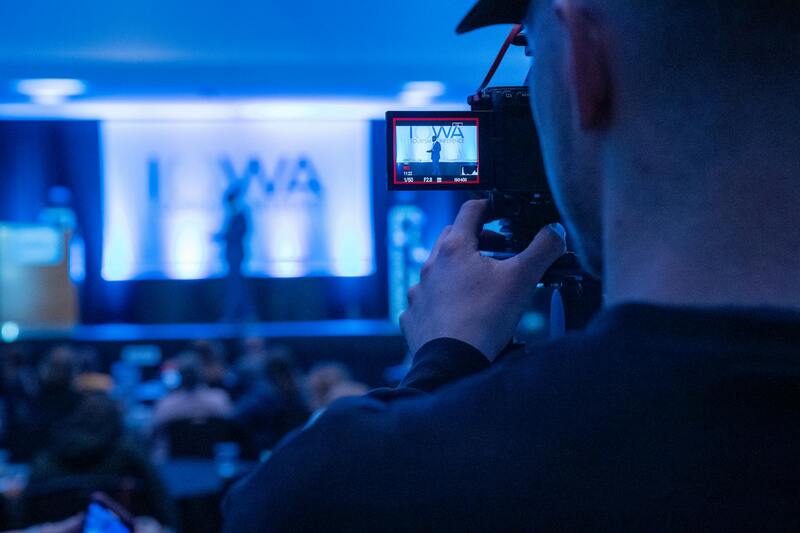
Event screenings, webinars, and corporate presentations remain effective avenues to showcase films directly to relevant audiences. Creating opportunities for live viewing and real-time engagement encourages interaction and feedback that can inform future content development strategies.
It’s equally important to tailor the format and length of videos based on the distribution channel. Short, impactful snippets are ideal for social media, while longer formats may be better suited for website hosting or internal use. Consistent branding across all channels ensures a unified message and reinforces corporate identity.
Incorporating analytics tools allows companies to monitor viewer engagement, track reach, and assess the effectiveness of distribution efforts. This data-driven approach enables refining strategies, optimizing content, and ultimately enhancing the return on investment for the corporate film project.
Post-production and Editing
Once the initial footage is collected, the post-production phase begins, focusing on transforming raw material into a polished, cohesive corporate film. This stage involves meticulous editing to ensure a compelling narrative flow, precise synchronization of audio and visuals, and adherence to the project’s core objectives. Skilled editors shape the story by selecting the most impactful shots, trimming unnecessary segments, and creating a seamless visual journey that resonates with the target audience.
Color correction is essential in establishing a professional look that aligns with the company's branding guidelines, enhances visual appeal, and maintains consistency across scenes. Subtle adjustments can evoke specific moods, reinforce brand colors, and ensure that the visual tone complements the messaging.
Sound design plays a crucial role in elevating the quality of the final product. Clear dialogue, ambient sounds, and appropriate background music contribute to an immersive experience that captures attention and sustains interest. Incorporating sound effects thoughtfully can also highlight key points or emphasize brand elements.
Visual effects and motion graphics are often integrated to add a layer of professionalism and modernity. These elements can include animated logos, infographics for data presentation, and transitions that maintain viewer engagement throughout the film. Attention to these details delivers a finished product that thoroughly represents the company's identity.
Throughout the post-production process, it's vital to maintain strict adherence to brand standards, ensuring that every visual and audio element reflects corporate values and messaging accurately. Multiple review cycles facilitate necessary revisions and ensure the final output exceeds expectations, ready for distribution across chosen platforms.

Choosing the Right Miami Production Agency
Selecting an appropriate production partner in Miami is integral to the success of your corporate film project. A proficient agency brings industry expertise, technical resources, and creative vision to create compelling visual content that accurately reflects your brand message. To ensure alignment with your objectives, evaluate potential agencies based on their portfolio, client references, and familiarity with your industry sector.
When choosing a production agency, prioritize those with a comprehensive understanding of corporate storytelling. Their capacity to translate your corporate values and messaging into engaging narrative content can significantly impact viewer perception and engagement. Additionally, consider their technical competencies, including advanced filming equipment, editing capabilities, and experience with various formats and platforms.
Effective communication and a transparent project management approach are crucial. The agency should demonstrate an ability to listen attentively to your needs, advise on creative strategies, and keep you informed throughout each phase of production. Clear timelines, budget estimation, and a collaborative process further contribute to a smooth workflow and a final product that meets your expectations.
Cost considerations are a vital aspect but should not overshadow quality and strategic alignment. Opt for an agency that offers a detailed proposal outlining all aspects of the project, including pre-production, production, post-production, and distribution recommendations. An agency with a proven track record of delivering client satisfaction and measurable results is often the best choice for corporate films that aim to elevate your brand presence.

Furthermore, consider their familiarity with digital distribution channels and promotional strategies. An agency that understands how to leverage social media, corporate websites, and targeted marketing campaigns can amplify the reach and impact of your film. Therefore, choosing the right Miami-based production team is a strategic decision that directly influences the effectiveness and ROI of your corporate video investment.
Distribution and Promotion Strategies
Effective distribution and strategic promotion are pivotal in maximizing the reach and impact of corporate films. Once a corporate video has been produced, deploying it through appropriate channels ensures that the intended audience engages with the content meaningfully. This phase requires a comprehensive plan that considers various platforms and methods to optimize audience exposure and interaction.
Utilizing Digital Platforms
Leveraging online channels is fundamental for modern corporate films. Uploading videos to official websites allows visitors to access content seamlessly, reinforcing brand identity and messaging. Embedding videos on landing pages, product pages, or dedicated media sections can significantly enhance user engagement and conversion rates. Additionally, sharing through corporate social media platforms such as LinkedIn, Twitter, Facebook, and YouTube broadens visibility, fostering community interaction and discussion around the campaign.
Search Engine Optimization (SEO) for Corporate Films
Optimizing videos for search engines is essential to increase organic traffic and enhance online prominence. Incorporating relevant keywords into video titles, descriptions, and tags improves discoverability. Creating engaging thumbnail images and compelling video descriptions can also improve click-through rates. Including transcripts or closed captions not only enhances accessibility but also enriches SEO by providing additional textual content for indexing.
Engaging Targeted Marketing Campaigns
Few channels match the precision targeting capabilities of paid digital advertising. Running targeted ad campaigns on social media and search engines amplifies the visibility of corporate films among specific demographic groups or industry sectors. Retargeting methods can re-engage viewers who have previously interacted with the content, ensuring sustained engagement and brand reinforcement over time. Collaborating with marketing teams to align messaging and creative assets is key to crafting cohesive campaigns.
Offline and Internal Distribution
While digital strategies dominate, traditional distribution methods still hold value. Showcasing corporate films at industry events, conferences, and trade shows can generate direct engagement and networking opportunities. Internal distribution through company intranets, email newsletters, and employee training sessions ensures that staff and stakeholders are aligned with corporate narratives and initiatives.
Measuring Effectiveness and Adjusting Strategies
Tracking the performance of corporate films through analytics is crucial for assessing impact. Key performance indicators (KPIs) such as viewer engagement, shares, click-through rates, and conversions provide insight into audience reception. Using this data, adjustments can be made to future promotion tactics, enabling continuous improvement and optimized return on investment.

Ensuring Legal Placement and Access to Corporate Films
When distributing corporate films, it is essential to adhere to established, lawful channels that guarantee content integrity and audience trust. Using authorized platforms and media outlets ensures that the film reaches its intended demographics without infringing on intellectual property rights or breaching regulatory standards. Distributing through official video hosting services, such as dedicated corporate portals or trusted streaming platforms, maintains content quality and security, offering viewers a seamless experience.
Additionally, employing legitimate licensing agreements for music, images, and other multimedia elements incorporated into the film avoids potential content misuse. Securing clear rights ensures that the corporate film can be shared across various channels without legal complications. This process involves thorough review of licensing terms and obtaining necessary permissions from rights holders.
Official distribution methods include publishing on verified video hosting sites, embedding videos within secure corporate websites, and sharing via internal communications platforms like intranet portals or email newsletters. These channels allow controlled access to stakeholders, clients, and potential partners while maintaining content security.
Promotional activities should also follow regulated advertising standards. When utilizing paid advertising methods, such as social media ads or search engine promotions, selecting platforms with robust compliance policies ensures that the campaigns are conducted responsibly and reach the target audience effectively.
Partnering with experienced media purchasing agencies or content distribution specialists can further optimize the placement strategy. They possess the expertise to navigate the complexities of digital rights management and to choose suitable platforms that align with corporate goals and compliance requirements.
Monitoring and Ensuring Proper Content Usage
- Regularly track where and how the corporate film is being accessed or shared through analytics and digital rights management tools.
- Implement digital watermarking techniques to verify content authenticity and monitor unauthorized usage.
- Establish clear policies and guidelines for internal staff and external partners regarding the dissemination and reproduction of the film.
- Engage with reputable legal or compliance advisors to periodically review distribution practices and ensure adherence to all governing standards.
By following these structured approaches, organizations can maximize their corporate film's reach while safeguarding their content against misuse. Ensuring distribution through official and regulated channels not only enhances brand credibility but also provides measurable insights into audience engagement and campaign effectiveness.