Understanding Corporate Video Cost: An In-Depth Overview
Creating a compelling corporate video involves a variety of expenses that collectively influence the overall budget. At its core, the corporate video cost encompasses several key components, each contributing to the final product's quality and effectiveness. These components include pre-production planning, actual shooting, post-production editing, and auxiliary expenses such as licensing, location fees, and talent. A clear understanding of what constitutes these costs is essential for companies aiming to produce high-quality content within their financial parameters.
Defining Corporate Video Costs
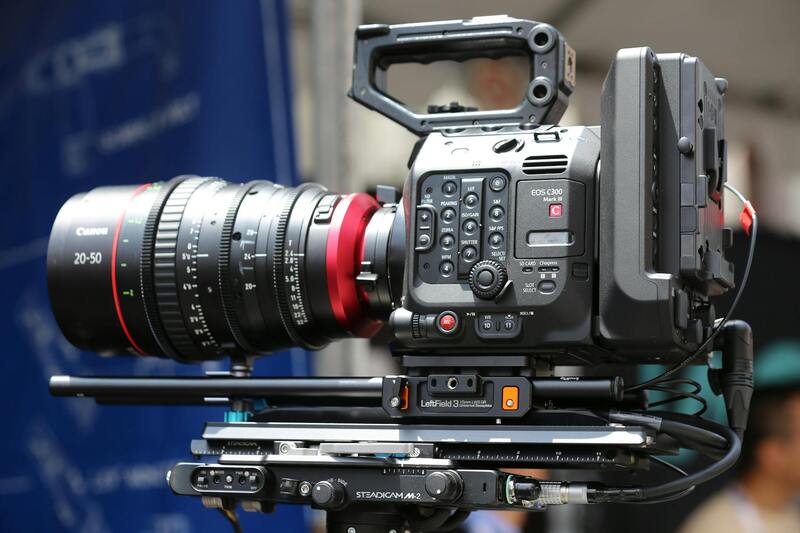
The comprehensive expense of producing a corporate video is divided into three primary phases: pre-production, production, and post-production. Each stage involves specific activities that incur costs.
- Pre-production: Concept development, scripting, storyboarding, location scouting, talent casting, and scheduling. These initial steps set the foundation for a successful shoot and often require significant planning efforts.
- Production: The actual filming process, involving equipment, crew, actors, and location fees. The duration of shooting and complexity of scenes directly influence this segment's expenses.
- Post-production: Editing, visual effects, voice-over work, music licensing, and color grading. This phase enhances the raw footage into a polished final product.
Additionally, other costs such as equipment rentals, permits, insurance, and contingency funds contribute to the overall corporate video cost. It is essential for organizations to account for these elements early in planning to avoid unforeseen expenses downstream.
Key Factors Affecting Corporate Video Pricing
Multiple variables impact the total cost of producing a corporate video. Recognizing these factors enables businesses to make informed decisions aligned with their objectives and budget constraints.
- Video Complexity: Higher complexity, such as animations or special effects, typically increases costs due to additional production time and specialized talent.
- Duration of the Final Video: Longer videos require more shooting days and editing hours, leading to higher expenses.
- Production Quality: Premium equipment, experienced crew members, and high-end locations all contribute to elevated costs.
- Location and Permits: Shooting in popular or hard-to-access locations may necessitate permits and additional logistics, increasing overall expenses.
- Talent and Voice-over Fees: Professional actors and voice-over artists with extensive experience tend to command higher rates.
Average Cost Range for Corporate Videos in Miami
In the Miami market, corporate video production costs can vary significantly based on scope and quality requirements. Typically, small-scale projects with minimal shooting days and basic editing range from $3,000 to $8,000. Mid-tier productions, involving more elaborate concepts and longer durations, often fall between $8,000 and $20,000. High-end corporate videos, especially those incorporating advanced animation, multiple locations, and actors, may exceed $20,000 and approach $50,000 or more.
Understanding these ranges helps organizations set realistic expectations and allocate appropriate budgets for their corporate communications efforts.
Key Factors Affecting Corporate Video Pricing
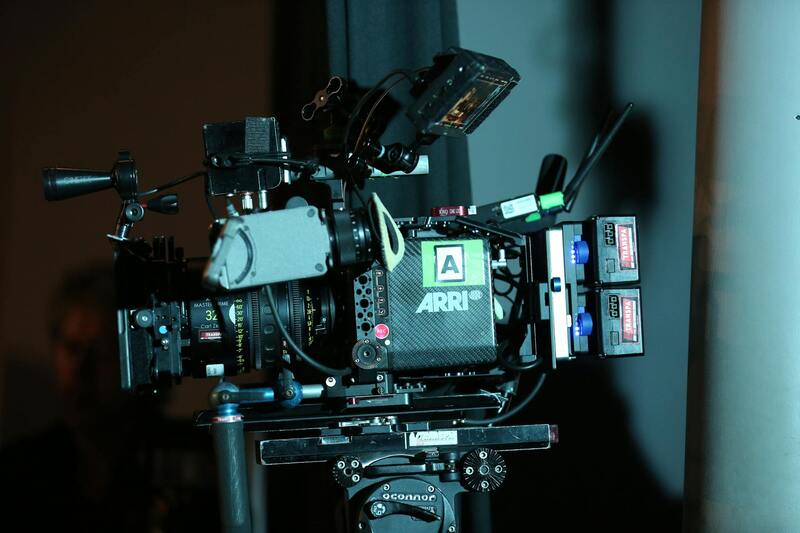
Understanding the primary elements that influence the total cost of a corporate video is essential for effective budgeting and project planning. These factors are integral in determining the scope and quality of the final product and help organizations make informed decisions aligned with their communication goals.
Video Length and Storytelling Scope
The duration of the video directly correlates with production costs. Short promotional clips, typically under two minutes, usually require less shooting time, minimal editing, and fewer locations. In contrast, comprehensive corporate documentaries or training videos spanning 15 minutes or more demand extensive filming schedules, multiple filming days, and a larger team of crew members. Additionally, a complex storytelling approach, which might include interviews, testimonials, and multiple scenes, increases editing complexity and overall expenses.
Production Complexity and Creative Style
The visual and narrative complexity of a project significantly impacts costs. For example, videos utilizing advanced animation, motion graphics, or special effects necessitate specialized talent and extended post-production processes. Similarly, a straightforward talking-head presentation requires fewer resources compared to a script with detailed visual effects. Style choices such as cinematic visuals, aerial drone footage, or 3D modeling tend to escalate costs due to the additional equipment and expertise required.
Quality and Technical Specifications
High production quality is achieved through premium camera equipment, professional lighting rigs, and high-fidelity sound recording. Hiring experienced cinematographers and sound engineers adds to the budget but results in a polished final product. When clients choose 4K resolution or higher, along with advanced color grading and editing, the overall costs are further amplified. The choice of post-production software and techniques also influences the final expenditure, especially when intricate editing and visual effects are involved.
Location and Shooting Conditions
Filming in bustling urban environments, iconic landmarks, or remote areas entails logistics and permit costs. Securing permits for shooting in certain locations involves administrative expenses and adherence to local regulations. The complexity of transportation, equipment setup, and logistical arrangements in hard-to-access sites can elevate costs. Additionally, weather conditions or the need for indoor sets or controlled environments can modify the scope and budget of production days.
Talent, Voice-over, and On-screen Personalities
The choice of talent influences costs through actors' and voice-over artists' rates. Established professionals with extensive experience or celebrity endorsements typically demand higher compensation. The number of on-screen talent and the complexity of their roles also impact the budget, especially if multiple shoot days are required or if casting involves talent outside the local area, necessitating travel and accommodation expenses.
Defining Corporate Video Costs
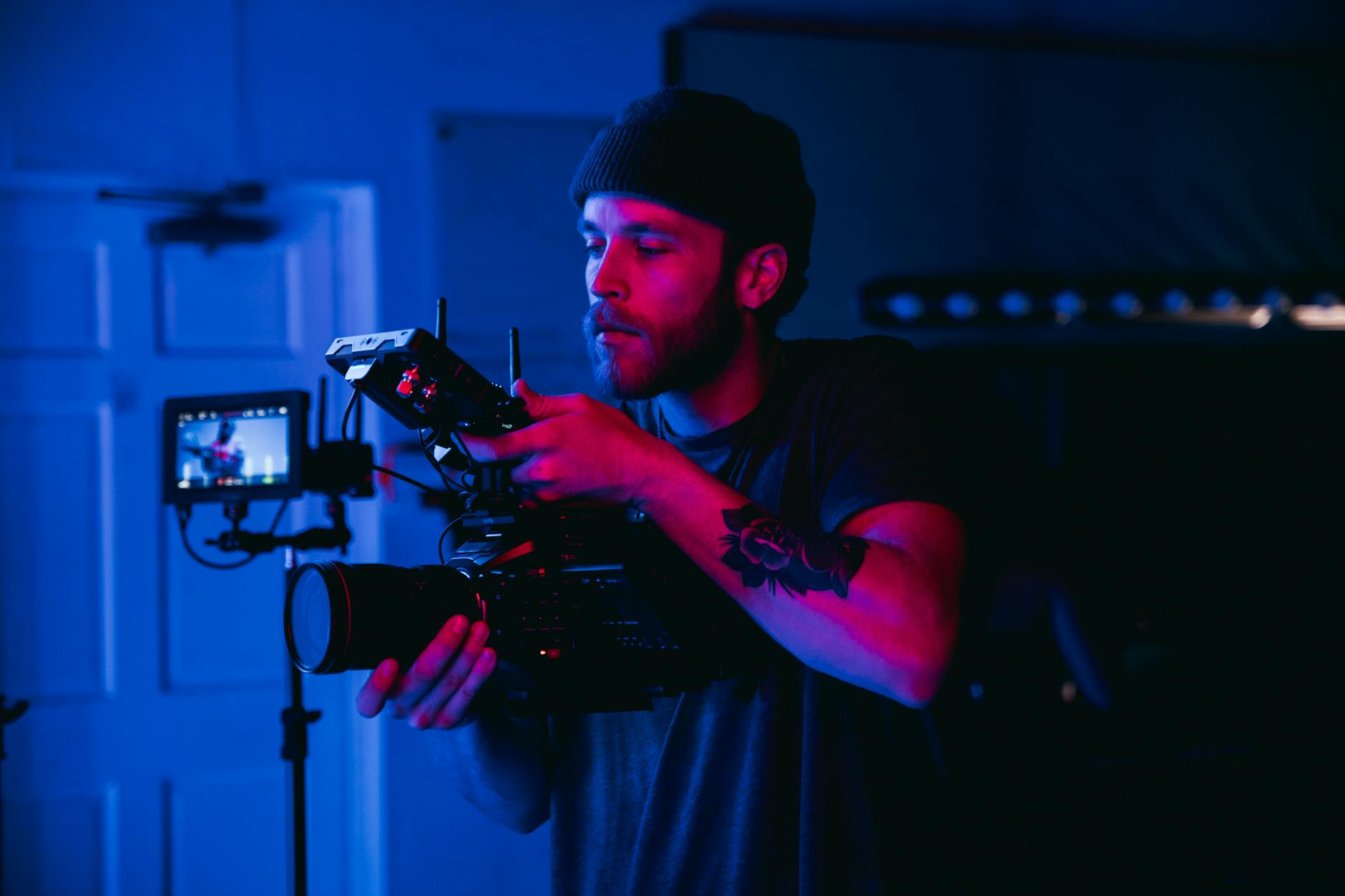
Understanding the comprehensive expenses involved in producing a corporate video is essential for organizations aiming to allocate their budget efficiently. Corporate video costs encompass a wide range of components, from initial planning stages to final post-production edits. The expenses are influenced by production quality, scope, and complexity, making transparency about each aspect vital when planning and engaging with production companies.

In terms of structure, the costs can generally be segmented into three major phases: pre-production, production, and post-production. Each phase incorporates different activities and resources that contribute to the overall expenditure.
Pre-Production Costs
- Concept Development and Scriptwriting: Crafting the story and messaging tailored to organizational goals
- Storyboarding and Planning: Visual planning to align scenes with the script
- Location Scouting and Permits: Identifying suitable sites and securing necessary permissions
- Talent Casting and Scheduling: Hiring actors, voice-over artists, or spokespeople and organizing shoot timelines
- Equipment and Set Design: Preparations required before filming begins, including set construction or dressing
Production Costs
- Filming Crew and Equipment: Cinematographers, sound technicians, lighting specialists, and camera rentals
- Location Fees and Permits: Expenses incurred for on-location shoots, especially in restricted or high-profile sites
- Talent Fees and Expenses: Payments for on-camera personalities and voice-over artists, including travel and accommodation if needed
- Production Gear and Supplies: Cameras, lighting, sound equipment, and special tools required for the shoot
Post-Production Costs
- Editing and Color Grading: Assembling footage, enhancing visuals, and final adjustments
- Visual Effects and Graphics: Adding animations, text overlays, or special effects to enrich the video
- Sound Design and Music: Incorporating background music, sound effects, and voice-over synchronization
- Final Rendering and Delivery: Exporting the video in suitable formats for various platforms and uses

Beyond these core components, additional costs such as contingency funds for unexpected issues, travel, and licensing fees may also influence the total expenditure. Therefore, a detailed and itemized budget plan enables organizations to anticipate expenses accurately and allocate funds efficiently for each phase of production.
Defining Corporate Video Costs
Understanding the total investment required for a corporate video involves dissecting various components that contribute to its overall cost. These components are categorized into pre-production, production, and post-production phases, each encompassing specific expenses vital to creating a polished and effective video. Pre-production costs include activities such as conceptual development, scriptwriting, storyboarding, location scouting, and securing necessary permits. These initial steps set the foundation for a smooth workflow and help prevent costly delays or revisions later on.
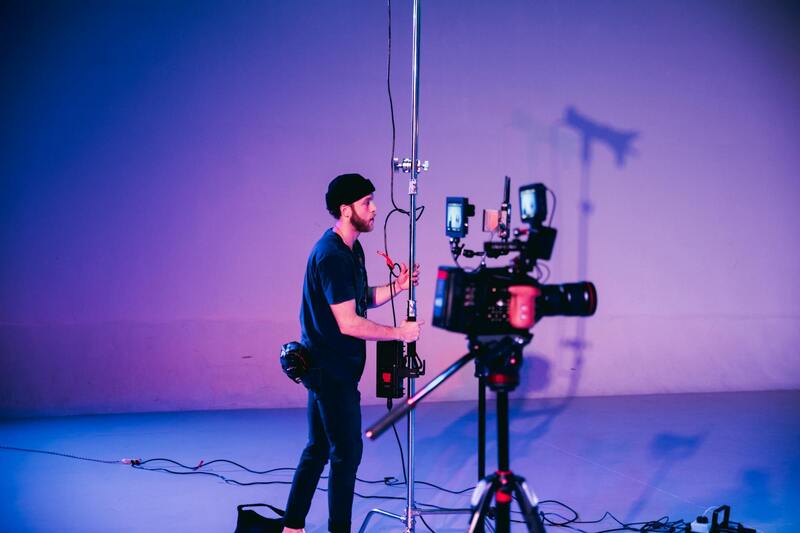
The production phase involves the actual filming, which requires on-site setup, talent management, and equipment rental. Post-production covers editing, visual effects, sound design, and final delivery, all of which influence the final quality and professionalism of the video. When calculating the corporate video cost, it is crucial to account for each of these stages to ensure a comprehensive budget that matches project goals and desired quality standards. Proper planning during the initial budget estimation fosters transparency and helps prevent unforeseen expenses from disrupting the project's timeline or scope.
Key Factors Affecting Corporate Video Pricing
Several critical elements determine how much a corporate video will cost. These include the complexity of the concept, the duration of the final video, the level of production quality required, and the technical specifications. The choice of talent also plays a significant role; hiring well-known spokespeople or voice-over artists typically involves higher fees. Additionally, the geographic location where filming takes place influences costs, especially if special permits or high-profile sites are involved.
- Video Length and Complexity: Longer and more intricate videos demand more resources and time, increasing expenses.
- Production Quality and Style: High-end visuals or cinematic effects require advanced equipment and skilled professionals, elevating the budget.
- Talent and Crew: The experience and fame of on-camera talent, along with crew expertise, significantly impact costs.
- Location and Permits: Urban settings, restricted areas, or scenic sites may incur additional fees for access and compliance.
- Post-production Requirements: Advanced editing, animation, and sound design escalate overall costs based on complexity and quality expectations.
Average Cost Range for Corporate Videos in Miami
In Miami, corporate video costs vary depending on the scope, quality, and production elements involved. For small-scale, straightforward videos, organizations can expect to spend approximately $3,000 to $7,000, focusing on minimal crew and basic editing. Mid-tier productions, which include professional scripting, multiple filming days, and enhanced post-production, generally fall within the $7,000 to $20,000 range. High-end projects—those requiring cinematic visuals, on-location shoots in high-profile sites, or celebrity talent—may exceed $20,000 and reach up to $50,000 or more. It is essential for companies to define their priorities and allocate resources accordingly to achieve the desired impact without exceeding their budget.
While these figures serve as general guidelines, actual expenses depend on specific project requirements, vendor pricing, and the level of customization desired. Engaging with experienced local Miami production companies can provide more precise estimates tailored to your organization's objectives, ensuring optimal value for your investment in corporate video content.
Cost Breakdown: Pre-production, Production, and Post-production
Understanding the distinct phases of corporate video creation is essential for accurate budgeting and project planning. These stages—pre-production, production, and post-production—each contribute significantly to the final cost and require varying levels of resources and expertise.
Pre-production
This initial phase involves conceptualization, scripting, storyboarding, location scouting, casting, and scheduling. Effective planning here ensures smooth subsequent stages and minimizes unforeseen expenses. The complexity of the script, the number of locations, and the talent involved directly influence pre-production costs. For example, a straightforward corporate overview may necessitate minimal planning, while a highly scripted promotional piece with multiple locations demands extensive coordination and planning resources.
Production
The filming process encompasses on-site recording, equipment setup, and managing the crew. Lighting, camera operations, and talent management are crucial components that impact costs. The scale of the shoot—whether it is a single-day shoot or multiple days across different locations—also plays a vital role. Usage of high-end equipment, drones, or specialty gear increases expenses, particularly if specialized skills or permits are required. Miami's diverse settings might entail location fees, which should be anticipated during budgeting.
Post-production
Post-production includes editing, color correction, visual effects, sound design, voiceovers, and integrating branding elements. The level of complexity here depends on the project's expectations for visual appeal and messaging clarity. Advanced editing techniques, CGI, animations, or custom music can add to costs, especially when working with high-caliber professionals. The turnaround time for editing can also influence expenses—urgent requests typically come with higher fees.
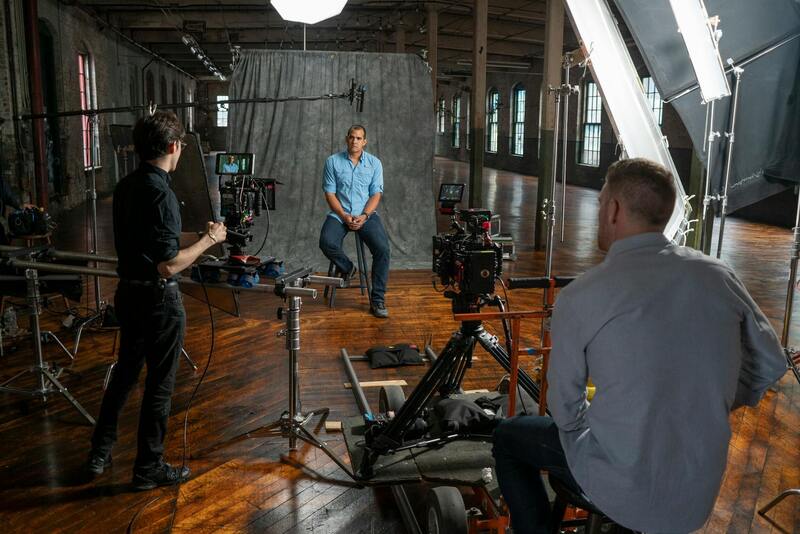
Having a detailed understanding of these phases allows organizations to allocate budgets more effectively and identify areas where cost optimization is possible without compromising quality. Collaborating with experienced production teams known for transparency ensures that each stage adheres to the project scope, manages timelines efficiently, and respects financial boundaries.
Additional Expenses and Hidden Costs
While estimating the core costs of producing a corporate video, organizations must also be vigilant about supplementary expenses that can influence the overall budget. These additional costs often arise unexpectedly and vary based on project specifics and locations. Understanding these potential charges helps in creating a comprehensive budget that minimizes surprises and ensures a smoother production process.
- Location Fees: Securing permits and paying for access to certain sites can significantly impact costs, especially in high-demand or protected areas. Each location may have its own fee structure, and delays in obtaining permits can add to project timelines and expenses.
- Talent and Crew Expenses: Hiring professional actors, voice-over artists, and specialized crew members such as drone pilots or stunt coordinators entails additional fees. Often, talent costs fluctuate depending on the shoot duration and usage rights.
- Licensing and Usage Rights: Acquiring music, stock footage, or proprietary graphics requires licensing fees. These expenses should be factored into the initial budget, especially if the content will be used broadly across multiple channels.
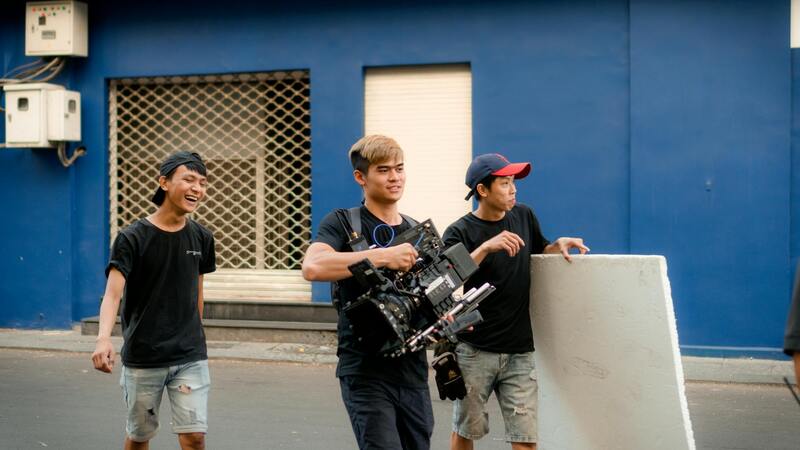
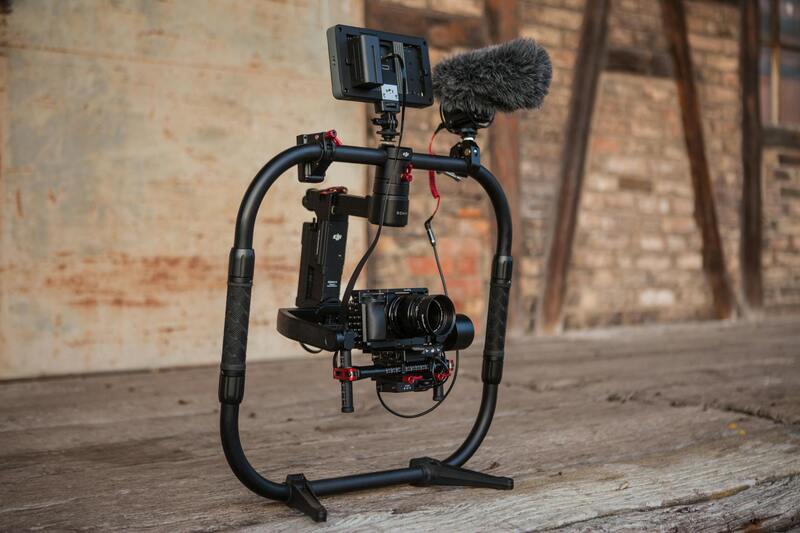
- Equipment Rentals and Specialty Gear: If advanced or specialized equipment such as aerial drones, 4K cameras, or rigs are necessary, rental costs can elevate the budget. Usage of such gear may also require special permits or trained operators, contributing further to expenses.
- Post-Production Extras: Custom animations, visual effects, or high-end sound design add tactile value but also incur additional charges. Rush edits or expedited delivery can escalate post-production costs.
- Unforeseen and Contingency Costs: Unexpected issues, such as weather delays or technical problems, can cause project extensions and additional hiring. Including a contingency fund—typically around 10-15% of the total budget—helps mitigate these unforeseen expenses.
Comprehensive Budget Planning for Miami Corporate Videos
Effective budget planning involves more than just estimating the primary costs. It requires a detailed approach that incorporates potential supplementary charges, aligns with project goals, and considers regional specifics. Collaborating with experienced production companies can provide transparency throughout the process, helping identify areas where costs can be optimized without sacrificing quality.
Mitigating hidden costs involves thorough research on permits, location expenses, and licensing requirements. It also benefits from creating a contingency fund, which offers financial flexibility to address surprises. Establishing clear communication channels with vendors and production teams ensures every aspect of the budget is understood upfront, reducing the risk of unforeseen financial burdens.
Finally, documenting every expense and having a dedicated project manager oversee the budget can help maintain financial discipline, track expenditures, and facilitate adjustments as needed. Allocating resources wisely and planning for potential surprises allows companies to achieve impactful corporate videos within their financial frameworks, maximizing return on investment.
Cost Breakdown: Pre-production, Production, and Post-production
Understanding the comprehensive breakdown of corporate video costs is essential for effective budgeting and ensuring high-quality outcomes. The overall expenditure typically comprises three core phases: pre-production, production, and post-production. Each phase involves specific tasks and associated costs that contribute significantly to the final price.
Pre-production Expenses
The pre-production stage lays the groundwork for a successful corporate video. It involves activities such as concept development, scripting, storyboarding, casting, location scouting, and logistics planning. This phase often incurs costs related to hiring creative professionals—including scriptwriters, storyboard artists, and casting agents—as well as securing permits and arranging necessary equipment or facilities. Depending on the project's complexity, costs can vary but generally constitute approximately 15-25% of the total video budget.
Production Costs
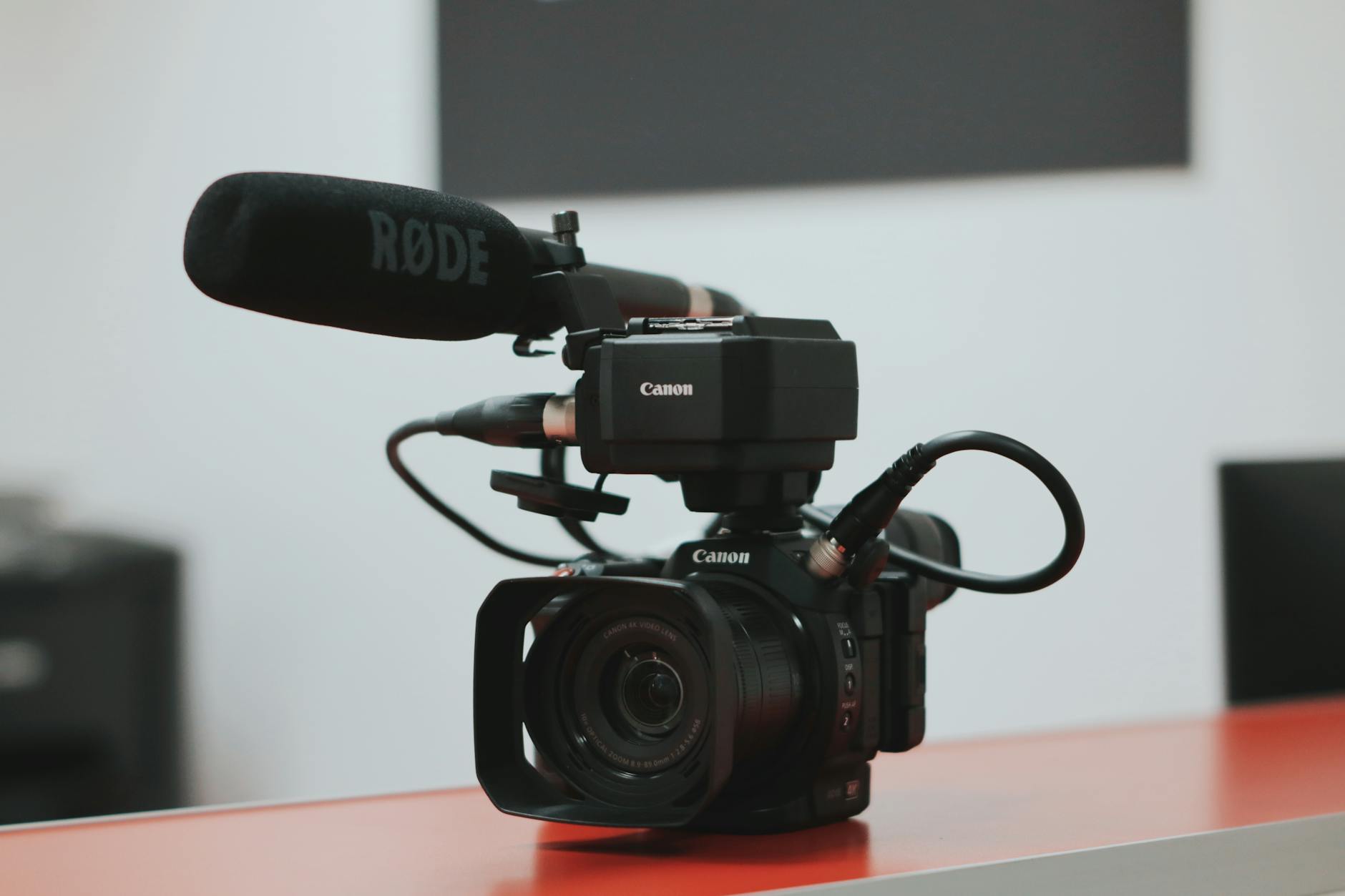
The production phase encompasses the actual filming process. This includes rental of video and lighting equipment, hiring crew members like camera operators, sound technicians, and directors, as well as on-location expenses such as permits and setup fees. Depending on the scale and scope, production costs may account for 40-50% of the overall budget. Factors influencing these costs include the duration of shooting days, number of locations, and the level of technical sophistication required.
Post-production Expenses
After filming concludes, post-production involves editing, visual effects, color grading, sound design, and final delivery formats. This phase is crucial for refining the raw footage into a polished product that aligns with your brand identity and communication objectives. Costs here vary based on editing complexity, special effects, animation, and the turnaround timeline, typically representing 25-35% of total costs.
Strategic Cost Management Tips
- Robust planning and clear communication help prevent scope creep, which can inflate costs unexpectedly.
- Utilizing standardized templates or reusable assets during pre-production can reduce creative overhead.
- Opting for efficient filming schedules and shared locations minimizes logistical expenses.
- Engaging experienced post-production specialists ensures the editing process stays within budget while maintaining quality.
Being aware of these phases and associated costs enables better forecasting and helps align the project scope with your financial resources. A transparent dialogue with your production partner about each stage's expenses supports achieving a balance between quality and budget efficiency, ultimately delivering value-driven corporate videos that effectively communicate your message to your target audience.
Maximizing Value with Your Video Budget
Effective management of your corporate video budget is essential to ensure that your investment yields the highest possible return. With strategic planning and careful resource allocation, businesses in Miami can optimize their video projects to deliver impactful communication without overspending. This involves making informed decisions about the scope, style, and production elements to best suit your objectives and financial parameters.
Adjusting Scope and Content
One of the most impactful ways to maximize your budget is to refine the scope of the project. Focus on core messaging and prioritize key scenes or messages that resonate most with your target audience. Limit lengthy or overly complex sequences unless they are critical for your communication goals. Breaking down the project into manageable phases allows you to distribute costs over time and evaluate the effectiveness of each stage before proceeding further.
Choosing a Suitable Style and Production Approach
The style of your corporate video significantly influences costs. For instance, live-action videos tend to be more expensive than animated productions due to equipment, locations, talent, and crew requirements. Exploring less elaborate styles, such as simplified animations or minimalist sets, can reduce expenses while maintaining professional appeal. Additionally, opting for stock footage, templates, or reusable assets can save costs without sacrificing quality.
Leveraging Local Resources and Expertise
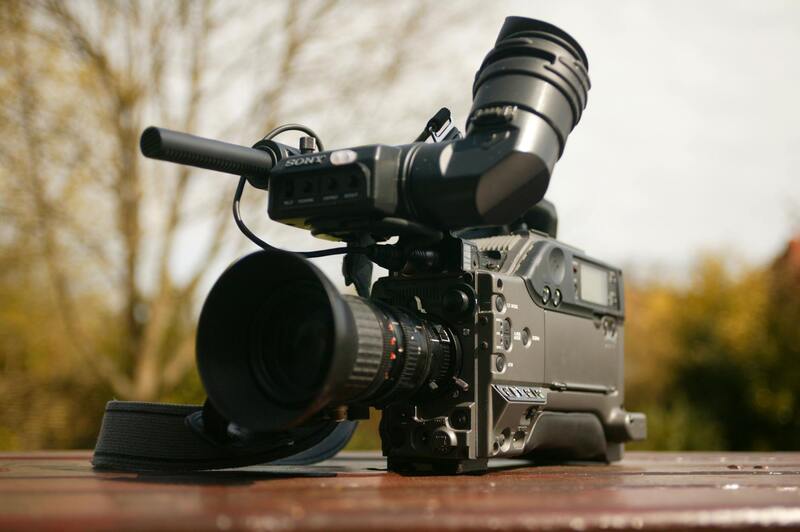
Partnering with local production companies familiar with Miami's unique landscape and vendor networks can offer both cost savings and logistical advantages. Local expertise facilitates smoother scheduling, access to suitable locations, and faster turnaround times. Additionally, experienced local crews bring a nuanced understanding of regional aesthetics and preferences, ensuring your video resonates well with your target audience.
Implementing Scalable Production Strategies
Instead of a single, large-scale production, consider dividing the project into smaller segments to spread costs over multiple phases. For example, producing a series of short clips instead of a single comprehensive video can be more manageable and cost-effective. This approach allows for iterative improvements based on feedback, ensuring each segment effectively contributes to your overarching communication goals.
Quality Over Quantity
Prioritize impactful content over excessive production elements. A concise, well-crafted message often resonates more effectively than a lengthy or overly elaborate video. Focusing on strong storytelling, clear visuals, and professional sound ensures your message is delivered with clarity and authority, maximizing the impact of every dollar spent.
Continuous Collaboration and Feedback
Engaging your production team early and maintaining open communication throughout the project lifecycle ensures alignment on expectations and minimizes costly revisions. Regular feedback sessions help catch potential issues early, reducing the need for significant rework in later stages. This collaborative approach enhances overall efficiency and ensures the final product meets your strategic objectives within your budget constraints.
By adopting these strategies, Miami-based companies can derive optimal value from their corporate video investments. Thoughtful planning, strategic style choices, leveraging local expertise, and fostering collaborative communication are key to producing high-quality videos that effectively engage your audience while respecting financial parameters.