Understanding the Role of a Corporate Video Producer
A corporate video producer plays a central role in creating engaging, professional-quality videos that effectively communicate a company's message. Their responsibilities extend beyond mere filming; they serve as project managers, creative directors, and technical experts, ensuring that each video aligns with brand objectives and reaches the target audience seamlessly. A skilled producer combines creative vision with logistical expertise, managing every phase of the production process from concept development through post-production editing.
The core of a corporate video producer’s skill set involves a profound understanding of visual storytelling, combined with the technical know-how of camera work, lighting, sound, and editing. They collaborate closely with marketing teams, corporate executives, and other stakeholders to capture the essence of a business’s values, products, or services. This collaboration helps craft compelling narratives that resonate with viewers and reinforce brand identity.
In Miami, a thriving hub for diverse industries and innovative enterprises, a corporate video producer must also possess localized knowledge. This includes familiarity with regional business trends, industry-specific language, and access to a network of trustworthy vendors and crew members. These talents allow the producer to streamline the production process, ensuring timely delivery of high-quality content that supports strategic marketing goals.
A professional corporate video producer brings a meticulous approach to planning, scriptwriting, casting, and location scouting. They also stay current with the latest technological advancements in video production, from 4K cameras to drone footage, to provide clients with modern and effective visual tools. Ultimately, their goal is to translate a company's vision into a captivating visual story that enhances brand recognition and boosts audience engagement.

Key Responsibilities of a Corporate Video Producer
The role of a corporate video producer encompasses a comprehensive suite of responsibilities that span the entire production lifecycle. Accurate planning and meticulous execution are essential to ensure that each step aligns with the strategic objectives of the client and adheres to industry standards for quality and professionalism.
During the pre-production phase, the producer collaborates with stakeholders to define the core message, develop a detailed script, and select appropriate visuals that support the narrative. They oversee casting decisions, securing talent that embodies the brand’s personality, and identify suitable locations that enhance the story’s authenticity. Budgeting and scheduling are also integral, requiring the producer to allocate resources efficiently while maintaining flexibility for unforeseen requirements.
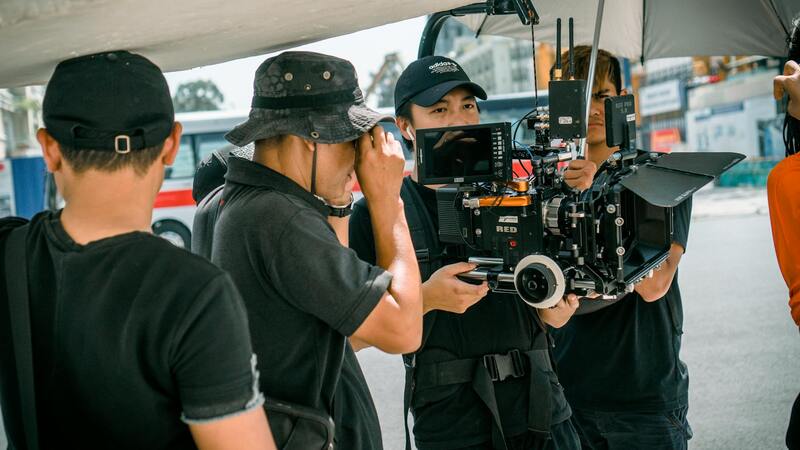
On set, the producer supervises the technical team, including camera operators, lighting technicians, and sound engineers, ensuring that the creative vision is faithfully realized. They manage the logistics to keep the production on schedule and within budget, resolving any issues with equipment, personnel, or other logistical challenges that might arise during shooting.

Post-production marks a critical phase, where the producer oversees editing, sound design, motion graphics, and color grading. They collaborate closely with editors to craft a cohesive narrative that reflects the intended message and visual style. During this phase, reviewing drafts with clients ensures the final product aligns with strategic branding and communication goals.
Beyond technical oversight, a corporate video producer also manages legal considerations such as securing rights for music, footage, and images, as well as ensuring compliance with copyright laws and industry standards. Maintaining open lines of communication with clients and internal teams throughout each stage fosters transparency, facilitates revisions, and ensures the final delivery meets expectations.
Once the video is finalized, the producer strategizes distribution channels appropriate for the target audience. They optimize file formats for different platforms, whether for web streaming, social media, or internal use, maximizing the video’s reach and impact. Monitoring initial performance metrics can also guide future content strategies, helping organizations refine messaging and presentation based on audience engagement.
Harnessing a diverse skill set that includes project management, creative vision, technical expertise, and legal awareness, a corporate video producer plays an indispensable role in creating high-caliber visual content. Their ability to oversee complex projects while maintaining a focus on quality and strategic communication directly influences the effectiveness of corporate messaging in competitive markets such as Miami.
Understanding the Role of a Corporate Video Producer
A corporate video producer holds a multifaceted position that combines creative vision, project management, technical expertise, and strategic communication. They serve as the driving force behind the entire production process, from conceptualization to final delivery, ensuring that each element aligns with organizational goals and branding standards. Their role is integral to translating corporate messages into compelling visual narratives that resonate with target audiences.
In the context of Miami's dynamic business environment, a corporate video producer must also possess a keen understanding of regional commercial trends, cultural nuances, and media preferences. This local knowledge enhances the relevance and effectiveness of the produced content, making it more impactful within the Miami market. By leveraging a wide network of skilled professionals—including cinematographers, editors, graphic designers, and sound engineers—the producer orchestrates collaboration to achieve high-quality results efficiently.
Beyond creative oversight, a corporate video producer is deeply engaged with logistical planning. This includes scouting locations, scheduling shoots, managing budgets, and coordinating with stakeholders to ensure smooth operations. They act as a liaison between clients, creative teams, and technical crews, maintaining a clear line of communication throughout all phases of production.

Furthermore, the producer assumes responsibility for legal considerations, such as securing necessary permissions for footage, music, and images, which is vital for avoiding future disputes. They ensure that all content complies with copyright laws and industry standards. This proactive approach safeguards the integrity of the project and reinforces the organization’s compliance protocols.
Key Responsibilities of a Corporate Video Producer
- Pre-production planning: Concept development, scriptwriting, storyboarding, and logistical arrangements
- Budget management: Estimating costs, allocating resources, and overseeing expenditures to stay within financial parameters
- Creative direction: Defining the visual style and tone that align with branding objectives
- Technical oversight: Supervision of filming equipment, lighting, sound, and post-production editing
- Stakeholder coordination: Facilitating communication among clients, creative teams, and vendors
- Legal compliance: Securing rights and permissions, ensuring adherence to copyright laws
- Distribution strategy: Optimizing content for various platforms and monitoring audience engagement metrics
This comprehensive skill set enables a corporate video producer to deliver videos that are not only visually engaging but also strategically aligned with organizational objectives, ensuring maximum impact in competitive markets like Miami.
Understanding the Role of a Corporate Video Producer
A corporate video producer plays a pivotal role in transforming a company's vision into compelling visual storytelling. They serve as the bridge between creative ideas and technical execution, ensuring that each aspect of the production aligns with strategic objectives. The producer manages every phase of the project, from initial concept development to final delivery, coordinating among various teams to ensure seamless execution.

This involves detailed planning sessions, establishing clear timelines, and selecting suitable locations, talent, and equipment. They also play a crucial role in maintaining the project's creative integrity while adhering to budget constraints and schedules. The expertise required extends beyond mere technical knowledge, encompassing strategic thinking to craft content that resonates with target audiences and effectively communicates the intended message.
Key Responsibilities of a Corporate Video Producer
- Pre-production Planning: Developing concepts, scriptwriting, storyboarding, and coordinating logistics to streamline the filming process.
- Budget Management: Estimating costs accurately, allocating resources wisely, and tracking expenditures to prevent budget overruns.
- Creative Direction: Determining the visual style, tone, and overall aesthetic to align with brand identity and campaign goals.
- Technical Oversight: Supervising the use of filming equipment, lighting setups, sound quality, and post-production processes.
- Stakeholder Coordination: Acting as the liaison between clients, creative teams, and vendors to ensure project expectations are met.
- Legal Compliance: Securing necessary rights for footage, music, and images, while ensuring all content complies with copyright regulations and industry standards.
- Distribution Strategy: Planning how the final videos will be optimized across various platforms and analyzing engagement metrics to measure success.
These responsibilities highlight the importance of a comprehensive skill set in a corporate video producer. Their expertise ensures the delivery of videos that are not only visually captivating but also strategically aligned with organizational goals, especially important in a competitive landscape like Miami.
Types of Corporate Videos Produced
Organizations require diverse video formats tailored to specific objectives. The most common types include:
- Brand Videos: Showcasing the company’s mission, values, and personality to build brand awareness.
- Training Videos: Providing employees with instructional content to foster skill development and compliance.
- Event Coverage: Documenting corporate functions, product launches, or conferences to extend reach and engagement.
- Testimonial Videos: Featuring client or employee stories that add authenticity and credibility to the brand messaging.

Each format requires tailored storytelling techniques and technical approaches to maximize impact. Selecting the right type of video is a strategic decision that enhances communication efforts and supports broader marketing initiatives.
Legal and Contract Considerations
Engaging a professional corporate video producer in Miami involves careful agreements that outline the scope, deliverables, timelines, and responsibilities of each party. Clear contractual terms protect both the organization and the producer, ensuring that expectations are aligned from the outset. An comprehensive contract should specify usage rights, deadlines, revision policies, confidentiality clauses, and payment schedules.
When negotiating terms, it is crucial to establish definitive rights regarding the final footage, graphics, music, and other assets used within the video. This helps prevent potential disputes over content ownership and distribution rights in the future. Additionally, including clauses related to confidentiality and non-disclosure can safeguard sensitive organizational information and proprietary data.
An experienced corporate video producer will often provide a detailed proposal or statement of work, which complements the contract by describing specific project milestones, review processes, and acceptance criteria. Establishing a structured review process allows organizations to provide feedback and request adjustments early in the production cycle, minimizing delays and ensuring the final output meets strategic objectives.
It is also beneficial to discuss copyright protection, licensing, and usage rights explicitly within the contract. Whether the organization intends to use the video across multiple platforms or for internal training exclusively, these details influence licensing terms and potential resale or syndication rights. Proper legal groundwork facilitates smoother distribution and maximizes the investment into the video content.
Maintaining open communication when finalizing legal and contractual arrangements fosters a professional relationship conducive to a successful project delivery. It ensures that all parties have a shared understanding of project scope and contractual obligations, resulting in a streamlined production process that upholds quality standards and organizational goals.
Understanding the Role of a Corporate Video Producer
A corporate video producer plays a vital role in transforming a company's communication objectives into compelling visual content. They oversee all phases of video creation, from concept development and scriptwriting to filming, editing, and final delivery. Their expertise ensures that each project aligns with the company's branding, messaging, and strategic goals, utilizing their understanding of industry standards and visual storytelling techniques to produce high-quality videos.
Core Competencies of a Corporate Video Producer
- Strategic Planning: Analyzing organizational needs and determining the most effective video approach.
- Creative Development: Crafting ideas, scripts, and storyboards that resonate with target audiences.
- Technical Expertise: Managing filming equipment, lighting, sound, and post-production editing.
- Project Management: Coordinating timelines, budgets, and resources to meet project milestones.
- Client Liaison: Acting as the primary point of contact between the organization and production team, ensuring clear communication.
Importance of a Professional Corporate Video Producer
Hiring a seasoned corporate video producer ensures that your video content upholds industry standards and effectively communicates your message. They bring creative insights, technical proficiency, and project management skills to deliver a polished final product. Moreover, they understand the nuances of corporate branding and audience engagement, making sure each video aligns with your company's voice and vision.
Key Responsibilities of a Corporate Video Producer
The responsibilities extend beyond mere filming. They encompass comprehensive project oversight to ensure seamless execution from start to finish.
Pre-Production Planning
- Understanding client objectives and target audience.
- Developing conceptual ideas and scripts that convey core messages.
- Assembling a skilled production team, including cinematographers, editors, and voice-over artists.
- Scheduling filming dates and securing necessary permits or locations.
Production Management
- Overseeing on-site shooting to ensure adherence to creative vision and technical standards.
- Managing logistics, equipment setup, and talent coordination.
- Problem-solving unforeseen issues during filming to avoid project delays.
Post-Production Oversight
- Supervising editing, visual effects, sound design, and color grading.
- Implementing client feedback during review stages.
- Delivering the final version in requested formats suitable for various distribution channels.
Choosing the Right Corporate Video Producer in Miami
Miami’s vibrant business environment demands a corporate video producer who not only understands local market dynamics but also possesses the creative agility to craft videos that resonate. When selecting a provider, organizations should evaluate their portfolios for style consistency, project scope, and overall quality. A producer with experience across various industries can adapt messaging to target specific audiences effectively.
Furthermore, prospective clients should consider the producer’s technical capabilities, such as equipment quality and post-production facilities, alongside their reputation for professionalism and reliability. Open communication and transparent quoting are pivotal, enabling organizations to plan budgets accurately and establish expectations upfront.
Types of Corporate Videos Produced
The scope of corporate videos is broad, designed to serve different strategic purposes:
- Brand Awareness Videos: Highlight company values, culture, and differentiation points to increase recognition and trust.
- Training and Internal Communications: Facilitate employee onboarding and ongoing education through engaging walkthroughs and tutorials.
- Product Demos: Showcase features and benefits in a manner that appeals to potential customers.
- Event Coverage: Record conferences, seminars, and corporate events for promotional and archival use.
- Testimonials and Case Studies: Build credibility by featuring satisfied clients and successful project outcomes.
Cost Factors and Budgeting for Corporate Videos
Determining the budget for a corporate video involves several variables, each influencing overall costs:
- Video Complexity: The intricacy of concepts, special effects, and animations.
- Duration: Longer videos typically demand more filming and editing time.
- Location Scope: On-location shoots versus studio recordings can affect transportation, permits, and setup costs.
- Talent and Voice-Over: Hiring actors, presenters, or voice talent adds to expenses.
- Post-Production: Advanced editing, visual effects, and sound design increase the final investment.
Creating a detailed project plan and obtaining multiple quotes from experienced providers ensures that budgeting aligns with organizational expectations while maintaining quality standards. A clear understanding of these factors facilitates resource allocation and project planning, leading to effective use of marketing budgets and maximizing return on investment.
Legal and Contract Considerations
When engaging with a corporate video producer in Miami, understanding the essential legal and contractual elements is crucial for safeguarding your organization's interests and ensuring the smooth progression of the project. Clear contractual agreements serve as the foundation of a successful production partnership, setting expectations, responsibilities, and rights for all parties involved.
Licensing and Usage Rights
Every piece of footage, music, or visual element incorporated into the video may have specific licensing requirements. Establishing rights for usage, distribution, and display ensures that your organization holds appropriate permissions to utilize the content across various platforms. An explicit clause detailing these rights helps prevent future legal complications and clarifies the scope of permitted uses.
Footage and Content Ownership
The contract should specify who retains ownership of the raw footage, edited video, and auxiliary materials. Typically, organizations prefer to hold complete rights post-production to repurpose content without restrictions. Clarifying ownership upfront avoids misunderstandings and provides a clear pathway for future modifications or distributions.
Confidentiality and Non-Disclosure Agreements
Many corporate projects involve sensitive information, proprietary data, or strategic initiatives. Incorporating confidentiality clauses ensures that all parties handle sensitive information responsibly. NDAs also protect your organization from inadvertent disclosures that could compromise competitive advantages or breach client confidentiality.
Permits and Location-Specific Legalities
In Miami, filming on location might require permits and adherence to local regulations. The contract should outline who is responsible for obtaining necessary permits and ensure compliance with city ordinances. This proactive approach mitigates delays and legal issues during production.
Payment Terms and Deliverables
Well-defined payment schedules tied to specific milestones or deliverables help maintain transparency. The contract should specify the total cost, deposit requirements, revision policies, and final delivery timelines. Including provisions for additional costs or scope changes prevents budget overruns and ensures mutual understanding.
Legal Dispute Resolution
Establishing a mechanism for resolving disputes—such as arbitration or mediation—facilitates efficient conflict management. Clarify jurisdictional considerations, particularly when working within Miami's legal framework, to ensure that any disagreements are resolved smoothly and promptly.

Legal and Contractual Considerations for Corporate Video Production
Establishing clear legal and contractual parameters is essential when engaging a corporate video producer to ensure a smooth production process and protect the interests of all parties involved. A comprehensive contract serves as the blueprint for the entire project, outlining the scope, timeline, deliverables, and responsibilities, thereby minimizing misunderstandings and facilitating efficient workflow.
Defining Scope and Deliverables
The contract should explicitly specify the scope of the project, detailing the types of videos to be produced, expected length, style, and key messaging points. Clear deliverables, including drafts, revisions, and final versions, must be outlined with corresponding timelines. This prevents scope creep and sets accurate expectations from the outset.
Payment Structures and Schedule
Effective budgeting hinges on a well-structured payment plan. Typical arrangements include upfront deposits, milestone payments, and final payments upon delivery. Such strategies encourage timely progress and ensure that financial commitments are aligned with project phases. Additionally, clear clauses should address extra costs that could arise from scope modifications or unforeseen challenges.

Permits and Location Compliance
When filming on location within Miami, it is crucial to secure the necessary permits in advance. The contract should delineate who is responsible for obtaining permits and ensuring adherence to local regulations. Addressing these legalities upfront minimizes disruptions and legal complications during production.
Intellectual Property and Usage Rights
Ownership of the final video and its components—such as footage, music, and graphics—must be clearly negotiated and documented. The agreement should specify how the client can use the video across various channels, including digital, print, and broadcast, ensuring rights are appropriately allocated and conflicts are avoided.
Confidentiality and Data Security
Many corporate videos involve sensitive corporate information. Incorporating confidentiality clauses and non-disclosure agreements (NDAs) safeguards proprietary data and strategic insights, preventing unauthorized disclosures. It also assures the producer that sensitive content remains secure throughout and after the project concludes.
Dispute Resolution and Jurisdiction
Even with meticulous planning, disputes may occasionally arise. Including a dispute resolution clause—such as mediation or arbitration—provides a structured approach to resolving issues efficiently. Specifying jurisdiction within Miami ensures clarity on legal proceedings should disagreements persist.
Final Approval and Delivery Terms
The contract should detail the process for review, revisions, and final approval. Clear delivery timelines and formats are essential for efficient distribution and deployment. Establishing these parameters beforehand guarantees that the final product meets expectations and is published without unnecessary delays.