Factors Influencing Corporate Video Production Costs
Understanding the various elements that influence the cost of corporate video production is essential for businesses aiming to plan their budgets effectively. Several core factors contribute to the overall expenditure, each playing a significant role in shaping the final price. By assessing these key elements, companies can make informed decisions that align with their marketing objectives and financial parameters.
One of the primary considerations is the video length. Longer videos naturally require more time for filming, editing, and post-production, which translates into higher costs. A concise 2-minute promotional clip might incur significantly less expenses compared to a comprehensive 20-minute training video, as the latter demands additional resources for scripting, shooting, and refinement.
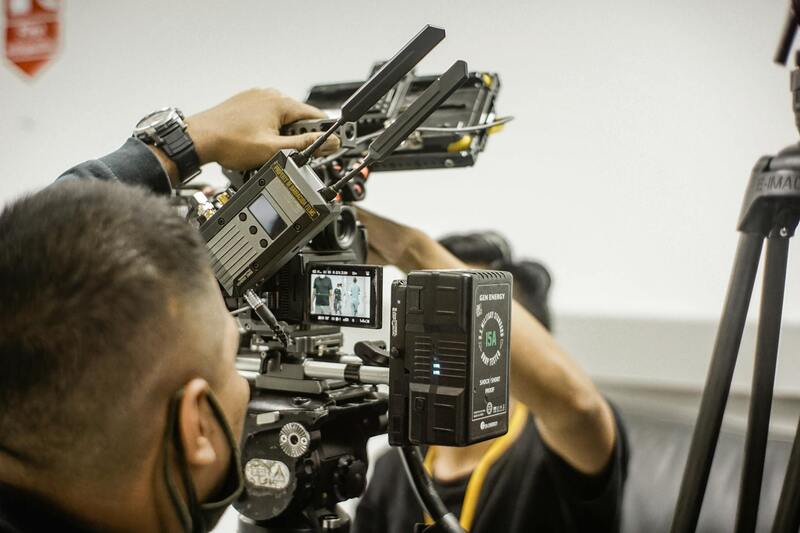
The complexity of the production also profoundly impacts costs. Videos featuring intricate animations, special effects, multiple locations, or elaborate sets involve advanced technical expertise and equipment, which escalate expenses. Conversely, straightforward interview-style videos or basic product demos are generally less complex and more affordable.
Another vital consideration is the desired production quality. High-end visuals with professional lighting, sound design, and post-production effects demand skilled personnel and quality equipment, increasing the budget. On the other hand, producing videos with a more casual or raw aesthetic may reduce costs but could also impact visual effectiveness and perception.
Beyond these core aspects, additional elements such as scripting, talent fees, location permits, and equipment rentals contribute to the overall expense. The level of customization, client revisions, and the use of special techniques further influence pricing. Therefore, each project must be evaluated on its unique requirements to determine an accurate projection of costs.
In the context of Miami, markets with vibrant industries and diverse filming locations, understanding these factors allows businesses to optimize their video investments. Tailoring production plans to specific needs while considering budget constraints ensures a strategic approach to corporate video creation, enabling companies to communicate their message compellingly without exceeding financial limits.
Breakdown of Production Expenses
Understanding the detailed components that constitute the total cost of a corporate video production is essential for accurate budgeting and planning. Key expense categories typically include pre-production, production, and post-production, each with associated costs that vary depending on the complexity and scope of the project.
Pre-production encompasses activities such as conceptualization, scripting, storyboarding, location scouting, and securing permits or clearances. Effective planning during this phase can help reduce unforeseen expenses and align the project with budget constraints. Costs here may involve professional services for scripting and creative direction, as well as administrative expenses related to location arrangements.

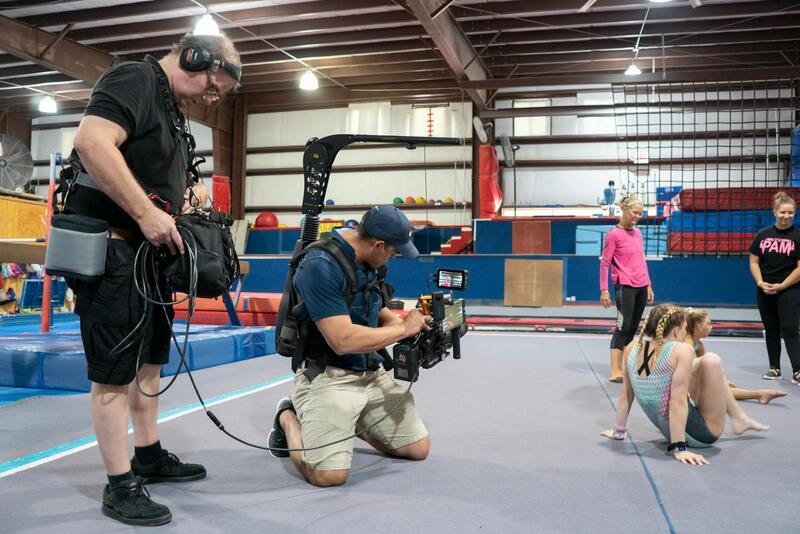
The production phase involves actual filming, including equipment rental, crew wages, talent fees, set design, lighting, and sound. Location fees or permits, especially in popular Miami areas, can significantly impact the budget if multiple sites are involved. High-quality cameras, drones, and steadicams also contribute to higher expenses but provide enhanced visual quality.
Post-production is equally vital, involving editing, color grading, visual effects, sound design, and final mastering. Advanced editing software and professional editors are crucial for delivering polished results that meet brand standards. Depending on the project’s complexity, additional costs might include voiceovers, animations, or subtitles, each adding value but also impacting the overall cost.
Other expenses to consider are talent fees, which can vary with actor experience or spokesperson prominence, and equipment rentals for specialized gear like 4K cameras or green screens. Moreover, revisions requested by clients after initial edits can extend project timelines and inflate costs, especially if multiple iterations are involved.
Cost Variables Based on Video Type
- Basic corporate overview: Typically ranges from $3,000 to $7,000. Features minimal filming in a single location, straightforward editing, and minimal special effects.
- Product demonstrations or explainer videos: Usually between $7,000 and $15,000, involving scripted content, multiple scenes, and some animation or graphics.
- High-end corporate branding videos: Can exceed $20,000, with extensive planning, multiple filming locations, professional talent, advanced visual effects, and high production values.
Strategies to Manage and Control Expenses
Effective management of production costs involves several strategic choices. Opting for streamlined scripts and shorter durations can reduce shooting and editing times. Utilizing existing locations or those with minimal permit requirements can cut costs associated with permits and on-site logistics.
Collaborating with local talents and crew members familiar with Miami’s vibrant film scene can also lead to cost efficiencies without compromising quality. Additionally, selecting an agency that offers comprehensive packages or flexible service options allows for better control over expenditure.
Investing in detailed project briefs and clear communication early in the process minimizes revisions, saving both time and money. By prioritizing essential elements and being open to scalable solutions, Miami-based companies can achieve impactful video content within their budgets.
Breakdown of Production Expenses
Understanding the individual components that contribute to the overall corporate video production cost is essential for effective budgeting and decision-making. Each phase of production—pre-production, filming, post-production, and additional services—incurs specific costs that can vary depending on the project's scope and complexity.
Pre-Production Costs
Pre-production encompasses the planning stages necessary to set the foundation for a successful shoot. This includes script development, storyboarding, location scouting, casting, and equipment preparation. Engaging professional writers and storyboard artists is crucial for aligning the creative vision with practical execution, which may involve consultation fees. Location permits, set design, and logistical planning also fall under this phase. Streamlining pre-production, such as using existing locations and minimizing custom set builds, can substantially reduce expenses.
Filming Expenses
This phase accounts for the bulk of production costs and involves actual on-site filming. Key cost elements include crew wages (director, camera operators, lighting specialists), talent fees, equipment rentals, and logistical support. Filming in multiple locations, especially if they require permits or transportation, increases costs but may be necessary for storytelling. Extra take recordings for quality assurance also add to the bill. Efficient scheduling and utilizing locations with existing infrastructure can help control expenditures during this stage.
Post-Production Costs
Post-production covers editing, sound design, color grading, and visual effects. Skilled editors and graphic artists are essential for delivering a polished final product, and their fees can vary based on video length and complexity. Incorporating animations, motion graphics, or special effects elevates production value but significantly impacts the cost. Moreover, licensing or purchasing music, as well as voice-over services, contribute to the overall expenses. Early planning of post-production needs ensures timelines stay on track and budgets are maintained.
Additional Services and Enhancements
Additional expenditures may include drone footage, 3D animations, multilingual subtitles, or branded intros. These enhancements can be vital for aligning the video with brand standards and target audiences but should be balanced against the intended return on investment. Engaging specialized talent or advanced software for these features often entails higher costs. Budget allocations need to account for these flexible elements to ensure content quality without unnecessary overspending.
Understanding Cost Variables Based on Video Type
Different categories of corporate videos inherently carry distinct production cost considerations, primarily due to variations in scope, complexity, and resource requirements. Promotional videos, designed to showcase products or services while capturing the attention of prospective clients, often demand high-quality visuals, dynamic editing, and sometimes, extensive location shoots. These elements increase production expenses, especially when employing advanced techniques like motion graphics, drone footage, or celebrity appearances.
Training videos emphasize clarity, consistency, and effective communication, which might reduce certain costs such as elaborate visual effects but can incur high expenses related to script development, on-site filming, and animation segments designed to enhance understanding. The need for multiple takes to ensure instructional accuracy also adds to the timeline and overall budget.
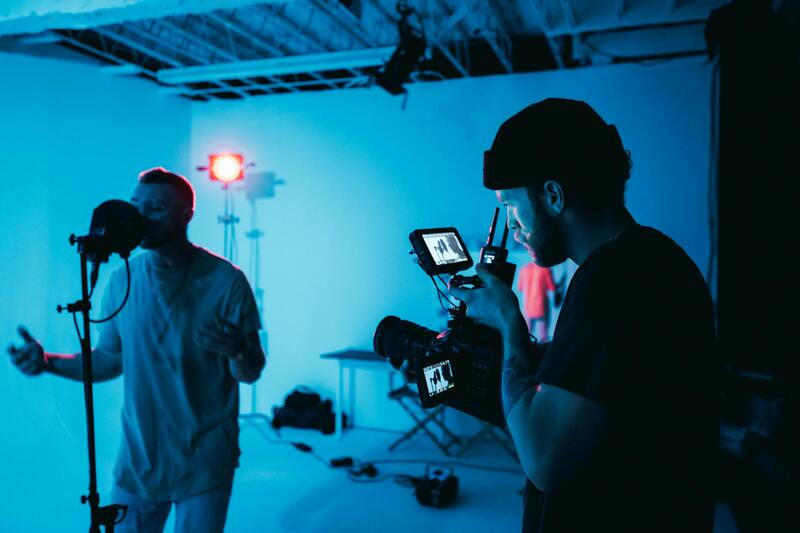
Testimonial videos, focusing on authentic customer or employee stories, typically require fewer locations and less post-production complexity, potentially lowering costs. However, to achieve an engaging narrative, professional lighting, high-quality audio, and compelling editing are crucial—all of which incur specific expenses. Moreover, coordinating interviews with clients or staff may involve scheduling and logistical arrangements that impact overall costs.
Ultimately, assessing the specific needs of each project allows businesses to allocate budget strategically. For instance, an internal training video may prioritize clarity and informational value, while a product launch video might emphasize visual spectacle and high-end effects. Recognizing these distinctions helps in setting realistic expectations and ensures the investment aligns with the intended outcomes.
Evaluating Cost Variables Based on Video Type
The type of corporate video significantly influences production costs, as each serves specific communication goals and demands varying levels of complexity. For instance, promotional videos aimed at showcasing products or services typically require high-quality visuals, dynamic editing, and engaging storytelling, which can escalate expenses. High-end animations, special effects, and professional voiceovers are often incorporated to maximize impact, leading to increased budget allocations.
In contrast, internal communication videos such as employee onboarding or training modules emphasize clarity, consistency, and concise messaging. While they might seem less elaborate, these productions can incur substantial costs related to script development, detailed planning, and on-site filming. Multiple takes and revisions are often necessary to ensure instructional accuracy and effectiveness, which extends the production timeline and influences overall expenses.
Testimonial videos are usually more straightforward, often featuring interviews or customer stories that require fewer locations and simpler post-production. However, maintaining high production quality with professional lighting, sound, and editing remains vital to create credible and compelling content. Coordinating interviews with stakeholders adds logistical complexity, affecting scheduling and costs.
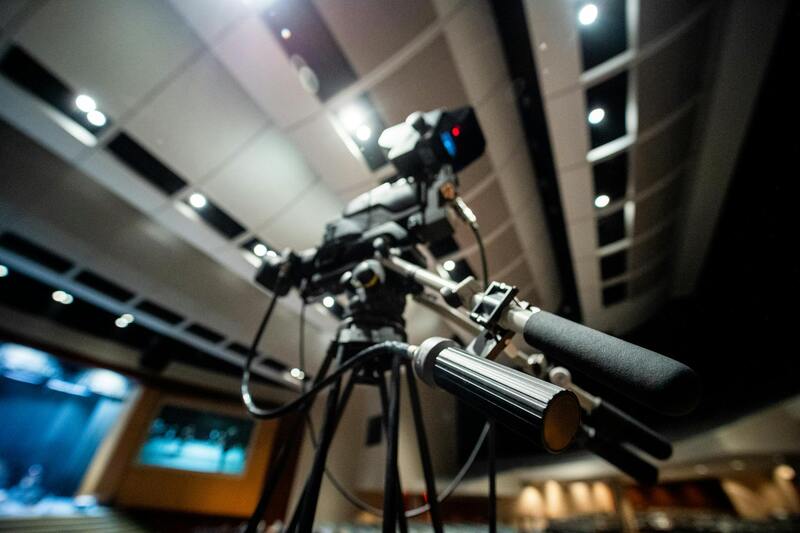
Furthermore, the scope and purpose of the video project dictate specific technical and creative requirements, which directly influence the budget. High-production-value videos such as product launches or brand films may incorporate advanced visual effects, aerial drone footage, or celebrity appearances, leading to higher costs. Conversely, simple explainer videos with straightforward animations or live-action segments tend to be more budget-friendly but still necessitate meticulous planning and quality execution.
By carefully analyzing the unique objectives and content needs of each project, businesses can better allocate resources. Strategic planning ensures the selected format aligns with expected outcomes while maintaining financial efficiency. Proper assessment of these factors allows companies to balance quality with budget considerations, ultimately delivering impactful videos within their financial means.
Cost Variables Based on Video Type
The type of corporate video significantly influences the overall production cost. Different formats demand varying levels of complexity, technical requirements, and creative resources. For instance, a simple testimonial video, often filmed at a single location with minimal scripting, tends to be more cost-effective. It generally involves fewer crew members, simpler equipment, and limited post-production work. In contrast, high-end promotional videos or product launch films often incorporate advanced filming techniques, multiple locations, specialized equipment, and extensive post-production effects, leading to higher costs.

Animated explainer videos, for example, can vary widely in price based on the complexity of the animations and voiceover requirements. Live-action corporate videos featuring drone footage or 3D graphics also tend to be more expensive due to equipment costs and post-production time. Each video type's specific needs must be meticulously scoped out to align production efforts with budget constraints, ensuring that the final product effectively communicates the intended message without unnecessary expenditure.
Equipment and Technology Requirements
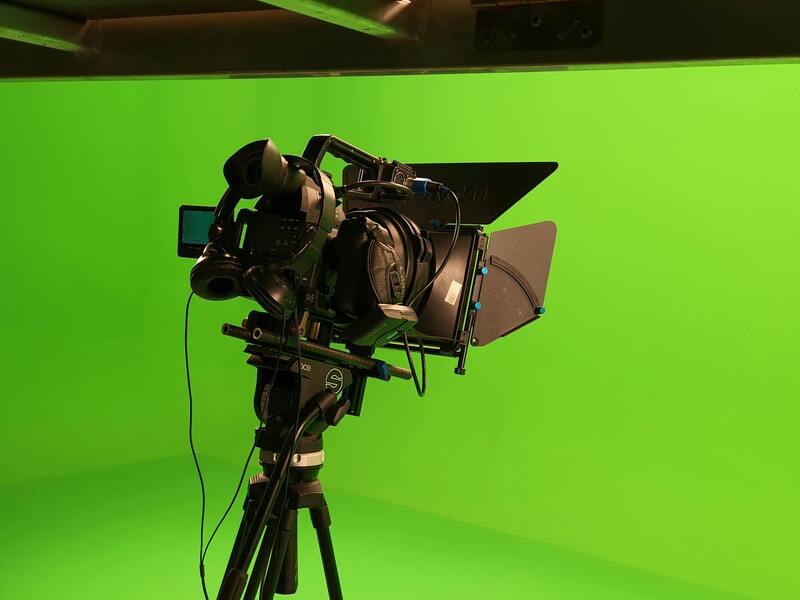
Advanced video projects often necessitate the use of specialized equipment, such as high-definition cameras, steadicams, drones, or green screen setups. The deployment of such technology not only adds to the rental and operation costs but also requires skilled operators. For projects needing visual effects or motion graphics, experienced post-production editors and artists are essential, further influencing the budget. To optimize spending, selecting the appropriate technology for each project and balancing technical excellence with financial limits is critical. Miami-based production companies often have access to cutting-edge equipment and skilled personnel, which can help deliver high-quality content within specified budgets.
Project Scope and Creative Requirements
The complexity of the project's creative elements, such as scripting, storyboarding, talent casting, and set design, directly affects costs. Large-scale productions with multiple actors, elaborate sets, or complex choreography require more extensive planning and higher resource allocation. Conversely, straightforward videos with minimal narration and simple visuals are less costly but still demand professional execution to maintain quality standards. Detailed planning and clear communication regarding creative expectations help in establishing realistic budgets, preventing unforeseen expenses during production.
Post-Production Demands
Post-production processes, including editing, color grading, sound design, and visual effects, significantly impact overall costs. Complex editing workflows that involve motion graphics, titling, or CGI can extend project timelines and increase expenditures. The choice of music licensing, voice-over artists, and other supplemental elements also contributes to the final budget. Ensuring that post-production requirements are well-defined at the outset allows for efficient resource allocation, resulting in polished, professional videos that meet strategic objectives without exceeding financial plans.
Factors Influencing Production Costs
Several key factors determine the overall expense of corporate video production in Miami. Understanding these variables helps businesses plan budgets accurately and select suitable production partners that align with their financial expectations. The complexity of the concept, scope, and scale of the project are primary contributors to cost variations.
Location-specific factors also play a role. Miami’s vibrant industry hub offers access to a wide range of experienced professionals, from directors and cinematographers to post-production specialists. However, high demand for these skilled personnel can influence rates, especially during peak production seasons.
Another significant aspect is the technology and equipment used. Modern cameras, lighting, and sound equipment contribute to the quality of the final product but come with associated rental or purchase costs. Additionally, advanced techniques like drone shots, 3D animations, or CGI introduce further expenses, depending on their complexity and duration.

Talent costs are also a major consideration. The choice between hiring professional actors, voice-over artists, or using internal personnel impacts the budget. Miami's talent pool offers diverse options, but premium talent demands higher fees. Location permits, permits, and logistical considerations related to shooting permits, especially in city centers or private spaces, can add to expenses as well.
Additional factors such as the length of the final video, the intended distribution channels, and the level of post-production editing influence overall costs. Each of these aspects can be scaled to match different budget scopes, emphasizing the importance of detailed planning and explicit communication about expectations from the onset.
Typical Budget Ranges for Corporate Videos
The financial investment in corporate videos varies widely depending on the project’s complexity, length, and production quality. Small-scale videos, such as testimonial clips or straightforward product overviews, can typically be produced within a range of $3,000 to $10,000. These projects often involve minimal scripting, simple visuals, and basic editing processes.
Mid-tier productions, involving professionally scripted content, scripted narration, multiple locations, and more advanced editing, tend to fall between $10,000 and $50,000. These projects might include some motion graphics, branded visual elements, and higher production values to effectively communicate company messages.
High-end corporate videos, such as brand documentaries, immersive event coverage, or multi-day shoots with extensive post-production work, often exceed $50,000. The cost here accounts for premium talent, elaborate sets, specialized equipment, and detailed visual effects. Large-scale projects also include comprehensive pre-visualization, multi-camera setups, and extensive post-production workflows.

Breakdown of Production Expenses
A detailed breakdown of costs reveals the major areas where funds are allocated during corporate video creation:
- Pre-production: Planning, scripting, storyboarding, location scouting, permits, and talent casting. This phase lays the foundation for the entire project and generally accounts for 10-20% of the total budget.
- Production: Filming days, crew salaries, equipment rental, set design, costumes, and talent fees. Production typically consumes around 40-50% of the budget, depending on shoot duration and complexity.
- Post-production: Editing, color correction, sound design, visual effects, and music licensing. Post-production usually comprises 30-40% of total costs, especially when advanced effects or animations are involved.
- Additional expenses: Administrative costs, insurance, transportation, catering, and contingency funds for unforeseen expenses. These minor but important items can collectively add 5-10% to the overall expenses.
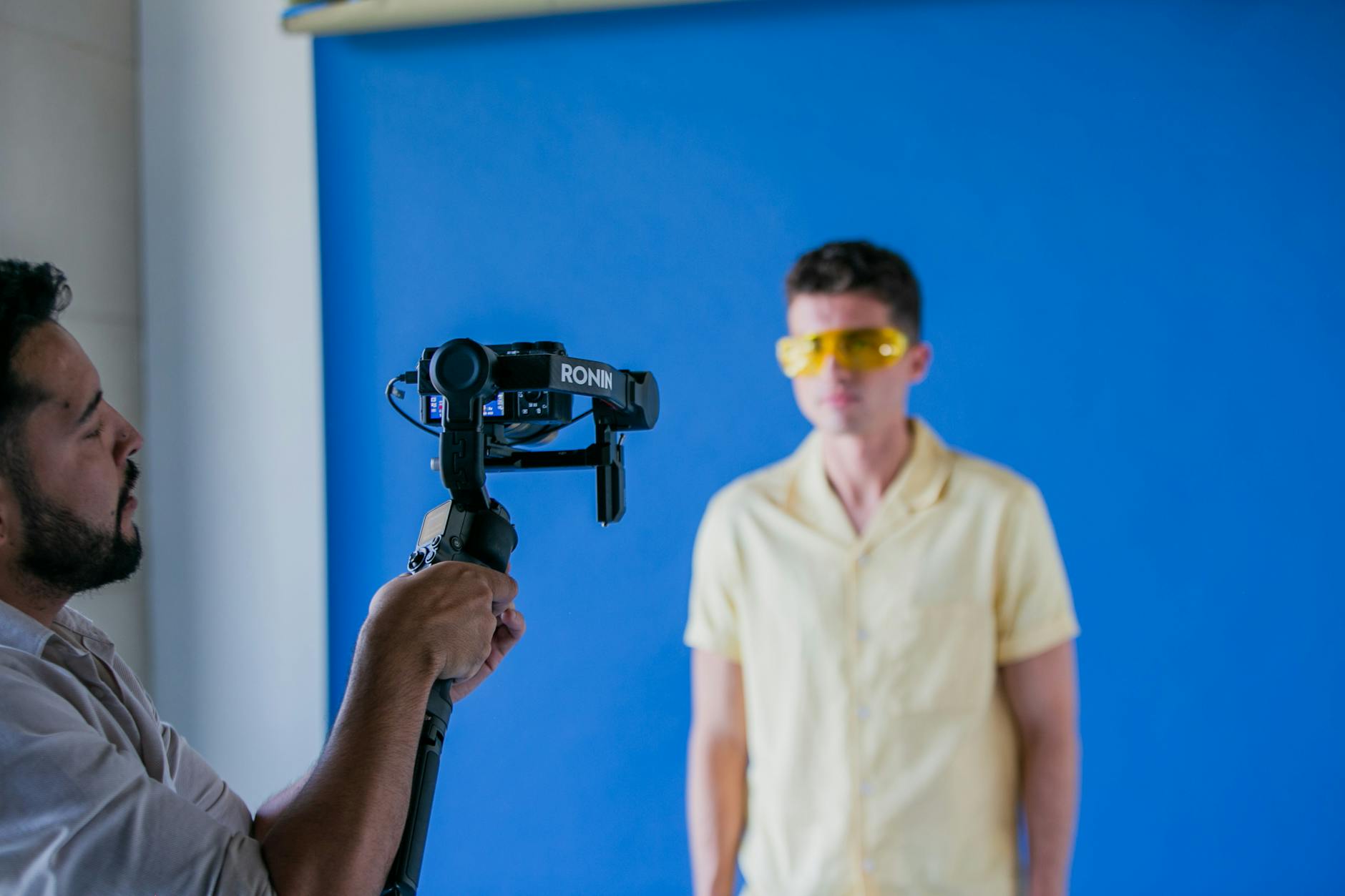
Cost Variables Based on Video Type
The specific style or purpose of a corporate video significantly influences its cost structure. Explainer videos with animated graphics are typically more economical than live-action commercial productions, as animation requires specialized skills but less logistical coordination. Conversely, live footage featuring multiple actors and complex scenes incurs higher costs due to on-location shoots and talent management.
Event coverage videos, showcasing conferences or product launches, involve multiple shooting days, requiring extensive planning and coordination. Training or internal communication videos, with minimal visual effects and shorter durations, tend to be less expensive, focusing primarily on straightforward filming and basic editing.
Video projects integrating high-end visual effects, virtual reality, or 3D modeling will substantially increase expenses, demanding dedicated resources and extended production timelines. Crafting a clear understanding of your goals and selecting the appropriate video type are essential for aligning costs with strategic objectives.
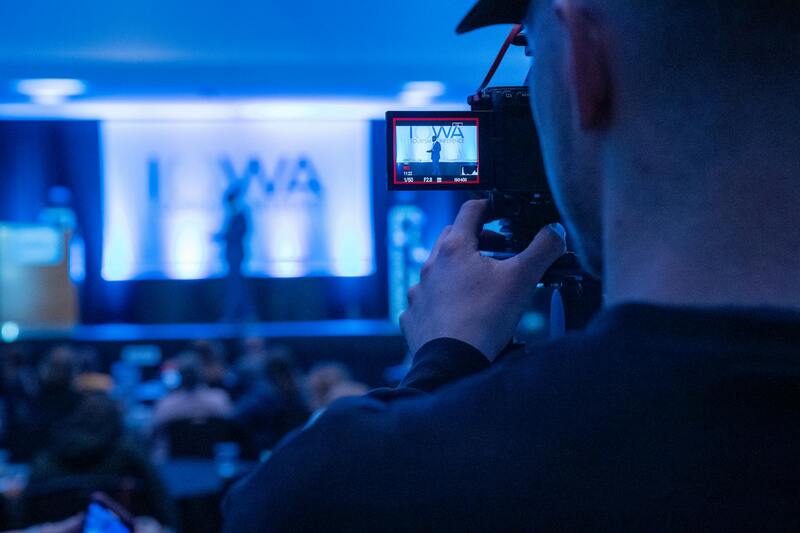
Budgeting Tips for Miami Businesses
Establishing a realistic budget involves detailed planning and transparent communication with production vendors. Here are several tips tailored for Miami-based companies to optimize video investments:
- Define clear objectives: Understand the purpose of the video—be it brand awareness, training, or engagement—and tailor the scope accordingly.
- Prioritize essential elements: Focus spending on core creative components that deliver the most impact, such as storytelling or visuals, while limiting less critical extras.
- Request detailed quotes: Obtain comprehensive proposals from multiple agencies to compare inclusions and identify potential cost-saving opportunities.
- Leverage local talent and resources: Utilize Miami’s diverse talent pool and infrastructure, which can reduce travel and logistical costs.
- Plan for contingencies: Allocate a buffer to cover unforeseen expenses, preventing budget overruns and ensuring smooth project delivery.
- Consider phased approaches: Break large projects into manageable stages, allowing for review and adjustments without exceeding initial budgets.

Factors Influencing Production Costs
Several key elements impact the overall corporate video production cost, particularly within the dynamic Miami market. Production quality, complexity, duration, and the selected crew and equipment all play pivotal roles in shaping the financial outlay. High-quality visuals and specialized effects demand advanced technology and skilled personnel, often increasing expenses. The scope of the project, including the number of locations and talent involved, also significantly influences costs. For example, a comprehensive brand documentary with multiple shooting days across different Miami venues will differ substantially in budget from a simple product explainer video. Additionally, post-production elements such as editing, animations, sound design, and visual effects contribute heavily to the final expense, especially when aiming for polished, professional-grade output.
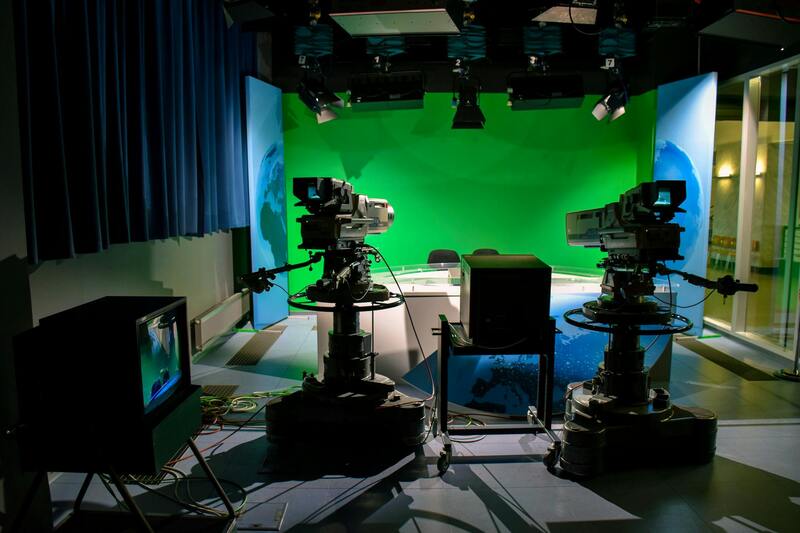
Typical Budget Ranges for Corporate Videos
Corporate video production costs in Miami vary broadly based on project size and quality expectations. Budget categories generally fall into three tiers: basic, mid-range, and premium. A basic corporate video, often limited to simple footage and minimal effects, can be produced within a range of $1,000 to $5,000. These projects are suitable for internal training or small-scale promotional content. Mid-range videos, typically priced from $5,000 to $20,000, feature higher production quality, better scripting, and more elaborate visuals, making them ideal for marketing campaigns and client-facing presentations. Premium corporate videos, often exceeding $20,000, incorporate high-end production techniques, multiple shooting locations, professional talent, and advanced post-production, fitting high-impact branding efforts or international campaigns.
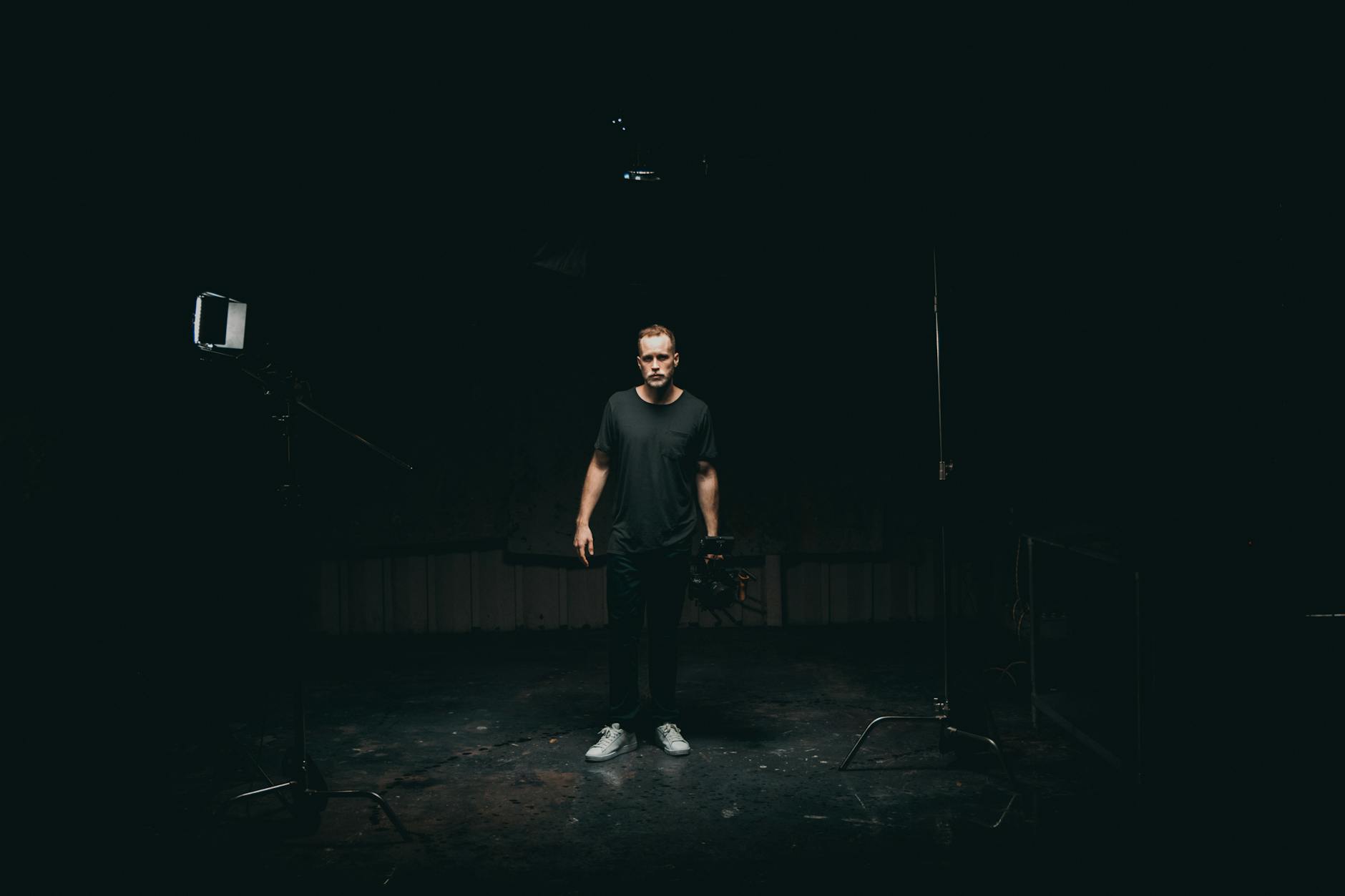
Breakdown of Production Expenses
Understanding where your budget is allocated helps ensure efficient spending. Typical expenses include pre-production planning, which covers scripting, storyboarding, and location scouting. Production costs comprise crew salaries, equipment rental, permits, and talent fees. Post-production involves editing, motion graphics, sound mixing, and color correction. Administrative costs such as project management and contingency funds for unforeseen issues also contribute. An approximate breakdown would allocate 20-30% to pre-production, 40-50% to shooting and in-situ resources, and 20-30% to post-production efforts. Transparent estimation and tracking through each stage can mitigate budget creep and facilitate better resource management.
Additional Expenses to Consider
- Location fees and permits for shooting across Miami venues
- Travel costs for talent and crew if outside Miami
- Special effects, animation, or 3D rendering
- Stock footage or licensed music
- Equipment rentals beyond standard gear
Cost Variables Based on Video Type
The specific type of corporate video significantly influences the overall cost. For example, a product demo typically involves less extensive filming and post-production than a high-concept brand narrative or corporate documentary. Explainer videos, often animated, can range from $3,000 to $15,000 depending on complexity and duration. Training videos might require multiple sessions, actors, and detailed scripting, affecting costs accordingly. Live event coverage or testimonial videos usually involve on-location shoots and multiple days of filming, leading to higher expenses. The intended distribution platform also matters; high-resolution formats for broadcast or digital advertising demand more advanced equipment and post-production resources.
Budgeting Tips for Miami Businesses
To optimize spending on corporate videos, Miami organizations should adopt strategic planning techniques. Prioritize clear objectives to streamline content scope and avoid superfluous expenses. Focus on core messaging that delivers measurable impact, investing proportionally in storytelling and visual quality. Obtain multiple detailed proposals from local vendors to compare services and identify cost-effective solutions without sacrificing quality. Leverage Miami’s diverse talent pool to access high-caliber professionals who may offer competitive rates. Implement phased approaches where feasible to review progress and prevent budget overruns—breaking the project into manageable segments allows for adjustments aligned with financial constraints. Maintaining transparent communication with production teams throughout the process ensures expectations are aligned and potential cost issues are addressed promptly.
Choosing a Miami Production Agency
Selecting the right partner involves evaluating their experience, portfolio, and understanding of your industry’s needs. An agency with a robust local network can utilize Miami’s unique venues and talents more effectively, reducing logistical and expenses. It's crucial to review previous work for quality and style compatibility, ensuring their creative approach aligns with your brand. Transparent pricing models and detailed quotes facilitate better budget management. Additionally, consider their capacity for handling projects of varying scales, which is vital for future growth. Effective communication and clear timelines cultivate a smooth production process, ultimately maximizing your investment’s value.

Maximizing ROI on Video Investment
Achieving optimal return on investment involves more than just controlling costs; it requires strategic deployment of the produced content. Ensuring videos are aligned with your marketing objectives and target audience enhances engagement and conversion rates. Distributing videos across appropriate channels—social media, websites, email campaigns—amplifies their reach and impact. Employing analytics tools to monitor viewer interaction and engagement allows for data-driven refinements. Additionally, repurposing video content for various formats or updating existing footage can extend its lifespan and value. Collaborating with creative agencies to craft compelling narratives that resonate emotionally and reinforce brand messaging helps turn video expenditure into tangible business growth.