Understanding Corporate Video Production for Business
In today’s competitive market, corporate video production has emerged as an essential component of comprehensive business communication strategies. This process involves creating professionally crafted videos aimed at showcasing a company’s brand, values, products, or services. Unlike generic advertising, corporate videos are tailored to serve specific business objectives, whether that is building brand awareness, educating stakeholders, or fostering customer engagement.
Corporate video production encompasses several key phases, starting from conceptualization and strategic planning to filming, editing, and final distribution. This disciplined approach ensures that each video aligns with the company's identity and resonates with the intended audience. The deployment of high-quality visuals, compelling storytelling, and clear messaging helps organizations establish credibility, reinforce their market positioning, and nurture trust among their target demographic.
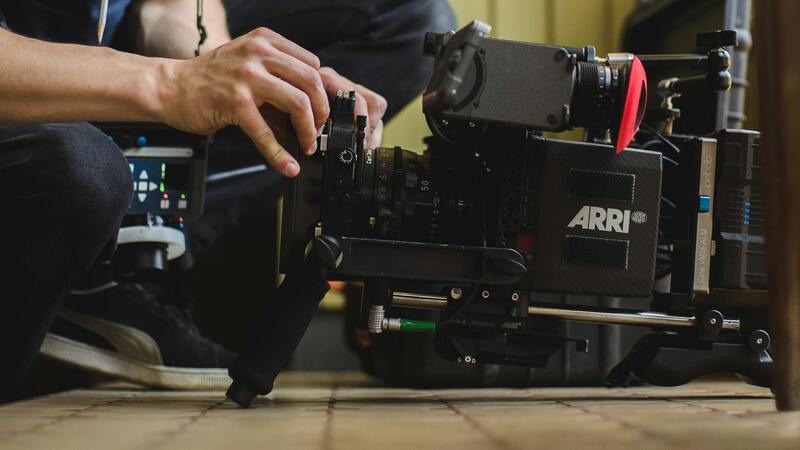
Furthermore, corporate videos are versatile assets that serve multiple purposes — from internal communication such as training and onboarding to external outreach including promotional campaigns, investor relations, and brand storytelling. Their multidimensional nature allows companies to convey complex information simply and memorably.
Employing professional corporate video production ensures that every visual element, sound design, and narrative component contributes to a cohesive message. This level of quality not only captures attention but also engenders confidence in the brand, which can lead to increased engagement, higher conversion rates, and long-term loyalty.

Given the strategic importance and technical complexity involved, businesses often partner with experienced production teams who understand the nuances of branding, industry standards, and digital dissemination. Such collaborations maximize the impact of corporate messages, ensuring they reach the right audience through the most effective channels.
Defining Goals and Target Audience
Establishing precise objectives for a corporate video is fundamental to its success. Clear goals guide every stage of production, from conceptualization to dissemination, ensuring the final product aligns perfectly with business needs. Whether the aim is to enhance brand awareness, demonstrate product features, communicate corporate values, or foster community engagement, defining these objectives beforehand allows for tailored messaging and strategic storytelling.
Identifying the target audience is equally critical. Different demographics respond to varying visual styles, messaging tones, and content formats. Segmenting viewers by age, industry, geographic location, or interests helps in crafting a video that resonates authentically. A well-defined audience profile informs decisions about language, symbolism, and call-to-action, increasing the likelihood of achieving desired outcomes such as lead generation, brand loyalty, or internal engagement.
Integrating these elements during planning provides a blueprint for aligning production efforts with overarching business strategies, maximizing return on investment, and ensuring that every visual element effectively communicates with the intended viewers.
Types of Corporate Videos and Their Purposes
Corporate videos encompass a diverse range of formats, each tailored to specific strategic purposes. Identifying the right type ensures the message is delivered in the most compelling and efficient manner.
- Brand Films: Highlight the company's values, mission, and culture to strengthen brand identity and foster emotional connections.
- Product Demonstrations: Showcase product features and benefits to educate and persuade potential customers.
- Corporate Testimonials: Share client or employee experiences to build credibility and trust.
- Training and Onboarding Videos: Facilitate internal education, enhancing employee engagement and consistency in messaging.
- Event Coverage: Capture company events, conferences, or launches to increase visibility and stakeholder engagement.
- Investor Relations Videos: Communicate financial performance, strategic plans, and future outlook to shareholders and potential investors.
Choosing the appropriate video type requires understanding the specific objectives, target audience preferences, and distribution channels, ensuring that each format contributes effectively to the overall marketing or communication strategy.
Pre-Production Planning and Script Development
Effective corporate video production begins with meticulous pre-production planning. This phase involves comprehensive research to understand the company's core message, audience demographics, and desired outcomes. Establishing clear objectives allows teams to craft a strategic plan that aligns visuals with business goals. During this stage, script development plays a vital role, as it lays the foundation for the narrative. A well-written script should be concise, engaging, and tailored to resonate with the target viewers, whether they are potential clients, investors, or internal employees. Collaboration with key stakeholders ensures the script accurately reflects the company's values and messaging intent.
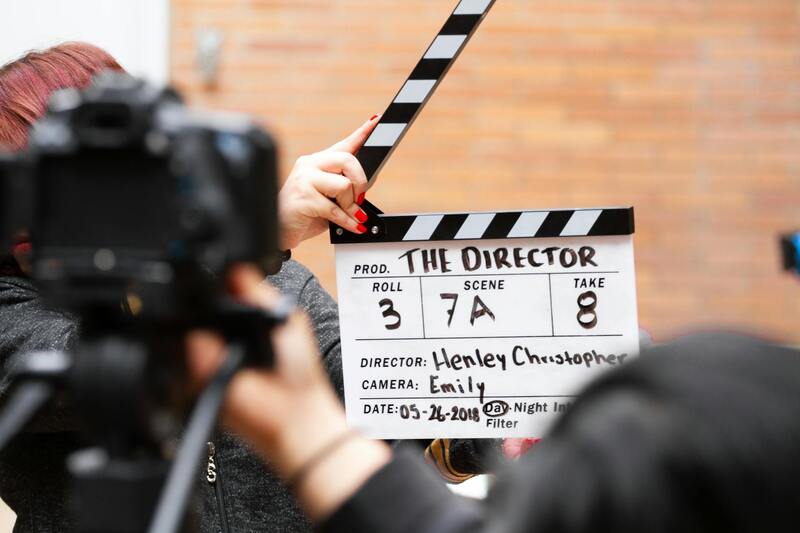
Furthermore, pre-production involves logistical planning, including location scouting, casting, scheduling, and technical considerations. Securing the right locations, equipment, and talent minimizes risks during filming and ensures a smooth production process. By investing time in detailed pre-visualization, teams can anticipate and resolve potential challenges, ultimately saving costs and time later in the project.
Production Process and Filming Techniques
The production phase transforms the pre-planned script into vivid visual content. Skilled directors and cinematographers utilize a range of filming techniques—such as controlled lighting, dynamic camera movements, and appropriate framing—to enhance storytelling and maintain viewer engagement. High-quality equipment and proper stabilization tools help capture sharp, professional footage that aligns with branding standards. Incorporating visual elements like graphics, animations, and B-roll footage during filming adds depth and context, making the content more compelling.
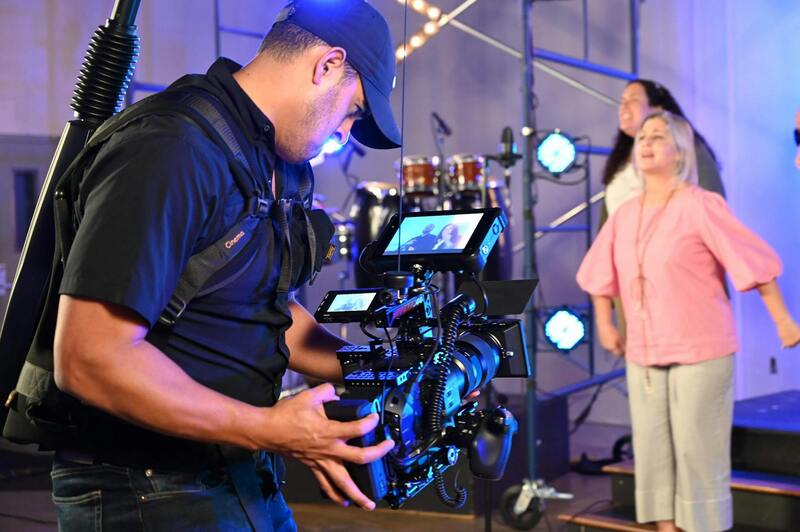
In addition to technical excellence, production teams should prioritize efficiency and clarity on set. Clear communication among directors, crew, and talent ensures that all parties understand the creative vision and execution timeline. This collaborative approach results in footage that faithfully represents the scripted message while allowing room for creative improvisation when appropriate.
Post-Production Editing and Visual Enhancements
Following filming, the editing process involves selecting the best footage, assembling scenes, and refining pacing to enhance storytelling effectiveness. During this stage, editors incorporate visual effects, motion graphics, and color grading to elevate the overall aesthetic. Sound design and background music are carefully added to evoke the intended emotional response and reinforce branding. Consistent branding elements such as logos, taglines, and color schemes are integrated during editing to produce a cohesive final product.
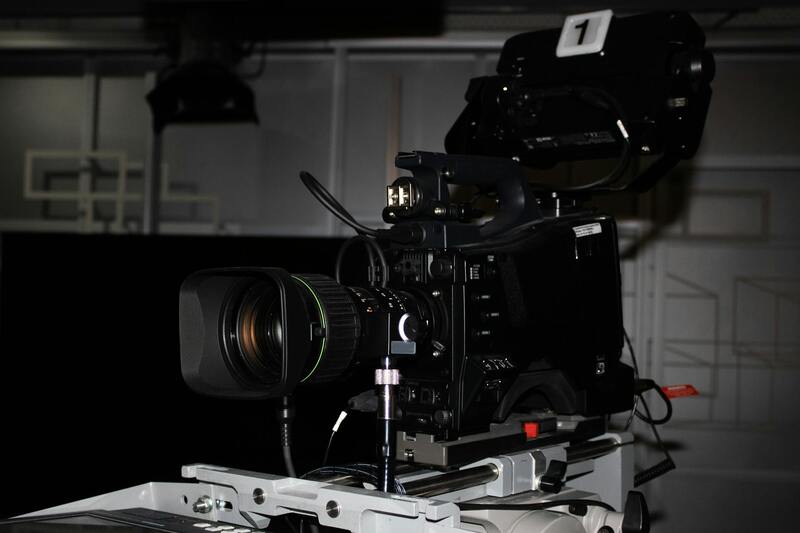
Advanced editing software facilitates the precise adjustment of images and sound, ensuring a seamless viewing experience. The final cut undergoes rigorous review, with stakeholders providing feedback to confirm that the content aligns with strategic goals. Revisions are executed efficiently, resulting in a compelling video that effectively communicates the intended message.
Distribution and Optimization for Business Impact
Once finalized, the corporate video needs to be strategically distributed to reach the target audience effectively. Selecting appropriate channels—such as company websites, social media platforms, email campaigns, and industry events—maximizes reach and engagement. Implementing SEO practices within video titles, descriptions, and tags improves discoverability online, boosting overall visibility.

Monitoring performance metrics such as view counts, engagement rates, and conversion statistics provides valuable insights into the video's effectiveness. This data-driven approach helps refine future video campaigns, ensuring continuous improvement and alignment with business objectives. Investing in proper hosting solutions and analytics tools guarantees that the content remains accessible and performs optimally across various platforms.
Choosing a Miami Production Agency for Corporate Videos
When selecting a professional team for corporate video production in Miami, businesses should prioritize expertise, portfolio quality, and an understanding of industry standards. Experienced agencies bring a wealth of knowledge in translating complex business messages into engaging visual stories. They maintain transparent communication throughout the production process, ensuring client needs are met at every stage. Collaborating with local professionals also offers the advantage of deep familiarity with regional aesthetics, cultural nuances, and distribution channels, strengthening the overall impact of the final product.
Legal Considerations in Corporate Video Production
Executing professional corporate video production involves adhering to an array of established procedures that safeguard the interests of all parties involved and maintain the integrity of the final product. Employing official methods means utilizing contracts, sourced content, and compliance protocols that uphold industry standards and project requirements.
One fundamental aspect includes drafting comprehensive agreements that clearly outline the scope of work, ownership rights, confidentiality terms, and usage permissions. These contracts serve to protect both the client and the production team, ensuring there are mutual understandings regarding content delivery, revisions, and distribution rights.
Content sourcing must follow authorized channels, prioritizing the use of original footage, licensed music, stock assets, and graphics obtained through verified suppliers. This approach not only ensures content legitimacy but also mitigates risks associated with copyright infringement that could impact brand reputation and legal compliance.
Implementing official procedures for permissions involves obtaining model releases, location consent forms, and rights clearances before filming commences. These documents confirm that all necessary approvals are secured, enabling a smooth post-production process while safeguarding against potential disputes.
Incorporating quality control measures throughout production further sustains professional integrity. This includes adherence to standardized filming protocols, proper equipment calibration, and meticulous editing practices. Such standards guarantee that the finished product aligns with the intended message and branding guidelines, reinforcing trustworthiness and credibility.
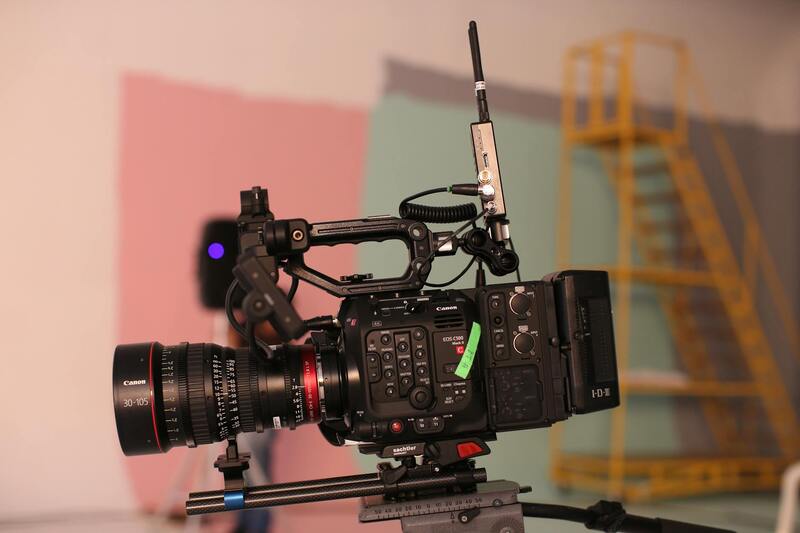
Another vital aspect involves data security and privacy considerations. When handling sensitive business information, implementing secure storage protocols and restricted access to footage and scripts safeguards confidential data. This is especially crucial when dealing with proprietary information, executive interviews, or client-specific content.
Using authorized distribution channels, such as official websites, corporate email systems, and vetted social media outlets, ensures that videos are disseminated in a controlled manner. This controlled approach helps maintain brand consistency, complies with industry standards, and maximizes the content’s professional impact.
By strictly following these approved methods—ranging from contractual agreements to authorized sourcing and secure handling—businesses can confidently produce corporate videos that resonate with their target audience, reinforce their brand, and stand up to scrutiny in any professional context.
Effective Filming Techniques and Equipment for Corporate Video Production
Executing a corporate video requires a strategic approach to filming, where precision and professionalism are paramount. The choice of filming techniques directly influences the overall quality and message delivery of the final product. Utilizing stabilized camera rigs, such as gimbals and tripods, ensures smooth shots that exude professionalism and help maintain audience engagement. When capturing interviews or client testimonials, employing multiple camera angles allows for dynamic editing and keeps viewers visually interested.
Lighting plays a critical role in enhancing the visual quality of corporate videos. Employing soft, diffused lighting mitigates harsh shadows and creates a polished look suitable for executive interviews or product showcases. In controlled environments,, LED panels and diffusers are common tools that help achieve consistent lighting conditions, making footage appear high-end and visually appealing. For outdoor shoots, plan around natural lighting conditions; golden hour shooting, just after sunrise or before sunset, offers warm, flattering light that adds a professional touch.
The selection of camera equipment should align with the project’s scope and desired aesthetic. High-definition (HD) or 4K cameras provide crisp, clear footage that maintains quality across various distribution platforms. Lenses should be chosen based on the scene: wide-angle lenses are ideal for capturing expansive shots of workspace or group settings, while telephoto lenses are suited for focused interviews or detailed product shots. Audio equipment is equally important—using lapel mics or shotgun microphones ensures clear, professional sound quality, eliminating ambient noise that could distract viewers.

Posture, framing, and composition are crucial elements that influence viewer perception. Proper framing places subjects in a position that directs focus and conveys authority or approachability, depending on the message. The rule of thirds remains a foundational guideline, often used to enhance visual interest and maintain balance within a shot. Maintaining consistent eye levels during interviews fosters a connection with the audience and enhances authenticity.
For dynamic corporate storytelling, integrating movement—such as slow pans, tracking shots, or subtle zooms—adds visual interest without distracting from the core message. Additionally, exploring drone photography can provide compelling aerial shots that showcase larger facilities, campuses, or urban settings, making the video more engaging and visually diversified.
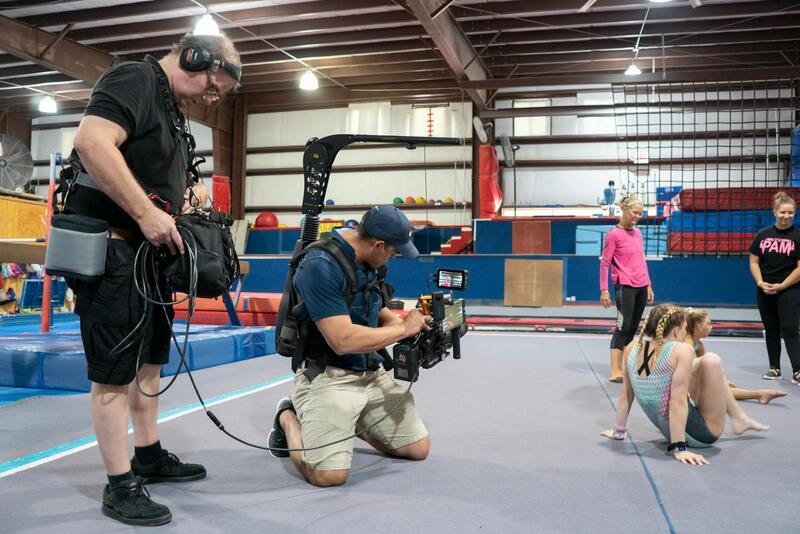
Incorporating these techniques and equipment choices ensures the footage aligns with your business’s branding and presentation standards. Proper planning, combined with the right tools and skills, results in a polished video that communicates your corporate message effectively, fostering trust and credibility with your target audience.
Quality Assurance and Review Processes
Ensuring that a corporate video meets high standards of professionalism and effectiveness requires a comprehensive review process. After the initial editing phase, the draft version of the video should undergo multiple rounds of evaluation by key stakeholders within the organization. This includes review by project managers, marketing teams, and, if applicable, executive leadership to verify that the content aligns with the company’s branding, messaging, and strategic objectives.
During these review stages, specific elements are scrutinized, such as the accuracy of industry-specific terminology, clarity of the call-to-action, visual consistency, and overall flow. It's essential to evaluate whether the video's tone resonates with the target audience and if the visual storytelling effectively communicates the intended message. Peer feedback can uncover overlooked discrepancies or production flaws that might diminish the video's impact.
Implementing structured feedback mechanisms simplifies this process. Feedback forms, collaborative review platforms, and clear version control can streamline revisions, ensuring that all input is systematically addressed. This iterative approach not only enhances the final product but also reinforces the professionalism and credibility of the corporate communication.
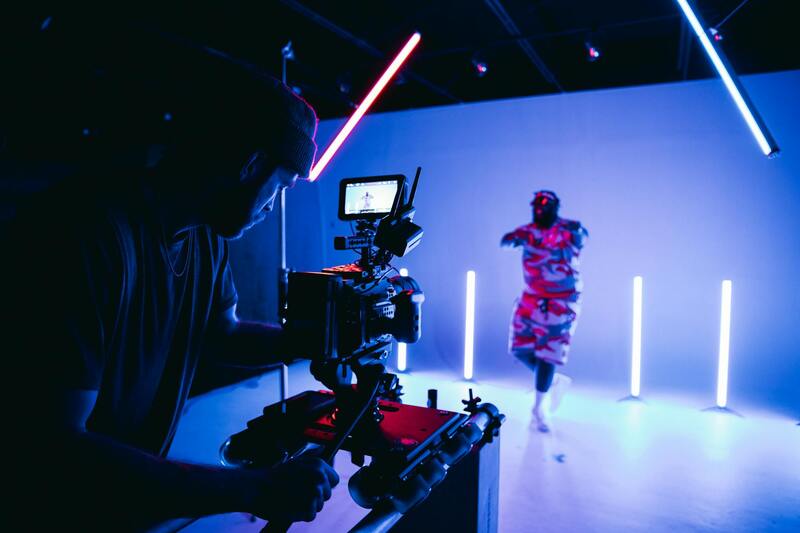
Once revisions are integrated, a final approval stage confirms that the video is ready for distribution. These quality checks are instrumental in delivering content that reliably supports the company’s reputation and marketing goals, establishing a consistent brand image across all corporate communications.
Compliance and Ethical Considerations
Adherence to industry standards and ethical practices is paramount in corporate video production. It is crucial to respect copyright laws when using music, images, and footage, ensuring that all third-party content is properly licensed or created in-house. Additionally, transparency about sponsored content or endorsements within the videos enhances trustworthiness.
Respecting privacy rights involves securing necessary permissions from individuals appearing in the videos, especially when filming at private locations or involving sensitive topics. Furthermore, maintaining authenticity and avoiding misrepresentation helps uphold the organization’s integrity, fostering a genuine connection with viewers and reinforcing your commitment to honest communication.
Implementing Feedback Loops for Continuous Improvement
Developing a systematic process for collecting feedback from viewers post-release allows organizations to refine future video projects continuously. Monitoring engagement metrics, such as viewer retention, click-through rates, and social shares, provides insights into how effectively the content resonates with the target audience.
Gathering direct feedback through surveys or focus groups can uncover perceptions about the video's clarity, relevance, and persuasive power. Applying these insights to subsequent productions ensures that each new video incrementally improves, aligning more closely with business objectives and audience expectations. This cycle of continuous improvement not only enhances the quality of corporate videos but also maximizes return on investment by ensuring the content remains impactful and compelling.
Legal and Ethical Considerations in Corporate Video Production
Achieving a high standard of professionalism in corporate videos involves adhering to established practices that respect intellectual property rights, personal privacy, and ethical content creation. Utilizing officially licensed music, images, and footage throughout production serves to protect the organization from potential disputes and reinforces a commitment to transparency. Employing stock content from reputable sources, or creating media content internally, ensures that all visual and audio elements are properly authorized for commercial use.
Proper documentation of licensing agreements or permissions for third-party content is a crucial step in mitigating legal risks. These records should be meticulously maintained and readily accessible should any questions regarding content authenticity arise during or after production. Similarly, securing clearances from individuals featured in videos prevents issues related to privacy rights, especially in private or sensitive settings.
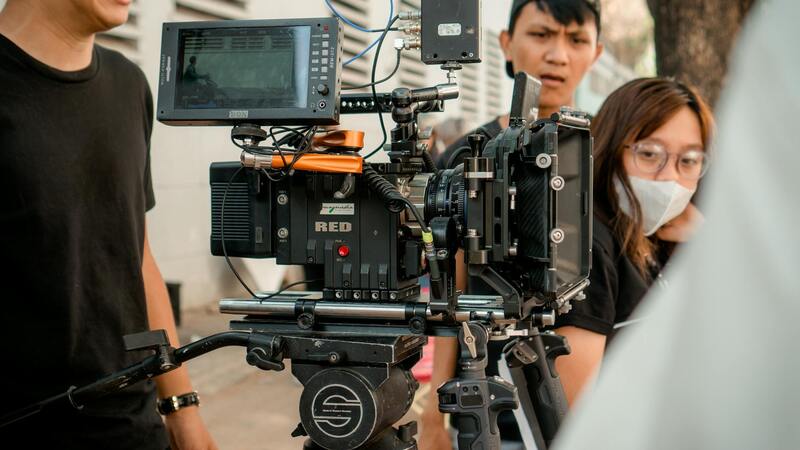
Transparency in communication about sponsored content, endorsements, or product placements within corporate videos bolsters credibility and trustworthiness. Disclosing such collaborations aligns with best practices in content integrity, providing viewers with honest insights into the source and purpose of the information presented.
Fair use policies should also be understood and carefully applied. Avoiding the unauthorized use of copyrighted material and respecting proprietary information demonstrates responsible content management and safeguards the organization’s reputation.
Implementing Ethical Best Practices
- Use only licensed or original media assets.
- Obtain necessary permissions prior to filming or recording.
- Disclose sponsored or paid content transparently.
- Respect individuals’ rights and privacy preferences.
- Maintain accuracy and avoid deceptive representations.
Upholding these ethical standards ensures that corporate videos not only meet legal expectations but also reflect the organization's core values, fostering trust and loyalty among viewers.
Ensuring the Proper Handling and Storage of Corporate Video Assets
Effective management of video assets is a cornerstone of professional corporate video production. This encompasses not only the initial creation process but also the secure storage, organization, and maintenance of all video materials. Proper handling ensures that the content remains accessible, high-quality, and protected from potential damage or misuse over time.
Implementing Robust Archiving Systems
Leading organizations adopt structured archiving systems that categorize videos based on project, date, content type, or intended use. Digital asset management (DAM) systems are increasingly essential for this purpose, enabling teams to easily locate, retrieve, and utilize video files. These systems often include metadata tagging, version control, and access permissions to streamline workflows and prevent data loss.
Maintaining Video Quality and Security
High-resolution storage media and regular backups are fundamental to preserving visual fidelity. Secure storage solutions, such as encrypted servers or cloud-based platforms with restricted access, safeguard videos against unauthorized viewing or tampering. Additionally, maintaining detailed records of edits, versions, and rights ensures accountability and eases future revisions or repurposing efforts.
Legal and Ethical Recordkeeping Practices
Comprehensive documentation of all permissions, licenses, and clearances obtained during production is vital. This includes signed release forms, consent documents, and content licenses. Keeping these records organized not only facilitates compliance but also prepares the organization for any inquiries or audits related to media content.
Distributing Corporate Content Responsibly
Distributing videos through appropriate channels ensures they reach the intended audience effectively. It is crucial to tailor the distribution method to the content type and strategic goals, whether through internal networks, social media, email campaigns, or third-party platforms. Additionally, adherence to platform-specific guidelines and standards guarantees that videos are not only compliant but also optimized for maximum engagement.
Monitoring and Updating Content
Ongoing monitoring of video performance provides insights into viewer engagement and effectiveness. Regular updates or revisions of existing videos can keep content relevant and aligned with current branding or informational standards. This proactive approach maintains the organization's professional image and maximizes return on investment.