Factors Influencing Video Production Costs
Understanding the elements that impact the cost of corporate video production is essential for businesses seeking quality content within their budget. Several interconnected factors determine the final price, including the project's complexity, duration, and the level of production quality required. Each element plays a pivotal role in shaping the overall investment necessary for a professional corporate video.
Project Complexity and Scope
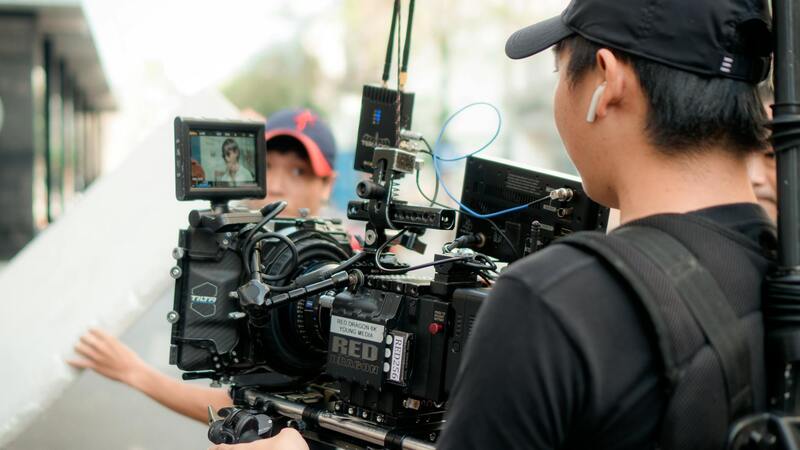
The intricacy of your video significantly influences pricing. A straightforward interview or testimonial may have lower costs, while elaborate narratives with multiple scenes, animations, and special effects demand more resources. The scope encompasses aspects such as script development, location setups, talent involvement, and equipment needs. Larger, more complex projects typically require extensive planning, coordination, and higher crew sizes, which all contribute to increased expenses.
Video Length and Format
The duration of the final product directly correlates with production costs. Short promotional videos, typically under three minutes, are less resource-intensive compared to detailed training modules or event coverage that can extend beyond thirty minutes. Additionally, consider the format; high-definition outputs and specialized formats for advertising or broadcasting necessitate advanced equipment and editing techniques, adding to the overall budget.
Production Quality and Equipment
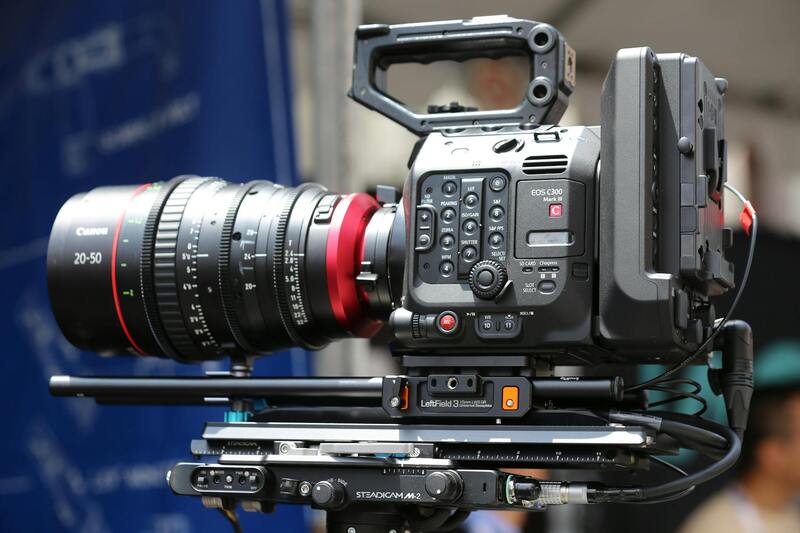
High-end production quality involves advanced camera gear, professional lighting, sound engineering, and post-production editing. The choice of equipment impacts both the quality of the final product and the cost. Collaborating with experienced videographers and editors ensures superior results, but these premium services come at a higher price point. Businesses aiming for a polished, cinematic look must allocate appropriate resources to meet those standards.
Talent and Crew Involvement
Engaging professional actors, presenters, and crew members increases costs, especially for on-screen talent with extensive experience or special skill sets. Crew size and expertise, including directors, cinematographers, set designers, and makeup artists, also factor into expenses. Larger crews with specialized roles are necessary for more sophisticated productions, influencing the overall budget.
Post-Production and Editing
The post-production phase involves editing, color grading, sound design, and visual effects. The complexity of editing, along with turnaround timelines, influences final costs. Projects requiring extensive editing, animations, or client revisions will naturally demand more time and resources, affecting the overall pricing structure.
Additional Costs and Considerations
- Location permits and licensing
- Travel expenses for crew and talent
- Equipment rentals or purchases
- Specialized post-production services
- Delivery formats and distribution channels
Awareness of these variables enables businesses to better estimate their investment needs and plan accordingly for successful project execution that aligns with their strategic goals.
Breakdown of Cost Components
Understanding the individual elements that contribute to corporate video production prices is essential for developing an accurate budget. These components include pre-production planning, talent and crew costs, equipment usage, on-location expenses, and post-production efforts. Each aspect plays a significant role in shaping the total expenditure and influences the overall quality of the final product.
- Pre-Production: This initial phase involves concept development, script writing, storyboarding, and planning logistics. Although often less visible, thorough pre-production work is critical for ensuring the project runs smoothly and minimizes costly revisions later.
- Talent and Crew: Fees for professional actors, hosts, or voice-over artists are determined based on experience, duration, and project scope. Additionally, the costs for videographers, directors, producers, makeup artists, and set designers vary depending on their specialization and the complexity of the shoot.
- Equipment and Locations: Usage of high-end cameras, lighting, and sound equipment incurs rental fees. Securing permits or licenses for certain locations might also add to expenses, especially for shoots requiring exclusive access or special permissions.
- Production Logistics: Travel costs, accommodation, transportation, and per diem allowances for crew members contribute to overall expenses. For projects involving multiple locations or remote sites, these costs can escalate significantly.
- Post-Production: Editing, color correction, visual effects, and audio design require specialized software and skilled editors. The complexity and timeline of post-production directly influence costs, with intricate edits or fast turnaround times inevitably increasing budget requirements.
 igure>
Additional expenses may include licensing fees for copyrighted music, graphic animations, or specialized shooting equipment such as drones or 3D cameras. These elements should be factored into the initial budget to avoid unforeseen expenses during production.
Effective budget allocation relies on a clear understanding of these cost components, enabling businesses to prioritize elements that align with their strategic objectives and desired video quality.
Breakdown of Cost Components
Understanding the different elements that contribute to the total expense of corporate video production is crucial for effective budgeting. Typically, costs are segmented into pre-production, production, post-production, talent, equipment, and location fees. Each segment has specific cost drivers that impact the overall budget and quality of the final product.
- Pre-Production: This phase involves conceptualization, scripting, storyboarding, and planning schedules. Expenses may include consulting with creative professionals, securing permits, and developing detailed project timelines. Thorough planning at this stage helps mitigate unforeseen costs during later phases.
- Production: The actual filming process entails costs associated with crew wages, set design, costumes, and director fees. High-quality equipment rentals such as 4K cameras, professional lighting, and sound gear add to expenses. For projects requiring multiple shooting days or complex setups, costs increase accordingly.
- Post-Production: Editing, sound design, visual effects, and color grading are labor-intensive and require skilled specialists and advanced software. Fast turnaround times or complex edits significantly impact costs, especially when multiple revisions are needed.
- Talent and Extras: Actors, voice-over artists, and on-screen talent often need to be compensated based on union rates, duration of participation, and project prominence. Additionally, locations with specific access permissions or special features may incur licensing or rental fees.
- Equipment and Location Fees: Rental of high-end filming gear, drones, or 3D cameras adds to costs. Securing exclusive or complex locations may involve permit fees, security deposits, or logistical support, which should be included in initial budgets to prevent surprises.
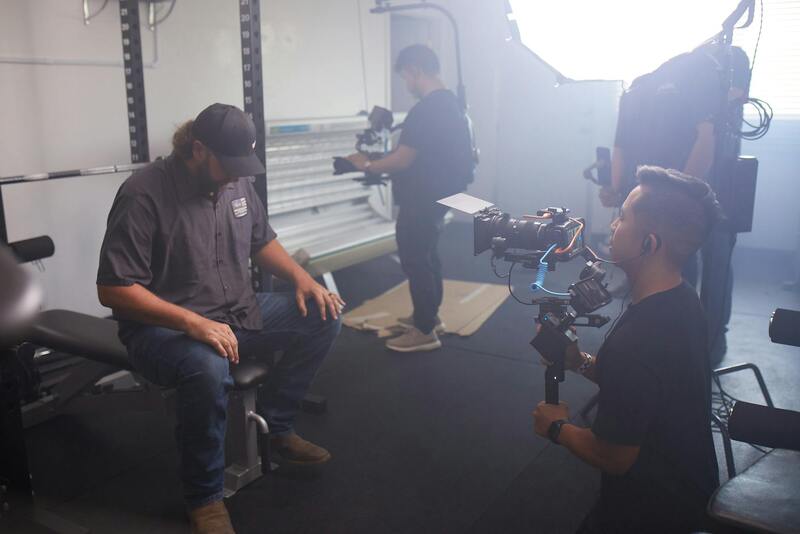
Meticulous allocation of the budget across each component ensures balanced expenditure, maximizes quality, and aligns with strategic objectives. Recognizing how each element influences total costs allows decision-makers to prioritize resources effectively, whether emphasizing polished post-production or minimal on-location shooting.
Factors Influencing Video Production Costs
When evaluating the expenses associated with corporate video production, several key variables come into play that can significantly impact the overall budget. These factors reflect the scope, complexity, and quality of the finished product, requiring careful planning and precise estimation to ensure that financial resources are allocated effectively.
One of the primary considerations is the scope of the project, which includes the video's length, complexity of storytelling, and the number of locations involved. A short informational clip with minimal locations typically costs less than a comprehensive brand documentary or a product launch event with multiple scenes and extensive on-site shooting.
Pre-production activities, such as concept development, scripting, storyboarding, and planning, are crucial stages requiring the expertise of creative professionals. The depth and detail of these phases influence labor costs, with more intricate scripts and detailed storyboards generally increasing expenses.
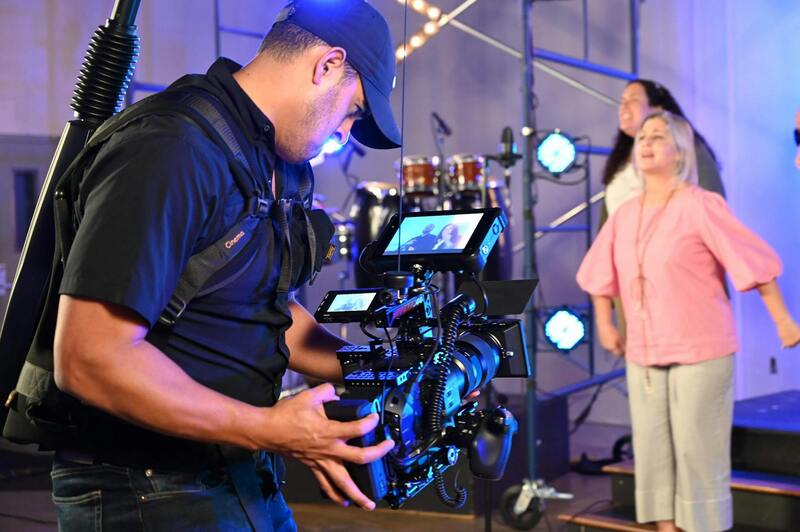
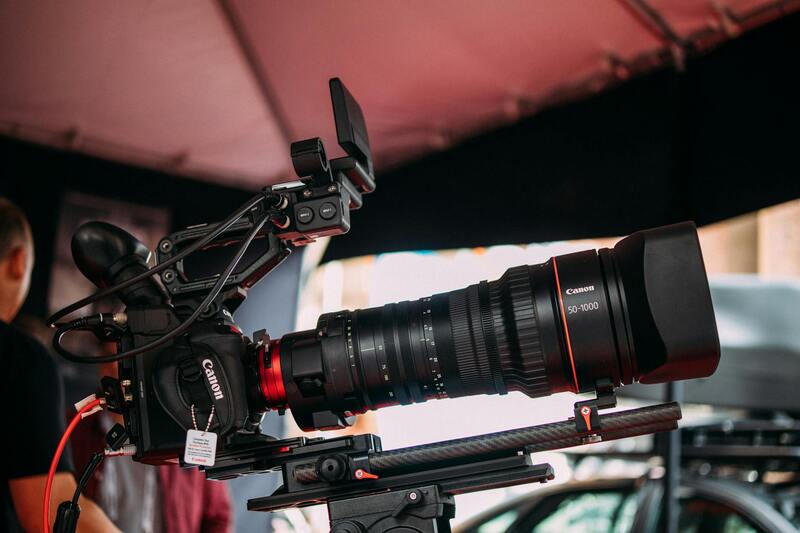
Production costs encompass a broad range of elements, including crew wages, set design, costumes, and director fees. It's also important to account for the rental of professional-grade equipment like 4K cameras, lighting gear, sound recording devices, and specialized tools such as drones or stabilizers. Projects demanding multiple shooting days, complex setups, or multiple locations will naturally incur higher costs due to extended labor hours and additional equipment needs.
Post-production is a labor-intensive phase requiring skilled editors, sound designers, visual effects artists, and color grading specialists. Each element adds to the project’s overall expense, especially when tight deadlines or multiple revisions are involved. Advanced software and rendering times also contribute to the cost structure, emphasizing the importance of clear communication about project scope and revision rounds.
Talent costs encompass on-screen actors, voice-over artists, and narrator fees. These are usually calculated based on union rates, project duration, and the prominence of the talent involved. Additionally, securing access to specific locations may involve permit fees, rental costs, and logistical expenses, which further influence the total budget.
Other expenses include the rental of specialized equipment such as high-end drones, 3D cameras, or green screens. Location fees, permit costs, security deposits, and logistical support for shooting in complex or exclusive venues need to be factored into the initial budget to avoid unforeseen expenses.
Properly allocating budgets across these components requires a detailed understanding of each element’s contribution to the final product. This strategic approach ensures that expenditures are balanced, quality is maximized, and the project remains aligned with business goals. Recognizing how each factor influences costs enables decision-makers to prioritize essential aspects—be it high-quality post-production or versatile on-location shooting—thus optimizing ROI and meeting project expectations.
Factors Influencing Video Production Costs
Corporate video production prices are determined by a multitude of variables that impact the scope, quality, and complexity of the final product. Fundamental factors include the video's intended purpose, length, and style. For example, a short brand awareness clip typically requires fewer resources than a comprehensive training or promotional series. The scale of production—whether it involves a single camera shoot or a full multi-camera setup—directly influences labor and equipment costs. Another significant consideration is the level of complexity embedded within the project. Customized animations, special effects, or CGI integrations necessitate specialized skills and software, thereby increasing the overall budget. The geographic location of filming also affects expenses; shooting in or around Miami may involve location permits, logistical support, and potential access fees, all of which need to be accounted for during budgeting. The expertise and reputation of the production team play a role in costs as well. Highly experienced directors or cinematographers with a track record of delivering impactful corporate videos might charge premium rates, reflecting their skill and reliability. Additionally, project timelines influence expenses; urgent delivery or tight deadlines often result in higher rates due to the need for extended hours or expedited services. Equipment availability and necessity significantly impact costs as well. Usage of high-end technology such as drone footage, 4K or 8K cameras, green screens, and advanced lighting rigs entails additional rental charges. Incorporating talent—on-screen actors, voice-over artists, or hosts—also contributes to cost, with union or non-union rates, professional prominence, and project duration being key factors. Ultimately, the complexity and scale of your corporate video project directly affect its cost. Understanding these elements enables strategic planning and precise budget allocation, ensuring that investments align with desired quality and business outcomes.
Average Pricing Range for Corporate Videos in Miami
In Miami, corporate video production prices can vary widely depending on project scope and production quality. Entry-level videos, suitable for small businesses or internal communication, typically start at around $2,500 to $5,000. These projects often include simple scripting, minimal location shoots, basic editing, and stock footage. Mid-tier corporate videos, which incorporate professional scripting, multi-location shooting, advanced editing, and some motion graphics, generally range from $5,000 to $20,000. This bracket is common for promotional commercials, product demonstrations, and corporate testimonials. These prices reflect the inclusion of experienced professionals, better equipment, and potentially multiple shooting days. High-end productions, such as corporate documentaries, event coverage, or videos involving extensive CGI or special effects, can exceed $20,000, sometimes reaching upwards of $50,000 or more. These projects demand considerable pre-production planning, top-tier equipment, and post-production resources. It is important to note that Miami's vibrant business environment and diverse production services can lead to competitive pricing. Clients should consider that investing in higher-quality production often results in better engagement and ROI, making it essential to evaluate quotes against the expected impact of the final product.

Breakdown of Cost Components
- Pre-Production: Concept development, scripting, storyboarding, location scouting, and talent casting.
- Production: Filming days, equipment rental, crew wages, talent fees, and location fees.
- Post-Production: Editing, color grading, visual effects, sound design, voiceovers, and music licensing.
- Miscellaneous: Permits, insurance, transportation, catering, and contingency funds.
Each of these components represents a significant portion of the overall budget. Careful consideration and detailed planning across these areas can help prevent overspending and ensure a high-quality output aligned with business goals.
Budgeting Tips for Corporate Video Projects
- Clearly define your objectives and scope to determine essential elements versus nice-to-haves, helping allocate resources efficiently.
- Obtain multiple quotes from reputable Miami-based agencies to compare pricing structures and included services.
- Prioritize quality and experience, especially when the video aims to reflect your brand's professionalism and values.
- Allocate a contingency fund—typically 10-15% of the overall budget—to address unforeseen expenses or revisions.
- Engage in transparent discussions with producers about the project scope, revisions, and delivery timelines to avoid hidden costs.
- Evaluate the value of additional services, such as drone footage or motion graphics, against your budget constraints.
- Seek detailed proposals outlining each cost component to facilitate informed decision-making and negotiations.
Factors Influencing Video Production Costs
Several key elements determine the overall expense of corporate video production in Miami. Understanding these factors helps businesses make informed decisions and optimize their budgets for impactful content. Primary considerations include the project's complexity, desired production quality, scope, and the specific services required. For instance, a straightforward testimonial video with minimal edits will typically cost less than a high-end promotional piece featuring advanced visual effects, drone footage, and custom animations. Additionally, the location of shoots plays a significant role; securing permits for certain venues or busy city areas can add to costs. The experience level of the production team also influences pricing. Seasoned professionals with extensive portfolios tend to command higher fees due to their expertise and proven track record.

Regional Market Dynamics and Their Effects
Miami's bustling media industry and high demand for creative services contribute to competitive pricing but also reflect a premium for top-tier production companies. Suppliers with established reputations often charge higher rates, which correspond with the quality and reliability they offer. Variable costs, such as equipment rentals, talent fees, or location-specific expenses, also fluctuate based on the project's scale and technical requirements. Deliberate planning that assesses these variables helps avoid unexpected expenses and aligns production choices with budget constraints.
Technical and Creative Specifications
The technical aspects—such as camera resolution, lighting setup, and post-production editing—directly impact cost. Higher-resolution footage (e.g., 4K or 8K) demands more storage, processing power, and skilled editing, increasing expenses. Creative elements like motion graphics, animations, and special effects require specialized talent and software licenses, which contribute to the overall price. Balancing these factors with the company's branding goals ensures a professional presentation without overspending.
Average Pricing Range for Corporate Videos in Miami
The cost of producing a corporate video in Miami varies widely based on scope and complexity. Entry-level projects, such as simple interview segments or basic product demonstrations, typically start around $3,000 to $7,000. Mid-tier productions—including professionally scripted content with moderate post-production editing—generally fall within the $8,000 to $20,000 range. High-end corporate videos involving multiple locations, extensive talent, advanced visual effects, and post-production enhancements can escalate costs from $25,000 to upwards of $100,000. It is important to remember that these figures are approximations, and precise quotes depend on individual project specifications and the service provider’s pricing model.
Matching Costs to Business Objectives
While evaluating prices, companies should align their investment with strategic objectives. A well-produced video that effectively communicates brand identity, builds trust, and drives engagement can generate substantial ROI. Conversely, opting for the cheapest option may compromise quality and diminish brand perception. Prioritizing experienced local agencies capable of delivering tailored solutions ensures that the budget supports the desired outcomes, ultimately leading to a more impactful and professional video product.
Potential for Custom Packages
Many Miami-based production companies offer customizable service packages. These allow businesses to select specific components—such as scriptwriting, on-camera talent, or animation—based on their needs and budget. Flexible packages enable organizations to invest in high-impact elements while streamlining or trimming less critical services, optimizing the overall expenditure without sacrificing essential quality standards.
Additional Costs and Hidden Fees
When budgeting for corporate video production, it is essential to consider potential additional costs that may not be apparent initially. These hidden fees can include expenses related to permits and licensing, especially if filming takes place in public or private locations requiring authorization. Equipment rental fees can also impact the overall budget, particularly if specialized gear such as drones, cranes, or high-end lighting is necessary. Additionally, post-production costs beyond basic editing, such as color grading, sound design, motion graphics, or visual effects, might incur extra charges depending on project complexity.
Travel and accommodation expenses are other factors that can add up, especially if the production involves multiple locations or remote talent. If the agency or crew is hired from outside the Miami area, logistical costs for transportation and lodging should be incorporated into the initial estimates. Furthermore, talent fees, including on-camera actors, voice-over artists, or professional presenters, can significantly influence the total expenditure. These costs may vary based on the experience level of the talent and the project's scope.
It is advisable to request a detailed, itemized quote from your chosen production partner. This transparency allows you to identify where costs are concentrated and helps prevent unexpected financial surprises. When reviewing proposals, clarify which costs are fixed and which may fluctuate depending on project demands. This thorough approach ensures that your company allocates funds effectively, aligning expenditures with desired outcomes and avoiding overextension.
In some cases, production providers might offer add-on services or optional enhancements, which can be tempting but should be carefully evaluated against your strategic priorities and budget limitations. Prioritizing essential elements over optional extras can promote cost efficiency without sacrificing the professionalism or effectiveness of the final product.
Factors Influencing Video Production Costs
Understanding the factors that dictate corporate video production prices in Miami is essential for organizations aiming to maximize their investment. Several key elements come into play, including the complexity of the project, the level of expertise required, and the scope of the production. For instance, videos that involve sophisticated graphics, animations, or special effects naturally command higher budgets due to the additional time and technical resources needed. Similarly, projects that demand on-location filming in multiple Miami sites or in remote areas can increase costs through transportation, permits, and logistical arrangements.
Another significant factor is the talent involved. Hiring professional actors, voice-over artists, or presenters with extensive experience can influence overall expenses. Higher-tier talent often demands premium rates, which should be factored into the budget early in the planning phase. Moreover, the duration of the shoot impacts the total cost — longer days or extended project timelines naturally incur higher expense, including crew wages, equipment rentals, and post-production work.
Post-production complexity also adds to costs. Editing, color grading, sound design, and visual effects require specialized skills and software, thereby increasing the final price. The choice of equipment and technology used can impact the fee structure as well—top-tier cameras and editing suites tend to elevate costs but produce higher-quality results that align with brand standards.
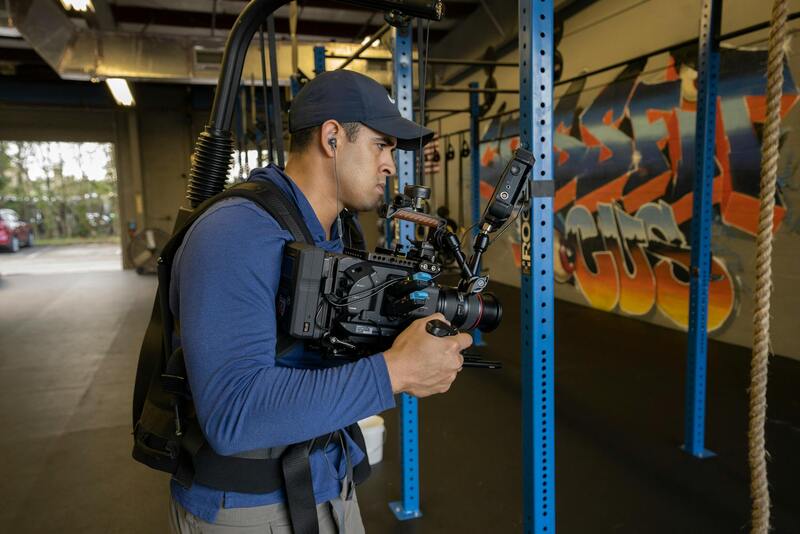
Average Pricing Range for Corporate Videos in Miami
In Miami, the cost of corporate video production varies widely depending on the project’s scope and quality expectations. Basic corporate videos, suitable for internal communications or social media snippets, typically range from $3,000 to $8,000. These projects usually involve minimal setup, shorter shooting durations, and limited post-production editing.
Mid-range productions, which include promotional videos, product demos, or brand stories with higher production quality and some custom animations, tend to run between $8,000 and $20,000. These projects often require professional crew members, multiple shooting days, and more elaborate editing and graphics work.
High-end, large-scale corporate videos, especially those targeting extensive marketing campaigns, can exceed $20,000 and may reach $50,000 or more. These productions involve multiple filming locations, advanced visual effects, high-profile talent, and comprehensive post-production services to ensure the highest quality outcome.
Visualizing a Typical Budget Range
- Basic corporate video: $3,000 - $8,000
- Mid-range corporate video: $8,000 - $20,000
- Premium corporate video: $20,000 and above
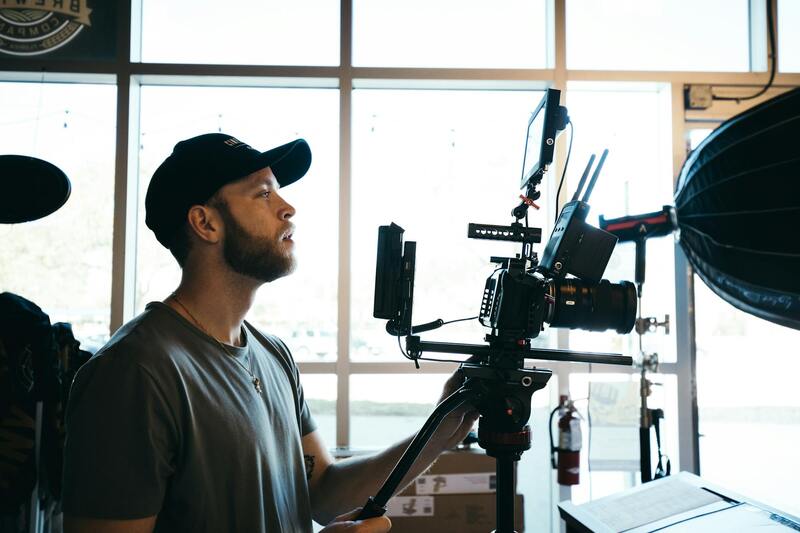
Breakdown of Cost Components
For a clearer understanding of where your investment goes, it’s helpful to dissect the typical components contributing to the total price of a Miami corporate video:
- Pre-Production: Planning, scripting, storyboarding, and project logistics. This phase ensures clarity of vision and efficient execution, often accounting for 10-15% of the total budget.
- Production: The filming process, including equipment setup, crew wages, location fees, and talent costs. Depending on complexity, this can range from 40-50% of the total expense.
- Post-Production: Editing, sound design, visual effects, graphics, color correction, and final review cycles. This stage usually consumes 30-40% of the overall budget.
- Additional Expenses: Permits, insurance, transportation, accommodation, and any special equipment rentals or licensing fees. These are variable costs that can add up depending on project specifics.
By understanding these components, organizations can better allocate funds and prioritize essential elements to ensure high quality within their financial framework.
Budgeting Tips for Corporate Video Projects
Developing an effective budget for corporate videos involves strategic planning and a thorough understanding of needs versus wants. Start with clear project objectives—knowing precisely what you want to communicate allows for better cost estimation. Include a contingency fund of approximately 10-15% to accommodate unforeseen expenses or last-minute changes.
Request detailed quotes from multiple Miami-based production agencies, ensuring each proposal itemizes costs to facilitate transparent comparisons. When negotiating, prioritize key deliverables and ask about optional services or upgrades that may inflate costs unnecessarily. For instance, consider whether high-end visual effects are essential or if simpler solutions would suffice to meet your goals within budget constraints.
Another tip involves timing. Booking production during off-peak seasons in Miami can sometimes reduce costs due to higher availability and lower rates for locations and crew. Moreover, leveraging in-house or existing resources for certain production elements, such as graphics or scripting, can significantly decrease overall expenses.
Finally, establishing a realistic timeline helps prevent rushed work or overtime charges. Planning ahead ensures that each phase has adequate resource allocation, ultimately resulting in a polished product without unnecessary financial strain.
Sample Budget Planning Checklist
- Define clear project objectives and scope
- Obtain detailed quotes with itemized costs
- Include a contingency budget for contingencies
- Compare costs across multiple agencies
- Prioritize essential features over optional extras
- Plan filming during off-peak seasons when possible
- Allocate resources efficiently and set realistic timelines