Factors Influencing Corporate Video Production Costs
Understanding the elements that shape the cost of corporate video production is essential for businesses aiming to create impactful content within their budget constraints. Several core factors determine the total expenditure, starting with the complexity of the video. Highly intricate videos requiring special effects, animations, or advanced filming techniques naturally demand more resources and time, increasing costs significantly.
The length of the video also plays a crucial role. Longer videos require additional filming days, extended editing sessions, and more extensive post-production work, all of which contribute to higher expenses. Conversely, shorter videos often have a more streamlined production process, reducing overall costs.
Another critical element influencing costs is the quality of the final product. High-quality production involves top-tier equipment, experienced crew members, and meticulous editing, which collectively drive up the project budget. Conversely, opting for more cost-effective equipment or streamlined processes can help manage expenses without significantly compromising the final output.
Additional factors that impact the production cost include:
- Location and Shooting Complexity: Filming in multiple locations or in complex environments may require permits, special equipment, and additional planning, all of which increase costs.
- Talent and Crew: Engaging professional actors, voice-over artists, or specialized technical personnel can significantly affect the budget.
- Post-Production Requirements: Intensive editing, visual effects, motion graphics, or music scoring contribute to the overall expenditure.
 igurecaption> Factors such as complexity, length, and quality significantly influence corporate video production costs.
In sum, the interplay between these elements determines the financial scope of a corporate video project. Businesses need to evaluate their objectives carefully and communicate clearly with production providers to achieve a balance between quality and budget. By understanding what influences costs upfront, companies can make informed decisions that ensure their investment yields maximum impact without exceeding financial limits.
Factors Influencing Corporate Video Production Costs
Understanding the financial aspects of corporate video production requires a detailed examination of various influencing elements. These factors directly impact the overall budget and can vary significantly based on project scope, goals, and execution complexity.
Project Scope and Duration
The length of the video is one of the most apparent cost determinants. Longer videos necessitate more shooting days, additional editing hours, and increased post-production work, all of which contribute to higher expenses. For example, a 30-second promotional clip might be produced within a day or two, whereas a comprehensive training series could span several weeks of filming and editing.
Production Quality and Equipment
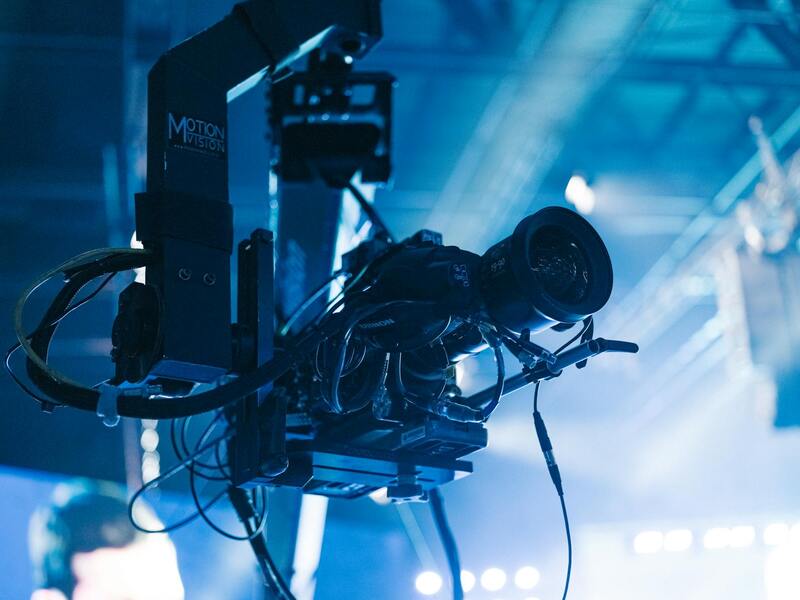
The standard of equipment used influences costs markedly. High-definition cameras, drone footage, steadycam rigs, and sophisticated lighting setups enhance production value but come with increased rental and operation fees. Selecting equipment that's appropriate for the project's needs allows for a balanced approach, ensuring quality without unnecessary expenditure.

Shooting Location and Complexity
Locations play a pivotal role in the overall budget. Filming in urban environments or unusual settings often entails permits, transportation logistics, and specialized equipment, which can escalate costs. Complex shot sequences or scenes requiring special effects or set designs further influence expenses, demanding additional planning and technical resources.
Talent and Crew Compensation
The caliber of talent involved significantly affects costs. Professional actors, narrators, and technical specialists with specialized skills command higher fees. Moreover, larger crews with roles such as directors, cinematographers, makeup artists, and lighting technicians contribute to increased labor costs. Selecting suitable professionals within the project’s budget constraints requires careful planning and negotiation.
Post-Production Requirements
Post-production processes, including editing, visual effects, color grading, sound design, and motion graphics, are among the most cost-intensive phases. The complexity of these tasks depends on the desired final look and functionality. For instance, a simple corporate message might need minimal editing, whereas a high-end promotional video with animations might substantially raise costs.
Additional Factors
- Script Development: Crafting a compelling narrative or message entails time and creative talent, influencing project costs.
- Revisions and Amendments: Multiple rounds of edits or significant changes can extend timelines and budgets.
- Distribution and Format: Final delivery in various formats for different channels may require additional formatting and encoding work.
Impact of Scope and Objectives
Ultimately, the scope of the project and specific objectives shape the budget. A concise social media clip demands less investment compared to an extensive corporate documentary. Companies should align their goals with their budget, emphasizing clear communication with production teams to avoid unforeseen costs and ensure the final product aligns with strategic aims.
Factors Influencing Corporate Video Production Costs
Understanding the variables that impact the overall cost of corporate video production is essential for organizations aiming to maximize value while staying within budget. Several interconnected elements contribute to the final expense, including project scope, complexity, and resource requirements.
Project Scope and Objectives
The breadth and depth of the project directly influence costs. A short social media clip with minimal editing will naturally require fewer resources compared to a comprehensive corporate documentary that involves multiple locations, talent, and advanced post-production effects. Clear articulation of the project's goals at the outset helps in establishing a realistic budget that aligns with the desired outcomes.
Video Complexity and Style
The visual style chosen also plays a significant role in cost determination. Simple interview-style videos with straightforward message delivery are generally less expensive. Conversely, videos requiring sophisticated motion graphics, animations, visual effects, or cinematic techniques demand higher investments. The choice of style impacts both production time and the expertise of personnel involved.
Talent and Crew Requirements
The caliber and number of professionals involved influence costs. Hiring experienced directors, cinematographers, makeup artists, and on-screen talent entails higher fees but ensures quality outcomes. Additionally, logistical complexities such as location scouting, permits, and transportation add to expenses, particularly when shooting in multiple or remote locations.
Equipment and Technology
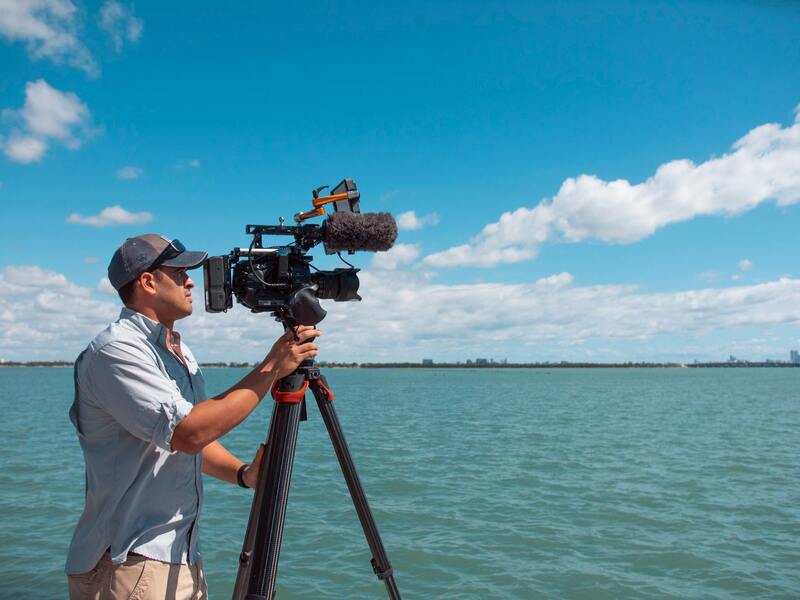
The selection of equipment—cameras, lighting, and sound gear—affects both quality and cost. High-end, cinema-quality cameras and specialty lighting rigs are more costly but provide superior visuals that enhance the professional appeal of the final product. Additionally, cutting-edge technology for special effects or 3D animations can significantly escalate the budget.
Post-Production Processes
Post-production is often the most resource-intensive phase. It encompasses editing, visual effects, color correction, sound design, and motion graphics. Complex edits involving multiple revisions or enhancements incur additional costs. For high-production-value videos, fees for skilled editors, visual effects artists, and sound engineers can make a substantial difference in pricing.
Additional Cost Factors
- Script and Content Development: Crafting engaging narratives requires creative input and time, influencing the initial planning stage.
- Revisions and Edits: Multiple revision rounds extend timelines and increase labor costs. Clearly defining expectations early mitigates unnecessary expenses.
- Distribution Formats: Finalizing videos in various formats for different channels—TV, online streaming, social media—may involve extra encoding and formatting work, affecting costs.
Each of these components must be considered within the context of project scope to accurately estimate and control expenses, ensuring a seamless production process aligned with strategic objectives.
Cost Breakdown: Pre-Production, Production, and Post-Production
Understanding the financial layout of corporate video production involves dissecting each key phase—pre-production, production, and post-production—to recognize where most expenditures occur and how they influence the overall cost.
Pre-Production: This initial stage sets the foundation for a successful project and typically accounts for 10-25% of the total budget. Expenses include scriptwriting, storyboarding, conceptual development, casting, location scouting, and permitting. Engaging professional writers or creative consultants increases initial costs but enhances narrative quality and alignment with brand messaging. Additionally, planning production schedules, assembling the crew, and preparing needed resources involve logistical costs that contribute to the pre-production expenditure.
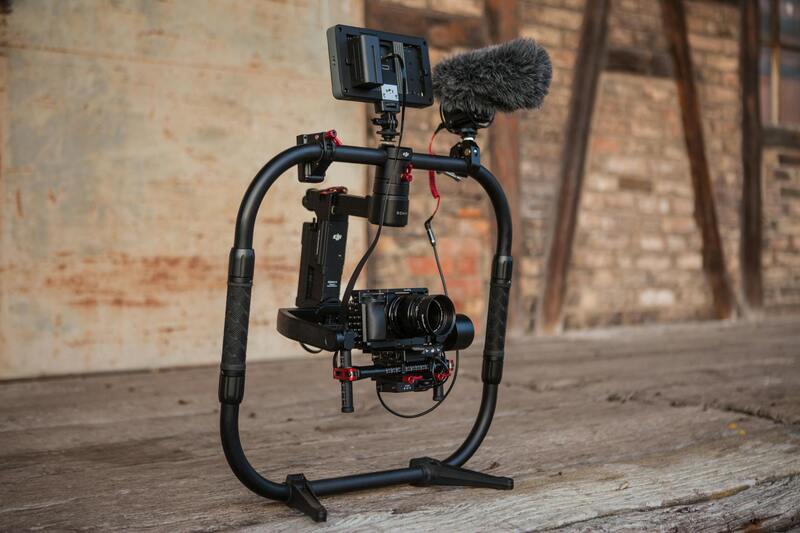
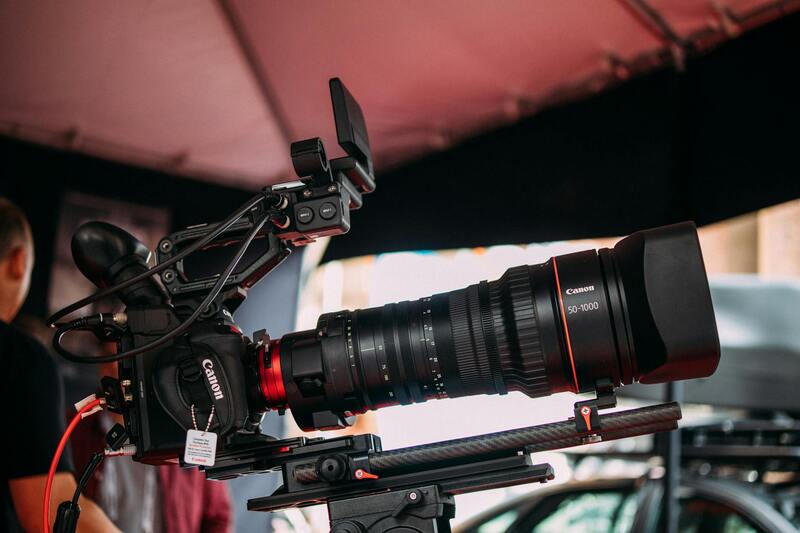
Production: Often the most visually evident phase, production costs range approximately from 40-50% of the total budget. These include equipment rental (cameras, lighting, sound), location fees, talent compensation, crew wages, and on-site logistics. High-quality equipment and professional personnel elevate both production value and costs. Factors such as shoot duration, complexity of scenes, use of special effects, and the number of locations significantly influence the overall expenditure. Efficient scheduling and resource management during filming can help control costs without compromising quality.
Post-Production: This critical phase often consumes 25-40% of the total budget, especially when aiming for a polished, professional final product. Post-production includes editing footage, adding visual effects, color grading, sound design, music scoring, and animation if needed. Skilled editors, visual effects artists, and sound engineers command premium rates based on project complexity. Numerous revision rounds also add to costs, emphasizing the importance of clear initial briefs and approvals to limit unnecessary expenses. Additional costs may include formatting videos for various platforms and translating files for international audiences.
Recognizing how each phase contributes to the overall budget enables companies to allocate resources more effectively. By meticulously planning each stage and understanding potential cost drivers, businesses can produce high-impact corporate videos that meet strategic objectives without exceeding financial constraints.
Factors Specific to Miami’s Corporate Video Market
Miami’s dynamic business environment and vibrant creative scene contribute to unique cost considerations when producing corporate videos in the region. Regional factors such as local talent availability, location costs, and prevailing market rates significantly influence the overall budget.
One notable aspect is the cost of securing shooting locations. Miami is renowned for its diverse and picturesque settings, from urban high-rises to pristine beaches and lush parks, which can command premium permits and access fees. These costs fluctuate based on the specific sites chosen and the time of year, with peak season rates potentially inflating expenses.
Local talent, including actors, crew members, and voice-over artists, tend to have market-specific rates influenced by the regional demand for media services. While Miami boasts a rich pool of creative professionals, high-quality talent with extensive experience often comes at a higher cost compared to other markets. Additionally, the availability of specialized professionals, such as drone operators or animation artists, can further impact the overall expenditure.
Operational costs, including equipment rentals, studio space, and transportation, are also shaped by regional pricing structures. For example, premium camera gear or sophisticated lighting setups may carry higher rental fees in Miami due to demand and logistical considerations. Transport and accommodation expenses for out-of-town professionals must be factored into the budget when local resources are limited or unavailable.

Understanding these regional nuances allows companies to better forecast expenses, select appropriate vendors, and plan effectively to maximize their video marketing investments within Miami’s vibrant economic landscape.
Strategies to Optimize Corporate Video Production Costs
Efficient management of budget allocations is essential to maximize the impact of corporate videos while controlling expenses. Precise planning at every phase—pre-production, production, and post-production—allows for identifying potential cost-saving opportunities without compromising quality. Early development of a detailed project scope and script helps prevent unnecessary revisions that can inflate costs later. Establishing a clear timeline and milestones ensures that the project stays on schedule, reducing labor and equipment rental expenses caused by delays.
Partnering with experienced production professionals is a strategic move to improve cost efficiency. Seasoned vendors bring insight into resource management, workflow optimization, and access to cost-effective solutions tailored to specific project needs. Choosing a production team familiar with Miami’s unique environment and costs can also lead to savings through local resource utilization and knowledge of regional permits and restrictions.
Streamlining production processes is another effective approach. For example, employing efficient shooting schedules reduces the number of days on set, thereby lowering personnel costs, equipment rentals, and location fees. Utilizing versatile talent and equipment can minimize the need for extensive setup changes and multiple filming days.
Maximizing the use of existing resources, such as stock footage or in-house talent, can further decrease costs. Additionally, investing in post-production workflows and editing techniques that speed up the process without sacrificing quality helps maintain budgets. When planning the project, it’s important to consider the scope, desired quality, and intended distribution channels to balance ambitions with financial constraints effectively.
Factors Influencing Corporate Video Production Costs
Understanding the various factors that impact the overall cost of corporate video production is essential for companies aiming to maximize their investment. Certain elements are fixed, while others can be managed or influenced through strategic planning. The key factors include project complexity, duration, location, talent requirements, and equipment needs.
Project Complexity and Scope
The complexity of the video's concept, narrative depth, and technical requirements significantly affect costs. An animated explainer video with minimal visuals might be less costly than a high-end cinematic piece involving elaborate sets, special effects, and multiple camera angles. Similarly, a corporate training video with detailed graphics and interactive elements will generally demand a higher budget than straightforward interview-style footage.
Video Length and Content Depth
The duration of the final product directly influences editing time, shooting days, and post-production efforts. Longer videos or series of videos require additional planning, crew time, and resources, which increases overall expenses. Ensuring clarity about content scope at the outset helps in setting realistic budgets.
Location and Permits
Filming in Miami offers both opportunities and challenges. Iconic spots may require permits and permits often come with costs that must be budgeted. Local regulations, zoning restrictions, and availability of certain sites influence scheduling and expenses. Utilizing local talent and resources, familiar with Miami's landscape, can lead to operational savings.

Talent and Crew
The choice of talent—actors, voice-over artists, or presenters—along with crew experience levels, impacts costs. Experienced professionals command higher rates but can improve efficiency and quality, reducing re-shoots and post-production revisions. Local talent and crew familiar with Miami’s environment are often more cost-effective.
Equipment and Technology
State-of-the-art cameras, drones, lighting, and special effects equipment elevate production quality but also increase costs. Budget-conscious projects might opt for rented or pre-owned equipment, balancing quality with expenses.
Post-Production and Editing
Post-production encompasses editing, color correction, sound design, and visual effects. The level of polish and turnaround time directly impacts costs. Efficient workflows and digital asset management can streamline this phase, preventing budget overruns.
Additional Factors Specific to Miami’s Market
Miami’s vibrant and diverse environments allow for a broad range of creative options, from urban cityscapes to beaches. However, costs vary depending on location accessibility and the need for specialized permits or regional expertise. Seasonality also influences pricing; peak tourist seasons might see increased demand, elevating expenses for permits, location fees, and crew availability.
Summary
- Project complexity and scope set the baseline for budgeting.
- Location-specific costs such as permits and regionally adapted resources influence total expenses.
- Talent, crew, and equipment choices significantly affect the final price tag.
- Post-production quality expectations shape ongoing costs.
- Regional factors like seasonality and local market conditions should be considered during planning.
Assessing and Controlling Corporate Video Production Costs
Understanding the comprehensive cost structure of corporate video production is crucial for organizations aiming to maximize their return on investment. Balancing quality and budget requires meticulous assessment of each component, from initial concept development to final delivery. A detailed evaluation starts with defining clear project objectives and scope, which influence the complexity and resource requirements. For instance, a straightforward product demonstration will have different cost implications compared to a high-end brand narrative featuring multiple locations and special effects.
Innovative Cost-Management Techniques
To effectively manage expenses, organizations can employ a range of strategic approaches:
- Pre-Production Planning: Developing meticulous storyboards and shot lists minimizes wastage and streamlines on-set activities.
- Vendor Negotiation: Comparing multiple bids and building relationships with local suppliers can lead to favorable terms, especially in dynamic markets like Miami.
- In-House Resources: Leveraging existing in-house talent for certain roles reduces external hiring costs, provided internal skills align with project needs.
- Seasonal Timing: Scheduling shoots during off-peak seasons can lower location fees and logistical costs, as well as increase scheduling flexibility for crew and talent.
- Technology Utilization: Incorporating versatile equipment and digital workflows enhances efficiency, decreases turnaround times, and cuts overall expenses.
Aligning Quality with Budget Expectations
Budgeting for corporate videos necessitates a clear understanding of desired quality levels. Higher production values, such as advanced CGI, professional actors, or drone footage, naturally entail increased costs. Conversely, focusing on authentic content and leveraging local environments can achieve compelling storytelling without extravagant spendings. It’s essential to communicate these expectations with production partners upfront, ensuring budget allocations are realistic and aligned with project goals.
Monitoring and Revising Budget As Needed
During production, continuous monitoring of expenditures against the initial budget allows for timely adjustments. Employing detailed tracking tools and maintaining open communication with all stakeholders facilitate transparency and control. Adjustments may include scaling back on certain elements, negotiating with vendors for better rates, or reallocating resources to critical areas, ensuring the project remains financially viable without compromising essential quality standards.
Post-Production Cost Considerations
The final phase often accounts for a significant portion of the overall budget, especially when demanding editing, color grading, visual effects, and sound design are involved. Utilizing efficient workflows and specialized editing software helps keep these costs within manageable limits. Additionally, establishing clear expectations and approving milestones enforces accountability, preventing scope creep that could inflate expenses.
Impact of Regional Factors on Costs
Miami's unique environment influences production costs in several ways. Urban settings may require permits and location fees, while scenic outdoor areas increase logistical planning. Local talent and crew rates tend to be competitive, but specialized permits for certain sites can add to expenses. Seasonal fluctuations can also impact costs, with peak tourist periods elevating location and transportation fees. Understanding these regional factors allows for more accurate budgeting and proactive planning, helping organizations optimize their investment accordingly.