Making a Corporate Video: Step-by-Step Guide to Success
Defining Goals and Target Audience
Creating an effective corporate video begins with a clear understanding of what the business intends to achieve. Establishing specific goals allows companies to tailor their message and determine the desired outcome, whether it’s increasing brand awareness, launching a new product, or establishing thought leadership within an industry. For example, a company aiming to enhance internal communication may focus on employee engagement videos, while a firm seeking to attract new clients might develop promotional content aimed at prospects.
Simultaneously, identifying the target audience is crucial. This involves researching demographics, preferences, and behavior patterns of potential viewers. Knowing the audience's interests and pain points enables content creators to craft messages that resonate, ensuring the video captures attention and spurs engagement. A comprehensive understanding of the target demographic informs decisions about tone, style, and distribution channels.
Additionally, aligning video objectives with overall business strategies guarantees consistency and reinforces messaging across all marketing efforts. Whether the goal is to inform, persuade, or entertain, clarity at this stage helps streamline subsequent phases of production.

Developing a Clear Script and Storyboard
After establishing the foundational goals and understanding the target audience, the next step in making a corporate video involves creating a comprehensive script and detailed storyboard. This phase is essential as it translates conceptual ideas into a visual and narrative format that guides the entire production process. A thoughtfully written script ensures that every message aligns with the intended objectives, maintains a professional tone, and appeals directly to the target demographic.
When crafting the script, focus on clarity and conciseness. It should highlight key messages without extraneous information, keeping viewers engaged from start to finish. Incorporate a compelling opening to captivate interest immediately and a strong call-to-action (CTA) to motivate viewers towards the desired response, whether that’s visiting a website, contacting the company, or sharing the video with others.
The storytelling component should weave a narrative that resonates emotionally with viewers. This may involve showcasing real-world scenarios, client testimonials, or demonstrating product benefits in context. It's equally important to match the tone of the script with the company's brand voice—whether it’s formal, approachable, innovative, or authoritative. This consistency enhances brand recognition and trustworthiness.
Creating Visual Storyboards and Shot Lists
Complementary to the script, storyboards serve as visual blueprints depicting each scene's composition, camera angles, and key actions. This planning tool enables stakeholders to visualize the narrative flow, identify potential challenges, and make adjustments before the production begins. Detailed shot lists specify camera setups, lighting requirements, and timing, ensuring efficient filming and adherence to the creative vision.
Precise planning at this stage minimizes costly retakes and delays, facilitates communication with the production team, and ensures all critical scenes are captured effectively. It also allows for a more accurate estimate of project timelines and resource allocation, ultimately streamlining the entire process from pre-production to delivery.
Establishing Clear Objectives and Audience Insights
Creating an impactful corporate video begins with a thorough understanding of its purpose and the intended viewers. Clear objectives serve as the foundation, whether the goal is to enhance brand awareness, introduce a new product, inform stakeholders, or demonstrate industry leadership. Each objective influences the overall tone, messaging, and call-to-action embedded within the video content. For example, a video aimed at potential clients should highlight value propositions, showcase success stories, and establish credibility.
r>r>
Defining the target audience entails identifying demographic factors such as age, gender, location, and professional background. Consider their preferences, challenges, and aspirations to craft messaging that resonates deeply. A well-defined target audience informs content style—be it formal and authoritative or casual and engaging—and guides decisions related to language, visuals, and overall presentation.
r>r>
Additionally, understanding the audience's viewing habits contributes to optimized delivery. Are they accessing content primarily on mobile devices or desktops? Do they prefer short, punchy clips or longer, detailed explanations? Incorporating these insights into content planning ensures maximum engagement and message retention.
Aligning Goals with Strategic Messaging
Once objectives and target audiences are clarified, the next step involves aligning messaging with overarching business strategies. Messaging must reflect the company's core values, unique selling propositions, and market positioning. This alignment ensures consistency across all communication channels and reinforces brand integrity.
r>r>
To achieve this, teams often develop key messages that encapsulate the primary takeaways for viewers. These messages should be straightforward, compelling, and tailored to the audience's needs. For example, a corporate training video should focus on skill development and professional growth, while a brand awareness video might emphasize company values and innovation.
r>r>
Ensuring these messages are integrated into every element of the video—script, visuals, and narration—maximizes clarity and impact. Regular reviews during the pre-production phase help confirm that the content remains aligned with strategic business goals.
Effective Communication of Goals to Stakeholders
Transparent communication of project goals among all stakeholders is crucial. This process involves detailed discussions with executives, marketing teams, creative specialists, and production vendors. Clearly articulated expectations and deliverables foster collaboration and ensure everyone shares the same vision.
r>r>
Creating comprehensive briefs that outline the purpose, target audience, core messages, preferred tone, and desired call-to-action helps keep the project on track. This documentation acts as a reference point throughout production, enabling adjustments and ensuring alignment.
r>r>
Engaging stakeholders early in the process also facilitates buy-in and encourages valuable input. Feedback received during planning sessions can refine messaging strategies and visual concepts, ultimately elevating the quality of the final product.
Creating a Clear and Detailed Script
Developing a comprehensive script is fundamental for making a corporate video that effectively communicates your message. This script serves as the blueprint for the entire production, guiding visuals, narration, and on-screen text. An effective script begins with a strong opening that captures attention and succinctly introduces the core message. It then flows logically, covering key points in a sequence that maintains viewer engagement. Each segment should clearly articulate the intended message, aligning with the overall branding objectives.
When drafting the script, consider employing storytelling techniques that resonate with your target audience. Incorporate real-life examples, testimonials, or case studies to add authenticity and relatability. Maintain a professional tone that reflects your company's values and expertise. Precise language and concise messaging are vital to keep viewers engaged and prevent information overload.
In this phase, collaboration with stakeholders—such as marketing teams, executives, and creative personnel—is crucial. Gathering their input early ensures the script encapsulates diverse perspectives and aligns with strategic messaging goals. Additionally, including clear calls-to-action guides viewers toward the desired response, whether it’s contacting your company, visiting your website, or engaging with your content on social media.
Technical Planning and Storyboarding
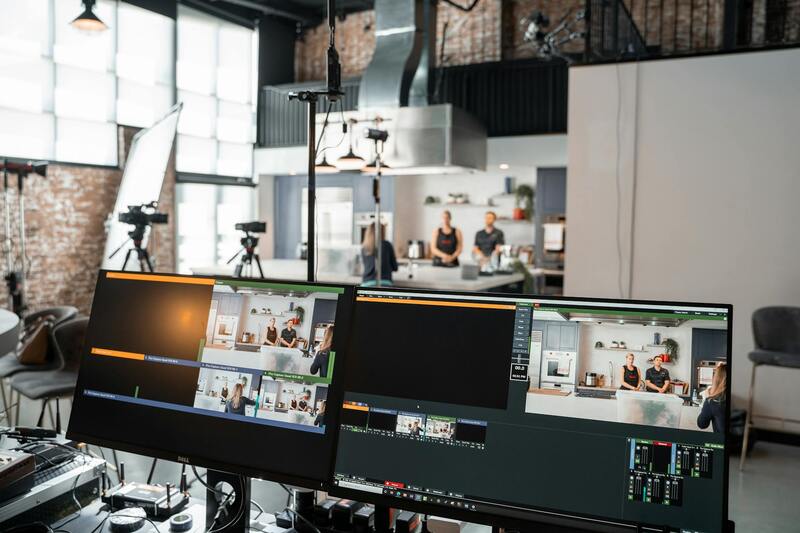
After finalizing the script, the next step involves translating it into visual terms through storyboarding. This process visually maps out each scene, shot, and transition, providing a clear overview of the video's flow. Storyboarding allows the production team to visualize pacing, camera angles, and visual effects, ensuring alignment with the script’s narrative intentions.
Technical planning also encompasses selecting appropriate production equipment, deciding on the filming style, and scheduling shooting days. Such meticulous preparation minimizes disruptions during filming and ensures the production adheres to the predetermined timeline and budget.
Ensuring Precision in Visual and Audio Elements
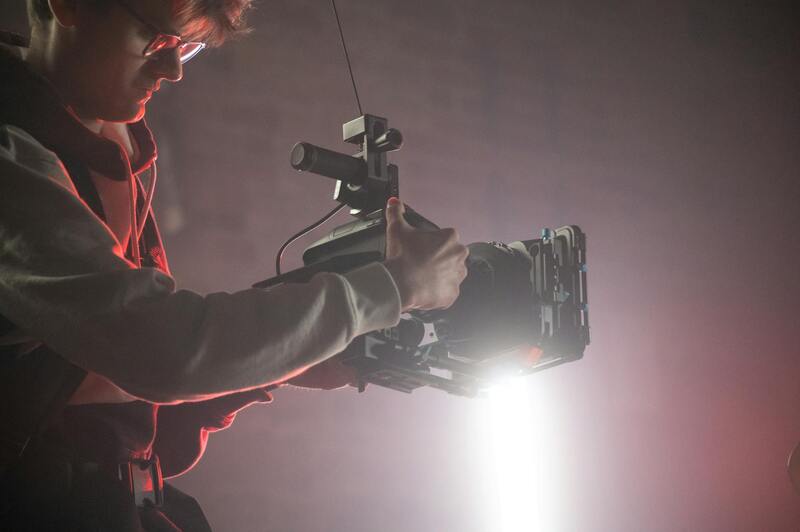
High-quality visuals and crisp audio are cornerstones of a professional corporate video. Investing in professional lighting, camera equipment, and sound recording gear enhances visual clarity and audio fidelity. This investment pays off by reinforcing your company's professionalism and dedication to quality.
Throughout production, attention to detail is paramount. Consistent framing, balanced color grading, and clear sound design contribute to a polished final product. Appropriately selecting background music or sound effects can also amplify emotional engagement, making the content more memorable.
Legal and procedural considerations, such as obtaining filming permits and securing rights for music or third-party footage, are integral to maintaining official standards. Ensuring all media assets are properly licensed or created in-house avoids potential complications post-production.
Choosing the Right Production Equipment and Filming Style
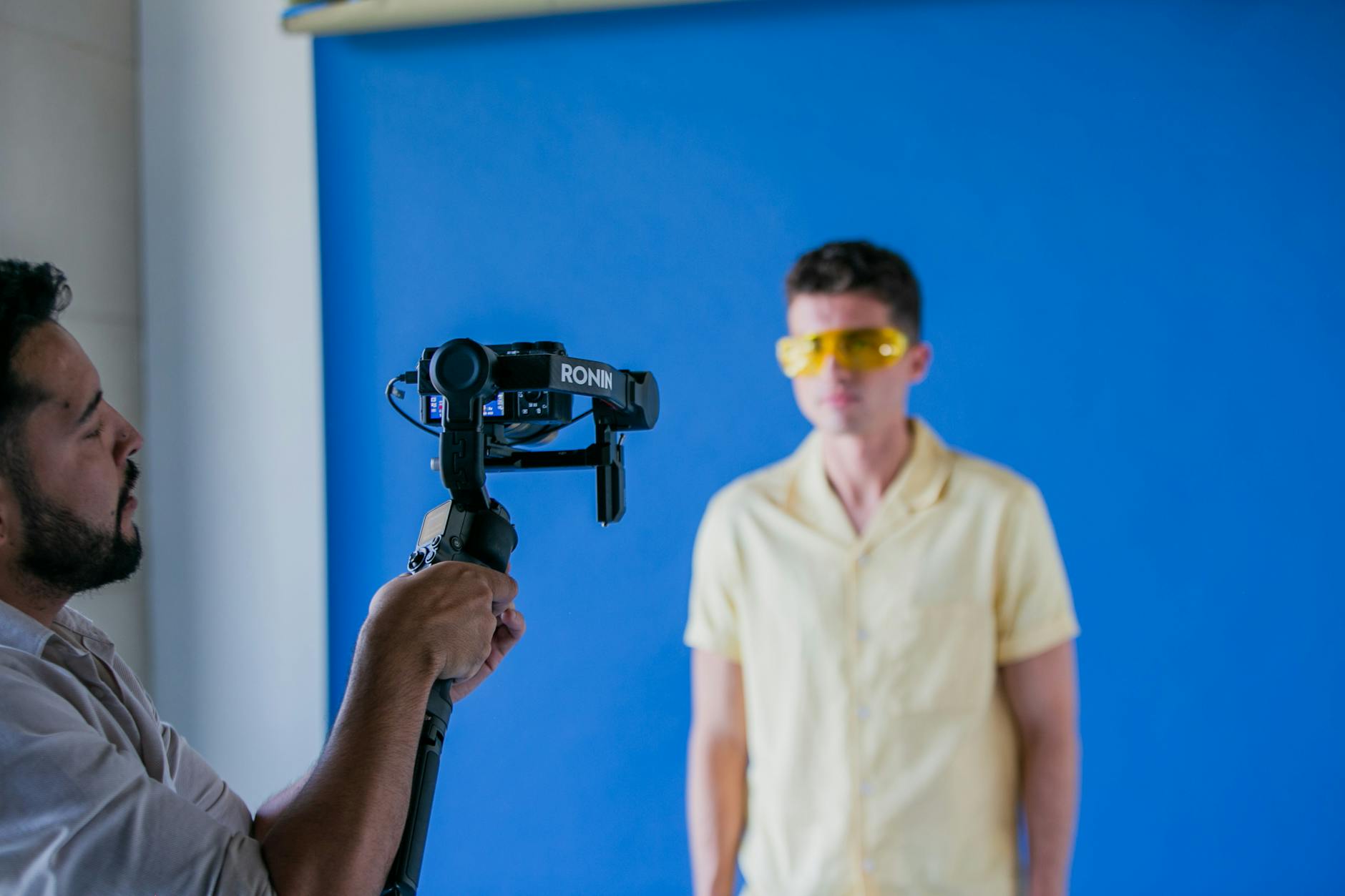
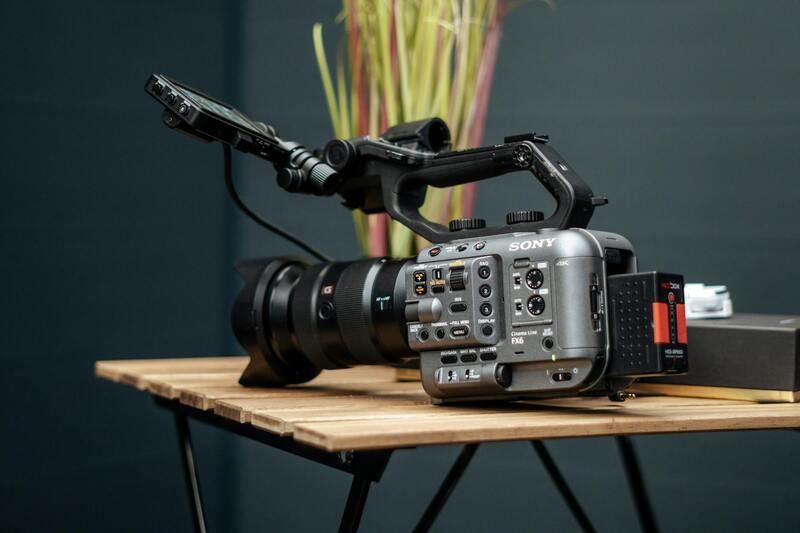
When making a corporate video, selecting appropriate production equipment is essential to achieve a professional look. High-definition cameras are fundamental, providing clear, detailed visuals that reflect your company’s quality standards. Employing stabilizers such as tripods, gimbals, or steadicams ensures smooth footage free of unnecessary shake, which enhances viewer engagement.
Lighting plays a pivotal role in shaping the visual tone of the video. Utilizing diffused key lights and fill lights helps illuminate subjects evenly, preventing harsh shadows and highlight inconsistencies. Complementing natural lighting with professional lighting setups can tailor the ambiance to match the message—whether it's dynamic and vibrant or subdued and serious.

Choosing the filming style—be it cinematic, documentary, or interview-focused—depends on your video's objectives and target audience. A cinematic approach, with dynamic camera movements and shallow depth of field, lends a polished, engaging quality. Conversely, an interview-style video emphasizes clarity and connection, often utilizing stable shots and controlled framing to foster trust and authenticity.
Implementing different camera angles enhances storytelling depth. For example, incorporating close-ups to convey emotion, wide shots to establish context, and over-the-shoulder perspectives for interviews creates a visually engaging narrative. Additionally, varying shot composition keeps the audience visually stimulated and emphasizes key messages.
Technical considerations extend beyond camera choice; audio quality is equally critical. Employing noise-canceling microphones and close-miking techniques ensures crisp sound, which reinforces the professionalism of the final product. Proper synchronization during editing also secures a seamless flow between visuals and audio.
Deciding whether to film in a dedicated studio, on-location, or in an office environment influences the overall visual impact. Studios often provide optimal lighting and control over acoustics, while on-location shoots lend authenticity and context to the narrative. Careful planning ensures that logistical considerations—such as permissions, background distraction minimization, and ambient noise control—are addressed well in advance.
Finally, adhering to an organized shooting schedule and comprehensive shot list promotes efficiency, ensuring all necessary scenes are captured systematically. This meticulous execution, combined with expert operation of filming equipment and a clear filming style, results in footage that requires minimal post-production adjustments, ultimately saving time and resources.
Filming and Production
Executing a high-quality corporate video hinges on meticulous filming processes that capture the intended message with clarity and professionalism. The choice of equipment, shot composition, and environment all play pivotal roles in establishing a compelling visual narrative. It is essential to utilize professional-grade cameras capable of recording in high resolution, ensuring crisp details that reinforce a polished appearance. Employing steady-cam stabilizers and professional lighting setups enhances the visual clarity, particularly in varying lighting conditions.
During filming, multiple camera angles should be considered to add depth and interest to the footage. For example, capturing scenes with wide shots to illustrate spatial relationships, medium shots for facilitating interactions, and close-ups to highlight emotions or specific details creates visual variety that keeps viewers engaged. Incorporating dynamic camera techniques, such as panning and tracking shots, can emphasize movement and guide the viewer’s attention effectively.
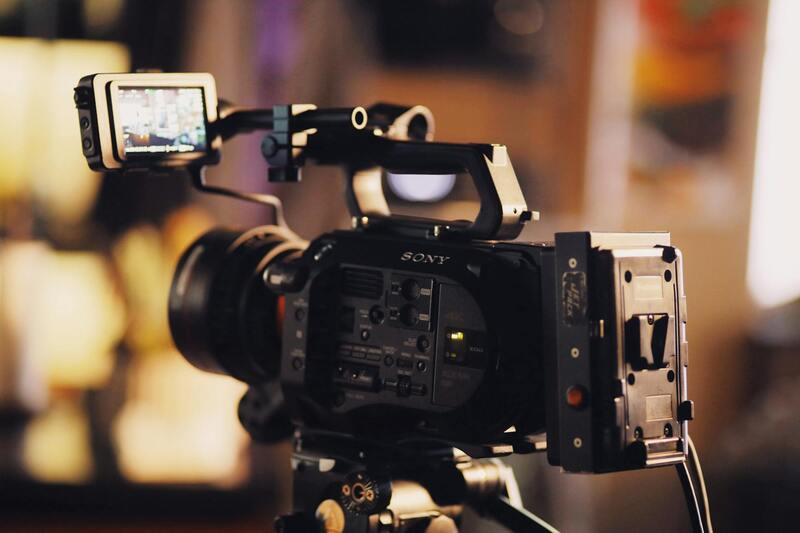
Lighting is another critical factor; professional lighting setups eliminate shadows and highlight key elements, making the subject stand out. When shooting on location, additional considerations include managing ambient light, minimizing background distractions, and securing necessary permissions for access and filming. On the other hand, studio settings offer controlled environments where lighting, sound, and background elements can be precisely managed to achieve the desired aesthetic.
Sound quality must not be overlooked. Using high-quality microphones, such as shotgun or lapel microphones, and employing sound-absorbing materials in enclosed environments help achieve clear audio free of background noise. Proper placement of microphones ensures that dialogue and voiceovers are captured sharply, which is vital for maintaining viewer engagement.
Creating an organized shooting schedule and a detailed shot list streamlines the production process. This structure facilitates systematic coverage of all necessary scenes, reduces redundancies, and helps in managing time efficiently. Clear communication among the production team ensures everyone understands the filming objectives and adheres to the scheduled plan, minimizing delays and maximizing resource utilization.
Collecting varied footage that aligns with the storyline allows for greater creative flexibility during editing. Action shots, voiceover segments, interviews, and B-roll footage all contribute to a comprehensive narrative structure. Precise adherence to the shot list and schedule promotes filming efficiency, which directly impacts the overall quality and cohesiveness of the final product.
Optimizing for Different Platforms and Audience Engagement
Once the editing process yields a polished final cut, the next crucial phase involves strategic distribution and promotion of the corporate video. The efficacy of a video largely depends on how well it reaches its intended audience and how effectively it engages viewers across various platforms.
Tailoring the video for specific channels is paramount. For example, shorter, punchier versions are typically more effective on social media platforms like Facebook, LinkedIn, or Instagram, where users often scroll quickly through content. Conversely, longer-form videos work well on company websites, YouTube, or during presentations at conferences, allowing for a deeper exploration of the company’s message or product offerings.
To maximize reach, aligning the video's content with the characteristics and expectations of each platform enhances engagement rates. Incorporate subtitles for social media where audio may be muted by default, and optimize aspect ratios and resolutions to fit each platform’s specifications for better visual presentation.
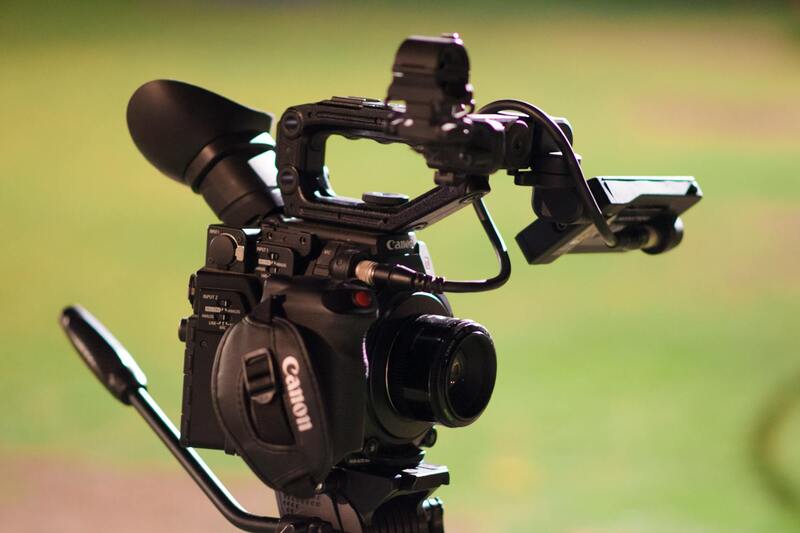
Developing a comprehensive promotion plan includes leveraging email marketing campaigns, embed codes on websites, and targeted social media ads. Coordinated efforts ensure consistent messaging and help foster increased viewership and interaction.
Monitoring the engagement metrics after release provides valuable insights. Metrics such as view counts, shares, comments, and click-through rates inform the effectiveness of the promotion strategy. These insights also highlight what resonates with the audience and where adjustments can be made for future videos.
Adapting Content Based on Performance Data
Data analysis plays a critical role in refining the ongoing promotion of corporate videos. If analytics reveal that certain segments outperform others, marketers can tailor their messaging or create supplementary content to capitalize on viewer interests. Incorporating feedback from viewers further enhances relevance and strengthens brand perception.
By consistently evaluating performance and making data-driven adjustments, companies ensure their corporate videos deliver maximum impact and contribute positively to their overall branding and communication objectives.
Finalizing and Ensuring Legal Compliance During Distribution
Once the corporate video has been polished and approved, careful attention must be paid to how it is distributed to ensure it reaches the intended audience effectively while adhering to official standards and best practices. The distribution phase involves selecting the appropriate channels, optimizing content for each platform, and implementing measures to protect intellectual property rights.
Choosing the Right Distribution Channels
For maximum impact, distribution should be tailored to where your target audience is most active. A strategic mix of digital and traditional channels might include:
- Uploading on official websites and landing pages, ensuring the video embeds correctly and functions across devices.
- Sharing via email marketing campaigns with tailored messaging to target segments.
- Leveraging social media platforms such as LinkedIn, Facebook, Twitter, and Instagram with platform-specific formats and aspect ratios.
- Utilizing video hosting platforms that support analytics and embed capabilities for wider reach.
- Including the corporate video in presentations, trade show displays, or internal training modules as appropriate.
Optimizing for Platforms and Devices
Each digital platform requires specific video specifications to ensure the best viewing experience. This includes selecting appropriate resolutions, aspect ratios, and subtitles. Video content should be encoded in popular formats like MP4 or MOV that are compatible across devices and browsers. Proper metadata—such as titles, descriptions, and tags—enhances discoverability and supports search engine optimization strategies.
Legal Considerations During Distribution
To uphold legal standards and protect your organization, it is vital to review all content for copyright compliance before distribution. This includes confirming that any third-party materials—such as music, images, or clips—are properly licensed or cleared. Implementing digital rights management (DRM) solutions can prevent unauthorized sharing or piracy of your corporate video.
Consistent branding and messaging should be maintained throughout distribution efforts, with clear attributions and disclaimers as necessary. Additionally, ensure that privacy policies are respected, especially when collecting data through social media engagement or online analytics. Adhering to these official procedures not only safeguards your organization but also fosters trust with your audience.
Monitoring and Tracking Distribution Success
After releasing the corporate video, it is essential to track its performance meticulously. Utilize the analytics tools provided by each platform to measure key performance indicators such as view counts, engagement rates, and click-through percentages. Monitoring helps determine whether the distribution strategy is effective and if adjustments are needed.
Collecting audience feedback—via comments, surveys, or direct interaction—offers valuable insights into the perception of your message. These data points contribute to refining future video projects and distribution tactics, ensuring ongoing alignment with organizational goals and compliance standards.