Understanding Corporate Video Production Costs
Creating a compelling corporate video requires a strategic balance of quality, efficiency, and budget management. Understanding the primary factors that influence production costs enables businesses to plan more effectively and set realistic expectations for their investment. The overall expense hinges on several key elements, including the scope of the project, its complexity, and the desired quality level. Each of these factors plays a vital role in determining the final budget, making it essential for companies to clearly define their goals early in the planning process.
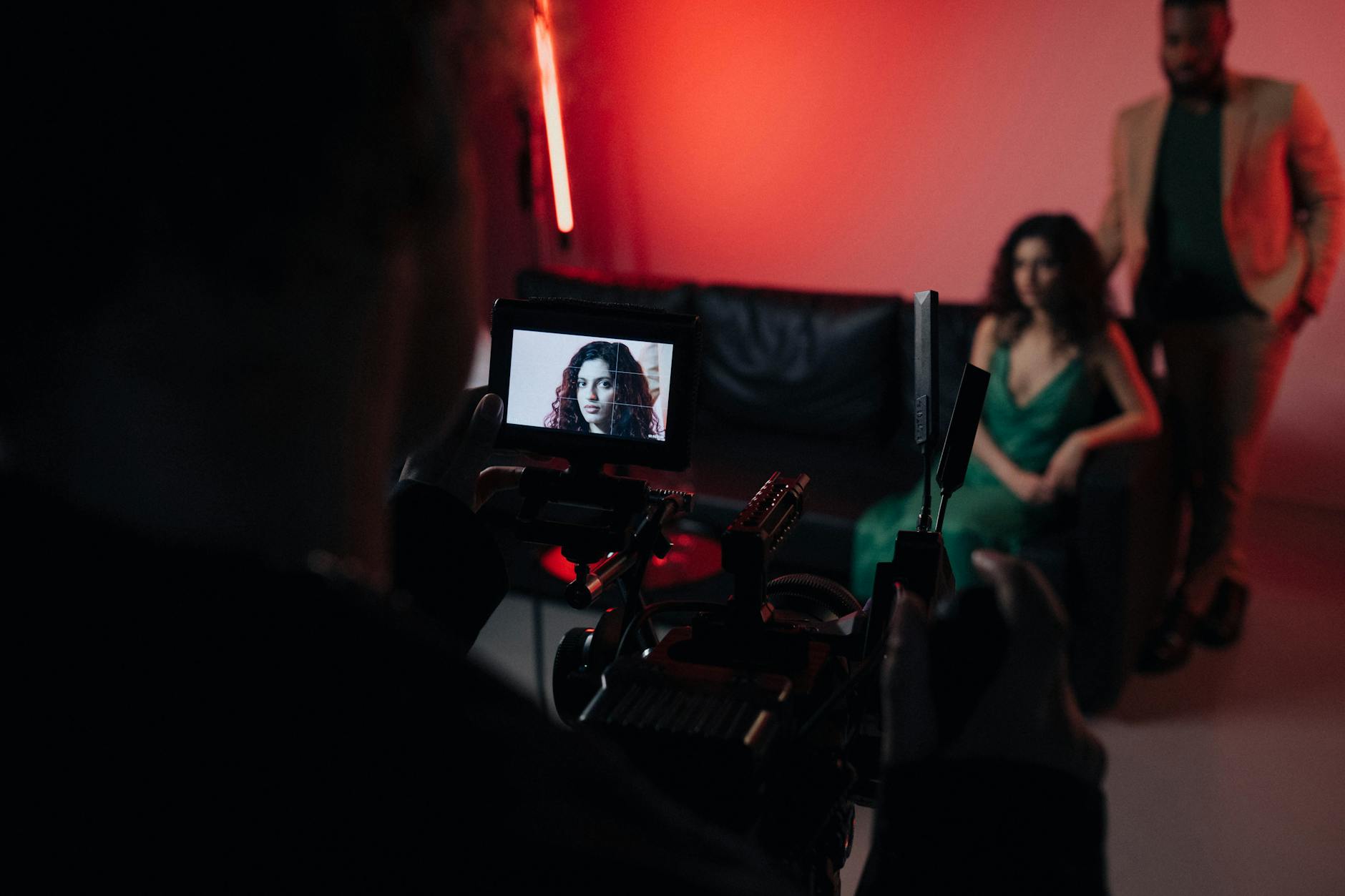
Factors Influencing Production Costs
When evaluating the potential costs of a corporate video, several core components come into play:
- Scope of the Project: Whether the video is a short promotional clip, an in-depth training module, or a comprehensive brand documentary impacts resource allocation and time commitment.
- Video Complexity: The use of advanced visual effects, animations, or specialized graphics increases production time and requires specialized talent and equipment.
- Quality Expectations: Higher production standards, including professional cinematography, sound design, and editing, elevate overall costs but deliver a more polished final product.
By carefully considering these factors, businesses can tailor their video projects to fit within their financial parameters while achieving their communication goals.
Average Budget Ranges for Corporate Videos
Depending on the scope and quality, corporate video production costs can vary widely. Small-scale projects with minimal editing might fall within a range of a few thousand dollars, typically between $3,000 and $10,000. Mid-tier productions, which involve more elaborate scripting, multiple shooting days, and professional post-production, often range from $10,000 to $50,000. Large-scale corporate videos, especially those requiring high-end production techniques and extensive crew, can exceed $100,000. Understanding these benchmarks assists businesses in aligning their expectations with their financial resources.
Cost Breakdown by Production Stages
Breaking down the expenses across various production stages reveals how costs accumulate and where potential savings can be made:
- Pre-Production: Concept development, scripting, storyboarding, location scouting, and casting are foundational expenses, typically representing 10-20% of the total budget.
- Production: Filming, equipment rental, talent fees, and on-set technical support constitute the core costs, often accounting for 40-50% of the total budget.
- Post-Production: Editing, visual effects, sound design, and color correction are labor-intensive phases that can comprise 30-40% of costs.
- Distribution and Delivery: Final file formatting, digital uploads, and possible distribution campaigns are additional expenses to consider.
Impact of Video Length and Content
The duration and complexity of the content directly influence production costs. Longer videos necessitate more shooting days and editing time, elevating expenses. Similarly, content that involves complex storytelling, numerous location changes, or animated sequences demands additional resources and specialized skills, which increase overall costs. Businesses should weigh the benefits of extended content against their budget constraints, ensuring the investment yields significant communication value.
Location and Equipment Expenses
Location choices significantly impact production budgets. Filming in highly sought-after areas or requiring permits can add to costs, while utilizing in-house or controlled environments may reduce expenses. Equipment rentals, especially for high-end cameras, lighting, and sound gear, also contribute to the overall budget. Advanced equipment can enhance video quality but comes with higher rental fees. Planning logistical details carefully helps control these essential expenses.
Additional Costs and Hidden Expenses
Beyond the primary production stages, several optional or unforeseen expenses can influence the final bill. These include wardrobe and makeup, special effects, talent fees beyond initial estimates, insurance, overtime charges, and contingency funds for unexpected issues. Recognizing potential hidden costs upfront allows businesses to allocate appropriate buffers within their budget.
Cost Optimization Tips for Businesses
Efficient project planning and clear communication with production partners are vital to managing costs.
- Establish clear objectives to avoid unnecessary revisions.
- Prioritize essential content to prevent overextending the scope.
- Choose locations thoughtfully to minimize travel and permit expenses.
- Leverage existing assets and in-house talent where possible.
- Seek multiple quotes from reputable providers to compare offerings and pricing.
Choosing the Right Production Partner in Miami
Selecting a professional and experienced local production team ensures quality outputs while maintaining cost efficiency. Miami’s vibrant media scene offers multiple options, but evaluating portfolios, client reviews, and scope alignment is crucial. An ideal partner will provide transparent pricing, comprehensive proposals, and demonstrated expertise in the scope of your project, enabling a smooth process from inception to delivery.
Cost Breakdown by Production Stages
Understanding the distribution of expenses across various phases of corporate video production is essential for accurate budgeting and resource allocation. Each stage contributes differently to the final cost, influencing how much a business should expect to invest.
Pre-Production
The planning and preparation phase often accounts for around 15-20% of the total budget. This involves script development, storyboarding, casting, location scouting, and securing necessary permits. Effective pre-production planning helps prevent costly revisions and logistical challenges during filming. Utilizing existing assets or repurposing previous content can further reduce expenses at this stage.
Production
The actual filming process typically represents the largest portion, often 50-60% of the total costs. This encompasses equipment rental, crew salaries, talent fees, set design, wardrobe, makeup, and location fees. Factors like shoot duration and complexity significantly influence this segment’s expenses. Employing efficient scheduling and leveraging in-house talent can lead to substantial savings.
Post-Production
Post-production costs generally range from 20-25% of the overall budget and include editing, visual effects, color correction, sound design, and music licensing. Advanced editing techniques or special effects substantially increase post-production costs, particularly if high-end software and skilled editors are required. Streamlined workflows and precise project scope help manage these expenses effectively.
Distribution and Marketing
While sometimes overlooked, costs for distributing the final video—such as social media promotion, paid advertising, or broadcast licensing—should be incorporated into the overall budget. These expenses vary based on the platform and reach desired, but planning early ensures that distribution efforts align with production investments.
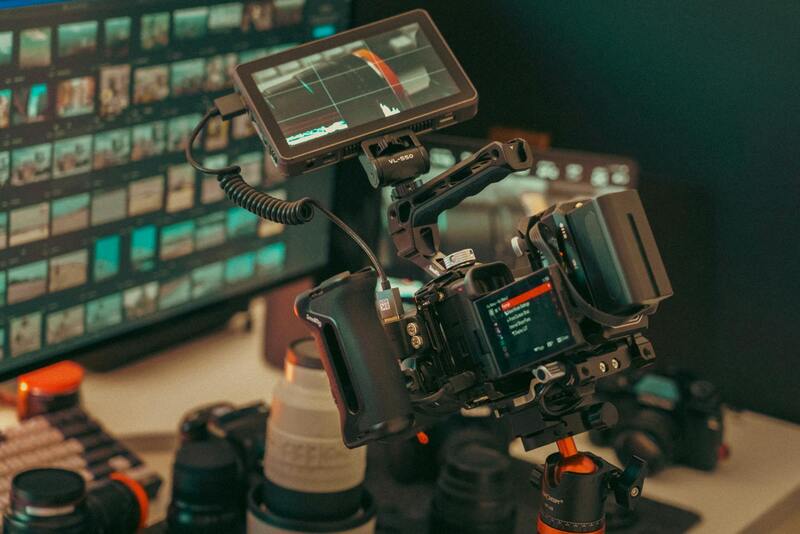
Location and Equipment Expenses
One of the significant determinants of corporate video production costs is the choice of location and the associated equipment requirements. Filming in high-demand venues or iconic Miami landmarks may incur higher location fees due to popularity or exclusivity, which can notably elevate the overall budget. Conversely, opting for less crowded or publicly accessible locations can help alleviate some costs, provided film permits are appropriately secured.
Equipment expenses, including cameras, lighting, and sound gear, constitute another substantial portion of production costs. High-quality equipment is essential for delivering professional results, but rental fees for advanced cameras and lighting setups can quickly add up. Utilizing in-house equipment or negotiating package deals with local rental houses can contribute to cost savings. Furthermore, the complexity of the shooting setup—such as the need for crane shots, drone footage, or specialty gear—also impacts the expense. The more intricate the technical requirements, the higher the investment needed.
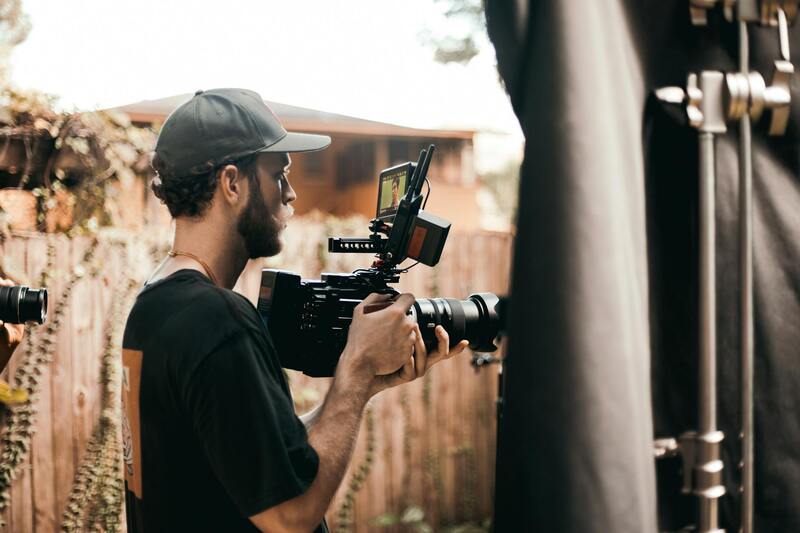
In Miami's vibrant environment, integrating ambient city scenes or iconic architectural backdrops can enhance the visual appeal without substantial additional expense, provided logistical considerations are managed efficiently. Proper planning around location permits and technical needs is crucial to prevent unforeseen costs and to ensure a smooth filming process.
As part of budget management, producers should evaluate the necessity of certain equipment features versus rental or leasing options. Strategically scheduling shoot days to maximize equipment use can also reduce rental durations and related costs, offering a more cost-effective solution for complex projects.
Impact of Video Length and Content
The length of a corporate video directly correlates with its production costs, impacting various stages from scripting to final editing. Longer videos require more shooting days, additional crew hours, and increased post-production efforts. For example, a 2-minute promotional clip might be completed in a condensed schedule, whereas a comprehensive 20-minute training or brand story demands a more extensive timeline and resource allocation.
Beyond duration, the complexity and nature of the content significantly influence costs. A straightforward interview or testimonial-style video with minimal graphic overlays generally entails lower expenses compared to screens with animated infographics, special effects, or multi-location shoots. Content that involves detailed animations, visual effects, or specialized talent (such as voiceovers or actors) increases both production and post-production expenditures.
Scripting is also a determinant factor; well-crafted scripts that focus on concise messaging can streamline filming and editing. Conversely, elaborate narratives requiring multiple scenes, actors, and complex scenarios tend to escalate costs. Moreover, content that necessitates extensive post-production modifications, like CGI integration or color grading, requires more hours of work, raising overall expenses.
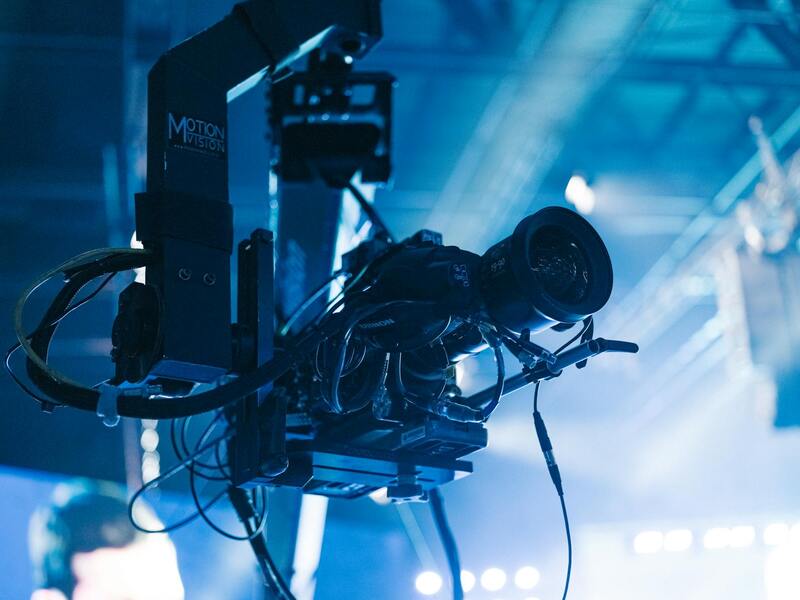
Location and Equipment Expenses
Choosing filming locations within Miami plays a significant role in budgeting. Opting for accessible, permit-ready sites such as public parks or city streets can minimize expenses, but operating in high-profile locations like downtown Miami or iconic landmarks may incur additional fees for permits and insurance. Proper planning around permits and logistical arrangements is essential to prevent unexpected costs.
Equipment costs encompass rental fees for high-quality cameras, lighting setups, and audio gear. While in-house resources can reduce expenses, the need for specialized equipment—such as steady-cams, drone cameras, or green screens—can increase rental costs. Strategic scheduling, like consolidating shoot days to reduce rental periods, is crucial for cost containment.
Sampling equipment options and negotiating packages with local rental vendors can yield considerable savings. For example, opting for mid-range camera systems with professional-grade lighting instead of the most advanced models can balance quality and cost effectively. When feasible, utilizing existing equipment or collaborating with local production facilities can further curtail expenses.
Location and Equipment Expenses
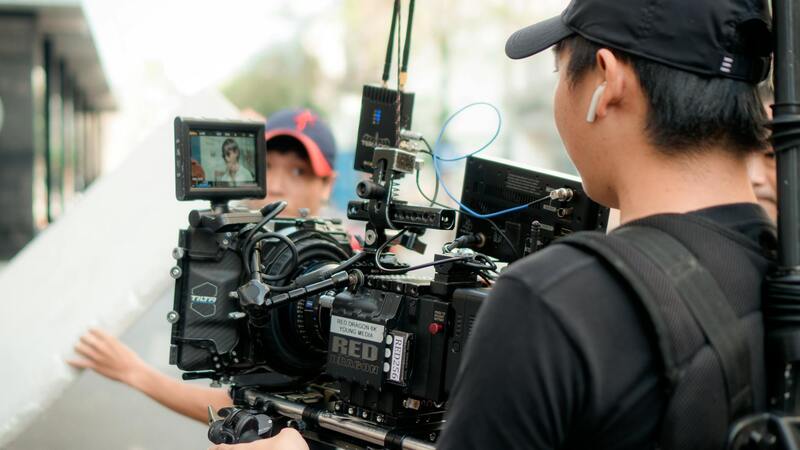
Effective management of location and equipment costs is essential for maintaining a balanced corporate video production budget within Miami. Selecting filming sites that align with your project scope and budget can significantly influence total expenses. Public parks, city streets, and other permit-ready locations often present more affordable options, especially when short-term permits are available or included in package deals. Conversely, filming at high-profile landmarks, iconic Miami neighborhoods, or private properties may require substantial permit fees, insurance, and logistical arrangements, inflating overall costs. Strategic planning around location selection not only helps in minimizing costs but also ensures smooth production workflows. Securing permissions well in advance and understanding the specific requirements of each site can prevent delays and additional expenses. Additionally, combining multiple shots at a single location can reduce travel and setup time, further controlling costs. Equipment expenses form a major part of the production budget and demand careful consideration. Rental fees for high-quality cameras, lighting setups, and audio gear vary depending on the complexity and duration of the shoot. In-house resources or existing equipment may reduce rental costs, but procuring specialized gear like steady-cams, drones, or green screens often incurs higher charges. Negotiating rental packages with local vendors or utilizing bundled services can lead to substantial savings. Optimizing equipment usage with efficient scheduling—such as consolidating shooting days—helps lower rental periods and associated costs. Selecting mid-range camera systems and lighting solutions that meet production quality standards without the premium price tag strikes a balance between quality and budget. When possible, leveraging existing equipment or partnering with nearby production facilities can further reduce expenses.
Additional Costs and Hidden Expenses
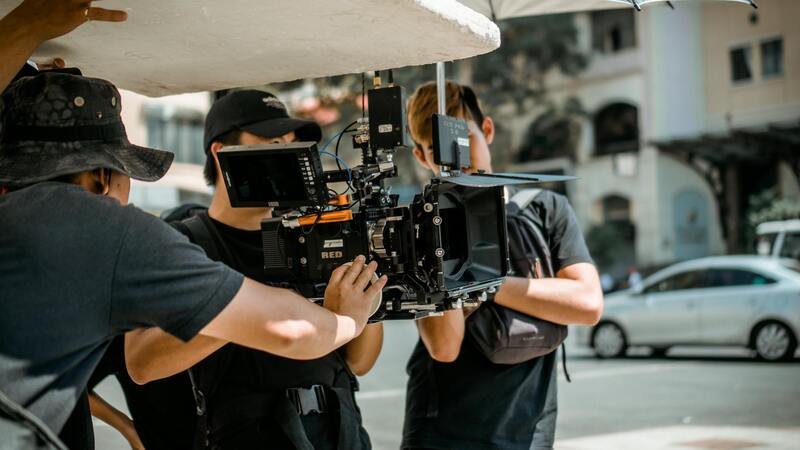
While establishing a clear budget for corporate video production is essential, it is equally important to account for additional costs that can arise unexpectedly. Permits are often necessary when shooting in public or restricted areas within Miami, and acquiring these can involve application fees and administrative charges. Failing to secure proper permissions beforehand might lead to delays that inflate the overall timeline and budget.
Talent expenses encompass fees for professional actors, voice-over artists, or on-screen presenters. These costs vary based on experience, prominence, and the duration of their involvement. Engaging local talent can sometimes reduce travel and accommodation expenses, but their rates must be factored into the total budget.
Animation and post-production services often represent a significant portion of hidden expenses. Advanced motion graphics, visual effects, and custom animations require specialized skills and time, translating into higher costs. Allocating resources for high-quality editing, color grading, and sound design ensures a polished final product but may extend the project timeline.
Overtime charges also contribute to unforeseen expenses, especially if shoots extend beyond scheduled hours due to unforeseen circumstances such as weather disruptions or technical issues. Well-planned schedules and clear communication with all team members can help minimize overtime, keeping costs under control.

Cost Optimization Tips for Businesses
Strategic planning is vital for managing corporate video production costs effectively. One of the most impactful steps is establishing clear priorities early in the planning process. Identifying the core message and desired outcomes allows for targeted content creation, avoiding unnecessary footage or lengthy filming sessions.
Next, leveraging existing assets can savings significantly. Utilizing pre-existing footage, graphics, or locations known to be cost-effective can reduce both filming and post-production expenses. When feasible, repurposing content from previous projects not only conserves resources but also ensures consistent branding.
Comparing quotes from multiple vendors and negotiating bundled services can lead to substantial savings. Many production companies offer package deals that include multiple stages of production, which might be more economical than booking services separately.
Another approach involves optimizing scheduling—consolidating shoots into fewer days reduces rental periods, labor costs, and logistical expenses. Additionally, choosing mid-range equipment that meets production standards helps balance quality with affordability.
Finally, investing in comprehensive pre-production planning minimizes costly re-shoots and last-minute adjustments. Clearly defining project scope, creating detailed shot lists, and communicating expectations with all involved parties ensure smoother workflows and reduce unforeseen expenses.

Choosing the Right Production Partner in Miami
Selecting a production partner with extensive experience in Miami's local market can be instrumental in controlling costs. An ideal partner understands the city’s logistical landscape, permits process, and the most cost-effective locations. They bring established relationships with local vendors, equipment rental companies, and talented professionals, facilitating smoother collaboration and potential savings.
Communication is key when working with a production partner. Clear articulation of objectives, budget constraints, and timelines allows for tailored solutions that align with your financial expectations. Reliable partners provide transparent quotes, detailed cost breakdowns, and are proactive in flagging potential additional expenses.
Furthermore, an experienced company can advise on innovative solutions that enhance production quality while staying within budget. Their expertise can guide efficient scheduling, location choices, and equipment utilization—ensuring your video project is both impactful and cost-effective.
Factors Influencing Production Costs
Understanding the determinants of corporate video production costs is essential for budget planning and project management. Several key factors contribute to the overall expenditure:
- Project Scope and Complexity: The intricacy of the video's storyline, special effects, animations, and graphics significantly impact costs. A straightforward interview or testimonial will generally cost less than a highly stylized promotional video with multiple locations and advanced visual effects.
- Pre-Production Planning: Detailed planning sessions, script development, storyboarding, and casting arrangements set the foundation for efficient production. Investing time and resources upfront can prevent costly revisions and re-shoots later.
- Talent and Crew: Hiring experienced actors, presenters, directors, cinematographers, and technical crew influences expenses. High-profile talent tends to increase costs, but their professionalism can elevate the quality of the final product.
- Equipment Rental and Use: The need for specialized cameras, lighting rigs, drones, or steadycams can elevate costs. State-of-the-art equipment ensures higher production values but comes with corresponding rental and operational expenses.
- Post-Production Efforts: Editing, color correction, sound design, and visual effects are resource-intensive stages. The extent and complexity of editing directly correlate with the final bill.
- Location Selection and Permits: Filming at popular or restricted areas may require permits, authorizations, or location fees. Urban environments like Miami might demand additional logistical arrangements or permits, affecting the budget.
- Insurance and Contingency: Adequate coverage for equipment, personnel, and potential delays is vital. Budgeting for unforeseen issues helps mitigate risk and avoid project disruptions.
Average Budget Ranges for Corporate Videos
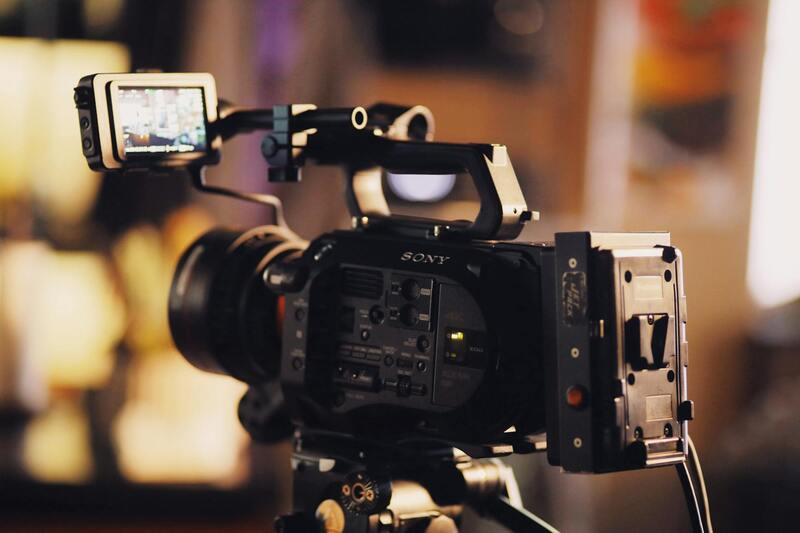
Corporate video production costs vary widely based on project scope, quality expectations, and regional pricing standards. Broad ranges can assist organizations in setting realistic financial parameters:
Starting from $1,000 up to $5,000, these videos typically feature minimal planning, basic editing, and standard equipment. They are suitable for simple product overviews or internal communications. - Intermediate Productions ($5,000 - $20,000): Mid-tier videos often involve multiple locations, professional talent, and moderate post-production effects. They strike a balance between budget and quality, ideal for marketing campaigns and corporate training.
- High-End Corporate Videos ($20,000 and above): These productions encompass cinematic quality, high-profile talent, sophisticated graphics, animations, and extensive filming schedules. They are utilized for major product launches or branding initiatives requiring premium presentation.
Cost Breakdown by Production Stages
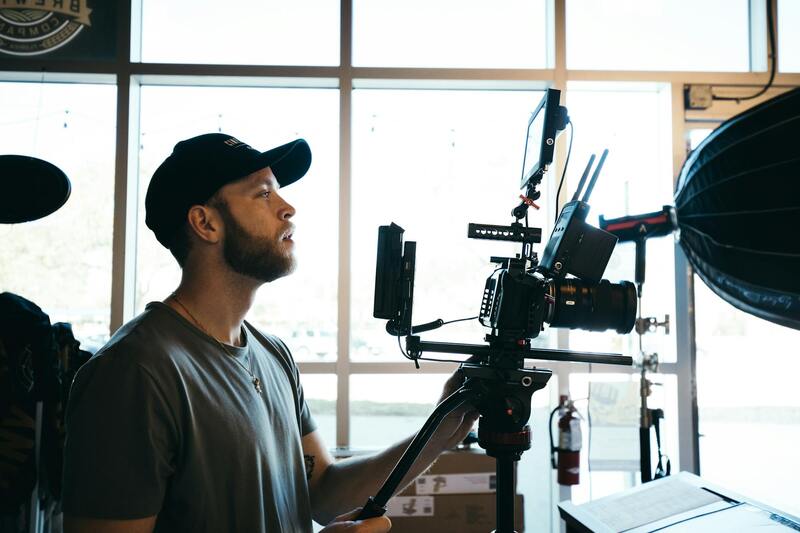
An effective way to analyze and control production expenses is to consider how costs are distributed across different phases:
- Pre-Production: 15-30% of total budget — includes scripting, planning, casting, and scouting locations.
- Production: 35-50% — covers crew wages, equipment rentals, set design, costumes, and filming logistics.
- Post-Production: 20-30% — editing, sound engineering, visual effects, and mastering.
- Miscellaneous Expenses: 5-10% — permits, insurance, transportation, and contingency funds.
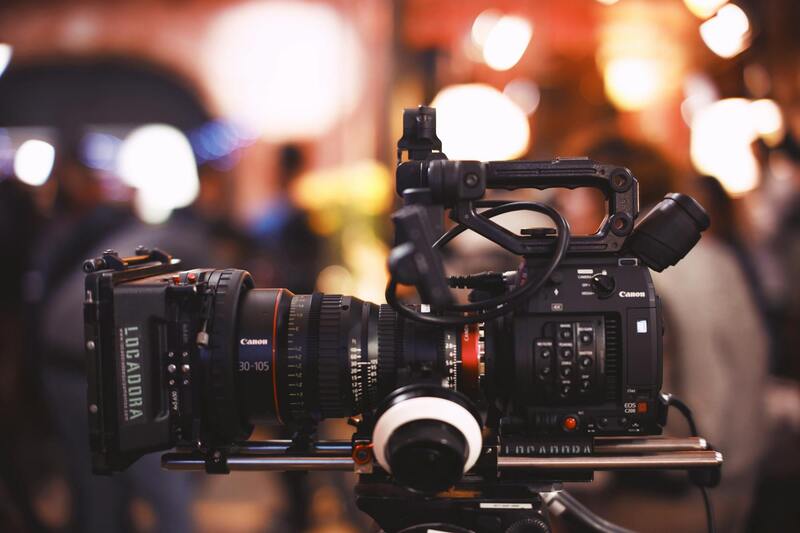
Impact of Video Length and Content
The duration and complexity of the video significantly influence costs. Longer videos naturally require more filming time, editing, and resources. Similarly, content with intricate animations, special effects, or on-screen talent increases production expenses. For example, a two-minute explainer video may cost less than a comprehensive 15-minute corporate webinar with multiple speakers and motion graphics, even if both serve similar purposes.
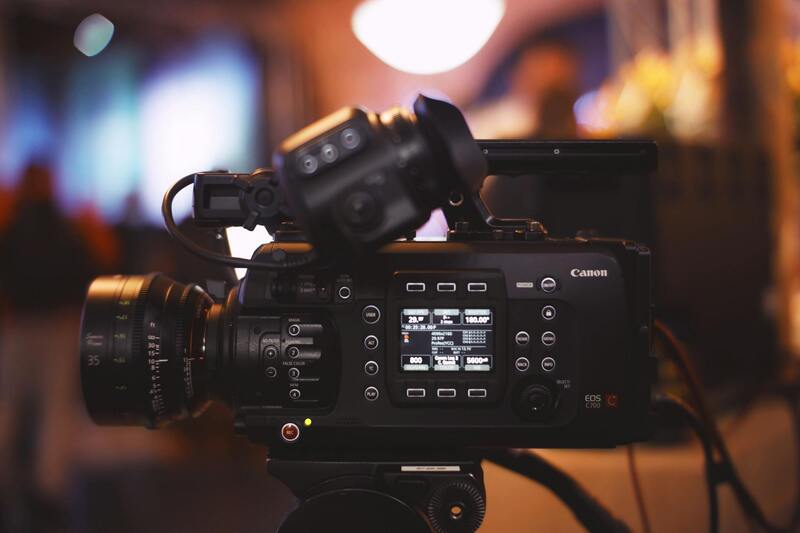
Location and Equipment Expenses
Filming in diverse or iconic Miami locations can impose additional costs for permits and logistical arrangements. Many urban and outdoor sites may require securing access licenses or additional safety measures, which can add to expenses. Equipment costs depend heavily on the technical demands of the project. High-quality cameras, drones, lighting gear, and stabilization equipment often incur rental fees, especially when specialized gear is necessary to achieve the desired look or cinematic effect.
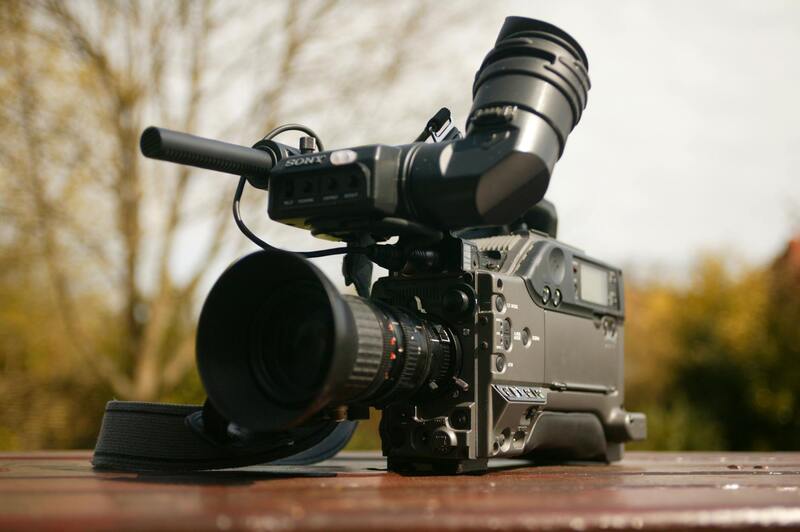
Additional Costs and Hidden Expenses
Organizations should also budget for supplementary costs that may not be immediately apparent during initial planning. These include transportation and accommodation for crew members, catering services, additional permits, high-demand filming days, and potential reshoots. Unexpected expenses can arise from weather delays, equipment malfunctions, or changes in project scope, emphasizing the importance of having a contingency budget.
Maintaining transparency with vendors and obtaining detailed quotations early in the process can mitigate surprises. Close collaboration and clear communication regarding expectations from the outset help align project goals with financial constraints, ensuring that the final product meets organizational standards without unnecessary expenditure.
Factors Influencing Production Costs
Several key elements play a role in determining the overall expenses associated with corporate video production. These factors include the scope of the project, the complexity of the content, the location of filming, and the technical requirements. A detailed understanding of these components helps organizations allocate budgets more accurately and avoid unexpected expenditures.
Pre-Production Planning
Effective planning reduces costly revisions and reshoots. This phase involves conceptualization, scripting, storyboarding, and scheduling. Investing time here ensures clear communication of project goals, which directly impacts the efficiency of the entire process.
Talent and Crew
The experience and stature of talent—including actors, presenters, directors, cinematographers, and technical crew—significantly influence costs. High-profile talent or specialized specialists command higher fees but often result in superior content and professional delivery, which can enhance overall campaign effectiveness.
Equipment Rental and Usage
Utilizing advanced filming gear such as high-resolution cameras, aerial drones, and specialized lighting enhances production quality. However, these needs come with rental fees and operational costs, particularly if high-performance equipment is used for extended periods.
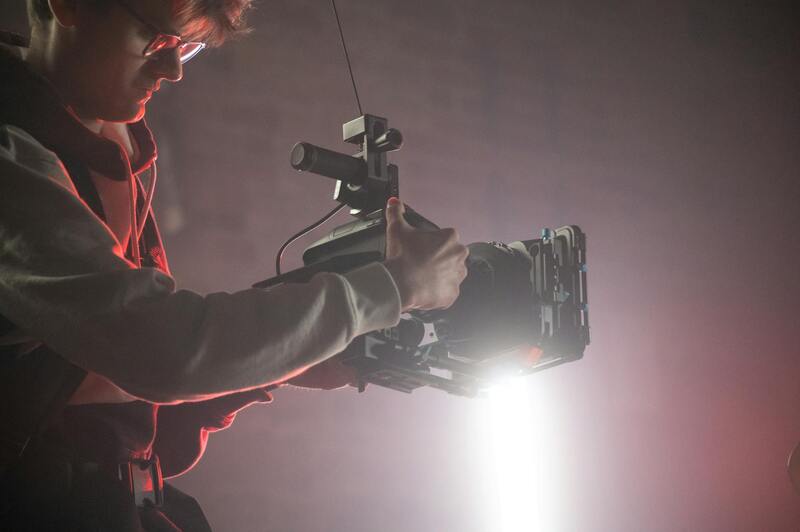
Post-Production
Editing, visual effects, color grading, and sound design are resource-intensive stages. The complexity and length of post-production work may increase costs, especially if the project demands intricate graphics or special effects. Investing in professional editing ensures a polished final product that aligns with brand standards.
Location and Permits
Filming in urban or restricted areas often requires permits, location fees, and logistical arrangements. Cities like Miami have specific regulations and permits that influence costs, particularly in high-traffic or iconic locations. Proper planning for these requirements is essential to avoid delays and additional expenses.
Additional Costs and Hidden Expenses
It's important to account for miscellaneous costs such as insurance, transportation, catering, and contingency funds. Unforeseen circumstances, such as weather delays or equipment breakdowns, can also add to the final tally if buffer funds are not allocated in advance.
Average Budget Ranges for Corporate Videos
Corporate video production costs can vary broadly depending on project ambitions, regional pricing, and the desired quality. A basic promotional video with minimal post-production might start around $1,500 to $5,000, whereas a high-end, fully produced corporate narrative or brand story can exceed $20,000 or more. Understanding these ranges helps organizations plan their investments effectively, ensuring they allocate sufficient resources for quality outcomes.
Range Examples by Production Type
- Basic Explainer Videos: $1,500 – $5,000
- Mid-Range Corporate Testimonials: $5,000 – $15,000
- High-End Promotional Content: $15,000 – $50,000+
Regional factors, such as Miami's market rates, influence pricing, with local providers offering a spectrum of options tailored to different budgets and expectations.
Choosing the Right Production Partner in Miami
When selecting a video production agency, it is critical to consider their portfolio, client testimonials, and transparency in pricing. Experienced providers who understand the local landscape and possess a track record of delivering high-quality content are preferable. Clarifying project scope, deliverables, and costs upfront helps avoid surprises and facilitates a smooth collaboration. An agency with clear communication, creative expertise, and flexible packages can adapt to your budget while ensuring your brand message is effectively conveyed through compelling visuals.