Understanding Corporate Brand Films
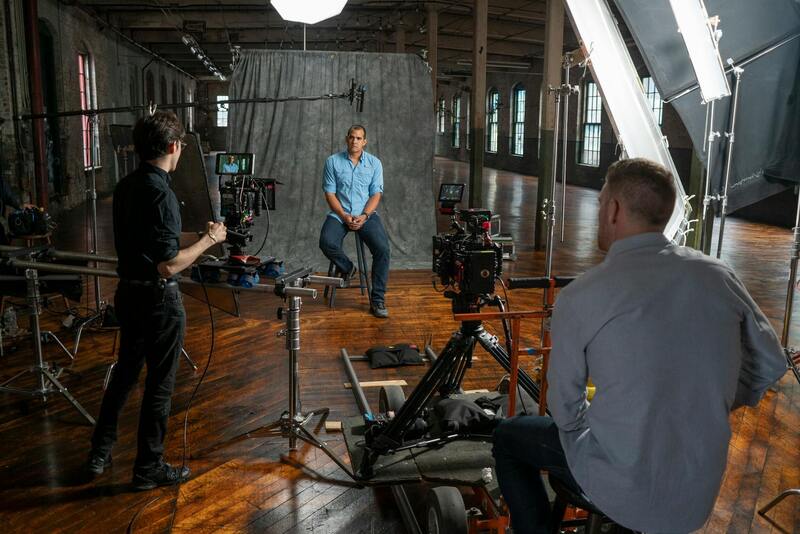
Corporate brand films are professionally produced videos that encapsulate a company's identity, values, and mission. They serve as a visual narrative designed to engage target audiences, foster brand loyalty, and enhance a company's public image. Unlike traditional advertising videos that often focus on product promotion, corporate brand films aim to tell a compelling story about the organization itself, emphasizing its purpose and cultural ethos.
These films typically feature high-quality visuals, strategic storytelling, and a cohesive aesthetic that aligns with the company's branding guidelines. They can be used across various channels, including corporate websites, social media platforms, industry events, and internal communications. By doing so, they create a consistent message that reinforces the company's position in the marketplace.
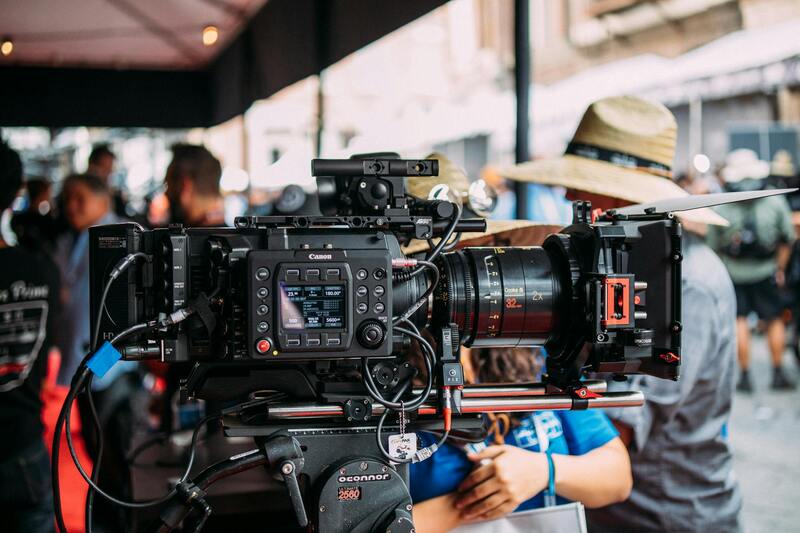
Different from other types of video content, such as product demos or event coverage, corporate brand films are often more narrative-driven and emotionally engaging. They focus on capturing the essence of a company's personality and objectives, making them versatile tools for branding strategies. When crafted with precision, these films can elevate a company's perception, build trust, and position it as a leader within its industry.
Creating a successful corporate brand film involves a clear understanding of the target audience, a well-defined message, and a strategic approach to storytelling. The goal is to produce content that resonates on an emotional level while communicating the company's core values in an authentic manner. This requires expert planning, scripting, and execution to ensure the final product effectively enhances the company's brand identity.
Developing a Creative Concept for Your Film
Establishing a compelling creative concept is fundamental to the success of a corporate brand film. This phase involves translating the core values and mission of the company into a captivating narrative that resonates with the intended audience. The creative concept sets the tone, style, and emotional direction of the film, ensuring consistency with brand identity while capturing the audience’s interest.
Effective concept development begins with comprehensive research into the target demographic, understanding their preferences, pain points, and motivations. It also involves a close examination of the company's unique strengths and brand voice. Brainstorming sessions and collaborative workshops can facilitate the generation of innovative ideas that highlight what makes the brand distinctive.
Storytelling frameworks are crucial during this stage, allowing creators to craft narratives that are both authentic and memorable. Whether through personal stories, customer testimonials, or behind-the-scenes glimpses, the goal is to forge an emotional connection that encourages audience engagement.
Visual and stylistic choices should be aligned with the company's branding guidelines to create a cohesive aesthetic. These decisions include color palettes, typography, pacing, music, and visual motifs, all of which contribute to a recognizable and impactful film.
Production Process in Miami
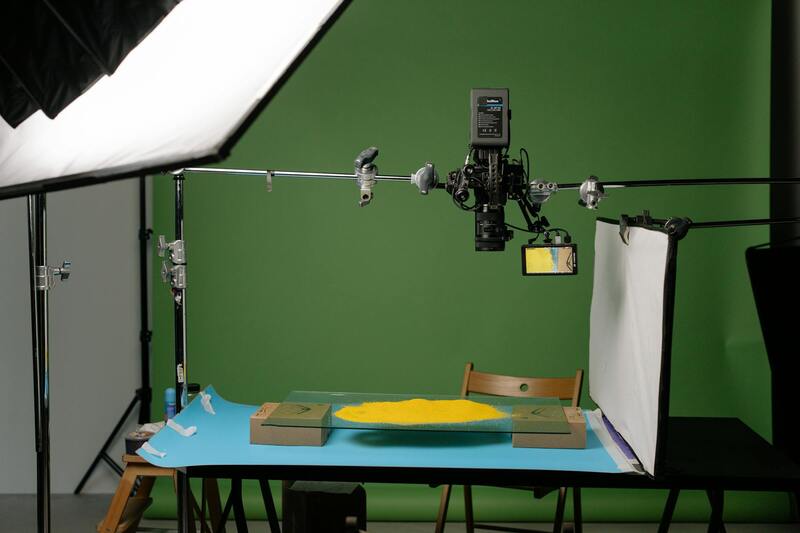
The production phase in Miami combines state-of-the-art technology with experienced professionals to bring the creative vision to life. Miami’s diverse locations, vibrant culture, and modern infrastructure make it an ideal backdrop for shooting corporate brand films that require dynamic settings and authentic atmospheres.
The process begins with pre-production planning, including location scouting, casting, scheduling, and securing permits. Once all logistics are in place, production crews execute the filming with precision, utilizing high-quality equipment such as 4K cameras, drones, and professional lighting systems to capture stunning visuals.
During filming, directors emphasize storytelling authenticity by working closely with talent and crew to ensure performances and scenes align with the narrative. The city’s diverse scenery provides endless opportunities for capturing varied shots that reflect the brand’s personality, whether urban sophistication, coastal serenity, or vibrant energy.
The Miami production scene boasts a network of seasoned professionals, from cinematographers to production designers, ensuring seamless execution and a polished final product. Post-production follows, involving editing, color grading, sound design, and visual effects, all tailored to meet brand specifications and enhance storytelling.
Choosing the Right Production Partner
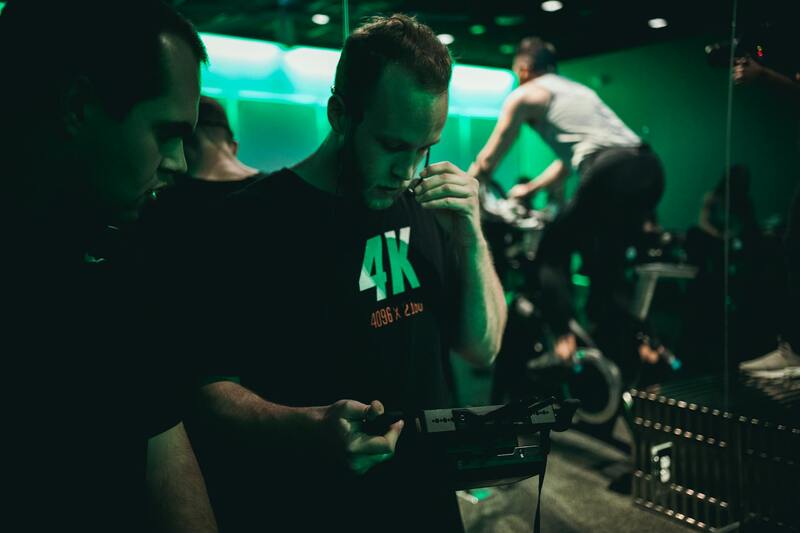
Selecting a proficient production partner is critical in ensuring the quality and effectiveness of a corporate brand film. The ideal partner should possess extensive experience in brand storytelling, a robust portfolio of successful projects, and an understanding of your industry’s nuances.
When evaluating potential production providers, consider their creative approach, technical capabilities, and project management skills. Transparency in communication and flexible collaboration are essential to aligning the production process with your brand objectives. It’s also advantageous to review client testimonials, case studies, and sample work to gauge their expertise and reliability.
A well-selected partner can offer strategic input during concept development, streamline the filming process, and deliver a final cut that effectively communicates your brand story with precision and impact. Their familiarity with Miami’s vibrant production landscape can further enhance the quality and efficiency of the project.
Distribution and Usage Strategies
Maximizing the reach and impact of a corporate brand film involves strategic distribution across appropriate channels. Elevating the film’s visibility ensures it resonates with target audiences, stakeholders, and potential clients, reinforcing brand awareness and trust.
Common distribution avenues include corporate websites, social media platforms, email campaigns, industry conferences, and internal communications. Tailoring content for each platform enhances engagement; for instance, short, punchy clips work well on social media, while longer, detailed narratives suit website pages or presentations.
Integrating the film into broader marketing campaigns amplifies its effectiveness. Embedding it within webinars, training modules, or client onboarding processes can foster a consistent and memorable brand experience.
Furthermore, leveraging analytics and audience feedback provides insights into what resonates most, enabling continuous refinement of future content strategies and maximizing return on investment.

Measuring Impact and ROI
Assessing the success of a corporate brand film requires specific metrics that align with set objectives. These may include engagement metrics like views, shares, and comments, as well as qualitative feedback such as audience perception and brand sentiment.
Tracking website analytics before and after the film’s release can reveal increases in traffic, time spent on pages, and conversion rates, providing tangible evidence of impact. Social media insights, including engagement rates and audience demographics, help gauge reach and resonance across platforms.
Employing surveys or focus groups can gather in-depth feedback on how the film influences brand perception. Additionally, monitoring business metrics such as lead generation, partnership inquiries, or sales conversions linked directly to the campaign can quantify ROI more comprehensively.
Ongoing evaluation allows organizations to adapt their content strategy, optimize distribution methods, and allocate resources effectively, yielding better results in future branding initiatives.
Crafting a Compelling Narrative Through Authentic Storytelling
Developing a creative concept for a corporate brand film necessitates a focus on authentic storytelling that resonates with the target audience. Establishing a narrative that aligns with the company's core values and mission creates an emotional connection, fostering brand loyalty. A well-crafted story captures attention and maintains engagement throughout the film, ensuring that viewers connect with the brand on a deeper level. This process involves identifying the unique selling propositions and weaving them into a coherent storyline that highlights the company's strengths and contributions to its industry.

Moreover, integrating real-life testimonials, employee stories, or customer success narratives adds credibility and relatability, making the message more tangible. Each element should serve a specific purpose, supporting the overarching theme while reinforcing the brand identity. Crafting a script that emphasizes clarity, authenticity, and emotional appeal ensures the message is memorable and persuasive, ultimately supporting the company's strategic objectives.
Visual Aesthetics and Production Quality
High-quality visuals are fundamental to creating a professional and appealing corporate brand film. Effective use of lighting, color grading, and cinematography enhances the visual storytelling, capturing the audience's attention and conveying the desired tone. A well-designed visual style should complement the narrative, reflecting the brand’s personality—be it innovative, trustworthy, or approachable.

In addition to technical excellence, attention to detail in editing, sound design, and background music contributes significantly to the overall production quality. Seamless editing ensures a smooth flow that maintains viewers’ interest, while clear audio enhances message clarity. Employing state-of-the-art equipment and experienced production crews in Miami guarantees a polished final product that aligns with brand standards and resonates positively with audiences.
Messaging and Call-To-Action
Clearly articulated messaging is essential to ensure that viewers understand the core values, offerings, and differentiators of the brand. The film should communicate key messages succinctly, with a consistent tone that reflects the brand’s voice. Including a compelling call-to-action directs viewers toward desired responses such as visiting a website, contacting the company, or engaging with social media platforms. A well-designed call-to-action motivates audiences to take concrete steps, maximizing the film’s impact and supporting strategic marketing goals.
Ensuring the Authenticity of Your Corporate Brand Film
Creating a corporate brand film that accurately represents your company's essence requires meticulous attention to authenticity through reliable production methods. It is essential to leverage officially sanctioned techniques to maintain the integrity of your brand message. Authenticity is best achieved when production teams adhere strictly to approved content guidelines, ensuring that every aspect of the film—script, visuals, and sound—truthfully portrays the company's values and mission.
One of the foundational steps involves collaborating with seasoned professionals who utilize proven equipment and standardized workflows. This approach guarantees that the filming process respects your brand’s identity and delivers a consistent visual style. Authentic storytelling avoids exaggerated claims or overly staged scenes, focusing instead on genuine narratives that resonate with your audience.
Pre-production planning is critical for aligning every element with approved brand standards. This includes detailed storyboarding, clear communication of core messages, and establishing a thorough production brief. During filming, only legitimate techniques and authorized personnel should be employed to ensure compliance with your company's content policies.
Post-production processes, such as editing, color correction, and sound design, must follow established protocols that reflect your brand’s voice. Certified editors and sound engineers utilize licensed software and tools to deliver high-quality output. Incorporating feedback from authorized stakeholders at this stage ensures the final product remains true to your brand identity.
Furthermore, securing content rights is paramount when sourcing footage, music, and other creative assets. Using licensed resources prevents infringements and upholds ethical standards, reinforcing trustworthiness. Once finalized, the film should undergo a thorough review process involving key decision-makers to validate that every element aligns with corporate standards.
Implementing a Strategic Distribution and Usage Approach
Once a corporate brand film has been meticulously produced, the focus shifts to distribution and maximizing its usage to ensure it reaches the intended audience effectively. Strategic dissemination not only amplifies brand visibility but also reinforces corporate messaging across various channels, fostering deeper connection and engagement with viewers.
Understanding Strategic Distribution Channels
- Company Website and Digital Platforms: Embedding the film on your official website ensures accessibility to visitors actively seeking your brand information. Additional digital assets, such as landing pages or microsites, can serve to highlight specific campaigns or corporate initiatives associated with the film.
- Social Media Platforms: Sharing the film across social media networks, including LinkedIn, YouTube, and Instagram, facilitates targeted outreach. Tailoring the content to each platform’s unique audience enhances engagement and encourages sharing, expanding reach organically.
- Industry Events and Presentations: Featuring the film at conferences, seminars, or trade shows provides a platform to showcase your corporate story in a professional setting. These events offer opportunities for direct audience interaction and feedback.
- Media and Press Outreach: Distributing the film through media partnerships or press releases can generate broader media coverage, increasing credibility and visibility in the industry and beyond.
Maximizing Usage for Brand Impact
Legitimate utilization of your corporate film involves consistent integration into your overarching branding strategy. This includes incorporating the film into employee onboarding programs, training sessions, and corporate presentations, ensuring your team consistently embodies and communicates the brand values depicted in the film.
- Internal Engagement: Use the film internally to reinforce brand values, culture, and corporate identity among employees, fostering a unified organizational message.
- Client and Stakeholder Communication: Share the film with clients, partners, and stakeholders to enhance relationships and demonstrate your brand’s commitment to transparency and professionalism.
- Public Campaigns: Incorporate the film into broader marketing campaigns, utilizing legitimate advertising channels like targeted digital ads or sponsored content to reach specific demographics.
Maintaining Consistency and Brand Integrity
Throughout the distribution process, it's essential to ensure that the film is used in a manner consistent with your brand guidelines and messaging standards. Verified platforms and authorized personnel should manage distribution to uphold the integrity and quality of the content. This approach prevents misrepresentation and guarantees that your brand’s core values and story are communicated authentically across all touchpoints.

Ensuring Proper Distribution on Official Platforms
To maximize the impact of your corporate brand film, it is essential to distribute it through trusted and reputable channels. Official websites, such as your corporate site or dedicated landing pages, serve as primary hubs for sharing high-quality content with your target audiences. These platforms offer controlled environments where your brand message remains consistent and undiluted.
Utilizing social media profiles on platforms like LinkedIn, Facebook, and Instagram allows for targeted engagement with relevant demographics. These channels facilitate sharing snippets, behind-the-scenes content, or testimonials that support the main narrative of your corporate film. When distributing via social media, ensure the content adheres to platform standards and aligns with your overall branding guidelines.
Embedding your film in email marketing campaigns is another effective approach. It enables direct communication with clients, stakeholders, or prospects who have signed up for updates, ensuring your message reaches an engaged audience. It is vital that the email content promotes your brand identity cohesively and links to the official film hosted on your secure servers or company-controlled channels.
Additionally, utilizing industry-specific video hosting services such as Vimeo or YouTube allows for broader visibility while providing control over privacy settings. Private or unlisted uploads on these platforms ensure that access is limited to intended viewers, maintaining your brand’s professional image.
For event presentations, conferences, or trade shows, incorporating your corporate film into live sessions or digital kiosks provides a direct experience for attendees. Such exclusive, controlled environments ensure your message is conveyed in a manner consistent with your branding standards.
Collaborating with Authorized Media and Advertising Partners
While leveraging multiple channels, working with authorized media partners guarantees that your content is promoted accurately and professionally. Selected broadcasters, digital ad networks, or industry-specific publications with a proven track record in corporate communication uphold your brand’s standards. This collaboration helps prevent misrepresentation and ensures your film’s messaging aligns with your company’s voice.
It is equally important to respect intellectual property rights and licensing agreements during distribution. Using licensed content and adhering to platform-specific content policies safeguards your brand reputation and preserves your professional standing.
Monitoring and Managing Content Usage
Consistent oversight of your corporate film’s distribution helps detect any unauthorized use or misrepresentation. Regularly reviewing where and how your film is being used allows you to address discrepancies swiftly and maintain brand consistency. Employing content management systems or digital rights management tools offers additional control over your content’s dissemination, ensuring it remains within approved parameters.
Providing authorized personnel with clear guidelines for content sharing further supports the integrity of your branding efforts. This includes instructions on framing, context, and accompanying messaging when sharing the film across various platforms.
Distribution and Usage Strategies
Effective distribution of corporate brand films ensures your message reaches the right audience through appropriate channels, maximizing impact and reinforcing your brand identity. It involves strategic planning to utilize digital platforms, event appearances, and internal communications to create a cohesive brand narrative that resonates with viewers. Each channel serves a specific purpose, requiring tailored approaches that align with your overall marketing objectives.
Optimizing Digital Platforms
Digital platforms such as the company website, social media channels, and industry-specific online communities are vital for sharing corporate brand films. To optimize engagement, quality content should be tailored for each platform's unique format and audience preferences. For instance, shorter, attention-grabbing clips work well on social media, while longer-form videos can enrich your website or YouTube channel. Incorporating metadata and targeted descriptions enhances discoverability in search engines, further extending your reach.
Maximizing Event Opportunities
Corporate events, industry conferences, and trade shows provide ideal opportunities to showcase your brand films in front of engaged, relevant audiences. Incorporating your film into a presentation or display not only elevates your corporate image but also facilitates deeper connections with potential clients and partners. Consider live screenings complemented by Q&A sessions to foster interaction and reinforce your brand message.

Integrating Internal Communications
Beyond external promotion, internal dissemination ensures your employees and stakeholders understand and embody your brand values. Incorporate corporate brand films into onboarding programs, internal newsletters, and training sessions. This alignment fosters a unified corporate culture and enhances brand advocacy from within the organization.
Establishing Guardrails for Usage
To preserve the integrity of your corporate brand films, clear guidelines should be established for their usage across all channels. This includes specifying approved contexts, framing, and accompanying messaging to maintain consistency. Providing authorized personnel with comprehensive usage policies ensures that your brand message remains cohesive and accurate regardless of where the film appears.
Monitoring and Feedback
Continuously tracking how your corporate brand films are perceived and engaged with allows for necessary adjustments. Utilizing analytics tools to measure engagement metrics, viewer demographics, and sharing patterns reveals insights into your audience's preferences. Gathering feedback from viewers and internal teams can identify areas for refinement, ensuring your content remains impactful and aligned with brand objectives.
Utilizing Legal and Official Methods for Film Distribution
Ensuring that your corporate brand films reach the intended audience through compliant and reputable channels maximizes their impact and preserves the integrity of your brand narrative. Official distribution methods involve leveraging established platforms and networks that uphold industry standards for content dissemination.
One of the primary avenues for distributing corporate brand films is through your company's official website. Integrating high-quality video players and ensuring mobile optimization facilitates seamless access for visitors. Embedding the film within relevant sections, such as an ‘About Us’ or ‘Our Mission’ page, reinforces brand messaging where it naturally aligns with user interest.
In addition to your website, partnering with reputable video hosting platforms that support business videography ensures your content benefits from wide reach, advanced analytics, and controlled playlist management. These platforms often offer branding customization options compliant with industry standards, boosting viewer confidence and providing valuable insights into viewer behavior.
Furthermore, engaging with licensed broadcasters or industry-specific media outlets can effectively elevate your corporate brand film. Such channels often include business-focused television networks, professional associations' media platforms, or regional business news outlets. Utilizing these channels ensures your content is viewed within credible contexts aligned with your corporate identity.
- Participate in industry conferences and professional events to showcase your films legally via official screening agreements.
- Leverage email marketing campaigns with embedded or linked videos, ensuring adherence to email marketing regulations and best practices for content delivery.
- Distribute through authorized social media channels, utilizing their advertising and content promotion tools to reach targeted audiences responsibly.
Implementing Proper Licensing and Rights Management
To maintain compliance and safeguard your content’s usage, it is essential to secure the relevant licenses for all media components incorporated into your corporate brand films. This involves obtaining permissions for any third-party music, images, or footage, and clearly delineating rights for distribution across different channels.
Implementing watermarking and digital rights management (DRM) solutions further ensures authorized use and helps prevent unauthorized sharing or reproduction of your content. These measures are particularly vital when distributing via digital platforms, where content can be easily copied or misused.
Monitoring Distribution and Performance Metrics
Official distribution channels offer comprehensive analytics tools that track viewer engagement, geographic reach, viewing duration, and interaction levels. Regularly reviewing these metrics provides insights into the effectiveness of your corporate brand film strategy, informing future content refinement.
Feedback collected through surveys or direct viewer interactions within these channels adds qualitative data, offering perspectives on how your film resonates with your audience. Analyzing this data alongside quantitative metrics ensures an informed approach to optimizing your distribution efforts.