Understanding the Purpose of a Corporate Video
Corporate videos serve as a powerful tool for organizations aiming to communicate their message effectively. These videos are crafted to fulfill a variety of objectives, ranging from enhancing brand recognition to providing comprehensive training resources for employees. The primary goal is to create a visual narrative that resonates with target audiences and underscores the company's core values, products, and services.
One of the fundamental purposes of a corporate video is branding. By showcasing the company’s identity, mission, and culture, organizations can foster a stronger connection with clients and stakeholders, differentiating themselves in a competitive marketplace. Well-produced videos help humanize a brand, making it more relatable and memorable.
Marketing is another significant facet of corporate videos. Promotional videos, product launches, and testimonials can effectively drive engagement and generate leads. They serve as versatile content pieces that can be shared across multiple channels, including social media, websites, and events, amplifying outreach efforts.
Internal communication forms an equally vital objective. Training videos, onboarding materials, and corporate updates ensure consistent messaging across all departments. These videos streamline information dissemination, reduce misunderstandings, and foster a unified corporate culture.
Furthermore, corporate videos facilitate stakeholder engagement by demonstrating transparency and professionalism. Whether illustrating company achievements or outlining future strategies, these videos help build trust with investors, partners, and employees alike.
Overall, the strategic deployment of corporate videos addresses multiple organizational needs, ultimately contributing to long-term growth and reputation management. They are a vital investment that supports various facets of business development, making professionalism in their execution essential for maximum impact.
Choosing the Right Production Team and Equipment
Securing a skilled production team is fundamental to the success of a corporate video shoot. The team should comprise experienced professionals such as directors, cinematographers, sound engineers, and production coordinators who understand the nuances of corporate messaging. Their expertise ensures that the visual and audio quality aligns with your brand standards and communication goals.
When selecting equipment, high-definition cameras are essential for capturing crisp, clear visuals that resonate with viewers across multiple devices. Professional-grade lighting fixtures should be used to create the right ambiance and eliminate shadows, ensuring subjects are presented in the best light. Sound quality is equally vital; employing wireless microphones and sound recorders guarantees clear audio, which is critical for conveying messages effectively.
Additional equipment like steadycam or gimbals can enhance footage stability, providing smooth cinematography that maintains viewer engagement. Employing drones for aerial shots may also add a dynamic element to your video content, particularly for showcasing expansive facilities or geographic features.
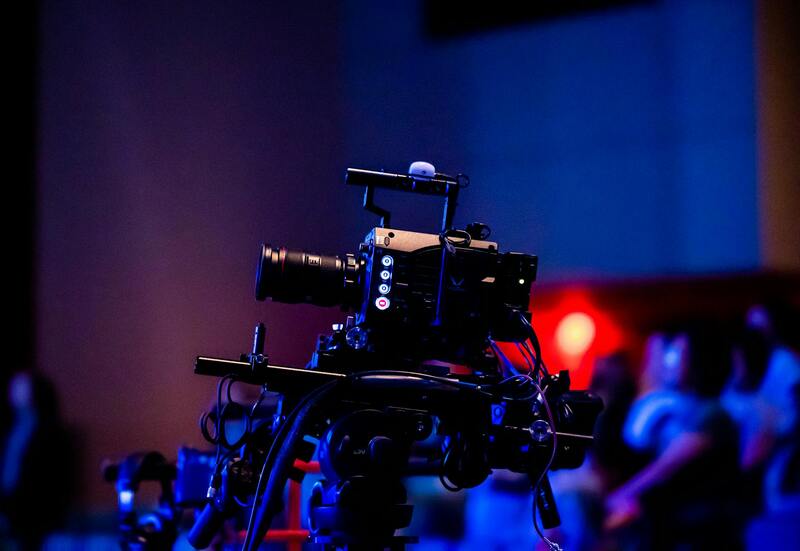
It's advisable to consult with the production team early in the planning phase to identify necessary gear and determine logistical requirements. Working with vendors that provide reliable, industry-standard equipment ensures the shoot proceeds smoothly and minimizes risks related to technical failures.
Ensuring the team has access to the appropriate tools and expertise directly translates into a polished, impactful final product. The investment in top-tier equipment and seasoned professionals underscores your commitment to quality and enhances your company's reputation for professionalism.
Incorporating contemporary filming techniques and equipment innovations can also set your corporate video apart from competitors. This includes utilizing 4K resolution, slow-motion capture for emphasis, and dynamic field of view adjustments. These elements contribute to creating a compelling narrative that captures audience attention and reinforces your brand message.
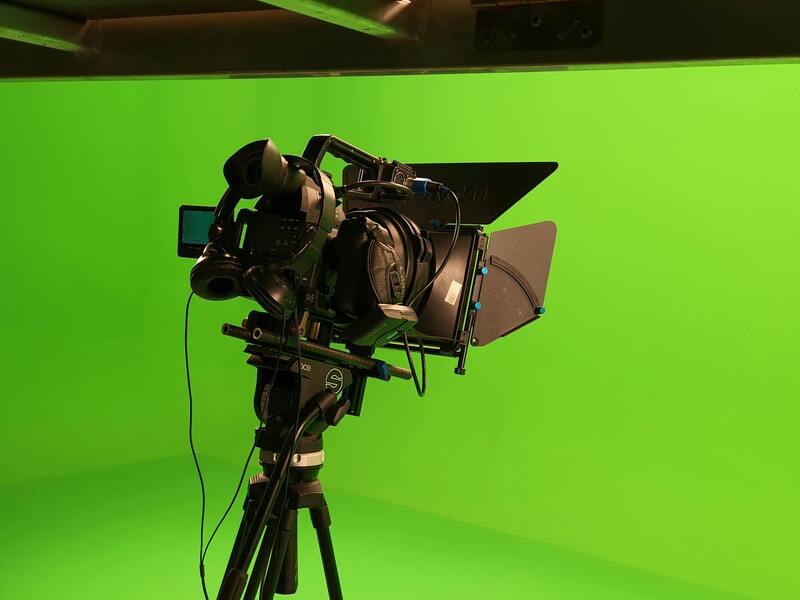
Thorough planning and collaboration during this phase will streamline the subsequent filming process, allowing for efficient use of time and resources. Remember, the caliber of your production team and the appropriateness of the equipment directly influence the overall effectiveness and professionalism of your corporate video shoot.
Effective Techniques for a Seamless Filming Process
Executing a corporate video shoot with precision requires adherence to established best practices that facilitate smooth operations on set. Meticulous planning, clear communication, and strategic coordination are essential components of a successful filming session. This involves delineating specific roles for each team member, establishing a detailed shooting schedule, and ensuring all equipment is prepared and functioning correctly before the crew arrives on location.
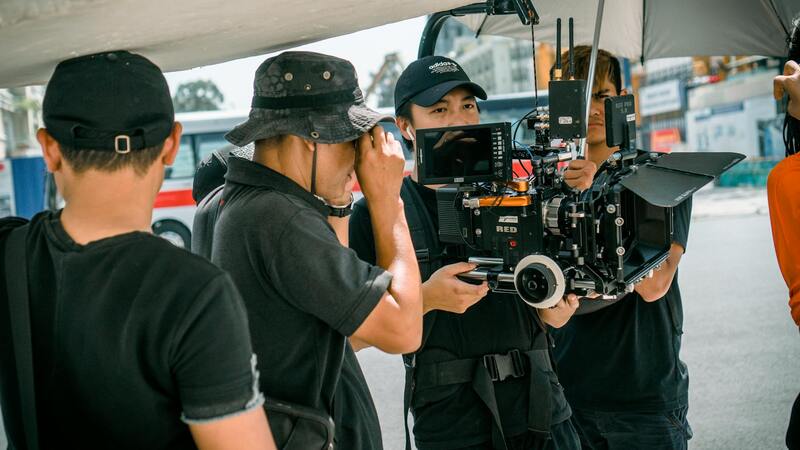
During the shoot, it is vital to maintain a flexible yet disciplined approach. Having a well-organized shot list helps streamline the process, reducing downtime and avoiding unnecessary reshoots. Continuous monitoring of lighting, audio levels, and camera angles ensures the desired quality and consistency across scenes. Maintaining open channels of communication between the director, camera operators, and talent helps swiftly address any unforeseen issues that may arise, avoiding delays that could impact the overall timeline.
 igure>
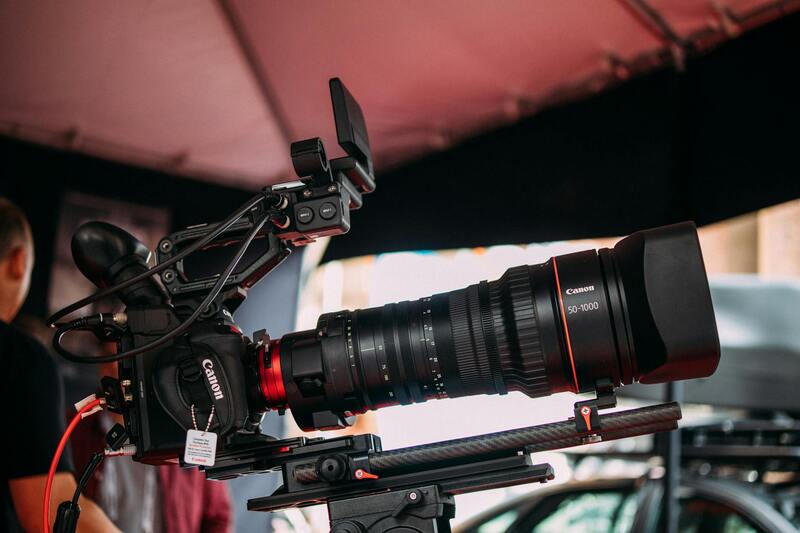
Utilizing professional-grade equipment during filming guarantees a high standard of production. This includes high-resolution cameras suited to the project’s aesthetic, reliable wireless microphones for crisp audio capture, and lighting gear that can be adjusted to match various shooting environments. It is equally important to have backup equipment available to prevent disruptions from technical failures. Properly securing and positioning equipment, along with regular checks, helps maintain safety and prevents costly mistakes.
Another critical aspect is maintaining a controlled environment to optimize sound quality and visual clarity. This involves managing external noise, controlling natural light, and setting up appropriate backgrounds or backdrops that align with your branding requirements. Implementing effective scene management techniques allows for seamless transitions between shots, reducing the need for extensive reshoots and ensuring continuity throughout the shoot.
Delegating specific responsibilities to a dedicated assistant or production coordinator can significantly improve efficiency. They can handle logistics, coordinate equipment setup, and serve as a point of contact for talent and crew, allowing the director and cinematographer to focus on delivering the creative vision. This coordinated approach minimizes mistakes, ensures adherence to the schedule, and ultimately elevates the overall quality of the final product.

Fostering a positive and professional environment on set encourages better performance from talent and crew alike. Clear instructions, understanding of roles, and respecting schedules contribute to a productive atmosphere. Regularly reviewing scenes with the team permits real-time adjustments, allowing for immediate improvements and ensuring each take aligns with your project goals. This proactive approach not only saves time but also reduces the need for extensive editing later.
Post-shoot, conducting a comprehensive review of all footage ensures that the material collected aligns with your vision and quality standards. Immediate backups of all recordings safeguard against data loss, facilitating a smooth transition into the editing phase. Implementing a systematic review process allows for early identification of issues and opportunities for reshoots if necessary, ensuring the final product is polished and impactful.
Location Selection and Set Preparation
Choosing the optimal filming locations is instrumental in capturing a corporate video that resonates with the intended audience and aligns with the brand’s message. When selecting locations within Miami, assess environments that naturally complement the storyboard and reinforce the company's objectives. For instance, urban settings can emphasize innovation, modernity, and progress, while more relaxed environments might highlight community engagement or corporate social responsibility initiatives.
Conduct thorough site evaluations before scheduling shooting days. This includes examining lighting conditions, ambient noise levels, accessibility for crew and equipment, and available power sources. Additionally, obtaining any necessary permits or permissions ensures compliance with local regulations and minimizes disruptions during filming. An early assessment mitigates unforeseen complications that could delay production timelines or escalate costs.
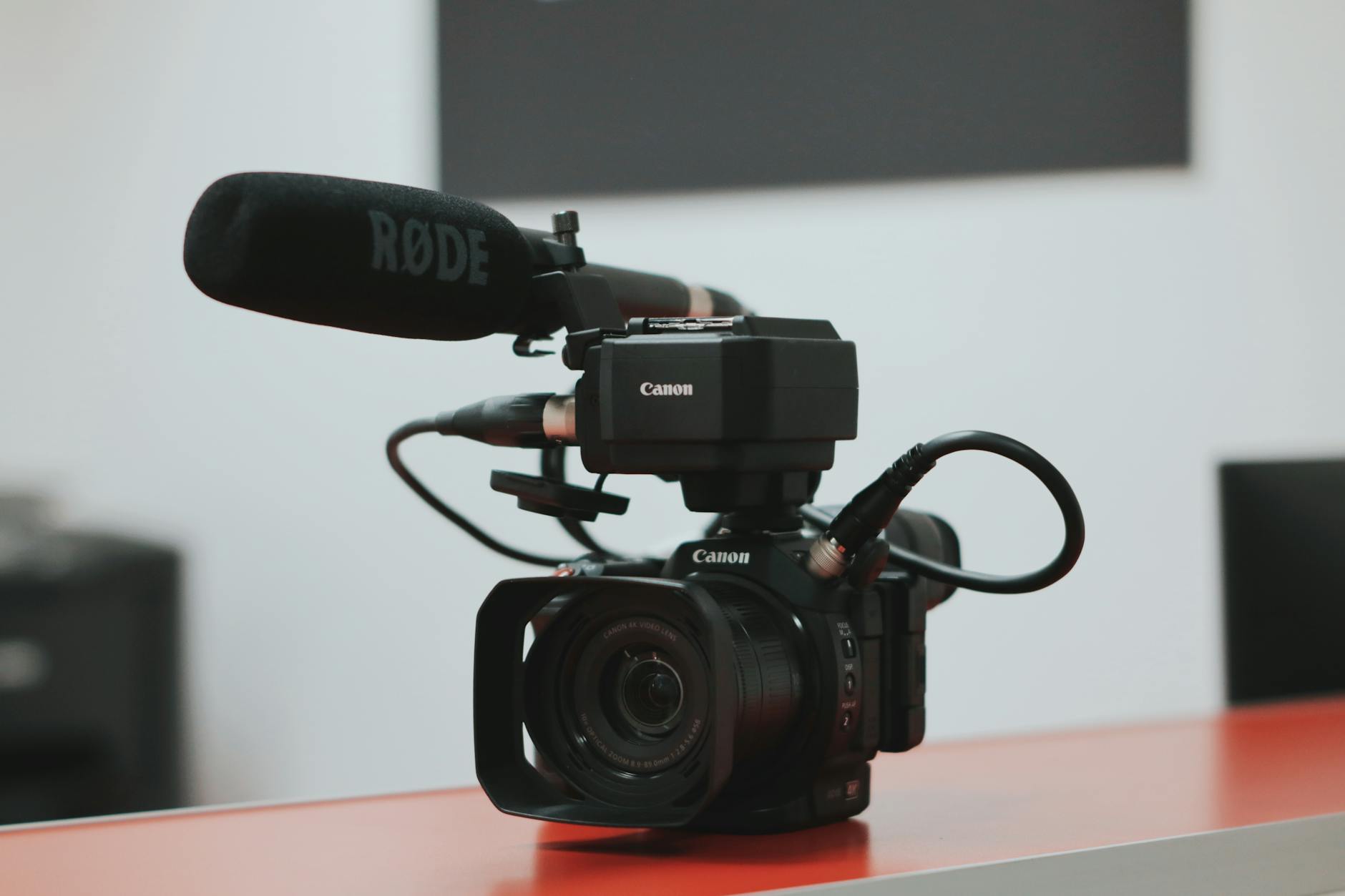
Preparing the chosen locations involves customizing the environment to serve the narrative effectively. This can include rearranging existing furniture, constructing temporary backgrounds, or adding branded signage that enhances the message. If a particular look or atmosphere is desired, set dressings can transform a standard office or outdoor space into a compelling scene that aligns seamlessly with the script.
For interior shoots, focus on lighting setup—leveraging natural light when possible, supplemented by professional lighting equipment to maintain consistency across takes. Ensuring the background is clutter-free and visually appealing contributes to a polished look. Soundproofing or minimizing ambient noise is equally important, especially when capturing voiceovers or dialogue-rich scenes.
Furthermore, coordinating with location owners or managers to arrange for controlled access at specific times helps prevent overlaps with other activities, maintaining a smooth shooting schedule. Implementing a comprehensive plan for set preparation and location management not only enhances visual quality but also streamlines the entire filming process, ensuring that every scene aligns perfectly with the creative vision and strategic objectives.
Professional Techniques for Filming and Ensuring Content Quality
Executing a corporate video shoot with precision and professionalism is vital to produce a compelling visual narrative that resonates with your target audience. During filming, attention to detail in capturing footage, managing talent, and adhering to schedules ensures a seamless process and optimal results. Employing established best practices elevates the overall production quality and helps avoid common pitfalls that can compromise the final product.
- Structured Shot Planning: Developing detailed shot lists and storyboards aligns the filming process with the creative vision. This preemptive planning minimizes downtime, ensures all essential scenes are captured, and helps coordinate camera positions, lighting setups, and talent movements efficiently.
- Consistent Lighting and Sound: Maintaining uniform lighting conditions throughout each scene preserves visual coherence. Utilizing professional lighting equipment, such as softboxes, reflectors, and fill lights, ensures clarity and eliminates unwanted shadows or harsh highlights. Parallelly, deploying high-quality microphones and sound recording devices captures clear dialogue and ambient sounds, imperative for a polished final product.
- Effective Talent Direction: Clear communication with presenters or actors results in authentic performances. Providing detailed instructions on delivery style, body language, and positioning helps convey the intended message. Recording multiple takes offers options during editing and ensures flexibility in selecting the best performances.
- On-Set Safety and Workflow Management: Prioritizing safety protocols reduces accidents and disruptions. Organized equipment setups, clear designated walkways, and adherence to safety guidelines foster a professional environment conducive to efficient shooting schedules.
- Review and Adjustment: Periodic playback of footage on set allows immediate feedback and ensures that scenes meet quality standards. Addressing issues such as lighting inconsistencies or framing errors early prevents costly reshoots and delays.
In addition to technical accuracy, flexibility and adaptability are essential. Filming often encounters unforeseen challenges, such as weather changes or equipment malfunctions. Proactive problem-solving and having contingency plans in place—such as backup equipment or alternative shooting schedules—are crucial to maintaining momentum and honoring project deadlines.
Furthermore, aligning the shot composition with the strategic objectives of the corporate message ensures that every scene contributes purposefully to the narrative. Utilizing varied camera angles, focal lengths, and movement adds visual interest and keeps viewers engaged. The skillful integration of these elements culminates in a dynamic and persuasive corporate video that effectively communicates the intended message to stakeholders.
Filming Process and Best Practices
Executing a successful corporate video shoot requires meticulous attention to detail during the filming phase. Ensuring that each scene is captured with precision not only enhances visual quality but also aligns with the overarching message of the campaign. This stage incorporates several key practices that uphold professionalism and technical excellence.
Effective Camera Techniques and Composition
Utilizing a variety of camera angles, focal lengths, and movement patterns can dramatically influence the viewer’s engagement. For instance, establishing shots set the scene, while close-ups capture emotion and detail that add depth to the narrative. A strategic combination of wide and tight shots enables seamless storytelling, emphasizing critical elements without overwhelming the viewer. Proper framing and composition are essential; adhering to the rule of thirds, maintaining balanced shot structures, and aligning subject placement with visual flow contribute to the overall aesthetic appeal.
Lighting Consistency and Optimization
Lighting is a cornerstone of high-quality footage. It must be carefully planned and adjusted throughout the shoot to ensure consistent tone, mood, and clarity. Natural lighting conditions can vary, so supplementary lighting equipment like softboxes or reflectors is often employed to fill shadows or enhance highlights. Conducting test shots prior to main filming allows the team to fine-tune settings and avoid post-production issues related to exposure or color balance. Maintaining uniform lighting across scenes ensures a professional look, reducing the need for extensive color correction during editing.
Sound Capture and Management
Clear, high-fidelity sound is as vital as visuals in communicating your corporate message effectively. Using high-quality microphones and monitoring audio levels during filming helps capture dialogue, ambient sounds, and voiceovers accurately. Minimizing background noise and addressing acoustical challenges on location enhance audio clarity. Employing windshields, boom microphones, and lavalier mics as appropriate ensures sound consistency. Real-time audio checks and adjustments prevent the need for costly re-recordings or extensive sound editing later.
On-Set Safety Protocols and Workflow Efficiency
Maintaining safety on set is paramount. A well-organized workspace with clear pathways, secured equipment, and adherence to safety standards minimizes risks. Assigning dedicated personnel for safety oversight promotes compliance with protocols. Additionally, establishing a streamlined workflow minimizes downtime. This includes predefined shot lists, planned scene sequences, and efficient equipment setup. Scheduled breaks help maintain crew focus and performance, contributing to a smooth filming process.
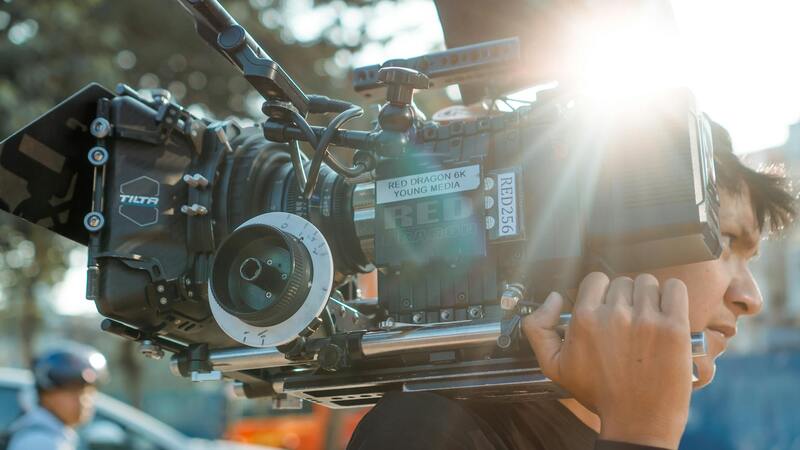
Flexibility remains essential during filming. Unexpected challenges such as weather shifts or technical issues may arise; having contingency plans—like backup gear or alternative schedules—keeps production on track. Ensuring that the shot composition aligns with the strategic goals of the video involves intentional framing, camera angles, and movement. When executed skillfully, these technical practices result in footage that is not only visually compelling but also purposefully designed to reinforce the company’s messaging.
Legal and Official Methods for Corporate Video Shoot Permissions
Securing appropriate permissions is a fundamental aspect of conducting a corporate video shoot, ensuring the process is smooth, professional, and free from disruptions. This involves obtaining clearances from property owners or facility managers when filming on private or commercial premises. It is essential to communicate the scope of the shoot, expected duration, and specific areas of access to facilitate cooperation and avoid misunderstandings.
When filming in public spaces, such as parks, streets, or plazas, official permits are typically required from local authorities or municipal agencies. These permits authorize the use of public properties for filming purposes, including any logistical considerations like traffic control, crowd management, or noise restrictions. Applying for these permits well in advance ensures ample time for processing and reduces the risk of last-minute complications.
Additionally, incorporating consent forms for all individuals appearing in the footage is a standard practice. These releases document their agreement to be filmed and clarify how the footage will be used. This step not only fosters transparency but also upholds professional standards for respecting personal rights and privacy.
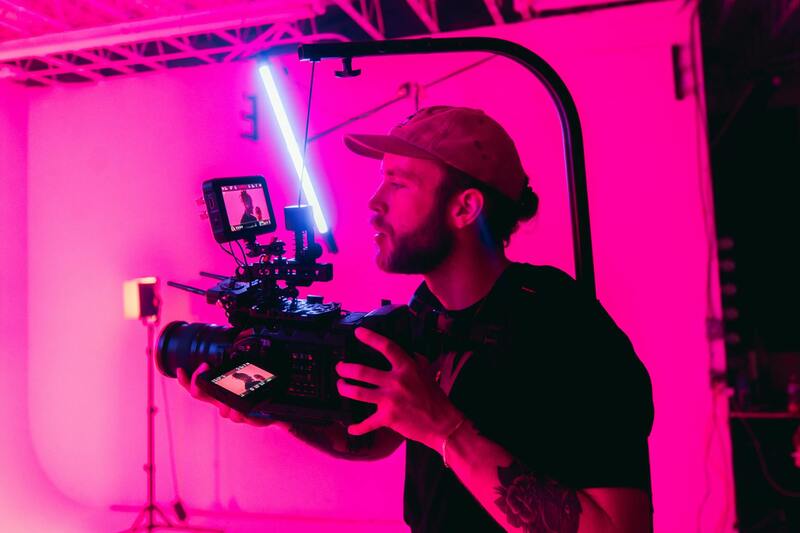
Engaging with reputable agencies or consultants who specialize in obtaining filming permits can streamline the process. They possess current knowledge of relevant regulations and help ensure compliance with all legal requirements. Maintaining organized documentation of permits, consent forms, and correspondence safeguards the production against potential disputes or delays.
- Identify the filming location and determine jurisdictional requirements.
- Apply for necessary permits or approvals from relevant authorities.
- Secure property owner permissions for private locations.
- Consult with legal or compliance teams to review consent and release forms.
- Document all approvals and maintain a comprehensive record for reference during post-production and distribution.
Adhering to these processes strengthens the professionalism of the project and ensures that the corporate video shoot proceeds without interruption. It also demonstrates the company’s commitment to lawful practice and respectful engagement with communities and property owners.
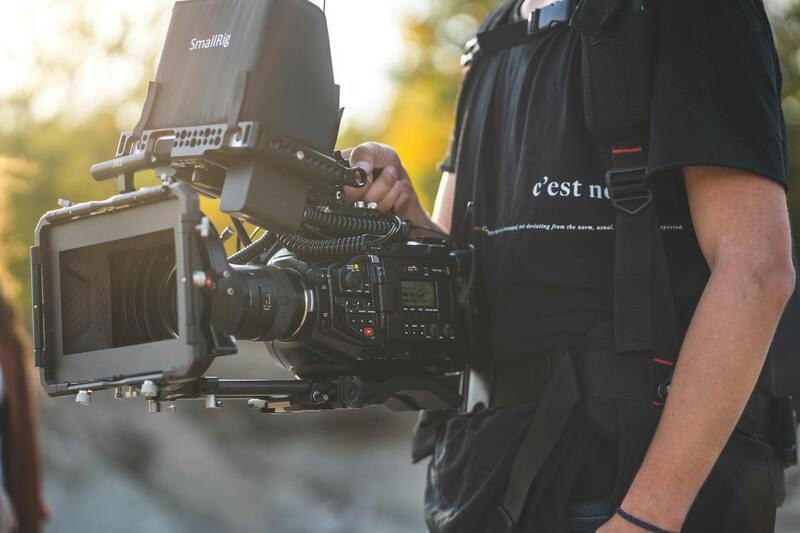
Ensuring Proper Content Management and Rights Clearance
After filming concludes, managing the content responsibly becomes paramount. It includes cataloging all footage, photographs, and audio recordings thoroughly. Maintaining an organized digital archive facilitates easy retrieval and future editing needs, supporting continuity in editing and revisions.
Within this process, verifying the rights associated with all media elements is crucial. This involves ensuring that all visuals, music, and voice-overs used in the corporate video have appropriate clearances or licenses. Unauthorized use of copyrighted material can lead to operational setbacks, financial penalties, or damage to the company's reputation.
Obtaining Permissions for Visual and Audio Content
- Stock Footage and Music Licensing: Confirm that all stock materials included are legally acquired through licensed providers. This guarantees legal safety and adherence to licensing terms.
- Talent Releases: Secure signed releases from all individuals featured prominently in the video, especially in private settings where their image or voice is identifiable.
- Property Usage Rights: Confirm permissions for any privately owned locations, including interior or exterior shots, to prevent future disputes.
Implementing Quality Assurance Procedures
Before finalizing the content, rigorous review protocols should be in place. This process involves multiple levels of scrutiny to verify that all elements meet the company's branding standards, legal requirements, and technical specifications.
Formal approval from key stakeholders guarantees that the final product aligns with strategic business objectives and maintains ethical standards. These reviews often include legal verification, branding consistency checks, and final sign-offs from executive leadership.
Archiving and Documentation for Future Use
Once the video is completed and approved, a comprehensive archiving system should be implemented. This includes storing original footage, edited versions, project documents, permissions, and licenses securely. Proper documentation provides tangible proof of rights clearance and facilitates future updates or repurposing.
In addition, detailed records support accountability and transparency, enabling the company to demonstrate compliance with project requirements and circumstances surrounding media rights.