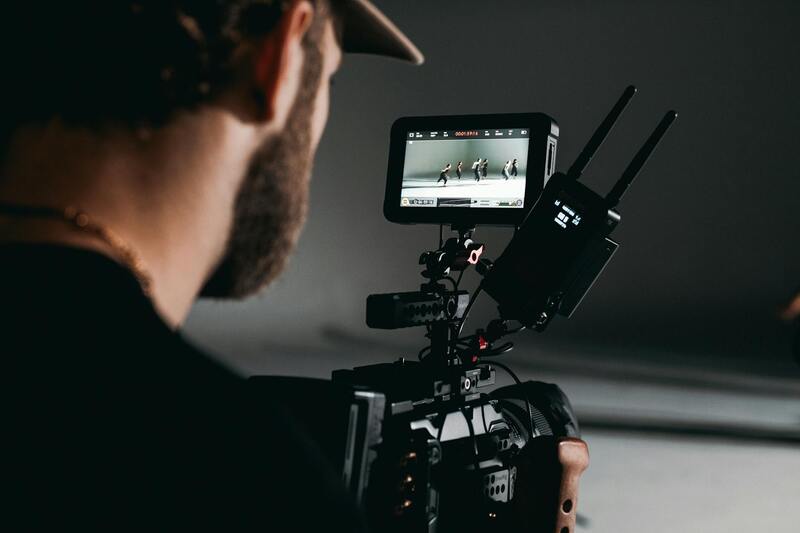
Understanding Corporate Film Videos
Corporate film videos serve as a powerful visual storytelling tool that allows organizations to communicate their message, showcase their brand, and connect with their target audience effectively. Unlike conventional promotional videos, these productions are typically crafted with a strategic purpose, aligning with the company's mission, values, and business objectives. They are often used for a variety of purposes including internal communications, brand promotion, investor relations, training, and public outreach.
These videos can range from short, impactful clips highlighting a company’s culture to comprehensive documentaries detailing corporate history or project accomplishments. Their primary role is to enhance brand image, build trust, and foster engagement among viewers. Whether broadcast on websites, social media platforms, or during live events, corporate film videos are tailored to deliver a clear, compelling message in a professional format.
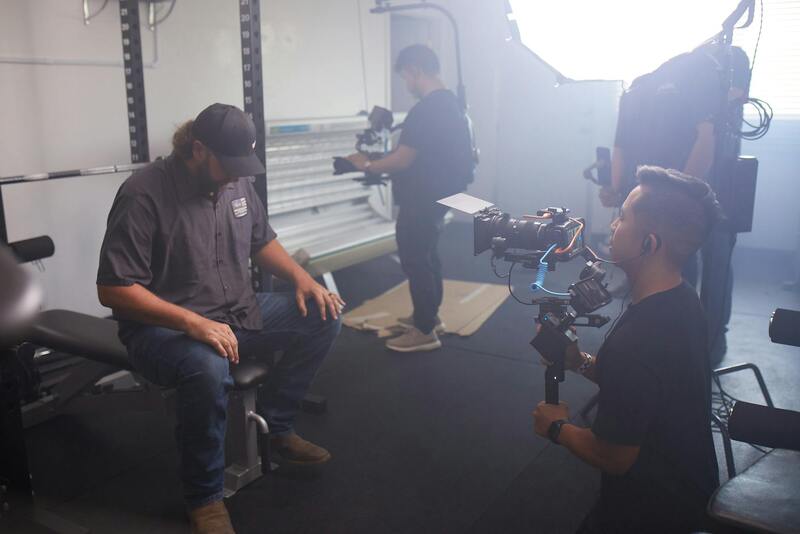
One notable aspect that sets corporate film videos apart from other types of marketing content is their focus on authenticity and professionalism. They are often characterized by high production values, with attention to detail that reflects the organization’s standards. This distinguishes them from more informal or purely animated marketing content, emphasizing credibility and authority in messaging.
Moreover, corporate film videos are versatile assets capable of serving multiple functions within a company's strategic framework. They are used for employee onboarding, showcasing community involvement, product launches, or addressing stakeholders in a compelling visual format. Their adaptability and wide applicability make them an essential element of a comprehensive branding strategy.
Key Objectives of Corporate Film Production
- Enhance brand visibility and recognition within the industry
- Communicate core company values and mission effectively
- Showcase products, services, or innovative solutions
- Strengthen relationships with clients, partners, and stakeholders
- Support internal communication and employee engagement initiatives
- Generate media buzz and online engagement through shareable content
Tailored Content for Target Audiences
Effective corporate film videos are crafted with their target audiences in mind. Whether aiming at potential clients, investors, or internal teams, the content adapts to meet specific informational needs and emotional appeals. This targeted approach maximizes the impact of the video, helping to achieve the company's strategic goals efficiently.
Planning and Pre-Production
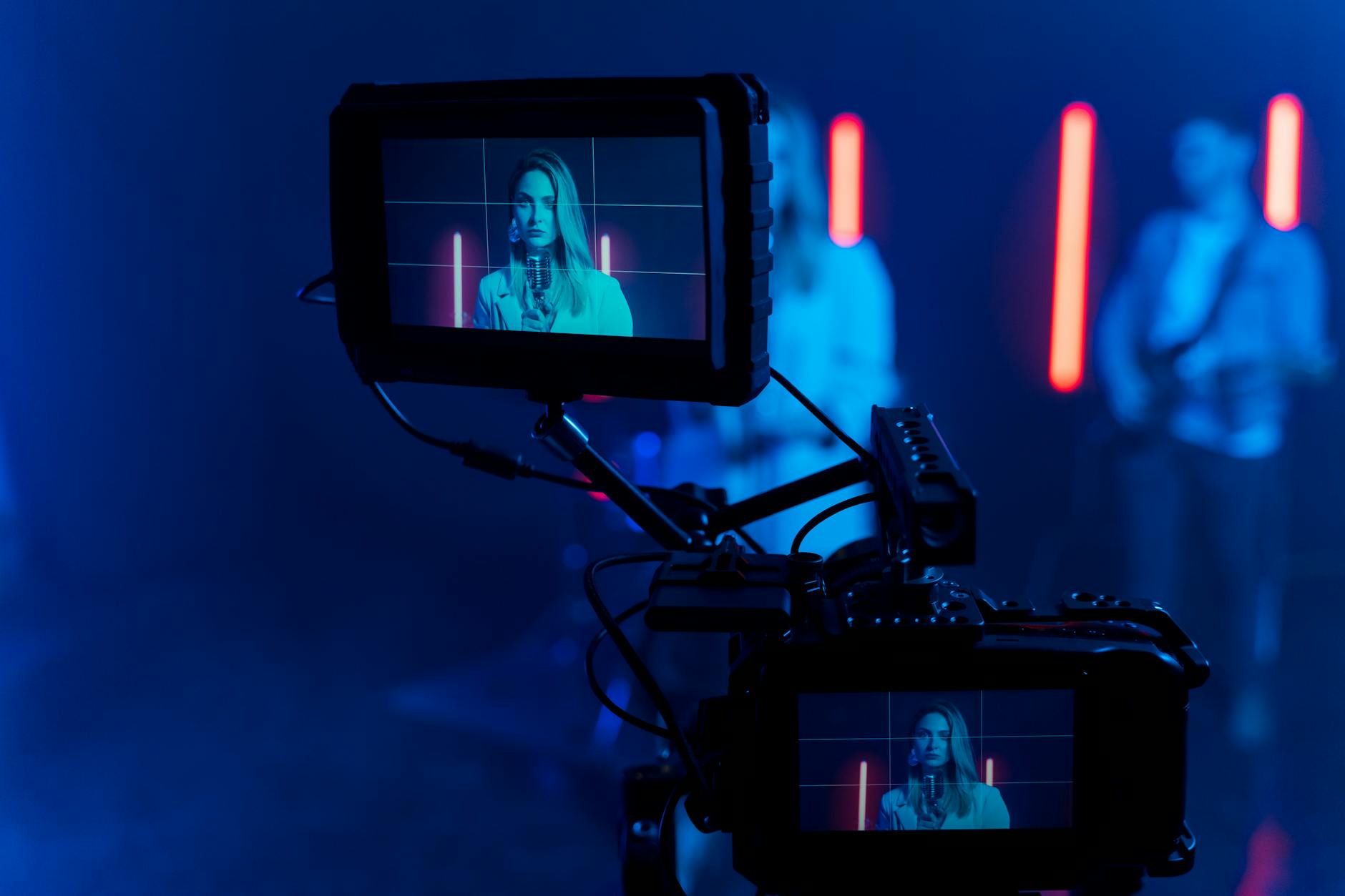
Effective planning is the cornerstone of a successful corporate film video. During this phase, the objectives, target audience, key messages, and tone are meticulously defined. This involves detailed consultations with stakeholders to understand organizational goals and to develop a clear concept that aligns with brand identity. Scriptwriting is a critical element, requiring a balance between informative content and compelling storytelling to ensure viewer engagement. A comprehensive storyboard is drafted to visualize scenes, transitions, and visual effects, guiding the production team through the filming process. Budgeting and scheduling are also finalized at this stage, considering the scope of the project, resource allocation, and timelines. Additionally, legal considerations such as location releases, talent agreements, and intellectual property rights are addressed proactively, ensuring compliance throughout the production process. The planning phase also involves selecting the right crew, including directors, cinematographers, and production assistants, all of whom should have experience in corporate content creation. Collaboration tools and detailed project timelines are established to facilitate smooth communication and coordination among all parties. Every detail, from wardrobe choices to logistical arrangements, is meticulously mapped out to avoid unforeseen issues that could delay the project.
Locations and Logistics in Miami
Miami offers a diverse array of filming locations that enhance the visual appeal of corporate film videos. From modern office spaces and bustling urban streets to scenic outdoor environments, the city's varied scenery can cater to numerous thematic requirements. When selecting locations, factors such as accessibility, permit requirements, safety, and aesthetic suitability are carefully considered. Local regulations require proper authorization, which necessitates collaboration with city officials or property owners for permits and approvals.
Logistical planning involves coordinating transportation, catering, and accommodation details for cast and crew. Given Miami’s vibrant culture and distinctive architecture, utilizing local landmarks and iconic sites can add an authentic touch to corporate narratives, strengthening a brand’s local relevance.
During filming days, managing on-site logistics is crucial to maintain efficiency. This includes scheduling shoot times to minimize disruption, ensuring all equipment is transported safely, and preparing contingency plans for weather or other unforeseen challenges. Establishing solid relationships with local vendors and authorities can streamline processes and prevent delays.
Production Process
The production phase transforms pre-planned concepts into visual storytelling. This stage involves capturing footage through professional cinematography, with attention to lighting, framing, and sound quality. Directors guide talent and crew to deliver performances aligned with the script, ensuring authenticity and emotional resonance. High-definition cameras, drones, and stabilizers are utilized to produce crisp visuals. Depending on the project scope, additional elements such as animated graphics or voice-over narration are integrated seamlessly. Sound recording is conducted meticulously to guarantee clarity, as audio quality significantly affects viewer engagement. Filming in Miami’s dynamic environment offers unique opportunities; capturing cityscapes, coastal backgrounds, or vibrant neighborhoods enhances the storytelling. The production team must adapt to environmental factors, such as weather conditions or permit restrictions, to sustain workflow momentum.
Post-Production and Editing
Following the shoot, the footage enters the post-production phase where it is meticulously reviewed, edited, and refined. Skilled editors craft a cohesive narrative, balancing visual elements, music, and sound effects to elicit the intended emotional response. Color grading enhances visual consistency and aligns the aesthetic with brand standards. Graphics, subtitles, and branding elements are incorporated to reinforce corporate identity. This phase also involves reviewing iterations with stakeholders to ensure the final product accurately represents the company’s message. Quality control checks verify that the video adheres to technical specifications for various distribution channels. Special attention is given to creating a versatile final version suitable for multiple platforms, including social media, company websites, and presentation events. Optimized file formats and resolutions are prepared to ensure excellent playback performance across devices.
Distribution and Marketing Strategies
Strategic distribution amplifies the reach and impact of corporate film videos. Identifying the appropriate channels—such as social media platforms, email campaigns, or industry events—is essential. Tailoring content to suit each platform’s specifications maximizes engagement and visibility. Incorporating targeted SEO keywords, like 'corporate film video Miami,' enhances discoverability online. Paid promotions, partnerships with local media outlets, and leveraging influencers can further extend the content's exposure. Embedding videos within company websites and utilizing analytics tools provide valuable insights into viewer interactions, informing future content strategies. Consistency in branding and messaging throughout distribution efforts consolidates the company’s image, fostering trust and recognition among key audiences.
Understanding Corporate Film Videos
Creating an effective corporate film video involves meticulous planning and execution to ensure the message resonates with the intended audience. These videos serve as a powerful tool to showcase a company's vision, culture, products, and services, making a compelling visual narrative that aligns with the company's strategic goals. With the dynamic business environment in Miami, leveraging locally produced corporate videos can significantly boost regional brand awareness and industry reputation.
Key Components of a Corporate Film Video
- Clear Messaging: Articulating the company's core values and objectives in a concise, engaging manner.
- Visual Identity: Incorporating branding elements like logos, color schemes, and taglines to foster brand recognition.
- Storytelling: Developing a compelling narrative that connects emotionally with viewers, making the message memorable.
- Production Quality: Utilizing high-quality visuals, sound, and editing to reflect professionalism and credibility.
- Call to Action: Encouraging viewers to engage further, whether through visiting a website, contacting sales, or attending events.
The Significance of Purpose in Corporate Video Production
Establishing a well-defined purpose is fundamental when producing a corporate film. Whether the goal is to enhance brand awareness, introduce new products, or attract potential investors, clarity in purpose guides the creative process and ensures the final product aligns with business objectives. This clarity influences all subsequent stages, including scripting, filming, and distribution.
Ensuring Alignment with Brand Identity
Maintaining consistency with brand identity enhances trust and recognition among target audiences. A corporate film should reflect the company's tone, values, and visual style cohesively. This alignment extends to the choice of locations, actors, narration style, and overall aesthetic, creating a unified and authentic brand experience.
Legitimate Methods for Corporate Film Video Production
Producing a corporate video through reputable channels guarantees quality, reliability, and compliance with industry standards. Engaging certified production companies that specialize in corporate content ensures access to experienced professionals who adhere to ethical practices and prioritize client satisfaction.
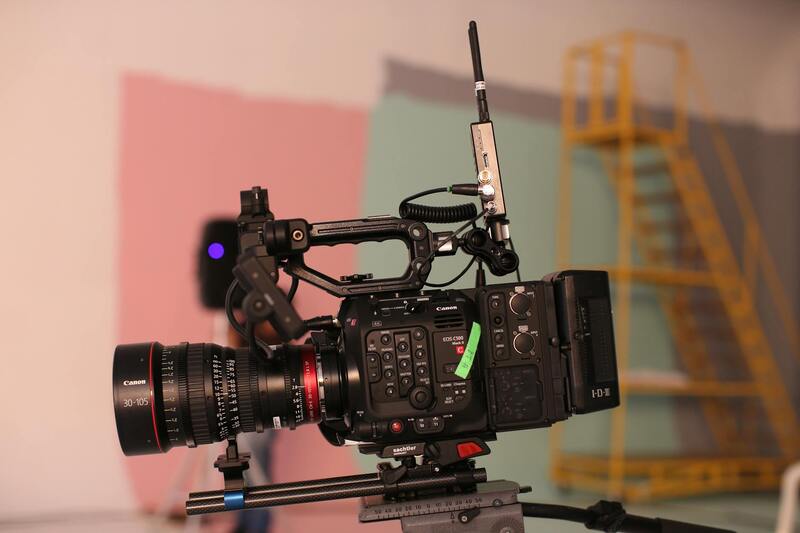
Additionally, production agencies often have established relationships with licensed videographers, editors, and voice talent, which streamlines the process and reduces risks. These certified entities also follow approved workflows, safeguarding content quality and technical standards across multiple distribution channels.
Benefits of Using Reputable Production Services
- Expertise and Experience: Industry specialists understand the nuances of corporate storytelling and visual communication.
- Technical Excellence: Access to advanced equipment and editing software ensures polished results.
- Compliance and Standardization: Adherence to technical specifications and legal requirements minimizes post-production issues.
- Streamlined Workflow: Professional agencies manage project timelines efficiently, delivering on schedule.
- Strategic Consultation: Guidance on content, distribution, and optimization tailored to the client’s goals.
For organizations aiming to maximize impact, partnering with a Miami-based corporate video production agency with proven credentials is a strategic move. These agencies leverage local insights and industry connections, creating content optimized for regional and global audiences alike.
Visual Elements in Official Corporate Films
Authentic visuals reinforce message credibility. This includes capturing genuine interactions between staff, showcasing key facilities, and highlighting community involvement. Carefully curated imagery and professional cinematography elevate the video's quality and appeal.
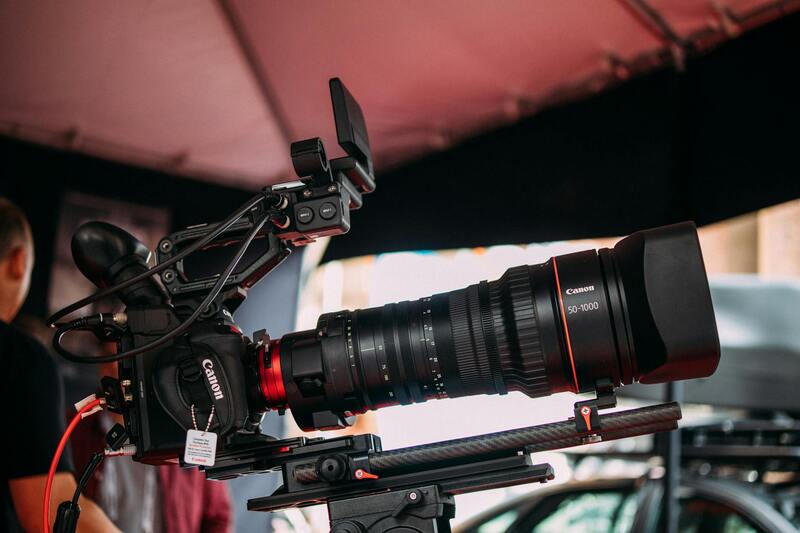
Using approved footage, authentic branding overlays, and balanced aesthetics, official corporate videos foster audience trust. Incorporating motion graphics and subtitles further enhances accessibility and engagement, especially for diverse viewer segments.
Legal and Ethical Aspects of Corporate Video Production
Maintaining integrity throughout the production process involves obtaining necessary permissions, ensuring proper licensing for music and content, and respecting intellectual property rights. Working with verified suppliers and adhering to industry best practices guarantees that all legal requirements are met without compromising quality or efficiency.
Additionally, transparency in messaging and respectful portrayals reinforce the organization's ethical standards, which positively influence public perception and stakeholder trust.
Understanding Corporate Film Videos
Corporate film videos serve as a dynamic tool for organizations to communicate their brand story, values, and offerings to a broad audience. These videos are crafted to reflect the company's identity, showcase key achievements, and highlight unique aspects that distinguish the organization within its industry. To produce an effective corporate film, it is essential to adhere to recognized and verified methods that uphold professionalism and credibility.

Core Elements of Corporate Film Videos
- Authentic Storytelling: Conveying the company's mission, vision, and core values through compelling narratives that resonate with viewers.
- Professional Visuals: Utilizing high-grade cinematography, lighting, and sound recording techniques to ensure a polished presentation.
- Consistency in Branding: Incorporating the company’s branding elements such as logos, color schemes, and messaging overlays seamlessly into the video content.
- Clear Messaging: Presenting information concisely and persuasively to engage viewers and prompt desired actions.
- Compliance with Industry Standards: Ensuring all content abides by established guidelines related to advertising, intellectual property, and data protection.
Methods for Creating a Corporate Film Video
Developing a corporate film involves systematic processes that utilize legitimate and proven methodologies. These include:
- Strategic Planning: Outlining the objectives, target audience, and key messages prior to production.
- Storyboarding and Script Development: Designing visual narratives and dialogues that effectively communicate the intended message.
- Casting and Talent Selection: Choosing credible representatives or voiceovers that enhance authenticity.
- Location Selection: Identifying suitable venues that align with the story and branding goals.
- Production Scheduling: Creating a detailed timetable to coordinate filming activities, personnel, and equipment logistics.
- Utilization of Durable Equipment: Employing industry-standard cameras, lighting, and sound gear to ensure the professional quality of footage.
Ensuring Ethical Content Creation
Provincial approach, transparency, and respectful representation are central to building trust and credibility. This involves securing necessary permissions, utilizing licensed music and images, and verifying all content sources. Working with verified vendors and adhering to regulatory frameworks guarantees the integrity of the production process.
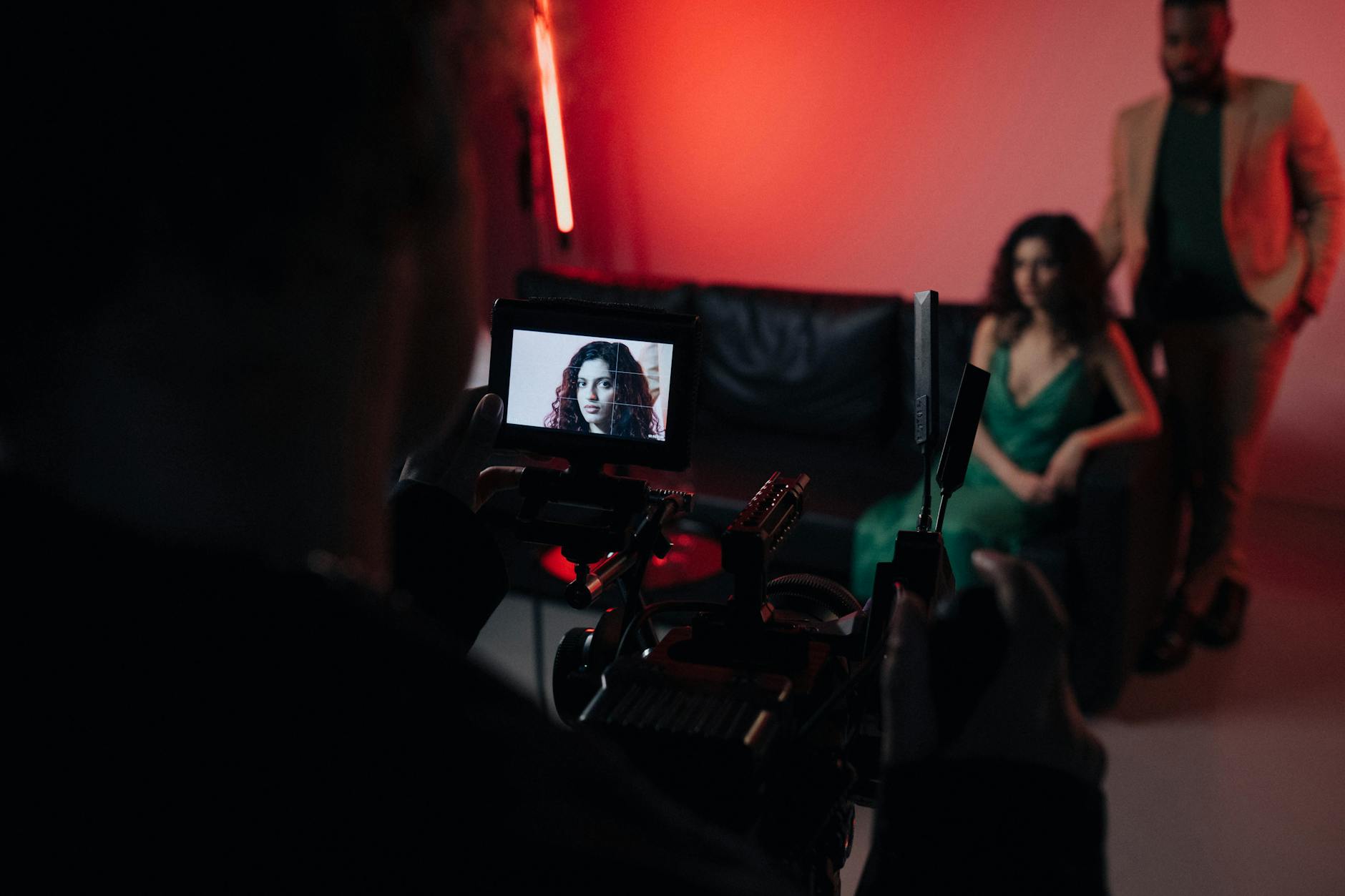
Locations and Logistics in Miami
Miami offers a diverse array of locations that can significantly enhance the production value of a corporate film video. From vibrant urban environments and iconic beaches to modern architectural structures and lush parks, the city provides versatile settings that can be tailored to various brand narratives. Selecting the right location involves a strategic assessment of the visual story, logistical considerations, and access permissions. For example, shooting in high-traffic public areas requires coordination with local authorities to secure necessary permits, ensuring the process aligns with official documentation protocols.
Effective planning for logistics encompasses detailed scheduling, transportation arrangements, and equipment setup, all while respecting local regulations and safety standards. Engaging with local authorities, property owners, and vendors well in advance ensures the smooth execution of onsite activities. Logistically, it’s important to plan for contingency measures, including backup locations and alternative routes, to accommodate unforeseen circumstances.
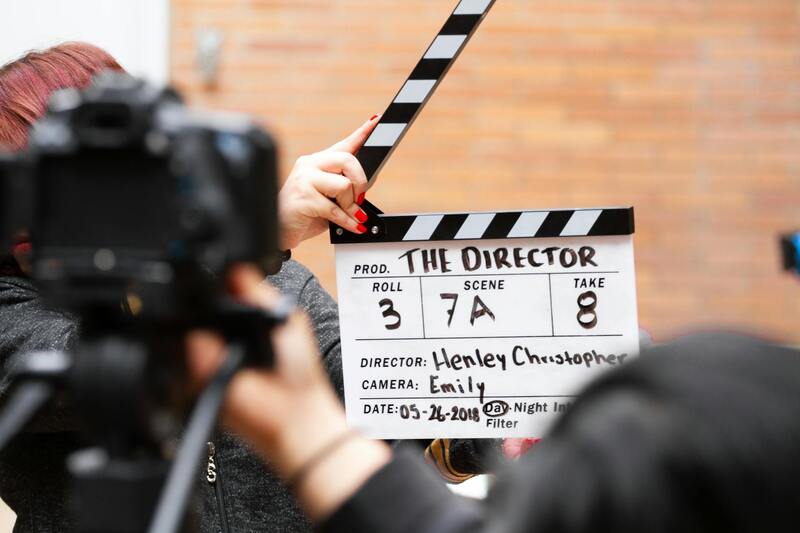
Understanding Corporate Film Videos
Corporate film videos serve as dynamic tools designed to communicate a company's mission, showcase products or services, and reinforce brand identity. They are crafted with a focus on professionalism, clarity, and visual engagement, making them essential assets in corporate communications strategies. Effective corporate videos incorporate storytelling elements that resonate with target audiences, balancing informative content with compelling visuals to leave a lasting impression. These videos can range from short promotional snippets to comprehensive brand narratives, all developed with the intent to elevate the company's presence both internally and externally.
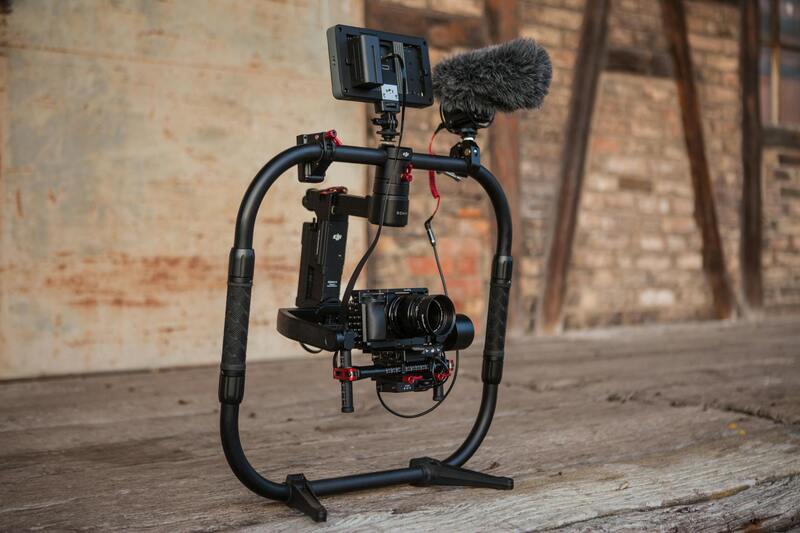
Key Objectives of Corporate Film Production
Producing an impactful corporate film requires clear objective setting. These objectives often include increasing brand awareness, fostering stakeholder trust, attracting potential clients, and supporting internal communication. The production process is tailored to meet these goals through strategic content planning and execution. High-quality corporate videos not only enhance a company's professional image but also serve as versatile marketing tools that can be shared across multiple platforms, including social media, company websites, and industry events.
Planning and Pre-Production
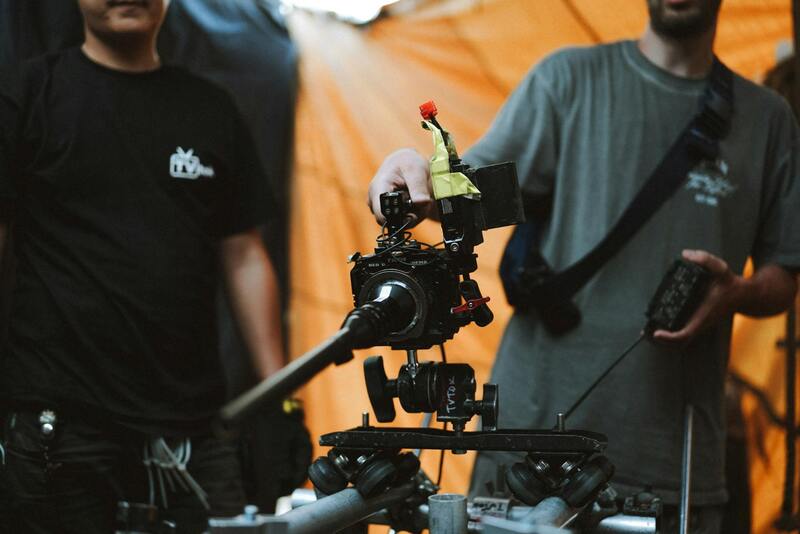
Effective pre-production lays the foundation for a successful corporate film. This phase involves detailed scripting, storyboarding, and establishing a clear creative direction aligned with the company's branding. Budgeting and resource allocation are carefully managed to ensure quality standards are met within financial constraints. Collaborating with stakeholders during this stage helps refine the project's scope, set realistic timelines, and define key performance indicators for the final product.
Locations and Logistics in Miami
Miami offers a diverse array of visually striking locations ideal for corporate film shoots, from pristine beaches and lush parks to bustling urban neighborhoods and sleek architectural structures. Securing access to these sites requires meticulous planning and official compliance. It involves obtaining necessary permits, coordinating with local authorities, and working with certified vendors to facilitate smooth logistics. The process typically includes detailed scheduling, risk assessments, and adherence to safety and environmental standards.
Strategic location selection plays a vital role in reinforcing the narrative and aesthetic quality of the film, whether emphasizing Miami’s vibrant culture or showcasing a modern corporate environment. Ensuring all logistical components—such as transportation, equipment setup, and talent movement—are well-organized minimizes disruptions and maintains adherence to industry norms. Proper documentation of permits and authorizations guarantees that the production adheres to official requirements, promoting transparency and a professional workflow.
Visual consistency and thematic relevance are enhanced by choosing locations that resonate with the company's brand message, whether it's a high-tech firm highlighting innovation in Miami’s downtown or a hospitality brand emphasizing waterfront luxury. Coordinating these logistics alongside production schedules ensures timely completion of the project, safeguarding the overall quality and coherence of the corporate film.
Production Process
The filming phase involves executing the planned storyboard with a focus on capturing high-quality footage that aligns with the project's visual and narrative objectives. Professional crews employ industry-leading equipment and techniques to ensure crisp visuals, clear audio, and seamless continuity. During shooting, adherence to safety protocols and location regulations remains paramount, with a dedicated team managing all aspects of production workflow.
In Miami, production teams often leverage the city’s favorable climate and natural lighting conditions to enhance visual appeal. They also collaborate closely with local authorities and vendors to maintain compliance with procedural guidelines, securing necessary permits and managing on-site logistics efficiently. This collaborative approach reduces delays and ensures a smooth filming process that respects official standards, ultimately contributing to the creation of a polished, impactful corporate film.
Understanding Corporate Film Videos
Corporate film videos serve as a powerful visual communication tool that encapsulates a company's brand identity, values, and messages in a compelling format. These videos are crafted to enhance reputation, foster client and stakeholder engagement, and support internal communications. Producing an effective corporate film requires meticulous planning, a clear understanding of the target audience, and adherence to established industry standards. When executed professionally, these videos not only elevate a company's prestige but also serve as an instrumental asset in marketing and public relations strategies. The focus lies in delivering authentic narratives that resonate with viewers, employing high-quality visuals and sound to create lasting impressions.
Key Objectives of Corporate Film Production
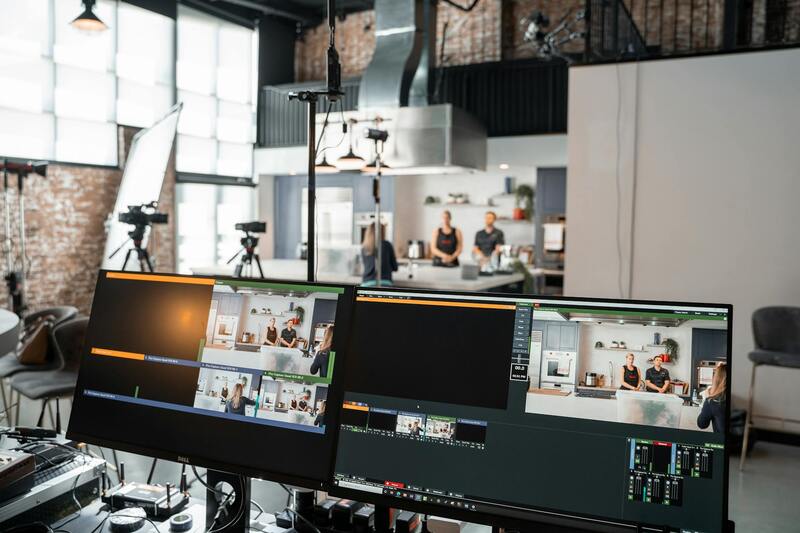
Successful corporate film production hinges on several core objectives. The foremost goal is to accurately convey the company's mission, vision, and core values, fostering trust and credibility. Additionally, such videos aim to showcase products, services, or innovations in a manner that appeals to targeted demographics and decision-makers. Enhancing brand recognition through creative storytelling and visual consistency remains a fundamental aspect. Corporate films are also designed to support internal communications, motivate employees, and communicate corporate social responsibility initiatives. Finally, the videos are intended to generate leads or attract new clients, making their reach and impact critical to overall business growth.
Strategic Alignment
Aligning the video's content with the company's strategic goals ensures that every visual element contributes to a unified message. This involves thorough discussions during pre-production to identify key messages, target audience profiles, and desired call-to-action. Employing clear branding guidelines and maintaining consistency with existing marketing materials amplifies the video's effectiveness. The selection of appropriate tone, style, and narrative structure plays a vital role in resonating authentically with viewers and reinforcing brand integrity.
Planning and Pre-Production
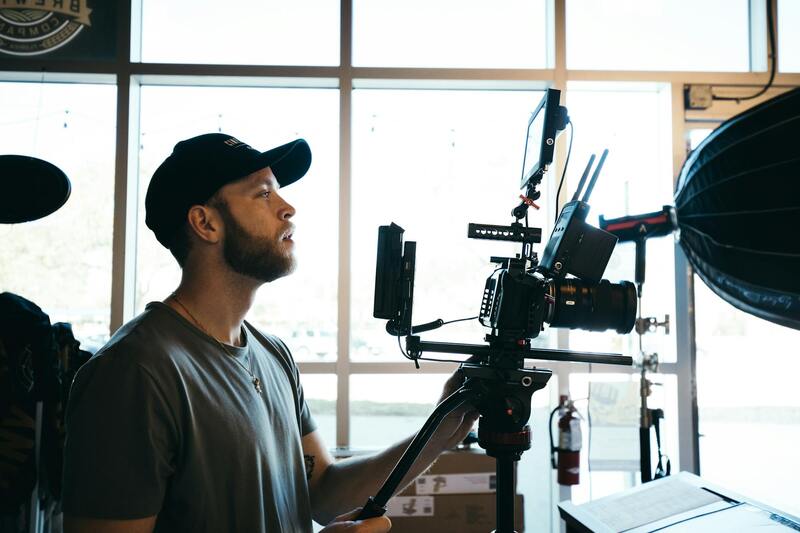
Pre-production is the stage where conceptual frameworks are solidified, ensuring a seamless transition into filming. This phase involves detailed script development, storyboarding, and scheduling. Conducting comprehensive research on target audiences guides tone and presentation style, aligning visual strategies with corporate branding. Securing necessary permits and approvals ensures compliance with regulatory standards, particularly important when filming in Miami’s diverse locales. A well-organized pre-production process minimizes disruptions during actual filming, saving time and resources. Selecting experienced professionals—such as directors, cinematographers, and production coordinators—is vital for maintaining high standards and ensuring the creative vision is executed precisely.
Location Scouting and Logistic Coordination
In Miami, geographic diversity offers unique opportunities for dynamic shooting locations, from urban downtownscapes to waterfront vistas. Location scouting involves evaluating sites for visual appeal, logistical feasibility, and adherence to logistical standards. Coordinating transportation, accommodations, and permits with local authorities streamlines the production process. This careful logistical planning enhances efficiency and ensures all filming activities respect the city's operational guidelines, thus maintaining a respectful and compliant workflow.
Production Process
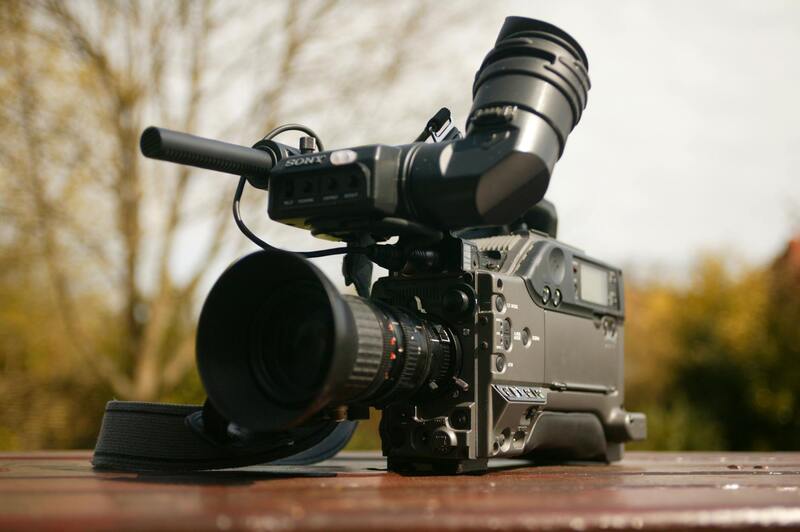
The production phase involves translating pre-visualized concepts into tangible footage. Skilled crews execute the storyboard with precision, focusing on capturing high-definition visuals and clear audio. Utilizing industry-standard equipment, including stabilizers, drones, and lighting gear, ensures that each shot aligns with project goals. Crew members maintain strict adherence to safety protocols, especially when filming in public or complex locations. Collaboration with local entities enhances efficiency; for example, Miami crews often take advantage of natural lighting conditions to optimize image quality. Continuous communication throughout the process ensures that filming remains on schedule and within scope, culminating in footage that meets the highest visual and narrative standards.
Adherence to Production Standards
Maintaining adherence to official procedures during production fosters a smooth workflow. This includes managing permits, adhering to safety standards, and respecting local regulations. Coordination with Miami's authorities and vendors ensures all logistical aspects are handled efficiently. The use of high-grade equipment and experienced personnel guarantees technical excellence, helping to produce footage that projects professionalism and authority in representation. Regular reviews and quality checks during filming prevent costly re-shoots and guarantee consistency across footage segments.
Understanding Corporate Film Videos
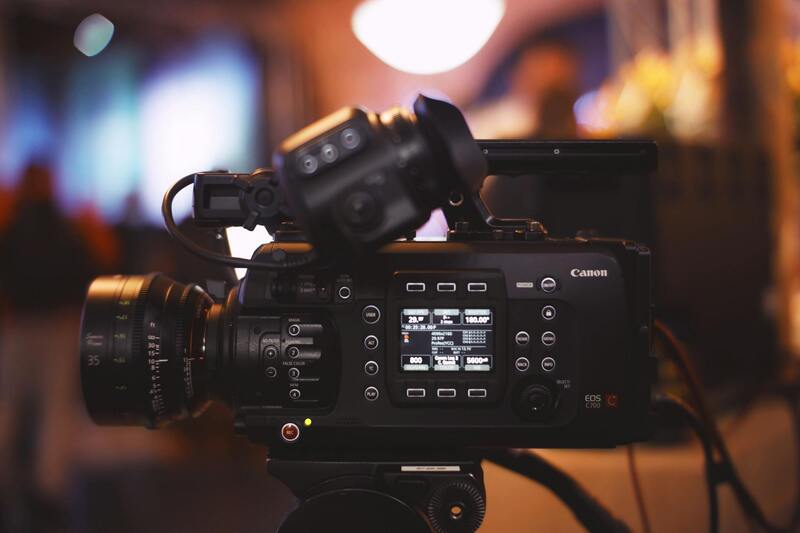
Corporate film videos serve as dynamic tools that encapsulate a company's brand identity, values, key messages, and strategic goals. These videos are crafted to resonate with target audiences ranging from potential clients, investors, and partners to internal stakeholders. They are integral in establishing credibility, fostering trust, and differentiating an organization within competitive markets. The production of a high-quality corporate film involves meticulous planning, storytelling, and technical expertise, emphasizing the importance of adhering to professional standards and industry best practices. An effectively produced corporate film can elevate a company's reputation, support marketing campaigns, and facilitate communication on multiple platforms.
Key Objectives of Corporate Film Production
When producing a corporate film, clear objectives are established to guide the creative and technical process. These objectives typically include enhancing brand awareness, demonstrating products or services, showcasing company culture, and articulating corporate values. A well-crafted video aims to engage viewers emotionally while delivering concise, impactful messages that support brand positioning. The content is customized to align with the company's strategic goals, ensuring that every scene, script, and visual element contributes to a unified narrative that captures the audience's attention and prompts desired actions.
Strategies for Achieving Effective Corporate Films
- Aligning messaging with corporate branding standards
- Utilizing compelling storytelling techniques
- Ensuring high production quality to reflect professionalism
- Implementing targeted distribution channels for maximum reach
- Measuring engagement and effectiveness through analytics

Planning and Pre-Production
The pre-production phase is fundamental to the success of any corporate film. At this stage, conceptual development involves defining the core message, target audience, and desired outcomes. A detailed script and storyboard are created to visualize the narrative flow and technical requirements. Budgeting, scheduling, and resource allocation are carefully planned, with considerations for location scouting, personnel, and equipment needs. Engaging with stakeholders early ensures alignment on creative vision and project scope, reducing the risk of costly revisions later on. Effective pre-production sets the foundation for a smooth filming process and timely delivery of the final product.
Key Elements of Pre-Production
- Concept development and scriptwriting
- Storyboard creation for visual planning
- Scheduling and resource coordination
- Location scouting and permits
- Casting and talent selection
Locations and Logistics in Miami
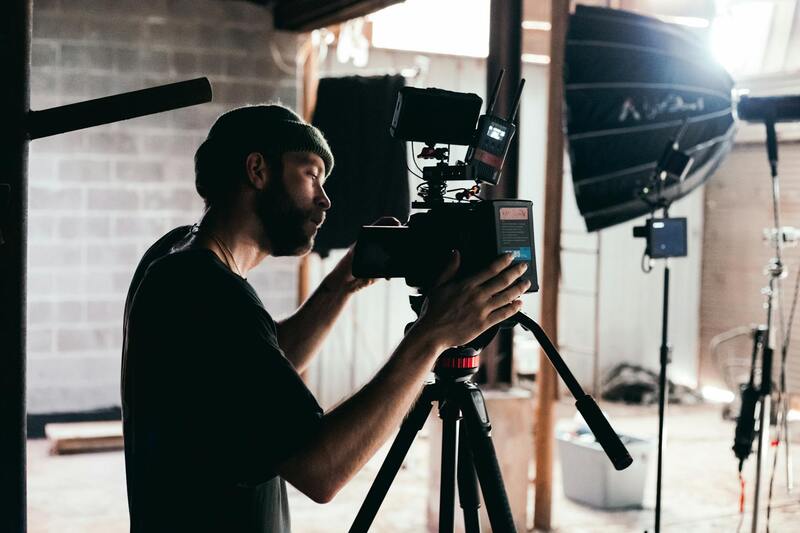
Miami offers a diverse array of iconic locations that can significantly enhance the visual impact of corporate videos. From vibrant urban cityscapes to tranquil beaches and modern architectural sites, the city provides versatile settings suitable for various branding needs. Coordinating logistics in Miami involves obtaining necessary filming permits, scheduling around local events or restrictions, and managing transportation of equipment and crew. Collaborations with local authorities and vendors facilitate smooth operations, ensuring compliance with city regulations and optimization of filming schedules. The natural lighting conditions and scenic backdrops available in Miami contribute to high-quality visuals that elevate the overall production value.
Considerations for Filming in Miami
- Securing filming permits from city authorities
- Scheduling around local events and weather conditions
- Managing traffic and crowd control in public spaces
- Utilizing the city's natural lighting and diverse backgrounds
- Coordinating with local vendors for equipment and logistics support
Production Process
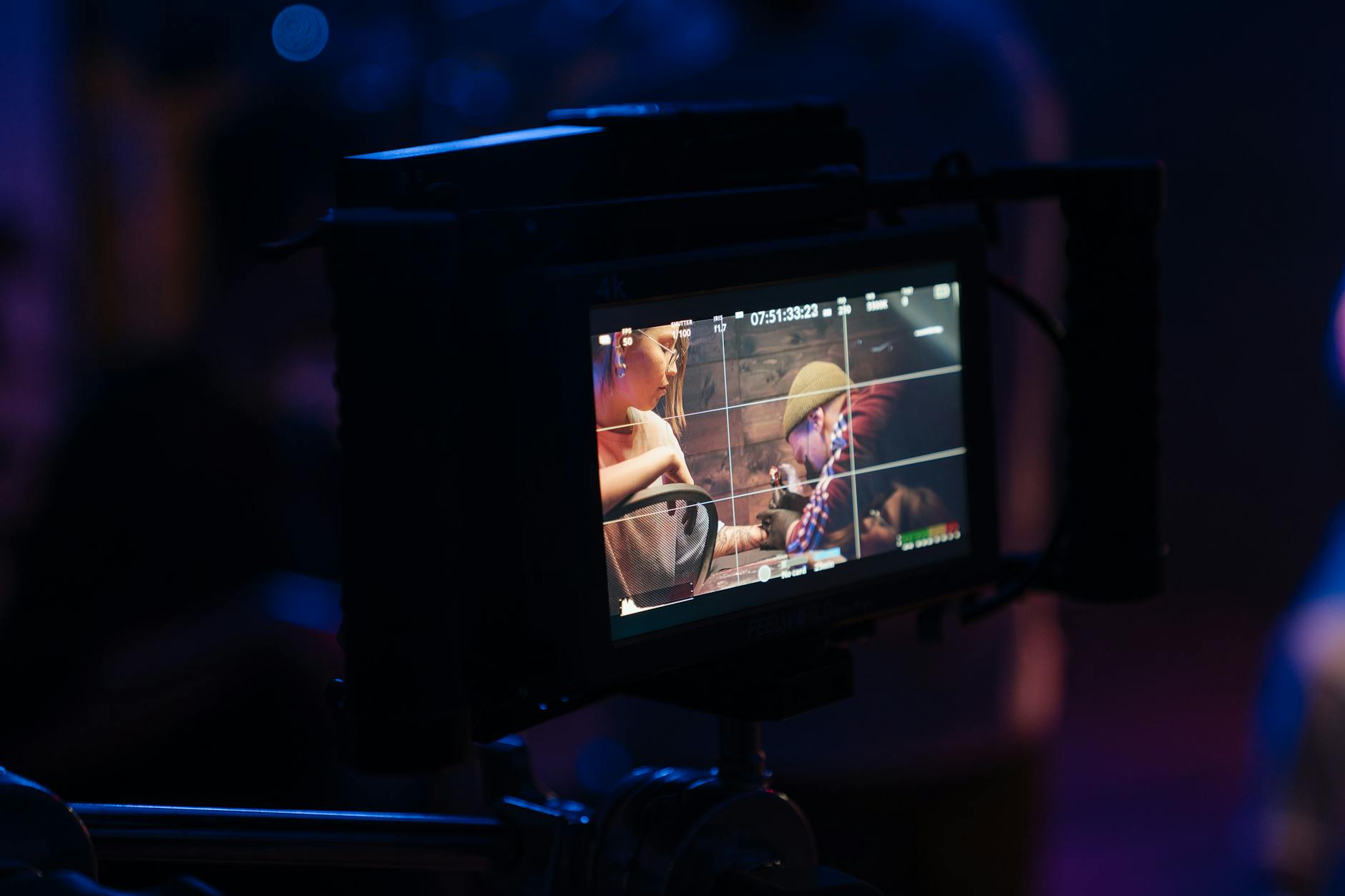
The production phase involves executing the planned scenes with precision, employing professional crews equipped with industry-standard tools. High-definition cameras, stabilizers, drones, and specialized lighting are used to capture stunning visuals aligned with the storyboard. During filming, crew members rigorously follow safety protocols, especially when operating in challenging environments or public spaces. Continuous communication between directors, camera operators, and talent ensures the narrative remains coherent and visually compelling. Adapting to real-time conditions, such as weather or unforeseen obstacles, is crucial for maintaining quality and staying within schedule. The goal is to produce footage that adheres to the outlined creative vision while capturing authentic, engaging moments that resonate with viewers.
Technical Aspects of Filming
- Use of high-definition equipment for clarity and professionalism
- Dynamic camera movements to enhance storytelling
- Optimal lighting setups to highlight subjects
- Drones for aerial shots providing unique perspectives
- Sound recording and synchronization for clarity
Post-Production and Editing
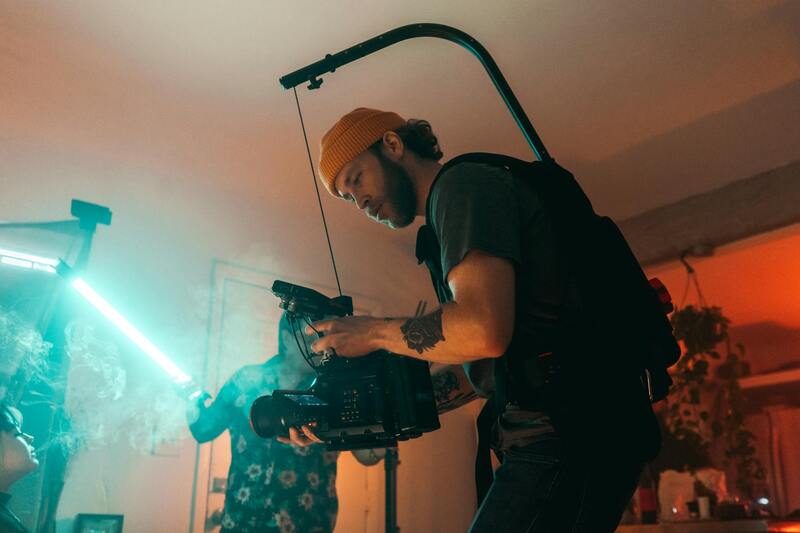
The post-production stage transforms raw footage into a cohesive, polished corporate film. This phase involves editing, color grading, sound design, and visual effects, all aimed at refining the narrative and enhancing visual appeal. Skilled editors work meticulously to assemble scenes, ensuring seamless transitions and pacing that align with the storytelling objectives. Color grading enhances the mood and brand consistency, while sound engineers add voiceovers, music, and sound effects to bolster emotional engagement. Utilizing advanced editing software and techniques ensures clarity, professionalism, and alignment with the company's branding standards. Review and feedback cycles are integral to finalizing content that effectively communicates the desired message, meeting high-quality benchmarks and audience expectations.
Quality Control and Finalization
- Thorough review of edits for consistency and impact
- Incorporating feedback for refinement
- Ensuring visual and audio synchronization
- Final color grading and sound mixing
- Preparing various formats for distribution