Overview of Event Photography in Miami
Miami stands out as a vibrant hub for diverse social, corporate, and cultural gatherings, making event photography an integral part of capturing the city’s dynamic spirit. From high-profile corporate conferences and elegant weddings to lively music festivals and community celebrations, professional event photography provides a lasting visual record of these occasions. The city’s picturesque landscapes, bustling urban environment, and iconic landmarks serve as a captivating backdrop, enhancing the aesthetic appeal of event imagery.
The local industry landscape is characterized by a wide range of skilled photographers who specialize in various event types, each equipped with a keen eye for detail and an understanding of Miami’s unique cultural vibe. These professionals adhere to strict industry standards, employing proven methods for capturing moments authentically and artistically. The importance of high-quality event photography in Miami extends beyond mere documentation; it actively contributes to branding, marketing, and preserving memories for individuals, organizations, and communities.
The competitive market in Miami necessitates adherence to comprehensive best practices, ensuring that each event is documented with clarity, consistency, and artistic finesse. Photographers often collaborate closely with clients during pre-event planning, understanding their specific needs and expectations. This collaborative approach results in tailored photographic coverage that aligns with event objectives and personal or brand identities.
As the city continues to grow as a center for innovative and high-profile events, the demand for top-tier event photography services remains strong. Professionals in this field leverage advanced equipment, stay updated with emerging trends, and refine their techniques to meet the sophisticated demands of Miami’s event scene. Whether covering grand weddings, corporate galas, or community festivals, event photographers play a vital role in shaping how these moments are remembered and shared across various platforms.
Types of Events Covered by Event Photographers
Event photography in Miami encompasses a broad spectrum of occasions, each requiring specialized skills and equipment to capture the essence of the event accurately. From intimate gatherings to large-scale public festivals, professional photographers adapt their approaches to meet the unique demands of each event type. Among the most common categories are weddings, corporate functions, festivals, and private parties, all of which demand a tailored approach to ensure the moments are preserved with clarity and artistic integrity.
Weddings and Receptions
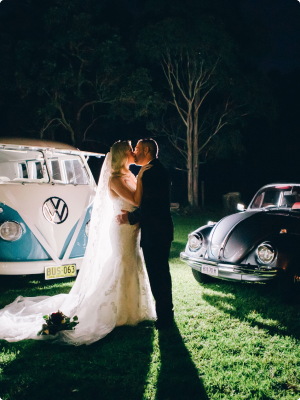
Wedding coverage requires a photographer to blend candid shots with formal portraits, capturing emotions and key moments seamlessly. The vibrant Miami ambiance, with its distinctive light and cityscape backdrops, enhances the visual storytelling. Photographers prepare extensively, coordinating with couples to understand specific photo preferences and the event itinerary. This planning ensures that every significant moment, from exchanging vows to lively dance floors, is documented professionally.
Corporate Events and Conferences
Business-related events often demand precise, high-quality images that reflect professionalism and brand values. Corporate photographers in Miami focus on capturing keynote speeches, networking sessions, and brand activations. These images serve for marketing and promotional purposes and must align with the company's visual identity. Equipment choices, lighting setups, and post-processing are tailored to produce polished images suitable for press releases, websites, and social media.
Festivals, Parades, and Community Events
Miami’s vibrant festivals and public events attract diverse crowds and dynamic atmospheres. Event photographers cover large gatherings, street parades, and cultural celebrations, emphasizing lively candid shots that convey the event's energy. Fast-paced environments require quick reflexes, versatile lenses, and the ability to adapt to varying lighting conditions to produce compelling images that encapsulate the spirit of the festivities.
Private Parties and Social Gatherings
Private events such as birthday parties, anniversary celebrations, and family reunions benefit from candid and posed photography that captures genuine interactions. These occasions often involve multiple locations and spontaneous moments, prompting skilled photographers to move efficiently and anticipate key interactions. Discretion and a friendly demeanor are essential qualities that help create a comfortable environment for guests and result in authentic images.
In each of these event categories, the core principles of professional event photography—attention to detail, technical expertise, and a keen understanding of the event’s atmosphere—remain paramount. Photographers must be adaptable, equipped with the right tools, and well-versed in different event styles to produce images that not only document but elevate the significance of each occasion.
Key Skills and Qualities of a Professional Event Photographer
Exceptional event photography hinges on a blend of technical mastery and interpersonal finesse. A professional photographer must possess a nuanced understanding of camera settings, lighting principles, and composition to capture moments that resonate. Mastery over various equipment and techniques allows them to adapt swiftly to fluctuating conditions typical of live events. Equally important are soft skills such as communication, patience, and discretion, which foster a comfortable environment for event attendees and help elicit authentic expressions and interactions.
Technical expertise involves proficiency in different types of lighting setups, utilizing natural and artificial light to enhance image clarity and mood. Skilled event photographers are adept at managing high ISO settings for indoor or low-light conditions, rapidly adjusting shutter speeds to freeze fast movements, and choosing appropriate apertures for desired depth of field. These capabilities ensure sharp, well-exposed images that truly represent the atmosphere and energy of the event.
Beyond technical skills, adaptability is a crucial trait. Events often present unpredictable moments, requiring photographers to think on their feet and make quick decisions. Whether capturing fleeting expressions, spontaneous reactions, or complex scenes, a keen eye for detail and a flexible approach enable photographers to seize the decisive moments that define the event. The ability to work unobtrusively without disrupting the natural flow of the occasion is equally vital.
Interpersonal skills significantly impact the quality of event coverage. Building rapport with clients and guests fosters trust and encourages natural interactions. A friendly demeanor, active listening, and professional etiquette ensure that subjects feel comfortable in front of the camera, resulting in candid images that convey genuine emotion and connection. Moreover, effective communication with event organizers before and during the event facilitates seamless coordination, ensuring that all key moments are captured as planned.
Ultimately, the interplay of technical proficiency, adaptability, and interpersonal competence defines a stellar event photographer. These qualities enable professionals to capture a comprehensive visual story of each occasion, balancing artistic expression with reliable documentation. Mastering these skills ensures that every image not only documents the event but elevates its significance through powerful visual storytelling.
Comprehensive Strategies for Legally Securing Event Photography in Miami
Securing permission to photograph at an event in Miami is an essential step that professional photographers must undertake to ensure smooth operations and uphold legal standards. This process involves a combination of formal agreements, understanding local regulations, and clear communication with event organizers. Establishing a contractual relationship with the event host not only clarifies the scope of work but also delineates rights concerning image usage, distribution, and reproduction. Such agreements typically specify the duration of coverage, deliverable formats, and the permitted use of photographs, thereby safeguarding the interests of both parties involved.
In Miami's vibrant event environment, obtaining explicit permission before capturing moments is paramount. Photographers should present a comprehensive portfolio and business credentials when negotiating contracts, demonstrating professionalism and building trust with clients. Additionally, it's prudent to include clauses related to access rights, especially for private or exclusive venues. These clauses ensure that photographers can operate without hindrance while respecting the venue’s policies and security measures.
An often-overlooked but vital aspect involves acquiring consent from individuals who will be featured prominently in the photos. This is commonly achieved through signed model releases, particularly for commercial use or promotional purposes. Model releases serve as official documentation that individuals permit their likenesses to be used in photographs, protecting the photographer from claims regarding privacy or image rights.
For public events, photographers typically utilize public space photography laws, which permit capturing images of crowds or general scenes without explicit permission. Nevertheless, when focusing on identifiable individuals or private property, written permissions become necessary. Ensuring such permissions are in place mitigates potential disputes and fosters a professional environment where artistic expression and legal compliance coexist.
Proficient event photographers in Miami also stay informed about specific regulations and guidelines issued by local authorities or venue operators. This includes observing restrictions related to drone photography, the use of flash, or recording devices, all of which could impact the scope of coverage. Knowledge and adherence to these rules are crucial for maintaining a reputable standing within the industry and ensuring uninterrupted service.
Furthermore, photographers should retain copies of all signed agreements, releases, and permissions, storing them securely for future reference. This documentation not only affirms legal compliance but also streamlines administrative processes in case of disputes or inquiries.
Understanding the Permitting and Authorization Processes in Miami Event Photography
In Miami, the process of securing necessary permissions and authorizations for event photography is a structured and meticulous procedure. Event photographers must navigate various local regulations and venue-specific rules to ensure their work aligns with legal standards and industry best practices. The importance of this process cannot be overstated, as it safeguards both the photographer and the client by establishing clear boundaries and responsibilities before the event begins.
One of the foundational steps involves obtaining explicit consent from event organizers and venue management. This typically requires a formal agreement that outlines the scope of photography, access points, and designated areas for capturing images. Clear communication with stakeholders ensures that photographers are aware of restricted zones, sensitive areas, or any special instructions related to the event environment.
Additionally, if the event takes place on private property or involves private individuals, photographers often need to secure specific permissions or licenses to operate legally. This might include written authorizations from property owners or event coordinators that specify the conditions under which photography can occur. Having documented approval helps prevent misunderstandings and potential claims concerning trespassing or unauthorized recording.
Another critical aspect involves adherence to city-specific regulations. Miami has particular rules that govern the use of certain equipment, such as drones, flash photography, or recording devices. Licensed drone operations, for instance, require compliance with local aviation authorities and, often, specific permits. Photographers must familiarize themselves with these rules well in advance of the event to avoid violations that could lead to service interruption or legal issues.
Maintaining detailed records of all permissions, releases, and communication is paramount. Photographers should retain copies of signed agreements, model releases, and other relevant documentation in secure storage. These documents serve as official records that support their work's legitimacy and can be referenced if disputes or questions about image rights arise later on.
Furthermore, staying informed about evolving regulations in Miami related to public space photography, privacy concerns, and safety procedures ensures that photographers operate within the appropriate legal framework. This ongoing awareness helps preserve the integrity of their professional practice and promotes trust with clients and event participants alike.
In summary, a comprehensive understanding of the permit and authorization processes in Miami enhances the overall quality and professionalism of event photography. It fosters seamless collaboration with event organizers and venue staff, contributes to a positive reputation in the industry, and ultimately results in high-quality images that faithfully capture the essence of each occasion.
Planning and Coordination for Event Photography
Effective event photography necessitates meticulous planning and seamless coordination with event organizers and venue staff. Photographers must establish a clear understanding of the event schedule, key moments to capture, and specific client expectations well in advance. Creating a detailed shot list helps prioritize essential images, ensuring that no critical moment is missed during the event. This preparation involves understanding the event's flow, timeline, and any thematic elements that influence photographic style and approach.
Bringing the right equipment is crucial; photographers often prepare backup gear to account for technical failures, including spare batteries, memory cards, and lighting accessories. Compatibility with the venue's setup, such as available power sources and space constraints, influences equipment choices. Advanced planning also involves scouting the event location beforehand to identify optimal shooting positions and areas with the best lighting conditions. This pre-visit allows for better logistical management during the event, reducing the risk of disruptions.

During the event, photographers need to remain adaptable, ready to capture spontaneous moments while adhering to the predefined schedule. Maintaining clear communication with event coordinators helps ensure timely access to designated areas and facilitates the setup of necessary equipment. Establishing a rapport with event staff can streamline operations, allowing photographers to work efficiently within the event environment.
In addition to capturing designated moments, professional event photographers are responsible for managing guest interactions and securing appropriate permissions for images involving private individuals. They must balance discreetness with attentiveness, especially during lively moments where candid shots are most valuable. Good coordination minimizes disruptions and helps maintain the flow of the event, enabling photographers to produce a comprehensive gallery that truly reflects the atmosphere of the occasion.
Planning and Coordination for Event Photography
Effective planning and coordination are crucial components that underpin successful event photography. In the vibrant settings of Miami, where events range from corporate gatherings to cultural festivals, meticulous preparation ensures that the photographer can deliver top-quality images that capture the essence of each occasion. This process begins with a comprehensive understanding of the event schedule, key moments, and logistical details provided by event organizers.
Establishing clear communication channels with event coordinators and venue staff paves the way for a smooth execution. Photographers often conduct site visits prior to the event date to familiarize themselves with the venue layout, identify optimal shooting locations, and assess lighting conditions. This pre-visit facilitates the development of an efficient shot list and contingency plans for unanticipated scenarios, such as sudden changes in lighting or venue restrictions.
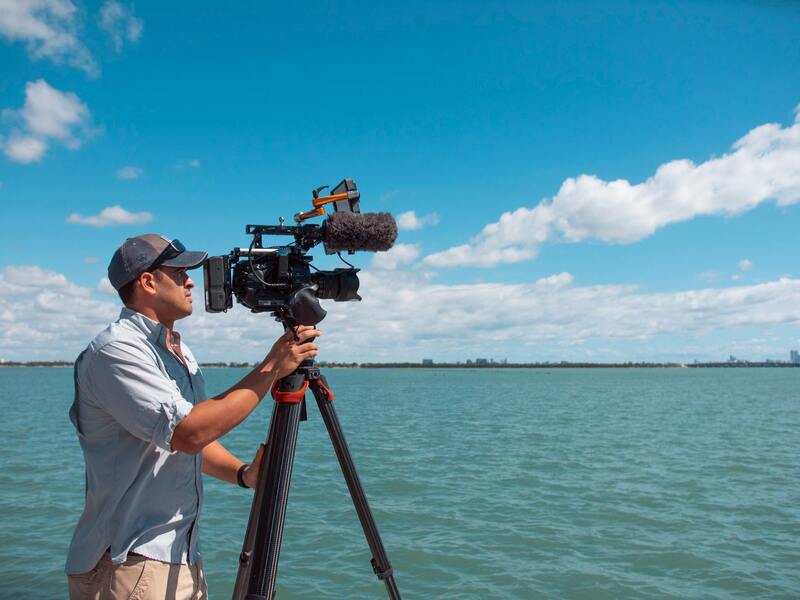
During the event, the photographer’s ability to adapt while adhering to the predetermined plan is essential. Engaging with event staff and understanding access points allows for seamless navigation across the venue, ensuring that crucial moments are captured without disruption. Employing a shot list derived from the event’s objectives helps prioritize key moments, such as speeches, performances, or candid interactions among guests.
In settings where guest interactions are involved, discreet permission-seeking becomes paramount. Photographers often work to secure any necessary releases or permissions beforehand, especially for images to be used for promotional purposes later. Maintaining professionalism and a respectful attitude fosters trust and cooperation from attendees, enriching the quality and naturalness of candid shots.
Data Management and Image Rights
Once the event wraps up, effective editing and timely delivery are integral to client satisfaction. Post-processing involves selecting the best images, color correction, and retouching as needed, always aligning with the event’s tone and client preferences. Storage and management of digital files are handled with care, employing secure backups and organized cataloging systems to prevent data loss.
Regarding image rights, professional event photographers typically establish clear agreements that specify how photographs can be used, displayed, or shared. These agreements protect both the photographer’s work and the client’s interests, ensuring that images are utilized appropriately within agreed-upon parameters. Proper documentation of licensing terms, copyright ownership, and usage rights provides clarity and prevents disputes down the line.
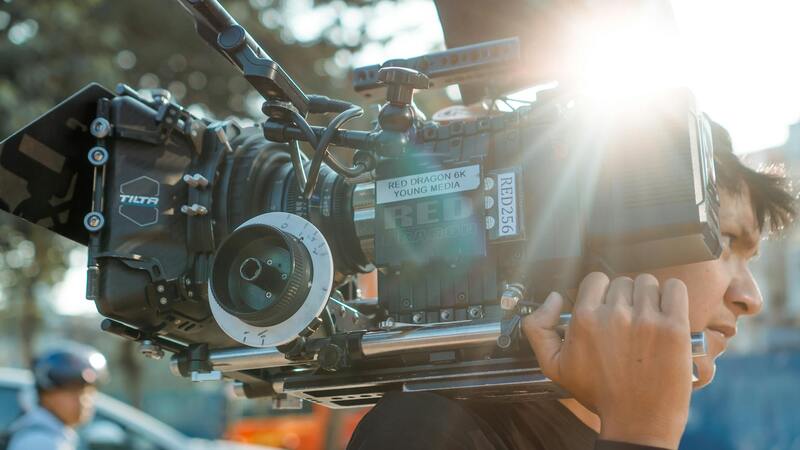
In Miami's dynamic event landscape, adherence to these official methods ensures that every aspect of event photography, from preparation to post-processing, maintains professionalism and integrity. This comprehensive approach ultimately results in a portfolio of compelling images that authentically reflect the spirit of each occasion while safeguarding everyone’s rights and interests.
Overview of Event Photography in Miami
Miami stands out as a vibrant hub for a diverse array of events, paralleling its reputation as a global city full of cultural, corporate, and social gatherings. Event photography in this city requires not only technical skill but an understanding of the local ambiance and event-specific demands. Professional photographers in Miami are adept at capturing the fluid energy of dance festivals, the elegance of corporate galas, the intimacy of private celebrations, and the grandeur of large public events. They employ an array of specialized techniques and tools tailored to the unique characteristics of each event type, ensuring that every significant moment is documented with clarity and artistic flair.
Types of Events Covered by Event Photographers
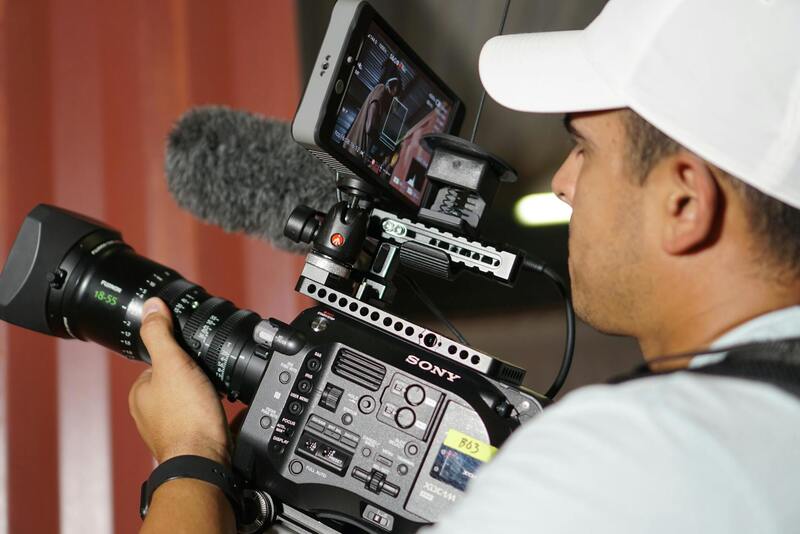
Event photographers in Miami cover an extensive range of occasions, including:
- Wedding ceremonies and receptions
- Corporate events, such as conferences and seminars
- Music festivals and concerts
- Charity functions and galas
- Fashion shows and runway events
- Private parties and celebrations
- Public festivals and community gatherings
Each event type presents unique challenges and requirements, compelling photographers to adapt their approach. From candid shots that capture spontaneous moments to staged portraits that emphasize style and branding, Miami's event photographers utilize their expertise to craft comprehensive visual narratives tailored to the event’s objectives.
Key Skills and Qualities of a Professional Event Photographer
To excel in Miami’s bustling event scene, professionals possess specific skills and qualities:
- Exceptional technical proficiency with various cameras and lighting equipment
- Strong interpersonal skills to engage with clients and event attendees naturally
- Adaptability to changing environments and lighting conditions
- Attention to detail for capturing the perfect moments and compositions
- Discretion and professionalism to operate seamlessly without disrupting the event flow
- Creative vision to produce compelling images that tell a story
Equipment and Technology Used in Event Photography
Modern event photographers employ a range of advanced tools to ensure quality results. High-resolution DSLR or mirrorless cameras form the foundation, complemented by fast prime and zoom lenses to handle diverse shooting scenarios. External flashes, diffusers, and reflectors enable optimal lighting, especially in low-light or mixed-light environments typical of many Miami events.
Moreover, numerous photographers leverage on-camera stabilization systems, remote triggers, and wireless flash systems to maximize efficiency and image quality. Emerging technologies like drone photography provide dynamic aerial perspectives, adding a unique dimension to event coverage. Live streaming equipment is also increasingly used to broadcast moments in real time, expanding the reach and engagement of the event.
Planning and Coordination for Event Photography
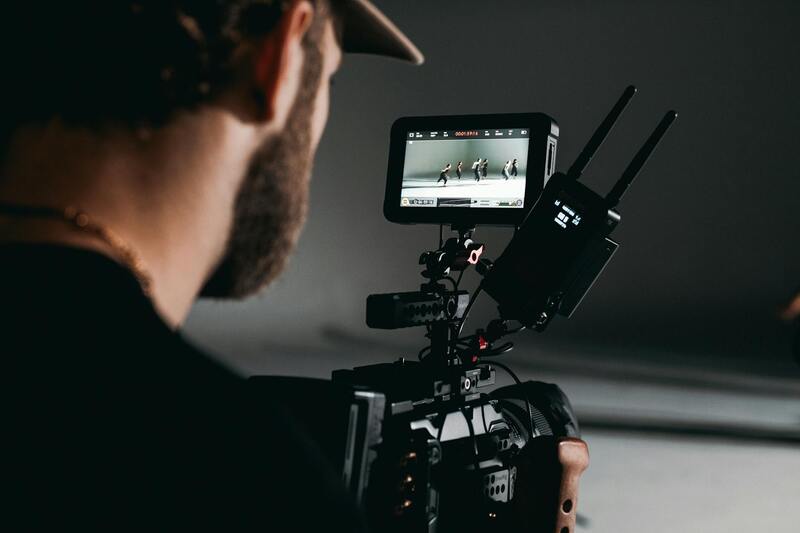
Effective planning is vital to capturing successful event images in Miami. Photographers typically collaborate closely with clients during the planning stages, reviewing event schedules, understanding key moments, and identifying specific shot lists. Site visits are often conducted beforehand to assess lighting conditions and identify strategic locations for capturing the best angles.
This preparation involves coordinating with event organizers to ensure access to critical areas, understanding the flow of the event, and scheduling sufficient coverage. Equipment logistics, backup plans for technical failures, and meticulous time management ensure seamless execution. Awareness of Miami’s unique event venues, from luxury hotels to outdoor parks, informs decisions regarding equipment setup and positioning.
Editing, Delivery, and Image Rights
Post-event editing involves careful selection, color correction, retouching, and, when appropriate, creating a cohesive visual style that aligns with the event’s tone. Timely delivery of images is crucial for client satisfaction, often facilitated by online galleries or dedicated image delivery platforms.
As part of their service, photographers clarify image rights and usage permissions through contractual agreements. These documents specify whether images can be used for promotional purposes, shared publicly, or retained solely for private collections. Clear agreements help streamline the delivery process and protect both parties, ensuring that images are utilized in accordance with the agreed-upon terms.
Storing digital images securely, employing organized cataloging systems, and maintaining backups are essential practices. These measures protect valuable content from accidental loss and facilitate quick retrieval for future use or extended productions, such as album creation or promotional campaigns.
Choosing the Right Event Photographer in Miami
Selection criteria focus on the photographer’s portfolio, experience with similar event types, technical skills, and understanding of local venues. Clients should review samples of previous work to assess style consistency and quality, ensuring it aligns with their vision. Additionally, evaluating communication skills, professionalism, and responsiveness provides insight into the level of service to expect.
Understanding the photographer’s process, including how they handle logistics, coordinate with event staff, and deliver images, helps in making an informed decision. Ultimately, partnering with a photographer who demonstrates a balance of artistic talent, technical proficiency, and professionalism guarantees that the event’s moments are captured authentically and elegantly, preserving memories for years to come.