Understanding Factors Influencing Event Photographer Pricing
Determining the appropriate investment for event photography in Miami requires a solid understanding of the various factors that influence pricing structures. The cost associated with hiring an event photographer is shaped by several key elements, which together define the value and scope of the service provided. Recognizing these factors helps clients plan their budgets effectively and select the best photography services tailored to their specific needs.
Experience and Reputation
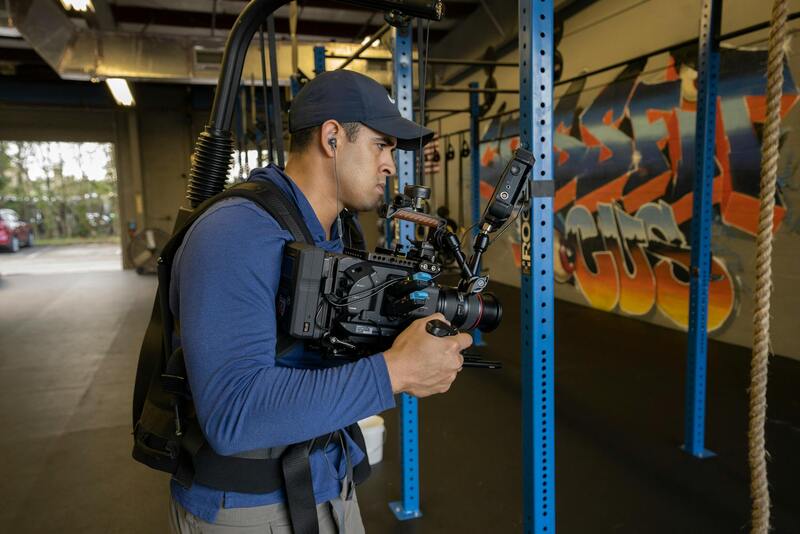
One of the primary drivers of pricing is the professional experience and market reputation of the photographer. Photographers with extensive portfolios, specialized skills, or awards often command higher rates. Their reputation can also add perceived value, ensuring clients of a high-quality outcome. Seasoned photographers typically have a well-developed network and access to premium equipment, which further influences their rate structure.
Equipment and Technology
High-quality equipment, such as professional-grade cameras, lenses, lighting, and backup gear, contributes significantly to costs. Photographers investing in advanced technology are capable of capturing images in diverse settings, often at higher resolutions and with superior clarity. The quality of gear directly impacts the final product, making it a noticeable factor in overall pricing.
Scope and Duration of the Event
The length of the event and the number of locations involved also affect pricing. Larger events, such as all-day weddings or multi-day conferences, require more time and resources. This includes not only the shooting hours but also preparation, post-processing, and sometimes on-site editing. Additionally, events with multiple venues or complex setups demand additional planning and logistical considerations, which are reflected in the final cost.
Event Complexity and Specific Requirements
Complex event setups, such as those involving creative lighting, special effects, or staged scenarios, often entail additional labor and equipment. Clients requesting specific styles, artwork, or themed shoots may also incur extra charges due to the extra effort involved. Clear communication upfront about any special needs ensures proper budgeting and photographer preparation.
Travel and Accommodation
For Miami-based events, local photographers may not include travel costs. However, for clients hiring professionals from outside the immediate area or requiring travel beyond Miami, expenses for transportation and accommodation need to be considered. These costs can significantly influence the overall pricing, especially for destination or multi-location shoots.
Post-Processing and Delivery Timeline
Post-production work, including editing, retouching, and retouching, adds value to the final images. Faster delivery times or extensive editing requirements tend to increase costs. Photographers often offer tiered packages where more expedited or elaborate editing services are priced accordingly.
Understanding these key factors provides a foundation for evaluating event photographer pricing in Miami. By assessing your event's specific needs and the professional's credentials, you can make informed decisions that align with your objectives and budget.
Understanding Factors Influencing Pricing
When assessing event photographer pricing in Miami, it is essential to recognize the multiple variables that can impact the final costs. These factors help clients gauge the value and scope of different offerings, ensuring a transparent and well-informed selection process.
Event Complexity and Specific Requirements
The intricacy of an event design plays a significant role in determining the photographer's fee. Events featuring elaborate setups—such as multi-tiered lighting arrangements or staged performances—demand additional time, specialized equipment, and creative input. Special requests like themed backdrops, artistic compositions, or staged scenarios elevate the project’s complexity, often leading to increased costs. Clients should communicate their vision and any unique requirements early on to facilitate accurate quotes and proper resource allocation.
Travel and Accommodation Considerations
While local Miami-based photographers typically include their travel within standard rates, those from outside the area may charge additional fees for transportation and lodging. Destination events or multi-location shoots further amplify costs due to the need for overnight stays or extensive travel arrangements. Clients organizing large-scale or regional events should factor these expenses into their overall budget.
Post-Processing and Delivery Timeline
The editing process significantly enhances the final product. High-quality retouching, image selection, and creative enhancements are labor-intensive services that impact fees. Faster turnarounds, especially those requiring delivery within 24-48 hours, typically incur additional charges. Photographers may offer tiered packages, allowing clients to choose between standard edits and premium, expedited services based on their needs and budget.
Additional Factors
- Event Duration: Longer events require more hours of coverage, directly influencing prices.
- Number of Photographers: Large events often benefit from multiple professionals, which increases costs but ensures comprehensive coverage.
- Usage Rights: Exclusive rights to images or specialized licensing can add to the total fee.
Understanding these elements allows clients to distinguish between different pricing structures and anticipate potential additional costs. Clear communication about event specifics and expectations helps in obtaining accurate quotes and avoiding surprises.
Understanding Factors Influencing Pricing
Event photographer pricing is shaped by a multitude of elements that go beyond mere hourly rates or fixed fees. Photographers evaluate various aspects of each project to establish an accurate quote, ensuring that both the quality of service and the specific demands of the event are adequately addressed. Among the primary considerations are the event's scale and complexity, which directly impact the amount of time and resources required to capture memorable moments effectively. Larger events with extensive coverage needs, such as weddings, corporate galas, or music festivals, typically necessitate additional staff, more equipment, and longer hours of service, all of which contribute to higher costs.
Another key factor is the experience and reputation of the photographer. Established professionals with a strong portfolio and specialized skills often command premium rates, reflecting their expertise and the consistent quality they deliver. Additionally, the type of event plays a role; for instance, weddings with their intricate logistics and emotional significance usually have different pricing standards than corporate headshots or small private parties.
Geographical location also impacts rates, as market demand and living costs vary by region. Photographers in major metropolitan areas or popular event destinations often have higher consultation and service fees compared to those in less populated locations. Travel requirements, time spent commuting, and accommodations for destination events are additional costs that photographers factor into their pricing structure.
Post-production work, including editing, retouching, and image selection, significantly affects the overall cost. The level of retouching and turnaround time can cause variations in fees; quicker delivery options within 24 to 48 hours typically involve an extra charge. Moreover, licensing and usage rights, especially for commercial or exclusive rights, add another dimension to pricing, as they determine how clients can utilize the images long-term.
Clients should consider these dynamic factors when reviewing quotes to better understand what each element contributes to the final price, ensuring transparency and alignment between expectations and costs.
Factors That Affect Pricing Variation
Several elements contribute to fluctuations in event photographer pricing, impacting both the overall cost and the specific components of a photographer’s fee structure. Event duration is a primary consideration; longer events naturally require more time and resources, often leading to higher rates. A wedding that spans an entire day or evening will typically incur a greater fee than a shorter corporate session or a pre-scheduled portrait shoot.
Location significantly influences the pricing landscape as well. Photographers operating in high-demand urban centers or popular event destinations tend to charge more due to increased living costs and competitive rates within these markets. Conversely, in less populated areas, rates may be comparatively lower. For destination events, additional expenses for travel, accommodation, and logistical arrangements are often incorporated into the overall price.

The number of photographers required for an event impacts the cost, too. Larger events or those with complex setups may necessitate multiple photographers to ensure comprehensive coverage, thus increasing the total fee. Specific client requests—such as drone photography, night shoots, or specialized lighting—also add to the complexity and cost.
Special requirements, which could include unique shot lists, high-resolution image deliverables, or custom albums, can influence pricing. Additionally, the intricacy of post-production work required, including advanced editing or retouching, may cause variations in a quote. Finally, the level of experience and reputation of the photographer plays a role; seasoned professionals with extensive portfolios often command higher fees in exchange for proven expertise and high-quality results.
Factors That Influence Event Photographer Pricing
Determining the appropriate pricing for event photography involves a multitude of factors that extend beyond just the photographer's base rate. Understanding these elements helps clients make informed decisions and enables photographers to set transparent and fair prices. Key considerations include event duration, scope of coverage, and specific client needs, which collectively shape the final cost.
Event duration is a primary factor. Shorter segments such as a few hours at an event typically cost less compared to full-day or multi-day coverage, which demands more time, effort, and resources. A brief corporate headshot session might be priced differently than a comprehensive wedding or festival coverage, which encompasses multiple stages and moments.
Coverage scope is equally vital. Clients requiring extensive coverage, including multiple locations or specific moments, often incur higher fees. Additional services such as drone photography, nighttime shoots, or specialized lighting setups elevate the complexity and, consequently, the price. The number of photographers needed also influences the overall cost, especially for large or complex events where comprehensive coverage is paramount.
The location of the event plays a significant role as well. Photographers operating in metropolitan areas or high-demand destinations generally charge more due to increased operational costs and competitive markets. Conversely, rural or less populated locations might offer more budget-friendly options. For destination events, additional expenses such as travel, accommodation, and logistical support are factored into the overall quote.
Post-production requirements can also significantly affect pricing. Clients requesting high-resolution images, extensive retouching, custom albums, or bespoke editing may see higher charges. The complexity of these tasks depends on the client’s specifications and the photographer’s editing capabilities. Experienced professionals with an impressive portfolio tend to command higher fees, reflecting their skills, reputation, and proven ability to deliver exceptional results.
Additional Costs and Expenses
When budgeting for event photography, clients should be aware of potential added costs beyond the initial booking fee. Travel expenses, especially for distant or destination events, can substantially increase the total. Editing, which involves selecting, retouching, and preparing images for delivery, is often billed separately or included as an add-on, depending on the photographer’s pricing structure.
Physical products such as prints, albums, or custom-designed photo books typically come with additional charges. Rush delivery or expedited editing services are common options for clients in need of quick turnarounds, and these often come at a premium. Planning for these extras ensures there are no surprises and helps clients allocate their budget more effectively.
How to Evaluate and Compare Photographer Pricing
Assessing different photographers' rates requires examining what is included in their packages. It’s important to compare not only the final price but also what services and deliverables are offered. Review portfolios to gauge quality and consistency, and inquire about the scope of coverage, post-production services, and any extras that might impact the overall cost.
Transparent communication is essential. Request detailed quotes that itemize costs for core services and add-ons. This visibility allows for an accurate comparison among providers and ensures that expectations are aligned with the pricing structures.
Tips for Negotiating Event Photography Prices
Negotiation begins with understanding your priorities and being transparent about your budget constraints. Many photographers are willing to customize packages or offer discounts, especially during off-peak seasons or for clients booking multiple services. Highlighting the importance of their work and building a rapport can also facilitate more flexible pricing arrangements.
Consider bundling services or opting for semi-coverage options if full-day coverage exceeds your budget. Flexibility in scheduling or choosing fewer add-ons may also reduce overall costs. Always clarify terms upfront to avoid misunderstandings and ensure that both parties are satisfied with the agreed-upon price.
Budgeting and Planning for Event Photography
Effective planning involves setting a realistic budget based on your event type and coverage needs. Prioritize essential services, such as key moments that must be captured, and allocate funds for post-event products if desired. It’s advisable to start discussions with photographers early in the planning process to secure the best rates and availability.
Maintain open communication about expectations and budget limitations to find a mutually agreeable solution. This proactive approach minimizes surprises and ensures you receive quality coverage that aligns with your financial plan.
Understanding Factors Influencing Pricing
The cost of hiring an event photographer is primarily influenced by several key factors that determine the overall pricing structure. These include the photographer’s experience, reputation, and skill level. Experienced photographers with a strong portfolio and positive client reviews tend to command higher rates due to their proven track record of capturing high-quality images. Similarly, a photographer’s reputation in the industry or within local markets can add to the cost, reflecting their standing and demand.
Another critical element affecting pricing is the scope of coverage and the duration of the event. Longer events requiring substantial time commitment, multiple locations, or extensive editing services will naturally incur higher fees. The complexity of the event also plays a role—for instance, a formal wedding with numerous staged shots and detailed planning generally costs more than a casual gathering.
Equipment quality and the use of advanced or specialized gear can influence costs as well. Photographers investing in high-end cameras, lighting, and backup equipment to ensure optimal results often pass these expenses onto clients. Additionally, the inclusion of post-production editing, album creation, or delivery of high-resolution images customization significantly impacts overall pricing.
Location specificity is another variable. Photographers operating in competitive markets or urban centers with higher living costs typically charge more than those in smaller towns. Travel expenses, if the event location is outside the photographer’s usual service area, also add to the final bill.
Average Cost Ranges for Event Photography
For basic coverage of small events or partial day sessions, prices can start as low as $500 to $1,000. Mid-range packages suitable for medium-sized events, including several hours of coverage and some post-processing, usually range from $1,000 to $3,000. Full-day coverage, especially for significant events like weddings, typically falls between $3,000 and $6,000, though rates can go higher based on the factors discussed earlier.
It’s crucial to note that these ranges serve as general guides. Specific quotes will vary depending on the individual photographer’s pricing model, experience, and the specifics of the event. Booking during off-peak seasons or early in advance can often lead to more favorable rates, providing savings for clients who plan ahead.
Pricing Models and Packages
Event photographers typically offer several pricing models designed to suit different client needs. The most common include hourly rates, flat fees for specific coverage durations, and customized packages that combine various services.
- Hourly Rate: Photographers may charge between $200 and $500 per hour, making this model suitable for limited coverage or specific segments of an event.
- Flat-Rate Packages: These fixed-price packages often cover a set number of hours and include a predetermined number of edited images or products. They are ideal for clients seeking clarity on total costs upfront.
- Full-Day or Event Packages: These comprehensive packages often encompass pre-event consultations, full-day coverage, post-processing, and a selection of deliverables. Pricing can range from $2,500 to $10,000+, depending on event complexity.
Many photographers also provide à la carte options, allowing clients to select specific services such as engagement sessions, additional hours, or high-volume image delivery. Comparing these packages involves evaluating not just the pricing but also the number of images, quality, and additional services included.
Factors That Affect Pricing Variation
Several factors can cause fluctuations in event photography pricing, making it essential to understand how each element influences the final quote. Geographic location is a significant factor; urban markets with high demand often command premium pricing. Seasonal demand also plays a role—peak wedding season might lead to higher rates due to increased competition and photographer demand.
Event type and scale influence pricing as well. A multi-day corporate event with numerous speakers, stages, and extensive coverage requires more logistical planning and editing effort, increasing costs. Similarly, destination events or locations requiring travel and accommodation add expenses that are transferred to clients.
The level of customization and additional services chosen can also impact pricing. Requests for expedited editing, high-volume images, bespoke albums, or personalized photo products will incur supplementary charges. Smaller, boutique photographers may have less flexible pricing structures but often provide more personalized service.
Additional Costs and Expenses
Beyond the base rate, clients should anticipate potential extra costs that enhance the services received. Travel fees are common when events occur outside the photographer’s immediate service area and can include mileage, tolls, or accommodations if overnight stays are necessary.
Props, special effects, or elaborate staging can also add to costs, especially if they require additional setup time or equipment. Some photographers charge for extra editing, retouching, or the creation of personalized photo albums, wall art, or other printed materials.
Delays in delivery or extensive post-production work beyond standard editing may result in additional fees. It’s important to clarify whether these costs are included in the package or billed separately to avoid surprises.
Understanding Factors Influencing Pricing
Event photographer pricing is shaped by multiple variables that reflect both the scope of the assignment and the expertise of the photographer. Geographic location plays a significant role—urban areas with higher living costs tend to command higher rates compared to rural regions. The complexity and duration of the event directly influence the overall cost; longer events like all-day weddings or multi-day conferences necessitate more time and resources, increasing expenses. The type of event also impacts pricing, with high-profile or corporate occasions often requiring additional planning, equipment, and post-production work. Photographers' experience and reputation are equally important; seasoned professionals with a strong portfolio and specialized skills usually charge a premium for their expertise. Furthermore, the equipment used, including high-end cameras, lighting, and backup gear, contributes to the overall pricing structure. Additional services such as drone footage, live streaming, or 360-degree photos can also elevate costs due to the need for specific equipment and expertise.
Average Cost Ranges for Event Photography
Average event photographer costs vary widely based on the scope and complexity of the assignment. Small-scale, local events such as birthday parties or community gatherings typically range from $150 to $500 per hour, depending on the photographer's experience and package inclusions. For larger, more formal events like weddings, prices generally fall between $1,000 and $3,500, with some top-tier professionals charging even higher for full-day coverage, multiple photographers, and extensive post-production. Corporate events, conferences, and galas usually have starting prices around $1,000 and can escalate based on the technical requirements and number of images delivered. Engagement shoots, rehearsal dinners, or family portrait sessions tend to be more affordable, often in the range of $200 to $600 for a set session length. It's essential to consider that these ranges serve as general guidelines; actual prices are often customized based on specific needs and preferences.
Pricing Models and Packages
Photographers employ diverse pricing models to accommodate varying client needs. The most common approach is hourly billing, where clients pay for the actual time spent photographing and producing images. This model offers flexibility, especially for shorter events or when only specific moments are desired. Flat-rate packages are popular for events like weddings, providing a predetermined number of hours, a set number of edited images, and sometimes album or print options. Tiered packages often include basic coverage with optional add-ons such as engagement sessions, extra hours, or expedited editing. Some photographers offer à la carte pricing, allowing clients to select specific services without predefined packages, which can be beneficial for customized events or smaller projects. When evaluating packages, it’s crucial to scrutinize what’s included—number of images, print rights, album design, and delivery timelines—to ensure it aligns with your expectations.
Factors That Affect Pricing Variation
Multiple elements can cause differences in photography costs, making it important for clients to understand how each influences the final quote. Event scale is a primary factor; larger crowds and longer events naturally demand more time and resources, leading to higher rates. The level of detail and post-editing required also significantly affects pricing; images needing extensive retouching or special effects will elevate costs. The inclusion of additional photographers or assistants is another aspect to consider, especially for high-profile or multi-venue events. Seasonality can influence prices too, with peak wedding seasons often seeing increased rates due to higher demand. Geographic location undeniably impacts costs, with metropolitan areas generally commanding higher prices compared to smaller cities or towns. When planning, clients should also consider the complexity of the event setup, required permits, or unique logistical arrangements that might influence the overall cost structure.
Additional Costs and Expenses
Beyond the base photography fees, several supplementary expenses may arise, impacting the total investment. Travel charges are common when events occur outside the photographer’s immediate service area, including mileage, tolls, and accommodation costs if overnight stays are needed. Equipment rentals or special props required for themed shoots or elaborate staging can add to expenses. If clients request expedited editing, additional retouching, or the production of personalized photo products such as albums, wall art, or prints, these services usually come at an extra cost. Additional deliverables, including extra copies of images, extended online galleries, or special formats for commercial use, may also generate extra fees. It's vital for clients to clarify what costs are included in the initial quote and which are billed separately, to avoid unforeseen charges that could affect the overall event budget.
How to Evaluate and Compare Photographer Pricing
When reviewing different event photographers, it’s essential to consider more than the price tag alone. Begin by examining what each package includes—such as the number of hours of coverage, quantity of edited images, printing rights, and additional services. Request detailed quotes that outline all costs explicitly, highlighting any potential extra charges for travel, post-processing, or add-ons. Review portfolios to assess the photographer’s style and quality of work, ensuring it aligns with your preferences. Confirm the photographer’s experience with similar events and their ability to handle specific requirements, such as cold weather shoots or large crowds. Don’t hesitate to ask about their turnaround time for images and their policy on revisions or reshoots. Comparing packages against your desired outcomes and budget constraints will help in selecting the best fit without compromising on quality or expectations.
Understanding Factors Influencing Pricing
Event photographer pricing can vary significantly depending on multiple key factors, each contributing to the overall cost structure. Recognizing these elements helps clients make informed decisions and choose services that align with their needs and budgets. Primary influences include the photographer's level of experience and reputation, geographic location, scope of coverage, and the equipment used. Seasonality also plays a role; popular event dates during peak seasons often command higher rates due to increased demand. Additionally, the complexity of the event—such as number of attendees, size of venue, and specific requests like retouching or special effects—can impact pricing.
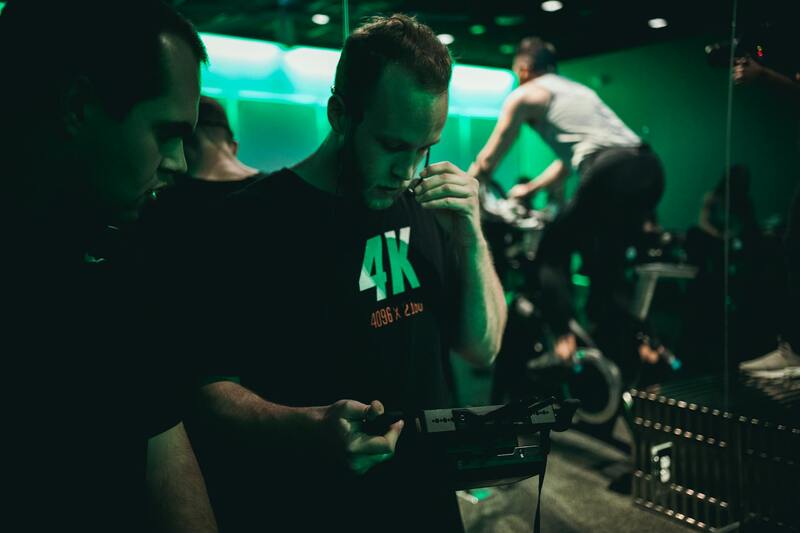
It's important to note that post-production work, including editing, retouching, and formatting images for different uses, adds to the overall costs. Some photographers include these services in their base package, while others charge separately. Lastly, travel expenses and accommodating specific schedule requirements can also elevate prices. Overall, understanding these factors enables clients to select a photographer whose pricing reflects their event’s scope and desired quality standards.
Average Cost Ranges for Event Photography
Generally, event photography costs fall within a broad spectrum based on industry standards and regional markets. For smaller or less formal events, such as community gatherings or corporate meetings, clients might expect to pay between $100 to $300 per hour. Mid-range events, including weddings and large celebrations, typically range from $1,000 to $3,500 for a full-day coverage. High-end or specialized photographers, especially those with extensive experience or unique stylistic approaches, may charge upwards of $5,000 or more for comprehensive services.

Clients should consider these ranges as general benchmarks. Exact quotes will depend on specific needs, including the number of hours required, deliverables, and additional services requested. Establishing a clear understanding of typical costs helps set realistic expectations and smooths the process of negotiations and deal finalization.
Pricing Models and Packages
Event photographers offer various pricing models tailored to client preferences and event specifics. Common packages include:
- Hourly Rates: Charged based on the number of hours the photographer is present. Suitable for events with a set time frame or when flexibility is needed.
- Flat-Rate Packages: Inclusive of a fixed number of hours, a set amount of edited images, and specified services. Ideal for clients seeking comprehensive coverage with predictable costs.
- Custom Quotes: Designed for unique or large-scale events, where pricing depends on multiple factors, including additional services and travel requirements.
Understanding the specifics of each model helps clients choose the structure best suited to their event's scope and their budget constraints.
Factors That Affect Pricing Variation
Several elements lead to fluctuations in event photographer pricing beyond standard rates. These include:
- Event Size and Duration: Larger events with longer coverage naturally incur higher costs due to increased workload and time commitment.
- Location: Urban centers or remote locations may add travel and accommodation expenses, influencing overall costs.
- Stylistic Requirements: Artistic or documentary styles that require extensive post-processing can increase editing fees.
- Special Equipment: Use of drones, lighting, or other specialized tools may lead to additional charges.
- Urgency of Delivery: Expedited editing and delivery services often come at a premium, catering to clients with tight deadlines.
Additional Costs and Expenses
In addition to the base photography fees, clients should be aware of potential extra charges that could arise. These include high-resolution image licensing fees, additional copies or prints, personalized albums, or wall art. Travel expenses for out-of-town events, overnight stays, and equipment rental costs may also be billed separately. Clarifying these potential expenses upfront prevents surprises and helps maintain the overall event budget.
How to Evaluate and Compare Photographer Pricing
When reviewing different photographers’ quotes, consider not just the total cost but the scope of what each package covers. Request detailed, itemized quotes to compare inclusions such as the number of hours, number of images, rights for commercial use, and post-event services. Examine portfolios to ensure their style aligns with your vision, and verify their experience with similar events. Confirm turnaround times for image delivery and understand policies around revisions, reshoots, or additional requests. Comparing these aspects provides a comprehensive view of value and suitability, ensuring a well-informed decision.
Tips for Negotiating Event Photography Prices
Negotiation can be an effective way to align services with your budget without sacrificing quality. Start by clearly articulating your event needs and expected deliverables. Inquire about off-peak discounts or package options that offer flexibility. Be open to adjusting coverage hours or selecting specific services to optimize costs. Demonstrating appreciation for your photographer’s expertise and emphasizing mutual benefits can foster negotiations toward favorable terms. Always confirm any agreed-upon adjustments in writing to avoid misunderstandings, securing the best value for your investment.