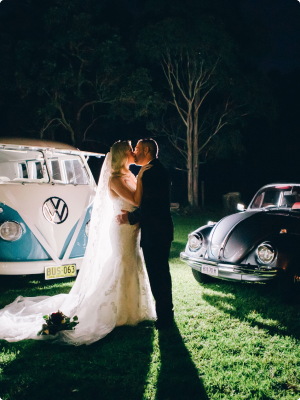
Importance of Professional Event Photography
Capturing the moments of an event through high-quality photographs is an essential component of event management and memory preservation. Professional event photography offers more than just simple documentation; it provides a visual narrative that reflects the atmosphere, energy, and significance of the occasion. Skilled photographers utilize advanced techniques, state-of-the-art equipment, and an eye for detail to produce images that are sharp, clear, and visually compelling. This level of quality ensures that every important detail, from candid expressions to carefully arranged group shots, is preserved with precision.
Having professional event photos not only enhances the visual appeal of an event’s promotional and commemorative materials but also creates a lasting record that can be shared across digital and print platforms. Whether used for marketing, social media, internal archives, or personal keepsakes, high-quality images serve as powerful tools to engage audiences and highlight the success of an event. Furthermore, professional photographers understand the nuanced requirements of various event types, ensuring that their work aligns with the event’s purpose and desired aesthetic.
 igure>
Event photos also play a critical role in establishing credibility and professionalism. Consistently well-composed images demonstrate attention to detail and a commitment to quality, which can elevate the reputation of organizers and venues alike. For businesses and organizations, these images serve as valuable assets for future campaigns, sponsorship proposals, and stakeholder presentations. Additionally, professionally captured images facilitate meaningful storytelling, helping event hosts convey their messages more effectively to their target audiences.
In essence, investing in skilled event photography guarantees that every moment is documented accurately, beautifully, and efficiently. This, in turn, maximizes the value of the event, providing attendees and organizers with a tangible, visual memory that can be cherished and leveraged long after the event concludes.
Types of Events That Benefit from Event Photos
Professional event photography extends its advantages across a diverse range of occasions, each requiring a tailored approach to effectively capture the essence and significance of the moment. Whether it is a corporate gathering aimed at networking and brand promotion, a wedding celebrating lifelong commitments, a vibrant festival showcasing cultural or artistic expressions, or a lively party marking personal milestones, compelling images can elevate the event’s impact and reach.
In corporate settings, high-quality event photos serve multiple purposes—highlighting keynote speakers, showcasing networking moments, and illustrating brand engagement. These images are essential for marketing materials, annual reports, and social media campaigns that reinforce company presence and professionalism. A cohesive visual narrative fosters trust and recognition among stakeholders and clients alike.
For weddings, captured moments of emotion, candid interactions, and intricate details such as floral arrangements or décor create a timeless record. These images become cherished keepsakes that recount the story of a couple’s special day, often shared across family albums and digital platforms to commemorate the occasion for generations.
Festivals and cultural events flourish with vibrant portrayals of performances, crowds, and behind-the-scenes activities. Properly documented photos help promote future editions, attract sponsors, and preserve the event’s cultural significance. Similarly, parties—whether personal, corporate, or themed—can be transformed into lasting memories through expertly shot images that reflect the atmosphere and energy of the gathering.
Additionally, sporting events, charity functions, and community celebrations each derive substantial value from professional imagery that captures dynamic moments, fosters community pride, and supports promotional efforts. The versatility of event photography makes it an indispensable asset for documenting a spectrum of occasions, enriching their visibility and legacy.
Key Elements of Successful Event Photos
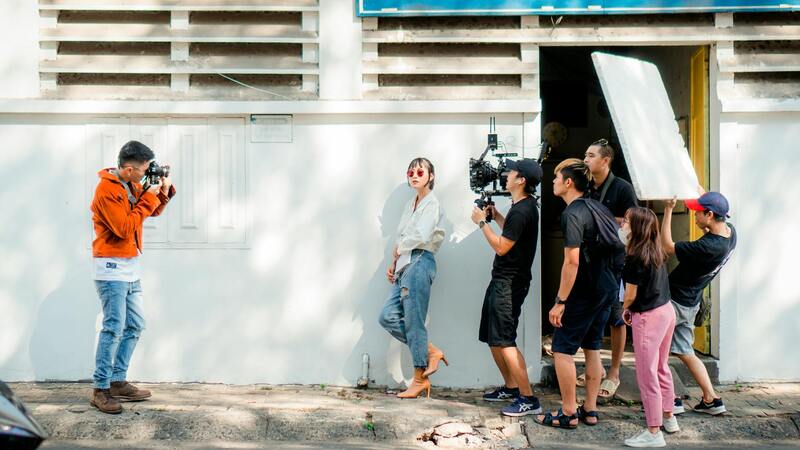
Achieving impactful event photos hinges on several critical elements that combine to produce images capable of capturing and conveying the event's essence. The foremost aspect is composition, which guides the viewer’s eye through the image, highlighting key moments, expressions, and details that define the event’s atmosphere. Proper framing, strategic use of foreground and background, and awareness of visual balance contribute significantly to winning photographs.
Lighting is equally vital; natural light during daytime events offers a soft, authentic glow, whereas controlled artificial lighting allows for flexibility in various settings, especially indoor venues. Skilled event photographers understand how to manipulate lighting conditions to maximize clarity, mood, and color accuracy, ensuring images resonate with vibrancy or intimacy as appropriate.
Timing is crucial in capturing fleeting moments—whether it’s the crescendo of a speech, spontaneous laughter, or a shared heartfelt gesture. Experienced photographers anticipate these moments, reinforcing their ability to freeze emotions in time. Additionally, attention to detail, such as capturing decorative elements or candid interactions, enriches the visual storytelling.
Post-production editing plays a strategic role in enhancing the final images. Adjustments to brightness, contrast, and color grading help ensure consistency and visual appeal across all photographs, especially when preparing collections for marketing or archival purposes. It’s important that editing maintains authenticity, preserving the genuine atmosphere of the event.
Equipment and Technology Used in Event Photography
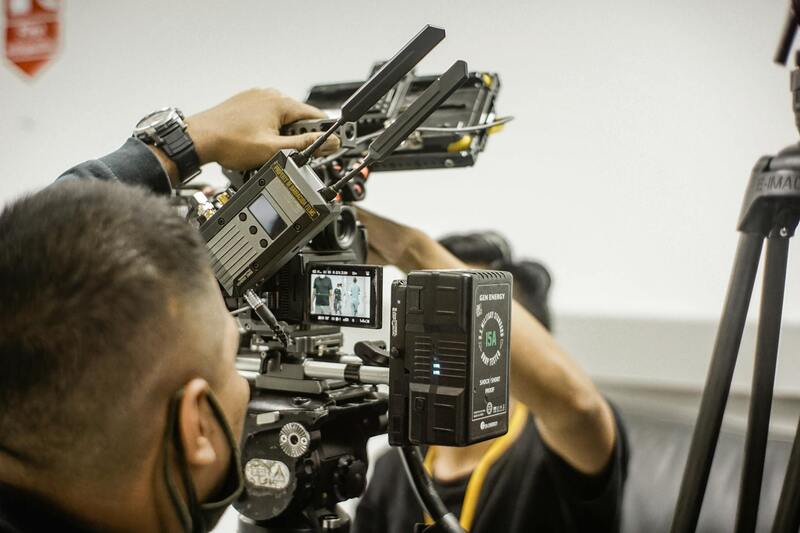
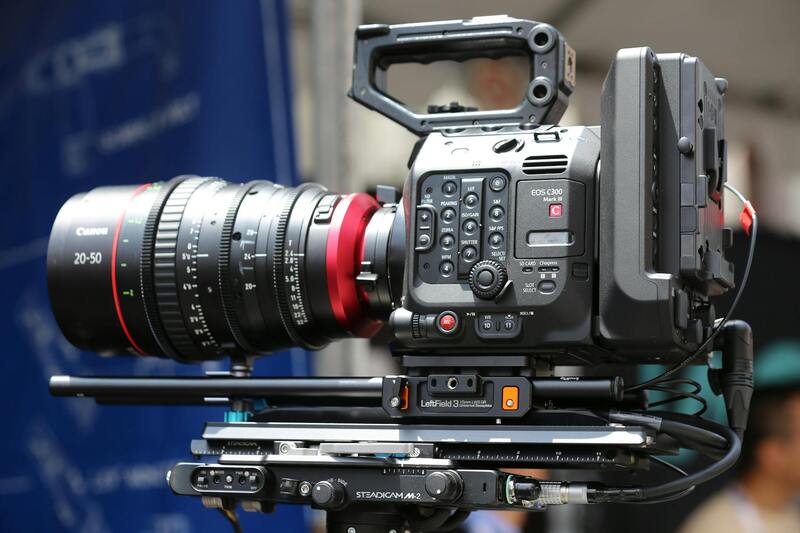
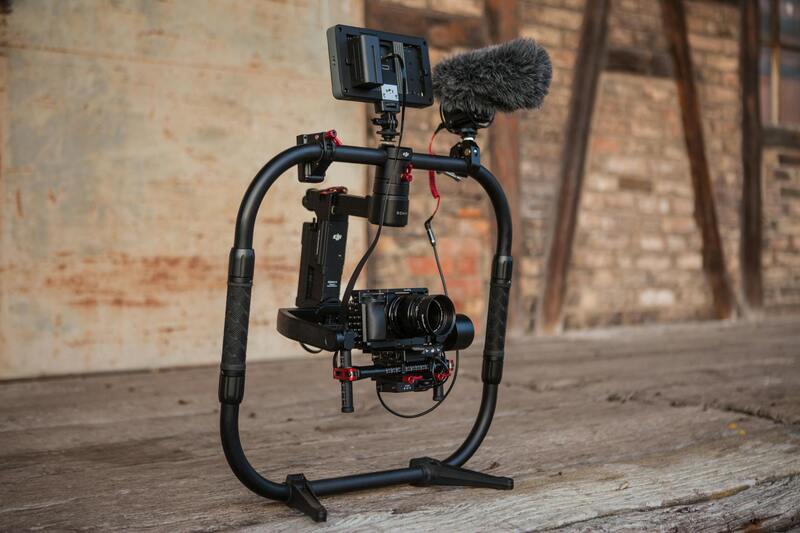
Modern event photography relies on high-quality cameras equipped with versatile lenses capable of capturing sharp images across diverse lighting conditions. Fast aperture lenses are particularly advantageous for low-light scenarios, enabling clear shots without excessive noise. Professional-grade DSLR or mirrorless cameras form the backbone of effective event photography, providing a range of settings for precise control.
In addition to cameras, photographers utilize a variety of accessories, such as external flashes, diffusers, and reflectors, to manage lighting. Portable lighting solutions enable consistent quality even in challenging environments. Image stabilization technology minimizes motion blur during dynamic moments, while high-capacity memory cards ensure rapid storage without interrupting the flow of shooting.
Advancements in technology have also introduced remote shutter releases and wireless connectivity tools, facilitating discreet operation and immediate image transfer. For post-processing, powerful editing software like Adobe Lightroom and Photoshop allows detailed retouching, color correction, and batch processing, ensuring polished results for clients.
Best Practices for Event Photo Planning
Effective planning is paramount to obtaining comprehensive coverage of your event. Clearly outlining the event schedule, key moments, and designated moments for candid shots helps photographers synchronize their approach with the event flow. Providing a detailed shot list ensures that all critical elements—such as speeches, awards, or performances—are captured systematically.
Communication with the photographer beforehand allows for an understanding of preferred styles and specific requests, whether they include candid, formal, or artistic shots. Assigning a point of contact at the venue simplifies coordination, especially in bustling or large-scale settings. Photographers often benefit from site visits or familiarization with the venue’s layout to optimize angles and anticipate lighting conditions.
Anticipating logistical aspects such as designated photo zones, access restrictions, and timing for group shots prevents last-minute issues. Ensuring that key participants and stakeholders are aware of the photography plan facilitates cooperation and results in a cohesive visual narrative.
Post-Event Photo Delivery and Usage
Once the event concludes, timely and organized delivery of images is essential. Photos are typically edited for consistency and quality before being shared through secure online galleries or digital downloads. High-resolution images serve use cases ranging from print marketing materials to digital platforms, while optimized formats suit social media sharing.
Understanding how to utilize event photos effectively extends their impact. Professional images can be incorporated into annual reports, press releases, promotional campaigns, or social media content to amplify the event’s reach. Ensuring proper attribution and adhering to agreed-upon usage rights safeguard the interests of both parties involved in the photography process.
Archiving high-quality images with detailed metadata supports future access and reuse, whether for anniversary celebrations, milestone reporting, or new marketing initiatives. A comprehensive digital repository ensures that the event’s visual legacy remains accessible and impactful for years to come.
Key Elements of Successful Event Photos
Achieving compelling and memorable event photos hinges on several critical factors that work together to capture the essence of the occasion. High-quality lighting is essential; it illuminates subjects evenly and highlights important details, ensuring that every shot is crisp and vibrant. Natural light offers a soft, authentic feel, while professional lighting equipment allows photographers to control shadows and highlights effectively, especially in low-light settings common at evening events.
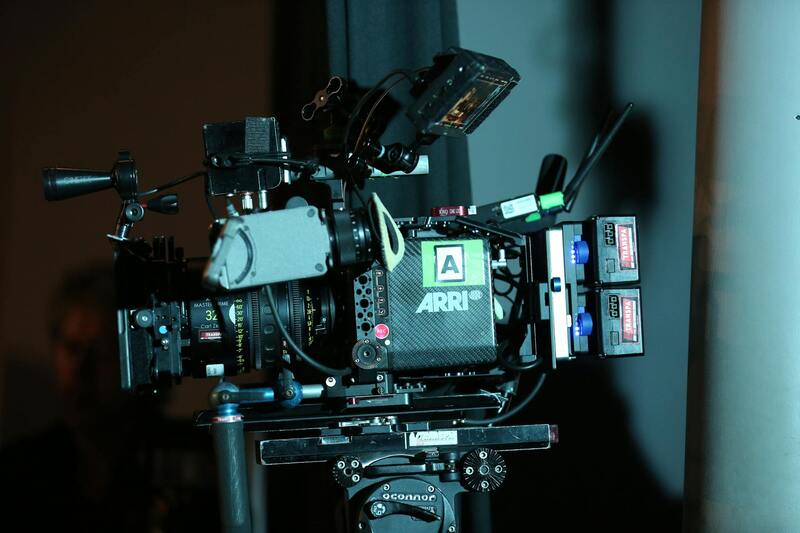
Composition plays a pivotal role in creating visually appealing images. This involves thoughtfully framing shots to include the most significant elements and ensuring a balanced distribution of subjects within the frame. Techniques like the rule of thirds can enhance the visual interest of photos, drawing viewers’ attention to key moments or individuals. Photographers often look for dynamic angles and perspectives that add depth and narrative to the imagery.
Candid moments are invaluable in conveying the authentic atmosphere of an event. These unscripted images capture genuine reactions, interactions, and emotions, providing a more comprehensive story than posed shots alone. Skilled photographers anticipate these spontaneous instances, positioning themselves discreetly to remain unobtrusive yet prepared to seize fleeting expressions and interactions.
Capturing the Atmosphere
Beyond individual moments, successful event photography involves encapsulating the overall vibe and energy of the gathering. This can be achieved through wide-angle shots that showcase the venue’s layout, decorations, and large groups, as well as images of attendees engaged in activities. Utilizing environmental elements such as lighting fixtures, decor details, and background activity helps create a rich visual tapestry that reflects the event’s ambiance.
Additionally, capturing details like food displays, branding materials, and special entertainment enhances the completeness of the visual narrative. These elements not only document the event but also serve as valuable assets for future marketing and promotional use.
Equipment and Technology Used in Event Photography
Modern event photography relies on advanced camera technology, including high-resolution DSLRs or mirrorless models that deliver sharp images under varying lighting conditions. Fast lenses with wide apertures facilitate excellent low-light performance and beautiful background blurring, emphasizing focal points. Photographers often carry multiple lenses to switch between wide-angle shots of groups and close-ups of individual expressions seamlessly.
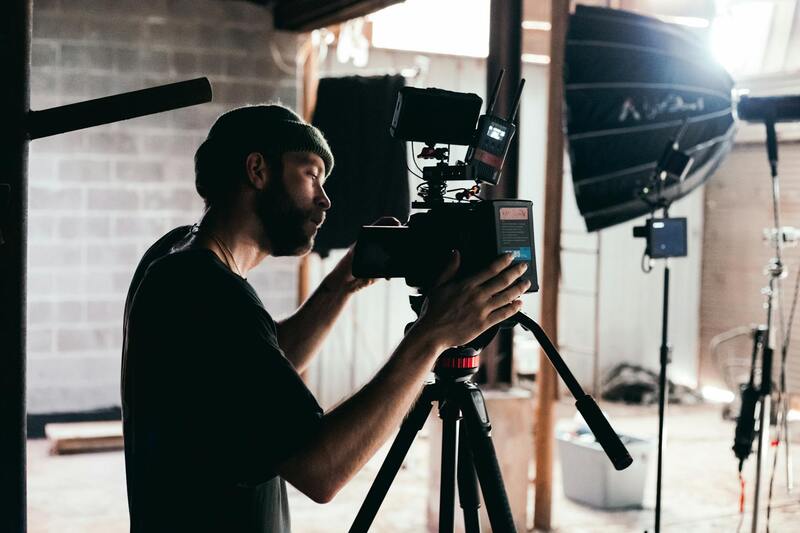
Alongside cameras, lighting equipment such as portable flashes or LED panels can dramatically improve photo quality indoors or in dim environments. Drones are increasingly used to provide aerial shots, offering a unique perspective of outdoor events or large gatherings. Advanced editing software enables photographers to refine images, adjusting colors, brightness, and contrast to produce polished results ready for publication.
Best Practices for Event Photo Planning
Preparation is fundamental to capturing successful event photos. This includes conducting venue visits beforehand to identify optimal shooting locations and understanding lighting conditions. Collaborating with event organizers to develop a shot list ensures that all essential moments and key participants are documented.
- Establish clear communication channels with stakeholders to synchronize expectations.
- Identify specific moments that require priority coverage, such as speeches, performances, or awards.
- Plan for logistical considerations, including access, designated photo zones, and timing for group shots.
- Coordinate with venue staff to ensure seamless movement and setup around the event schedule.
Developing a flexible yet comprehensive plan allows photographers to adapt to unforeseen circumstances and still deliver exceptional images. Efficient workflow management, including organized equipment arrangements and backup strategies, ensures a smooth shooting process.
Post-Event Photo Delivery and Usage
Timely delivery of high-quality images is critical for maximizing the impact of event photos. After the event, professional editing enhances images for consistency, ensuring colors are balanced and distractions minimized. Photos are often uploaded to secure online galleries or digital platforms that facilitate easy access and download for clients.
The strategic use of event photos extends beyond mere documentation. Edited images serve as vital assets in marketing campaigns, social media updates, press releases, and printed materials. Proper attribution and adherence to usage agreements help protect intellectual property rights while allowing organizations to showcase their events effectively.
Maintaining an organized archive that includes metadata such as event date, location, and key subjects ensures future accessibility. High-resolution images stored in a digital repository can be repurposed for various applications, including anniversary celebrations, milestone reports, or promotional content, preserving the event's visual legacy and enriching brand storytelling.
Legal and Ethical Considerations in Event Photography
When capturing event photos, adherence to legal guidelines and ethical standards is paramount to uphold professional integrity and ensure respectful representation of all involved parties. Photographers must be aware of the rights of individuals and organizations, obtaining appropriate consent before photographing guests, especially in private or sensitive settings. This involves securing permissions for image use, particularly when images are intended for commercial or promotional purposes.
In the context of public events, signage or notices informing attendees of photography activities can serve as a clear communication strategy, ensuring guests are aware that photos are being taken and may be published. This transparency fosters trust and respects personal privacy preferences. Additionally, photographers should familiarize themselves with local regulations governing photography, including restrictions on drone usage, photographing minors, or capturing images in specific venues or areas where photography may be limited or prohibited.
Handling images responsibly encompasses respecting intellectual property rights, such as avoiding the unauthorized use of copyrighted materials within photographs. Proper attribution and licensing are vital when incorporating third-party content or when images are licensed for specific uses. Furthermore, maintaining confidentiality and sensitivity when photographing at events involving vulnerable groups or sensitive topics is crucial—discretion and careful editing help prevent misrepresentation or privacy breaches.
Professional ethics also extend to the editing and presentation of photos. Enhancing images should be done with honesty and integrity, avoiding manipulations that could mislead viewers or distort the reality of the event. Ethical considerations include refraining from selective editing that might misrepresent attendees or the overall atmosphere of the event. Respecting the wishes of clients and subjects regarding image usage and distribution is essential; having clear contracts and usage agreements helps ensure all parties are aligned on how the photographs will be used.
Post-Event Photo Delivery and Usage
After capturing memorable moments at an event, the process of delivering and utilizing the photos is a crucial phase that reflects the professionalism and reliability of the photography service. Delivering high-quality images promptly while ensuring they are appropriately optimized for various uses reinforces client satisfaction and enhances the event’s legacy.
Modern event photographers leverage secure digital platforms for quick and efficient photo delivery. Cloud-based galleries or dedicated client portals allow clients to browse, select, and download images seamlessly. These platforms often support high-resolution downloads, watermarked previews, and multiple formats optimized for print or digital sharing. Clear instructions and support for accessing these galleries streamline the process, ensuring clients can find their images without difficulty.
It’s essential to set expectations from the outset regarding delivery timelines. For most professional event photographers, delivering a preliminary set of images within a few days enables clients to share some moments promptly. The complete gallery, often including edited and refined images, might be available within one to two weeks, dependent on the project scope and editing requirements.
Utilizing Event Photos Legally and Effectively
- Marketing and Promotions: High-quality event photos are powerful marketing tools. They can be used on websites, social media channels, or promotional materials to showcase the photographer’s skills and the event’s success. It is imperative to ensure all images used for promotional purposes are approved by the client and abide by any agreements or confidentiality clauses.
- Event Documentation: Detailed photographs serve as valuable documentation of the event, providing a visual record that can be revisited for future planning or legacy preservation. Proper organization and cataloging of images facilitate easy retrieval for reports or promotional retrospect.
- Copyright and Usage Rights: Once images are delivered, clarifying the scope of usage rights is vital. Clients should understand whether they are obtaining exclusive rights, copyright ownership, or a license for specific uses. Clear licensing agreements prevent misunderstandings and ensure images are used in accordance with the agreed-upon terms.
- Archival Storage: Maintaining an organized digital archive of event photos safeguards against loss and provides quick access for future use. Backing up images on secure servers or physical drives ensures their preservation over time.
Careful handling and ethical management of images after delivery bolster the event photographer’s reputation and foster ongoing professional relationships.
Examples of Appropriate Image Usage
- Sharing highlights on official event social media pages with consent from attendees and organizers.
- Including selected images in press releases or media coverage, adhering to any captioning or attribution norms.
- Creating photo albums or slideshows for event participants, with appropriate permissions and privacy considerations.
- Utilizing event photos in portfolio showcase or marketing materials to demonstrate expertise to prospective clients.
Post-Event Photo Delivery and Usage
After capturing memorable moments at an event, the process of delivering the images to clients must be handled with precision to ensure satisfaction and proper utilization. Generally, professional event photographers provide high-resolution digital files through secure online galleries or cloud-based platforms. These platforms allow clients to easily access, download, and organize their images for various purposes. Clear instructions regarding download procedures and any associated costs are typically communicated upfront to streamline the process.
Once clients receive their event photos, strategic planning for their use becomes essential. Quality images serve multiple functions, from marketing materials and social media content to personal keepsakes and archival records. Proper image management involves creating organized folders based on event date, type, or subject, facilitating quick retrieval for future needs. Additionally, clients should consider cropping or editing images to align with branding standards or personal preferences, often with guidance from the photographer for best results.

Utilizing event photographs effectively can significantly enhance promotional strategies and personal memories. For businesses, incorporating event photos into marketing campaigns, website galleries, and social media posts helps maintain engagement and showcase their presence at key occasions. Event organizers may use select images for recap videos, newsletters, or post-event reports, leveraging the visual content to demonstrate successful execution and participant involvement.
When sharing event photos publicly, obtaining explicit consent from attendees and organizers is crucial to respect privacy and rights. This often involves reviewing event registration forms or consent agreements that specify permissible image use. Such measures prevent misunderstandings and foster trust between clients, attendees, and photographers.
Best Practices for Event Photo Management
- Secure Storage: Store images on encrypted servers with regular backups to prevent data loss.
- Consistent Naming Conventions: Use descriptive filenames to facilitate searchability and organization.
- Proper Attribution: When sharing images externally, provide appropriate credit to the photographer and participants when required.
- Controlled Sharing: Distribute images via private links or password-protected galleries to ensure controlled access.
- Clear Licensing Agreements: Define how images can be used, whether for personal, promotional, or commercial purposes, to prevent misuse or unauthorized distribution.
Legal and Ethical Considerations
Handling event photos responsibly involves understanding the framework surrounding image rights and privacy. Clients should be provided with clear information about permitted usage, including restrictions on editing, reproduction, or sharing. They are encouraged to obtain written consent from individuals depicted in photographs, particularly for images used beyond personal keepsakes.
Photographers must adhere to ethical standards by respecting privacy boundaries, refraining from manipulating images in misleading ways, and ensuring that proprietary content remains protected. Maintaining transparency about how images will be used and stored fosters ongoing trust and professionalism within the industry.
Post-Event Photo Delivery and Usage
After capturing the memorable moments of an event, the process of delivering and utilizing photos effectively plays a vital role in maximizing their impact. Ensuring timely, secure, and appropriate distribution of event photos not only maintains professionalism but also enhances client satisfaction and brand reputation.
Methods of Photo Delivery
There are several legitimate and secure channels to deliver event photos to clients and attendees, each suited to different needs and preferences. These include:
- Encrypted Digital Galleries: Hosting images on password-protected, encrypted online galleries allows clients to view and download their photos securely. These platforms often permit customized access levels, ensuring only authorized individuals can view specific albums.
- Secure File Transfer Protocols: Large image files or bulk downloads can be sent via encrypted file transfer services, which require authentication, safeguarding images during transit.
- Physical Media: For high-resolution or original copies, delivering images via encrypted USB drives or external hard drives guarantees secure transfer. Properly labeling and encrypting these devices adds an extra layer of protection.
- Professional Print Delivery: When clients opt for printed photos, collaborating with reputable printing services ensures high-quality output. Packaging and labeling should include proper identifiers to maintain authenticity and security.
Usage and Permissions
Once delivered, the authorized use of event photos must align with predefined agreements. Clients should be guided on appropriate usage rights, which can include:
- Personal Memory Preservation: Sharing privately among friends and family with proper attribution.
- Marketing and Promotion: Utilizing images for promotional materials, social media, or advertising campaigns, respecting licensing terms.
- Commercial Use: Deploying images in business contexts, such as on company websites or in publications, with clear licensing consent.
To prevent unauthorized use, photographers and clients should establish clear licensing agreements prior to distribution. These agreements specify permissible uses, reproduction rights, and restrictions to uphold the integrity of the images.
Best Practices in Managing Post-Event Photos
- Organized Storage: Maintain a well-structured digital archive with descriptive filenames and metadata, facilitating easy retrieval and management.
- Retention Policies: Define timeframes for retaining original and edited images, ensuring storage space is managed effectively and legal considerations are met.
- Consistent Backups: Regularly back up all images on secure, redundant servers to safeguard against data loss or hardware failures.
- Clear Attribution: When sharing or publishing images, include credits to the photographer and any featured individuals, adhering to agreed-upon licensing parameters.
- Controlled Distribution: Limit access to photos via private, password-protected links or encrypted portals, reducing the risk of unauthorized sharing.
Utilizing Event Photos Effectively
Once in the hands of clients, event photos can serve various strategic purposes, including but not limited to:
- Highlighting event success on websites and social media platforms to enhance brand visibility.
- Creating promotional content, such as slideshows or photo books, to showcase event highlights and attract future clients.
- Developing training or internal materials that document event procedures or employee engagement.
- Archiving for historical records, ensuring a comprehensive repository of the organization’s milestones.
Properly managing the post-event flow of images ensures their appropriate use and maximizes value, while respecting privacy and copyright considerations. Clear communication, secure delivery, and well-defined licensing are key to upholding professionalism and safeguarding all parties involved.