Understanding the Purpose of an Event Photoshoot
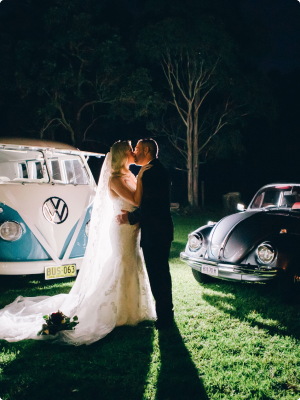
An event photoshoot serves as a visual documentation that captures the essence, energy, and significance of a gathering, whether it’s a corporate conference, wedding, product launch, or social celebration. Establishing clear objectives and desired outcomes at the outset is essential for ensuring the photos truly reflect the spirit of the event. This process involves outlining what aspects of the event are most valued—be it the key speakers, interactions among attendees, or specific moments of importance—and how these images will be used afterward.
Aligning the photoshoot with the client’s expectations guarantees that the final collection of images effectively communicates the intended message or emotion. For corporate events, this might mean emphasizing professionalism and brand presence, whereas social events might focus on capturing genuine expressions and candid interactions. Clarifying the goals helps guide decisions related to venue setup, timing, and the style of photography, ultimately resulting in a cohesive and impactful visual record.
During the planning phase, it’s vital to engage with clients to determine which moments are non-negotiable, whether it’s the keynote speech, award presentations, or specific group shots. Understanding these priorities ensures that the photography team can allocate their focus appropriately. Moreover, defining the scope of the shoot—including the length of coverage, number of locations, and style preferences—lays the groundwork for efficient execution.
Effective event coverage depends on a thorough grasp of the event’s purpose, objectives, and the audience’s expectations. Whether the focus is on delivering an authentic portrayal of the event’s energy or creating polished images for promotional use, this foundational understanding aligns the photographer’s approach with the client’s vision. Clear communication of these goals from the outset also facilitates a smoother workflow, minimizes misunderstandings, and enhances the overall quality of the photographic documentation.

Choosing the Right Photography Team and Equipment
Securing a professional event photoshoot begins with selecting a skilled photography team that possesses extensive experience in capturing various event types. It is essential to evaluate their portfolio to ensure their style aligns with the event’s objectives, whether it’s formal, casual, or vibrant. A team knowledgeable in diverse lighting conditions and dynamic environments can adapt quickly, ensuring no crucial moment goes unnoticed.
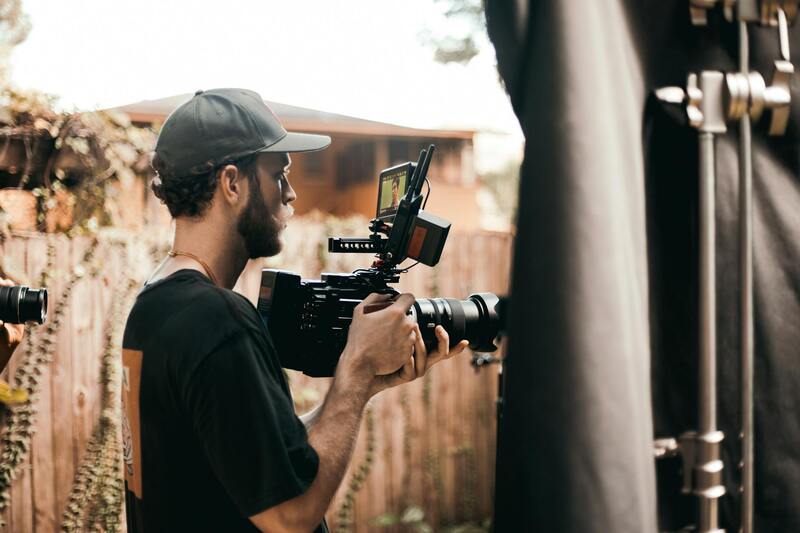
Equally important is the choice of equipment. High-quality cameras with fast autofocus and excellent low-light performance are indispensable tools for capturing sharp, vibrant images in moment-rich settings. Lenses should be versatile—ranging from wide-angle options to zoom lenses—to cover large groups, detailed close-ups, and candid shots seamlessly.
Additional equipment such as external flashes, diffusers, and stabilizers can help manage challenging lighting scenarios and achieve steady shots. Drones may also be employed for aerial perspectives, offering unique vantage points that elevate the visual storytelling.
Scheduling and Timing of the Photoshoot
Effective planning involves creating a detailed schedule that aligns with the event timeline. Coordinating with event organizers to identify optimal times for photography ensures coverage of all key moments without disruptions. This includes scheduling time before the event for setup and preparation, as well as designated periods during the event to capture authentic interactions and significant milestones.
Awareness of the event schedule allows photographers to anticipate lighting conditions and positioning, thereby optimizing shot quality. For instance, outdoor events might benefit from natural light during specific periods, while indoor sessions require strategic timing to utilize available light or admit additional lighting tools.
Integrating flexibility into the timeline accommodates unforeseen changes or spontaneous opportunities that can enhance the event’s visual narrative. Clear communication regarding timing ensures all involved parties are aligned, helping to prevent overlaps or missed moments.
Capturing Key Moments and Candid Shots
The richness of an event photoshoot lies in the ability to document both scheduled highlights and spontaneous interactions. Key moments such as speeches, award presentations, performances, or group photos should be meticulously planned for, ensuring they are well-covered from multiple angles for variety.
Simultaneously, candid shots of attendees engaging, networking, and enjoying the event often provide the most authentic representation of the atmosphere. These require photographers to be unobtrusive, alert, and ready to capture genuine expressions without disrupting the flow of the event.
It’s beneficial to outline which moments are non-negotiable and should be scheduled with priority, while leaving room for the photographer to adapt and seize spontaneous opportunities. A skilled photographer’s ability to move discretely and anticipate crucial moments greatly enhances the storytelling capacity of the photos.
Managing On-Site Logistics
Efficient on-site logistics are pivotal in ensuring a smooth photoshoot. This includes establishing designated areas for photos—such as backdrop setups or VIP zones—and coordinating with venue staff to facilitate access and setup. Clear signage and advance planning can minimize delays caused by logistical confusion.
Photographers should also prepare for power needs, storage space for equipment, and contingency plans for adverse weather if outdoor elements are involved. Managing time effectively during the event, including buffer periods for unexpected delays, ensures comprehensive coverage.
Close coordination with event staff and organizers facilitates smooth transitions between different segments of the event. Providing a detailed shot list and timeline in advance can serve as a helpful guide for the team, ensuring critical moments and group shots are systematically captured.
Choosing the Right Photography Team and Equipment
Securing an experienced and skilled photography team is fundamental to achieving high-quality event photos. Professional photographers bring a breadth of expertise in various lighting conditions, compositions, and event dynamics. When selecting a team, consider their portfolio, reputation, and ability to adapt to different environments. Interviewing potential photographers helps gauge their understanding of your event's specific needs and their familiarity with diverse settings.
Equipping the right gear is equally important. High-performance cameras with fast autofocus and high-resolution sensors ensure sharp, detailed images even in challenging lighting conditions. Investing in versatile lenses—such as wide-angle for group shots and telephoto for candid captures—allows flexibility throughout the event.
For indoor events or venues with variable lighting, lighting equipment like portable flash units or diffusers can significantly improve image quality. Additionally, specialized equipment such as stabilizers, drones, or multi-camera setups may be employed to capture unique angles or dynamic shots, depending on the event's nature.
- Cameras: DSLR or mirrorless models with high megapixel counts.
- Lenses: Wide-angle, telephoto, prime lenses.
- Lighting: Portable flashes, LED panels, reflectors.
- Accessories: Tripods, gimbals, external microphones if audio is needed.
Choosing the right combination of equipment ensures the photographer can adapt swiftly to the environment, capturing every meaningful moment with clarity and precision. Regular maintenance and backups of gear further prevent technical issues, allowing the focus to remain on spontaneous, authentic shots during the event.
Utilizing Structured Shooting Plans and Shot Lists
Effective event photoshoots often rely on detailed shot lists to ensure no significant moment is overlooked. Creating a structured plan involves collaborating with event organizers and hosts to identify essential photographs, such as candid interactions, formal group shots, key speakers, or specific activities. This plan acts as a roadmap, allowing photographers to navigate the event efficiently and prioritize their focus areas.
Professionals often develop a timeline per segment of the event, allocating time slots for different shot types. For example, arrival moments, speeches, group photos, and candid interactions can each be scheduled within their respective windows, ensuring a seamless flow and comprehensive coverage. This systematic approach minimizes disruptions and guarantees the capture of notable details.
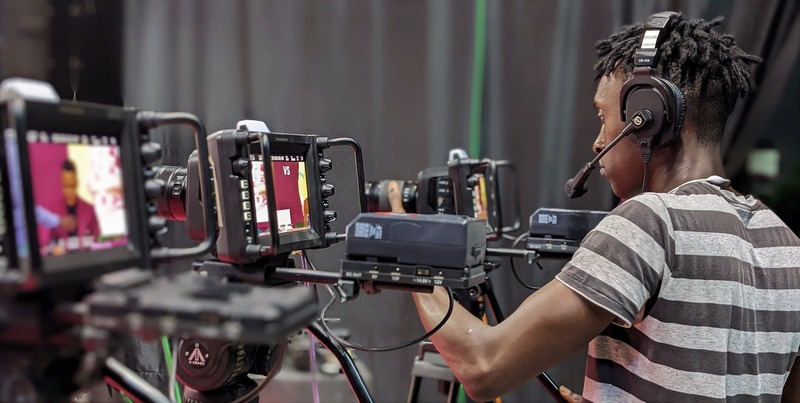
Balance flexibility with planning; while a shot list provides structure, experienced photographers are prepared to adapt to spontaneous moments. Utilizing walkie-talkies or other communication devices among team members facilitates quick adjustments, ensuring that candid opportunities and unexpected highlights are seized without compromising scheduled formal shots.
Optimizing Lighting Conditions for Different Event Settings
Lighting plays a crucial role in achieving high-quality images that accurately reflect the event’s atmosphere. For daytime events held outdoors, natural light is typically sufficient, but capturing the nuances requires an understanding of the sun’s position and potential shadows. Photographers may schedule outdoor shots during the golden hour, shortly after sunrise or before sunset, to benefit from soft, flattering light.
Indoor venues pose unique challenges due to variable lighting conditions. Using portable lighting equipment such as LED panels or flash units can help illuminate subjects evenly, reducing shadows and enhancing clarity. Reflectors are also valuable for bouncing light into shaded areas, ensuring consistent exposure across different scenes. Additionally, understanding how to work with existing ambient light can prevent overexposure or underexposure that diminishes image quality.
Managing Unexpected Events and Ensuring Continuity
Despite meticulous planning, unpredictable circumstances often arise during live events. Rain, technical failures, or sudden changes in schedule can impact the photoshoot process. Professionals mitigate these issues by preparing contingency plans, such as carrying protective gear for equipment, having backup batteries and storage cards, and being adaptable with shot schedules.
Effective communication with event staff facilitates real-time adjustments, ensuring key moments are not missed and that the photos continue to align with the event’s flow. Flexibility and preparedness are vital in maintaining photographic continuity and capturing authentic, meaningful images regardless of evolving circumstances.
Understanding the Purpose of an Event Photoshoot
An event photoshoot serves as a visual documentation of significant moments that define the occasion, whether it’s a corporate gathering, weddings, festivals, or social celebrations. The core objective is to encapsulate the atmosphere, emotions, and key highlights, providing a tangible memory that transcends time. High-quality images not only preserve the essence of the event but also enhance promotional efforts, create engaging content for future marketing, and serve as valuable archives for organizers and participants alike.
To achieve this, the photoshoot must be strategically aligned with the overall event goals, audience expectations, and the specific moments deemed most impactful. This involves understanding the event’s schedule, identifying peak moments such as speeches, awards, or performances, and capturing candid interactions that reveal the genuine energy of the gathering. Proper planning ensures that every significant detail is documented with clarity and artistic composition, ultimately delivering a comprehensive visual story.
Pre-Planning and Preparation
Effective event photography begins well before the actual day. Pre-planning includes detailed consultations with organizers to comprehend the event's agenda, key participants, and desired outcomes. A thorough site visit allows the photographer to familiarize themselves with venue lighting, identify potential obstacles, and plan optimal positions for capturing images. Developing a shot list helps prioritize important moments, ensuring none are overlooked amidst the fast-paced environment of events.
Additionally, coordinating with event coordinators on timing and logistics reduces on-site uncertainties. Confirming access points, setup times, and designated areas for photographs streamlines the process. This proactive approach fosters confidence, enabling the photographer to anticipate challenges and prepare accordingly. As part of preparation, reviewing equipment needs—including multiple camera bodies, various lenses suitable for wide-angle and close-up shots, and lighting accessories—ensures readiness for diverse scenarios, whether indoor or outdoor.
Choosing the Right Photography Team and Equipment
Selecting a professional photography team with proven experience in event coverage is fundamental to achieving high-caliber results. A seasoned team understands the nuances of capturing dynamic crowd interactions, candid moments, and formal poses, all while operating efficiently within the event’s environment. They should have an extensive portfolio demonstrating versatility and an understanding of different event types to match your specific needs.
Regarding equipment, professional-grade cameras with high-resolution sensors are essential for capturing sharp, vibrant images suitable for both digital and print uses. Fast lenses with wide apertures facilitate excellent low-light performance, critical for indoor venues or nighttime events. Portable lighting gear, including LED panels and diffusers, can help manage challenging lighting conditions, ensuring consistent image quality. Moreover, accessories such as adjustable tripods, wireless flash triggers, and backup batteries guarantee smooth operation during the shoot.
Scheduling and Timing of the Photoshoot
Timing plays a crucial role in obtaining a comprehensive set of event photographs. Creating a detailed schedule that aligns with the event timeline allows photographers to pre-position themselves for anticipated moments and ensures coverage of both official and candid shots. The schedule should include time blocks for formal group photos, staged portraits, and candid captures of guests and speakers.
Early arrival helps photographers settle in and establish rapport with event staff, facilitating smooth transitions between different photography sessions. For outdoor events, consideration of natural lighting conditions is vital; photographers often plan to shoot during the golden hour—shortly after sunrise or before sunset—to leverage the soft, flattering light that enhances image quality and mood. Indoor settings may require additional lighting adjustments, which should be factored into the schedule to prevent delays or missed opportunities.
Effective coordination with event organizers enables real-time modifications if schedules shift, and ensures that key moments are documented without disruption. Flexibility in timing also allows photographers to adapt to spontaneous events or emotional exchanges that add authenticity and depth to the visual narrative.
Managing On-Site Logistics
Effective management of on-site logistics is fundamental to a successful event photoshoot. This involves close coordination with event staff to understand the venue layout, access points, and any restrictions that might influence the photography process. Clear communication with organizers prior to the event ensures photographers are aware of key moments, preferred shot lists, and any potential obstacles that could disrupt the flow of coverage.
Logistical planning also encompasses travel arrangements between various event locations or different areas within a large venue. Ensuring efficient movement minimizes downtime and maximizes coverage of scheduled and spontaneous moments. Photographers often map out the routes and access points beforehand, considering elevation changes, crowd density, and venue layout to optimize their workflow.
On-site setup includes the meticulous arrangement of camera equipment, lighting, and backup systems. Arriving early not only allows photographers to familiarize themselves with the environment but also provides ample time to troubleshoot technical issues such as adjusting lighting conditions, calibrating camera settings, or repositioning equipment to achieve the desired shots.
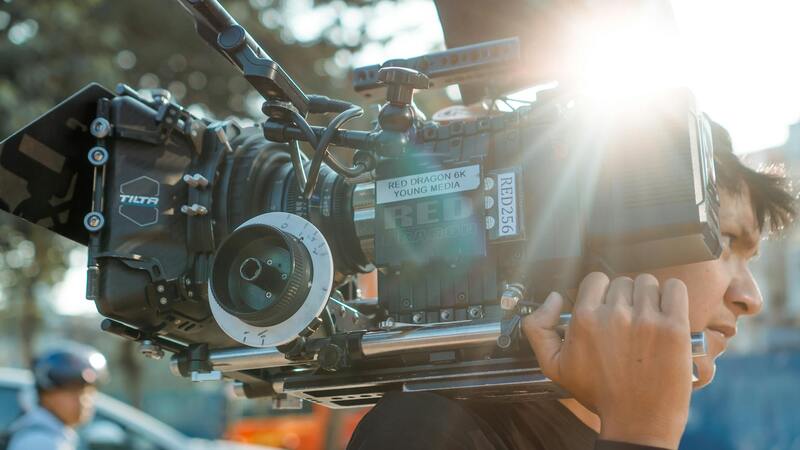
Constant monitoring during the event ensures that technical aspects, such as battery levels, storage capacity, and lens cleanliness, remain optimal throughout the shoot. Incorporating a team of assistants can improve efficiency, especially in managing multiple angles or covering large crowds. Their roles include positioning gear, managing lighting equipment, and ensuring safe handling of all photographic assets.
In cases of outdoor events, weather conditions must be monitored continuously, and contingency plans should be in place for elements like rain or strong wind. Portable protective gear for equipment and alternative shooting arrangements help in maintaining workflow without disruptions. Also, maintaining a flexible approach allows photographers to adapt quickly to changes, capturing moments that might otherwise be missed due to unforeseen circumstances.
With comprehensive on-site logistics management, photographers can focus on capturing authentic, spontaneous moments while ensuring that their technical setup functions flawlessly throughout the event's duration.
Understanding the Purpose of an Event Photoshoot
An event photoshoot serves as a visual documentation of significant moments, providing clients with a lasting record of their special occasions. Whether it's a corporate gathering, wedding, or community celebration, the primary goal is to capture genuine emotions, key highlights, and the overall atmosphere of the event. These photos not only preserve memories but also serve as valuable marketing tools, promotional content, or personal keepsakes. By focusing on authenticity and storytelling, a professional event photoshoot elevates the way clients remember and showcase their events, ensuring every important detail is documented with clarity and artistry.
Pre-Planning and Preparation
Effective pre-planning is essential to a successful event photoshoot. This phase involves detailed consultations with clients to understand their expectations and the critical moments they wish to be captured. Establishing a shot list beforehand helps photographers prioritize key events, such as speeches, first dances, or award presentations. It’s also important to analyze the venue in advance, considering factors like lighting, space, and potential obstructions. Proper planning minimizes disruptions during the event and ensures all necessary equipment is prepared and organized. Practicing with specific camera settings and experimenting with lighting setups can further refine the quality of images expected to be captured.
Choosing the Right Photography Team and Equipment
Selecting a skilled and reliable photography team is crucial for producing consistent, high-quality results. Experienced photographers possess the technical expertise to adapt to varying environments and lighting conditions seamlessly. They bring a comprehensive arsenal of equipment, including multiple camera bodies, rapid-lens changers, and a variety of lenses suited to different scenarios—wide-angle for group shots, telephoto for candid moments, and prime lenses for portraits. Supplementing this with professional lighting gear and wireless triggers enhances versatility and allows for creative lighting arrangements that highlight subjects effectively. Investing in backup equipment, such as spare cameras and batteries, guarantees uninterrupted coverage throughout the event.
Scheduling and Timing of the Photoshoot
Aligning the shoot schedule with the event's timeline is fundamental to capturing all pivotal moments without rushing or missing key segments. Coordinating with event planners and organizers ensures photographers arrive at the venue early enough for setup and scouting. Establishing a clear timeline allows the team to position themselves optimally for important segments, such as speeches, performances, or group photos. Flexibility within the schedule is also vital to accommodate unforeseen delays or spontaneous events. Proper timing not only improves the quality of images but also reduces stress for both photographers and clients, leading to more natural and candid shots.
Capturing Key Moments and Candid Shots
While orchestrated shots like group photos or posed portraits are essential, capturing spontaneous moments adds authenticity and vibrancy to the event story. Skilled photographers maintain vigilance throughout the event, ready to seize fleeting expressions of joy, surprise, or interaction. Strategic positioning allows for unobtrusive coverage of guests and key participants, ensuring a natural flow without interrupting the event proceedings. This blend of formal and candid images results in a comprehensive visual narrative that reflects the true atmosphere and emotions experienced during the occasion.
Managing On-Site Logistics
Effective on-site logistics management is vital to maintaining a smooth workflow during the event. This includes organizing equipment for quick access, establishing designated areas for gear storage, and ensuring unobstructed access to key event zones. Maintaining communication with event staff helps synchronize efforts, especially when coordinating group shots or managing large crowds. Photographers should also be prepared for environmental challenges, such as changing lighting conditions, weather variations, or crowded spaces. Portable lighting, weather protection for equipment, and contingency plans for unforeseen circumstances are necessary to prevent disruptions. Delegating some logistical tasks to assistants can streamline operations, allowing photographers to stay focused on capturing compelling images.
Securing Appropriate Usage Rights and Clarifying Intellectual Property
Ensuring proper usage rights and clarifying intellectual property rights are fundamental steps in the process of an event photoshoot. This involves establishing clear agreements with clients that specify how the photos can be used, shared, and reproduced. Photos taken during an event often have significant sentimental or branding value, making it essential to define the extent of rights granted to the client upon delivery of the images.
One of the primary considerations is the creation of a formal contract that details the scope of use, including whether the images can be used for promotional purposes, social media, print advertising, or other commercial applications. This contract should specify if the client is granted exclusive rights or if the photographer retains certain rights for portfolio display or promotional use. Clearly outlined usage rights prevent misunderstandings and ensure both parties are aligned on expectations post-event.
In addition, model releases are critical especially when photographing individuals or groups, particularly for commercial projects. These releases authorize the use of subjects’ likenesses and protect against potential disputes regarding image rights. If minors are involved, obtaining signed consent from parents or guardians is essential to legally authenticate the release.
Copyright considerations also play a vital role. Photographers typically hold copyright to their images unless explicitly transferred to a client via a written agreement. Clarifying copyright ownership upfront helps in understanding who can reproduce, modify, or sell the photos later. Rights management is particularly important for event organizers or clients wishing to feature images on various platforms while respecting the photographer's intellectual property.
- Draft comprehensive contracts detailing usage rights and restrictions
- Obtain signed model releases from all recognizable individuals
- Clarify copyright ownership and licensing terms prior to the event
- Discuss potential future use, such as marketing or archival purposes
- Incorporate provisions for unauthorized use or infringement issues
By proactively addressing these legal considerations, photographers and clients foster mutual understanding, uphold professionalism, and protect the integrity of the visual content produced during the event photoshoot. Transparent agreements also streamline post-event processes, ensuring images are utilized appropriately and within agreed parameters.