Understanding Event Videography in Miami
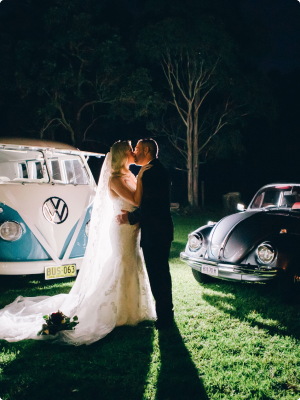
Event videography plays a pivotal role in capturing the essence and significance of various gatherings in Miami, a city renowned for its vibrant social scene and diverse cultural landscape. For production agencies operating within this bustling environment, mastering the art of event videography is essential to meet client expectations and industry standards. The scope of event videography encompasses a broad range of occasions, including corporate conferences, weddings, music festivals, charity galas, and community celebrations. These events demand an eye for detail, a comprehensive understanding of storytelling, and the ability to adapt to dynamic environments.
Miami's unique cultural diversity fuels a thriving demand for professional videographers capable of delivering high-quality footage that authentically reflects the atmosphere and emotions of each event. Industry professionals are often tasked with capturing candid moments, keynote speeches, audience reactions, and behind-the-scenes interactions to create a compelling narrative. As the city continues to grow as an entertainment hub, the need for exceptional event videography services extends across various sectors, from local businesses and government agencies to international event organizers.
Effectively documenting events in Miami requires a keen understanding of the local landscape and the specific requirements of different event types. For corporate entities, promotional material and training content are often key deliverables, while for personal events like weddings, showcasing emotional expressions and scenic backgrounds is prioritized. This diversity in event types necessitates adaptability, expertise, and a keen awareness of industry standards.
Beyond capturing moments, Miami-based videographers must also tailor their work to meet evolving market demands, such as live streaming capabilities, multi-camera setups, and drone footage. These advanced techniques provide broader reach and add depth to event coverage. With Miami's vibrant event calendar and expanding industry needs, professionals who can deliver consistent, reliable, and high-quality videography services are highly sought after.
Understanding the importance of event videography in Miami extends beyond mere documentation; it involves creating memorable visual stories that connect audiences emotionally and serve clients’ commercial or personal objectives. As the industry continues to evolve, staying abreast of technological advancements, industry best practices, and client expectations remains crucial for success.
Key Equipment and Technologies
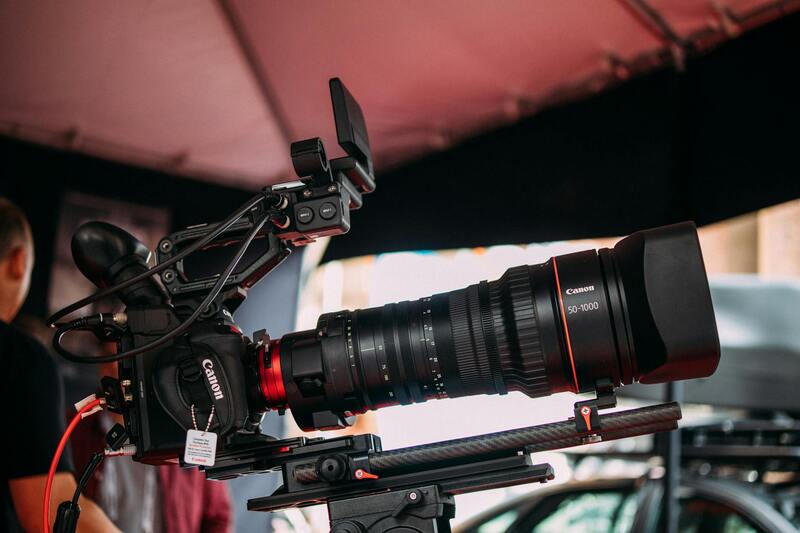
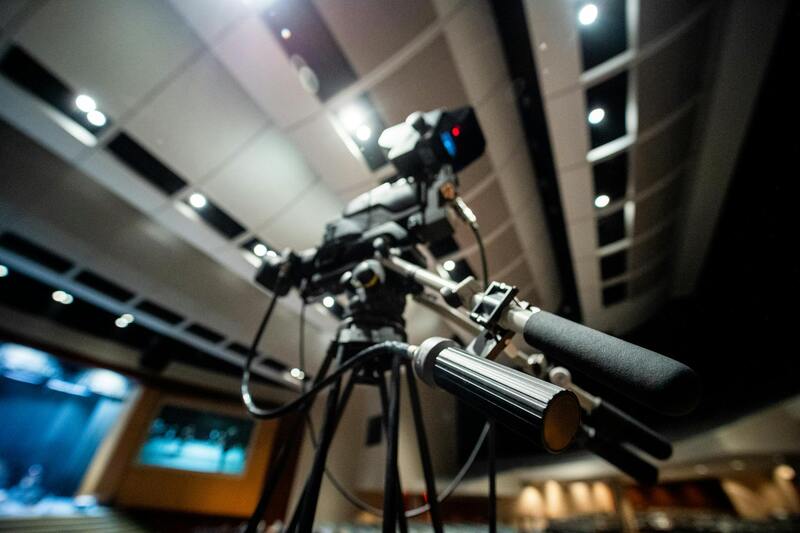
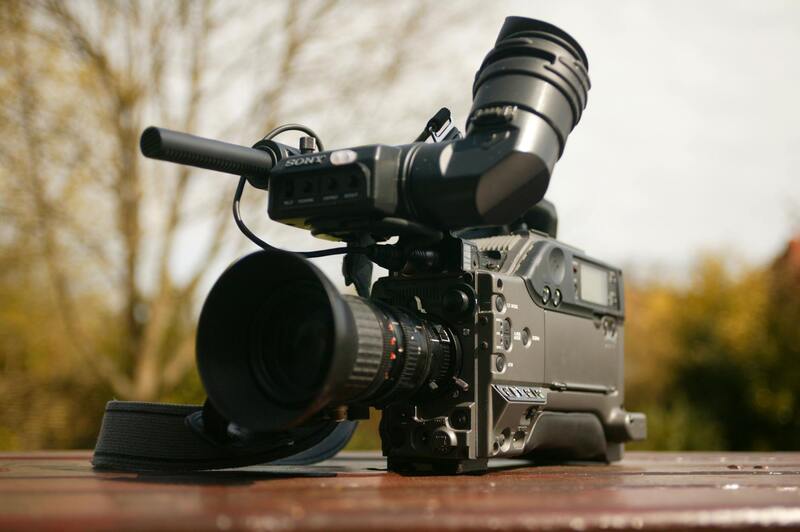
Successful event videography in Miami relies heavily on utilizing the right equipment and embracing the latest technological advancements. High-definition cameras with excellent low-light performance are essential for capturing crisp visuals, especially in venues where lighting conditions may vary. Professional-grade stabilization tools, such as gimbals and steadicams, ensure smooth footage even when moving through dynamic environments. Audio quality is equally critical; using wireless microphones and portable audio recorders helps capture clear sound, which is vital for interviews, speeches, and ambient noise.
Recent technological developments have significantly expanded the capabilities of event videographers. Drone technology, for example, provides aerial shots that add a dramatic perspective to event coverage, emphasizing the scale and atmosphere of outdoor gatherings or scenic locations in Miami. Multi-camera setups enable the production of immersive, multi-angle recordings, crucial for live streams or multi-room events.
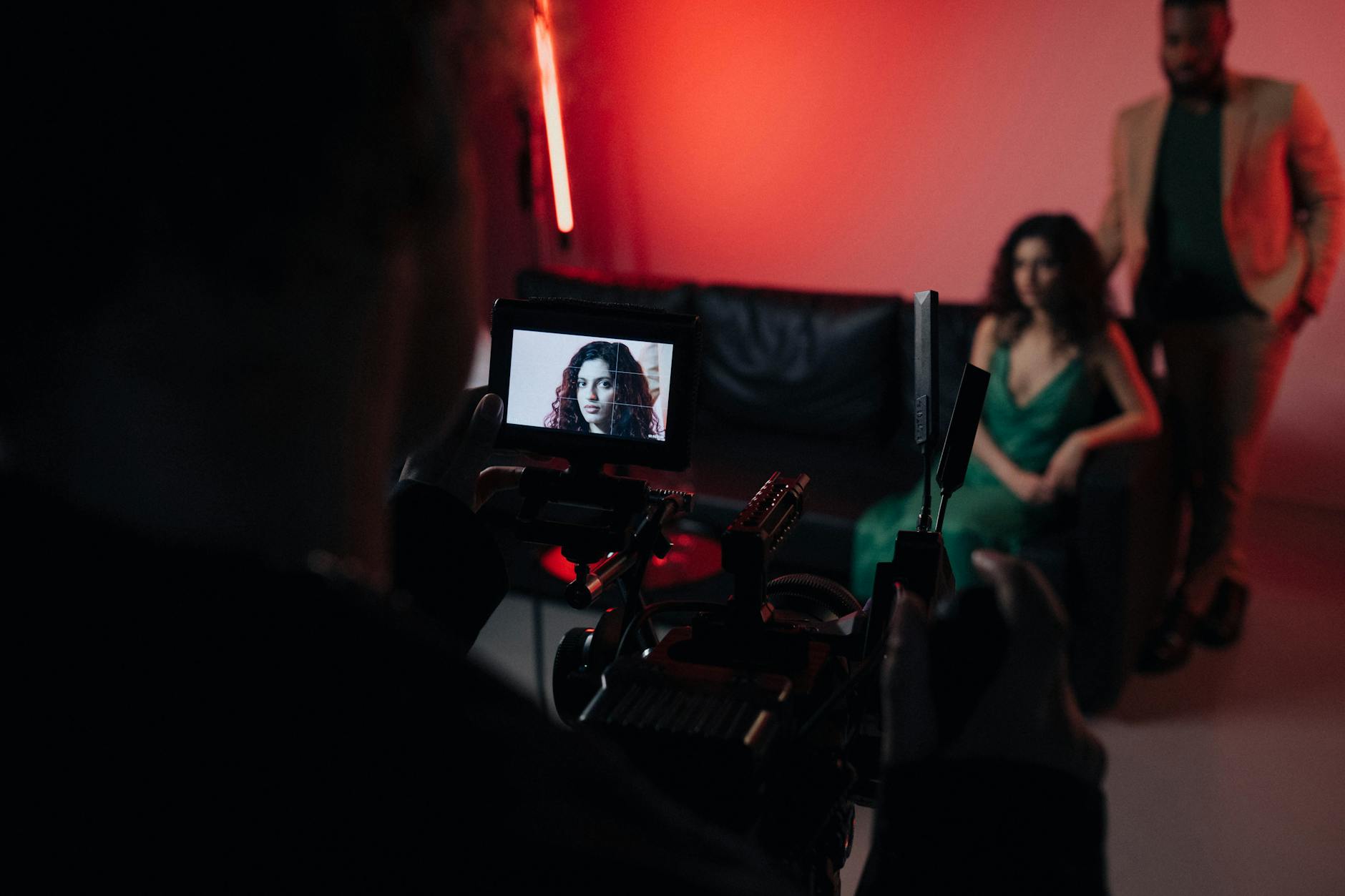
Incorporating these tools requires not only technical skill but also an understanding of how they enhance storytelling. High-quality lenses, filters, and lighting equipment contribute to the visual appeal, especially in venues with challenging lighting conditions. As technology continues to evolve, progressive videographers in Miami stay updated through continuous training and investments in cutting-edge gear—ensuring their work remains competitive and professional.
Pre-Production Planning and Client Coordination
Effective pre-production planning forms the backbone of seamless event coverage. This phase involves comprehensive consultations with clients to understand their specific vision, objectives, and logistical details. Developing a detailed shot list, timeline, and technical checklist ensures that every crucial moment is captured while optimizing the videographer’s time during the event.
Coordination with event organizers, venue managers, and other vendors is essential to navigate potential constraints such as restricted access or noise limits. Establishing clear communication channels prior to the event minimizes misunderstandings and ensures all parties are aligned on expectations.
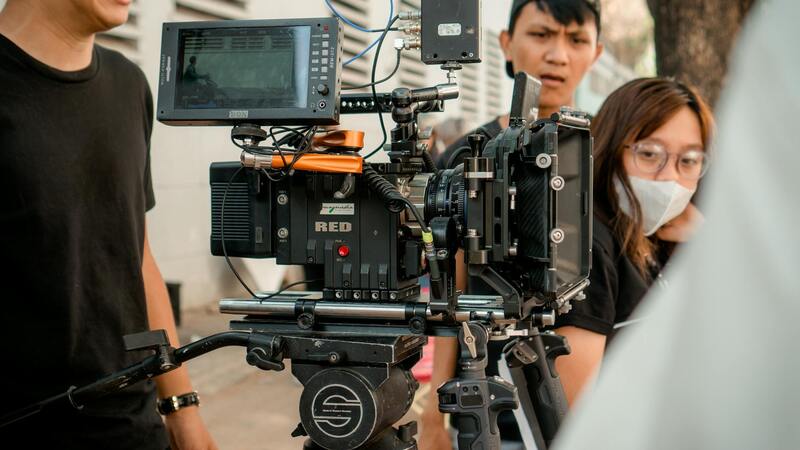
Furthermore, pre-visualization techniques like storyboarding or shot mapping can help visualize the final product, making adjustments well in advance. This planning not only guarantees comprehensive coverage but also maximizes efficiency, enabling videographers to adapt quickly to unforeseen circumstances during the event.
Ensuring Proper Permissions for Event Videography in Miami
Securing the appropriate permissions is a vital step in delivering professional event videography services. In Miami, event venues and public spaces often have specific protocols for recording and filming. Videographers should proactively obtain written consent from venue management and event organizers, outlining the scope and purpose of footage collection. This guarantees that all parties are aligned on the filming process and reduces the chance of disruptions or misunderstandings during the event.
Additionally, obtaining permission from individuals or groups appearing in the footage enhances the integrity of the production. When filming at private venues or during community events, explicit consent should be secured from attendees who may be identifiable in the recordings. This often involves providing information on how the footage will be used, stored, and disseminated, ensuring transparency.
For formal events such as weddings, corporate functions, or public festivals, it’s advisable to review any contractual obligations or venue policies related to audio-visual recording. This includes understanding any restrictions on equipment usage, flash photography, or drone operations where applicable.
Implementing a clear process for permissions supports a smooth filming experience and aligns with industry best practices. It also enables videographers to operate confidently, knowing they have satisfied all necessary legal and procedural requirements tied to the event location and participants.
By establishing comprehensive permission protocols, event videographers demonstrate professionalism and respect toward clients' and participants' rights. These efforts foster trust, encourage positive relationships, and contribute to a solid reputation in Miami’s competitive videography market.
Understanding Event Videography in Miami
Event videography in Miami involves capturing the essence and energy of diverse functions, from elegant weddings to large-scale corporate gatherings. It requires a strategic approach that blends creativity with technical proficiency to produce content that accurately reflects the event's importance and atmosphere. Given Miami's vibrant cultural scene and varied venues, videographers must adapt their techniques and equipment to suit different environments, lighting conditions, and event types. Effective event videography not only documents moments but also tells compelling stories that resonate with viewers long after the event concludes.
Key Equipment and Technologies
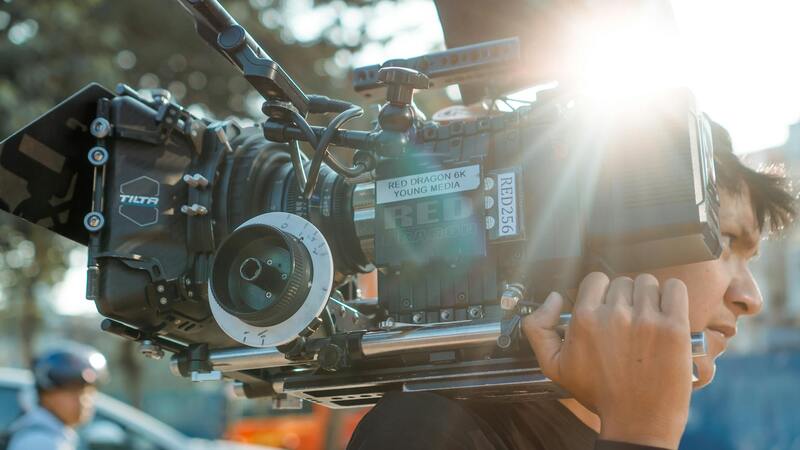
To deliver exceptional coverage, professionals rely on a combination of advanced equipment and innovative technologies. Camera setups include both main and auxiliary devices such as camcorders with high-resolution sensors, professional-grade lenses, and stabilizers like gimbals to maintain smooth footage during movement. For capturing interviews and speeches, wireless microphones and lapel systems ensure clear audio without restriction. Drones are increasingly used to obtain sweeping aerial shots of large venues or outdoor events, offering unique perspectives that enhance storytelling.
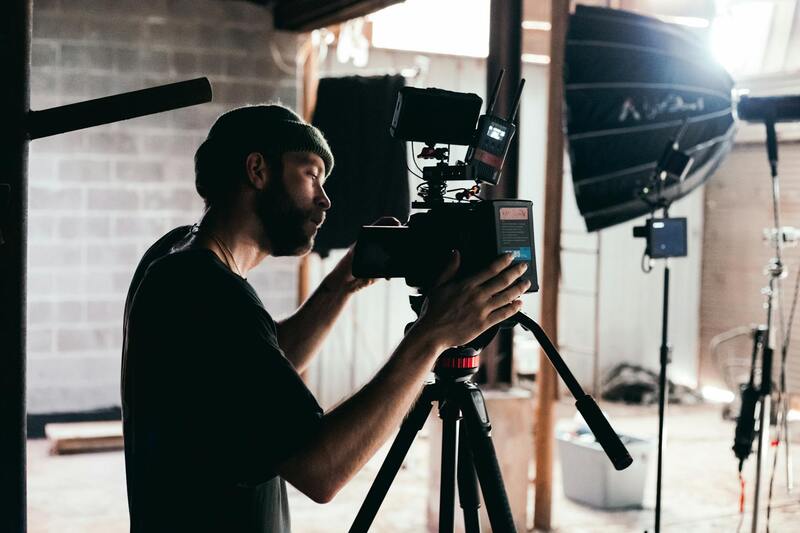
Lighting plays a crucial role, especially in venues with mixed lighting conditions. Portable LED lights, softboxes, and reflectors enable videographers to manage shadows and balance exposure, ensuring each shot looks professional. Additionally, real-time monitoring systems allow operators to review footage instantly, facilitating immediate adjustments for optimal results.
Pre-Production Planning and Client Coordination
Successful event videography hinges on meticulous planning and ongoing communication with clients. This process begins with understanding the event’s schedule, key moments, and special requirements. A detailed shot list and storyboard are essential, ensuring all important aspects are covered without disrupting the flow of the event. Prior to filming, it’s important to conduct site visits to assess lighting conditions, space constraints, and potential obstacles, allowing for strategic positioning of equipment and personnel.
Coordination with clients includes clarifying expectations regarding footage style, delivery timelines, and usage rights. Establishing clear agreements on permissions and consent forms ensures respect for individuals' privacy and compliance with the event's operational guidelines. When dealing with private venues or public gatherings, obtaining necessary permissions for filming and photography in advance minimizes potential disruptions and facilitates a smooth production process.
Effective communication and detailed planning help synchronize the team’s efforts, reduce unforeseen issues, and deliver a polished final product that aligns with the client's vision.
Legal Considerations and Permissions
Securing appropriate permissions is a fundamental aspect of event videography that demands attention to detail and adherence to established protocols. When capturing live events in Miami, videographers must ensure that they have obtained explicit consent from individuals featured prominently in the footage, especially when recording in private venues or restricted public spaces. This involves preparing and signing consent forms that clearly outline how the footage will be used, distributed, and stored, thus fostering transparency and mutual understanding.
It is also important to adhere to local regulations regarding public filming. This includes being aware of any restrictions imposed by venue authorities or city ordinances that govern recording activities. For large-scale events, coordinating with organizers beforehand helps identify permissible filming zones and any areas where restrictions are in place. Such cooperation minimizes disruptions and maintains the professionalism of the production process.
In addition to permissions, full compliance with intellectual property rights is crucial. This entails verifying that any copyrighted materials—such as music, signage, or branded visuals—used in the final output are appropriately licensed. Employing licensed music or securing rights to imagery prevents potential infringements that could complicate the distribution or monetization of the finished product.
 igure>
Creating a comprehensive legal framework before filming not only safeguards the videographer and client but also upholds the integrity and professionalism associated with high-quality event documentation. Clear communication with all involved parties about rights, permissions, and usage rights fosters a seamless process and ensures that the final product can be delivered without unforeseen obstacles.
Legal Considerations and Permissions
When engaging in event videography within Miami, securing appropriate permissions and rights is an essential component of a professional workflow. This process involves obtaining clear consent from event organizers, venue management, and any other relevant stakeholders before filming begins. Proper documentation, such as signed releases and permits, helps establish a transparent relationship and provides a foundation for lawful coverage.
Film crews must verify that they have the authority to record in specific locations, especially in private venues or restricted areas. This often requires coordination with venue administration to understand any designated zones where filming may be limited or prohibited. For public spaces, adherence to municipal regulations should be considered, including possible obtainment of filming permits that detail the scope and duration of the shoot.
Intellectual property rights also demand careful attention. Using copyrighted materials such as music tracks, branded visuals, or signage in the final video necessitates either licensing or obtaining explicit permission from rights holders. Incorporating royalty-free or licensed music not only enhances the production quality but also safeguards against infringement issues. Ensuring all visual elements are either original, licensed, or authentically part of the event helps maintain the integrity of the recording process.
The importance of clear communication extends to informing clients and participants about the intended use of the filmed content. Explicitly outlining rights for distribution, online sharing, or commercial use establishes mutual understanding from the outset, minimizing potential disputes. Maintaining detailed records of all permissions obtained supports transparency and provides legal clarity should questions or issues arise later.
Understanding Rights Management and Permissions
In Miami, event videographers need to be familiar with local laws concerning recording activities, especially when documenting in public venues or city-owned spaces. For large-scale events, pre-arranged permits and permissions enable smooth filming operations without interruptions. These documents may specify the areas where filming is authorized, as well as any restrictions that need to be respected—such as avoiding sensitive zones or private property.
Additionally, respecting the rights of individuals captured on camera is vital. When filming in environments with attendees, securing consent from individuals who may be recognizable in the footage is a good practice. This not only aligns with ethical standards but also ensures that the final product adheres to privacy considerations.
Palpable Aspects of Permissions in Event Videography
- Obtaining necessary filming permits from city authorities for public spaces
- Securing venue permissions to record within private or restricted areas
- Using licensed or royalty-free music and visuals
- Securing releases from featured individuals for recorded content
- Documenting all permissions and licenses for accountability
By meticulously managing permissions, Miami videographers not only uphold the standards of their craft but also foster trust and professionalism with clients and participants. This diligent approach reduces risks associated with unauthorized recordings and paves the way for a seamless post-production process.
Legal Considerations and Permissions
In the vibrant city of Miami, event videographers must adhere to strict protocols regarding filming permissions and legal compliance. Securing authorization is essential before capturing footage in any public or private venue, ensuring that the recording process operates smoothly and respects the rights of all parties involved. This includes obtaining necessary permits from local authorities for public spaces, which typically involve coordinating with city agencies to confirm filming windows, allowable areas, and specific restrictions. Such permits help avoid disruptions during the event and ensure that the videography process integrates seamlessly into the event's schedule.
Private venues often require direct approval from property owners or managers before filming commences. It is prudent to secure written agreements or consent forms to document permissions, reducing potential misunderstandings or conflicts during or after the event. Venue permissions are particularly important when filming inside restricted or exclusive areas, where access might be limited or conditioned upon specific terms.
Another vital component of event videography legality involves managing the rights and releases of individuals captured in footage. Attendees, speakers, performers, and staff should be informed about recording activities and, where appropriate, asked to sign release forms granting permission to use their likeness in the final product. This practice not only respects personal privacy expectations but also safeguards videographers from potential disputes over intellectual property rights or personal privacy breaches.
Using licensed or royalty-free music and visuals further enhances the professionalism of the finished video. All audio and visual elements incorporated into the project should be properly licensed to avoid copyright issues. Maintaining detailed records of all permissions, licenses, and releases is crucial for accountability and for providing reassurance to clients that all legal standards are being met.
Comprehensive documentation of permissions manifests a transparent workflow, fostering trust with clients and participants. Such diligence reduces delays caused by unforeseen legal complications, ensuring an efficient post-production process and the delivery of high-quality content that aligns with industry standards and legal requirements.
Understanding Event Videography in Miami
Event videography in Miami involves more than just capturing moments; it requires a strategic approach to ensure the footage accurately reflects the significance of each event while maintaining high standards of quality. Professionals in this field must be adept at managing diverse event types, from corporate conferences and weddings to music festivals and community gatherings. Their expertise translates into delivering compelling visual narratives that resonate with audiences and meet clients’ expectations.
Key Equipment and Technologies
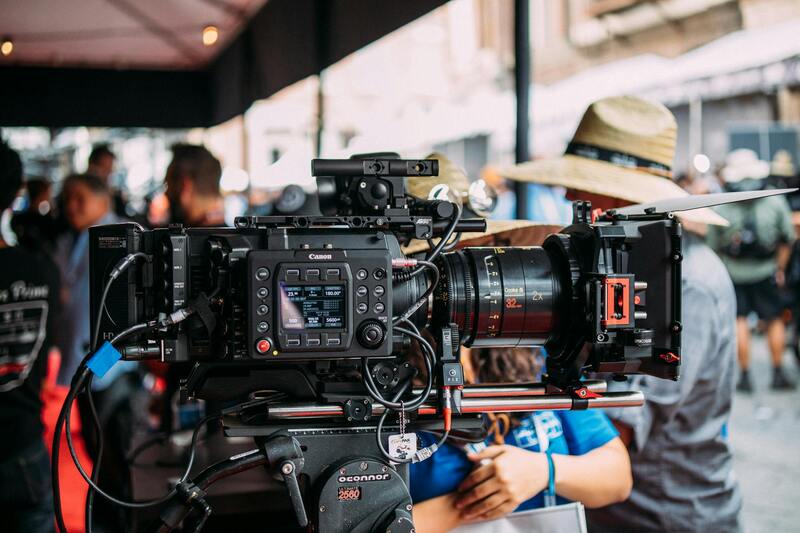
Successful event videography hinges on the right tools and technology. High-definition cameras are fundamental, with professional-grade camcorders that support 4K resolution enabling crisp visuals even in challenging lighting conditions. Stabilization gear like gimbals, steadicams, and drone technology are increasingly essential for capturing smooth footage from various angles and heights, providing dynamic perspectives.
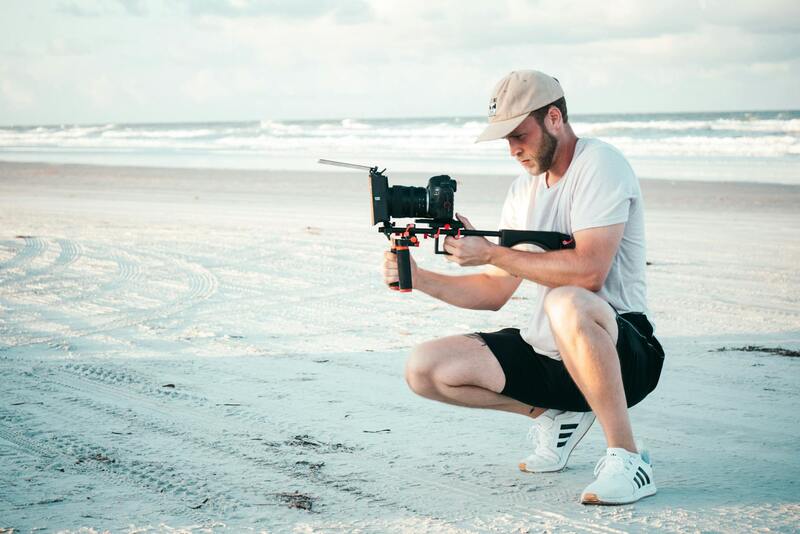
Audio equipment is equally critical, requiring directional microphones, wireless transmitters, and sound mixers to ensure clear audio capture despite ambient noise levels typical in lively events. Proper lighting setups, including portable LED panels and diffusers, are vital for indoor and outdoor shoots, ensuring the subject remains well-illuminated.
Pre-Production Planning and Client Coordination
Organizing a seamless event coverage begins with meticulous pre-production planning. Detailed consultations with clients establish the scope of the project, define key moments to capture, and determine the preferred style—be it cinematic, documentary, or highlights reel. Creating shot lists, storyboards, and shot schedules helps in managing on-site filming efficiently.
Coordination also involves discussing logistics, such as access permissions, designated filming areas, and any special requirements like special effects or multimedia integrations. Building clear communication channels fosters a collaborative environment, ensuring all parties are aligned and prepared for the day of filming.
Filming Techniques for Event Coverage
Capturing engaging footage necessitates a combination of technical skill and creative vision. Wide shots set the context of the event, establishing the atmosphere and scale, while close-ups focus on emotional expressions, speakers, and performers. Employing multiple cameras allows for simultaneous angles, providing variety and coverage flexibility.
Utilizing cinematic techniques such as slow motion, time-lapse, and drone footage enhances the storytelling aspect. Smooth camera movements achieved through stabilizers and slider mechanisms lend a professional touch, making the final video visually captivating.
Post-Production Editing and Delivery
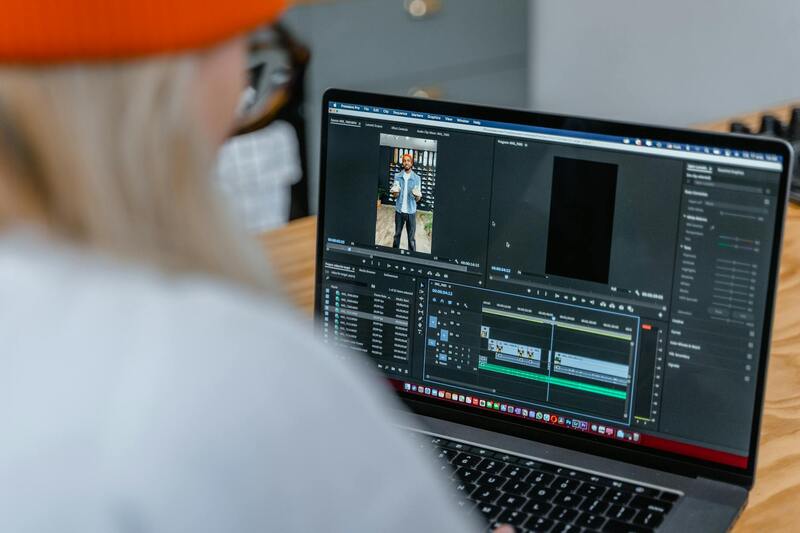
After filming, editing transforms raw footage into a polished product. Video editors employ advanced software to cut, assemble, and color-grade the material, ensuring consistency and visual appeal. Incorporating transitions, titles, graphics, and licensed music elevates the overall production value.
Delivering the final video involves multiple formats tailored to client needs, such as full-length event summaries, highlight reels, or social media clips. Fast turnaround times are often expected, necessitating efficient workflow management and regular communication with clients regarding revisions and approvals.
Legal Considerations and Permissions
Securing proper permissions is a fundamental aspect of legitimate event videography. This includes obtaining consent from event organizers, venue management, and individuals who appear in footage. Release forms should clearly specify the intended use of the video, the duration of use, and distribution channels.
It is best practice to keep detailed records of all signed releases, permissions, and licenses. This documentation supports transparency and accountability, protecting videographers from potential disputes or misunderstandings with clients and participants.
Marketing and Business Growth for Event Videographers
Building a reputable presence in Miami’s competitive videography market involves strategic marketing efforts. Showcasing a diverse portfolio through a professional website and social media channels attracts prospective clients. Utilizing testimonials and case studies highlights proven expertise and reliability.
Networking within local event industries, establishing partnerships with event planners, venues, and corporate clients, and participating in industry expos enhances visibility. Continually updating skills with emerging technologies and trends further positions videographers as innovative and trustworthy professionals in Miami’s vibrant event scene.