Understanding Event Cinematography
Event cinematography encompasses the art and science of capturing live events through professional videography techniques. It serves as a vital component in documenting significant occasions ranging from corporate conferences and product launches to weddings, festivals, and entertainment events. The process demands a strategic approach to ensure that every meaningful moment is preserved with clarity, emotional impact, and visual appeal. Miami-based production agencies often recognize the unique significance of event cinematography in enhancing brand visibility, personal memories, and cultural documentation.
At its core, event cinematography involves more than just recording footage; it requires a thorough understanding of the event’s flow and the ability to adapt swiftly to changing circumstances on-site. The objective is to produce a comprehensive visual narrative that accurately reflects the ambiance, energy, and key highlights of the occasion. Professional event cinematographers utilize their expertise to anticipate important moments, manage lighting and sound conditions, and employ dynamic shots that elevate the overall quality of the final video.
The importance of proficient event cinematography for Miami production agencies cannot be overstated. In a competitive market, the ability to deliver visually compelling event videos helps build client trust, enhances reputation, and attracts future business opportunities. When executed with attention to detail and technical skill, event cinematography transforms fleeting moments into timeless visual stories that resonate across diverse audiences.
The Role of Event Cinematography in Live Event Documentation
Reliable event cinematography ensures that each critical aspect of an event is documented professionally. This includes capturing crowd interactions, keynote speeches, performances, and behind-the-scenes activities. By providing multiple camera angles and synchronized audio, cinematographers create a layered experience that immerses viewers and highlights the event’s significance.
Furthermore, event cinematography plays a pivotal role in marketing, branding, and archival purposes for organizations and individuals. A well-crafted video can be used across various platforms to increase engagement, showcase event success, and preserve memories for years to come.
In today’s digital age, the demand for high-quality live event coverage continues to grow. Miami's vibrant event scene benefits immensely from professional cinematography that can handle large-scale events and capture the intricacies of smaller gatherings with equal finesse. With a focus on storytelling, technical execution, and post-production finesse, event cinematographers contribute significantly to the lasting impact that these occasions have on both organizers and audiences.
Essential Equipment and Setup
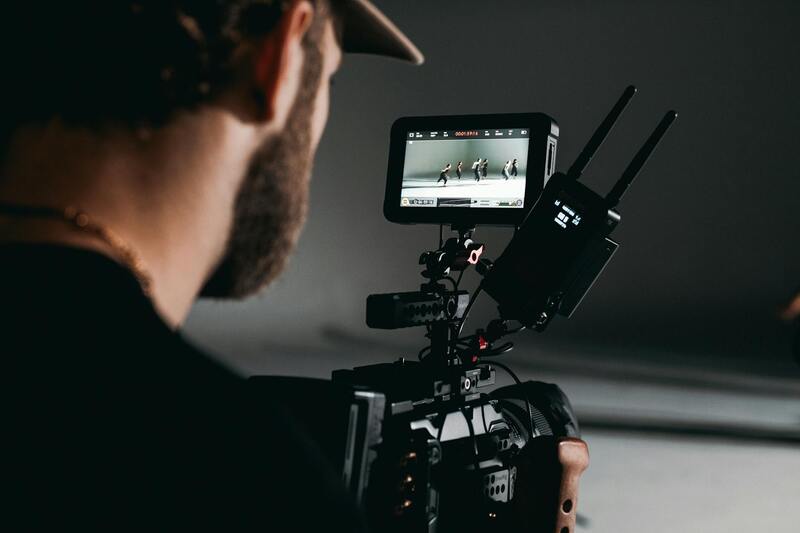
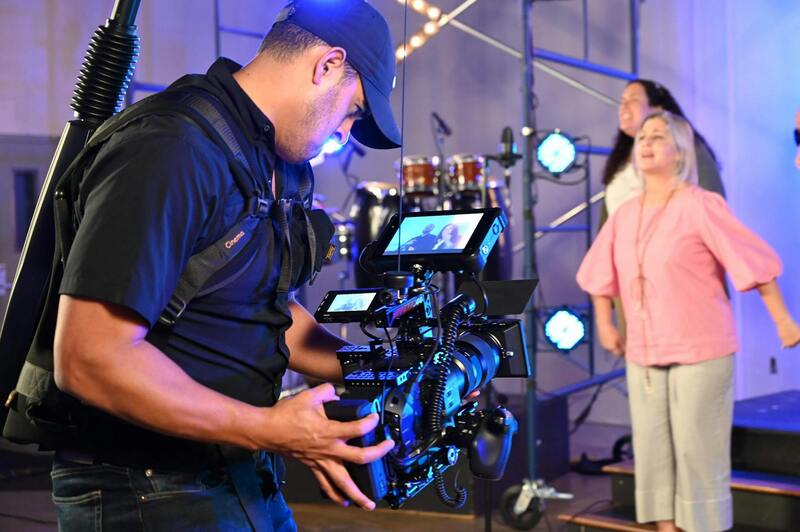
Achieving high-quality coverage of live events hinges on the strategic selection and deployment of specific equipment tailored to the unique demands of each occasion. Utilizing professional-grade cameras, such as 4K-resolution camcorders and cinema-style cameras, ensures sharp imagery with vibrant colors and detailed textures, capturing the essence of dynamic moments. Additionally, stabilizers like gimbals and shoulder rigs are indispensable for maintaining steady shots during movement, allowing cinematographers to follow performances or crowd interactions smoothly.
Audio quality is equally critical in event cinematography. Employing high-fidelity microphones—including shotgun mics, wireless lapel mics, and boom microphones—facilitates capturing clear sound from speakers, performers, and ambient crowd noises. Integrating external audio recorders further enhances sound fidelity, ensuring synchronization accuracy during post-production.
Lighting considerations are adapted to the venue’s existing conditions. Portable LED panels and softboxes help illuminate subjects evenly, particularly in poorly lit environments, ensuring the footage remains bright and balanced without overshadowing natural lighting. For outdoor events, reflectors and diffusers are employed to manage sunlight effectively, preventing harsh shadows and preserving natural skin tones.
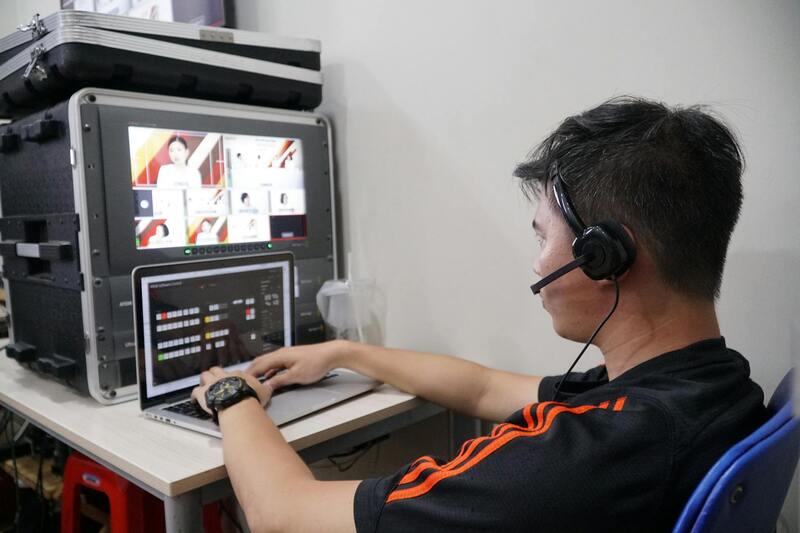
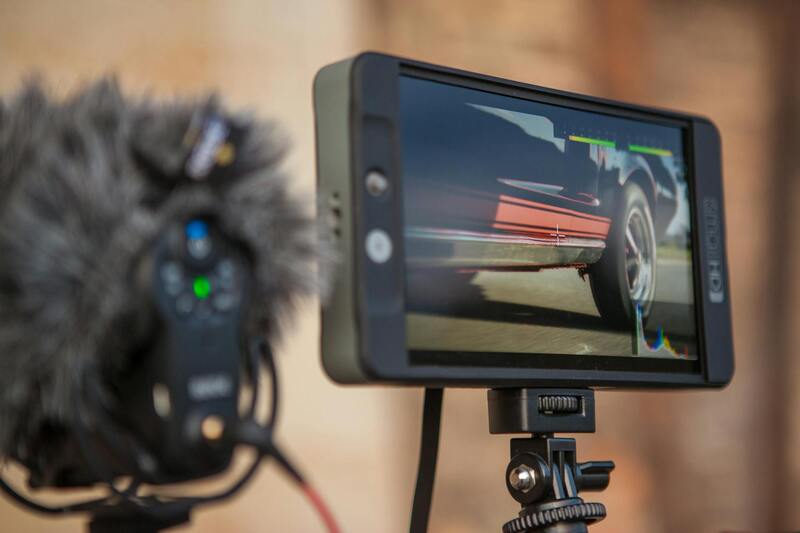
Camera placement and rigging are planned meticulously, often employing multiple vantage points to provide comprehensive coverage. Strategic positioning—such as aerial shots with drones, wide angles for crowd interactions, and close-ups for emotional reactions—ensures an immersive viewing experience. The integration of wireless video transmitters allows for real-time monitoring during live shoots, enabling instant adjustments to framing and focus.
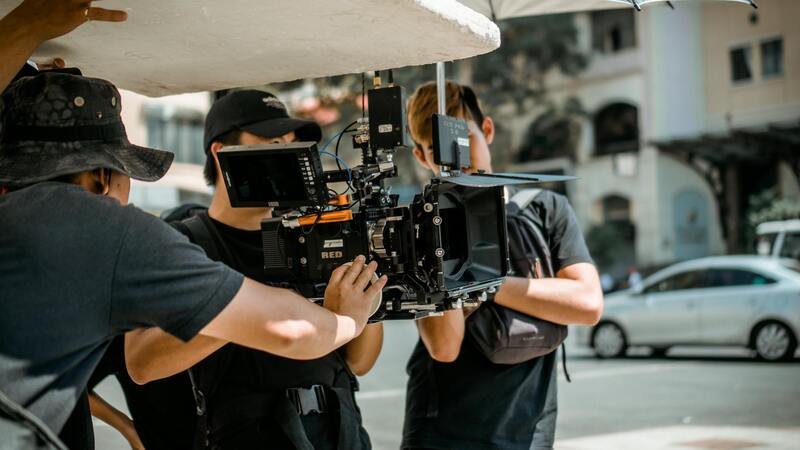
Ultimately, selecting the right combination of gear and staging the technical setup meticulously enhances the overall production quality. It ensures that the event's energy, emotion, and key moments are captured with fidelity, allowing post-production teams to craft compelling visual narratives that resonate well beyond the event itself.
Understanding Event Cinematography
Event cinematography encompasses the art and science of capturing live occasions with precision, attention to detail, and technical expertise. It involves not only recording the visual aspects of an event but also conveying the atmosphere, emotions, and significance of the moment. Effective event cinematography requires a clear understanding of the event’s purpose, venue logistics, and desired audience experience. Cinematographers must adapt their techniques to various environments, whether indoors or outdoors, formal or casual, ensuring that every key moment is documented seamlessly and vividly.
Core Principles of Event Cinematography
- Visual storytelling: Every shot should serve the broader narrative, highlighting the event's emotional and visual highlights.
- Technical quality: Sharp, stable footage with clear audio supports a professional presentation.
- Real-time adaptability: Live events require on-the-spot decision-making regarding camera angles, lighting adjustments, and focus shifts to capture spontaneous moments effectively.
- Consistency and coverage: Utilizing multiple cameras and vantage points ensures comprehensive coverage, capturing from wide-angle crowd shots to close-up emotional reactions.
- Audio clarity: Proper microphone placement and sound recording techniques are vital for capturing speeches, performances, and ambient sounds without distractions.
Adherence to these principles guarantees a compelling visual narrative, preserves the event’s authenticity, and enhances viewer engagement long after the event concludes. Skilled cinematographers leverage their expertise in framing, lighting, and camera operation, adhering to industry standards that prioritize quality and credibility.
Legal and Ethical Methodologies in Event Cinematography
Maintaining professionalism during event filming involves following established, reputable procedures to ensure quality and compliance. These methods primarily include obtaining appropriate permissions and implementing comprehensive planning measures:
- Securing necessary authorizations: Prior to filming, it’s essential to acquire permissions from event organizers and relevant authorities, establishing clear agreements that outline the scope and terms of coverage. This usually involves formal documentation detailing rights, usage, and confidentiality provisions.
- Site reconnaissance and risk assessment: Conducting thorough inspections of the venue before the event allows cinematographers to identify potential challenges, such as lighting constraints, space limitations, or safety concerns. This proactive approach helps in devising effective strategies tailored to the location.
- Respect for attendee privacy: Respecting guest privacy and understanding privacy policies prevents unauthorized capturing or distribution of identifiable content. Where necessary, consent forms are used to obtain explicit permission from individuals appearing in footage.
- Use of authorized equipment: Employing legitimate, well-maintained equipment ensures operational safety and footage integrity. Unauthorized or improvised equipment can compromise quality and pose safety risks.
- Adherence to venue policies: Following specific rules set forth by the event venue or location ensures smooth operations and avoids conflicts or disruptions during filming.
- Post-production compliance: Responsible editing and distribution practices, including accurate representation of the event and proper attribution, reflect ethical storytelling that respects the subjects involved.
Applying these reputable methods assures the production’s integrity, fostering trust between cinematographers, clients, and event participants. This systematic approach promotes consistency, professionalism, and a high standard of content quality essential for successful event documentation.
Implementing Professional Practices in Event Cinematography
Beyond the technical aspects, professionalism in event cinematography hinges on rigorous planning and adherence to established procedures. Key practices include:
- Developing comprehensive shot lists: Understanding the schedule and key moments allows cinematographers to prepare specific shots, camera angles, and lighting setups in advance, ensuring no vital detail is overlooked.
- Coordinating with event staff: Regular communication with organizers helps synchronize filming efforts with event timelines and special requirements, avoiding conflicts and maximizing coverage opportunities.
- Implementing safety protocols: Ensuring the safety of both crew and attendees by following venue guidelines, using appropriate rigging, and maintaining clear pathways during setup and filming.
- Utilizing professional tools and technology: Employing high-quality, certified equipment such as stabilized rigs, advanced drones (where permissible), wireless transmitters, and professional audio systems facilitates seamless footage collection and editing.
- Maintaining ethical standards: Upholding confidentiality, respecting individual privacy, and seeking prior consent align with best practices in professional event documentation.
When these methodologies are integrated into the production process, the resulting footage reflects a high level of craftsmanship and attention to detail, crucial for delivering content that resonates with clients and audiences alike.
Understanding Event Cinematography
Event cinematography involves capturing live occasions with precision, creativity, and technical expertise. It encompasses a variety of event types, including corporate gatherings, weddings, concerts, conferences, and more, each requiring tailored approaches to storytelling and visual presentation. The goal is to produce compelling footage that accurately conveys the atmosphere, emotion, and significance of the event for future viewing, marketing, or archival purposes.
Successful event cinematography relies heavily on a thorough understanding of the event's nature and context. This knowledge influences decisions about camera placement, movement, lighting, and overall visual style. For instance, capturing the energy of a concert involves different techniques than documenting a formal conference. Skilled cinematographers adapt to the unique challenges each occasion presents, ensuring their footage aligns with the client’s objectives and audience expectations.
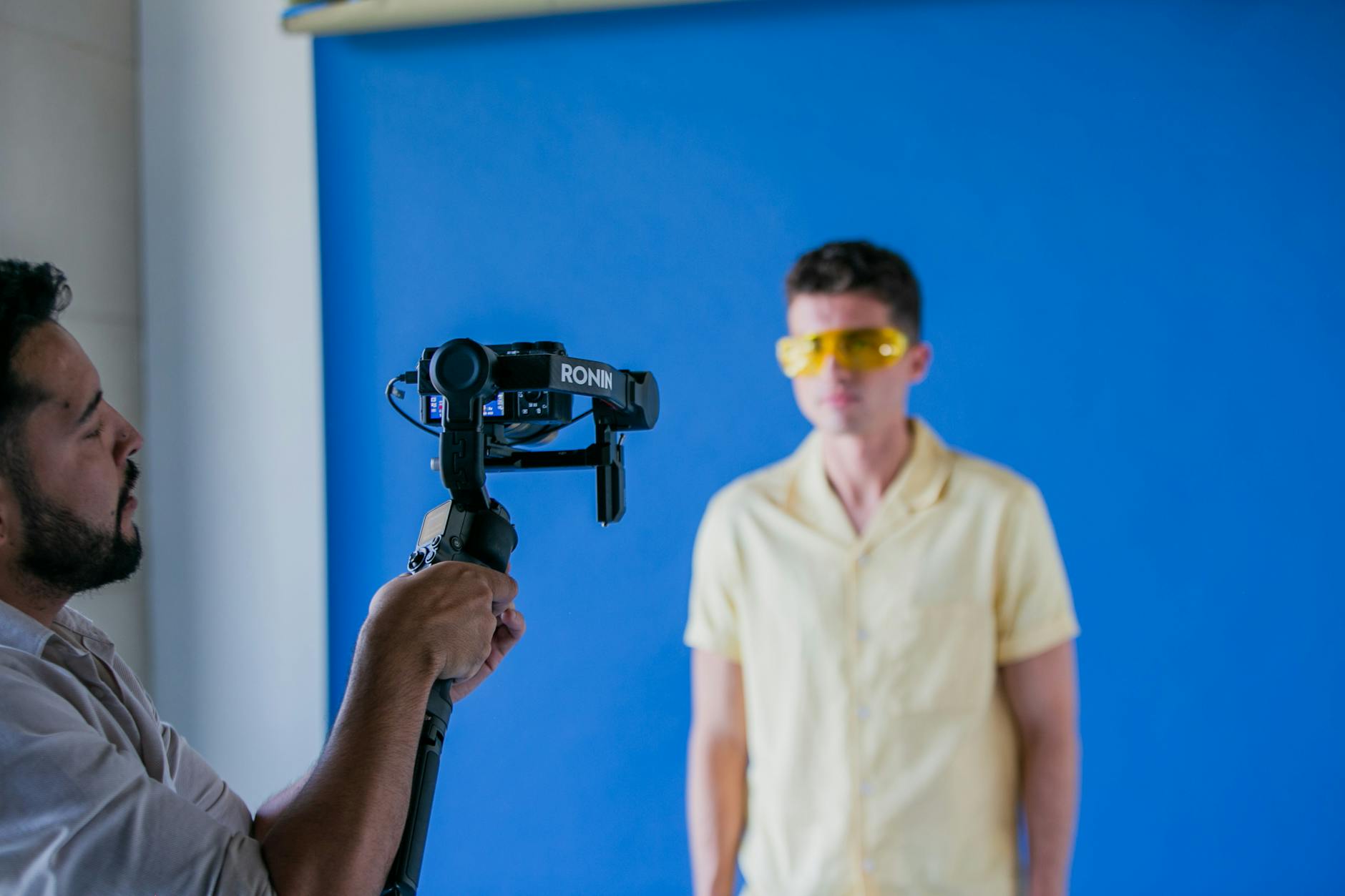
Effective event cinematography also demands an understanding of audience engagement. The content should evoke the mood, highlight pivotal moments, and provide a comprehensive perspective that viewers can connect with emotionally. This balance of technical skill and artistic vision underscores the importance of adherence to best practices and a deep familiarity with cinematic storytelling methods.
Planning and Pre-production for Event Filming
Careful planning forms the backbone of seamless event coverage. Pre-production efforts include detailed scheduling, scouting locations, and collaborating with event organizers to understand the sequence of activities. Developing a shot list tailored to the event timeline guarantees critical moments are captured from multiple angles. This foresight reduces the risk of missing key segments, especially in complex or fast-paced environments.
Communication with stakeholders plays an essential role in aligning filming objectives with event goals. It involves confirming access points, understanding lighting conditions, and recognizing spatial limitations. This coordination ensures that the cinematography integrates smoothly with the event flow, minimizes disruptions, and adheres to venue regulations.
Additionally, pre-production involves technical assessments—selecting appropriate equipment, planning power sources, and preparing backup systems to avoid setbacks during actual filming. Thorough planning not only enhances efficiency but also elevates the professionalism of the final product.
Key Pre-production Activities Include:
- Creating detailed shot lists and storyboards
- Conducting location surveys and identifying optimal camera positions
- Coordination meetings with event organizers and venue staff
- Equipment checks and logistical arrangements
- Establishing safety and technical protocols
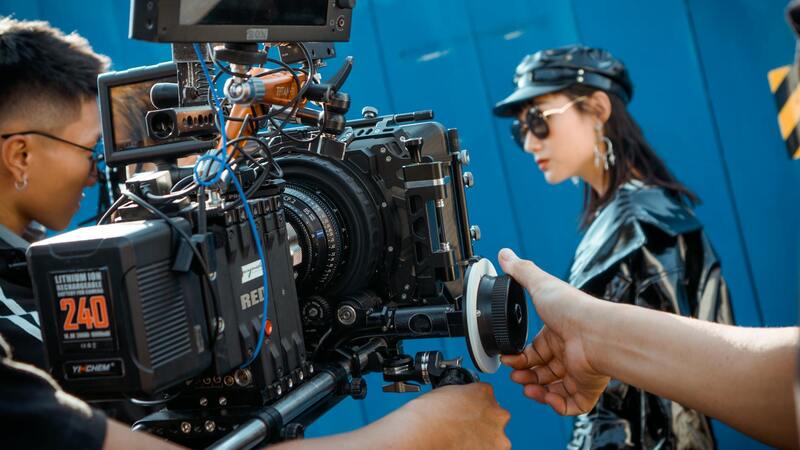
Effective planning minimizes unforeseen issues, allowing cinematographers to focus on capturing authentic moments with minimal interference. It fosters an environment of professionalism that enhances the overall quality of the event footage, ensuring the final product meets or exceeds expectations. These strategic preparations are critical for delivering content that effectively communicates the event’s essence and resonates with its audience.
Legal and Ethical Considerations
When executing professional event cinematography, adherence to established practices that respect copyrights, privacy rights, and contractual obligations is essential. Secure appropriate permissions before filming, especially in environments where sensitive or proprietary content may be present. Clear agreements with event organizers outline the scope of coverage, usage rights, and distribution parameters, ensuring that all parties' interests are protected. Employing consent forms for individuals appearing in footage is an integral part of responsible filmmaking, particularly in public or semi-private settings. These documents authorize the capturing and dissemination of participants’ images and performance, minimizing misunderstandings and potential disputes. Technical considerations should also include safeguarding sensitive data associated with the event, such as confidential presentations or proprietary branding. Implement secure storage solutions for raw footage and edited content, and establish protocols for data management to prevent unauthorized access. Maintaining professional integrity involves transparency about footage usage, respecting the event’s cultural and community standards, and avoiding intrusive or disruptive filming practices. This approach fosters trust and upholds the reputation of the cinematography team, aligning their work with the expectations of clients and stakeholders alike. Furthermore, adherence to safety guidelines during filming operations contributes to the well-being of staff and participants. Ensuring that equipment setup and camera movements do not interfere with event proceedings or compromise safety standards is paramount. This disciplined approach ensures that the event coverage proceeds smoothly while prioritizing responsible conduct at every stage. In the realm of event cinematography, fostering ethical practices and respecting legal boundaries create a foundation for producing compelling content that genuinely reflects the event’s spirit, ensuring lasting value for clients and audiences.
Legal and Ethical Considerations
Navigating the realm of event cinematography in Miami requires diligent attention to the proper management of rights, consent, and privacy. It is essential to secure permissions from event organizers and key participants prior to filming to ensure that all footage usage aligns with the designated agreements. This proactive approach establishes clarity regarding how recordings will be utilized, distributed, and stored. Reservations should be made when documenting identifiable individuals, especially in dynamic environments with large crowds. Obtaining explicit consent—preferably in written form—helps protect both the content creators and those appearing on camera. Implementing clear signage that indicates filming is in progress can also serve as a visual cue to guests, demonstrating transparency and respect for personal privacy. Special care must be taken when capturing proprietary settings or confidential information. If the event involves sensitive data — whether related to corporate branding, strategic presentations, or proprietary technology — securing the necessary permissions to film and share such content is critical. This prevents misunderstandings and supports the respectful handling of all event materials. Maintaining awareness of cultural, community, and organizational standards further underscores responsible filming. Respect for local customs and participant comfort ensures that content production does not inadvertently cause discomfort or misinterpretation. Upholding these principles fosters trust between the cinematography team and clients, contributing to a professional reputation built on trust and integrity. Security protocols should also focus on safeguarding digital assets. Raw footage, edited videos, and other digital files must be stored securely, with access restricted to authorized personnel. Establishing robust data management procedures includes utilizing encrypted storage solutions and maintaining detailed logs of file access. Properly documenting every phase of the filming process—from permissions to distribution—facilitates smooth operations and minimizes potential disputes. This transparency not only aligns with best practices but also reinforces a commitment to ethical content creation, ensuring that the final product authentically represents the spirit of the event while respecting individual rights.
Understanding Event Cinematography
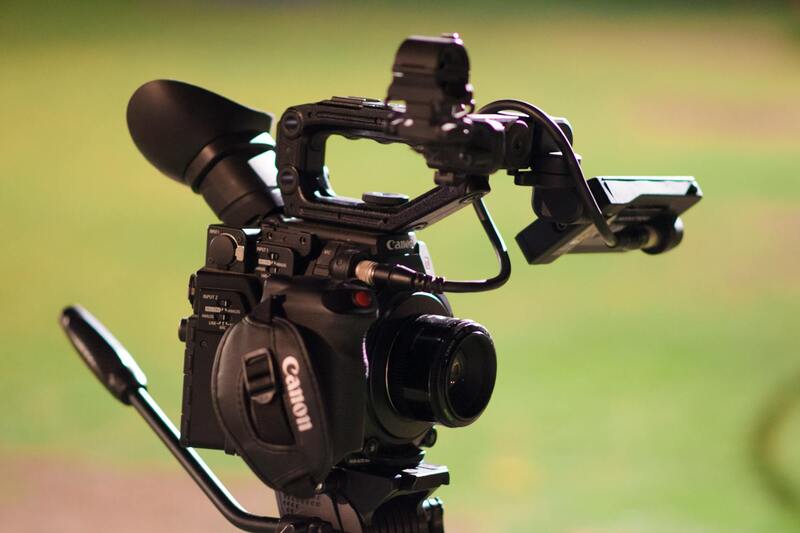
Event cinematography encompasses the art and technique of capturing live moments with precision, clarity, and artistic vision. It involves more than just recording footage; it requires an understanding of the event's essence, the atmosphere, and the emotional undertones to produce a compelling visual narrative. High-quality event cinematography can elevate the perception of the event, creating immersive content that resonates with audiences long after the event concludes. For those seeking to document conferences, galas, trade shows, or cultural festivals, mastering the nuances of event cinematography ensures that every significant detail is preserved in a manner that highlights its importance and vibrancy.
The Role of a Skilled Event Cinematographer
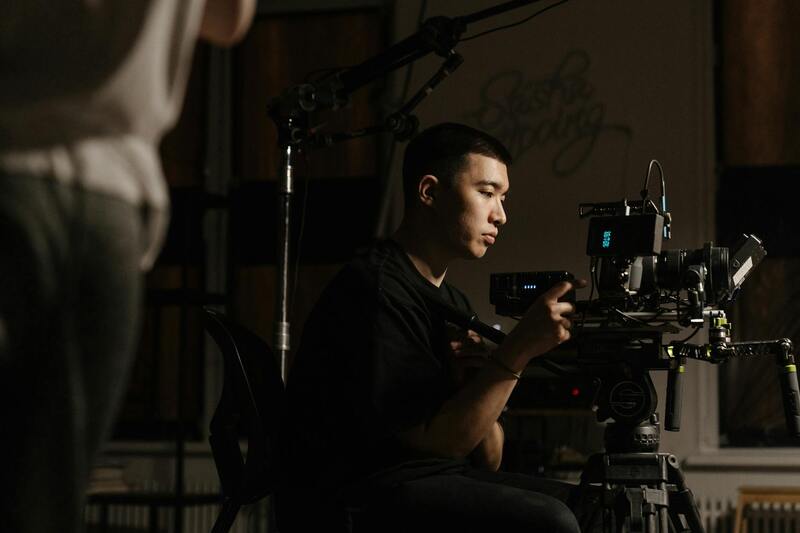
A proficient event cinematographer combines technical expertise with an artistic eye. They must possess an ability to adapt rapidly to changing conditions, such as varying lighting environments and unpredictable event flow. A deep understanding of camera operation, composition, and lighting techniques allows cinematographers to optimize footage quality under diverse circumstances. Moreover, they should be familiar with the event's schedule to position themselves for capturing key moments, like awards, speeches, or performances. This proactive approach ensures that the final video is comprehensive, engaging, and synchronized with the event's narrative.
Emphasizing Authentic Storytelling through Visuals
Authentic storytelling is at the core of effective event cinematography. The goal is to create a visual record that authentically reflects the event’s atmosphere and significance. Techniques such as candid filming, strategic framing, and dynamic camera movements help convey the energy and emotion of the occasion. Employing a variety of shots — including wide-angle shots to establish the environment, close-ups for emotional expressions, and tracking shots to follow key proceedings — adds depth and richness to the final product. When executed with a focus on storytelling, the footage not only documents the event but also evokes the intended emotional response from viewers.
Importance of Sound and Audio Quality
Clear and high-quality audio plays a crucial role in event cinematography. Capturing audio that complements the visual content enhances viewer engagement and provides context. This entails using professional microphones, such as shotgun mics for speech clarity and ambient microphones to capture the venue’s atmosphere. Proper audio management involves minimizing background noise, ensuring synchronized sound with video footage, and utilizing post-production editing to refine audio tracks. When paired effectively with visual elements, excellent sound design transforms a plain recording into a captivating narrative that authentically reflects the event’s ambiance.
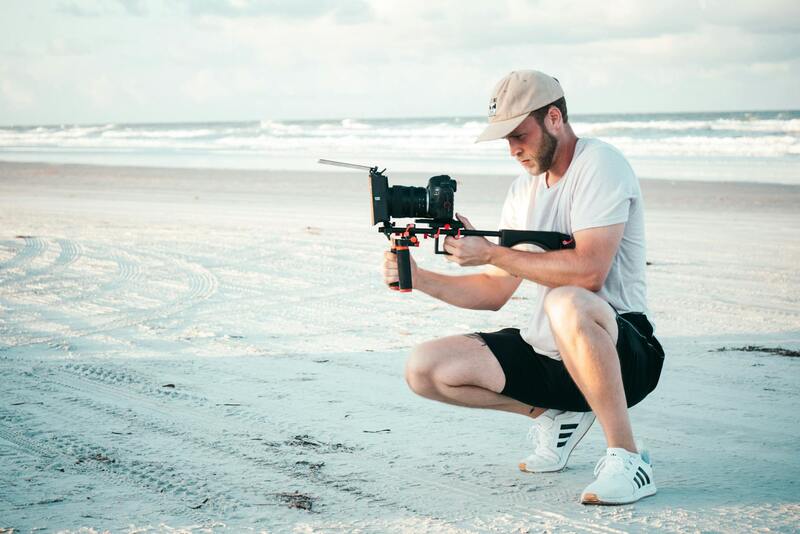
Effective event cinematography demands a strategic approach that balances technical proficiency, artistic vision, and logistical coordination. By understanding the specific requirements of each event and employing professional techniques, cinematographers can deliver high-quality footage that serves various purposes, from promotional content to archival records. Maintaining a focus on authenticity, storytelling, and technical excellence guarantees that every captured moment underscores the event’s significance and provides lasting value.
Comprehensive Strategies for Event Cinematography
Advanced Techniques and Technologies in Event Coverage
As the landscape of event cinematography evolves, integrating cutting-edge technologies and innovative filming methods is increasingly vital to capturing compelling content. Employing tools such as drone footage can deliver breathtaking aerial perspectives that add grandeur and context to the event. Drones facilitate dynamic shots of large venues, outdoor gatherings, or scenic environments, creating an immersive experience for viewers. These aerial shots not only enhance visual appeal but also provide a comprehensive overview of the event space, giving audiences a sense of scale and atmosphere. Utilizing high-resolution recording equipment, such as 4K cameras, ensures that footage maintains exceptional clarity and detail, which becomes especially noticeable in post-production or when delivering to clients who require premium quality. The increased resolution allows for more cropping, stabilization, and detailed editing without sacrificing visual integrity. Another transformative element in modern event cinematography is live streaming. This technology empowers organizers to reach a global audience in real-time, expanding event accessibility beyond physical boundaries. Live streaming also allows for immediate engagement, interactive viewing experiences, and social media sharing, broadening the event’s impact. To optimize live streaming, it is important to invest in reliable internet connections, professional broadcasting equipment, and backup systems to prevent interruptions. Complementing these technologies, the adoption of mobile stabilization devices such as gimbals facilitates smooth, cinematic shots even in fast-paced or crowded environments. Gimbals and Steadicams help cinematographers maneuver seamlessly, resulting in polished footage that accurately captures spontaneous moments and dynamic interactions. Furthermore, innovative filming techniques like multi-camera setups allow for comprehensive coverage from different angles, giving editors a variety of shots to craft engaging narratives. This approach is particularly effective during keynote speeches, performances, and panel discussions, where capturing multiple perspectives significantly enhances storytelling. Leveraging these advanced tools and methods results in a rich, versatile portrayal of the event, ensuring that every vital moment is documented with clarity and artistic finesse. Embracing technological progress not only elevates the quality of the final product but also demonstrates a commitment to professionalism and audience engagement.