Roles and Responsibilities of an Events Photo Team
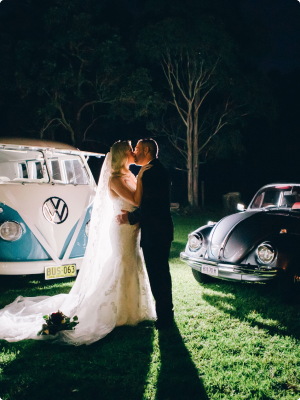
An effective events photo team is essential for capturing the essence and success of any live event, whether it’s a corporate gathering, wedding, or community celebration. This team typically comprises photographers, assistants, and coordinators, each with specific roles designed to ensure seamless coverage and high-quality images. Photographers are the primary personnel responsible for capturing moments as they unfold, requiring technical skill, an eye for detail, and adaptability to changing environments. Assistants support photographers by managing equipment, adjusting lighting, and ensuring the camera gear functions optimally, especially in dynamic lighting conditions. Coordinators oversee scheduling, communication with clients, and logistical arrangements to align the photography efforts with the event timeline. During live events, these roles converge to deliver comprehensive coverage, balancing professionalism, creativity, and efficiency. Photographers must quickly adapt to different event atmospheres, from lively receptions to formal conferences, while assistants handle technical setups and provide reassurance. Coordinators liaise with clients and event organizers to understand key moments, special guests, or specific shots, ensuring all expectations are met meticulously. Each team member plays a vital part in maintaining a smooth workflow, capturing authentic moments, and producing images that meet or exceed client standards. When well-coordinated, an events photo team can significantly enhance the overall experience for clients and attendees, providing memories that last a lifetime.
Choosing the Right Photography Team for Events
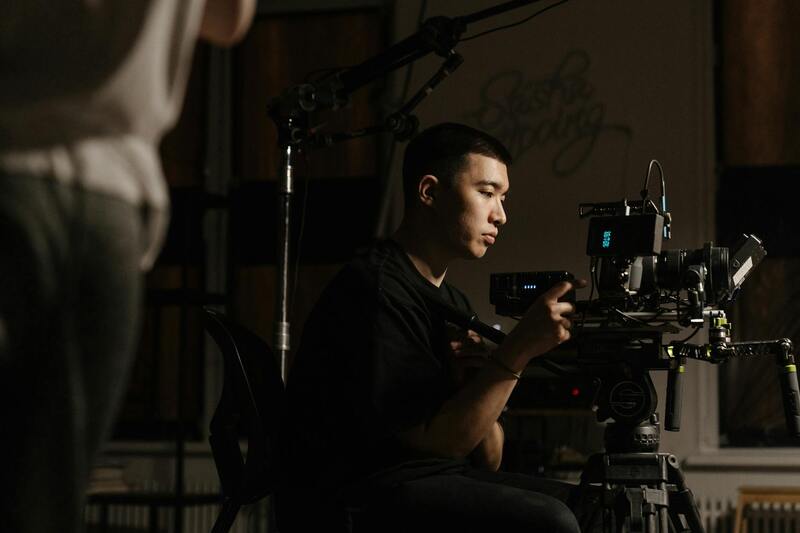
Selecting a qualified and experienced events photo team involves assessing their technical expertise, portfolio, and ability to adapt to diverse event types. Clients should prioritize teams with a proven track record in event photography, showcasing a versatile style that aligns with their vision. It’s essential to evaluate the team’s understanding of different event atmospheres, their equipment standards, and their responsiveness during prior assignments. Effective communication and professionalism are fundamental qualities to consider. Moreover, a team’s reputation for punctuality, discretion, and delivering high-resolution images within agreed timelines can influence overall satisfaction. Engaging with the team to discuss specific requirements, desired shots, and any special considerations fosters clarity and sets the stage for successful coverage. By choosing a reputable and experienced events photo team, clients can ensure comprehensive coverage, compelling imagery, and a stress-free experience on the event day.
Roles and Responsibilities of an Events Photo Team
An effective events photo team functions as a cohesive unit, each member bringing specialized skills that contribute to capturing the essence of the occasion. The leadership, often a lead photographer or event supervisor, orchestrates the workflow, ensuring that all key moments are anticipated and documented. Assistant photographers or second shooters support by covering different angles or specific segments of the event, such as candid moments, staged shots, or detailed close-ups.
Equipment managers handle the logistics of gear readiness, ensuring cameras, lenses, lighting, and backup devices are fully functional and suited for varying lighting conditions and event dynamics. Their role is critical in preventing technical issues that could jeopardize image quality. Additionally, some team members may focus on creating drone footage or specialized shots that require unique equipment or permits, adding a dynamic dimension to the visual storytelling.
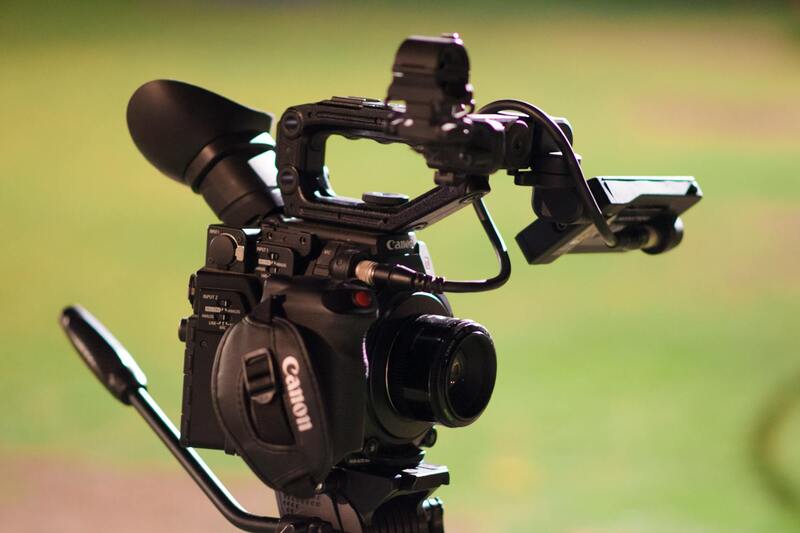
The core responsibility of an events photo team is to provide comprehensive coverage tailored to the client’s needs. This involves strategically positioning themselves to capture key moments, participant interactions, and the overall atmosphere. The team must also be adept at managing time efficiently, ensuring that everything from formal portraits to spontaneous reactions is documented without missing critical details.
Post-event responsibilities often extend into editing, organizing, and delivering the images within specified deadlines. The team may also be involved in producing highlight reels or albums that reflect the event’s theme and mood. Maintaining high standards of professionalism, discretion, and responsiveness throughout all phases ensures that clients receive a polished and memorable visual narrative of their event.
Ultimately, an events photo team balances technical expertise with creative insight, ensuring each photograph contributes meaningfully to the story of the event while adhering to the client’s expectations and the event's unique character.
Roles and Responsibilities of an Events Photo Team
Ensuring comprehensive and captivating coverage of an event requires a well-coordinated effort from a dedicated team of professional photographers. The core responsibility of an events photo team is to visually narrate the story of the occasion, capturing pivotal moments that resonate with both the client and attendees. This involves a keen understanding of timing, positioning, and the flow of event activities. Team members must identify and anticipate key moments such as speeches, awards, or candid interactions, often working discreetly to avoid disrupting the natural 분위기 of the event.
Professional event photographers are skilled in managing diverse lighting environments, from dimly lit banquet halls to bright outdoor settings. Their expertise ensures clarity, color accuracy, and sharpness regardless of conditions. Beyond technical proficiency, team members often specialize in different areas—some focusing on candid shots, others on posed portraits or group photos. Incorporating advanced techniques like utilizing drones for aerial views or capturing video clips adds a multi-dimensional perspective to the event coverage.
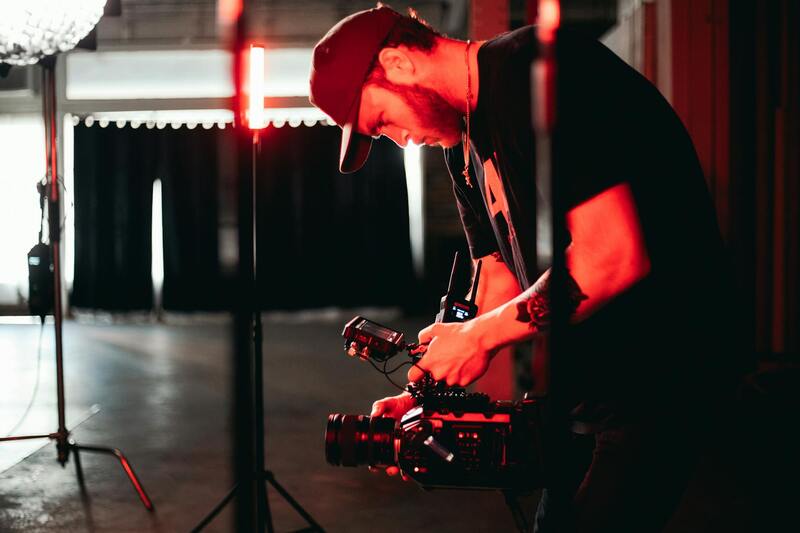
Delegating specific roles within the team optimizes efficiency. For example, one photographer might specialize in capturing behind-the-scenes preparations, while another focuses on the main event activities. This division of responsibilities allows for a broader range of coverage without compromise. Additionally, someone may be tasked with managing auxiliary equipment such as lighting or backup storage devices, minimizing interruptions caused by technical issues.
Post-event responsibilities encompass editing, curation, and timely delivery of images, ensuring the client receives a polished collection of visual memories. These deliverables often include high-resolution photos suitable for print, digital albums, or social media sharing. Creative projects like highlight reels or photo books are often crafted to encapsulate the event’s essence.
Pre-Event Planning and Coordination
Preparation is critical for optimal event coverage. Pre-event planning involves multiple steps to align the photography approach with the event’s goals. Site visits facilitate familiarization with lighting, layout, and logistical challenges. During these visits, the photographer team assesses vantage points, identifies potential obstacles, and plans for equipment setup.
Collaborating with event organizers to develop a detailed shot list ensures that no important moment is overlooked. This list may include formal portraits, candid interactions, key speakers, and specific thematic shots. Clear communication about event timing, schedule, and special arrangements is vital. Understanding the event flow allows the team to position themselves strategically for maximum coverage and minimal disruption.
Equipment and Technology Needed for Event Photography
A professional events photo team is equipped with an array of cameras, lenses, lighting, and accessories to adapt to various scenarios. High-performance DSLR or mirrorless cameras with fast autofocus and high ISO capabilities are standard, providing crisp images in challenging conditions. Prime lenses with wide apertures allow for beautifully blurred backgrounds during intimate moments, while zoom lenses facilitate versatile framing.
Lighting equipment such as portable flashes, diffusers, and reflectors support both ambient and auxiliary lighting needs, especially in dim venues. Camera stabilization tools like gimbals and tripods help achieve steady shots during extended shoots or video recording. Modern technology also includes remote triggering devices, high-capacity storage solutions, and wireless transfer systems that streamline the workflow from shoot to post-production.

Photography Styles and Techniques for Events
Adapting photography styles to match the tone and purpose of the event is crucial. Candid photography captures authentic moments and emotions without posed arrangements, providing a natural depiction of the event atmosphere. Portrait styles focus on individual or group shots, often employing flexible lighting setups and creative framing to add personality and significance.
Documentary approach involves storytelling through sequences of images, seamlessly capturing the progression of the event. Creative techniques such as slow shutter speeds, intentional use of depth of field, and panoramic compositions can add artistic flair. Photographers often switch between wide shots to showcase overall ambiance and close-ups to highlight details like decorations or facial expressions.
Post-Event Photography Workflow
Once the event concludes, the focus shifts to processing the vast collection of images. Initial steps include backing up all photos, followed by culling the images to select the best shots. Post-processing involves color correction, cropping, and retouching to enhance visual quality. This stage also includes categorizing images based on content or moment, making it easier to present a cohesive gallery.
Designing digital albums or selecting images for print requires careful consideration of the narrative flow and aesthetic consistency. Deliverables are provided within agreed-upon timelines, often through secure cloud-based platforms or physical media. The final product reflects the professionalism and creative insight of the photography team, ensuring that the event's memories are preserved in a compelling manner.
Roles and Responsibilities of an Events Photo Team
An events photo team plays a pivotal role in capturing the essence and significance of various gatherings, from corporate functions to social celebrations. Their primary responsibility is to document the event comprehensively, ensuring that every meaningful moment, candid interaction, and key highlight is preserved for future memories and promotional use. This involves not only technical proficiency but also an understanding of event dynamics and the ability to adapt to changing circumstances seamlessly.
Team members typically include lead photographers, assistant photographers, and support staff, each with specific duties that contribute to a cohesive workflow. Lead photographers are responsible for planning shot lists, managing on-site logistics, and executing creative visions aligned with client expectations. Assistants help by managing equipment, adjusting lighting, and capturing auxiliary shots that support the main narrative. Support staff may handle logistics such as setting up equipment, coordinating with event staff, and ensuring smooth workflow during the event.
One critical responsibility is maintaining professionalism and discretion, especially during sensitive moments or private gatherings. The team must balance capturing spontaneous, genuine interactions with respecting guests' comfort and privacy. This requires excellent interpersonal skills, an unobtrusive presence, and adherence to established ethical guidelines for event coverage.
In the digital age, the function of a events photo team extends beyond just taking pictures. It includes real-time monitoring of image quality, quick backups to prevent data loss, and initial selections to streamline post-event editing. Efficient communication with event organizers and clients ensures that expectations are met and that the delivered content aligns with the event’s purpose. Additionally, a well-coordinated team ensures that all logistics are managed seamlessly, from setting up equipment in optimal locations to coordinating shot schedules around the event agenda.
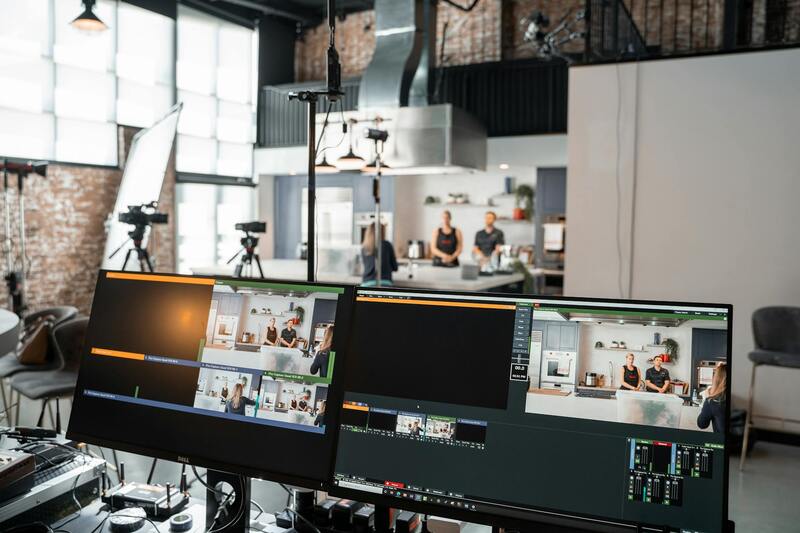
Key Skills and Qualities of a Successful Events Photo Team
- Technical expertise in various cameras, lenses, and lighting equipment
- Strong organizational and planning skills
- Excellent communication and interpersonal skills
- Adaptability and quick decision-making abilities
- Discretion and professionalism in all interactions
- Creative vision and storytelling capability
- Ability to work under pressure and meet deadlines
By diligently fulfilling these responsibilities, an events photo team ensures the creation of high-quality visuals that effectively convey the event's mood, milestones, and memorable moments, contributing significantly to the event’s overall success and historical record.
Roles and Responsibilities of an Events Photo Team
The core responsibility of an events photo team is to capture the essence and atmosphere of an event through expertly composed images. This involves more than just snapping photos; it requires an understanding of the event’s objectives and a keen eye for moments that convey emotion, importance, and authenticity. The team must coordinate seamlessly with event organizers to ensure that all significant moments are documented while respecting the flow of the event, avoiding disruption to guests and activities.
Members of an events photo team are tasked with various roles, including lead photographers, assistants, and technical support personnel. Lead photographers are responsible for setting the creative tone, directing shots when necessary, and ensuring coverage from multiple angles. Assistants help with managing equipment, adjusting lighting, and capturing behind-the-scenes moments. Technical staff handle backup systems, troubleshooting, and maintaining image quality throughout the event.
In addition to their technical duties, team members must embody professionalism and discretion. Their presence should be unobtrusive yet alert, allowing them to capture candid moments authentically. An effective team upholds ethical standards, ensuring that all participants' rights are protected and that sensitive moments are handled with respect. Post-event, the team’s responsibilities extend to reviewing images, selecting the finest shots, and preparing them for delivery in accordance with the client’s specifications.
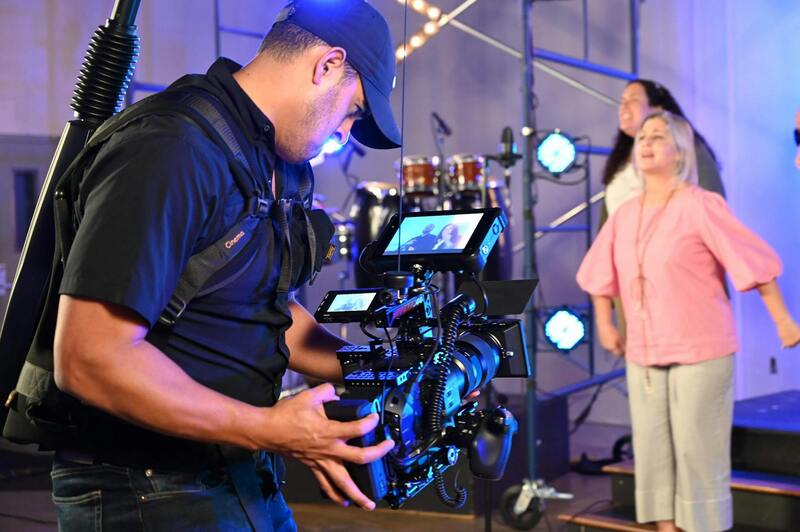
Furthermore, an events photo team must stay adaptable to various environments and lighting conditions. They should possess a range of skills such as quick decision-making, creative storytelling, and technical proficiency in different camera systems. These qualities enable them to produce a comprehensive and compelling visual narrative of the event, from grand speeches to candid interactions among guests.
Choosing the Right Photography Team for Events
Selecting the appropriate team involves assessing experience, portfolio quality, and compatibility with the event's nature. A seasoned team should demonstrate versatility in styles like candid, staged, or documentary photography, tailored to meet client expectations. Communication skills are vital; the team should understand the event’s schedule, key moments, and specific client requests beforehand.
Experience in similar events ensures familiarity with potential challenges such as lighting variations, crowded venues, or time constraints. Prior portfolio reviews allow clients to gauge the team’s style and professionalism. Compatibility and rapport are equally critical because they influence how effectively the team can work with event staff and participants, ensuring smooth operations and natural results.
Pre-Event Planning and Coordination
Effective pre-event planning is fundamental to capturing high-quality images and meeting client expectations. This process includes detailed discussions with clients to understand the event timeline, key moments, and desired outcomes. Photographers should familiarize themselves with the venue’s layout, lighting conditions, and available facilities. Planning shot lists or specific setups helps streamline coverage and avoids missed opportunities.
Coordination with event organizers is essential to schedule photography around the event agenda. This ensures that the team is present for the most significant moments, such as speeches, awards, or ceremonial activities. Additionally, understanding restrictions or guidelines related to photography, such as areas where flash photography might be prohibited, prevents disruptions. Logistics regarding equipment setup, backup plans, and access points should be clarified well in advance to facilitate smooth execution.
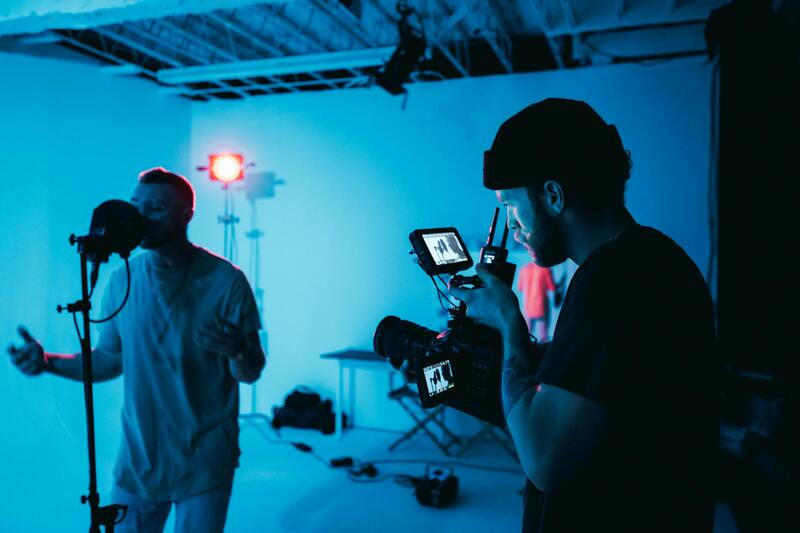
Clear communication between the client, event staff, and photographers helps align expectations and reduces ambiguities. Creating a detailed shot schedule and establishing roles within the team ensures accountability and efficiency. This proactive approach mitigates stress during the event and maximizes the likelihood of capturing all critical moments with precision.
Equipment and Technology Needed for Event Photography
A professional events photo team relies on a diverse arsenal of equipment to deliver high-quality results. Essential tools include high-resolution digital cameras, multiple lenses suited for various scenarios—such as wide-angle lenses for group shots or telephoto lenses for distant subjects—and lighting equipment to adjust for ambient conditions. Portable lighting kits and reflectors are crucial for enhancing image quality in low-light environments or interiors.
Besides cameras and lighting, other vital accessories include sturdy tripods, monopods for stability during long shoots, and high-capacity memory cards for extensive coverage. Battery packs and backup power sources are necessary to ensure continuous operation throughout lengthy events. For real-time image review and backup, wireless transmitters and portable storage devices facilitate quick data transfer and management, reducing the risk of data loss.
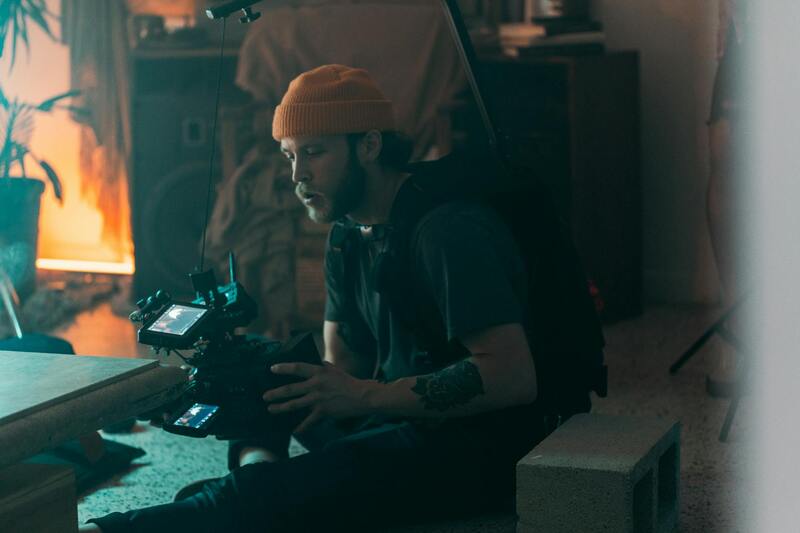
Advanced technology, such as camera drones or 360-degree cameras, may also be integrated into event coverage plans to add innovative perspectives. Additionally, professional editing software ensures that images are processed with the highest standards, ready for immediate sharing or post-event delivery. Equipping the team with the right tools is fundamental to producing consistent, high-quality visual content that aligns with client specifications and enhances the event’s overall documentation.
Roles and Responsibilities of an Events Photo Team
An events photo team serves as the visual chroniclers of a gathering, capturing the essence, ambience, and unique moments that define each occasion. Their primary responsibility is to ensure comprehensive coverage that reflects the event's atmosphere and significance. This includes meticulous planning, coordination, and execution, enabling the team to adapt seamlessly to dynamic environments and changing light conditions.
Specific roles within the team typically include lead photographers, assistant photographers, and technical support staff. Lead photographers set the creative vision and oversee shot composition, lighting, and overall execution. Assistant photographers support with setup, managing auxiliary equipment, and capturing supplementary angles or candid moments. Technical support ensures all devices are functioning correctly, manages data backups, and handles any unforeseen technical challenges that may arise during the event.
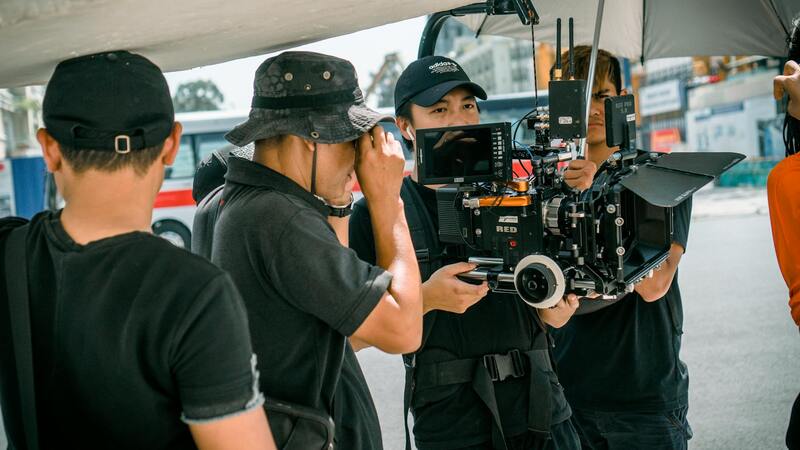
Beyond capturing images, team members are responsible for maintaining a professional demeanor, interacting diplomatically with event attendees, and respecting the environment's integrity. Communication skills are vital for coordinating with event organizers to understand key moments that require special attention. Post-shoot, the team typically assists in initial sorting and file management, ensuring images are organized for subsequent editing and delivery.
Choosing the Right Photography Team for Events
Selecting an appropriate team involves evaluating several core criteria. Experience in similar event types—be it corporate functions, weddings, or conventions—is essential to ensure familiarity with event flow and specific photography needs. A portfolio demonstrating a range of styles and the ability to adapt to diverse settings provides insight into the team’s versatility and professionalism.
Effective communication skills and a collaborative attitude are crucial for seamless coordination. It is also important to assess the team's technical expertise, including proficiency with the latest camera equipment, lighting tools, and editing software. A reliable event photography provider should have a clear understanding of client expectations, with a proven track record of delivering high-quality images within strict timelines.
Pre-Event Planning and Coordination
Thorough pre-event planning ensures that the photography team is fully prepared and aligned with the client’s vision. This process begins with detailed discussions to understand key moments, desired shots, and unique features of the event. The team collaborates with event organizers to develop a comprehensive shooting schedule, establishing shot lists and identifying critical moments that require priority coverage.
Pre-arrival site visits allow the team to familiarize themselves with the venue's layout, lighting conditions, and potential logistical challenges. This step facilitates strategic placement of photographers, lighting setup, and equipment staging. During this phase, contingencies are also planned for unforeseen circumstances, such as changes in event timing or location adjustments.
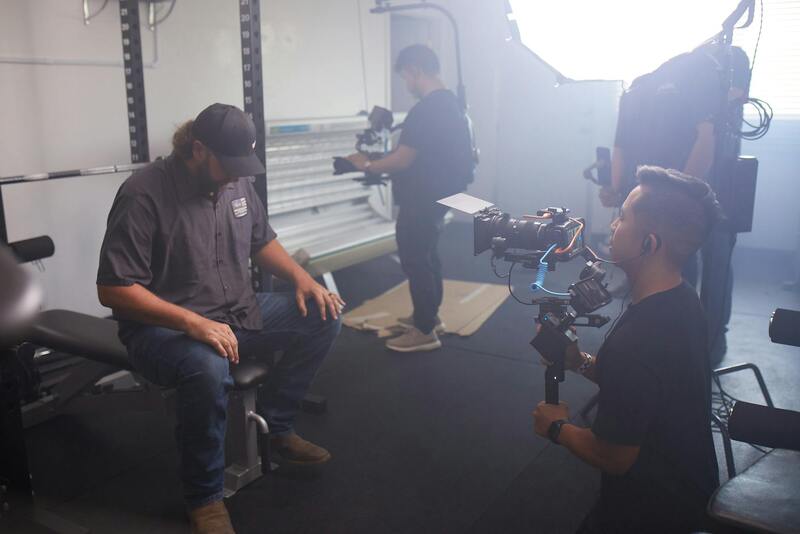
Clear communication with clients and event staff fosters a mutual understanding of expectations and responsibilities. This includes establishing points of contact, confirming equipment needs, and defining access protocols. Pre-event planning is instrumental in aligning the photography team’s approach with the event’s overall goals, paving the way for a smooth execution and high-quality results.
Roles and Responsibilities of an Events Photo Team
In any successful event coverage, the roles within an events photo team are clearly defined to ensure seamless execution. The primary photographer acts as the lead, responsible for capturing the key moments, managing lighting conditions, and directing subjects when necessary. Assistant photographers support the lead by handling auxiliary tasks such as managing lighting setups, capturing candid shots, and ensuring all equipment is functioning properly. A dedicated coordinator or production assistant might be involved to oversee schedules, manage logistics, and facilitate communication between the photographers and event staff.
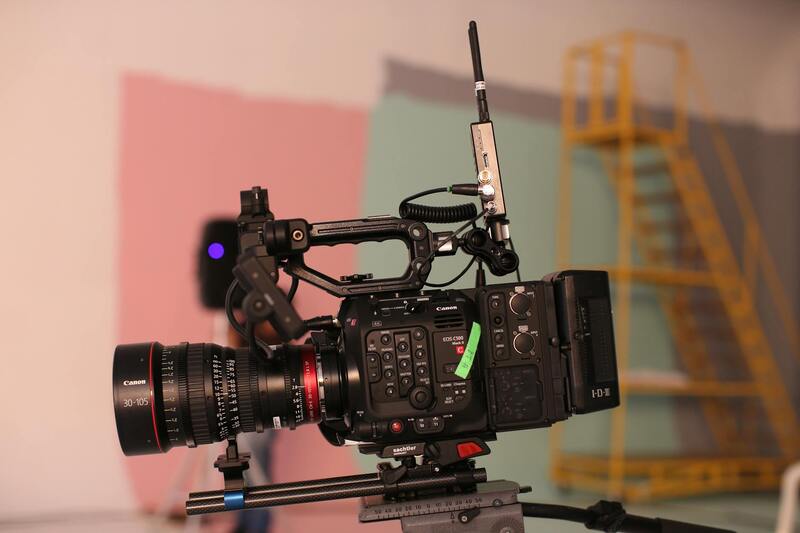
Additionally, technical personnel may be present to operate complex lighting equipment, video recording devices, or drone technology if aerial shots are needed. Post-shoot management is another critical responsibility, involving cataloging images, backing up data, and preparing photos for editing. Each team member must work cohesively, understanding their specific duties, and align with the overall event goals to produce a comprehensive visual story that accurately reflects the event's essence.
Choosing the Right Photography Team for Events
Selecting a professional team involves evaluating experience, specialization, and adaptability. A seasoned team brings a portfolio of diverse event types, demonstrating their ability to handle different environments and lighting conditions. Specialized event photographers often excel in capturing particular moments, whether it’s candid interactions, formal portraits, or dynamic action shots.
Cost is a crucial factor, but it should be balanced against the team’s expertise and the quality of their work. Client testimonials and references offer valuable insights into their professionalism and reliability. Compatibility with your event’s theme and logistical needs is also vital to avoid surprises on the day of the event.
Pre-Event Planning and Coordination
Thorough pre-event planning ensures that the photography team is fully prepared and aligned with the client’s vision. This process begins with detailed discussions to understand key moments, desired shots, and unique features of the event. The team collaborates with event organizers to develop a comprehensive shooting schedule, establishing shot lists and identifying critical moments that require priority coverage.
Equipment and Technology Needed for Event Photography
Successful event photography relies heavily on the right equipment. High-quality DSLR or mirrorless cameras equipped with fast lenses enable capturing sharp images in various lighting conditions. Additional equipment such as flash units, wireless triggers, and reflectors help optimize lighting. For large venues, powerful external flashes or continuous lighting systems ensure proper illumination. Portable studio lighting or LED panels are useful for posed portraits or formal shots.
Incorporating modern technology like drones opens new perspectives, especially for panoramic or aerial shots of large venues. Advanced image management software and backup solutions safeguard data and streamline post-event workflows. Equipping the team with reliable communication devices ensures seamless coordination during the event.
Photography Styles and Techniques for Events
Employing varied styles enhances the storytelling aspect of event coverage. Candid photography captures authentic moments and genuine expressions, enriching the narrative of the event. Formal portraits highlight key individuals and official moments, often requiring controlled lighting and background settings. Action shots focus on dynamic interactions, such as dancing, sports activities, or speeches, demanding quick reflexes and rapid autofocus capabilities.
Utilizing techniques like off-camera lighting, slow shutter speeds, and intentional depth of field can add creative flair to images. Blending traditional posed shots with spontaneous captures results in a comprehensive visual record that appeals to different audiences and purposes.
Post-Event Photography Workflow
Post-event processes are as important as the shoot itself. Immediate steps include copying all images to secure storage devices, categorizing photos by event segments, and selecting the best shots for editing. Professional editing involves color correction, cropping, retouching, and applying consistent filters to maintain visual cohesion across the gallery.
Once editing is complete, delivering images via a secure online gallery, USB drive, or printed album ensures clients receive their photos promptly. Archiving raw and edited files systematically facilitates future use or reprints. An organized workflow from backup to delivery guarantees quality control and client satisfaction.
Roles and Responsibilities of an Events Photo Team
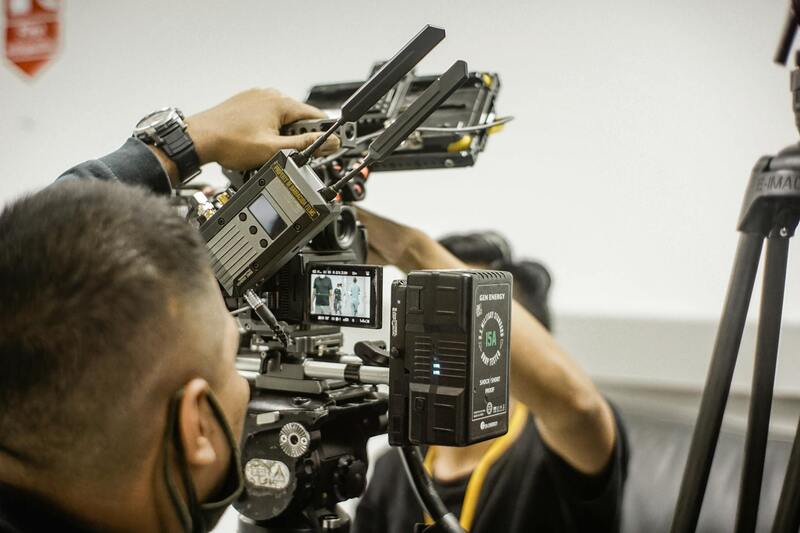
The core role of an events photo team extends beyond mere picture taking; they are instrumental in capturing the essence, atmosphere, and key moments of any occasion. Responsibilities include meticulous planning prior to the event, understanding the client’s expectations, and coordinating seamlessly with event organizers. During the event, team members must be vigilant, ready to capture candid moments, formal portraits, and spontaneous interactions that encapsulate the event’s spirit. A professional team must also handle all technical aspects, including managing lighting conditions, adjusting camera settings on the fly, and ensuring all equipment functions optimally. Post-event duties involve careful curation of images, editing for clarity and consistency, and delivering curated galleries in a timely manner. Their role is pivotal in creating a comprehensive visual narrative that not only documents the event but also elevates its perceived value. Effective communication within the team and with clients ensures that specific moments of importance are prioritized, and they often take the lead in coordinating shot lists, especially for formal or promotional photos. The responsibility to uphold high photographic standards, respect privacy, and adhere to scheduled timelines underscores their professionalism and commitment.
Choosing the Right Photography Team for Events
Selecting an appropriate events photo team requires careful evaluation of their experience, portfolio, and compatibility with the event’s objectives. Clients should consider teams with proven expertise in handling similar event types, whether corporate, social, or cultural. Reviewing previous work allows clients to assess stylistic preferences, quality standards, and professionalism. It is essential to confirm that the team is well-versed in a variety of photography techniques suitable for different lighting environments and event dynamics. Additionally, understanding their post-production processes and delivery timelines guarantees alignment with the client’s expectations. Reliability and clear communication are vital, so candid discussions about coverage scope, equipment used, and backup plans help ensure a smooth collaboration. Choosing a local team with knowledge of the venue and logistical considerations can lead to more efficient operations. Overall, a well-selected team not only captures high-quality images but also contributes to the overall success and memorable reflection of the event.
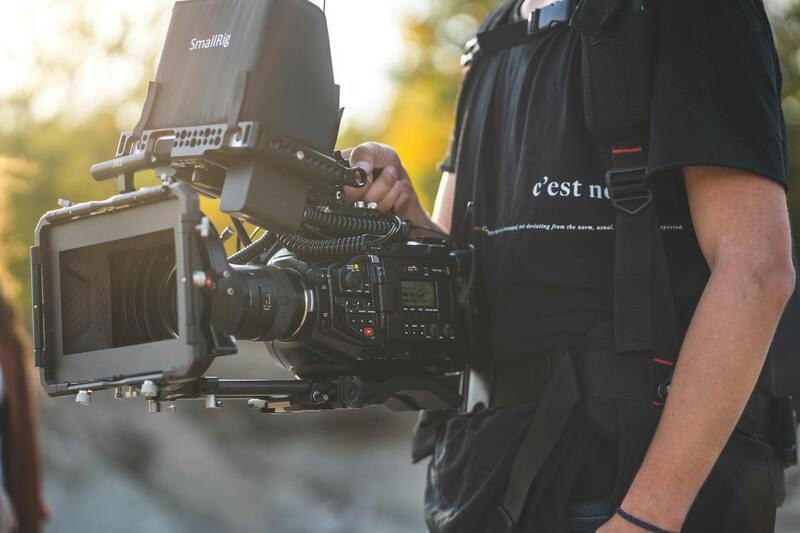
Pre-Event Planning and Coordination
Effective pre-event planning is critical to successful event coverage. This process involves detailed communication with clients to understand their goals, key moments to capture, and any specific shots desired. It also includes logistical planning such as assessing the venue’s layout, lighting conditions, and designated areas for staged shots.
Creating a shot list and schedule beforehand ensures comprehensive coverage without missing crucial moments. Coordinating with event organizers allows photographers to position themselves strategically, manage timing efficiently, and adapt to evolving scenarios. Provisioning backup equipment and establishing clear workflows for image handling help mitigate unforeseen technical issues. Additionally, sharing an itinerary with the team ensures everyone is aligned on expectations, designated responsibilities, and deadlines for deliverables.
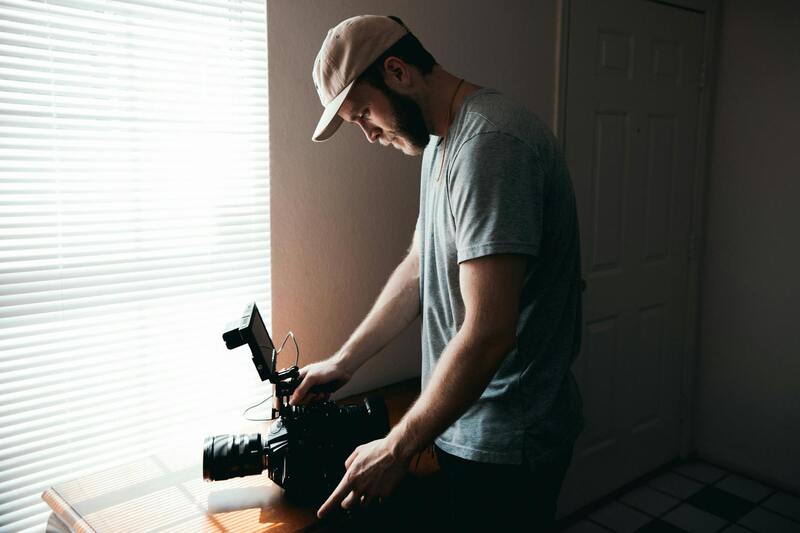
Equipment and Technology Needed for Event Photography
Successful event photography hinges on the right equipment. High-quality digital cameras with fast autofocus and excellent low-light performance are essential for capturing sharp images in varying lighting conditions. Professional-grade lenses, including wide-angle for group shots and telephoto for candid or distant moments, enhance versatility. Lighting equipment such as portable flashes, reflectors, and diffusers help manage unpredictable lighting environments. Backup batteries, memory cards, and portable storage devices safeguard against data loss and ensure continuous operation. Modern technology like remote triggers, stabilizers, and drone cameras can add dynamic perspectives to coverage. Effective use of editing software streamlines post-processing, allowing for color correction, cropping, and retouching while maintaining image integrity. Ensuring that all equipment is well-maintained and tested before the event contributes to a smooth workflow, minimizing delays or technical glitches during critical moments.