Importance of High-Quality Realty Photography
In the competitive Miami real estate market, the visual presentation of a property plays a critical role in attracting potential buyers and closing sales efficiently. High-quality realty photography serves as the first impression for online listings, offering a window into the property's unique features and overall appeal. Professional images showcase the property's best angles, emphasizing spaciousness, natural lighting, and modern renovations, which collectively boost buyer interest and engagement.
A well-executed photo portfolio can significantly influence a buyer’s decision-making process, reducing the time a property spends on the market. For Miami properties, where aesthetic appeal and lifestyle representation are vital, professional photography can differentiate listings amidst a bustling landscape of real estate options. Additionally, high-quality images can help establish trust and credibility for the seller and the agent, creating an impression of professionalism and attention to detail.
Furthermore, the Miami real estate market witnesses a diverse range of properties—from luxurious waterfront estates to contemporary condominiums. Each demands tailored visual strategies that highlight the property's unique selling points. Effective realty photography captures these elements authentically, ensuring that buyers can envision living in the space. In an era where online browsing is often the first step in property searches, investing in top-tier photography increases online visibility, attracts a larger pool of qualified buyers, and ultimately maximizes sale potential.
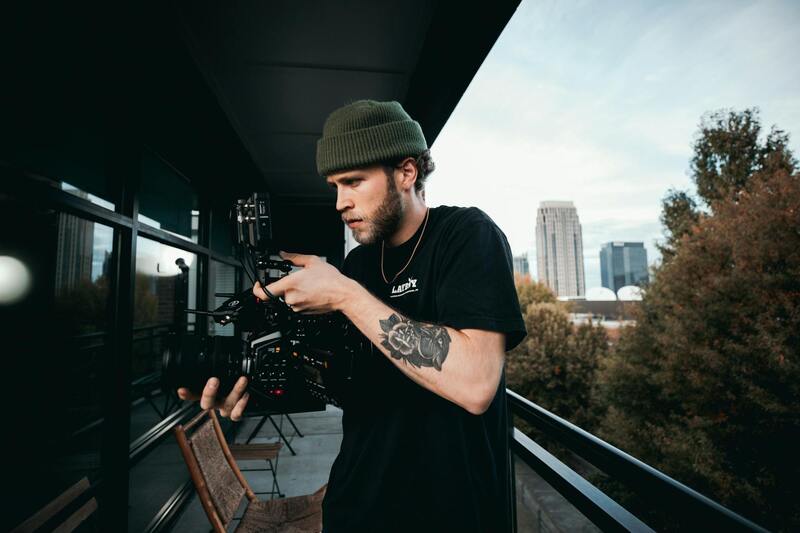
Property owners and real estate professionals who prioritize professional photography often see faster sales and higher closing prices. The investment in expert visual representation is a strategic move that aligns with market expectations and the contemporary buyer’s preference for immersive, appealing property visuals. Ultimately, the power of professional realty photography lies in transforming ordinary listings into compelling visual stories that resonate with prospective buyers.
Choosing the Right Equipment and Techniques
Ensuring stunning and professional realty photography begins with selecting appropriate equipment and applying proven techniques. High-quality images require more than just an expensive camera; they demand precision in equipment choice and mastery of photographic methods. For instance, professional-grade DSLR or mirrorless cameras with full-frame sensors are preferred to capture clear, detailed images with accurate color reproduction and wide dynamic range.
Lens selection is equally critical. Wide-angle lenses are often utilized to depict spacious interiors effectively, making rooms appear larger and more inviting. However, it's essential to avoid excessive distortion, which can misrepresent the property's actual dimensions. Skilled photographers carefully choose angles that emphasize the best features of each space, such as large windows, high ceilings, or unique architectural details.
Beyond equipment, proper lighting techniques are fundamental. Utilizing natural light when possible enhances the authenticity and vibrancy of images, highlighting the property's true ambiance. Supplemental lighting, such as overhead lights or strobes, can eliminate shadows and evenly illuminate darker areas, producing balanced exposure across all rooms. The use of tripod stabilization is vital to achieve sharp images, especially in low-light conditions or when capturing interior details.
To further elevate image quality, photographers often employ HDR (High Dynamic Range) techniques. This involves taking multiple shots at different exposures and blending them to accurately portray both bright and shadowed areas. This method ensures that interior shots are detailed and visually appealing, even when windows or complex lighting conditions are present.
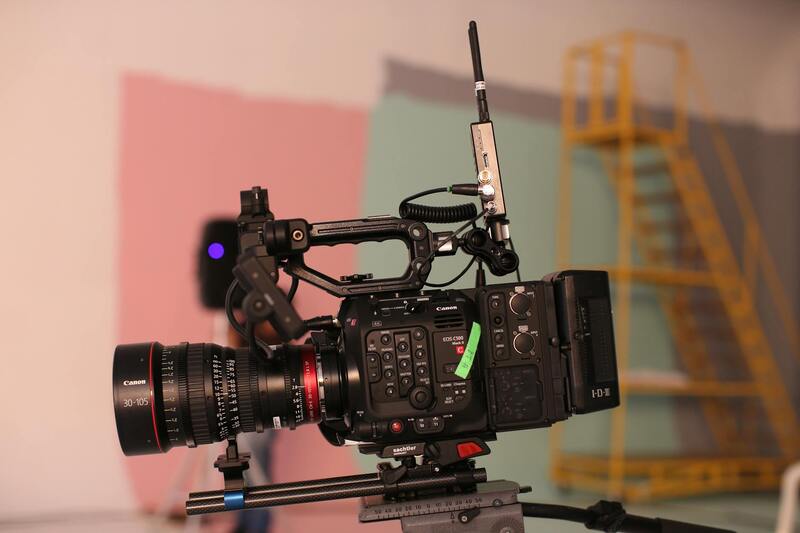
Having the right tools is just part of effective realty photography. Equally important is applying techniques such as strategic composition, framing, and color correction. Well-composed images guide the viewer’s eye through key features of the property, highlighting its best qualities without misleading potential buyers. Color correction and white balance adjustments during post-production ensure that images accurately represent the property's real hues, fostering trust and transparency in listings.
By combining high-grade equipment with refined photographic techniques, real estate professionals can produce imagery that not only captures the essence of the property but also appeals to the discerning online audience in the competitive Miami market.
Choosing the Right Equipment and Techniques
Selecting appropriate equipment is fundamental for producing compelling realty images that meet the high standards expected in Miami's dynamic real estate market. The choice of camera plays a pivotal role; professional-grade DSLRs and mirrorless cameras with full-frame sensors are preferred for their superior image quality, dynamic range, and low-light performance. Such cameras facilitate capturing intricate details and subtle color nuances, ensuring that every shot reflects the property's true allure.
Lens selection is equally critical. Wide-angle lenses, typically ranging from 14mm to 24mm, enable photographers to capture expansive interior spaces within a single frame, giving potential buyers a comprehensive view of the property. Prime lenses with fast apertures, such as f/1.8 or f/2.8, are often employed to maximize light intake, especially in interior shots where lighting may be limited.
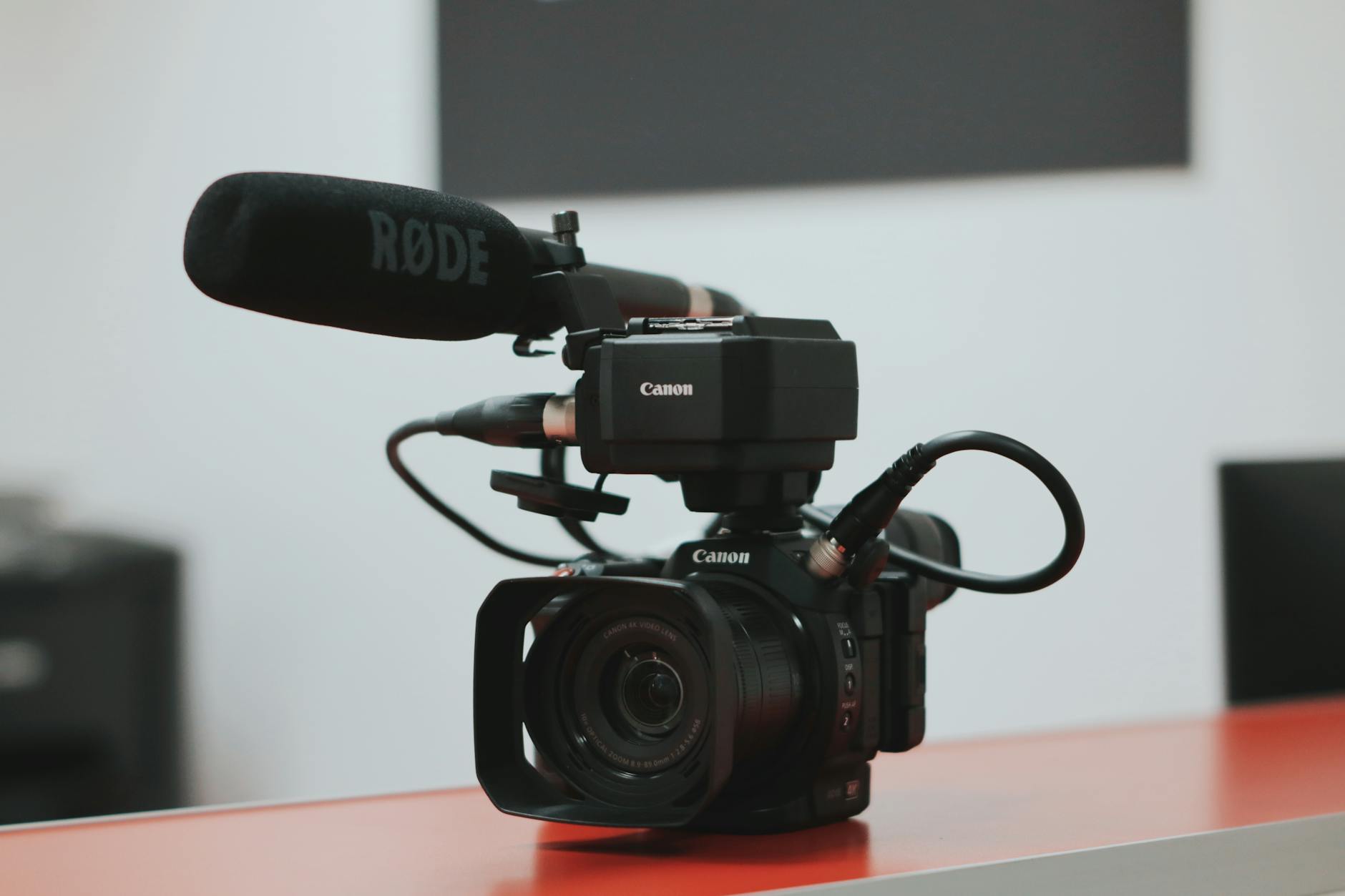
Lighting setup significantly influences the quality of realty images. Natural light remains the first choice; however, supplemental lighting sources, including softboxes and strobes, are used to even out lighting across diverse interior spaces. Proper placement of these lights minimizes harsh shadows and highlights architectural features. For exterior shots, shooting during the golden hour—shortly after sunrise or before sunset—enhances the property’s visual appeal with warm, diffused natural light.
In terms of shooting techniques, Miami realty photographers often implement strategic composition and framing to highlight the property's strongest features. Techniques such as the rule of thirds, leading lines, and symmetry guide viewers' eyes toward focal points, creating an engaging visual narrative. Consistent white balance and proper exposure settings prevent color distortions, ensuring that images faithfully represent the property's color palette and ambiance.
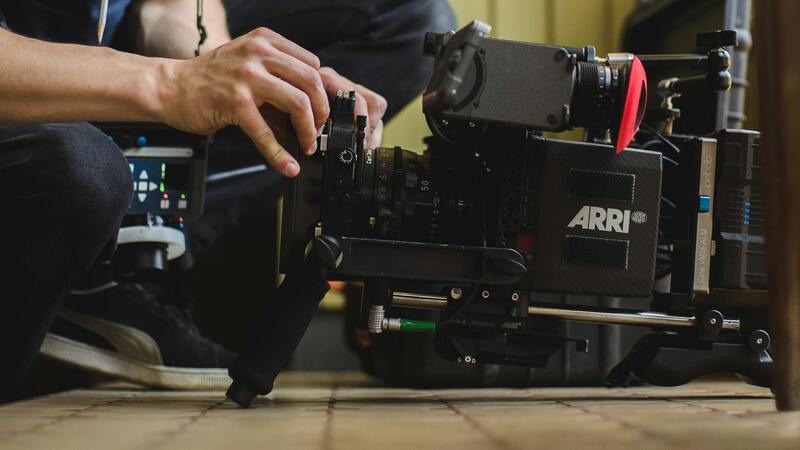
Advanced Shooting Methods and Post-Processing
Utilizing HDR imaging is common practice to ensure balanced exposures in challenging lighting conditions. Merging multiple exposures captures the full range of brightness from windows to interior shadows, producing images that are both detailed and vibrant. Additionally, utilizing tripod stabilization guarantees sharpness, especially when capturing interior details or low-light scenes.
Post-processing plays a vital role in perfecting realty photos. Color correction and white balance adjustments during editing help correct subtle color casts and enhance the property's natural hues. Noise reduction and sharpening techniques further improve overall clarity. Skilled editing ensures that images are striking and consistent across listings, contributing to professional presentation and viewer engagement.
Implementing Cutting-Edge Techniques for Competitive Advantage
In the Miami real estate market, staying ahead with innovative photography techniques can significantly impact listing performance. Incorporating drone photography to capture aerial views offers prospective buyers a unique perspective of the property’s exterior and surrounding neighborhood. Panoramic images and 360-degree virtual tours provide immersive experiences that draw higher engagement online.
Modern techniques also include the integration of virtual staging, which digitally furnishes empty spaces, allowing buyers to visualize potential layouts and design ideas. This approach is cost-effective and adaptable, making it a valuable asset in Miami’s fast-paced property market. When combined with high-quality images, these advanced methods deliver a comprehensive marketing package that resonates with today's digital-savvy buyers.
Choosing the Right Equipment and Techniques
Effective realty photography hinges on selecting appropriate equipment and mastering advanced techniques that capture a property's true potential. High-quality cameras equipped with wide-angle lenses are essential for photographing both interiors and exteriors, allowing viewers to perceive spaces accurately and generously. Aperture settings should be optimized to keep entire rooms in focus, ensuring sharpness from foreground to background. Tripods are indispensable for maintaining stability, particularly in low-light conditions or interior shots with longer exposure times, thereby preventing blurry images.
Lighting plays a pivotal role in realty photography. Natural light is generally preferred, as it renders rooms in their most authentic state. Photographers often schedule shoots during times when sunlight floods the property, such as late morning or early afternoon. Supplementing natural light with professional lighting equipment can eliminate shadows and highlight architectural features, especially in darker areas or rooms with limited windows. High-powered strobes or LED panels with adjustable color temperature help achieve balanced and inviting lighting conditions.
Employing techniques such as HDR (High Dynamic Range) photography allows for balanced exposure across scenes with contrasting lighting conditions, such as bright windows and darker interior spaces. Sequential shooting at different exposure levels and merging them in post-production results in images that reveal intricate details both inside and outside the property. Additionally, the use of drone photography provides aerial perspectives, showcasing the property's exterior, landscape, and neighborhood context — elements critical to an appealing listing.
When executing realty photography in Miami's competitive real estate environment, leveraging advanced techniques like panoramic captures and 360-degree virtual tours creates immersive experiences that keep prospective buyers engaged. These methods not only provide comprehensive views of the property but also give viewers a realistic sense of space and layout, bridging the gap between online viewing and in-person visits.
Staying updated with the latest equipment advancements and mastering these techniques can significantly elevate property listings, attracting more interest and speeding up the sales process. Assuring consistency in image quality across all listings further enhances an agent’s professional image and builds trust with clients and prospective buyers alike.
The Role of Virtual Staging and 3D Tours
Virtual staging and 3D virtual tours have become essential components in the toolbox of modern realty photography, adding layers of immersion and interactivity that static images alone cannot achieve. These technologies allow potential buyers to envision living in a space, transforming empty or outdated interiors into inviting, furnished environments without the need for physical staging. Virtual staging involves digitally adding furniture, décor, and accessories to photos, enhancing the visual appeal and helping buyers relate to the property's potential.
Complementing virtual staging, 3D virtual tours provide an interactive walkthrough experience. Buyers can navigate through rooms at their own pace, exploring the layout and spatial relationships in detail. These tours utilize specialized camera equipment and software to capture comprehensive images of the property, creating a seamless and realistic virtual environment. Such immersive experiences significantly increase online engagement, offering a glimpse into the property's flow and ambiance that photographs alone may not fully convey.
Both virtual staging and 3D tours also serve as valuable marketing tools in competitive markets. They enable real estate professionals to showcase properties in a highly engaging manner, attracting a broader audience, including remote buyers or investors. This integration of advanced visualization techniques enhances the perceived value of listings, leading to quicker interest and potentially higher offers.
Furthermore, virtual staging can be tailored to appeal to different buyer demographics by adjusting interior design styles, colors, and themes. This flexibility helps properties stand out in online listings, presenting a polished and aspirational image. Meanwhile, 3D tours provide the ability to zoom in on specific features, such as custom cabinetry or unique architectural details, offering an in-depth view that static images cannot match.
Implementing these technologies requires collaboration with specialists in virtual staging and 3D tour creation. Proper integration involves planning the sequence of images, ensuring high-resolution captures, and aligning virtual enhancements with the actual space to maintain authenticity and credibility. By leveraging these innovative methods, real estate agents in Miami can significantly enhance their property marketing strategies, creating compelling, memorable listings that resonate with today's digitally savvy buyers.
Strategies for Effective Editing and Optimization of Realty Photos
Sharp, vibrant imagery plays a crucial role in captivating potential buyers during the property search. After capturing high-quality images, meticulous editing is essential to ensure each photo conveys the property's best features while maintaining authenticity. Professional editing techniques involve adjusting brightness, contrast, and color balance to highlight key architectural details and interior features without over-saturation. It’s important to remove any distracting elements such as clutter, glare, or minor imperfections that could detract from the property's appeal.
Consistent color grading across all images creates a cohesive visual story, making listings more attractive and easier for viewers to engage with. Implementing subtle depth-of-field effects can draw attention to focal points like spacious living rooms or stylish kitchen features.
In addition, optimizing images for online platforms involves adjusting file sizes to balance visual quality with fast loading times. This ensures that potential buyers can view the images seamlessly on various devices, whether desktops, tablets, or smartphones. Proper compression techniques prevent images from becoming sluggish to load, which can negatively impact user experience and listing visibility.
Search engine optimization (SEO) also plays a vital role. Including relevant keywords in the image file names and alt text helps search engines index the images appropriately, increasing their chances of appearing in local and relevance-based searches. Using descriptive, keyword-rich file names like "Miami-luxury-condo-living-room.jpg" enhances discoverability and aligns with what prospective buyers are typing into search queries.
Platforms such as MLS, real estate websites, and social media channels often have specific requirements for image dimensions and formats. Ensuring that images meet these guidelines maximizes their presentation quality and prevents issues such as pixelation or cropping distortions. Adapting images for various formats—JPEG for photographs, PNG for graphics or overlays—is a standard best practice.
Finally, leveraging retouching tools skillfully can help preserve the property’s natural look while accentuating desirable features. Expertly edited photos are instrumental in creating a compelling visual narrative that motivates viewers to schedule viewings or request additional information.
Importance of High-Quality Realty Photography
In the highly competitive Miami real estate market, the presentation of property images can significantly influence buyer interest and engagement. Professional-quality realty photography captures the true essence of a property, highlighting its best features and creating an appealing visual narrative that resonates with prospective buyers. High-resolution images with accurate color balance, sharp focus, and proper lighting ensure that each property stands out in online listings, social media campaigns, and virtual tours.
Investing in superior photography helps to build trust and credibility with potential clients, showcasing the professionalism of the listing agent and the quality of the property. When prospective buyers view crisp, well-composed photos, they are more likely to schedule viewings and initiate negotiations. In essence, high-quality images serve as authentic representations that set realistic expectations while enticing viewers to learn more about the property.
Key Elements of Effective Realty Photography
- Lighting: Proper lighting is fundamental to showcase a property’s ambiance. Utilizing natural light and supplemental lighting ensures spaces appear bright, welcoming, and true to life.
- Composition: Following the rule of thirds and strategic framing directs attention to the property’s key features. This includes maintaining balance and avoiding clutter or distractions within the frame.
- Perspective: A combination of wide-angle shots and detailed images creates a comprehensive view, helping viewers understand space dimensions and flow.
- Consistency: Maintaining a uniform style across all property images increases professionalism and brand cohesion.
Choosing the Right Equipment and Techniques
Utilizing high-end cameras with wide-angle lenses captures ample detail across expansive rooms, providing a sense of space and depth. Tripods and stabilization equipment help achieve sharp, distortion-free images, especially in interior shots that require longer exposures. Advanced techniques, such as HDR (High Dynamic Range), combine multiple exposures to balance bright windows with darker interiors, resulting in well-exposed images that reflect real-world brightness levels.
Post-Processing and Image Enhancement
After capturing the images, professional editing ensures that every photo correctly reflects the space without misrepresentation. Adjustments to brightness, contrast, and color correction enhance visual appeal while maintaining authenticity. Cropping and straightening lines are crucial for creating balanced compositions. Subtle retouching can reduce imperfections, such as glare or shadows, but should not alter the natural look of the property.
Retouching software like Adobe Lightroom or Photoshop allows for precise control, ensuring the images meet the desired aesthetic and quality standards. Consistent editing styles across listings reinforce branding efforts and increase viewer trust in the property’s depiction.
The Role of Virtual Staging and 3D Tours
Virtual staging involves digitally furnishing empty or outdated spaces, transforming interiors to appear more inviting and functional. This technique allows prospective buyers to visualize the potential of each room without the costs associated with physical staging. It provides a realistic preview of the space's full potential, which can lead to increased interest and faster sales.
Similarly, 3D virtual tours offer immersive experiences, allowing viewers to navigate the property remotely. These digital representations foster a deeper connection and provide comprehensive insight into a property's layout, flow, and features, ultimately enhancing the overall marketing strategy.
Optimizing Realty Photos for Online Listings
Effective online listing optimization begins with selecting the most compelling images that showcase the property's key attributes. Prioritizing high-resolution, well-lit photos and arranging them strategically enhances the visual narrative. Incorporating descriptive file names and optimized alt text improves searchability and indexing by search engines, increasing the visibility of listings in local searches.
Ensuring images adhere to specific platform specifications, such as dimension and format requirements, prevents distortions and maintains professional quality. Proper image compression techniques balance image clarity with fast loading times, providing potential buyers with a seamless browsing experience across devices. Accurate representation combined with aesthetic appeal encourages more clicks, longer viewing durations, and ultimately, higher inquiries and sales outcomes.
Moreover, integrating virtual tours, 3D models, and virtual staging into online listings creates an engaging experience that appeals to modern homebuyers seeking convenient and comprehensive property insights.
Future Trends in Miami Realty Photography
Emerging Technologies Driving Innovation
As the Miami real estate market continues to evolve, so does the landscape of realty photography. Cutting-edge technologies are increasingly influential in shaping how properties are presented online and through digital media. Incorporating artificial intelligence (AI) tools, such as automated image editing and virtual staging, streamlines the production process while maintaining high standards of visual excellence. AI-driven enhancements can stabilize exposure, correct color balance, and remove imperfections, ensuring each image accurately reflects the property's best features.
Similarly, advancements in 360-degree photography and virtual reality (VR) are making immersive property experiences more accessible to potential buyers. With high-quality 3D virtual tours, clients can explore properties remotely with a level of detail and engagement that static images cannot provide. This facilitates faster decision-making and expands the reach of Miami's real estate listings to a broader, global audience.

Stylistic Trends Enhancing Visual Appeal
Stylistically, Miami’s realty photography is leaning toward more cinematic and minimalistic visual narratives. Photographers focus on capturing natural light and emphasizing open spaces to create inviting atmospheres. Warm tones and high dynamic range (HDR) imaging are popular for highlighting architectural details while preserving authentic colors and textures. Additionally, staging techniques are becoming more sophisticated, with virtual staging gaining prominence as a flexible, cost-effective alternative to physical staging.
Another noticeable trend is the use of drone photography to showcase sprawling outdoor spaces, neighborhoods, and aerial views of luxury properties. These images provide a unique perspective that enhances property listings' attractiveness and helps distinguish Miami listings in a competitive market.
Environmental and Sustainable Design Considerations
With Miami’s increasing focus on sustainability, realty photography is also highlighting eco-friendly features such as solar panels, green roofs, and energy-efficient systems. High-resolution images emphasize these elements, appealing to environmentally conscious buyers. Photographers are experimenting with angles and lighting techniques to accentuate sustainable design features, effectively integrating them into the overall aesthetic of the property.
Ultimately, the future of Miami realty photography hinges on technological advancements that enable more immersive and accurate property representations, alongside stylistic choices that align with market trends and buyer preferences. Embracing these innovations proactively ensures that real estate professionals remain at the forefront of digital marketing excellence, providing compelling visual narratives that resonate with modern buyers and investors nationwide and worldwide.