Understanding the Role of Real Estate Photographers
In the highly competitive real estate market, visual presentation significantly influences potential buyers’ impressions and decisions. Real estate photographers play a vital role in showcasing properties at their best, capturing images that highlight the space, design, and unique features of each home. Their work is central to creating compelling property listings that attract attention and generate interest across various marketing channels.
High-quality photography serves as the first impression for many prospective buyers browsing online listings. Professional images can effectively communicate the scale of rooms, the quality of finishes, and the overall ambiance of a property. As a result, listings that feature professional photography tend to garner more views, inquiries, and scheduled viewings compared to those with amateur photos.
Specialized real estate photographers bring a keen understanding of lighting, composition, and staging to their craft. They utilize their skills to produce images that are both visually appealing and true to the property's actual appearance. This precision helps establish trust with potential buyers and facilitates a seamless transition from online interest to in-person visits.
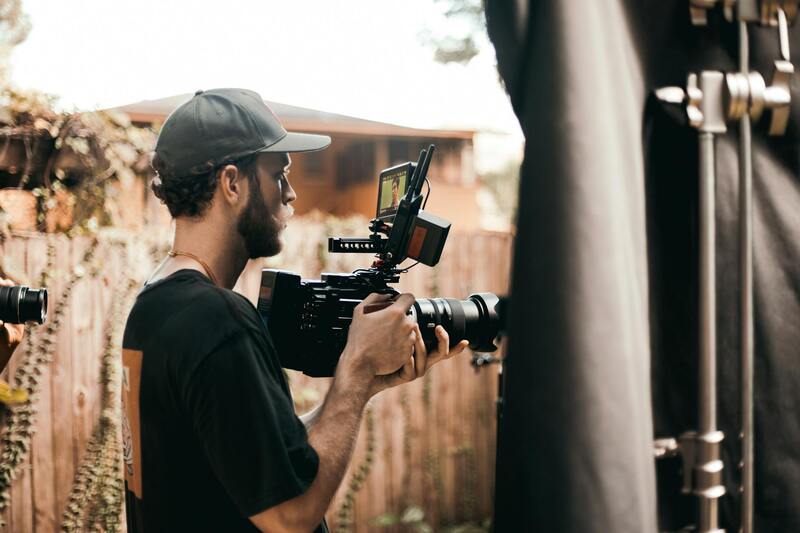
Their dedication to excellence directly benefits real estate agents and property owners by ensuring that listings stand out in a crowded marketplace. From capturing captivating interior shots to highlighting exterior features and landscape views, professional real estate photographers are crucial for effective property marketing strategies.
Beyond just taking photos, these professionals often offer additional services such as drone imaging, virtual tours, and 3D walkthroughs, leveraging the latest technology to elevate property presentations even further. This comprehensive approach not only attracts a larger pool of potential buyers but also enhances overall marketing campaigns, ultimately leading to faster sales and better return on investment.
Key Skills and Equipment of Professional Real Estate Photographers
Mastering the art of real estate photography demands a blend of technical expertise, advanced equipment, and creative insight. Experienced photographers possess a deep understanding of how to manipulate lighting and angles to accentuate the best features of a property. They are skilled in adjusting camera settings such as ISO, aperture, and shutter speed to ensure optimal exposure and clarity, regardless of lighting conditions within or outside the property.
Successful real estate photographers are also proficient in post-processing techniques. Using professional editing software, they refine images to enhance brightness, correct color distortions, and remove minor imperfections, all while maintaining the authenticity of the property’s appearance. This attention to detail ensures that each image accurately represents the space, fostering trust with prospective buyers.
Regarding equipment, high-quality digital cameras with full-frame sensors are standard, enabling photographers to capture crisp, detailed images that do not compromise quality at different resolutions. Wide-angle lenses are essential for showcasing room layouts and interior spaces, providing an immersive viewing experience that makes spaces appear larger and more inviting. Tripods are widely used to stabilize shots, especially in low-light conditions or when capturing HDR (High Dynamic Range) images, which combine multiple exposures for a balanced result.
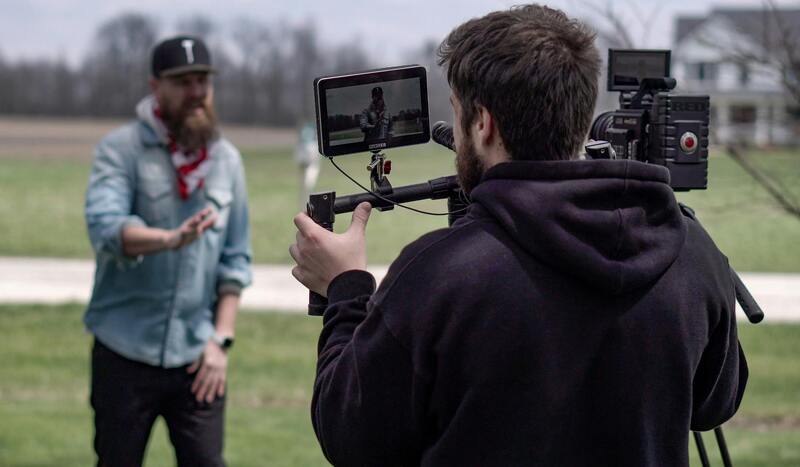
Additional technological tools such as drone cameras allow for aerial shots that highlight outdoor features and property surroundings. Advanced lighting gear, including portable flash units and reflectors, help mitigate shadows and uneven illumination, particularly in interior spaces. Furthermore, the adoption of 3D imaging and virtual tour platforms expands the marketing potential of their visual content, allowing potential buyers to explore properties remotely with heightened realism.
Overall, a combination of technical skill, sophisticated equipment, and innovative methods enables real estate photographers to produce compelling visuals that catch the eye and provide an accurate representation of properties. These elements are fundamental to creating standout marketing materials that resonate in competitive real estate markets like Miami.
Factors Influencing the Cost of Real Estate Photography Services
Understanding the pricing structure for professional real estate photography involves considering several distinct factors. First, the size and complexity of the property significantly impact the overall cost. Larger homes or commercial spaces typically require more time for setup, shooting, and editing, which naturally influences the fee. Additionally, the number of images needed for marketing – including individual room shots, exterior shots, and additional detail images – can also alter the pricing. A comprehensive listing with a high volume of photos demands more effort and resources from the photographer.
Turnaround time plays a crucial role in pricing as well. Urgent deadlines may require photographers to prioritize the shoot above others, often leading to higher rates. Clients who need swift delivery of images, especially before a listing goes live, might pay a premium for expedited service.
The experience and reputation of the photographer are equally important factors. Established professionals with a proven track record of delivering high-quality imagery may charge higher rates reflecting their expertise and the value they bring to a property’s presentation. Conversely, newer or less experienced photographers might offer more competitive pricing but may lack the efficiency or refined skillset to match more seasoned peers.
Additional services also add to the overall expenses. Use of drone technology for aerial shots, 3D virtual tours, HDR editing, and post-processing enhancements contribute to the final cost. Some photographers include these extras in their packages, while others bill separately, providing clients with the flexibility to customize their marketing assets.

Pricing structures are typically designed to reflect the scope and complexity of each project, allowing clients to select services that best align with their marketing goals and budget. Transparent communication about what is included in each package helps ensure that expectations are clear, and the client can make informed decisions that maximize their investment in quality visual content.
Technologies and Trends in Real Estate Photography
Staying current with the latest technological advancements and trends is essential for real estate photographers aiming to deliver exceptional results. The use of high-dynamic-range (HDR) imaging remains a cornerstone of modern property photography, allowing for well-balanced shots that capture both interior details and exterior views, even in challenging lighting conditions. This technique ensures that property images are vibrant, detailed, and true to life, attracting potential buyers or renters effectively.
Drone technology has revolutionized real estate imagery by enabling aerial photography that showcases a property's full scope and its surroundings. Drones provide sweeping views that can highlight landscape features, nearby amenities, and the property's context within its neighborhood. For large estates, waterfront properties, or developments within scenic areas, aerial shots add significant visual appeal and are increasingly expected in high-end listings.

3D virtual tours are another growing trend, providing immersive experiences that allow prospective buyers to explore a property remotely. These tours can be integrated with high-quality images and floor plans, offering a comprehensive view that helps clients make informed decisions without physically visiting the space. Leveraging these tools not only enhances the property's online appeal but also broadens the reach of the listing beyond local buyers.
Post-processing techniques have advanced considerably, with professional editors now able to perform sophisticated edits to enhance images further. From removing minor imperfections to color correction and perspective adjustments, these enhancements improve overall visual consistency and appeal. HDR processing, in particular, ensures balanced exposure in photos that feature both bright and dark areas, making the images more attractive and inviting.
Emerging trends also include the adoption of 360-degree photography, which provides interactive, panoramic views that give buyers a real sense of space within the property. These images are often integrated into virtual tours and online listings, creating engaging experiences for viewers. Additionally, virtual staging—adding digital furniture to empty spaces—has gained popularity to help potential buyers visualize the property's potential without the need for physical staging.
As technology continues to evolve, real estate photographers must stay informed and adapt their skillsets accordingly. Integrating these innovative tools with traditional methods guarantees that listings stand out and attract the right audience, ultimately leading to faster sales or rentals. Moreover, proficiency in editing software, drone operation, and virtual tour creation adds value to a photographer's offerings, making them more competitive in a dynamic market like Miami.
Understanding the Role of Real Estate Photographers
Real estate photographers serve as essential contributors to the property marketing process by capturing high-quality images that highlight the unique features and spatial qualities of a home or commercial space. Their primary objective is to produce visuals that resonate emotionally with potential buyers or tenants, prompting them to envision living or working within the space. Beyond simple snapshots, these professionals employ advanced techniques to create compelling representations that can significantly influence a property's market performance.
A skilled real estate photographer combines an understanding of architecture, interior design, and lighting to craft images that accurately portray a property’s character. They analyze the property's strengths and craft compositions that accentuate its best features. In addition, their expertise enables them to manage challenging lighting conditions, such as large windows or deep shadows, ensuring every image achieves a balanced and inviting look. As real estate markets increasingly rely on online platforms, the importance of visually appealing, professional-grade photographs cannot be overstated.
Key Skills and Equipment of Professional Real Estate Photographers
The success of a real estate photography session hinges on a combination of technical proficiency and access to specialized equipment. Professionals must possess a keen eye for composition, lighting, and color harmony. They are adept at using various camera techniques to ensure that images are sharp, well-exposed, and capable of showcasing the space in the best possible light.
Most real estate photographers utilize high-resolution digital cameras equipped with wide-angle lenses, enabling them to capture expansive views of interior spaces within a single shot. Tripods and camera stabilization tools help maintain image clarity, especially in low-light conditions. Additionally, drones are increasingly employed for exterior shots, providing aerial perspectives that enhance the overall presentation of larger properties or scenic surroundings.
Post-production editing is a critical component in delivering polished images. Photo editing software allows for adjustments in brightness, contrast, and color correction, as well as perspective correction to eliminate distortion caused by wide-angle lenses. HDR (High Dynamic Range) imaging combines multiple exposures to produce images with an extensive range of detail, from shadowy areas to bright highlights. These techniques collectively produce images that are vibrant, balanced, and visually compelling.
Factors Influencing the Cost of Real Estate Photography Services
Several variables impact the pricing structure for real estate photography services. The size and complexity of the property are primary considerations; larger homes or properties with intricate architectural features typically require more time and specialized equipment. Additionally, properties with unique or challenging features, such as extensive interior spaces or outdoor landscapes, may incur additional costs.
Experience and reputation also play significant roles in determining rates. Photographers with extensive portfolios, specialized certifications, or awards often command higher fees due to their proven track record of delivering exceptional results. The geographic location influences costs as well, with urban centers like Miami typically having higher service rates compared to smaller towns or rural areas. Furthermore, the scope of services—whether it includes basic photos, drone footage, virtual tours, or virtual staging—affects overall pricing.
Clients should consider that investing in professional photography is a strategic decision aimed at maximizing a property's visibility and appeal. While costs may vary, the correlation between high-quality images and increased interest from potential buyers often justifies the investment, leading to quicker sales and better market positioning.
Understanding the Role of Real Estate Photographers
Real estate photographers serve as the visual storytellers for property listings, transforming physical spaces into compelling digital images that attract potential buyers. Their primary goal is to capture the architectural beauty, interior design, and unique features of a property, highlighting its best qualities through expertly composed photographs. A skilled real estate photographer understands how to optimize lighting, angles, and composition to produce images that evoke an emotional response and generate interest.
These professionals play a crucial role in the marketing strategy of real estate agents and property owners. High-quality visuals can significantly enhance online listings, making properties stand out on multiple listing services (MLS), social media platforms, and real estate websites. Effective photography not only attracts more views but also influences buyer perception, encouraging quicker inquiries and offers. The importance of professional imagery becomes even more apparent in competitive markets like Miami, where the visual presentation can be the deciding factor in a property sale.
Accuracy and Authenticity in Property Presentation
While creating visually appealing photos, real estate photographers also emphasize accuracy in representing the property. This authenticity ensures potential buyers receive a truthful impression, reducing misunderstandings during viewings and inspections. Striking a balance between aesthetics and fidelity is essential, and proficient photographers are trained to work with existing conditions, lighting, and space to produce genuine representations that adhere to the property’s true qualities.
The Strategic Advantage of Professional Real Estate Photography
Investing in professional photography provides a competitive edge in the real estate marketplace. Listings with high-quality images tend to garner more attention, generate higher engagement, and often sell at a faster pace. For sellers and agents in Miami, where the market is fast-paced and highly visual, professionally captured images can make the difference between a quick sale and a languishing listing. Ultimately, skilled real estate photographers contribute to a property's marketability and perceived value, which is a critical factor in successful sales.
Technologies and Trends in Real Estate Photography
Staying ahead in the competitive Miami real estate market requires embracing current technologies and innovative trends within the photography industry. As digital tools evolve, photographers leverage a range of techniques designed to enhance the visual presentation of properties, making listings more compelling and engaging for potential buyers.
One significant advancement is the integration of High Dynamic Range (HDR) imaging, which allows photographers to capture images with a broader range of lighting and detail. This technique ensures that both shadowed and brightly lit areas of a property are visible, resulting in images that accurately represent the space under different lighting conditions. HDR is particularly useful in Miami, where natural lighting effects are a major selling point for waterfront and luxurious homes.
Drone photography has become a game-changer in real estate marketing, providing aerial views that showcase a property’s layout, surrounding neighborhood, and landscape features. Drone shots can illustrate a property's proximity to beaches, parks, or city amenities, giving potential buyers a comprehensive visual perspective that static images cannot convey. This perspective is especially advantageous for properties with extensive acreage or those situated in scenic locations characteristic of Miami.
Beyond visual capture, virtual staging has gained prominence, enabling photographers and real estate agents to digitally furnish and decorate empty properties. Virtual staging helps buyers visualize the potential of a space without physical modifications, which is particularly useful for vacant listings or properties undergoing renovation. This trend aligns perfectly with Miami's vibrant, modern aesthetic, offering a sleek, aspirational look that appeals to a broad audience.
Additionally, virtual tours and 3D walkthroughs are increasingly integrated into property listings, creating immersive experiences that allow prospective buyers to explore homes remotely. These technologies are invaluable for attracting out-of-town buyers or those preferring digital negotiations, which are common within Miami’s fast-moving real estate scene.

Keeping pace with these technological trends ensures that real estate professionals can present properties in the most effective manner, capturing the essence of Miami’s dynamic and visually driven property market. The integration of these innovations not only elevates listing quality but also increases the likelihood of securing quicker, more favorable transactions.
Maximizing the Benefits of Professional Real Estate Photography in Miami
Engaging skilled real estate photographers in Miami goes beyond simply capturing attractive images of a property. It involves strategically showcasing each feature to create a compelling narrative that resonates with potential buyers. Photographers employ advanced techniques such as high Dynamic Range (HDR) imaging, focused lighting adjustments, and panoramic shots to produce visuals that highlight the property's best attributes. In the competitive Miami real estate market, images serve as the first point of contact for prospective buyers browsing online listings, making their quality pivotal to a property's successful sale.
 igure>
In addition to traditional photography, many Miami-based professionals utilize advanced equipment like drone cameras to capture sweeping aerial shots. These panoramic views not only showcase the property's exterior but also its proximity to desirable city features, beaches, and recreational areas. Such visuals are particularly effective for large estates or properties with scenic surroundings, adding an element of grandeur and perspective that static ground-level images cannot provide.
Ensuring Visual Consistency and Accuracy
Achieving high-quality visuals requires meticulous attention to detail during the shooting process. Photographers often invest in wide-angle lenses to make interior spaces appear more inviting and spacious. Proper lighting, both natural and supplemental, ensures vibrant and true-to-life images that accurately reflect the property. Post-processing techniques, such as color correction and noise reduction, are employed to enhance image clarity without altering the genuine appearance of the property. This balance between aesthetic enhancement and authenticity helps foster trust and interest among prospective buyers.
Benefits of Professional Photography for Miami Properties
- Increased online engagement: Listings with professional images typically see higher click-through rates.
- Faster sales cycles: High-quality visuals attract serious buyers, reducing time on market.
- Enhanced property perception: Stunning visuals emphasize the property's unique features and location advantages.
- Competitive edge: Professionally captured imagery sets a listing apart in the highly dynamic Miami market.
As Miami's real estate scene evolves, incorporating cutting-edge visual techniques becomes essential. Virtual tour integrations, 3D walkthroughs, and virtual staging complement traditional photography, forming a comprehensive marketing approach that appeals to both local and international buyers.
Collaborating with experienced real estate photography agencies familiar with Miami's diverse property landscape ensures the most effective visual representation. Such agencies bring a nuanced understanding of local market trends, property types, and target demographics, enabling tailored visual storytelling that maximizes listing impact. This strategic partnership ultimately translates into broader visibility, heightened listing appeal, and accelerated transactions in Miami's vibrant real estate environment.