Understanding the Importance of Professional Real Estate Photos
In the competitive Miami property market, the quality of visual presentation plays a pivotal role in attracting potential buyers and renters. High-quality real estate photos are more than just a promotional tool—they serve as the initial impression of a property’s value, appeal, and potential. Real estate images that accurately showcase a property’s best features can significantly influence a buyer’s decision, driving more inquiries and increasing the likelihood of a faster sale.
Professional-grade photography enables real estate agents and property owners to highlight the architectural details, interior design elements, and the overall ambiance of a space. In a vibrant city like Miami, where properties often feature luxurious finishes and scenic views, capturing these elements effectively helps differentiate listings in a crowded market. Excellent photos serve as a virtual tour that potential buyers can explore remotely, which is critical given the increasing reliance on online property searches.
Moreover, high-quality real estate photos enhance online listings across multiple platforms, including the agency’s website, MLS, and social media channels. They contribute to a trustworthy and professional brand image, reinforcing the credibility of the listing agent or property owner. As a result, well-executed property images are not just aesthetic choices—they are strategic marketing assets that can translate into quicker sales and better offers.
In Miami’s dynamic real estate environment, where luxury condominiums, waterfront estates, and modern apartments compete for attention, investing in professional real estate photography is indispensable. It ensures listings stand out, appeal to the right audience, and ultimately, facilitate a seamless sale process by presenting properties in their best light.
By understanding that these images impact both perception and decision-making, sellers and agents are encouraged to prioritize quality visuals. The visual storytelling made possible through high-grade real estate photography becomes a powerful tool for converting online views into actual property visits and sales.
Choosing the Right Time of Day and Lighting
Optimal lighting is crucial for capturing stunning real estate photos that highlight a property's best features. Photographers often schedule shoots during the golden hours shortly after sunrise or just before sunset, when natural light is softer and warmer. This type of lighting helps accentuate architectural details and creates inviting atmospheres within interiors. Additionally, shooting during daylight hours, especially on clear days, ensures that rooms are well-lit without harsh shadows or overexposure.
Indoor lighting also plays a significant role. Utilizing a combination of ambient, task, and accent lighting can add depth and warmth to interior photos. Photographers frequently employ professional lighting equipment such as strobe lights, softboxes, or reflectors to eliminate dark corners and evenly illuminate space. Properly balanced lighting enhances color accuracy and highlights textures, making rooms appear more appealing and spacious.

It's also important to consider the weather conditions. Overcast days provide diffuse, even lighting that reduces glare and shadows, ideal for capturing consistent images of exteriors. Conversely, bright sunny days can produce vibrant, lively photos but may require careful management of shadows and reflections, especially around windows and water features.
Effective use of filters and diffusers can further temper harsh sunlight and bring out details in both interior and exterior shots. Professional photographers know how to balance natural and artificial lighting to produce images that accurately and attractively represent the property, avoiding underexposed or washed-out results.
Choosing the Right Equipment and Techniques for Real Estate Photography
Achieving high-quality real estate photos requires the use of specialized equipment and refined techniques that capture properties in their best light. A professional camera capable of shooting in high resolution with a wide dynamic range forms the foundation, allowing for detailed images that showcase room features accurately. Lenses play a crucial role; wide-angle lenses, typically in the 14-24mm range for full-frame cameras, enable photographers to capture entire rooms and spaces without distortion, providing viewers with an immersive experience of the property.
Tripods are essential to ensure stability and consistency across shots, particularly in low-light conditions or when using long exposures. Using a tripod reduces camera shake, resulting in sharp images and precise framing. For interior shots, blending multiple exposures can help in managing contrasting light levels, such as bright windows and darker corners, ensuring the final image is well-exposed throughout.
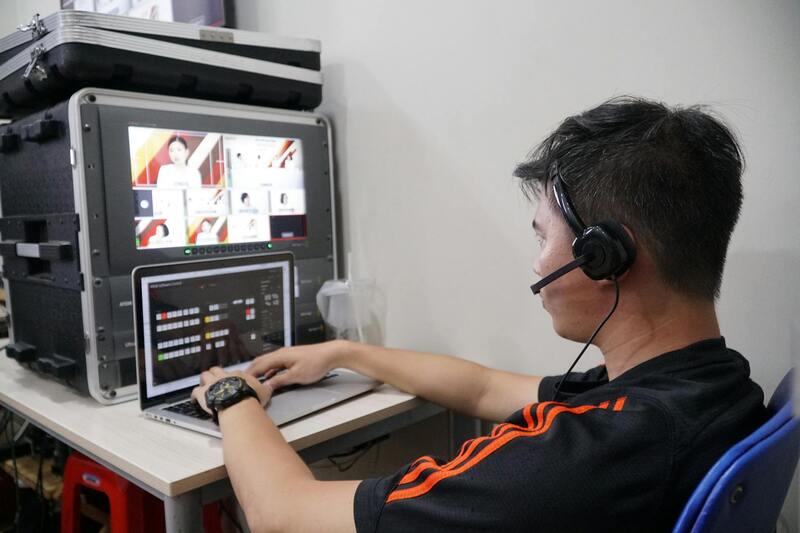
Camera settings are equally vital. Shooting in RAW format preserves maximum image data, which is crucial for post-processing. Adjusting aperture, ISO, and shutter speed according to the lighting conditions ensures balanced exposure and depth of field. Photographers often employ bracketing techniques, capturing multiple images at different exposures to later combine into a high dynamic range (HDR) photograph.
Post-production editing plays a significant role in finalizing images. Using editing software, professionals adjust white balance, contrast, and color saturation to accurately represent the property. Perspective correction and straightening walls or floors contribute to a cleaner, more professional appearance. Retouching may also eliminate minor imperfections or distractions, such as clutter or reflections, enhancing overall visual appeal.
Utilizing drone photography complements ground-level shots, offering sweeping views of the property and surrounding area. This aerial perspective can highlight the property's size, landscape features, and neighborhood amenities, adding another layer of attractiveness to the listing. Combining various techniques and equipment ensures a comprehensive visual presentation that appeals to potential buyers.
Utilizing Staging Techniques to Enhance Visual Appeal
Effective staging plays a pivotal role in real estate photoshoots, allowing properties to be presented in their best light. Staging involves strategically arranging furniture, decorative accents, and accessories to showcase the space's potential and functionality. Well-staged interiors help prospective buyers visualize living in the space, creating an emotional connection that can accelerate the decision-making process.
Incorporating modern and neutral decor ensures the photos appeal to a broad audience, emphasizing the property's features without overwhelming viewers. The selection of color schemes, furniture placement, and accessories should complement the property’s architecture and style. For instance, a contemporary condo might benefit from minimalist decor with clean lines, while a rustic home could be enhanced with warm lighting and cozy textiles.
Furthermore, decluttering is essential before the shoot. Removing personal items, excess furniture, and distractions helps create a spacious and inviting atmosphere. Highlighting key features such as fireplaces, large windows, or unique architectural details is easier when the space is tidy and thoughtfully arranged.

Implementing Effective Composition and Camera Angles
Capturing compelling real estate images requires an understanding of composition and camera angles. The objective is to showcase the property's spatial layout while accentuating its best features. Photographers typically position their cameras at a height roughly eye-level, which provides a natural perspective that appeals to viewers.
Using wide-angle lenses is standard practice to capture more of the room in a single shot, emphasizing spaciousness. However, it is vital to avoid distortion that can skew perceptions of the property's true proportions. The correct approach involves framing shots to include focal points and ensuring lines such as walls and floors appear straight and proportional.
Angles should be thoughtfully selected, often including corner shots to provide a sense of depth and dimension. Overhead or rooftop views can dramatically showcase outdoor spaces and landscape features, while shots from doorways or hallways help establish context and flow between rooms.
Post-production editing can fine-tune compositions further by straightening lines and adjusting perspectives, leading to polished images that accurately represent the property.
Optimizing Image Quality and Presentation
The quality of real estate photos hinges on meticulous attention to technical details. Using high-resolution cameras ensures images are crisp and detailed, which is crucial for online listings where potential buyers browse imagery on various devices. Shooting during optimal lighting conditions further enhances clarity and color accuracy.
Post-processing software allows real estate photographers to correct exposure, balance colors, and remove minor imperfections, yielding images that appear professional and appealing. Techniques such as HDR imaging can capture interior scenes with contrasting light levels, resulting in evenly lit and vibrant photos that reflect the true atmosphere of the property.
Color consistency is maintained throughout the series of images to provide a cohesive visual story. This coherence helps clients and agents present the property attractively and accurately, avoiding confusion or misrepresentation.
Additionally, the use of images with consistent framing, lighting, and color grading creates a uniform look that strengthens the overall marketing campaign. High-quality images serve as a powerful tool to generate interest, encouraging prospective buyers to schedule viewings or inquire further about the property.
Post-Processing and Image Enhancement
Once the initial photography session is complete, the process of post-processing begins. Skilled real estate photographers employ advanced image editing techniques to refine photos, ensuring they are visually compelling while maintaining an accurate representation of the property. This phase involves adjusting brightness and contrast levels to enhance overall clarity and vibrancy. Correcting color balance is vital to portray the property’s true appearance, preventing images from appearing artificially enhanced or misleading. Image enhancement also includes retouching minor imperfections such as dust spots, reflections, or distracting elements that might detract from the visual appeal. Techniques like noise reduction help produce cleaner images, especially when shooting in low-light conditions or using high-ISO settings. Furthermore, applying perspective corrections ensures that vertical lines, such as walls and doorframes, appear straight, fostering a sense of spaciousness and symmetry. Cropping and framing adjustments optimize visual flow, drawing viewers' eyes to key features of each room. For interior shots, HDR (High Dynamic Range) imaging is often used to capture scenes with high contrast levels between light and shadow. This process combines multiple exposures to produce balanced images with detailed highlights and shadows, accurately reflecting the ambiance of each space. Color consistency across images is crucial for a cohesive visual narrative. Standardized color grading helps maintain a uniform look, supporting an engaging and trustworthy presentation that resonates with potential buyers. Incorporating these professional editing practices results in images that attract attention, communicate the property’s true essence, and encourage further inspection or inquiries. It is essential that the enhancements do not distort the property's features or mislead viewers, as authenticity remains central to effective real estate marketing.
Choosing a Local Production Agency in Miami
Partnering with a reputable local production agency in Miami is essential for achieving high-quality real estate photos that resonate with potential buyers. Local agencies possess a deep understanding of the Miami housing market and are familiar with the unique architectural styles, lighting conditions, and neighborhoods, which can significantly influence the visual presentation of properties.
When selecting a production team, it’s vital to consider their portfolio and experience with real estate photography. An agency that routinely works with real estate professionals will likely be adept at capturing the property's best features, highlighting space, natural light, and architectural details effectively. Their familiarity with the local landscape allows them to plan shoots during optimal times of day, ensuring the best lighting conditions for each property.
Moreover, established agencies often have access to premium equipment, including high-resolution cameras, wide-angle lenses, drone technology, and sophisticated lighting setups. This technological advantage enables them to produce sharp, vibrant images that stand out in online listings and marketing materials. Their knowledge of current photographic trends and techniques ensures that photos meet industry standards and attract maximum attention.
Another advantage of working with a Miami-based agency is the ability to coordinate efficiently and meet tight deadlines, a common requirement in fast-moving real estate markets. Local agencies can quickly adapt to last-minute scheduling changes and are deeply integrated into the community, allowing for better logistical planning, especially for properties that require special permissions for drone shots or access during specific times.
Effective communication is crucial when collaborating with a production agency. Ensuring that they understand your specific needs and the target demographic can guide the creative process, resulting in images that effectively showcase the property’s appeal. Clear briefings about the property's key features, preferred angles, and lighting preferences will produce more aligned and impactful visuals.
Investing in a professional, Miami-based real estate photography agency is a strategic step toward maximizing property visibility in a competitive market. Their expertise, resources, and local knowledge combine to deliver images that not only attract potential buyers but also support your overall marketing strategy, whether through online listings, social media, or print advertising.
Understanding the Importance of Professional Real Estate Photos
High-quality real estate photos are an essential component of effective property marketing. They serve as the initial point of engagement for potential buyers browsing online listings, and striking visuals can significantly influence a viewer’s decision to inquire further or schedule a visit. Professional photography ensures that each room’s best features are highlighted, and the property’s overall appeal is accurately represented. Well-composed images not only draw attention but also provide a realistic portrayal, helping manage buyer expectations and fostering trust in the listing.
Moreover, excellent imagery supports multiple marketing channels. Whether displayed on a website, social media, or print advertisements, professional photos maintain consistency in branding and presentation. They help differentiate a listing in a crowded marketplace, making it more memorable and attractive to prospective buyers. Considering the competitive nature of Miami’s real estate environment, investing in high-caliber photographs can be a decisive factor in accelerating sales and achieving optimal listing prices.
Preparing a Property for a Photoshoot
Preparation is key to capturing compelling real estate images. This process begins with decluttering and cleaning all rooms to present a neat, inviting environment. Personal items and unnecessary belongings should be removed to allow viewers to envision themselves in the space. Proper staging, whether through simple arrangements or professional virtual staging, enhances the property's ambiance.
In addition, attention should be paid to making adjustments that optimize space perception. This includes arranging furniture to maximize flow, highlighting unique architectural features, and ensuring that lighting fixtures are clean and functional. Pets and clutter should be temporarily removed to avoid distractions. A well-prepared property results in images that truly showcase its potential, making the listing more appealing to viewers.
Optimal Scene Organization
- Ensure all areas are thoroughly cleaned and organized.
- Remove personal belongings and excess clutter.
- Stage key rooms to accentuate their best features.
- Ensure all lights, including lamps and overhead fixtures, are functional and turned on to brighten spaces.
- Make necessary repairs or touch-ups to walls, flooring, and fixtures for a flawless appearance.
Choosing the Right Time of Day and Lighting
The timing of a real estate shoot plays a critical role in capturing inviting, vibrant images. Early mornings or late afternoons, when sunlight is softer and warmer, typically produce the most appealing lighting conditions. Utilizing natural light during these times helps create bright and welcoming photographs that accurately showcase the property’s true colors and spatial proportions.
It’s essential to avoid shooting during peak sunlight hours when harsh shadows can obscure details and create unflattering contrasts. Overcast days can also be advantageous, providing diffuse light that evenly illuminates interior and exterior spaces. Additionally, proper artificial lighting should supplement natural light to ensure consistently well-lit images, especially in areas that are shaded or lack sufficient daylight.
Balancing Indoor and Outdoor Lighting
- Schedule shoots during times when natural light is abundant.
- Use diffusers or reflectors to soften and direct sunlight effectively.
- Complement natural light with professional lighting equipment for interior shots.
- Avoid shooting in direct sunlight to prevent overexposed highlights.
Equipment and Techniques for Real Estate Photography
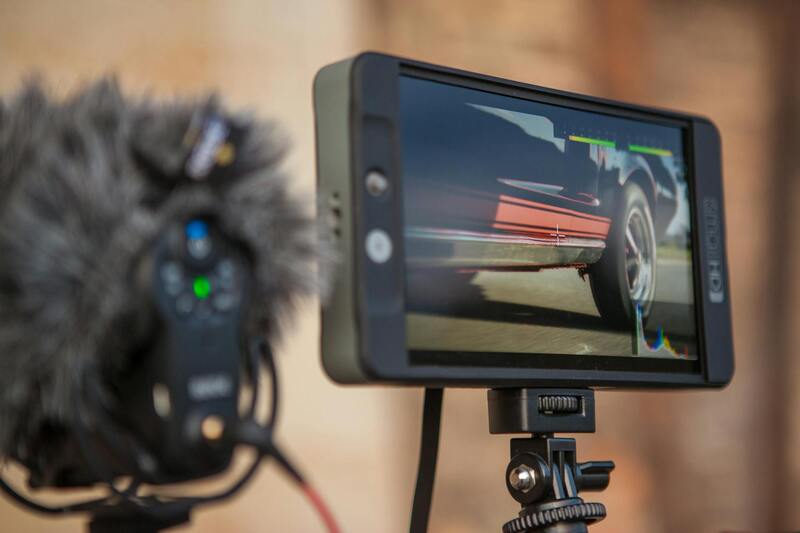
Professional real estate photography relies on advanced equipment and effective techniques to produce captivating images. Wide-angle lenses are fundamental, facilitating the capture of expansive interior spaces while maintaining perspective. High-resolution digital cameras allow for detailed imagery that can be enlarged without losing clarity, crucial for both online presentation and print formats.
Using tripod mounts ensures stability during shots, contributing to sharp, distortion-free images. Bracketing and HDR (High Dynamic Range) photography combine multiple exposures, balancing bright and shadowed areas within a scene for a more true-to-life effect. Drones are often employed to capture striking exterior views, providing a comprehensive perspective of the property’s location and surroundings.
Advanced techniques like panoramic stitching and vertical/horizontal composition enhance overall visual storytelling. Employing filters and post-processing software can correct color balancing, straighten lines, and enhance details, elevating the final product's quality.
Essential Camera Settings
- Use a small aperture (f/8 to f/11) for sharp depth of field.
- Capture in RAW format for maximum editing flexibility.
- Adjust ISO to the lowest setting to minimize noise.
- Set an appropriate shutter speed to avoid motion blur, especially in lower light conditions.
Post-Processing and Image Enhancement
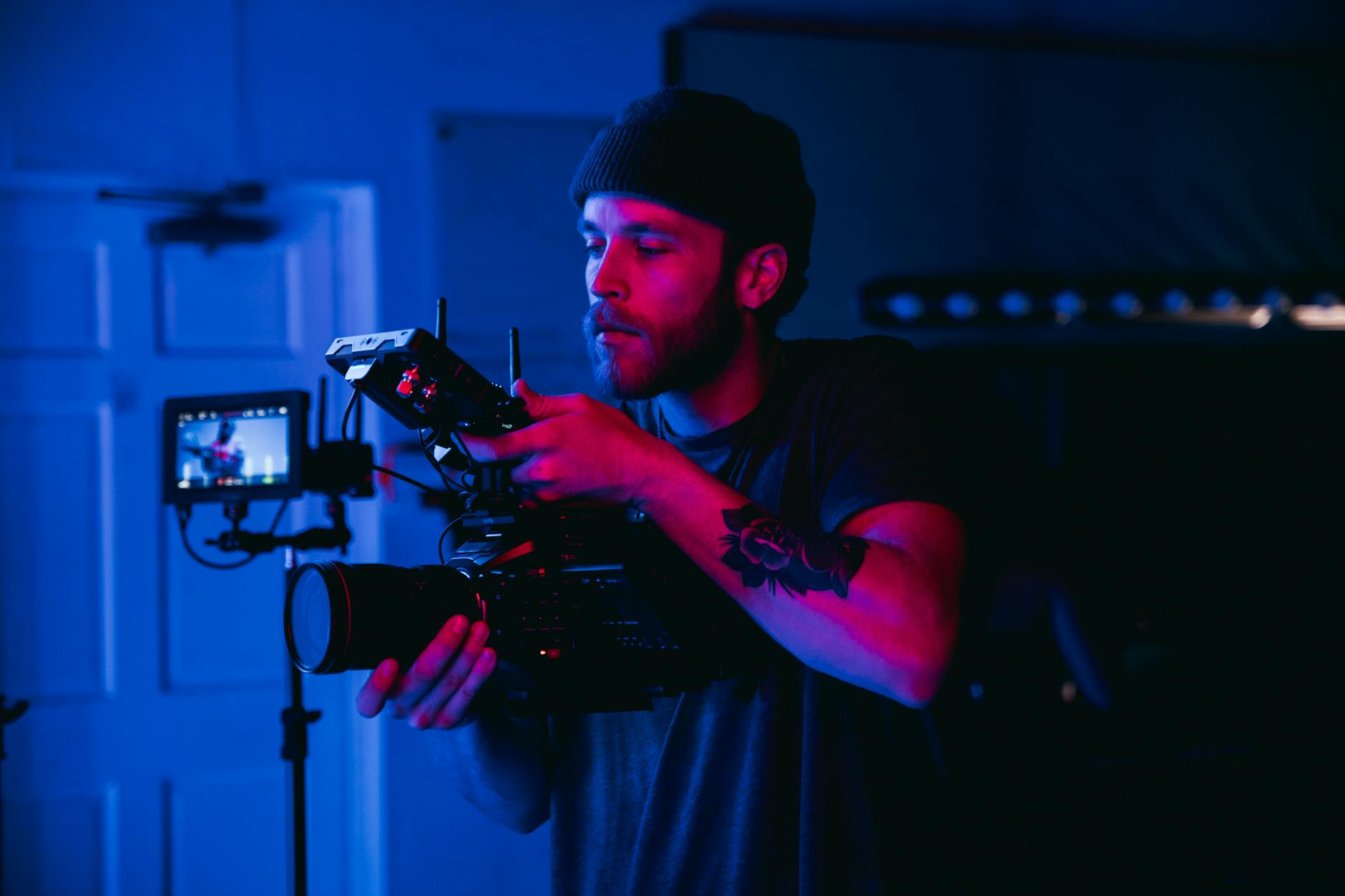
Post-processing is a critical stage in real estate photography, where images are refined to meet professional standards. Basic adjustments such as correcting exposure, contrast, and white balance are performed to ensure images accurately represent the property. Lens distortions are corrected to maintain true proportions, especially in wide-angle shots, which can sometimes introduce perspective distortions.
Sky enhancement, color saturation, and sharpness adjustments further improve visual appeal. Care must be taken to avoid over-editing, which can mislead viewers and diminish authenticity. Subtle retouching of minor imperfections, such as small blemishes or distracting objects, helps produce clean, polished images.
Employing consistent editing styles across all photos ensures cohesive visual branding for the listing. This uniformity enhances the professional image of the property and maximizes its potential to attract serious buyers.
Effective Marketing Strategies Using High-Quality Real Estate Photos
Once the authentic, professionally captured images of a property are finalized, the next critical step involves leveraging these visuals to maximize property visibility and attract potential buyers or tenants. High-resolution, well-edited images serve as a cornerstone of compelling online property listings and marketing campaigns. They not only provide an accurate portrayal of the property but also evoke emotional responses that can accelerate the decision-making process.
Optimized Image Delivery for Various Platforms
Delivering the finalized images through the appropriate channels ensures they reach the widest relevant audience. For online listings, high-quality JPEG or PNG files are typically preferred because they balance image clarity with manageable file sizes for faster loading times. It's essential to compress images without compromising visual integrity, which can be achieved through professional post-processing tools.
For social media campaigns, images should be adapted to the optimal dimensions of each platform—square images for Instagram, landscape for Facebook and Twitter, and vertical formats for stories. Custom resizing and cropping, aligned with the platform's specifications, enhance user engagement and visual appeal.
Integrating Photos into Property Listings
- Website Listings: Display multiple high-resolution images on a dedicated property page, arranged in an order that guides viewers through the home’s key features. Including a virtual tour or 3D walkthrough alongside these images creates an immersive experience.
- MLS and Real Estate Portals: Ensure images meet the technical standards of Multiple Listing Services (MLS) for optimal visibility. Clear, well-lit photos with a mix of wide shots and detail-focused images help attract serious buyers.
- Brochures and Print Materials: High-quality images used in printed brochures, flyers, and posters reinforce professionalism and attract foot traffic during open houses.
Amplifying Reach via Digital and Social Media
Social media platforms amplify the property’s exposure. Utilizing professional photos in targeted advertising campaigns, including Facebook Ads or Instagram sponsored posts, elevates visibility among specific demographic groups. Additionally, creating engaging content such as reels, Stories, or virtual tours with these images fosters interaction and shares across networks.
Synchronizing the visual content with strategic hashtags, geolocation tags, and compelling property descriptions broadens the outreach. Regular posting schedules and engaging with comments or inquiries generated by these visuals build trust and boost interest.
Measuring Impact and Adjusting Strategies
Monitoring the performance of marketing efforts through analytics tools helps identify which images and platforms generate the most engagement. Insights gained can inform future photography and marketing adjustments, ensuring continuous improvement in promotional efforts.