Introduction to 3d Photos in Real Estate
In the competitive Miami real estate market, showcasing properties with innovative visual content has become essential for attracting potential buyers and standing out amidst numerous listings. One of the most impactful advancements in property presentation is the use of 3d photos. These high-tech images provide immersive, detailed views of properties that go beyond traditional photographs. Unlike standard images, 3d photos offer a virtual walkthrough experience, allowing prospective buyers to explore a property from their own devices, whether they are across town or around the world.
The significance of 3d photos in modern real estate marketing stems from their ability to deliver comprehensive spatial understanding. This technology captures the property’s layout, interior design, and spatial relationships with precision, giving viewers a realistic sense of scale and flow. For Miami property listings, where the housing market is highly dynamic and diverse, 3d photos serve as an effective tool to highlight unique features and upscale amenities that make Miami properties appealing to a wide range of buyers.
Using 3d imaging in real estate marketing aligns with the demands of today's digital-savvy consumers who prefer virtual experiences before making in-person visits. It reduces the time and effort involved in property viewings, accelerates decision-making processes, and expands the reach of property marketing efforts. For Miami property owners and real estate agents, integrating 3d photos is a strategic move that can significantly increase visibility, generate higher interest, and ultimately lead to faster transactions.
As the landscape of real estate evolves, embracing cutting-edge visual technologies like 3d photography becomes an indispensable part of contemporary marketing strategies. Miami’s vibrant real estate scene benefits immensely from these tools, which provide a competitive edge and meet the expectations of today’s informed and remote buyers. The ability to virtually experience a property through detailed 3d images makes a lasting impression and can be the decisive factor in choosing one property over another.
Types of 3D Photography and Technologies Used
For real estate professionals aiming to utilize 3D imaging, understanding the various types of 3D photography and the technologies involved is essential. These methods provide flexibility and specificity in showcasing properties, ensuring that every detail aligns with the intended marketing strategy.
- Photogrammetry: This technique involves capturing numerous photographs from multiple angles and processing them with specialized software to generate detailed 3D models. Photogrammetry is favored for its ability to produce highly accurate representations of spatial layouts and intricate architectural details.
- LiDAR Scanning: Light Detection and Ranging (LiDAR) employs laser pulses to measure distances with precision, resulting in dense point clouds that form the basis for detailed 3D models. LiDAR is particularly effective in capturing complex geometric information and is increasingly integrated into high-end real estate visualizations.
- 360-Degree Virtual Tours: Utilizing multiple 360-degree images assembled into an interactive format, virtual tours allow potential buyers to explore a property remotely. Advanced software creates seamless navigable environments, providing a comprehensive view of the interior and exterior spaces.
- Structured Light Scanning: Using projection of light patterns to capture the geometrical features of property surfaces, structured light scanning offers high-resolution 3D data. This method is useful for capturing detailed architectural elements and furnishings.
 igure>
The choice of technology often depends on the property’s scale, complexity, and the desired quality of visualization. While photogrammetry provides cost-effective solutions suitable for most residential listings, LiDAR offers higher precision for luxury and commercial properties. Combining these technologies allows real estate professionals to produce immersive, detailed, and accurate 3D representations that captivate prospective buyers and streamline the viewing process.
Creating High-Quality 3d Photos for Miami Properties
Producing captivating 3D photos that effectively showcase Miami properties requires a meticulous approach to both technical execution and aesthetic presentation. The process begins with selecting the appropriate imaging technology based on the property's architectural style, size, and location. For expansive luxury estates or commercial spaces, high-resolution laser scanning such as LiDAR provides comprehensive detail, capturing intricate architectural features and expansive outdoor landscapes.
For residential homes and smaller properties, photogrammetry often offers a cost-effective yet precise solution. Photogrammetry involves capturing multiple overlapping photographs from various angles and processing them through specialized software to produce detailed 3D models. This technique excels at rendering interior spaces and exterior facades with realistic textures and accurate proportions.
To ensure optimal capture of the property, high-quality equipment is essential. Use of professional-grade digital cameras with wide-angle lenses, stabilized tripods, and controlled lighting environments contributes to image clarity and consistency. When photographing interiors, natural light should be maximized to highlight space and ambiance, complemented by artificial lighting when necessary to eliminate shadows and color inconsistencies.
Post-processing plays a significant role in refining 3D images. This phase involves adjusting brightness, contrast, and color balance to enhance realism. Techniques such as tone mapping and HDR (High Dynamic Range) imaging can be employed to achieve balanced exposure, especially in scenes with challenging lighting conditions typical in Miami’s sunlit environments.
Integrating 3D models into virtual tours or interactive platforms requires robust software that can facilitate user-friendly navigation and immersive experiences. Software platforms should support features like seamless interaction, precise navigation controls, and compatibility with various devices to broaden accessibility for prospective buyers.
Ensuring consistency in image rendering, and maintaining the integrity of architectural details within the digital models, helps create a trustworthy and engaging visualization. The goal is to produce high-fidelity representations that accurately reflect the property's true condition and aesthetic appeal, providing potential buyers with an authentic experience even before stepping inside.
Creating High-Quality 3d Photos for Miami Properties
Producing exceptional 3D photographs for Miami real estate demands adherence to meticulous best practices, ensuring that each image accurately showcases the property's unique features. The selection of equipment plays a crucial role; high-resolution 360-degree cameras with sophisticated stitching capabilities are preferred to capture expansive interiors and exteriors seamlessly. These devices should support HDR imaging to handle Miami’s vibrant sunlight and contrasting shadows, providing well-balanced and vivid visuals.
Lighting setup is paramount. Natural light should be harnessed as much as possible, leveraging Miami’s abundant sunlight to enhance the realistic qualities of the images. When natural light alone is insufficient or creates uneven exposure, supplementary artificial lighting can be employed to illuminate darker areas uniformly, eliminating harsh shadows or overexposed highlights.
Staging the property prior to capturing 3D photos involves decluttering spaces, highlighting architectural features, and ensuring cleanliness. This preparation aids in creating images that are both inviting and precise representations of the real estate. Additionally, using reflectors and diffusers can help control light distribution, making spaces appear more spacious and appealing.
Post-production editing enhances the clarity and realism of 3D images. Adjusting contrasts, correcting color imbalances, and employing tone-mapping techniques can significantly improve the visual appeal. Ensuring the consistency of color tones across various images helps maintain a cohesive appearance within the virtual tour or marketing platform.
Effective integration of 3D images into virtual tours requires specialized software capable of creating interactive and intuitive navigation. This allows prospective buyers to explore properties naturally, gaining a comprehensive understanding of space and layout before visiting physically.
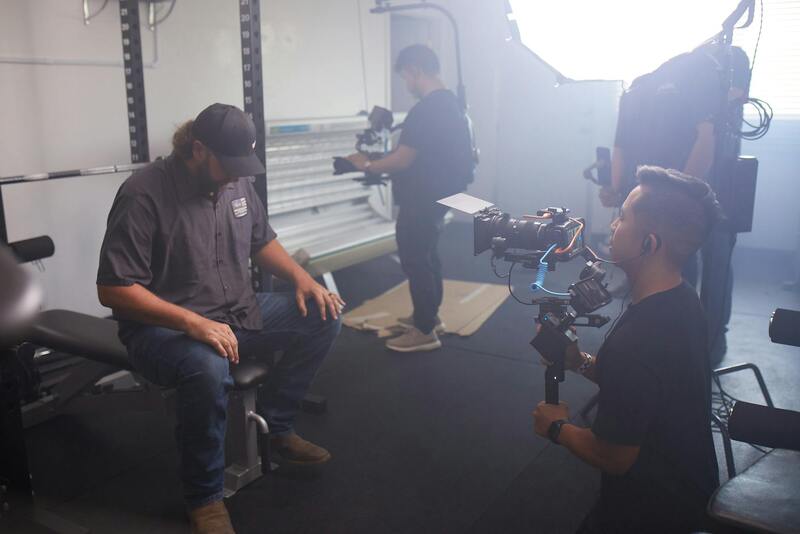
Miami’s real estate market calls for images that not only reflect the physical space but also convey the lifestyle and ambiance associated with each property. High-quality 3D photography—when executed with professional equipment, proper lighting, and careful staging—serves as a vital tool for agents and sellers to attract and engage potential buyers effectively, facilitating faster sales and higher transaction value.
Creating High-Quality 3d Photos for Miami Properties
Producing exceptional 3D images for Miami real estate requires a meticulous approach that combines advanced technology with expert execution. The process begins with selecting the right equipment, such as high-resolution 360-degree cameras specifically designed for immersive imaging. These devices are capable of capturing multiple images in quick succession, which are then stitched together to form a seamless 3D model of the property.
Preparation of the space is crucial; rooms should be clean, well-lit, and free of clutter to ensure the images depict the property’s best features. Strategic lighting is essential, often involving the use of professional-grade lighting setups to avoid unwanted shadows and uneven brightness. This step enhances the clarity and realism of the final images.
Software plays a significant role in the creation of 3D photos. Specialized programs are employed to calibrate the camera, stitch images seamlessly, and reconstruct spatial environments with precise depth perception. The use of advanced algorithms ensures that spatial relationships within a room are accurately represented, allowing viewers to virtually navigate as if physically present.
Post-processing is an integral phase to refine the visual presentation. Adjustments to contrast, brightness, and color balance can enhance the depth and vibrancy of the images. Additionally, noise reduction and the removal of distracting elements improve overall image clarity. The goal is to produce realistic and engaging 3D visuals that authentically represent the property.
Incorporating HDR (High Dynamic Range) techniques can further elevate the quality of 3D images by capturing a broader range of light and detail, especially in spaces with high contrast lighting conditions common in Miami properties—such as sunlit living rooms or exterior facades.
When creating 3D photos of Miami properties, understanding the unique architectural styles and environmental elements is essential. For example, emphasizing outdoor living spaces, water views, or tropical landscaping within the 3D imagery can significantly enhance the property’s appeal. Fine-tuning these details ensures the images reflect both the physical space and the lifestyle it offers.
Using professional-grade drones for capturing exterior shots from different angles can add more dimension to the virtual experience. Combining drone footage with indoor 3D imaging creates comprehensive visual content that highlights the property’s surroundings and enhances its marketability.
Overall, producing high-quality 3D photos for Miami real estate involves integrating cutting-edge technology, expert staging, meticulous lighting, and detailed post-production work. These elements work together to produce compelling visuals that resonate with potential buyers, ultimately accelerating sales and increasing property value.
Legal and Ethical Considerations in 3d Photography
When incorporating 3D photographs into real estate marketing strategies, adherence to established standards and best practices is essential to ensure transparency, accuracy, and professionalism. These images must accurately represent the property without misleading potential buyers or appraisers. This responsibility involves meticulous planning, precise data collection, and transparent communication with clients about the scope and nature of the visualizations.
One fundamental aspect involves the proper handling and presentation of the property’s features, ensuring that the 3D visuals do not omit or distort important details. This includes visualizing space dimensions accurately, portraying distinctive architectural elements faithfully, and maintaining consistency across all visual media used in listings.
Respecting privacy rights is also a key component of ethical 3D photography practices. When capturing exterior shots or surrounding areas, it is crucial to avoid intruding on private spaces or capturing images that reveal personal or sensitive information without permission. This preserves trust and maintains professional integrity.

Similarly, permissions and rights associated with the use of certain imaging equipment, such as drones or specialized cameras, should be fully understood and compliant with local regulations. This includes adhering to operational guidelines for aerial photography and ensuring all necessary permits have been obtained.
Transparency about the technology used and the process involved in creating 3D images builds trust with clients. Clearly explaining how the images are captured, processed, and the limitations inherent to the technology helps manage buyer expectations.
Engaging with experienced professionals who understand industry standards and ethical guidelines serves as a safeguard against potential issues stemming from inadequate or inappropriate use of 3D imaging. It’s essential that the entire workflow—from capture to presentation—is conducted responsibly and in accordance with the ethical principles that uphold the reputation of real estate professionals.
Legal and Ethical Considerations in 3d Photography
When employing 3D imaging techniques for real estate, it is essential to adhere to established guidelines that safeguard the interests of all parties involved. Accurate representation of a property through 3D photos helps establish transparency and fosters trust between sellers, agents, and prospective buyers. The images must depict the property in a truthful manner, avoiding any manipulations that could lead to misinterpretations or false impressions.
Respecting the privacy rights of individuals is a fundamental aspect of professional 3D photography practices. When capturing outdoor surroundings or neighboring areas, it is critical to avoid encroaching on private properties or inadvertently including identifiable individuals without their consent. This respects personal boundaries and maintains the integrity of the listing.
Operational compliance is equally important. Professionals must familiarize themselves with the regulations governing certain imaging tools, such as drones or 3D scanners. This includes obtaining necessary permits for aerial photography, ensuring safe operation, and respecting airspace restrictions. Being informed about local laws helps prevent inadvertent infringements and ensures a smooth process.
Transparency about the methods used in creating 3D images contributes substantially to client trust. Clear communication about how images are captured, processed, and any limitations of the technology prevents misunderstandings. For instance, it is helpful to clarify that certain artifacts or distortions may occur due to the nature of 3D scanning.
Engaging with qualified professionals who understand the industry standards and ethical protocols enhances the quality and credibility of the visual content. These experts demonstrate a commitment to responsible practices, which supports a property's reputation and promotes fair marketing standards.
Ensuring Accurate Representation and Ethical Use of 3D Photos in Real Estate Listings
Incorporating 3d photos into property listings demands a high standard of accuracy and integrity. As these images often serve as the first impression for prospective buyers, it is critical that they accurately depict the property's features and layout without misrepresentation. Professionals involved in creating 3d visualizations must prioritize precise measurements and faithfully rendered details to uphold trustworthiness and provide clients with a clear understanding of what to expect.
Moreover, adherence to official guidelines about image content is vital. This involves avoiding the inclusion of private or sensitive information that could compromise privacy or security. For example, any personal items, license plates, or identifying features that could reveal personal details should be carefully masked or avoided during the imaging process.
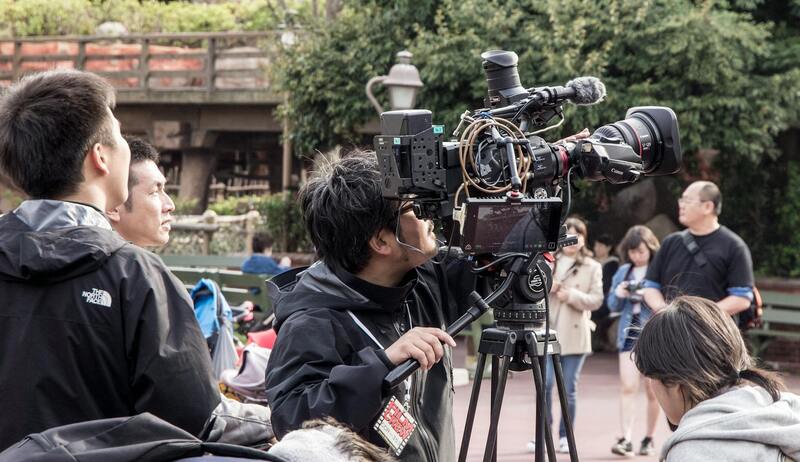
Using reputable technology and proven techniques ensures the quality and credibility of 3d visual content. Employing calibrated 3D scanners and the latest imaging software minimizes distortions and artifacts, producing a realistic portrayal of the property. This accuracy not only improves the user experience but also aligns with best practices for ethical imaging.
Transparency with clients about the methods involved in creating 3d photos is equally important. Clearly communicating the scope and limitations of the technology helps set proper expectations and builds confidence. For instance, clients should understand how lighting conditions or environmental factors might influence the final images.
Engaging qualified professionals who are knowledgeable about industry standards and ethical standards ensures a responsible approach to 3D imaging. These experts are trained to handle sensitive content appropriately and are committed to producing images that are both attractive and ethically sound.
Future Outlook: Ethical Frameworks and Innovation in 3D Real Estate Imaging
Looking ahead, ongoing technological developments will continue to enhance the capabilities and reliability of 3d photography in real estate. Innovations such as cloud-based processing, AI-driven image enhancement, and augmented reality integration will provide more sophisticated tools for professionals, improving both efficiency and output quality.
As these technologies evolve, ongoing education and adherence to best practices will be essential to maintain high ethical standards. Professionals will need to stay informed about new tools and updated regulations to ensure responsible use. This ongoing commitment supports credibility, fosters trust among clients, and ensures that 3d visual content remains an honest representation of properties in the Miami real estate market.