Benefits of 3D Images in Real Estate Marketing
In the competitive landscape of Miami's real estate market, the integration of three-dimensional (3D) images has established itself as a pivotal element for property promotion. These advanced visual representations significantly enhance the way properties are showcased, providing prospective buyers with an immersive experience that surpasses traditional photography. The use of 3D imagery aids in highlighting interior layouts, spatial relationships, and architectural details with remarkable precision, fostering a clearer understanding of the property's potential.
One of the primary advantages of 3D pictures lies in their ability to attract a broader audience of buyers and investors. Unlike static images, 3D visualizations allow users to explore a property from multiple angles, walk through virtual tours, and visualize different furnishing styles or renovation options. This interactive component not only captures attention but also encourages longer engagement with listings, translating into increased inquiries and scheduled viewings.
Furthermore, high-quality 3D representations streamline the decision-making process for potential buyers. With a comprehensive view of the property's interior and exterior features, clients can assess suitability more efficiently, reducing the need for multiple physical visits. For real estate professionals, this translates into faster transaction cycles, greater market reach, and enhanced credibility in promotional efforts.

Additionally, 3D imagery facilitates targeted marketing strategies by allowing agents to create customized virtual tours, highlight unique property features, and generate appealing promotional content. In a dynamic market like Miami, leveraging such innovative tools is key to standing out among competitors, attracting high-net-worth individuals, and informing investment decisions more effectively.
Ultimately, the application of 3D images in real estate marketing elevates the standard of property presentations, fosters transparency, and accelerates the sales process. As technological capabilities continue to evolve, these visual tools will become increasingly indispensable for agents committed to delivering authentic and engaging property experiences to clients.
The Process of Creating 3D Pictures for Real Estate
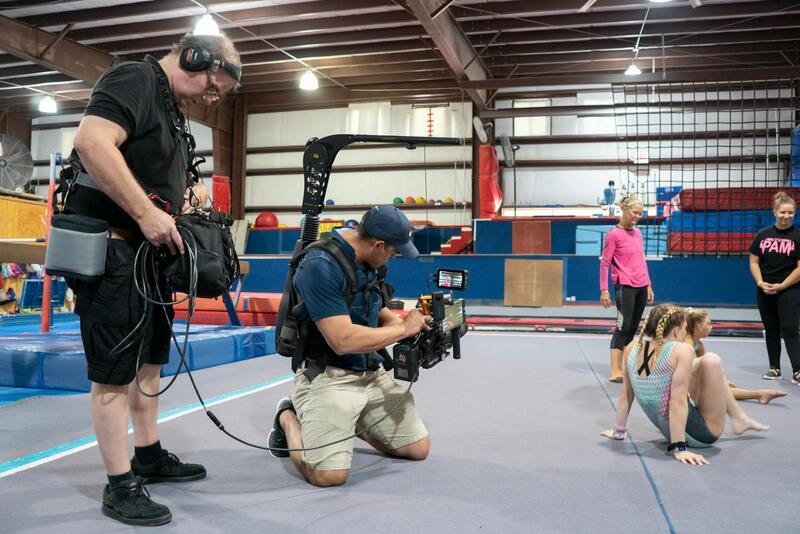
Transforming concept into captivating visual content begins with a meticulous process of capturing and constructing 3D images. The journey starts with high-quality data acquisition, where specialized equipment such as high-resolution 360-degree cameras or laser scanning devices are employed to gather detailed spatial information of the property. This initial step ensures that every nook and cranny, from expansive living areas to intricate architectural details, is documented with precision.
Following data collection, advanced software platforms are utilized for processing. These programs compile the raw data into a cohesive digital model, allowing for adjustments that enhance realism and visual appeal. During this stage, professionals refine textures, lighting, and shadows to replicate natural conditions accurately, ensuring the virtual environment aligns seamlessly with real-world appearances.
Once the model is finalized, rendering engines generate photorealistic images or walkthroughs. These outputs are meticulously reviewed to verify consistency, clarity, and authenticity. The final product can then be integrated into various marketing mediums, providing a dynamic, immersive experience for prospective buyers and investors.
Technology and Tools for Producing 3D Real Estate Images
The production of high-quality 3D visuals relies on a suite of sophisticated tools that facilitate accuracy, efficiency, and realism. Laser scanning devices, such as LiDAR sensors, capture detailed spatial data rapidly and accurately, often in a single session. These devices generate point clouds that form the foundation of the 3D models.
Complementing hardware, advanced software solutions include CAD (Computer-Aided Design) programs, 3D modeling platforms, and rendering engines like Autodesk Revit, SketchUp, Rhino, or Lumion. These tools allow professionals to manipulate geometry, simulate lighting scenarios, and incorporate realistic textures and materials.
Virtual tour platforms and interactive 3D visualization software further empower users to explore properties intuitively. These technologies support features such as real-time navigation, hotspots for detailed views, and device compatibility, making the virtual experience highly accessible and engaging.

By integrating these tools, real estate professionals can deliver visual content that not only meets aesthetic standards but also provides a truthful representation of properties, fostering trust and confidence among clients.
Types of 3D Visualizations Used in Real Estate
In the realm of real estate marketing, a variety of 3D visualization techniques are employed to showcase properties in the most appealing and informative manner. These methods include detailed 3D floor plans, photorealistic renderings, virtual walkthroughs, and immersive 360-degree panoramas. Each type serves a specific purpose, enhancing the visual experience and providing prospective buyers with comprehensive insights into a property's layout and features.
3D floor plans are more than mere diagrams—they accurately depict spatial relationships within a property, helping clients visualize room dimensions and flow. Such plans often incorporate your desired furnishings and décor to demonstrate potential living spaces effectively. Photorealistic renderings, on the other hand, simulate how a property will appear once finished or furnished, highlighting lighting, textures, and materials with high fidelity. These images are particularly useful for pre-construction projects or renovations, offering a tangible preview to clients.
Virtual tours take this process a step further by allowing users to navigate through a property interactively. These tours can be configured to enable seamless movement between rooms, providing a sense of spatial awareness and scale. Virtual walkthroughs can include clickable hotspots that offer detailed information about specific features or upgrades, making the experience both engaging and informative. Additionally, panoramic 360-degree images provide an immersive view, giving potential buyers a realistic feel of the property's ambiance without physically visiting the site.

Modern 3D visualization techniques also extend to augmented reality (AR) applications, where prospective buyers can superimpose virtual models onto real-world environments. This approach allows for dynamic exploration of properties in various settings, further engaging clients and facilitating better decision-making. Each type of visualization leverages cutting-edge technology to bridge the gap between digital representations and real-world perceptions, empowering clients with immersive, detailed views that enhance their understanding and confidence in their choices.
Technology and Tools for Producing 3D Real Estate Images
Creating compelling 3D imagery for real estate requires a combination of advanced software and precise hardware. Industry-leading software solutions such as Autodesk Revit, SketchUp, and Blender are widely used to develop accurate 3D models, allowing visualization of architectural designs with high resolution and detail. These programs facilitate the transformation of blueprint data into realistic representations, capturing elements like textures, lighting, and spatial relations effectively.
For rendering photorealistic images, tools such as V-Ray, 3ds Max, and Lumion are integral. They enable designers and visualization specialists to apply realistic textures, simulate natural and artificial lighting, and produce high-resolution visuals that accurately depict how a property will appear upon completion. Incorporating material libraries and environment settings, these rendering engines help craft immersive images that resonate with potential buyers.
Hardware components also play a significant role in the quality and efficiency of creating 3D visuals. High-performance workstations equipped with powerful GPUs, substantial RAM, and fast SSD storage are essential to handle complex rendering processes without latency. Additionally, some professionals utilize 3D scanners and drones to collect spatial data or aerial imagery, respectively, which serve as foundational elements in developing detailed models for larger or more intricate properties.

Staying current with recent innovations is crucial for maintaining competitiveness in the real estate visualization sector. Cloud-based rendering services now offer faster processing times and scalability, reducing project delivery timelines. Artificial intelligence and machine learning are increasingly integrated into software workflows to enhance model accuracy, automate tedious tasks, and generate optimized visualizations. These technological advancements help professionals deliver more realistic images efficiently, improving client confidence and marketing effectiveness.
Integrating 3D Pictures into Real Estate Listings
Positioning high-quality 3D images within property listings significantly enhances the visual appeal and informational richness of online real estate platforms. To maximize engagement, real estate professionals should strategically embed these visuals alongside traditional photographs, providing prospective buyers with an immersive experience that allows them to virtually explore every corner of a property before scheduling an in-person visit.
One of the best practices involves creating interactive 3D tours that can be embedded directly into property websites or dedicated listings. These tours offer potential buyers a seamless navigation experience, enabling them to examine architectural details, interior layouts, and spatial relationships dynamically. Implementing these features necessitates compatibility with various devices, including desktops, tablets, and smartphones, ensuring accessibility for a broader audience.
When integrating 3D images into marketing campaigns, it's essential to optimize image resolution and file formats for fast loading times without sacrificing quality. Hosting high-resolution 3D models on reliable servers and employing appropriate compression techniques ensures smooth user experiences. Moreover, incorporating branded visual elements within the 3D visuals—such as logos or contact information—helps reinforce brand recognition and trustworthiness among viewers.
In the context of property websites, it's advantageous to provide interactive features such as hot spots or clickable areas within the 3D environment. These enhancements can highlight specific amenities, upgrades, or unique property features, offering detailed explanations that engage potential buyers deeper and foster increased interest. Additionally, including detailed descriptions and specifications alongside 3D visuals improves search engine visibility by enriching the content with relevant keywords, thereby attracting more traffic from organic search queries.
For agencies and real estate brokers, leveraging 3D visualizations within email marketing campaigns or social media advertising can lead to higher click-through and engagement rates. By presenting visually compelling, interactive property views, they can effectively capture the attention of potential buyers browsing through dozens of listings, guiding them toward making an inquiry or scheduling a viewing.
Technical Standards and Best Practices for 3D Real Estate Visuals in Miami
Implementing 3D images for real estate requires adherence to specific technical standards and best practices that ensure optimal performance, compatibility, and visual fidelity. Utilizing industry-standard software and adhering to established guidelines can dramatically improve the quality of the visualizations while maintaining smooth user experiences across different devices.
To achieve this, high polygon counts should be balanced with optimized compression techniques. This ensures that detailed models and textures load swiftly without sacrificing visual richness. The use of universally accepted file formats such as OBJ, FBX, or glTF facilitates compatibility across multiple platforms and viewing devices, ranging from desktop computers to smartphones and VR headsets.
Lighting and rendering settings should be calibrated meticulously to accurately reflect real-world conditions, creating an immersive and true-to-life experience. HDR (High Dynamic Range) imaging is particularly effective for simulating natural lighting and enhancing material textures within the 3D environment. Consistent lighting setups also assist in maintaining uniformity across different visual representations of the property, bolstering viewer confidence in the presentation.
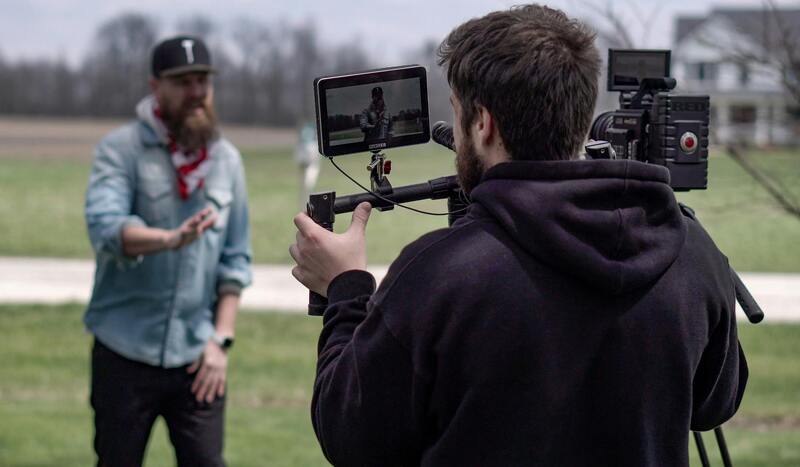
Another critical aspect involves the integration of interactive elements and annotations directly within the 3D model. Hot spots, tags, or informational panels should be positioned strategically to highlight key features without obstructing the viewer’s navigation. These enhancements are implemented using web-based technologies like WebGL or Three.js, which support dynamic, interactive content directly embedded within listings or virtual tours.
Furthermore, ensuring accessibility and responsiveness is vital for reaching diverse audiences. The visuals must be optimized for different screen sizes and resolutions, enabling seamless interaction on desktops, tablets, and smartphones. Color profiles should comply with industry standards to accurately reproduce textures and material colors across various devices and printing methods, where applicable.
For Miami-based real estate ventures, incorporating branding elements such as logos and contact information directly into the virtual environment enhances brand recognition. Clear, consistent visual cues assist potential buyers in associating specific visuals with the agency or developer, strengthening marketing efforts and fostering trust.
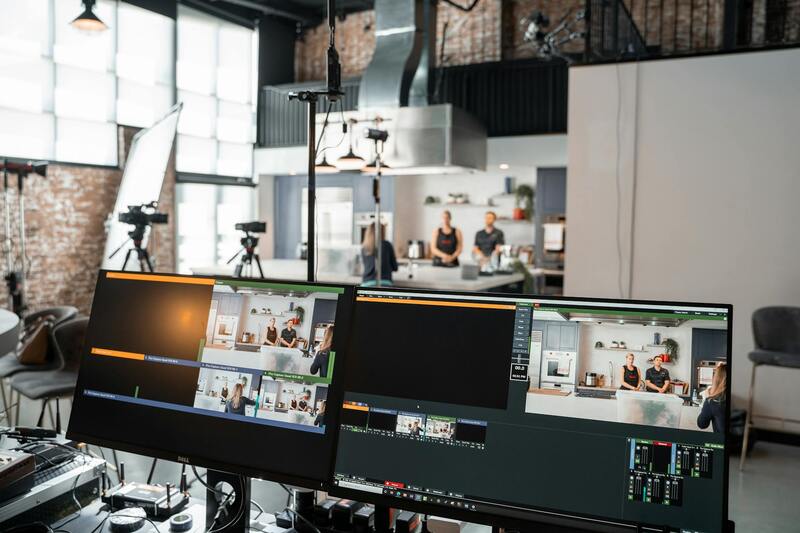
Overall, following these technical standards and best practices ensures that 3D representations of properties are not only highly realistic and engaging but also meet industry expectations for quality and performance. This alignment with recognized parameters reinforces the professional image of real estate marketers and helps maintain compliance with regional guidelines governing digital property presentations in Miami and beyond.
Compliance and Industry Standards for 3D Real Estate Imagery
Adhering to established standards and best practices is essential for the effective use of 3D imagery in Miami’s real estate market. This ensures that visual content is accurate, high-quality, and ethically presented, which enhances buyer confidence and supports professional marketing efforts.
One of the core components involves maintaining consistency in visual representations. This includes using standardized measurements and accurately depicting property features such as room dimensions, fixture placements, and landscape elements. Consistency guarantees that potential buyers receive truthful representations, reducing discrepancies that could distort their perception of the property.
Lighting and texture fidelity are also regulated to ensure images accurately convey real-world conditions. Proper lighting simulation helps illustrate the property's appearance at different times of day and under various weather conditions, while realistic textures prevent misleading contours or colors that could misrepresent the property’s true nature.
For Miami-based projects, respecting regional guidelines regarding digital content and advertising is vital. This includes verifying that all promotional materials comply with local advertising standards, which often involve transparency regarding digital alterations or enhancements. Disclosures related to virtual staging or modifications should be clearly communicated to avoid misconceptions.
To uphold ethical standards, digital enhancements should not conceal or distort significant property features. Misleading visualizations can lead to mistrust and potential legal issues, undermining the credibility of real estate professionals. Transparency about the methods used in creating 3D images fosters a professional environment where buyers can make informed decisions.

Regular training and certification for digital artists and marketing teams are recommended to stay updated with evolving industry standards. Many professional bodies and associations offer guidelines and certifications that help maintain high-quality visual content standards—ensuring that Miami's real estate marketing continues to align with best practices and regional expectations.
The ongoing development of local regulations emphasizes the importance of responsible content creation. As technology advances, so do the opportunities for innovative and compliant visualization methods, ensuring that marketing efforts remain effective while respecting regional rules and standards. This approach ultimately enhances the reputation of real estate agencies and supports sustainable growth within Miami's dynamic property landscape.
Regulations and Standards for Real Estate Visuals in Miami
Adhering to established regulations and standards is crucial for maintaining integrity and trust in real estate marketing through 3D imaging. Property images must accurately represent the actual space, ensuring potential buyers or tenants have a clear understanding of what is available. Misrepresentations through exaggerated or altered visuals can undermine confidence and lead to misunderstandings that compromise professional relationships.
In Miami, industry professionals are encouraged to implement standardized practices that promote transparency. This includes clear disclosure of any digital enhancements, such as virtual staging or environmental modifications. When alterations are made to show an environment at its best, clients should be informed about the nature of these modifications to foster an environment of honesty.
Official Guidelines and Best Practices
- Transparent Disclosures: Clearly specify whether images have been digitally enhanced, staged, or edited to reflect the final property condition.
- Non-deceptive Visualizations: Ensure that 3D representations do not distort property features, sizes, or proportions, maintaining an accurate portrayal of spaces.
- Consistent Quality Standards: Maintain uniformity in image quality and presentation across all listings to uphold professional standards.
- Ethical Marketing: Adopt honest marketing strategies that do not exaggerate or embellish property attributes to mislead viewers.
Certification and Training for Digital Artists
Many regional and national industry bodies offer certifications and specialized training programs for digital artists and marketing teams involved in real estate visual content creation. These programs focus on ethical practices, technical skills, and adherence to regional laws, ensuring that professionals stay updated with current standards. Regular participation in such programs helps maintain high-quality output that aligns with the expectations of Miami’s real estate market.
 igure>
Continuous education coupled with adherence to regional guidelines not only enhances the credibility of visual marketing but also promotes a consistent, professional approach across the industry. As technology evolves, the standards are also refined to accommodate new methods while safeguarding consumer interests. This layered approach to regulation ensures that Miami remains at the forefront of trustworthy and innovative real estate visuals.