Understanding 3d Real Estate Photography
3d real estate photography has emerged as a transformative tool in the property marketing industry. Unlike traditional photography, which captures static images of a property from specific angles, 3d real estate photography employs advanced techniques to generate highly detailed, interactive visualizations. This approach allows prospective buyers and renters to explore properties virtually, providing a comprehensive, realistic experience that closely mimics actual visits. Through the use of specialized equipment and sophisticated software, 3d photography creates immersive walkthroughs, panoramic views, and detailed floor plans, thereby enhancing the appeal and accessibility of real estate listings.
The primary role of 3d real estate photography is to elevate property marketing by offering a more engaging, informative, and convenient viewing experience. It enables clients to examine every aspect of a property remotely, making it particularly valuable in today’s digital-first environment. This technology not only attracts more potential buyers but also helps streamline the sales process by reducing the number of physical visits needed to evaluate a property. Furthermore, 3d visualizations can highlight architectural features and spatial arrangements with precision, providing a clearer understanding of a property's layout and design adjustments without the need for extensive on-site walkthroughs.
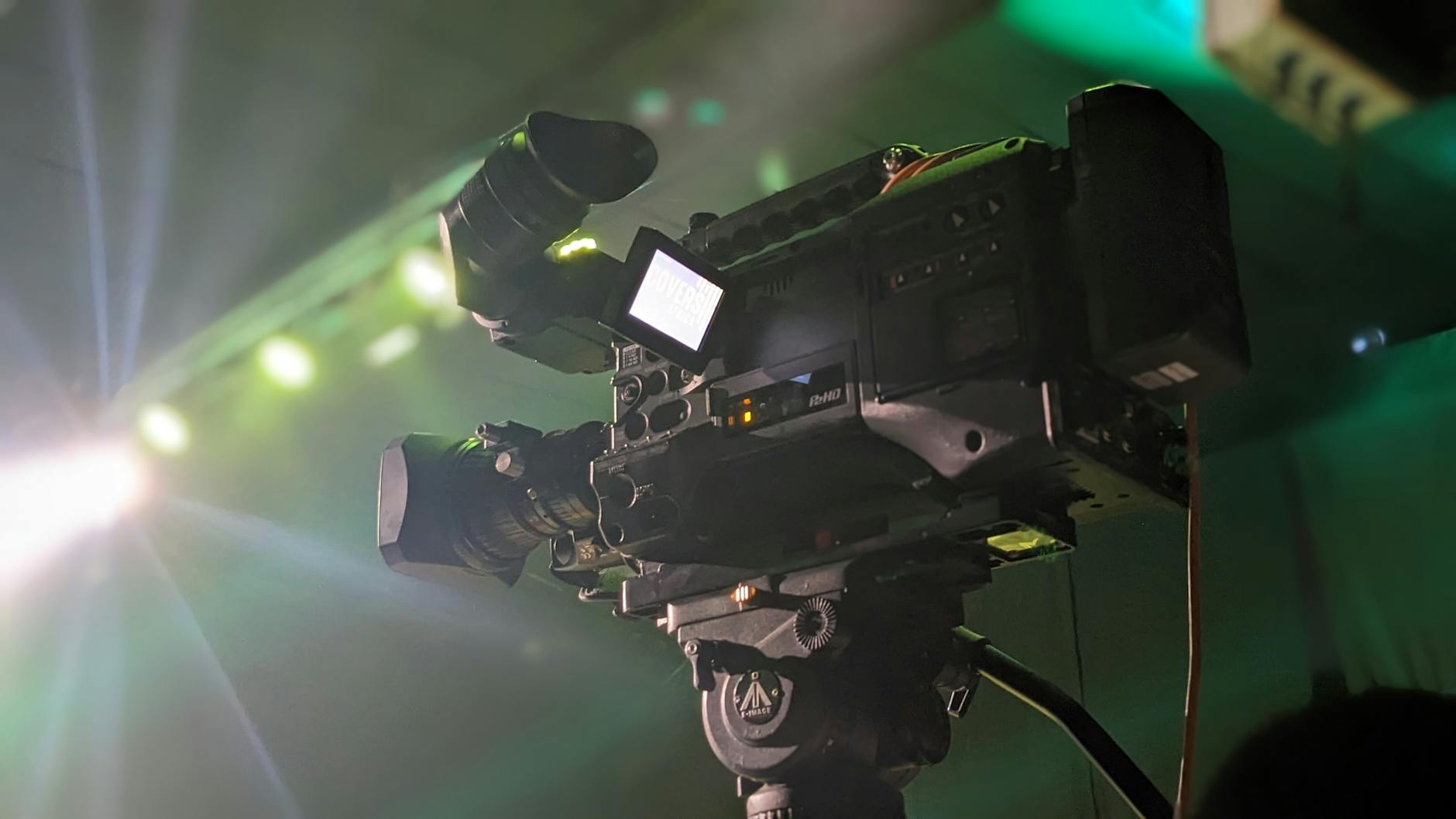
Compared to traditional methods, 3d real estate photography provides several key advantages:
- Enhanced viewer engagement through interactive virtual tours
- Greater accuracy in representing space and design
- Time-saving benefits for both agents and clients
- Ability to showcase renovations or design modifications virtually
- Broader reach of marketing efforts via online platforms
As technology continues to evolve, the use of 3d real estate photography is becoming an industry standard for marketing high-quality properties. It not only serves as a powerful visual marketing tool but also offers a competitive edge in a crowded marketplace by providing immersive, detailed property explorations that resonate with today’s digitally savvy consumers.
Standards and Techniques in 3d Real Estate Photography
Creating compelling 3d real estate visuals requires strict adherence to technical standards and advanced techniques that ensure consistent, high-quality outputs. Professionals specializing in this genre employ a combination of precision equipment, refined methods, and industry best practices to produce realistic, immersive virtual tours that meet client expectations and marketing demands.
One of the foundational standards involves the calibration of scanning and imaging devices. Ensuring that 3d scanners, cameras, and other capturing tools are correctly calibrated minimizes distortions and inaccuracies in the final visualization. This step is critical for achieving precise spatial measurements and realistic representations of architectural details.
Technique-wise, practitioners often utilize laser scanning combined with high-dynamic-range imaging. Laser scanners capture detailed geometric data of spaces, while HDR imaging helps replicate true color and lighting conditions within the model. Synchronizing these technologies enables a comprehensive and seamless final product that accurately reflects the property’s physical attributes.
Another essential aspect is the strategic placement of capture devices. Photographers and technicians plan the positioning of cameras or scanners to cover every angle, ensuring no significant details are missed. Overlapping scans or photographs are often used to create larger, coherent models, especially in complex layouts.
In post-processing, advanced rendering software plays a vital role. Software such as Matterport, Autodesk ReCap, or Cyclone processes raw data, enhances details, and adds interactive elements. These tools allow for precise editing, virtual staging, and color correction, which elevate the visual quality and realism of the 3d representation.
Lighting and environmental conditions during the capture session significantly influence the output. Ambient light levels are carefully adjusted, or additional lighting is employed to avoid shadows and uneven illumination that could compromise the quality of the 3d model.
In adhering to these standards and techniques, 3d real estate photographers ensure their visualizations are not only aesthetically appealing but also technically accurate, providing a solid foundation for effective property marketing that stands out in the competitive real estate landscape.
Understanding the Role of Equipment and Software in 3D Property Visualizations
Achieving high-quality 3D real estate images relies heavily on the selection and utilization of advanced equipment and software. Professional 3D real estate photographers employ state-of-the-art devices such as laser scanners, 360-degree cameras, and high-resolution DSLR cameras equipped with specialized lenses to capture comprehensive spatial data. These devices must be precisely calibrated to ensure accuracy in measurement and to produce detailed, realistic models that portray every aspect of the property with clarity.
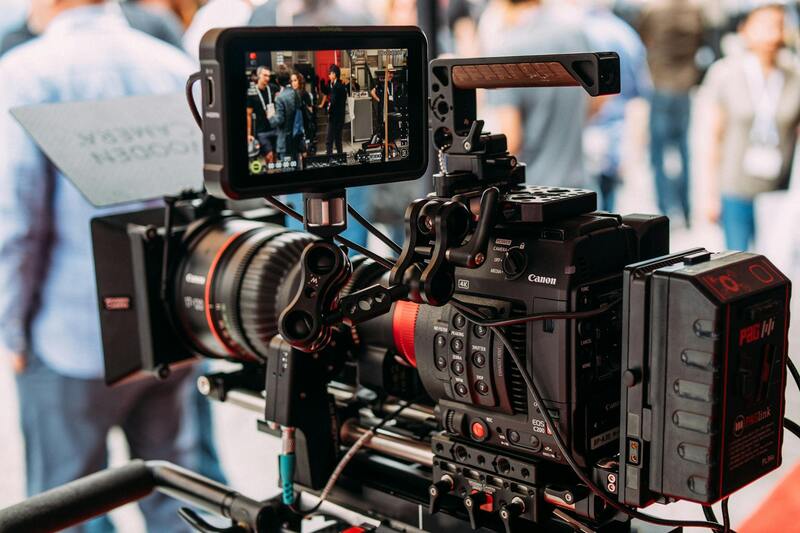
The integration of software tools is equally vital. Leading solutions like Matterport, Autodesk ReCap, and Cyclone facilitate the processing of raw imaging data into cohesive 3D models. These programs enable the correction of distortions, enhancement of textures and details, and addition of interactive elements that allow potential buyers to explore properties virtually. The software’s ability to align multiple scans or photographs ensures that every room, corner, and feature is accurately represented, which is critical for both marketing and client decision-making.
In the digital workflow, visualization software also offers options for virtual staging, lighting adjustments, and environmental manipulations. These features help in tailoring the presentation to highlight the property’s best features, address any limitations of the physical space, and craft immersive viewing experiences that can significantly influence buyer engagement.

Lighting plays a crucial role during both data capture and post-processing. Photographers carefully control ambient and artificial lighting to avoid shadows and uneven illumination, which can distort the 3D image quality. During scanning or photographing, supplemental lighting may be added to ensure uniformity, enabling the software to generate stable and realistic models. Thoughtful management of lighting conditions results in images that not only look appealing but also faithfully convey the true likeness of the space.
The combination of precise hardware placement and sophisticated software processing underpins the creation of detailed, accurate, and engaging 3D visualizations. Through adherence to these technical standards, real estate professionals can produce compelling visual narratives that elevate property listings and facilitate more informed buyer decisions. This technological synergy is fundamental to producing 3D imagery that seamlessly marries aesthetic appeal with technical precision, effectively transforming property marketing strategies in competitive markets like Miami.
Standards and Techniques in 3d Real Estate Photography
Implementing high-quality 3d real estate photography requires adherence to established standards and refined techniques that ensure the creation of crisp, accurate, and engaging visual content. Precise data capture is fundamental; this involves meticulous calibration of equipment and environmental control to guarantee consistent results across various properties. Photographers employ specialized camera systems—often combined with laser scanning or structured light technology—to generate detailed 3D models that accurately reflect spatial dimensions.
Maintaining consistency during the capturing process is critical. This can involve setting fixed camera positions, consistent lighting conditions, and standardized scanning protocols to enable seamless stitching and model reconstruction. Properly calibrated equipment minimizes distortions and discrepancies that could affect the realism of the final visualization. Additionally, advanced software algorithms are used to align and process data, filling in gaps and correcting any irregularities—further enhancing the quality of the final output.
Lighting techniques play a pivotal role during both data collection and subsequent post-processing. Skilled technicians carefully manage ambient and artificial lighting to prevent shadows and distortions, which could compromise the accuracy of the 3D model. Proper lighting ensures that textures and surface details are faithfully recorded, allowing the software to generate highly realistic visualizations. During post-processing, adjustments such as brightness, contrast, and color correction help in assembling images that accurately depict the property's true appearance, enhancing both realism and aesthetic appeal.
Texture mapping and environmental adjustments are employed to add depth and authenticity to the model. This can include simulating sunlight conditions, shadows, and reflections, which contribute to an immersive experience for viewers. The meticulous integration of these standards and techniques ensures that each visualization delivers a precise and compelling presentation, ultimately supporting more confident decision-making by potential buyers. By committing to these technical rigor, a 3d real estate photographer creates assets that elevate property marketing strategies, especially in highly competitive markets like Miami.
Standards and Techniques in 3d Real Estate Photography
Achieving high-quality 3D property visualizations hinges on the application of refined standards and advanced techniques by skilled professionals. Experts utilize precise data capture methods, combining laser scanning and photogrammetry to gather comprehensive spatial information. This ensures that every dimension and surface characteristic of the property is accurately represented in the digital model.
During the data acquisition process, meticulous control of lighting conditions is imperative. Photographers and technicians orchestrate ambient and artificial lighting setups to eliminate shadows, glare, and distortions. Proper lighting not only enhances the clarity of textures and surface details but also facilitates the software’s ability to generate realistic, immersive visualizations. These lighting strategies are consistently applied during post-processing phases, where image adjustments—such as fine-tuning brightness, contrast, and color calibration—are performed to mirror the true appearance of the property.
In addition, texture mapping techniques play a crucial role in adding depth and authenticity to 3D models. Specialized software applications are employed to overlay high-resolution textures onto surfaces, recreating material qualities like wood grain, brickwork, or fabric. To simulate natural conditions, environmental adjustments—including shadow mapping, reflections, and sunlight simulation—are integrated into the model. These enhancements contribute to a more engaging, life-like experience for prospective buyers and renters.
The industry-wide adherence to standardized procedures ensures consistency and reliability across different projects. These encompass calibration protocols for scanning devices, uniformity in data processing workflows, and validation checkpoints to verify the accuracy of the visualizations. Such rigorous standards enable real estate professionals to confidently rely on 3D images for marketing, knowing they portray a genuine, detailed depiction of property spaces.

The integration of these standards and innovative techniques results in detailed, compelling visual assets that elevate property listings. For real estate agents and developers, deploying well-executed 3D visualizations can significantly improve engagement, reduce the time properties spend on the market, and foster more informed decision-making. Mastery of these methods exemplifies the professionalism and technical expertise that define leading 3D real estate photographers in Miami, ensuring their clients receive the highest caliber of visual marketing tools available.
Choosing a 3d Real Estate Photographer in Miami
When selecting a professional for 3D real estate photography in Miami, it is essential to consider a candidate's technical expertise, portfolio quality, and industry experience. The Miami property market is highly competitive, and a photographer's ability to produce compelling, accurate visualizations directly impacts a listing’s visibility and appeal.
Begin by reviewing the portfolio of potential photographers to assess their proficiency with 3D visualization techniques, including detailed walkthroughs and virtual staging. Look for consistency in image quality, clarity in rendering textures, and the ability to accurately depict spatial relationships. A seasoned 3D photographer should showcase projects that demonstrate versatility across different property types—from luxury condominiums to commercial real estate.
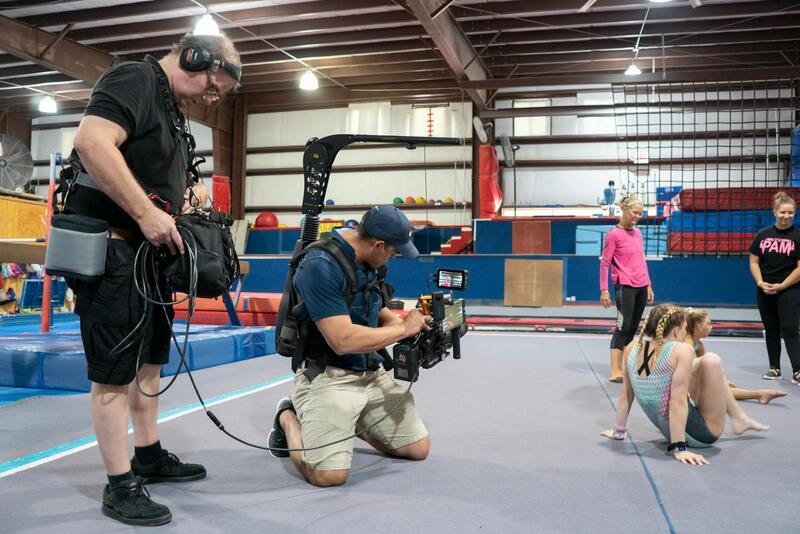
Technical proficiency with state-of-the-art equipment is another critical factor. Skilled 3D photographers employ high-resolution scanning tools, precise drone imaging (when applicable), and advanced rendering software to produce vivid, immersive visuals that stand out in the market. An experienced professional should also have a thorough understanding of current software like Matterport, Autodesk Revit, or SketchUp, and be adept at integrating their outputs into seamless three-dimensional models.
Furthermore, it is advantageous to engage with professionals who maintain transparent communication throughout the project. Clarifying the scope, timelines, and deliverables upfront ensures alignment on expectations, ultimately resulting in a more efficient process. Local knowledge of Miami’s real estate landscape is also beneficial, as it allows the photographer to tailor visual content to regional aesthetics and target audiences.
Pricing structures can vary significantly among providers, often reflecting the complexity of the project, the level of detail required, and turnaround times. It is advisable to request comprehensive quotes that itemize costs for scanning, modeling, rendering, and additional services such as virtual staging or environmental enhancements. Comparing these proposals against the quality of previous work helps ensure a balance of value and expertise.
In the highly competitive Miami real estate industry, partnering with a photographer who combines technical excellence, artistic sensibility, and professional integrity will yield the best results. This choice not only enhances the visual appeal of listings but also establishes a strategic advantage through innovative, high-quality imagery that resonates with prospective buyers and investors alike.
Choosing a 3d Real Estate Photographer in Miami
When selecting the right 3d real estate photographer in Miami, it is essential to evaluate several critical factors that influence the quality and effectiveness of the visual content. The Miami real estate market demands high-quality imagery that captures the city’s vibrant architecture and diverse property styles. Therefore, partnering with a photographer who understands local market nuances becomes a strategic advantage.
Assessing Technical Expertise and Portfolio
First and foremost, review the photographer’s portfolio to gauge their proficiency in creating detailed and photorealistic 3d visualizations. A strong portfolio will showcase a variety of property types, including residential, commercial, and high-end luxury estates, demonstrating versatility and technical skill. Look for examples that highlight attention to detail, accurate lighting, and the ability to present spaces in an appealing manner.
Technical Capabilities and Equipment
Verify the equipment and software the photographer utilizes. Leading 3d real estate photographers leverage state-of-the-art scanners, high-resolution cameras, and advanced rendering software such as SketchUp, 3ds Max, or Blender. Familiarity with BIM (Building Information Modeling) is also advantageous for projects requiring detailed architectural modeling. Ensuring the photographer’s familiarity with these tools guarantees precise, immersive visuals aligned with industry standards.
Knowledge of Local Market and Aesthetics
Understanding Miami’s distinct real estate aesthetics is crucial. A competent local photographer will incorporate regional architectural styles, interior design trends, and environmental elements such as sunlight and coastal scenery into their visualizations. This local insight helps in creating images that resonate with the target audience and highlight the unique appeal of Miami properties.
Client Collaboration and Communication
Effective communication is vital throughout the project. Choose a photographer who emphasizes clear dialogue about project scope, timelines, and deliverables. A collaborative approach ensures that the final visuals meet expectations and can be adjusted as needed. Regular updates and feedback sessions contribute to a smooth process and a satisfactory end product.
Reputation and Professional Standards
Research client reviews, testimonials, and industry reputation. A trustworthy 3d real estate photographer maintains transparency, adheres to deadlines, and upholds a high standard of professionalism. These qualities are essential for fostering successful, ongoing partnerships in Miami’s competitive real estate environment.
Final Considerations for Hiring a 3d Real Estate Photographer in Miami
When selecting a 3d real estate photographer in Miami, it is essential to evaluate their portfolio thoroughly. A comprehensive portfolio showcases a variety of property types, from luxury waterfront homes to sprawling urban developments, demonstrating their versatility and mastery of different architectural styles. Take note of the quality, realism, and attention to detail in their previous work, as these elements directly influence the effectiveness of your property marketing materials.
Additionally, verifying their experience with Miami's unique property market ensures that the photographer understands regional architectural nuances, lighting conditions, and environmental factors that influence visual presentation. Photographers with a proven track record in the Miami area are better equipped to create visuals that resonate with local audiences and stand out in highly competitive listings.
Furthermore, ask about their familiarity with the latest industry standards and technologies. A proficient 3d real estate photographer consistently updates their skill set with emerging advancements in rendering software, virtual staging, and interactive tours. This commitment to staying current guarantees that your property visuals remain compelling and aligned with marketing trends.
It is equally important to discuss their workflow and project management approach. Efficient communication channels, clear timelines, and collaborative revision processes contribute significantly to the success of the project. Photographers who prioritize transparency and client involvement typically deliver results that meet or surpass expectations.
By thoroughly evaluating these aspects, property owners and real estate professionals can select a 3d photographer capable of producing stunning, market-ready visuals that elevate property presentations and attract discerning buyers. In Miami’s vibrant real estate landscape, partnering with a skilled 3d photographer not only enhances listing appeal but also accelerates sales cycles by providing immersive, attractive representations of each property’s unique charm and potential.