Introduction to 3d Real Estate Photography
In the competitive landscape of Miami’s real estate market, showcasing properties effectively is paramount. 3d real estate photography has emerged as a groundbreaking technique that transforms traditional property listings, providing immersive visual experiences that resonate with prospective buyers. This advanced imaging method creates detailed, interactive virtual representations of properties, enabling viewers to navigate through spaces with a sense of presence without physically visiting the location.
The essence of 3d real estate photography lies in capturing a property's detailed interior and exterior features through sophisticated imaging technology. Using specialized cameras and software, high-resolution images are compiled into comprehensive digital models that can be explored from multiple angles. This innovation not only enhances the aesthetic appeal of listings but also significantly improves engagement and inquiry rates among potential clients.
Miami’s booming real estate sector benefits immensely from integrating 3d visualization techniques into marketing strategies. As Dubai, Miami’s vibrant and diverse property market demands innovative presentation tools, 3d real estate photography provides a distinct advantage. It caters to the modern buyer’s preference for virtual engagement, especially in luxury markets where visual detail can significantly influence buying decisions.
By adopting 3d imaging, real estate professionals in Miami can differentiate their listings from competitors. The technology allows for more comprehensive property showcasing, reducing the need for multiple physical viewings while increasing the reach to a broader audience. This method also facilitates remote transactions, making Miami's properties accessible to international investors and buyers who cannot visit in person.
As the Miami real estate market continues to grow and innovate, the integration of 3d real estate photography becomes an essential component of modern property marketing. Its ability to combine engaging visuals with detailed spatial information positions it as a pivotal tool for agents and developers seeking to maximize their listings' visibility and appeal.
Technologies Used in 3D Real Estate Photography
Implementing high-quality 3D real estate photography involves the use of advanced imaging hardware and software that work together to produce immersive, precise visualizations. The foundation of this technology is often built upon high-resolution 360-degree cameras equipped with sophisticated lidar or laser scanning capabilities. These devices capture every nuance of a property’s interior and exterior, ensuring detailed spatial data collection.
Laser scanners or lidar sensors are integral to collecting accurate distance measurements, which are then processed to generate a comprehensive point cloud representation of the space. This data forms the backbone of the 3D model, allowing for highly accurate reconstructions of the property’s layout, dimensions, and features.
Alongside hardware, specialized software plays a crucial role in transforming raw data into polished virtual tours or static 3D images. Programs like Matterport, Enscape, or Autodesk Revit facilitate the processing, rendering, and editing of the captured visuals. These tools enable professionals to add interactive elements, annotate features, or enhance the realism of the virtual experience.
Additionally, cloud-based platforms are often used to host and distribute these immersive visuals, making them easily accessible to prospective buyers remotely. The seamless integration of hardware and software solutions ensures that the final 3D images are not only realistic but also engaging and easy to navigate, which is vital for attracting and retaining viewer interest.
Emerging trends in this technology include the enhancement of rendering speed and detail resolution, allowing for more rapid production cycles without sacrificing quality. AI-driven enhancements are also gaining traction, how they improve image quality, automate certain editing tasks, and optimize virtual tour creation for a variety of property types. As technology advances, Miami's real estate professionals will have access to even more sophisticated tools that streamline their workflow and amplify the visual impact of their listings.
Features and Capabilities of 3D Real Estate Photography Technologies
Implementing 3D real estate photography involves a combination of advanced hardware and sophisticated software solutions. The core hardware components include high-precision laser scanners, such as LiDAR sensors, and panoramic cameras capable of capturing detailed spatial information. These devices enable the production of comprehensive point clouds, which are essential for creating accurate 3D models of physical spaces. When integrated, they deliver a seamless data collection process, reducing the need for multiple re-scans and ensuring the integrity of the spatial data.
Alongside the physical equipment, powerful software platforms are instrumental in transforming raw spatial data into visually compelling virtual representations. These programs facilitate data processing, model generation, and visualization. For instance, specialized applications like Matterport or Autodesk Revit can automatically align scans, fill in gaps, and generate textured models that mirror the physical space with high fidelity. These tools also support editing functionalities such as adding annotations, adjusting lighting, and refining textures, which enhance the viewer's experience.
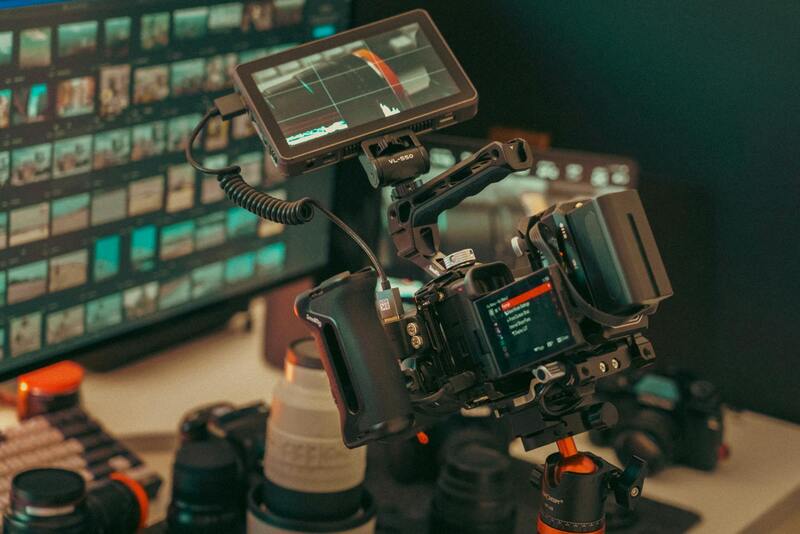
Emerging technologies are further enhancing this process. AI-driven image processing automates many editing tasks, significantly reducing the time needed to prepare virtual tours. Machine learning algorithms can improve the resolution of textures, optimize rendering speeds, and even suggest the best visual angles to highlight property features. Cloud-based platforms are increasingly used to host, share, and update visual content efficiently, ensuring real-time access for agents and prospective buyers. These integrated solutions deliver high-quality, interactive 3D visuals that resonate with modern homebuyers, providing immersive experiences that traditional photography cannot match.
Key Methods for Capturing and Producing 3D Visual Content
The process begins with meticulous planning of the scanning route and configurations tailored to the property's size and layout. Laser scanners or high-quality panoramic cameras are positioned at strategic points to maximize coverage and minimize blind spots. During the scanning phase, data is collected meticulously, capturing every detail from room corners to architectural features.
Data processing involves stitching together multiple scans into a cohesive 3D model. Software algorithms automatically align and clean the point clouds, removing noise and extraneous data. After the core model is established, texture mapping and lighting adjustments are applied to enhance realism. Additional features such as interactive hotspots, labels, or embedded multimedia can be incorporated to enrich the virtual tour.

The final stages involve rendering the model into an interactive format, usable across various devices and platforms. Many providers optimize these tours for quick loading times and intuitive navigation, enabling prospective buyers to explore properties remotely as if they were physically present. The combination of precise data capture, advanced processing, and thoughtful presentation ensures that 3D real estate visuals serve as powerful tools for showcasing properties in Miami and beyond.
Technologies Used in 3d Real Estate Photography
Implementing high-quality 3D real estate photography involves a combination of sophisticated hardware and software tools designed to capture and recreate properties with high precision and realism. The core technologies predominantly include laser scanning devices, photogrammetry setups, and advanced imaging software. Each plays a vital role in producing a seamless virtual representation of a property.
Laser scanners are often utilized to gather dense point clouds that encode the spatial geometry of interior and exterior spaces. These devices emit laser beams that bounce off surfaces, capturing millions of data points per second. This data is crucial in creating accurate 3D models that reflect the exact dimensions and structural nuances of a property. When combined with panoramic cameras, these scanners can also capture detailed visual textures that lend realism to the virtual environment.
Photogrammetry, on the other hand, involves capturing multiple high-resolution images from various angles within the property. Specialized software then processes these images to generate textured 3D meshes. This method excels at creating photorealistic visuals, allowing potential buyers or renters to experience the property’s ambiance remotely. Moreover, interactive components such as embedded multimedia, virtual hotspots, and floor plan overlays can be integrated into these models, enriching the user experience.
Processing and Finalization
The raw data collected through these technologies undergoes extensive processing. Modern software algorithms automatically align point clouds, remove noise, and correct distortions, ensuring the 3D model accurately reflects the actual space. During the texturing phase, textures are mapped onto the 3D structures to replicate the appearance of walls, flooring, and fixtures with high fidelity. Adjustments to lighting and shading are also applied to enhance realism, offering a vivid virtual walkthrough experience.
Once the model is finalized, it is transformed into an interactive format suitable for various platforms. This includes web-based virtual tours, VR applications, and mobile-friendly interfaces, allowing seamless access across devices. These technological advancements enable real estate professionals in Miami to present properties in immersive, engaging ways that attract prospective buyers and facilitate remote decision-making processes.
Best Practices for 3d Real Estate Photography in Miami
Achieving high-quality 3D real estate visuals requires adherence to precise best practices, ensuring that each property is showcased in the most appealing and accurate manner. For real estate professionals operating in Miami's vibrant property market, integrating these standards can significantly enhance the visual appeal and overall effectiveness of the virtual tours.
- Optimal Lighting Conditions: Proper lighting is crucial for capturing detailed textures and colors. Scheduling shoots during times of natural light, such as late mornings or early afternoons, ensures that the property is well-lit without harsh shadows. Additional professional lighting equipment may be employed indoors to evenly illuminate all areas and highlight key features.
- Decluttering and Staging: A clean, well-staged space not only creates a welcoming atmosphere but also allows the 3D technology to accurately depict the property's spatial flow. Removing unnecessary debris and arranging furniture thoughtfully helps potential buyers visualize themselves in the space.
- Consistent Camera Placement: A standardized approach to camera placement offers uniformity across different property shots. Utilizing robotic mounts or calibrated tripods ensures consistent angles, minimizing distortions and facilitating seamless stitching during post-processing.
- High-Resolution Equipment: Utilizing professional-grade cameras capable of capturing detailed images enhances the final model's quality. High-resolution data provides clarity for viewers, especially on larger displays or virtual reality interfaces, allowing for closer inspection of textures and materials.
- Precise Data Capture Techniques: Employing reliable laser scanners or advanced photogrammetry methods ensures that the generated 3D models are geometrically accurate. This precision is vital for creating realistic virtual walkthroughs and accurate floor plans that potential buyers rely on.
- Post-Processing Quality Control: After data collection, thorough review and editing of the 3D models are essential. This includes correcting misalignments, refining textures, and removing artifacts or noise, which enhances the overall realism and user experience.
Choosing the Right Equipment for 3d Property Photography
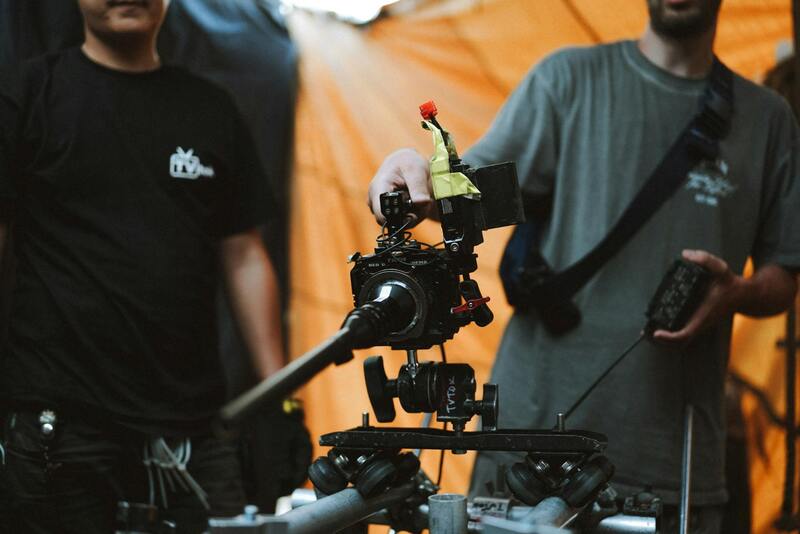
To achieve high-quality 3D real estate visuals, the selection of appropriate equipment plays a crucial role. Professional-grade cameras with high resolution and dynamic range are essential to capture detailed textures and lighting nuances within a property. These cameras should be paired with specialized 3D scanning devices, such as laser scanners or photogrammetry-capable cameras, to accurately collect spatial data and surface details.
When selecting cameras, consideration must be given to sensor size, lens quality, and stabilization features that minimize motion blur and distortion. For 3D scanning, laser scanners provide rapid data capture with precision, often integrating seamlessly with processing software to generate accurate models. Photogrammetry methods rely on high-resolution photographs taken from multiple angles, which are then processed to generate comprehensive 3D reconstructions.
Additionally, tripods with robotic mounts or calibrated stabilization systems are essential to ensure consistent and precise image alignment. Proper lighting equipment is also indispensable for maintaining uniform exposure and color balance, particularly in spaces with challenging lighting conditions.
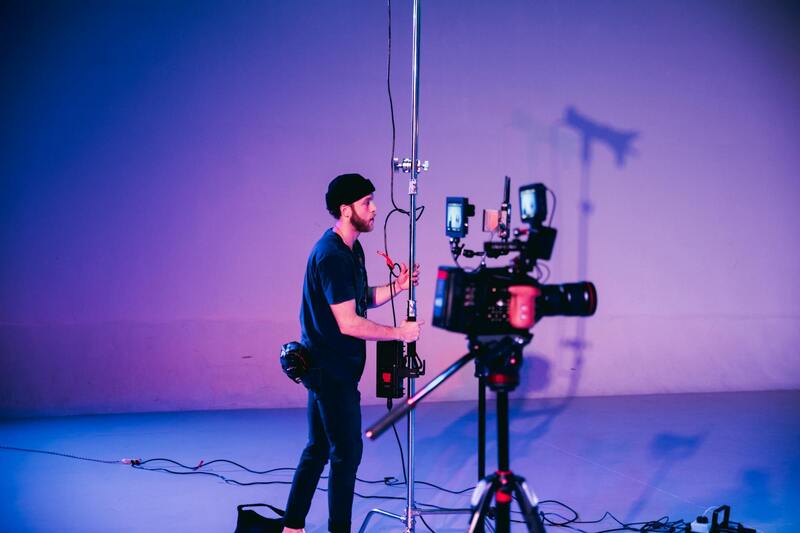
Investing in quality equipment yields sharper images, more accurate models, and ultimately, a more compelling virtual experience for prospective buyers. The choice of technology directly influences the efficiency of the workflow, from data collection to rendering, and ensures that the finished product meets professional standards.
Post-Processing and Quality Assurance in 3D Real Estate Models
After capturing the data, meticulous post-processing is necessary to refine the 3D models. This process involves integrating multiple data sets, correcting misalignments, and removing noise or artifacts introduced during scanning or photography. Texture mapping and color calibration are also performed to enhance realism.
Quality assurance checks are vital to confirm that models accurately portray the property's spatial dimensions and visual details. This may include cross-verifying the virtual tour against physical measurements and conducting user experience testing to identify and correct any navigation issues.
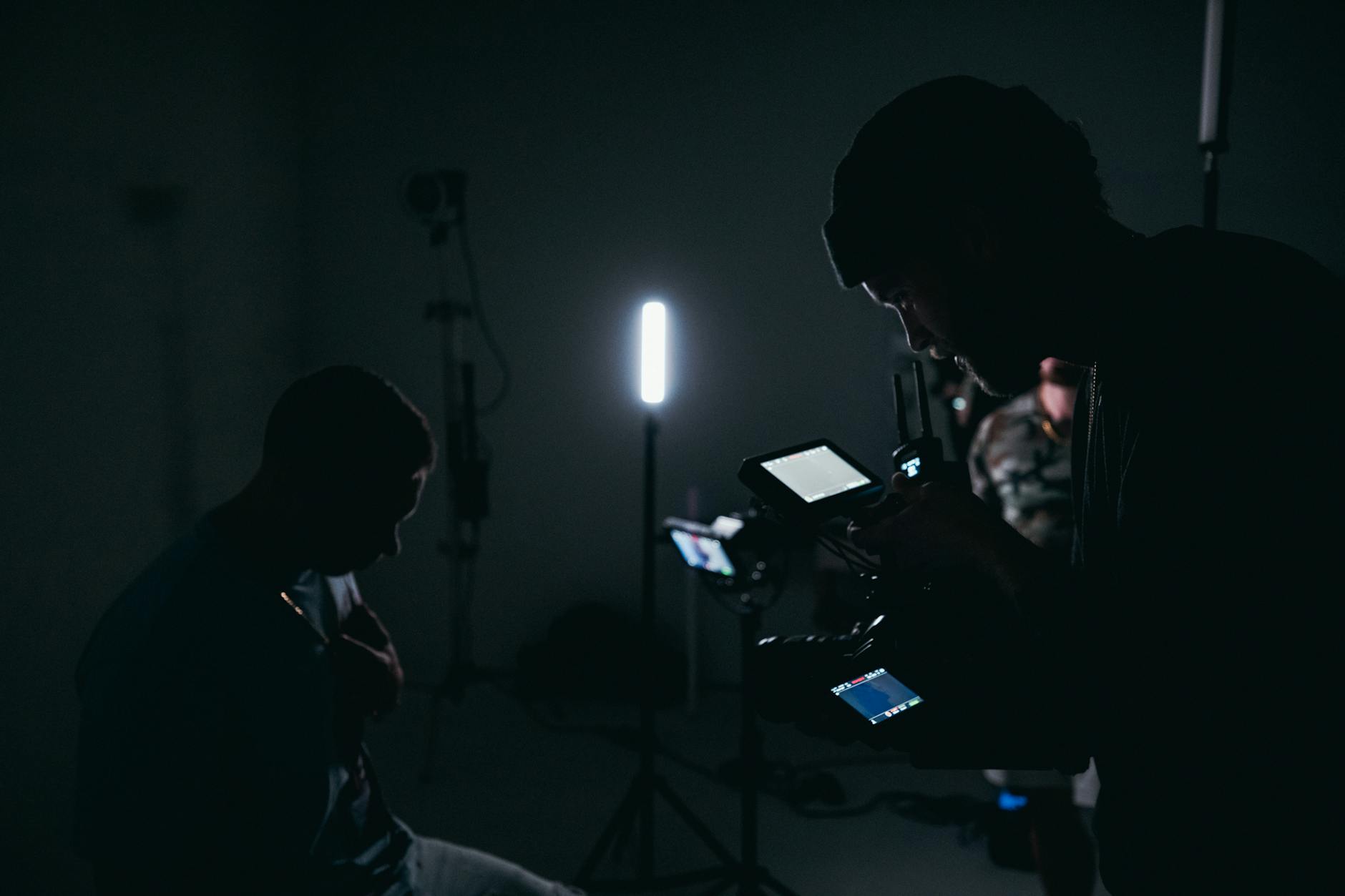
Utilizing advanced software tools designed for 3D reconstruction, texturing, and rendering, professionals can produce highly realistic and immersive experiences. This meticulous approach to post-processing plays a significant role in elevating the overall quality and engagement level of 3D property presentations, giving Miami’s real estate market a competitive edge.
Ensuring Data Accuracy and Model Reliability in 3D Property Tours
One of the paramount aspects of producing high-quality 3D real estate visuals is the accuracy of the data collected during the scanning or imaging process. The precision of spatial measurements and the fidelity of textures directly influence the realism of the virtual tour. To guarantee these standards, professionals rely on sophisticated calibration techniques and high-resolution equipment, minimizing discrepancies between the virtual representation and the actual property.
Data validation is an integral step before finalizing any 3D model. This involves cross-referencing models with physical measurements, ensuring dimensions are consistent and structural features are correctly represented. For instance, walls, doorways, and windows should align precisely with physical counterparts to prevent confusion for potential buyers navigating the virtual space.
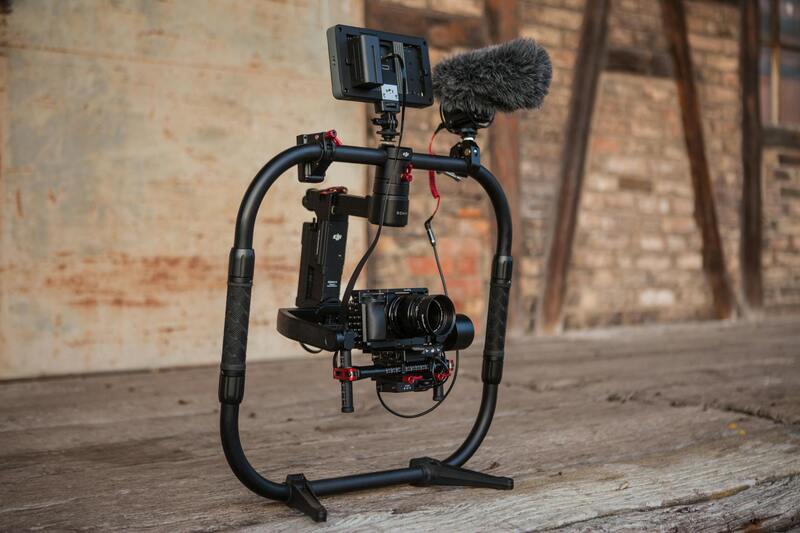
Implementing robust quality control measures, such as peer reviews and software-based consistency checks, helps identify and rectify inconsistencies or artifacts that may compromise the model’s integrity. Regular updates with the latest hardware and software tools improve the overall reliability and visual fidelity of the models, contributing to a seamless virtual experience.
Post-Processing Techniques for Enhanced Realism and Engagement
Post-processing plays a vital role in transforming raw data into compelling virtual walkthroughs. It encompasses a variety of techniques tailored to elevate both aesthetics and functional navigation. For example, texture mapping enhances surface details, making walls, floors, and furnishings look more lifelike. Color correction ensures that lighting and ambiance are consistent across different parts of the property, which is essential for an immersive experience.
In addition, removing noise or artifacts caused by motion or scanning imperfections contributes to a cleaner, more professional presentation. The application of advanced rendering algorithms allows for realistic lighting effects and shadows, creating spatial depth that mirrors real-world conditions.
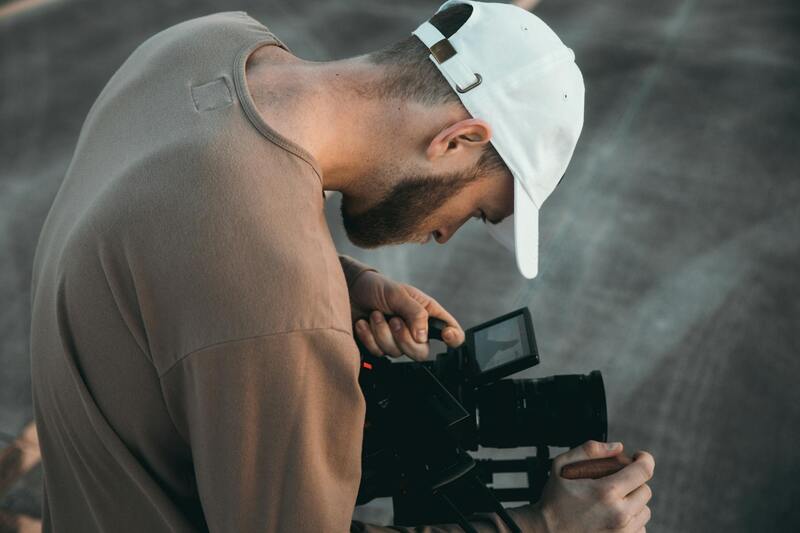
Proper post-processing not only enhances visual appeal but also improves user engagement. Smooth navigation, well-calibrated visual cues, and responsive interaction are crucial for keeping potential buyers interested. The goal is to simulate an in-person viewing as closely as possible, providing detailed views of key features such as amenities, architectural details, and finishes.
Technical Innovations Driving the Future of 3D Visualization in Miami
As technology advances, new tools and processes are emerging to further improve 3D real estate visualization. High-resolution laser scanners, combined with artificial intelligence algorithms, are becoming standard for capturing ultra-detailed models more efficiently. These innovations enable faster data collection and more precise modeling, reducing turnaround times and costs.
In addition, cloud-based platforms now facilitate collaborative editing and sharing of 3D models, making it easier for agents, sellers, and clients to review and provide feedback remotely. This integration streamlines workflows, ensuring that high-quality virtual tours are delivered promptly and meet market expectations.
The seamless adoption of such innovations extends the capabilities of real estate professionals, allowing them to create more interactive, realistic, and engaging property presentations. As a result, Miami's real estate market can leverage these advancements to attract more targeted buyers and stand out in a competitive environment.
Implementing 3d Real Estate Photography: Standards and Techniques
To produce compelling and accurate 3d real estate images that meet the expectations of both clients and platforms, professionals adhere to a set of established standards and best practices. These ensure the authenticity, consistency, and visual appeal of each virtual tour, ultimately aiding in effective property marketing.
One of the primary considerations is the meticulous calibration of equipment. High-resolution laser scanners and photogrammetry tools should be calibrated regularly to capture precise measurements and clear images. This precise calibration contributes to the creation of detailed, accurate models that reflect the true dimensions and layout of the property.
Lighting plays a critical role in 3d property imaging. Proper lighting ensures that all spaces are illuminated evenly, reducing shadows and highlighting architectural features. Photographers often use natural light when possible, complemented by professional lighting setups to enhance interior details without causing overexposure or color distortion.
Consistency across various shots and viewpoints is essential to maintain a seamless virtual experience. Overlapping images, carefully planned shot sequences, and uniform settings across sessions facilitate the stitching process and maintain visual coherence throughout the virtual tour.
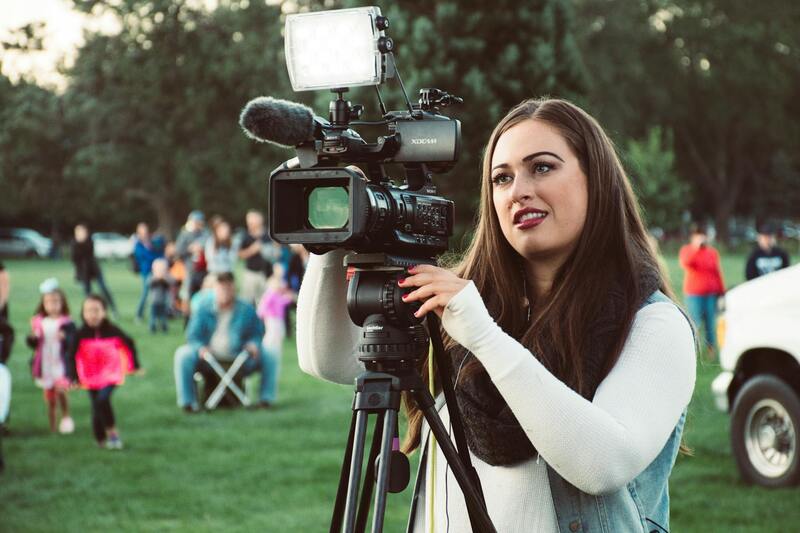
Post-processing is a vital step to refine the raw data collected during the scanning process. This includes cleaning up 3d models, correcting color inaccuracies, and ensuring dimensional accuracy. Advanced software solutions enable professionals to manipulate the virtual environment, optimizing textures, and creating immersive, photo-realistic finishes.
The integration of virtual staging elements is another emerging practice. By digitally adding furniture, decor, or landscape features, real estate agents can present a fully furnished and lived-in appearance that appeals to prospective buyers or tenants without the logistical complexities of physical staging. This hybrid approach enhances visual storytelling and helps prospective clients envision the potential of each space.
Attention to detail during every stage— from initial scanning to final rendering— fortifies the overall quality and reliability of the virtual presentation. This adherence to professional standards ensures the deliverables serve as effective tools for property promotion, enabling buyers to explore homes thoroughly and make informed decisions.

Choosing the right methods and maintaining high operational standards in 3d real estate photography directly impact the success of virtual tours. When executed with precision and thoughtfulness, these visual tools significantly augment traditional listings, providing a competitive edge in the Miami property market and beyond.