Importance of High-Quality Real Estate Photography
In the competitive Miami real estate market, the visual presentation of a property can significantly influence its appeal to potential buyers and renters. High-quality real estate photography is no longer a supplementary aspect of property marketing; it has become a fundamental component that directly impacts marketing success and sales outcomes. Prospective clients typically browse multiple listings online before making contact, and the first impression is often driven by the images they see.
Professional photography enhances the aesthetic appeal of a property by capturing its best features with clarity, proper lighting, and accurate color representation. These images serve as a window into the property, helping prospective buyers visualize themselves living there. Well-executed photographs can showcase spacious interiors, attractive architectural details, and unique amenities, making listings more compelling and engaging.
Effective real estate photography also improves the reach and effectiveness of marketing efforts by increasing the likelihood of online engagement. Listings with high-quality images tend to garner more views, longer browsing times, and higher click-through rates. This heightened visibility often translates into faster sales or rentals and, in many cases, better offers. Moreover, in Miami’s vibrant and diverse property landscape, standing out amidst the multitude of listings requires striking visuals that convey professionalism and credibility.

Beyond immediate marketing benefits, professional real estate photography contributes to building trust with consumers. It demonstrates a seller’s commitment to presenting their property professionally, which can influence a buyer’s perception of value. In a market as dynamic as Miami, where luxury properties and unique architectural styles often demand an elevated presentation, investing in expert photography is a strategic move that yields significant returns.
Furthermore, high-quality images lay the groundwork for consistent branding across various marketing channels, including social media, websites, and print materials. This consistency reinforces the property's allure and enhances the overall credibility of the listing. From boosting online engagement to facilitating quicker transactions, the role of superior real estate photography remains integral to successful property sales in Miami.
Choosing a Skilled Real Estate Photographer in Miami
When selecting a professional to capture your property, it is essential to prioritize experience and specialization in real estate imagery. A seasoned photographer understands how to showcase a property’s unique features, optimize lighting conditions, and utilize effective composition techniques. In Miami’s diverse property market, familiarity with local architectural styles and property types can make a significant difference in delivering compelling visuals that resonate with potential buyers.
Assessing a photographer’s portfolio provides insight into their technical skill, consistency, and ability to adapt to different property contexts. Look for images that demonstrate clarity, well-balanced lighting, and an ability to highlight a property’s best features without exaggeration. A photographer dedicated to real estate should also have access to the latest tools and techniques, ensuring that their work aligns with current industry standards and client expectations.
In addition to technical expertise, communication skills are crucial. A reliable photographer will collaborate proactively with clients to understand their goals, provide guidance on property staging, and suggest optimal times for shooting to maximize natural light. Building a professional relationship based on trust and transparency ensures that the finished images precisely reflect the property’s ambiance and appeal.
Best Equipment and Techniques for Real Estate Photography
High-quality images require the right blend of advanced equipment and refined techniques. Professional-grade DSLR or mirrorless cameras with high-resolution sensors are standard, complemented by wide-angle lenses that capture expansive views of interior spaces. Proper tripod stability and remote shutter releases help achieve crisp, blur-free images, especially in low-light conditions.
Utilizing equipment such as drone cameras enables the capturing of aerial shots that showcase property size, landscape features, and surrounding amenities. Additionally, using high Dynamic Range (HDR) photography techniques helps balance exposure across areas with varying lighting conditions, producing images that are vibrant and true-to-life.

Technical Techniques to Embrace
- HDR Imaging: Merges multiple exposures to achieve detail in both shadows and highlights.
- Proper Staging: Arranging furniture and decor to create inviting, uncluttered spaces that highlight a property’s potential.
- Optimal Lighting: Utilizing natural light at the right time of day, supplemented by professional lighting equipment when necessary.
- Perspective and Composition: Choosing angles that emphasize the space, avoid distortions, and create a sense of depth and flow.
Optimizing Photos for Online Listing Platforms
Once the images are captured, effective post-processing is key to ensuring they meet platform standards and attract viewers. Editing should focus on enhancing color accuracy, correcting distortions, and adjusting brightness and contrast for visual impact. Consistency across images is important to maintain a professional appearance and reinforce the property’s appeal.
Compressing images for fast loading times without sacrificing quality improves user experience on listing sites. Additionally, including multiple perspectives—such as interior, exterior, and landscape shots—provides potential buyers with a comprehensive view of the property, increasing engagement and interest.
Choosing a Skilled Real Estate Photographer in Miami
Selecting the right professional for real estate photography in Miami involves evaluating their experience, portfolio, and understanding of the local market nuances. A photographer with extensive experience in Miami’s diverse property types, from high-rise condos to historic homes, can capture each property’s unique appeal effectively.
Look for a portfolio that demonstrates versatility, with images showcasing various lighting conditions, room types, and exterior shots. This helps verify their ability to produce consistently high-quality work across different settings. Additionally, an adept local photographer understands Miami’s distinctive lighting conditions, climate influences, and architectural styles, ensuring that each shot highlights the property’s best features.
Communication is also critical; professionals who take the time to understand your specific goals, target audience, and listing platform requirements are better positioned to deliver results aligned with your marketing strategy. Their knowledge of current industry standards and trends in Miami real estate ensures the images will meet or exceed platform specifications, enhancing the property's online visibility.
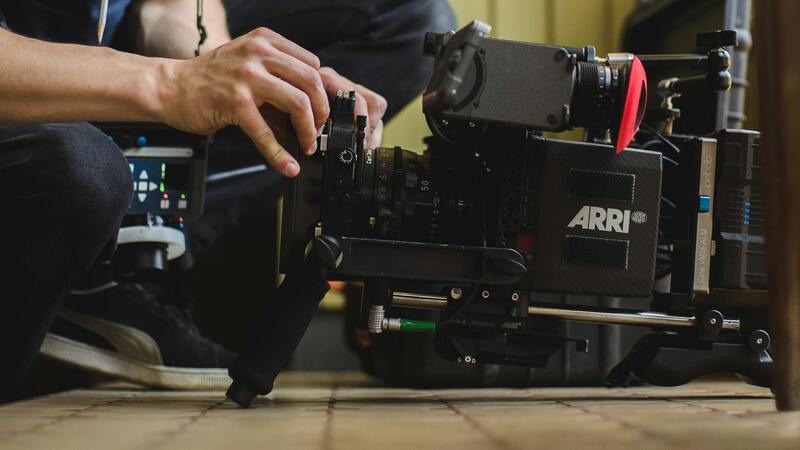
Request references or client testimonials to gauge the photographer’s reliability and professionalism. Confirm their ability to work efficiently within project timelines, especially during busy listing seasons. A professional photographer will also have access to the latest equipment and editing tools, ensuring images are sharp, vibrant, and compelling.
When considering photography services, assess whether the professional offers additional features such as drone shots, virtual staging, or HDR imaging, which can further enhance a property’s presentation. Ultimately, choosing a skilled Miami-based photographer ensures your listings stand out in a competitive market and reach potential buyers with impactful visuals that communicate the property’s value effectively.
Best Equipment and Techniques for Real Estate Photography
Achieving stunning images that highlight Miami properties requires not only an eye for composition but also the right tools and techniques. Professional-grade camera gear is essential for capturing the nuanced details and vibrant colors of each property. A DSLR or mirrorless camera capable of shooting in high resolution ensures images are crisp and clear, making every feature of the home stand out.
Lens selection plays a critical role in real estate photography. Wide-angle lenses, typically ranging from 14mm to 24mm, allow photographers to capture more of the interior and exterior in a single shot, creating an immersive viewing experience. These lenses help convey space accurately while ensuring that rooms appear inviting and spacious. For detailed shots, prime lenses with a wider aperture, such as f/1.8 or f/2.8, add depth and focus to highlight specific features.
Shooting techniques are equally vital. Utilizing HDR (High Dynamic Range) imaging allows the photographer to balance exposure in scenes with contrasting light conditions—think sunlit exteriors versus shaded interiors. Bracketing multiple exposures and merging them in post-processing produces images with rich details in shadows and highlights, replicating what the eye perceives naturally.
Proper lighting setup is key. Natural daylight provides a soft, appealing glow that accentuates a property’s best features. Photographers often schedule shoots during the golden hours—shortly after sunrise or before sunset—when the natural light is warm and diffuse. Supplementing natural light with professional flash or strobe lighting can illuminate darker corners or interiors, maintaining consistent brightness throughout the photos.

Technical proficiency extends to the use of tripod stability for sharpness and the correct application of aperture, ISO, and shutter speed to suit each scene. For exterior shots, polarizing filters can reduce glare and reflections on water features or glass surfaces, ensuring a clean, polished look. Indoor photography benefits from wide-angle lenses combined with proper staging and minimal clutter to create appealing, spacious renderings.
Post-shoot techniques, including meticulous editing, further sharpen images and correct color balance, ensuring consistency across all marketing visuals. Professional editors can remove distractions and enhance the vibrant atmosphere of Miami properties without altering the authenticity, making the properties more attractive to prospective buyers.
Optimizing Photos for Online Listing Platforms
Effective presentation of real estate images on digital platforms is crucial for attracting potential buyers and maximizing property visibility. To achieve this, photographers must adhere to specific standards for formatting, sizing, and watermarking images, aligning with the specifications of leading real estate listing websites.
Proper formatting begins with choosing the right image dimensions. Most platforms favor high-resolution images that are large enough to showcase fine details without causing slow load times. Typically, images should be at least 2000 pixels on the longest side, ensuring they maintain clarity when zoomed in without compromising page speed. Maintaining a balance between quality and file size involves compressing images with lossless methods to prevent cluttered or pixelated visuals, which can deter viewers.
Size consistency across listings enhances professionalism and user experience. Photographers should standardize aspect ratios—commonly 4:3 or 16:9—so that images display uniformly, creating an aesthetically cohesive presentation. Many listing services recommend specific formats such as JPEG or WebP due to their optimal compression and compatibility, facilitating seamless integration across various platforms.
Watermarking serves as an effective way to protect photographers' intellectual property and reinforce brand recognition. Implementing subtle, non-intrusive watermarks—preferably positioned discreetly in a corner—helps prevent unauthorized use while ensuring the main focal point remains unobstructed. It is vital to use transparency and contrast that do not disrupt the visual flow of the images.

Applying these best practices guarantees that each property listing makes a strong visual impression, encouraging engagement and inquiries. The goal is to present high-quality visuals that highlight the property’s unique features while conforming to platform standards, ensuring optimal performance and reach in the competitive Miami real estate market.
Enhancing Real Estate Listings with Accurate and Transparent Visuals
In the competitive Miami real estate market, accuracy in property depiction is vital for establishing trust with potential buyers. Utilizing images that faithfully represent the actual condition and features of a property ensures that viewers develop accurate expectations, which reduces the likelihood of misunderstandings or dissatisfaction later in the buying process. This integrity begins with the choice of professional photography services that adhere strictly to proven methods of capturing genuine visuals, avoiding manipulative techniques that could distort the property's true appearance.
High-quality images produced through reputable methods convey professionalism and commitment to transparency. When potential clients browse listings, their perception of a property is heavily influenced by the unquestionable clarity, lighting, and composition of photographs. Clear, true-to-life visuals not only attract more inquiries but also streamline the transaction process by minimizing surprises during property visits or inspections.

Photographers must employ genuine techniques such as strategic lighting, correct framing, and proper staging to produce visuals that highlight key selling points without exaggeration. The use of high-resolution cameras and controlled lighting setups allows for capturing detailed features, from intricate interior finishes to appealing exterior landscapes, thereby enhancing overall presentation and credibility of the listing.
Emphasizing Consistency and Detail
Beyond individual image quality, maintaining consistency across all photographs in a listing is crucial. A uniform color palette, perspective, and aspect ratio across images provide a professional, cohesive look that appeals to viewers and reinforces the property’s integrity. Consistent image presentation also aids in creating a seamless virtual experience, helping potential buyers evaluate the property comprehensively and confidently.
Another critical aspect involves meticulous attention to detail. Ensuring that all images are free from distortions, unwanted reflections, or shadowing helps preserve the authenticity of the visuals. This attention not only enhances viewer trust but also optimizes the property’s online appeal, making it stand out in a crowded marketplace dedicated to accurate property representation.
Implementing Standard Protocols for Online Display
Online listing platforms typically specify standards that support clear, honest representation. Adhering to these guidelines involves using appropriate file types like JPEG or WebP, managing file sizes through lossless compression to balance quality and load speed, and applying watermarking strategies that do not distract from the property's features. Discreet branding or logo placements in a corner of the image help attribute work to the responsible professional or company, reinforcing credibility without compromising the visual story.
To optimize engagement, images should be formatted consistently to suit platform requirements, with considerations for aspect ratios, resolution, and color profiles. Properly formatted images ensure quick loading times and high visual fidelity, critical for retaining viewer interest and encouraging inquiries.
Conclusion
High-quality, authentic real estate photography acts as a cornerstone for successful property marketing. It demonstrates professionalism, fosters buyer confidence, and empowers viewers to make informed decisions. Choosing established methods for capturing and presenting property visuals guarantees that listings resonate with genuine appeal, ultimately driving sales with clarity and integrity.
Post-Processing and Editing for Real Estate Images
Achieving the best real estate photography begins after capturing images through meticulous post-processing and editing. This crucial stage ensures that property visuals are polished, consistent, and appealing, without misrepresenting the actual space. Skilled editing enhances lighting, adjusts color balance, and sharpens details to create a compelling visual narrative that resonates with prospective buyers and renters.
Professional real estate photographers utilize advanced editing software to fine-tune images, ensuring accurate color rendering that matches real-world conditions. Proper exposure correction prevents images from appearing either overexposed or underexposed, which can distort the viewer’s perception of the property. Additionally, removing minor imperfections and distractions—such as reflections, lens flare, or distracting objects—helps maintain a clean presentation focused solely on the property's strengths.
Editing also involves strategic adjustments to highlight architectural features and spatial flow. Techniques like perspective correction and vertical line alignment eliminate distortions caused by camera angles, creating a true-to-life representation of the property. When employed judiciously, these edits enhance visual appeal without altering the integrity of the listing, fostering trust and transparency with prospective clients.
Moreover, consistency across all listing images significantly impacts the overall professionalism of the presentation. Consistent editing style, color grading, and image resolution guarantee that potential buyers encounter a cohesive visual story, boosting confidence in the listing.
It is imperative that editing retains the authenticity of the space while accentuating its best features. Over-editing or using excessive filters can lead to misrepresentation, which may diminish buyer trust. Therefore, the focus remains on natural enhancement techniques that respect the integrity of the property’s appearance.
High-quality post-processing not only elevates the visual impact but also directly influences engagement rates on online listing platforms. Crisp, vibrant, and accurately rendered images attract more clicks, inquiries, and ultimately, faster sales. For real estate professionals aiming for superior marketing outcomes, investing in expert editing practices is indispensable.
Specialized Techniques for Enhancing Real Estate Images
In the realm of real estate photography, employing advanced techniques is crucial for capturing compelling visuals that effectively showcase a property's unique features. Techniques such as HDR (High Dynamic Range) imaging allow photographers to balance the exposure between bright and dark areas within an interior shot, revealing intricate details in both shadowed corners and well-lit surfaces. This ensures that each photograph presents a comprehensive view, making the space appear inviting and true to life.
Another valuable method involves the use of wide-angle lenses. These lenses amplify the sense of space within a room, enabling viewers to perceive the layout more clearly from a single shot. Proper distortion correction during post-processing is vital to prevent the images from appearing unnaturally stretched or skewed, which can otherwise mislead potential buyers about the actual dimensions of the space.

Lighting remains a cornerstone of quality real estate imagery. Shooting during the optimal time of day or employing supplementary lighting such as softboxes and reflectors can significantly improve the ambiance of interiors. Well-lit images convey cleanliness, brightness, and vibrancy, making rooms appear more attractive. Additionally, balancing natural and artificial light sources in post-production enhances the warmth and inviting quality of the scenes, further stimulating buyer interest.
For exteriors, capturing images during the golden hour — shortly after sunrise or before sunset — produces warm, soft lighting that accentuates architectural details and natural surroundings. This transitional lighting minimizes harsh shadows and highlights the property's best features in a flattering manner.
Implementing Consistent Visual Strategies
Consistency across all listing images is fundamental to establishing a professional appearance. This involves employing a standardized color palette, perspective, and editing style that align with the property's characteristics and target market. Utilizing a preset editing workflow ensures that images from different rooms and angles maintain uniformity, which reinforces the property's visual narrative and fosters trust with potential buyers.
Strategic staging of the property before photography also plays a role in achieving consistent, compelling images. Decluttering spaces, highlighting focal points, and arranging furniture to showcase optimal layouts ensure that each shot captures the property's potential without distractions. Combining skilled staging with expert photography techniques results in visuals that are both appealing and authentic.
High-Resolution and Proper Image Formatting for Maximum Impact
When preparing images for online platforms, resolution quality and formatting are vital considerations. High-resolution images maximize detail retention, allowing viewers to zoom in and scrutinize elements, which increases engagement. Conversely, images should be optimized for web use, balancing quality with loading speeds to prevent slow page performance that can deter potential clients.
Choosing the right file formats, such as JPEG or WebP, ensures images display correctly across various devices and browsers. Proper compression techniques minimize file size without compromising visual clarity, promoting seamless user experiences that foster increased inquiries and viewings.
Conclusion: The Role of Technical Excellence in Real Estate Marketing
Technical mastery in real estate photography encompasses a comprehensive understanding of camera operation, lighting, composition, and editing. Professionals committed to continuous learning and adaptation to emerging techniques and tools remain indispensable in producing visuals that resonate with prospective buyers. High-quality imagery not only highlights a property's attributes but also enhances the branding and reputation of real estate agencies striving for excellence in Miami’s competitive market.