Factors Influencing Drone Photography Costs
Understanding the various elements that impact the cost of commercial drone photography is essential for clients aiming to budget effectively and for service providers seeking to deliver transparent pricing. Several core factors predominantly influence the overall pricing structure, including the quality and type of equipment used, the complexity of the project, and the experience level of the drone operator.
Equipment Quality and Technology
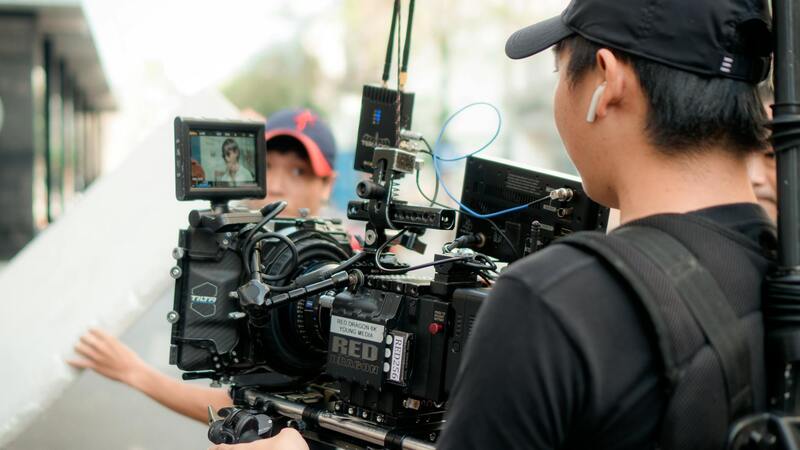
The sophistication of the drone and camera equipment directly correlates with the project price. Professional-grade drones equipped with advanced stabilization systems, high-resolution sensors, and longer flight times typically come at a higher cost. These tools allow for capturing clearer, more detailed images and videos, which are often required in commercial applications such as real estate, construction, or advertising.
Additionally, the availability of specialized payloads, such as thermal imaging or LIDAR sensors, can further influence costs. While these specialized tools enhance the scope of potential projects, they also entail higher procurement and maintenance costs, which are reflected in the service pricing.
Project Complexity and Scope
The intricacy of the task is a critical determinant of pricing. Simple aerial shots or videos over a short distance are generally less expensive. However, projects that involve complex flight paths, multiple locations, or intricate shot compositions tend to incur higher charges. Factors such as obtaining multiple angles, detailed pre-planning, or capturing high-resolution content over expansive areas increase labor and equipment use, thus elevating costs.
Experience and Certification of Drone Operators
Experienced pilots with specialized training and certifications tend to command higher rates. Their proficiency ensures adherence to safety standards, optimal shot framing, and efficient project execution, which are crucial for high-stakes commercial projects. Clients often pay a premium for operators with a proven track record of delivering quality results, especially in sensitive or regulated environments.
Moreover, ongoing training and familiarity with the latest drone technologies play a significant role in maintaining operational excellence, further influencing pricing structures.
In summary, commercial drone photography pricing hinges on a combination of technological capabilities, project requirements, and operator expertise. Clients should consider these elements carefully when planning their budgets and choosing service providers to ensure the selected solution aligns with their goals and expectations.
Factors Influencing Drone Photography Costs
When evaluating commercial drone photography pricing, understanding the key contributing factors is essential. The complexity of the flight plan and the scope of the project significantly impact the overall cost. For instance, capturing aerial footage over a small, straightforward area typically requires less flight time, fewer technical adjustments, and minimal post-processing, resulting in lower costs. Conversely, projects demanding multiple angles, diverse locations, or intricate shot compositions necessitate more extensive pre-planning, additional equipment, and longer flight durations, thus increasing expenses.
Another vital element is the technological sophistication of the drone equipment used. High-end drones equipped with advanced stabilization, high-resolution imaging, or specialized sensors for thermal or multispectral imaging command higher rental or operational fees. These technologies are often crucial for industry-specific applications such as surveying, real estate, or construction monitoring.
Operator expertise also influences pricing. Certified pilots with extensive experience can execute complex shoots efficiently, often minimizing the time required and reducing potential troubleshooting. Their deep knowledge of airspace regulations, safety protocols, and optimal shot execution ensures a smooth process, especially in commercially sensitive environments.
Pre-production planning constitutes another cost factor. Detailed shot lists, site surveys, permission acquisition, and logistical arrangements involve additional labor, which can reflect in the final price. In addition, projects with demanding post-production requirements, including color grading, 3D mapping, or high-resolution rendering, require further investment in editing and software processing.
Finally, client expectations and project timelines affect pricing. Urgent deadlines or high-volume shoots may incur rush fees or premium rates to prioritize the project within operational schedules. Balancing these elements helps clients and service providers establish a realistic budget aligned with project goals.
Additional Costs to Consider
While base pricing provides an initial estimate for commercial drone photography services, several supplementary expenses can influence the overall cost of a project. These additional costs should be carefully evaluated during budgeting to ensure comprehensive financial planning.
- Permitting and Approval Fees: Accessing certain locations, especially in urban or protected areas, often requires permits or permissions from authorities. These fees vary depending on jurisdiction and project scope, and they can add to the total project expense.
- Specialized Equipment and Accessories: For specific industry needs, extra gear such as multispectral sensors, thermal cameras, or long-range lenses may be necessary. Such equipment can significantly increase rental or operational costs.
- Flight Insurance and Safety Measures: Employing comprehensive insurance coverage for drone operations and implementing safety protocols incurs additional costs, especially for high-risk or large-scale projects.
- Site Access and Logistics: Difficult terrains, confined spaces, or inaccessible areas require specialized planning, additional manpower, and transportation arrangements, all affecting pricing.
- Post-Processing and Editing: Advanced editing services, including 3D modeling, high-resolution stitching, or specialized color grading, extend project timelines and labor costs.
- Expedited Scheduling: Projects that demand rapid turnaround often come with rush fees, reflecting the need for prioritized scheduling and extended operational hours.
Understanding these potential expenses enables clients to develop more accurate budgets and ensures transparent communication with service providers. Preparing for these costs ahead of time helps avoid unexpected budget overruns and facilitates smoother project execution.
Factors Influencing Drone Photography Costs
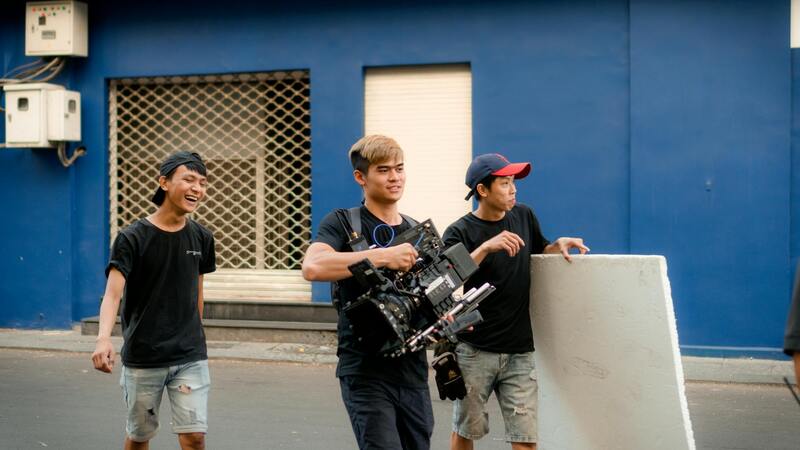
Several key elements shape the overall expenses associated with commercial drone photography projects. Understanding these components enables clients to better anticipate costs and make informed decisions. One primary factor is the complexity and scope of the project. A simple aerial shot of a property might only require basic drone equipment and minimal post-processing, resulting in lower fees. Conversely, capturing detailed 3D maps or high-resolution videos over large sites entails advanced equipment, longer flight times, and extensive editing, all contributing to higher prices.
Next, the choice of equipment plays a significant role. Standard drones equipped with high-definition cameras are often included in basic packages, but projects demanding specialized gear—such as multispectral sensors for agricultural analysis, thermal imaging for inspection tasks, or long-range lenses—incur additional rental or operational costs. The presence of specialized equipment often necessitates skilled operators trained to handle complex tech, further influencing pricing.
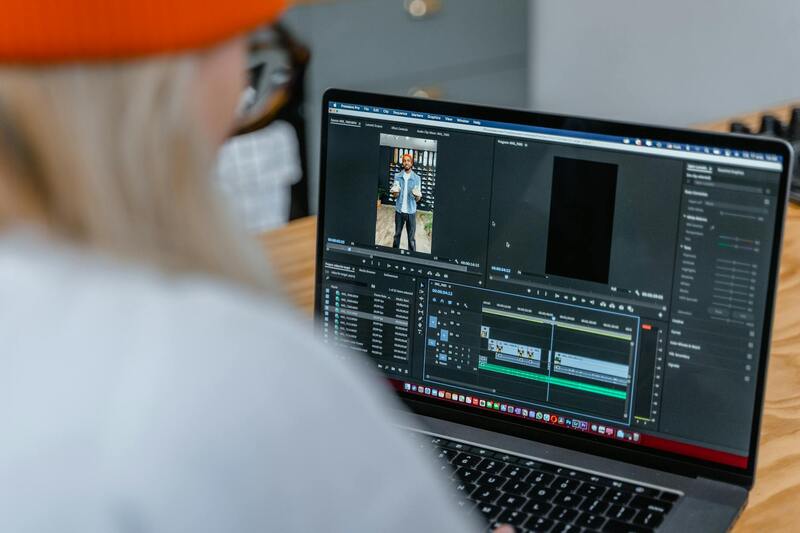
Operational logistics also impact costs. Difficult terrains, confined spaces, or inaccessible locations require meticulous planning, possibly involving additional personnel, transportation, or safety measures. Such logistics can extend flight durations and necessitate multiple flight sessions, elevating expenses. Furthermore, obtaining necessary permits or permissions from authorities involves fees that vary by jurisdiction and project specifics, potentially adding to the overall budget.
Average Price Range for Commercial Drone Photography
Typically, clients can expect the cost for standard commercial drone services to fall within a certain range, depending on regional market rates and project complexity. On average, basic drone photography sessions might start at around $200 to $500 for short shoots covering a few minutes of footage or a handful of images. For more comprehensive projects involving longer flights, detailed editing, and multiple locations, prices can escalate to between $1,000 and $3,000 or more.
Coverage area, resolution quality, and the required post-production level significantly influence these totals. For instance, aerial videography with high-definition output for marketing or promotional purposes generally commands higher rates than simple still photography. Large-scale inspections, such as infrastructure assessments, often fall within higher pricing tiers due to the need for specialized equipment and expertise.
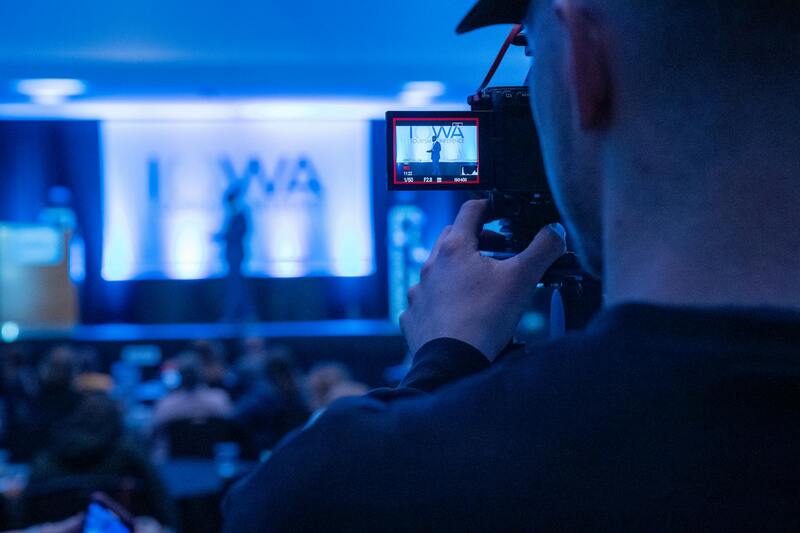
Engaging with service providers that offer transparent itemized quotes helps clients understand the specific factors influencing costs. A detailed breakdown typically includes drone operation fees, equipment rental, post-processing, and any supplementary expenses like site access or insurance. Such clarity ensures alignment with budget expectations and project goals.
Pricing Models Used by Drone Photography Providers
Providers generally adopt three main pricing structures for commercial drone photography: flat rates, hourly rates, and custom packages. Flat-rate pricing covers a predetermined scope of work and is ideal for straightforward projects with clear deliverables, offering predictability in budgeting. Hourly rates provide flexibility for projects with variable durations, often ranging from $150 to $300 per hour depending on the drone's complexity and operator expertise.
Custom packages are tailored to meet specific project requirements, combining different services such as multiple flight sessions, post-production, and site visits. These are usually quoted after assessing the project's scope, allowing clients to balance quality and cost. Advanced projects requiring rapid turnaround or unique technical approaches may also incur rush fees, further influencing overall pricing.
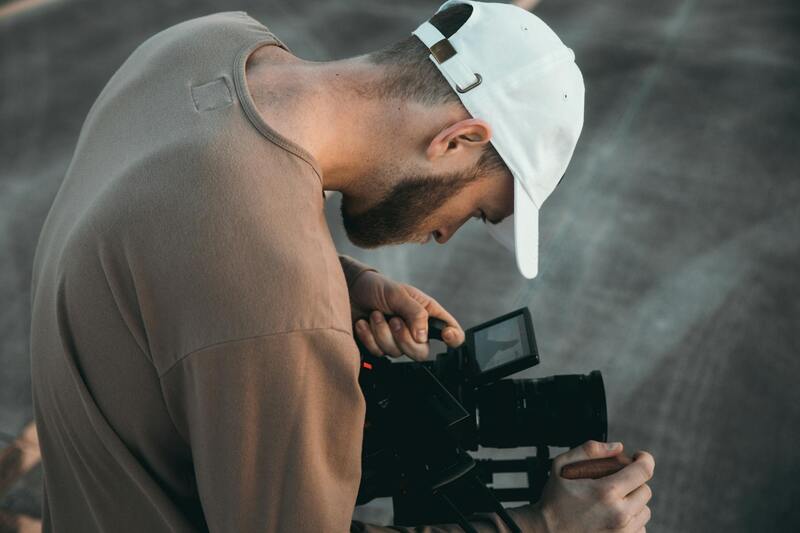
In practice, selecting a pricing model aligned with project complexity and desired outcomes fosters efficient budgeting, transparent communication, and successful results for commercial drone photography ventures.
Factors Influencing Drone Photography Costs
Several critical elements directly affect the pricing of commercial drone photography services. The complexity of the project is among the most significant factors, encompassing the scope of work, the flight altitude, the number of locations involved, and the level of detail required in the imagery. For example, projects needing high-resolution images or detailed surveys tend to require more advanced drone equipment and additional flight time, thereby increasing costs.
Another key determinant is the drone's technical specifications and capabilities. Drones equipped with high-end stabilization systems, multiple camera options, or specialized sensors such as thermal imaging or LiDAR significantly impact the overall price. These advanced features allow for more precise and detailed data collection but come with higher operational costs.
The experience and expertise of the drone operator also influence costs. Seasoned pilots with extensive training can handle complex environments and ensure safety, which justifies higher service fees. Additionally, operational considerations such as site accessibility, obstacles, or the need for multiple flight sessions can lead to additional charges.
- Project Scope: The extent and scale of the imagery collection required.
- Equipment Used: The type and sophistication of drones and cameras deployed.
- Operator Experience: The level of professionalism and skills of the pilot.
- Location and Site Conditions: Difficult terrains or congested areas may increase logistical and safety expenses.
- Post-Processing Needs: Extensive editing, color correction, or data analysis can add to costs.
Additional costs may also arise from permits, site access restrictions, or insurance coverage necessary for safe operation, especially in urban or sensitive environments. Recognizing these variables helps in understanding how pricing is formulated and allows for more accurate budgeting aligned with project specifics.
Average Price Range for Commercial Drone Photography
The typical pricing for commercial drone photography services can vary widely based on project complexity, location, and provider experience. For straightforward aerial captures such as basic property photography or small-scale promotional videos, clients can expect to pay between $200 and $600 per session. These packages usually include a set number of images or minutes of video footage and minimal post-processing.
More comprehensive projects, such as 3D mapping, aerial surveying, or inspections of large infrastructure, often fall within the $1,000 to $3,000 range. These higher costs reflect elaborate flight plans, advanced data collection techniques, and detailed reporting or analysis requirements.
It is important to note that project duration and deliverable scope directly influence prices. Short sessions with quick turnarounds tend to be more cost-effective, whereas multi-day operations with multiple deliverables naturally carry higher fees.
Pricing Models Used by Drone Photography Providers
Providers typically employ various pricing structures tailored to client needs. The most common models include flat rates, hourly billing, and customized packages.
Flat-Rate Pricing
This model offers a fixed fee for specific deliverables, such as a set number of images or footage. It is particularly suitable for projects with well-defined parameters, ensuring budget predictability and clarity for both parties. For instance, a client may pay a single fee for a comprehensive aerial property tour with a specified number of images.
Hourly Rates
Charging by the hour provides flexibility, especially in projects where the scope may evolve. Typical hourly rates range from $150 to $300, depending on the complexity of the operation and the drone technology involved. This approach is ideal when the project demands variable flight times or unpredictable conditions that could extend the work duration.
Custom Packages
Many service providers prefer to develop tailored packages combining various services like multiple flight sessions, post-production editing, or site visits. Custom pricing enables clients to align costs with their specific project requirements, offering a more flexible and transparent approach. These packages are usually quoted after a thorough assessment of project complexities and desired outcomes.
Additional Costs to Consider
Beyond the core service fees, additional expenses can impact the overall budget. Permitting processes, especially in urban or restricted areas, involve application fees and potential delays which should be anticipated. Insurance coverage is often necessary to cover unforeseen incidents, adding to operational expenses. If the site requires special permissions or access arrangements, those costs should also be factored into the total budget.
Equipment rental or specialized sensors may incur extra charges if needed. Post-processing, such as detailed editing, 3D modeling, or data analysis, can significantly increase project costs depending on client specifications. Likewise, rapid turnaround projects or those requiring onsite delivery of multiple deliverables might attract premium charges for expedited service.
Factors Influencing Drone Photography Costs
When evaluating commercial drone photography pricing, several key factors directly impact the final cost. The scope of the project is paramount; larger or more complex sites require additional flight time, specialized equipment, and detailed post-production work, which collectively increase expenses. The location of the shoot also plays a role, especially if restricted or high-traffic urban areas demand more planning, permits, or additional safety measures.
Equipment quality and capabilities significantly influence costs. Drones equipped with high-resolution cameras, thermal sensors, or LIDAR technology demand higher investment, both in acquisition and operation. Skilled pilot expertise is another determinant—more experienced operators generally command higher rates, but their proficiency often ensures higher quality results with fewer retakes and fewer operational risks.
Project intricacies such as the need for multiple flight sessions, prolonged shooting durations, or complex data collection can elevate costs. Furthermore, environmental conditions—such as adverse weather or challenging terrains—may require additional precautions, specialized gear, or repeat visits, all of which contribute to the overall expense.
Average Price Range for Commercial Drone Photography
Prices for commercial drone photography services typically vary based on project scope and deliverables. On average, clients can expect to pay between $200 and $500 for basic aerial shots that involve a single location and limited post-editing. These sessions usually encompass up to a few hours of flying and minimal editing work.
For more comprehensive projects, including detailed videos, multiple locations, or extensive editing, costs tend to range from $1,000 to $3,000 or higher. Corporate promotional videos, real estate showcases, and infrastructure inspections fall into this higher bracket, especially when precise data collection or high-resolution imagery is required.
It’s important to note that these ranges serve as general benchmarks. The final price can fluctuate depending on specific project demands, geographic considerations, and the level of customization required.
Pricing Models Used by Drone Photography Providers
Different service providers adopt distinct pricing frameworks to accommodate client needs and project specifics. Flat-rate pricing is common for straightforward shoots where the scope is clearly defined upfront, providing clients with predictable costs for specific deliverables.
Hourly rates are favored for projects requiring flexible scheduling or ongoing work. These rates can range from $150 to $300 per hour, depending on the quality of equipment and experience of the pilot. Some providers offer day rates, especially for large-scale projects, which can be more economical depending on the duration and complexity.
Customized packages are also prevalent, allowing clients to bundle services such as multiple flight sessions, extensive editing, and data analysis. These packages are typically tailored after an initial consultation to ensure alignment with project goals and budget constraints.
Additional Costs to Consider
Beyond the base service fees, additional expenses must be considered to prepare an accurate budget. Permitting fees are a significant aspect, particularly in urban or environmentally sensitive zones. These often involve application costs and associated administrative processes, which can add several hundred dollars to the project.
Insurance coverage is another critical component—coverage for equipment and liability ensures smooth operation but adds to expenses. Site access fees, especially for restricted areas or private properties, should also be factored into the overall estimate.
Custom or specialized equipment such as high-resolution sensors, thermal imaging, or 3D mapping tools incur additional charges when required. Post-production work—editing, color correction, 3D modeling, or detailed reporting—also influences final costs. For quick turnaround projects, expedited processing often results in higher fees.
Factors Influencing Drone Photography Costs
Several key elements determine the overall pricing for commercial drone photography services. The complexity and scope of the project play a significant role, including the size of the area to be covered and the intricacy of the shots required. Larger or more detailed missions typically demand more flight time, advanced equipment, and higher skill levels from pilots, which consequently increases costs. Additionally, the type of drone equipment used can impact pricing; models equipped with high-resolution sensors, thermal imaging, or 3D mapping technology incur extra expenses due to their specialized functionality.
The location of the shoot also influences pricing. Urban areas or locations with restricted airspace necessitate additional permits and administrative work, adding to the overall expense. Conversely, remote or less regulated environments might reduce such costs but could introduce logistical challenges, such as transportation and setup time. The duration of the project is another crucial factor. Short, single-team sessions may be billed at a flat rate or hourly, whereas long-term or multiple-session projects often involve discounted package deals or day rates.
Experience and reputation of the drone service provider are also reflected in the pricing. Certified, highly skilled pilots with extensive portfolios tend to command higher fees. Such professionals often combine their technical expertise with a thorough understanding of aerial regulations and safety protocols, which adds value to their services. Furthermore, the level of post-production work required—such as editing, color correction, or 3D modeling—can significantly influence costs, especially if client-specific adjustments or rapid delivery timelines are necessary.
Average Price Range for Commercial Drone Photography
The typical price for commercial drone photography varies widely based on the factors outlined above. Basic coverage of a small property or simple aerial shots might start from $200 to $500 per session. This rate generally includes a set amount of flight time and limited post-processing. For more comprehensive projects involving larger areas, multiple locations, or advanced equipment, prices can escalate to $1,000–$3,000 or more. Full-day packages with extensive editing, multiple flight angles, and detailed reporting often range between $2,500 and $7,000.
It is important for clients to review what is included in the quoted price. Some providers bundle licensing, post-production, and permit procurement in their packages, while others itemize these costs separately. Ensuring clarity on deliverables helps avoid surprises and aligns expectations with the project budget.

Pricing Models Used by Drone Photography Providers
- Hourly Rate: Commonly used for short-term or one-time shoots, typically ranging from $150 to $300 per hour depending on equipment and experience.
- Flat Fee: Suitable for well-defined projects with specific deliverables, often providing a clear total cost up-front.
- Day Rate: Ideal for extensive shoots spanning an entire day, usually between $1,000 and $4,000, accounting for pilot hours, equipment, and post-processing.
- Package Deals: Custom bundles that might include multiple sessions, editing, and permits, offering economies of scale and tailored services.
Additional Costs to Consider
Beyond the basic service fee, several supplementary expenses contribute to the total project cost. Permitting fees are essential in controlled environments, with costs varying depending on jurisdiction and scope. Insurance coverage, covering equipment and liability, is a significant safety measure but adds to the overall expense. Access fees for private properties or restricted zones can also influence your budget.
Specialized equipment, such as thermal sensors or high-resolution cameras, often commands higher hire rates, especially if custom configurations are required. Post-production costs—including editing, color grading, or 3D mapping—are frequently billed separately, especially for quick turnaround projects that demand expedited processing. It is recommended to have a detailed discussion with the service provider to understand all potential costs upfront, ensuring comprehensive budgeting for your project.
Legal and Regulatory Factors Affecting Pricing
While not explicitly mentioned, navigating the airspace regulations, obtaining necessary clearances, and ensuring compliance with local guidelines require additional administrative work. These procedures often involve fees that are incorporated into the project’s overall cost structure. The complexity of navigating these formalities can also affect scheduling and project timeline, indirectly influencing pricing. Providers with experience in managing permits and regulatory requirements tend to incorporate this expertise into their rates, providing clients with seamless service and peace of mind.
Tips for Budgeting and Negotiating Drone Photography Services
Transparent communication is key when budgeting for drone photography services. Establish your project scope clearly, including coverage area, desired footage, and post-processing requirements. Request detailed quotations that itemize all potential costs, from permits and equipment to editing and delivery timelines. Leverage multiple quotes to compare value and negotiate terms without compromising on quality. Building a collaborative relationship with your drone service provider can also open opportunities for customized packages or discounts on recurring projects, ensuring optimal use of your budget.
Factors Influencing Drone Photography Costs
Several key elements drive the overall cost of commercial drone photography projects, requiring clients to consider both the scope of work and operational specifics. The complexity of the shoot significantly impacts pricing; intricate shots involving multiple locations, high-resolution images, or specialized flight plans tend to incur higher charges. The size and accessibility of the filming area also play a role—urban environments with restricted airspace or congested surroundings may necessitate additional planning and permits that elevate costs.
Type of drone equipment used influences pricing as well. High-end drones outfitted with advanced stabilization systems, thermal imaging, or specialized camera mounts command higher rental and operator fees. The experience level of the drone pilot is another crucial factor—more seasoned professionals with extensive safety records and technical expertise often bill higher but deliver a higher quality output.
Furthermore, project deadlines can affect the pricing structure; expedited delivery or short-notice requests typically involve rush charges. Weather conditions and seasonal variations may also influence costs, especially if weather-related delays or rescheduling are necessary to ensure safety and compliance with operational standards.
Average Price Range for Commercial Drone Photography
In Miami, the typical pricing for commercial drone photography services varies based on the scope and specific project demands. Standard commercial shoots usually fall within the $500 to $1,500 range for a half-day session, which includes initial planning and basic editing. For full-day shoots or more complex projects involving extensive coverage, the costs can range from $2,000 to $5,000 or higher.
Specialized services, such as high-resolution aerial mapping, 3D modeling, or thermal imaging, often carry premium rates. These services might start at $3,000 and go upwards, depending on the area size, data processing requirements, and deliverables. Additionally, regional market trends, local demand, and provider reputation influence the final pricing structure.
Pricing Models Used by Drone Photography Providers
Hourly Rates
Many providers prefer an hourly rate structure, commonly ranging from $100 to $300 per hour. This model is suitable for projects with well-defined durations, allowing clients to pay solely for the time spent on aerial operations, including setup and breakdown.
Flat-Rate Packages
Flat-rate pricing offers clients transparency and predictability. For example, a half-day package might include a set number of flight hours, basic editing, and a limited number of images. These packages range from $800 to $2,500 depending on the scope and deliverables.
Per-Project Pricing
Complex or multi-session projects often utilize per-project rates, which incorporate all aspects—planning, permits, flight time, editing, and delivery. These rates usually require a detailed project brief to ensure all client needs are met within the agreed budget.
Providers may also offer tiered pricing, where additional services or expedited deadlines are billed separately, allowing clients to customize their package based on their budget constraints.
Additional Costs to Consider
- Permits and Authorization Fees: Securing necessary permissions for drone operations in certain areas can involve administrative fees, especially in densely populated or restricted zones.
- Specialized Equipment: Usage of high-end cameras, thermal sensors, or customized mounts may require additional rental costs.
- Post-Processing and Editing: Advanced editing, color grading, or 3D modeling services can significantly increase the final project budget.
- Expedited Delivery: Requests for rapid turnaround times might incur premium charges.
- Travel and Accommodation: For projects outside the local area, expenses related to travel, lodging, and transportation of equipment should be factored into the overall cost.
Legal and Regulatory Factors Affecting Pricing
Operational costs often include administrative efforts required for compliance, such as navigating local airspace regulations and obtaining necessary clearances. This entails paperwork, coordination with authorities, and potentially fee payments that are integrated into the overall project quote. Experienced providers with established relationships and processes for permit acquisition can streamline these procedures, often reducing delays that might otherwise extend project timelines and increase costs.
Additionally, ensuring adherence to safety protocols and insurance compliance might influence the pricing structure. Providers invest in training, certifications, and insurance coverage to mitigate risks, which also reflects in their service fees. The level of regulatory complexity inherent in specific locations can lead to increased costs, especially for projects involving multiple sites or complex logistical arrangements.
Tips for Budgeting and Negotiating Drone Photography Services
Clear communication about the project's scope forms the foundation of accurate budgeting. Detail your expected coverage area, footage requirements, and post-production needs to help providers formulate precise quotes. Request itemized estimates that list all potential costs, including permits, equipment usage, labor, and editing to facilitate transparent comparisons among providers.
Engage in open discussions about potential discounts, package deals, or bundled services, especially for repeat or large-scale projects. Negotiating upfront can often lead to favorable terms while maintaining quality standards. It is advantageous to obtain multiple quotes from reputable providers to benchmark pricing and ensure the final agreement aligns with your project's needs and budget constraints.
Building a collaborative relationship with your chosen provider can also facilitate flexible arrangements, such as customized packages tailored to your specific objectives, resulting in better value and project efficiency.
Choosing a Drone Service Provider Based on Cost and Quality
While cost is an important consideration, the expertise and reputation of the provider are equally vital. Look for providers with demonstrable experience in your industry, a robust portfolio of completed projects, and positive client testimonials. This ensures the project will meet your quality expectations without unexpected issues or delays.
Discuss their safety record, equipment reliability, and post-processing capabilities. A provider offering comprehensive services—including planning, filming, editing, and delivery—can often streamline project timelines and reduce unforeseen expenses. Ultimately, balancing cost with professionalism ensures a successful outcome aligned with your project goals and budget.