Understanding the Importance of Commercial Property Photography
High-quality commercial property photography has become an essential component in the real estate industry's marketing strategies, especially within competitive markets like Miami. Impressive imagery serves as a visual first impression that can significantly influence a potential buyer's or tenant's decision to explore further. Accurate, professional images showcase the true potential of the space, highlighting its features, layout, and unique aspects that set it apart from similar properties.
In the bustling Miami market, where diverse commercial spaces range from sleek office buildings to expansive retail complexes, visually appealing photographs can increase online engagement, generate more inquiries, and accelerate leasing or sale processes. Effective images not only attract attention but also establish a sense of credibility and professionalism, which are critical in building trust with prospective clients.
Beyond marketing, high-quality commercial photography can positively impact a property’s perceived value. Well-presented photographs can emphasize the quality of construction, design, and amenities, thereby justifying premium pricing or rental rates. They serve as a reflection of the property's maintenance and appeal, influencing how it is viewed within the market landscape.
Furthermore, professional images contribute to building a strong online presence, an increasingly vital aspect of property marketing. As most searches and property inquiries begin online, the clarity, composition, and overall aesthetic of photographs determine the effectiveness of digital listings. In Miami’s dynamic commercial real estate scene, leveraging top-tier photography can create a competitive advantage, helping properties to stand out amidst numerous listings.
Ultimately, the importance of commercial property photography extends beyond aesthetics. It encompasses a comprehensive approach to showcasing a property's strengths, elevating its marketability, and supporting strategic business objectives. For property owners and investors aiming for maximum exposure and efficient transactions, investing in high-quality visual representation is a decisive step toward market success.
Legal and Technical Considerations in Commercial Property Photography
When engaging in commercial property photography, it is essential to adhere to specific technical standards and procedures that ensure the images accurately represent the property while maintaining privacy and security concerns. Proper planning and execution of photoshoots require collaboration with property owners and managers to confirm access permissions and scheduling. Clear communication about the scope of the shoot and the intended use of images mitigates misunderstandings and streamlines operations.
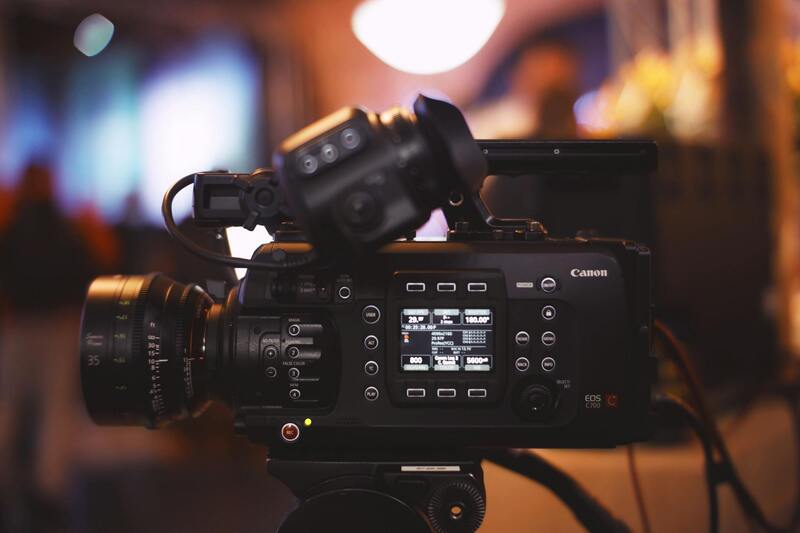
Use of appropriate equipment is fundamental in capturing high-resolution images that highlight key architectural and design features. Professionals typically employ DSLR or mirrorless cameras with wide-angle lenses to create an expansive view of interior spaces and exteriors. Additionally, utilizing tripods, stabilizers, and drone photography—where permitted—enhances image stability and scope, providing comprehensive coverage of the property.
Lighting is another critical component. Natural light should be maximized through appropriate timing, such as during golden hours, to produce vibrant and inviting photos. Supplementary lighting equipment, such as diffused flash or LED panels, can be employed to illuminate shadowed areas and showcase interior details under varying conditions.
In terms of technical compliance, property owners and photographers must be aware of local regulations regarding drone usage, especially in densely populated areas like Miami. Permits and specific operational guidelines are often required to ensure lawful aerial photography and videography. Similarly, attention must be paid to privacy requirements—avoiding capturing sensitive or unauthorized areas—to respect the rights of tenants and nearby residences.
Post-production procedures should be straightforward, focusing on color correction, perspective adjustments, and minor retouching to enhance visual clarity without misrepresenting the property. This aligns with delivering images that are both compelling and truthful, fostering trust with prospective clients and stakeholders.
Finally, documentation of the photographic process—including model releases, permission forms, and detailed records of equipment used—can serve as a valuable resource for future marketing campaigns and legal clarity. Careful management of these elements ensures the integrity and professionalism of commercial property photography, supporting effective marketing and safeguarding all parties involved.
Understanding the Importance of Commercial Property Photography
Effective commercial property photography serves as a cornerstone for successful real estate marketing. High-quality images not only attract potential tenants and buyers but also convey the value and unique features of a property. When professional photography captures the distinct architectural elements, spacious interiors, and appealing exterior aesthetics, it elevates the property’s market presence. Photographs that emphasize lighting, angles, and composition resonate more deeply with viewers, creating a compelling narrative that encourages engagement. This visual storytelling plays a crucial role in differentiating a property in a competitive market, especially in vibrant urban areas like Miami where diverse architectural styles and vibrant neighborhoods require tailored visual representation. Consistent and professional imagery helps build trust and establishes a strong visual identity for your brand or property portfolio, making it an indispensable tool for maximizing property visibility and accelerating leasing or sales processes.
Key Elements of Effective Commercial Property Photos
- Lighting: Utilize natural light when possible, supplemented by professional lighting equipment to eliminate shadows and highlight interior details.
- Angles and Composition: Select vantage points that showcase the property's largest and most appealing features, maintaining a balanced composition that guides the viewer's eye naturally.
- Image Clarity and Resolution: Capture images with high resolution to ensure clarity across all platforms, from online listings to printed brochures.
- Interior and Exterior Balance: Combine exterior shots that establish context with interior perspectives that reveal space and layout, providing a comprehensive view of the property.
- Consistency and Branding: Maintain a uniform style and tone in all images to reinforce branding and professional standards across marketing materials.
- Post-Processing Enhancements: Implement subtle color correction, perspective adjustments, and retouching to enhance visual appeal without misrepresenting the property.
These elements work synergistically to produce compelling images that resonate with viewers, increasing the likelihood of generating meaningful leads and inquiries. It is equally important to follow technical guidelines and regional regulations during the photography process to ensure compliance and uphold integrity. For instance, drone photography in Miami requires adherence to specific operational permits and privacy standards. Proper documentation like permission forms and model releases further streamline marketing efforts and protect all involved parties. By focusing on these key elements, professionals can deliver photographs that effectively support sales, leasing, and overall branding strategies without compromising authenticity or quality.
Legal and Technical Considerations in Commercial Property Photography
Ensuring the integrity and professionalism of commercial property images involves strict adherence to a series of established standards and best practices. This encompasses understanding the technical aspects of photography, such as optimal lighting, angles, and equipment usage, as well as respecting property rights and privacy considerations. Utilizing high-quality cameras and lenses capable of capturing sharp, detailed images is essential for creating presentations that accurately represent the property’s features.
Equipment choice is fundamental; professional-grade DSLR or mirrorless cameras equipped with wide-angle lenses are preferred for capturing expansive interior shots, allowing for a comprehensive view of interior spaces without distortion. When photographing exteriors, drone photography can provide distinctive aerial perspectives, but it must be done following industry guidelines that uphold safety and privacy protocols.
Lighting plays a pivotal role in producing compelling images. Natural light should be maximized for a warm, inviting atmosphere, but supplemental lighting may be necessary to illuminate darker areas or mitigate shadows. Properly balanced exposure ensures all parts of the image are visible and true to life. During post-processing, adjustments should enhance clarity and color accuracy while preserving the authenticity of the property.
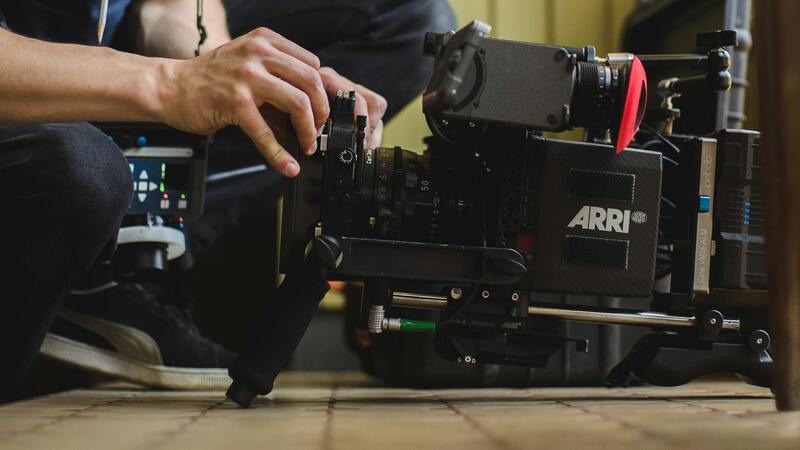
Beyond technical execution, adhering to regional regulations and industry standards is critical. In Miami, for example, using drones requires obtaining appropriate operational permits and following strict safety guidelines to respect privacy and avoid disruptions. It is also vital to secure comprehensive permissions when photographing private or restricted-access areas, and to document consent through legal releases where applicable.
Properties being photographed must be free of clutter and any personal items that could detract from their appeal or cause misrepresentation. Ensuring the space is clean, well-organized, and staged reduces the need for extensive post-processing and guarantees the images reflect the true potential of the property. Capturing multiple angles and using strategic compositions enhances the depth and visibility of key features, making the listing more attractive to prospective tenants or buyers.
Incorporating branding elements in the images, such as logos or color schemes consistent with the property's marketing identity, also contributes to a cohesive visual strategy. This branding extends beyond photography to all digital and printed marketing materials, reinforcing a professional image and increasing brand recognition.
An understanding of these technical and legal considerations helps in producing images that meet industry standards, showcase properties effectively, and support a seamless marketing process. High-quality, accurate imagery not only attracts attention but also builds trust and credibility with potential clients, enabling smoother transactions and stronger market positioning.
Legal and Technical Considerations in Commercial Property Photography
Conducting commercial property photography entails navigating a range of critical legal and technical considerations to ensure images are both compliant with industry standards and technically superior. One fundamental aspect is obtaining explicit permissions from property owners or authorized representatives before photographing any spaces. This process includes securing signed consent forms that grant rights to use images for marketing purposes. When the property includes private or sensitive areas, detailed agreements should outline any restrictions on photography and usage to prevent disputes or misunderstandings.
Equally important is verifying access rights to particular spaces within a property. This includes obtaining operational permits when necessary and adhering to public safety regulations, especially in high-traffic or construction zones. Photographers should thoroughly review property guidelines to avoid unauthorized access or disruptions during the shoot, preserving professional relationships and the integrity of the project.
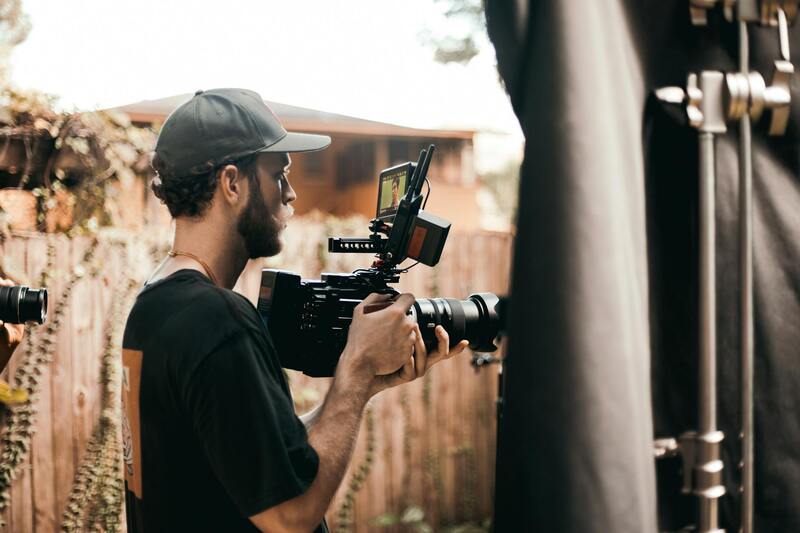
Technical considerations also play a pivotal role in achieving high-quality images. This involves selecting appropriate camera settings, such as aperture, ISO, and shutter speed, tailored to different lighting conditions within commercial spaces. Proper lighting is essential, and photographers often supplement ambient light with professional studio lighting to highlight architectural features and create inviting atmospheres.
Meta data accuracy and thorough image management are necessary for SEO optimization and efficient marketing workflows. Including relevant keywords in image filenames and alt text helps improve online visibility, making sure the showcase reaches the intended audience more effectively. Post-processing should focus on enhancing clarity, color balance, and perspective without altering the authentic appearance of the property. This authenticity reassures prospective clients about the truthful representation of the space.
Disclosing images' technical specifications and ensuring they meet the standards set by online listing platforms contribute to a seamless digital presentation. Compatibility with various devices and ensuring high-resolution outputs are vital, as potential tenants or buyers often view images on diverse screens. Maintaining detailed records of permissions, technical settings, and editing history per project establishes a transparent process that aligns with industry expectations and supports future marketing initiatives.
Legal and Technical Considerations in Commercial Property Photography
Executing professional commercial property photography in Miami requires adherence to specific standards that ensure high-quality outputs while respecting operational and technical parameters. First, obtaining the necessary permissions to photograph properties is essential, especially for buildings with restricted access or sensitive areas. Securing proper authorizations minimizes potential disruptions and aligns with professional standards.
Technical precision in capturing images is paramount. This involves selecting the appropriate equipment, such as wide-angle lenses to capture expansive interiors and architectural details effectively. Using tripods helps achieve stability and sharp images, especially in lower light conditions commonly found in commercial settings. For detailed shots, adjusting camera settings—such as aperture, ISO, and shutter speed—is critical to produce images with optimal clarity and depth of field.
Lighting control plays a decisive role in rendering spaces attractively. Natural light should be maximized when possible, but supplemental lighting sources are often utilized for consistency and to eliminate undesirable shadows. The use of professional lighting setups—like diffusers and reflectors—helps produce uniform, well-lit images that enhance the space’s key features.
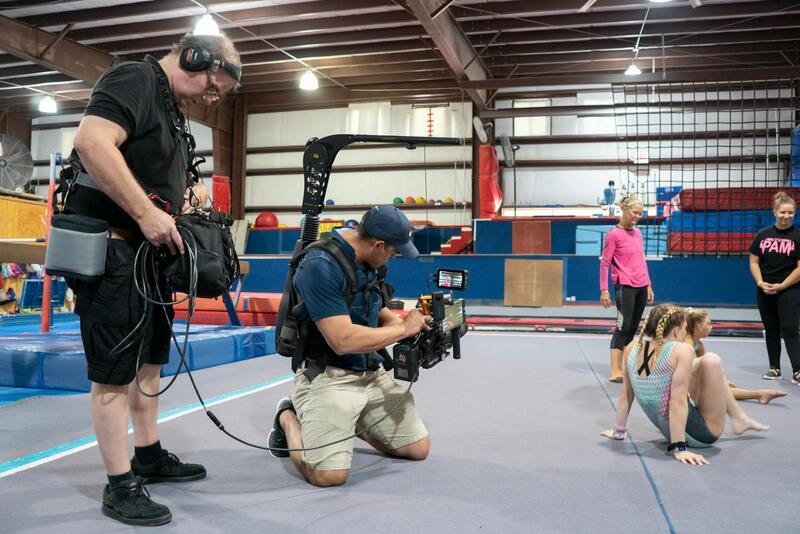
Post-processing is another vital aspect, aimed at fine-tuning images for maximum impact. Adjustments to color balance, contrast, and perspective ensure that the images accurately represent the property’s appearance and scale. Maintaining authenticity in editing dispels misconceptions about the space and builds trust with prospective clients.
Metadata management, including descriptive filenames and alt texts, enhances SEO efforts. Ensuring images are correctly tagged with relevant keywords helps in maximizing online visibility. Additionally, maintaining detailed records of technical settings and permissions supports transparency, facilitates future updates, and adheres to the professional standards expected in the industry.
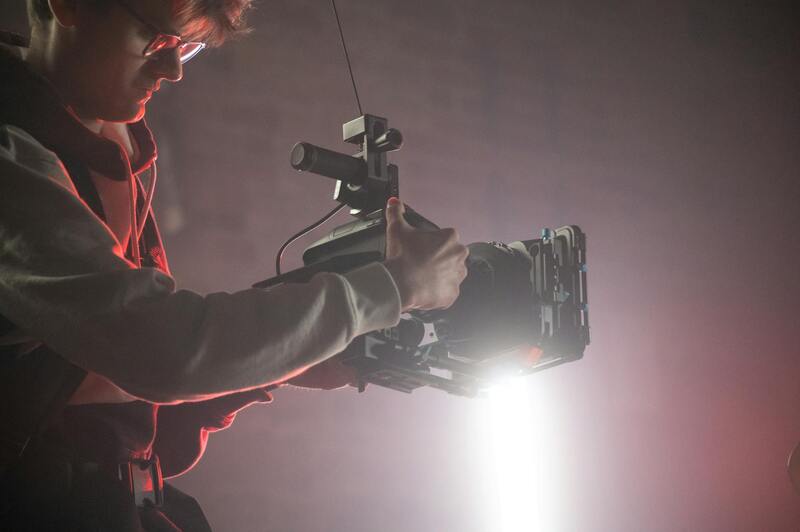
In summary, compliance with established technical protocols and a thorough understanding of legal considerations—such as permissions and image rights—are essential for achieving the highest quality commercial property images. This balanced approach guarantees that marketing efforts are supported by visually compelling, accurate representations of commercial spaces, effectively attracting tenants and investors alike.
Legal and Technical Considerations in Commercial Property Photography
Executing commercial property photography within the boundaries of established procedures ensures that all images are produced legally and ethically, fostering trust and professionalism. It is crucial to secure explicit permissions from property owners or authorized representatives before any photos are taken, especially in spaces that are under lease or have restricted access. Such permissions safeguard against disputes over image rights and ensure smooth photography operations. Securing the necessary documentation, such as signed release forms or authorization letters, provides tangible proof of consent, streamlining the process and minimizing potential conflicts. Additionally, confirming access rights helps photographers plan their shoots effectively, avoiding delays caused by unforeseen restrictions. When capturing images, adhering to technical best practices is fundamental. Employing proper equipment calibration, such as setting correct exposure and focus, guarantees high-quality results. Utilizing stabilized camera setups and appropriate lenses supports capturing sharp, distortion-free images that accurately represent the property. Understanding the nuances of property lighting, including natural and artificial sources, enables photographers to control shadows and highlights, ensuring the space is portrayed in its best form. It is also essential to respect privacy and confidentiality by avoiding photographing sensitive areas or proprietary information unless authorized. Post-shoot, comprehensive image management—including accurate cataloging, secure storage, and detailed record-keeping—facilitates smooth content updates and maintains a professional media archive. Proper metadata tagging enhances image discoverability, ensuring that the visuals can be effectively utilized across digital platforms to attract potential tenants and investors. Lastly, staying informed about current technical standards and technological advancements assures that the photography process aligns with industry benchmarks. This commitment to technical excellence not only elevates image quality but also strengthens the credibility of the marketing campaign, fostering confidence among clients and stakeholders.
Legal and Technical Considerations in Commercial Property Photography
When engaging in commercial property photography, it is essential to adhere to established standards that ensure both the technical integrity of the images and their compliance with applicable regulations. This involves a focus on image rights management, licensing agreements, and maintaining high technical standards that meet industry expectations.
Image Rights and Licensing
Securing proper rights for all visual content is fundamental. This encompasses obtaining clear permissions for photographing private areas within the property and ensuring any images used are authorized for commercial use. Licensing agreements should specify the scope of use, distribution channels, and duration, safeguarding the interests of all parties involved. Proper documentation of these rights mitigates potential disputes and preserves the integrity of marketing campaigns.
Technical Standards for High-Quality Visuals
Adherence to technical standards encompasses several key aspects:
- Resolution and Image Quality: Use of professional-grade cameras and lenses ensures sharp, high-resolution images that showcase the property in detail. Optimal resolution supports various marketing formats, from online listings to printed brochures.
- Color Accuracy and White Balance: Accurate color representation is critical for portraying the property authentically. Proper calibration of white balance settings prevents color casts that can distort the perceived appearance of the space.
- Lighting Techniques: Effective lighting, whether natural or artificial, must be employed to eliminate harsh shadows and highlight architectural features. Proper lighting setups help to produce well-exposed images that emphasize the property's best qualities.
- Image Stabilization and Focus: Utilizing stabilization equipment and focusing techniques minimizes blur, resulting in clear and professional visuals.
- File Formats and Compression: Saving images in appropriate formats such as RAW or high-quality JPEG ensures preservation of detail, while controlled compression maintains visual quality during digital distribution.
Equipment Calibration and Maintenance
Maintaining equipment calibration, including calibration of lenses and monitors, guarantees color consistency and technical accuracy across photos. Regular maintenance and updates of camera gear prevent technical issues that could compromise image quality.
Post-Processing and Image Management
Post-production editing should adhere to the original intent of showcasing the property accurately—avoid excessive retouching that could mislead viewers. Implementing consistent editing standards ensures a cohesive visual presentation across all marketing materials. Furthermore, organized image management with proper metadata tagging facilitates quick retrieval and ensures all visuals are compliant with licensing and copyright terms.