Overview of Commercial Real Estate Drone Video
In the highly competitive realm of commercial real estate, compelling visual content has become a cornerstone of effective marketing strategies. Drone video technology has emerged as a powerful tool for showcasing commercial properties, providing prospective clients with immersive, high-quality perspectives that traditional photography cannot match. These videos capture expansive views of property layouts, surrounding infrastructure, and geographic advantages, allowing potential investors or tenants to gain a comprehensive understanding of the site in a single viewing.
Utilizing drone footage allows real estate professionals and property owners to stand out in a crowded market, presenting their properties in a dynamic and engaging manner. The broad overhead shots offer contextual insights into location benefits, accessibility, and nearby amenities, all of which influence purchasing or leasing decisions. As the technology becomes more accessible and affordable, the importance of incorporating drone videos into property marketing plans continues to grow.
The trend toward video content, especially aerial footage, aligns with modern consumer preferences for visual storytelling. Commercial property listings enhanced with drone videos tend to attract more attention on multiple platforms, including websites, social media, and digital advertising. This visual richness not only helps in capturing initial interest but also maintains viewer engagement, ultimately leading to more qualified leads and faster transaction times.

Legal and Regulatory Considerations in Miami
Conducting commercial real estate drone videos in Miami necessitates adherence to specific operational standards that ensure safety, privacy, and compliance with local regulations. Professionals involved in drone footage production must obtain appropriate authorization from relevant authorities, such as the Federal Aviation Administration (FAA), which oversees drone operation standards across the United States, including Miami.
Operators should ensure their drones are registered and that they possess the necessary certifications or licenses to operate commercially. This includes demonstrating knowledge of airspace restrictions, altitude limitations, and no-fly zones, particularly around sensitive areas like airports, government facilities, or private properties with privacy concerns.
In addition to federal regulations, Miami's local ordinances may impose specific restrictions on drone flights, especially in densely populated or protected zones. Navigating these rules requires a thorough understanding of local policies to prevent legal issues or operational interruptions.
Prior planning involves reviewing Miami's airspace classifications and current restrictions, such as temporary flight advisories or special event limitations that could impact drone operations. A comprehensive pre-flight assessment minimizes risks and ensures that commercial drone videography proceeds smoothly and within the bounds of applicable laws.
In scenarios where advanced aerial filming is necessary, professionals often work closely with licensed drone operators who maintain up-to-date certifications and engage in continuous training. Such partnerships facilitate lawful operation while delivering high-quality video content for commercial real estate marketing efforts.
Engagements with local authorities or obtaining necessary permits before conducting flights around specific properties can prevent potential disruptions and reinforce a company's commitment to responsible and compliant practices. Keeping detailed records of permits, flight logs, and safety protocols contributes to a trustworthy reputation and smooth project execution.
Ultimately, navigating Miami's regulatory landscape for commercial drone videos involves meticulous planning, adherence to federal and local guidelines, and collaboration with experienced professionals. This approach guarantees that aerial footage production supports the company's marketing objectives without legal or operational setbacks, delivering impactful visual content that showcases properties effectively.
Legal and Regulatory Considerations in Miami
While capturing compelling high-quality footage is vital, adherence to official procedures and established protocols ensures the smooth execution of commercial real estate drone videos in Miami. Before initiating any aerial filming project, it is essential to acquire the necessary permits from local authorities. These permits often specify flight areas, altitude limits, and operational hours, which help synchronize the project with municipal guidelines and community standards.
FAA regulations play a pivotal role in guiding drone operations across the United States, including Miami. Operators must ensure their UAVs are registered with the FAA and that pilots hold valid remote pilot certificates. These credential requirements verify that drone operators possess comprehensive knowledge of airspace management, safety procedures, and emergency protocols.
In addition to federal guidelines, local privacy policies and community ordinances govern drone use around private properties and public spaces. Respecting individuals' privacy rights involves avoiding intrusive filming and maintaining clear boundaries during flight operations. Clear communication with property owners and local stakeholders beforehand helps facilitate cooperation and minimizes potential conflicts.
Documentation is a key component in maintaining compliance. Keeping detailed records of all permits, flight plans, safety checks, and operator certifications not only demonstrates due diligence but also provides a comprehensive audit trail for accountability. Maintaining this documentation supports transparency and fosters trust with clients and regulatory bodies alike.
Compliance Strategies for Drone Projects
- Securing all necessary permits prior to flight operations
- Verifying drone registration and pilot certifications
- Engaging with local authorities for approvals and guidance
- Respecting privacy and avoiding intrusive filming practices
- Keeping thorough records of all regulatory interactions and flight logs
Partnering with experienced drone service providers familiar with Miami’s regulatory environment can streamline compliance efforts. Such professionals possess in-depth understanding of local and federal regulations, ensuring that aerial videography efforts proceed without unintended disruptions or legal complications. Overall, this comprehensive approach to regulatory adherence underpins the production of high-quality, lawful drone videos tailored specifically for the commercial real estate sector in Miami, ultimately supporting effective marketing and promotional campaigns.
Ensuring Safe and Effective Drone Operations in Miami
Executing commercial real estate drone videos in Miami necessitates a strategic approach that emphasizes safety, precision, and professionalism. Proper planning begins with selecting the right drone platform tailored for the specific requirements of high-resolution property imaging. Multirotor drones are ideal for detailed indoor and close-up shots, whereas fixed-wing drones excel in capturing expansive property exteriors and large land parcels. High-end camera equipment, capable of capturing 4K or higher resolution footage, ensures crisp, detailed visuals that highlight property features effectively.
Flight path planning is crucial for optimal coverage, emphasizing the importance of pre-mission mapping of angles, elevations, and lighting conditions to minimize shadows and glare. Weather considerations, such as wind speeds and cloud cover, must be meticulously monitored to prevent compromised footage and ensure safety during flight operations.
Operator training and certification guarantee that drone pilots are adept at handling complex environments, including urban Miami settings characterized by proximity to airports, residential neighborhoods, and bustling commercial districts. Experienced operators are well-versed in dynamic flight adjustments and emergency protocols, mitigating risks associated with obstacles such as buildings, power lines, and moving vehicles.
Regular drone maintenance and calibration further ensure consistent performance, reducing technical failures that could disrupt shooting schedules or compromise footage quality. Implementing a comprehensive checklist for pre-flight inspections reflects a disciplined approach tailored to the meticulous standards required in professional real estate marketing.
In addition, deploying advanced stabilization gimbals enhances footage quality by reducing vibrations and camera shake, producing smooth, cinematic shots that present properties in the most appealing manner. When combined with proper lighting techniques and optimal shooting angles, these technical elements create compelling visual narratives that capture the essence and grandeur of commercial properties.
Technical Specifications and Best Practices for Commercial Drone Video Production
Creating impactful commercial real estate drone videos requires adherence to precise technical standards and production best practices to ensure the highest quality output. From camera configurations to flight techniques, every detail contributes to capturing the property's essence with clarity and professionalism.
High-resolution imaging is paramount. Utilizing 4K or higher video capabilities allows for detailed visuals that can be easily manipulated during editing for various marketing purposes. Employing high-quality stabilization systems, such as advanced gimbals, minimizes unintended camera movements, resulting in smooth footage that highlights architectural features and surrounding landscapes effectively.
Optimal flight planning involves selecting appropriate flight paths and angles to showcase the property’s most appealing aspects. Overhead shots should encompass the entire property footprint, while closer, ground-level perspectives can emphasize entry points, signage, and landscape features. Consistent lighting conditions are crucial, with early morning or late afternoon providing warmer tones and softer shadows that enhance visual appeal. Scheduling shoots during these periods also reduces the impact of harsh sunlight and shadows.
Furthermore, drone operators must maintain proper altitude and distance regulations suitable for reviewing urban and commercial environments. Maintaining a safe buffer around structures and avoiding restricted zones prevents interruptions and ensures compliance with Miami’s aerial operation standards. Operators should also continually monitor weather conditions, especially wind velocities and cloud cover, which can affect stability and image clarity during flights.
Post-Production Techniques to Maximize Visual Impact
Post-production editing plays a critical role in transforming raw footage into compelling visual assets. Color correction enhances the vibrancy and realism of the scenes, making architectural details stand out. Stabilization during editing further refines footage, eliminating minor jitters. Incorporating motion graphics or animated overlays can provide additional context, such as property boundaries, site plans, or key features.
Creating dynamic video sequences by combining various shots—from wide panoramas to close-up shots—offers a comprehensive view that captures the property's scale and unique features. These techniques help convey the property's full potential, attracting prospective tenants or investors. High-quality sound design, including background scores or voiceovers, can augment the visual storytelling by emphasizing key selling points.
Implementing Drone Video in Miami's Commercial Marketing Strategies
Once produced, professionally crafted drone videos should be seamlessly integrated into broader marketing campaigns. Embedding high-resolution videos on property listing websites, social media platforms, and email marketing channels significantly boosts engagement. These videos serve as visual milestones that draw viewers’ attention and convey the property's value propositions convincingly.
Strategic use of drone footage can also enhance virtual tours, providing potential clients with an immersive experience of the property’s exterior features and surrounding environment. Quality drone videos, when combined with detailed property descriptions and virtual walkthroughs, create compelling narratives that highlight location advantages, accessibility, and property scale—key factors influencing buyer decision-making in Miami's dynamic commercial real estate landscape.
Technical Guidelines for Commercial Real Estate Drone Video Production
Creating high-quality drone footage for commercial real estate demands a comprehensive understanding of the technical aspects involved in capturing and processing visual content. Ensuring adherence to best practices not only enhances the visual appeal but also guarantees that the footage aligns with industry standards, effectively showcasing properties to prospective investors and tenants.
Pre-Flight Planning and Site Assessment
Effective drone video production begins with meticulous pre-flight planning. This process involves conducting a thorough site assessment to determine optimal flight paths, camera angles, and shot sequences. Detailed site surveys allow videographers to identify potential obstacles, such as nearby structures or power lines, ensuring safe and efficient flight operations. Additionally, evaluating lighting conditions—preferably during golden hours—maximizes image quality and highlights architectural features with natural light.
Equipment Selection and Configuration
The choice of drone hardware plays a pivotal role in capturing crisp, stable footage. Professional-grade drones equipped with high-resolution cameras—often capable of shooting 4K or higher—are typically preferred. Camera settings should be calibrated to accommodate varying lighting conditions, with adjustments to shutter speed, ISO, and aperture for optimal image clarity. Gimbals are essential for stabilizing footage, reducing vibrations, and providing smooth, professional shots even during complex maneuvers.
Filming Techniques for Commercial Properties
- Wide-Angle Shots: Capture the overall scale and layout of the property, emphasizing its position within the surrounding environment.
- Vertical and Oblique Angles: Offer perspectives that showcase architectural details and facade features.
- Tracking and Orbit Shots: Highlight the property's dimensions and accessibility routes by circling or following the primary structures.
- Hover Shots: Focus on specific features like entrances, signage, or landscaping with steady, detailed framing.
Post-Flight Data Management and Processing
Once filming is complete, robust data management practices are essential. Raw footage should be transferred to secure storage, and quality checks should be conducted to identify and rectify issues such as exposure inconsistencies or stabilization problems. Advanced editing software enables color grading, stabilization, and enhancement of visuals, ensuring the footage aligns with the desired aesthetic and marketing objectives. Incorporating motion graphics, annotations, or labels can further enrich the presentation, providing context or highlighting key property features.
Investing in proper training and up-to-date equipment ensures that each stage of the drone videography process— from planning to post-production—meets specific performance standards, ultimately delivering compelling content that elevates real estate marketing efforts in Miami's competitive landscape. Regular updates on technological advancements and adherence to industry best practices will sustain the quality and professionalism of drone videos, making them a vital component of modern commercial property promotion.
Technical Aspects and Production Recommendations for Commercial Drone Videos in Miami
Executing high-quality commercial real estate drone videos requires attention to a variety of technical aspects that directly influence the final product's clarity, professionalism, and marketing effectiveness. Understanding these components and optimizing them during each phase of production ensures the creation of compelling visuals that resonate with prospective clients and stakeholders.
Optimal Equipment Selection
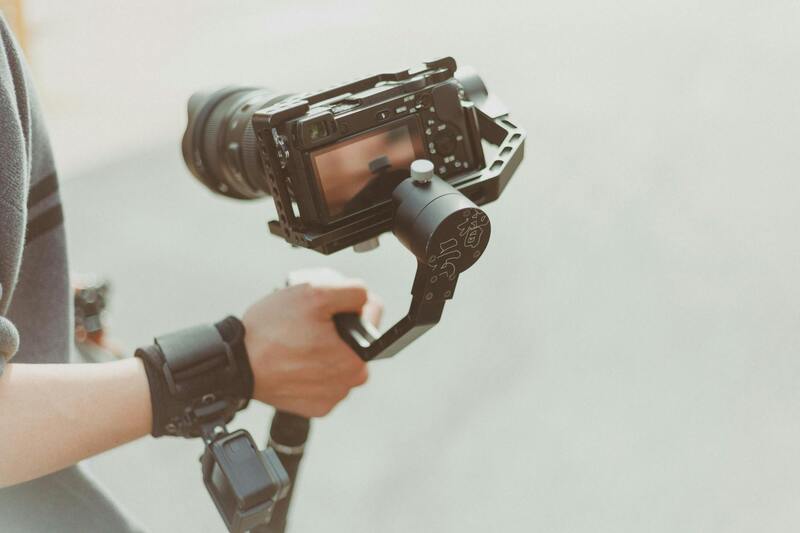
Choosing the right drone platform is foundational. High-resolution cameras capable of capturing 4K or higher video quality should be prioritized, as they deliver detailed imagery essential for showcasing intricate architectural features and expansive property layouts. Gimbals with advanced stabilization systems are crucial to maintain smooth footage, especially when capturing dynamic motion shots or navigating complex environments within urban settings like Miami.
Flight Planning and Execution
Pre-flight planning involves evaluating weather conditions, assessing no-fly zones, and establishing flight paths that maximize property visibility while adhering to safety protocols. Utilizing mission planning software can help map optimal routes and altitudes, ensuring consistent coverage across various angles and perspectives. During filming, pilots must maintain steady control, adjusting for wind conditions typical in Miami's coastal climate to prevent vibrations or shaky footage.
Lighting and Environmental Considerations
Timing plays a critical role in capturing appealing footage. Shooting during the golden hour—shortly after sunrise or before sunset—can add warmth and natural depth to the visuals. Clear, bright days with minimal cloud cover tend to produce the clearest images for commercial properties. Additionally, monitoring environmental factors such as wind speed, humidity, and potential obstacles is necessary to assure safe flight operations and high-quality captures.
Post-Production Techniques
Post-processing enhances raw footage, highlighting key property features and ensuring visual consistency. Color grading can be employed to match branding aesthetics or to emphasize the property's best aspects under Miami's unique lighting conditions. Stabilization tools correct minor camera movements, while cropping and framing adjustments optimize the composition. Incorporating motion graphics, labels, or metadata simplifies complex property layouts, providing viewers with contextual information that enhances understanding and engagement.
Quality Assurance and Delivery
Before finalizing the project, a comprehensive review process should be conducted to identify and resolve any issues related to exposure, color accuracy, or stabilization. Professional deliverables typically include multiple formats suitable for various marketing channels—websites, social media, and virtual tours. Ensuring compatibility and optimal playback quality across these platforms maximizes the footage's marketing impact, establishing a premium visual standard for commercial real estate listings in Miami.
Key Technical Aspects of Drone Video Production
Producing compelling commercial real estate drone videos in Miami requires meticulous attention to a range of technical elements. High-quality footage hinges on equipment choices, flight parameters, and camera settings that capture the essence of the property while ensuring safety and compliance. Selecting the right drone model equipped with a stabilized gimbal system enables smooth, professional-grade captures. High-resolution sensors, such as 4K or higher, ensure crisp imagery that reveals intricate architectural details and landscape features, contributing to a comprehensive visual presentation. Optimal camera settings, including appropriate shutter speeds and frame rates, are essential to balance clarity with natural motion depiction. Properly adjusting ISO and aperture settings minimizes noise and enhances image sharpness, particularly in varying lighting conditions characteristic of Miami’s vibrant urban and coastal environments. For capturing expansive properties, wide-angle lenses provide impressive coverage, while zoom capabilities allow for focused shots of specific features without sacrificing detail.
Flight planning is a critical component, involving detailed pre-mission mapping and obstacle assessment. Utilizing advanced GPS waypoint systems ensures precise navigation and stable flight paths, reducing incidental footage disruption. Maintaining a safe distance from structures, power lines, and crowds is vital for operational control and property integrity. Consistent adherence to flight altitude regulations—often between 100-400 feet—is necessary to achieve optimal aerial perspectives while maintaining safe operating standards.
Post-Production and Quality Enhancement
After capturing the raw footage, a rigorous editing phase transforms it into a polished marketing asset. Techniques such as stabilization software correct minor jitters caused by wind or drone vibration, resulting in smooth viewing experiences. Color grading enhances visual appeal and ensures consistency across shots, which is especially important when showcasing properties under Miami’s unique lighting conditions. Cropping and framing adjustments highlight the property’s most attractive features, while overlays like labels and arrows direct viewer attention effectively.
Incorporating motion graphics or metadata can further contextualize the footage, providing potential investors or tenants with enhanced insights about the property layout, dimensions, or available amenities. These post-production techniques ensure that every frame contributes to a compelling narrative tailored to Miami’s dynamic commercial real estate market.