Importance of Commercial Real Estate Photography
High-quality commercial real estate photography serves as a vital tool in the modern property marketing landscape. Unlike residential images, commercial property photos must convey the scale, functionality, and potential of a space to a diverse audience that includes investors, tenants, and brokers. These images are often the first impression a prospective buyer or lessee will encounter, making their quality crucial for generating interest and engagement.
Effective commercial real estate photography captures not only the physical appearance of a property but also its ambiance and unique selling points. Clear, detailed images help showcase the property's layout, interior design, lighting, and distinctive features, all of which influence decision-making. When prospects see professionally captured images that accurately represent the property, their confidence in the listing increases, often translating into more inquiries and faster transactions.
Furthermore, high-caliber photographs enhance the overall marketing strategy. They can be integrated into digital listings, property websites, social media campaigns, and printed materials. Consistent, professional imagery elevates the property's perceived value, making it stand out amid a crowded market. Whether targeting retail, industrial, office, or multifamily properties, the visual presentation plays a decisive role in attracting qualified leads.
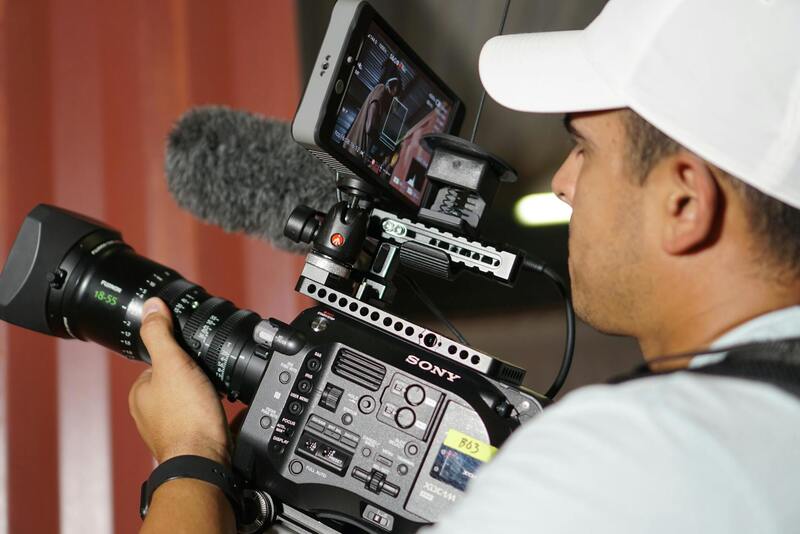
In competitive markets like Miami, where real estate options are abundant, exceptional imagery helps properties distinguish themselves. Carefully executed photographs boost credibility and demonstrate a commitment to quality, fostering trust among prospective clients. This ultimately leads to higher engagement levels, more successful leasing agreements, and faster sales cycles, confirming that investing in professional commercial real estate photography is integral to effective property management and sales strategies.
Choosing the Right Equipment and Techniques
To produce high-quality commercial real estate images that accurately represent a property’s potential, selecting the appropriate equipment and employing advanced techniques are essential. Modern digital cameras with full-frame sensors are preferred for their superior image resolution and dynamic range. Such equipment ensures that the details of each space are captured with clarity, even under challenging lighting conditions, which are common in large commercial spaces with varying interior and exterior lighting.
Wide-angle lenses are indispensable in commercial real estate photography, as they allow photographers to showcase entire rooms and expansive exteriors in a single shot. These lenses help convey the spatial relationships within a property, making rooms appear larger and more inviting. When used correctly, they prevent distortion while maximizing the sense of space.
In addition to camera gear, utilizing a tripod guarantees stability and sharpness across images, especially when shooting in low-light settings or during long exposures. This stability is vital for achieving professional, crisp visuals that highlight the property’s features without blurriness.
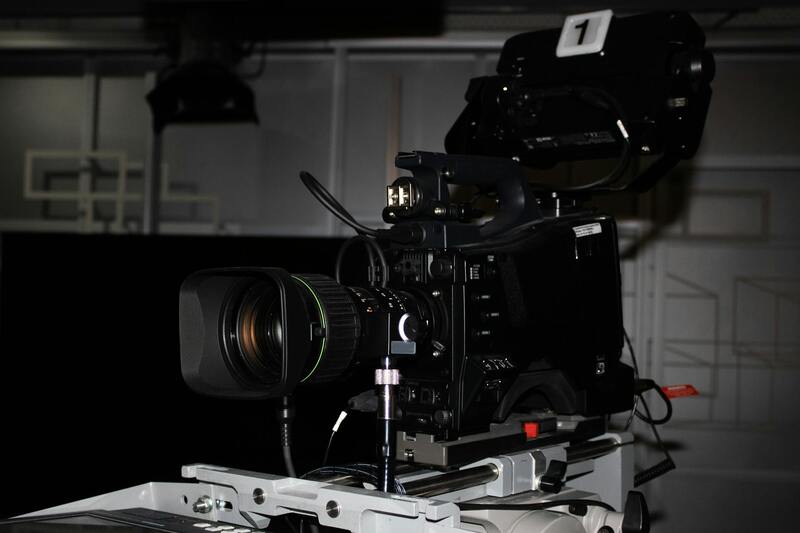
Advanced shooting techniques include HDR (High Dynamic Range) imaging, which combines multiple exposures to ensure that both bright and dark areas are visible without losing detail. This approach is particularly effective in spaces with windows or complex lighting setups. Additionally, employing panoramic shots can illustrate large interior spaces or outdoor areas, providing prospective tenants and buyers with a comprehensive visual experience.
Utilizing natural light whenever possible enhances the authenticity and appeal of property images. Photographers often plan shoot times to maximize daylight, reducing the need for extensive artificial lighting setups. When artificial lighting is necessary, strategic use of softboxes and diffusers creates even illumination, highlighting architectural features without harsh shadows.
Post-processing plays a critical role in refining images. Skills in editing software enable enhancements such as color correction, straightening lines, and retouching minor imperfections. For commercial properties, these adjustments ensure that visuals look professional and true to the property's real appearance, fostering trust and transparency with viewers.
Legal Considerations and Permissions
Securing the proper permissions is paramount when conducting commercial real estate photography. Before photographing a property, it is essential to obtain explicit consent from the property owner or authorized representatives. This ensures that all photography activities align with the property's management policies and contractual agreements.
It is advisable to have a formal agreement in place that details the scope of the photography session, usage rights, and any restrictions. Such documentation can prevent misunderstandings and protect all parties involved. When using special equipment like drones, additional permissions may be required, especially in urban settings or sensitive areas. Ensuring compliance with local regulations and airspace restrictions preserves the professionalism of the operation.
 igurecaption> Securing proper permissions is fundamental to a smooth and compliant photoshoot process.
Furthermore, respecting privacy concerns is crucial. Avoid capturing images that include private areas or individuals without proper consent. When photographing interiors, be mindful of any confidential information or proprietary arrangements that should not be disclosed.
Adhering to copyright and intellectual property standards is also necessary. Ensure that all images taken are owned by the photographer or agency, or that appropriate licensing agreements are in place. This diminishes the risk of legal disputes and reinforces credibility with clients.
Working with Real Estate Agents and Property Owners
Effective collaboration with real estate agents and property owners is a cornerstone of successful commercial real estate photography. Establish clear communication channels early in the process to understand their goals and expectations. Providing examples of previous work and discussing desired features helps align vision and results.
Engaging clients in pre-shoot planning, including scheduling around optimal lighting times and property availability, ensures efficient use of resources. Offering detailed timelines and deliverables fosters trust and satisfaction.
During the shoot, maintaining professionalism and discretion is fundamental. Respect the property’s environment and minimize disruptions. Afterward, providing prompt, high-quality images that accurately reflect the property reinforces the partnership and encourages future collaborations.
Highlighting Property Features and Space Utilization
Effective commercial real estate photography emphasizes the unique characteristics that make a property appealing to potential tenants, buyers, or investors. To achieve this, images should vividly showcase interior layouts, architectural details, and exterior landscapes, providing a comprehensive visual narrative of the space. Highlighting spacious interior floors, custom fixtures, and design elements helps viewers appreciate the functionality and aesthetic appeal of a property.
Properly utilized space is critical in making properties appear more attractive and accessible. Wide-angle shots are particularly useful for conveying the totality of interior spaces, making rooms appear larger and more inviting. Additionally, capturing key features such as high ceilings, natural lighting, and special finishes underscores the property’s value proposition. The exterior presentation should include landscaped surroundings, entryways, and parking areas, which collectively contribute to the property's overall visual impression.
In outdoor images, including aerial or drone shots can offer a strategic overview of the property’s surroundings. These visuals are especially helpful in commercial real estate, where proximity to transportation hubs, commercial centers, and highways influences buying decisions. Properly framing and lighting these exterior features ensures that potential clients perceive the full potential of the property in context.
Strategic staging of interiors, regular cleaning, and ensuring minimal clutter during shooting contribute to cleaner visuals that better communicate the space's purpose. This careful preparation, combined with high-quality photography, guarantees that the property’s best features are consistently highlighted to attract interest.
Editing and Post-Production for Commercial Real Estate Images
Post-production is essential for refining commercial real estate images to meet industry standards and client expectations. This process involves adjusting brightness, contrast, and color balance to ensure visuals accurately depict the property’s true appearance, both indoors and outdoors. Correcting lens distortion and straightening lines helps maintain architectural precision, creating a more professional presentation.
Retouching can also address minor imperfections or distractions in the images, such as blemishes or lighting inconsistencies, without altering the fundamental aspects of the property. Advanced techniques like HDR (High Dynamic Range) imaging enable capturing details in both shadows and highlights, resulting in balanced images that reveal the property's quality in varying lighting conditions.
Consistency across a property’s photographic set is crucial; uniform color grading and style help create a cohesive visual portfolio that enhances the property’s overall marketing appeal. Using professional editing software ensures that each image is polished while maintaining authenticity, fostering trust with prospective clients and stakeholders.
Legal Considerations and Permissions
Ensuring appropriate permissions are secured before conducting commercial real estate photography is fundamental to safeguarding all parties involved. Permissions should cover access to the property, particularly when shooting private or sensitive areas, and include considerations for any proprietary arrangements or restrictions on certain images. It is advisable to obtain written consent from property owners or managers specifying the scope of the shoot and usage rights for the images produced.
Compliance with local regulations and adherence to privacy standards are integral to maintaining a professional operation. When photographing interiors, be vigilant about avoiding capturing confidential information or proprietary details that should not be disclosed publicly. This precaution preserves the integrity of the property’s confidentiality and aligns with best business practices.
Proper documentation of permissions not only minimizes the possibility of misunderstandings but also fortifies the credibility of thephotographer or agency. Clear agreements regarding image rights, usage parameters, and delivery timelines should be established at the outset of each project, fostering transparency and professionalism.
Strategies for Verifying Permissions and Ensuring Proper Access
To conduct successful commercial real estate photography, securing appropriate permissions is essential. This process begins with establishing clear communication channels with property owners, managers, or authorized representatives. Prior to scheduling a shoot, amassing written approval that delineates the scope, date, and usage rights for the images serves as a cornerstone of professionalism and helps prevent misunderstandings.
It is necessary to verify access to all relevant areas of the property, especially when photographing interiors, rooftops, or restricted zones. Arranging beforehand for keys, access codes, or special permissions can facilitate a smooth shooting process. When the property is part of a larger complex or has shared amenities, coordinating with multiple parties ensures that all areas are accessible without infringing on proprietary or sensitive spaces.
Furthermore, comprehensive site assessments prior to the shoot aid in identifying potential obstacles, such as security systems or private restrictions. These evaluations enable photographers to plan their approach, identify necessary permits, and avoid delays during the shoot.
Documenting Permissions and Maintaining Professional Records
Accurate documentation of permissions forms a vital part of the operational protocol. Photographers should retain copies of signed agreements, permits, and correspondence attaching to each project. These records serve as tangible proof of authorized access and usage rights, providing legal clarity should disagreements arise. They also demonstrate a commitment to transparency and adherence to established protocols.
In addition, clearly defined contracts should specify parameters such as image resolution, output formats, and permissible uses of the photographs. This clarity protects all parties involved and aligns expectations, ensuring that the deliverables meet the agreed-upon standards and scope.
Best Practices for Ethical Photography and Respecting Privacy
While capturing comprehensive imagery of commercial properties, it is imperative to respect proprietary information and privacy boundaries. This entails avoiding the inclusion of sensitive data, such as confidential signage, security setups, or proprietary systems. Photographers should also avoid intrusive shots of private spaces not intended for public view.
Implementing a checklist for each shoot, including areas to avoid and permissions to confirm, promotes an ethical approach aligned with industry standards. Furthermore, collaborating with property representatives during the shoot can help identify sensitive zones and ensure that the final images uphold client confidentiality and security measures.
Strategies for Securing Necessary Permissions and Maintaining Compliance
Conducting professional commercial real estate photography requires meticulous attention to the acquisition of appropriate permissions. While there are no explicit legal mandates to obtain permits in every instance, adhering to established procedures ensures smooth operations and minimizes disruption. Property managers and owners typically provide consent through formal agreements that specify usage rights and restrictions, which serve as official documentation of authorized access.
Prior to scheduling shoots, photographers should engage with property representatives to confirm access permissions and clarify any restrictions related to sensitive areas or proprietary features. These discussions help prevent misunderstandings and establish a mutual understanding of scope and expectations.
Documentation and Record-Keeping as a Best Practice
Thorough record-keeping forms the backbone of responsible commercial real estate photography. Maintaining signed permission forms, correspondence, and official agreements provides clear evidence of authorized activities on site. These records should include details such as the date and scope of the shoot, specific permissions granted, and any limitations outlined.
Additionally, creating a checklist tailored to each project can streamline permissions management. This checklist might include confirmation of areas to avoid, special access requirements, and security protocols. Using this system ensures that all relevant permissions are obtained and documented prior to the shoot, facilitating a smooth process and providing a reference point in case of unforeseen issues.
Understanding and Respecting Privacy Boundaries
Respect for privacy and proprietary information remains a fundamental aspect of professional commercial real estate photography. Photographers should avoid capturing images of sensitive security setups, confidential signage, or proprietary technology that could compromise privacy or security. To uphold these standards, photographers often coordinate with property managers or security personnel to identify zones that require discretion.
By adhering to these practices, photographers reinforce their commitment to ethical standards, foster trust with clients and property stakeholders, and maintain a professional reputation. This responsible approach not only facilitates legal compliance but also supports the long-term viability of commercial real estate photography as a trusted service within the industry.
Legal Considerations and Permissions
Ensuring proper permissions and understanding legal boundaries is a vital aspect of conducting professional commercial real estate photography. Obtaining explicit consent from property owners and managers prior to the shoot helps prevent potential issues related to privacy and property rights. It is crucial to have documented agreements that specify the scope of the shoot, areas included, and any restrictions or limitations that may apply.
Creating a detailed permission checklist tailored to each project ensures that all necessary consents are obtained systematically. Such a checklist might include confirming access to specific zones, noting any sensitive or restricted areas, and understanding additional security protocols that need adherence. This process not only streamlines permissions management but also safeguards the photographer and client from unexpected interruptions or disputes.
Proper documentation of permissions includes recording the date of authorization, individuals granting access, and the agreed-upon conditions. Maintaining these records is essential, particularly for lengthy projects or recurring engagements, as it provides clear evidence of authorized access and consent.
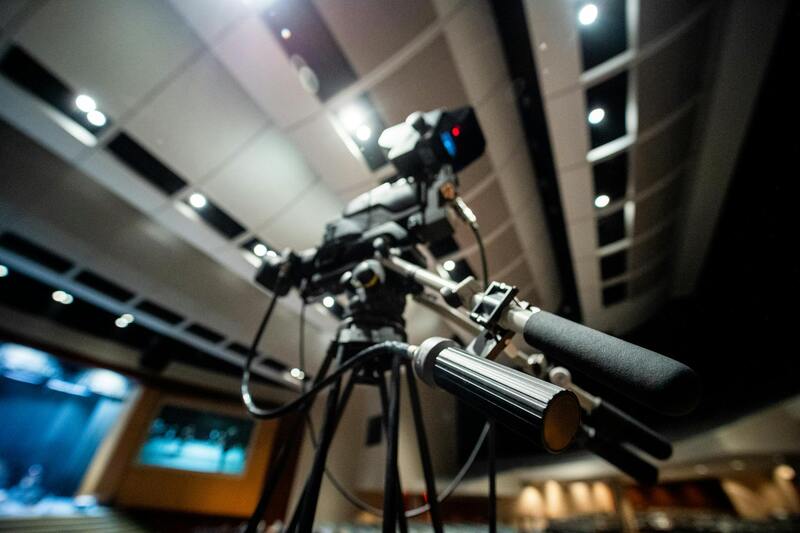
In addition to permissions, respecting privacy boundaries is critical. Photographers must carefully avoid capturing sensitive security features, proprietary technology, or confidential signage that could compromise confidentiality or security protocols. Often, coordinating with security staff and property managers helps identify areas that require discretion and attention.
Such respectful planning fosters a professional reputation and demonstrates a commitment to ethical standards. When permissions are carefully managed and privacy is respected, the process of commercial real estate photography becomes smoother, minimizes risk, and enhances trust with clients and stakeholders.
Legal and Ethical Practices in Commercial Real Estate Photography
Conducting professional commercial real estate photography requires adherence to established protocols that ensure all activities are performed within the boundaries of authorized access and agreed-upon parameters. Securing explicit permissions prior to photography sessions not only facilitates seamless workflow but also maintains respectful relationships with property owners and stakeholders. This involves providing detailed documentation of access rights, understanding security restrictions, and acknowledging sensitive areas that may require special handling or exclusion from photography. Proper planning and communication with property managers and security personnel are vital to identify zones that are off-limits or require additional clearance, which helps prevent disruptions during shoots.
Beyond permissions, respecting privacy boundaries entails avoiding the capture of confidential information such as proprietary signage, security systems, or critical infrastructure that could compromise confidentiality. Consulting with property managers or security staff helps identify features requiring discretion, ensuring that imagery remains professional and compliant with property guidelines. It’s equally important to stay updated on any site-specific rules that might affect photography, such as restrictions on drone usage or the presence of sensitive operational areas.
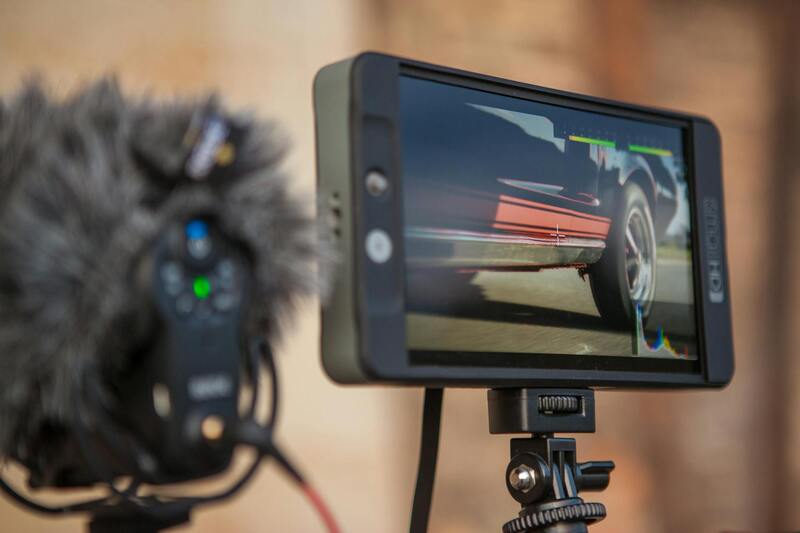
Maintaining detailed records of permissions and communications provides a clear trail of consent and authorization, safeguarding against potential disputes. This documentation might include signed agreements, access logs, and notes on specific restrictions applicable during the shoot. Such meticulous record-keeping ensures that both photographer and client have verifiable proof of compliance, especially when engaging in recurring projects or multi-property assignments.
Adhering to these legal best practices enhances the reputation of the photographer and promotes trust with clients, property owners, and other stakeholders. It mitigates risks associated with unauthorized access or content issues, ensuring that the project proceeds smoothly and professionally. Additionally, understanding and respecting legal boundaries contribute to a safer working environment and uphold industry standards of conduct.
Best Practices for Collaborating with Property Stakeholders
- Establish clear communication channels with property owners and security personnel.
- Obtain explicit, written authorization for each location and scope of work.
- Respect all posted signage indicating restricted areas or sensitive zones.
- Coordinate timing to avoid disrupting property operations or security measures.
- Maintain confidentiality of proprietary information or security features visible in images.
Following these practices reinforces professional integrity and ensures that commercial real estate photography contributes positively to marketing efforts while safeguarding all parties involved.