Importance of High-Quality Commercial Real Estate Photos
In the competitive market of commercial real estate, the significance of high-quality images cannot be overstated. Professionally captured photographs serve as a critical tool in marketing efforts, providing a visual first impression that can make or break a potential transaction. High-resolution, well-composed images highlight the property's strongest features, showcase its layout, and convey its overall appeal to prospective tenants, investors, or buyers. Such visuals not only enhance online listing engagement but also contribute to a stronger brand presence for property owners and real estate agencies. Effective commercial real estate photos can significantly reduce the time a property remains on the market by attracting qualified prospects early in the process. They enable viewers to imagine the space in a realistic way, fostering an emotional connection that inspires action. Given that most property searches begin online, the importance of visually compelling imagery is paramount for standing out amidst numerous competing listings. Beyond initial marketing, high-quality photographs establish credibility and demonstrate professionalism. They reflect the meticulous care taken to present the property, instilling confidence in potential clients regarding the quality of the space. Whether for leasing or sale purposes, superior visual content acts as a strategic asset, facilitating faster decision-making and higher engagement rates. Investing in top-tier commercial real estate photos is a deliberate strategy to maximize marketing ROI. It empowers property owners and agents to leverage both traditional and digital marketing channels effectively—ranging from websites and social media to email campaigns and print advertisements. With the rapid growth of online property portals, having visually appealing and accurate images becomes an indispensable element of a comprehensive marketing plan. Furthermore, an emphasis on high-quality visuals underscores the importance of transparency and accuracy. Clearly showcasing every feature, from the flooring to ceiling heights and architectural details, ensures prospective tenants or buyers are well-informed. This transparency minimizes misunderstandings during negotiations and fosters a smoother transaction process. In an environment where visual content drives engagement, the expertise of professional photographers becomes vital. They bring the necessary skills and equipment to produce images that truly represent the property's potential, ensuring that each shot aligns with marketing goals and industry standards. For these reasons, investment in professional commercial real estate photography is essential for effective marketing and long-term success in property transactions.
Key Elements of Commercial Real Estate Photography
Capturing the essence of a commercial property requires meticulous attention to various photographic elements that influence perception and viewer engagement. The core aspects include lighting, composition, and staging, each playing a pivotal role in creating compelling images that accurately represent the space’s potential.
Effective lighting is fundamental in highlighting both the architectural features and the functional aspects of a property. Natural light, when available, should be maximized to enhance the openness and brightness of interior spaces. In regions where natural light is limited, professional lighting equipment ensures even illumination without harsh shadows, thereby rendering spaces in the most inviting manner. Proper lighting not only boosts visual appeal but also helps delineate textures, materials, and spatial dimensions, giving prospective tenants and investors a realistic view of the environment.
Composition techniques, such as strategic framing and perspective, guide viewers’ attention toward the most attractive features of the property. Horizontal and vertical lines should be aligned thoughtfully to convey a sense of balance and stability. Employing wide-angle lenses allows for capturing expansive interior views, making rooms appear more spacious and accommodating. Attention to symmetry and focal points directs the viewer's eye and emphasizes key areas, such as entrances, communal spaces, or unique architectural details.
Staging involves arranging an environment to accentuate its best attributes. This can include decluttering spaces, arranging furniture to showcase functional layouts, and adding subtle decorative elements that complement the property’s style. Proper staging ensures the space appeals to a broad audience by highlighting its versatility and potential uses. For commercial properties, this might also entail demonstrating different use-case scenarios, like offices, retail, or industrial setups, depending on the target market.
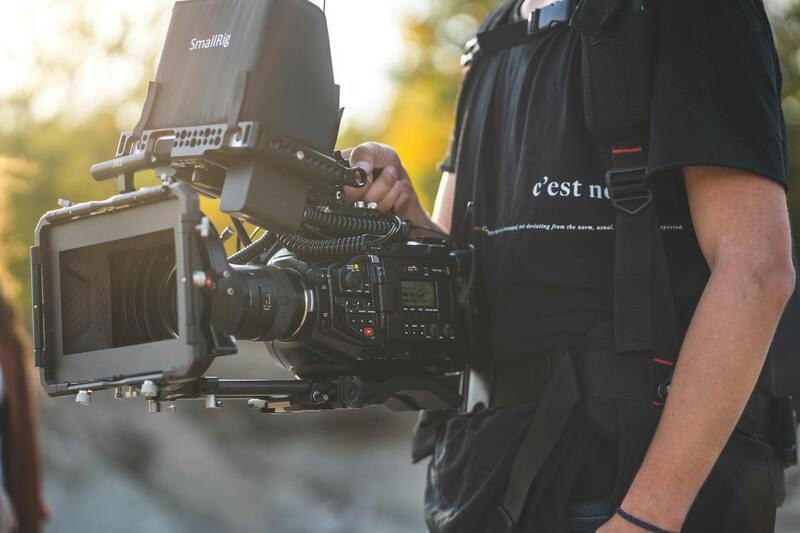
Overall, expert handling of these elements by professional photographers ensures that each shot effectively communicates the property's value. High-quality images crafted with an understanding of these key factors are instrumental in attracting serious inquiries and facilitating successful transactions.
Preparing Commercial Properties for Photo Shoots
Effective preparation of commercial properties is essential to capturing images that truly reflect their potential and appeal. Proper preparation involves multiple steps aimed at presenting the property in its best light, both physically and visually. First, cleaning and decluttering are vital to removing distractions and ensuring a tidy environment that conveys professionalism and space. This entails clearing away personal items, unnecessary equipment, and debris that could detract from the property's features.
Lighting plays a crucial role in commercial real estate photography. Natural light should be maximized by opening curtains or blinds, and supplemental lighting can be used to brighten shadowed areas or improve overall illumination. For interior shots, balancing indoor lighting with natural light creates a harmonious ambiance that emphasizes the space’s usability and aesthetic appeal.
It’s also important to ensure that all areas are in good repair. Fixing visible damages, such as chipped paint, broken fixtures, or worn flooring, helps avoid negative impressions that could overshadow the property's strengths. Highlighting maintained features reassures potential investors or tenants of the property's value.
Staging is a critical component in the preparatory process. Strategically arranging furniture and decorative elements showcases layouts and defines different functional zones. For retail and office spaces, staging might involve displaying different setup options to demonstrate versatility. Properly staged environments give viewers clear insights into how spaces can be used, which can influence their decision-making.
Exterior presentation should not be overlooked. Landscaping, signage, and the overall facade should be tidy and inviting. Consider adding elements like potted plants, fresh paint on the front door, or temporary signage to highlight property features or sale/lease information.

Time of day also impacts the quality of photographs. Shooting during the golden hour — shortly after sunrise or before sunset — provides soft, warm light that enhances colors and textures. Additionally, coordinating the shoot schedule to avoid busy periods minimizes disruptions and ensures unobstructed shots.
Finally, briefing the photography team about the property’s unique features and areas of focus will help align the captured images with marketing goals. This includes highlighting key architectural details, spacious interior layouts, or outdoor amenities. When each aspect of preparation is carefully managed, the resulting commercial real estate photos become powerful tools for attracting prospective clients and investors, effectively showcasing the property's full potential and appeal.
Legal and Ethical Considerations in Commercial Real Estate Photography
Ensuring the integrity of commercial real estate photos is crucial for maintaining transparency and building trust with potential clients and investors. Authentic representation of a property's features avoids misleading visuals that could compromise credibility. It is important that all images accurately depict the property's current condition, size, and available amenities without exaggeration or omission.
Proper permissions must be obtained to photograph private property and surrounding areas. This includes securing access rights for aerial shots, especially when using drone technology. Respect for property boundaries and privacy regulations is essential to prevent issues that could arise from unauthorized imaging.
Image editing should enhance, rather than alter, the true appearance of the property. Adjustments such as color correction, brightness, and contrast are acceptable when they serve to represent the property accurately. However, digital manipulations that significantly change the perception of the property’s features can distort real estate expectations and damage professional credibility.
It is beneficial to include comprehensive details alongside visual assets. Descriptive captions, floor plans, and factual data embedded within the marketing materials help create a complete picture, reducing misunderstandings. Consistency in photo presentation style and quality also reflects professionalism and attention to detail.
Furthermore, showcasing environmentally friendly features or recent upgrades accurately can attract targeted investor interests and support sustainable marketing practices. When photographs are used responsibly and ethically, they serve as trustworthy tools that facilitate informed decision-making for all parties involved.
The Role of Drone and Aerial Photography in Commercial Real Estate
Integrating drone and aerial photography into the visual marketing of commercial properties significantly elevates the presentation quality and informational value of listings. These advanced imaging techniques provide comprehensive views that traditional ground-level photos often cannot capture, offering potential investors and tenants a clearer understanding of the property's scale, layout, and its relationship to surrounding amenities or infrastructure.
High-resolution drone images can effectively showcase expansive sites, highlight property boundaries, and illustrate access routes and proximity to key transportation hubs. This perspective is especially beneficial in commercial developments such as industrial complexes, shopping centers, or business parks, where the spatial arrangement can influence decision-making processes.
Furthermore, aerial photos contribute to a more engaging visual narrative, capturing the property’s unique features from angles that emphasize architectural design and landscape integration. These images can also assist in presenting environmental features, such as green spaces or water features, which add value to the property’s overall appeal. When combined with detailed ground-level photographs, drone footage offers a comprehensive, multi-dimensional showcase that aligns with modern marketing expectations.
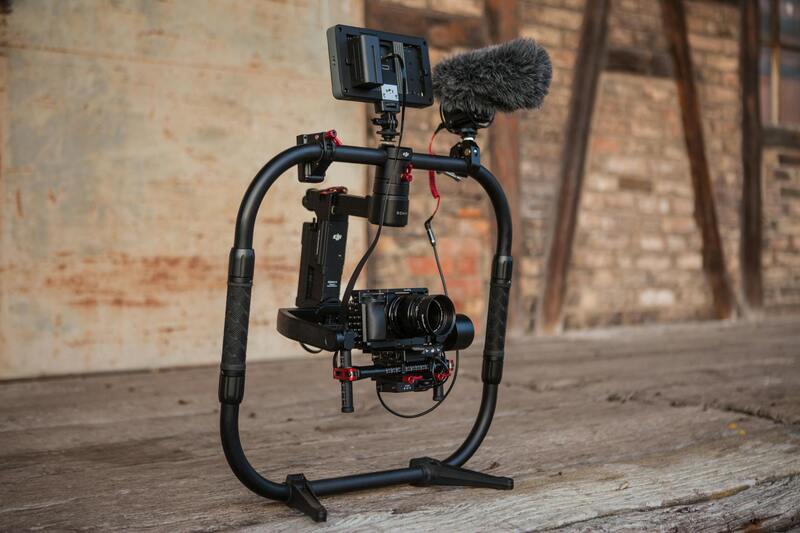
Utilizing drone technology responsibly involves adhering to specific operational standards that ensure safety and professionalism. This includes obtaining necessary flight permissions, planning flight paths to avoid interference with other activities, and maintaining a safe distance from populated areas to prevent nuisance. High-quality drones equipped with stable gimbals and high-resolution cameras are essential for capturing sharp, stabilized footage, which enhances visual impact and conveys a professional image to prospective clients.
Moreover, aerial photography can be integrated into multimedia presentations, virtual tours, and marketing videos, delivering dynamic content that feels more immersive and accessible. As digital engagement continues to grow, a strategic use of drone imagery not only increases property visibility but also enhances branding efforts within competitive markets.
Legal and Ethical Considerations in Commercial Real Estate Photography
While the focus remains on sourcing quality images through reputable methods, understanding the standard practices that uphold professionalism and respect for property owners and stakeholders is essential. Ensuring proper permissions and clear communication with property owners prior to conducting photo shoots is a vital step in the process. This helps establish trust and clarity regarding the intended use of images, facilitating smooth collaboration and adherence to agreed terms.
When capturing commercial real estate photos, it is crucial to respect privacy boundaries and property restrictions. This includes being aware of any areas that may be off-limits or sensitive, such as private sections or restricted access zones. Gaining formal approval or authorization from the property management or relevant authorities helps prevent misunderstandings and ensures the images reflect the property accurately and ethically.
Employing trained professionals who utilize official techniques and equipment also contributes to consistent, high-quality results. These experts adhere to standardized methods, such as following best practices in lighting, composition, and image processing. This professionalism guarantees that photos are not misleading or exaggerated, which can be detrimental when used for marketing or investment purposes.
Furthermore, maintaining truthful representations of properties assists in fostering reliable and transparent interactions in the commercial real estate marketplace. It encourages confidence among potential tenants, buyers, and investors, who rely on honest visuals to make informed decisions. Thus, choosing established photography providers who operate within industry norms and guidelines is essential for safeguarding the integrity of marketing materials.
Legal and Ethical Considerations in Commercial Real Estate Photography
When producing commercial real estate photographs, it is essential to adhere to established standards that ensure the images serve their intended purpose responsibly. These standards are rooted in careful planning, professional execution, and a respect for property rights and privacy, which collectively uphold the integrity of marketing efforts in the real estate sector.
One primary aspect to consider is the proper authorization before conducting any photo shoot. This involves securing permission from property owners or authorized representatives, which helps clarify which areas can be photographed and under what conditions. Such agreements reduce misunderstandings and preserve the professional relationship between photographers and clients. Additionally, having documented permissions minimizes potential disputes over image usage rights and intellectual property.
Respecting Property and Privacy
To maintain ethical standards, photographers must be vigilant about respecting property boundaries and privacy. This means avoiding capturing restricted zones, private areas, or sensitive features that are not intended for public viewing. Always verifying access rights beforehand, whether through written consent or official approval, helps ensure compliance with property policies.
Adherence to Industry Best Practices
Professional commercial real estate photographers follow industry best practices that emphasize honest representation. This includes using appropriate lighting techniques to accurately showcase interior and exterior features, avoiding digital enhancements that could mislead viewers, and delivering images that reflect the true condition and appearance of the property.
Editing should be used judiciously to correct distortions, balance lighting, and enhance clarity without altering the fundamental characteristics of the property. Resizing images for various digital platforms must also be done carefully to preserve quality and detail, ensuring that potential clients see the property as it truly is.
Transparency and Image Usage
Transparency in how images will be used is another crucial consideration. Clients should be clearly informed about the scope of image rights, including whether photos may be used in online listings, printed marketing materials, or social media campaigns. Establishing these terms upfront fosters trust and ensures that all parties have aligned expectations.
Ensuring Ethical Marketing Practices
- Use accurate, unaltered images that faithfully depict the property.
- Obtain all necessary permissions before photographing or publishing images.
- Respect privacy boundaries defined by property owners or management.
- Follow industry standards for lighting, composition, and post-processing.
- Clearly communicate image use rights and limitations to clients.
By observing these principles, professionals can produce high-quality commercial real estate photos that not only attract interest but also promote trustworthiness and transparency within the marketplace.
Ensuring Proper Documentation and Usage Rights for Commercial Real Estate Photos
Securing the appropriate documentation and establishing clear usage rights are fundamental components in the process of creating and utilizing commercial real estate photos. These measures safeguard both the photographer and the client, ensuring that images are used in a manner consistent with agreed-upon terms and intended marketing strategies.
Establishing Clear Agreements
Before a photo shoot begins, detailed agreements should be drafted to specify usage rights, licensing terms, and any restrictions associated with the images. Such documentation typically delineates whether the photos can be used only for online listings, print materials, social media, or other promotional channels. Clarifying these details reduces misunderstandings and aligns expectations between all parties involved.
Obtaining Necessary Permissions
Photographers must secure explicit permissions from property owners or authorized representatives prior to capturing images. This process ensures respect for property boundaries and privacy considerations. In some cases, obtaining permissions might involve signing releases that specify how images can be used, thus preventing disputes during the marketing process.
Understanding Copyright and Licensing
Commercial real estate photos are protected under copyright laws, which grant the photographer exclusive rights over the images unless explicitly transferred or licensed to clients. It is essential to clearly define licensing terms to specify the scope, duration, and geographic limits of use. This includes whether the client has exclusive rights or if the photographer retains ownership, allowing future use or licensing of the same images for different projects.
Implementing Transparency and Ethical Practices
- Communicate openly with clients about the extent of image use rights and any limitations.
- Use high-resolution, accurate images that mirror the property's real condition, avoiding digital manipulations that could mislead viewers.
- Respect privacy boundaries by excluding identifiable individuals unless consent has been obtained.
- Adhere to industry standards for editing, ensuring images are clear and professionally presented without distortion.
Managing Digital Distribution and Storage
Proper management of digital assets involves assigning metadata tags, storing images securely, and maintaining records of permissions and licensing agreements. This systematic approach ensures that image usage remains compliant with contractual terms and facilitates efficient distribution across various marketing channels.