Importance of High-Quality Commercial Real Estate Photos
In the competitive Miami commercial property market, the visual presentation of a property can significantly influence its appeal to prospective tenants and investors. Professional commercial real estate pictures serve as a vital marketing tool, offering potential clients an immediate and compelling visual impression of the space. High-quality images communicate the property's best features, space utilization, and overall ambiance, which are particularly critical in a vibrant city like Miami known for its diverse commercial opportunities.
Effective imagery can enhance online listings, brochures, and marketing campaigns, leading to increased interest and faster leasing or sales processes. Well-crafted photographs build credibility and portray the property in a professional light, emphasizing its unique selling points such as state-of-the-art facilities, flexible layouts, or prime location advantages. Additionally, clear and high-resolution images support a seamless virtual viewing experience, a factor increasingly prioritized by busy investors and tenants who may not always be able to visit in person immediately.
In the Miami market, where visual impression often precedes direct contact, the quality of commercial real estate photos directly impacts a property's visibility and desirability. They help distinguish a listing from the multitude of available options, capturing the attention of decision-makers and encouraging viewing appointments. Ultimately, investing in professional photography enhances a property’s marketability, opens up broader marketing channels, and fosters quicker transaction timelines.
Key Features to Capture in Commercial Real Estate Photography
To maximize the impact of commercial real estate images, it is crucial to identify and focus on the most compelling elements of the property. These features should be meticulously documented to highlight the property's strengths and unique selling points, which can influence the decision-making process of prospective clients or tenants.
Exterior Shots
The exterior of a commercial property provides the first impression and sets the tone for the potential of the space. High-resolution images of the building's facade, landscaping, parking areas, signage, and entrance are essential. These shots should be taken at optimal times of day to ensure good lighting, such as during the golden hour, which accentuates architectural details and creates inviting visuals.
Interior Photography
The interior images should encompass key areas such as reception zones, conference rooms, open workspaces, private offices, and amenities. Emphasis should be placed on lighting, layout, and potential flexibility of the space. Wide-angle lenses are often used to depict spaciousness, but care must be taken to avoid distortion. Highlighting features like updated flooring, modern fixtures, and energy-efficient systems can further showcase the property's value.
Common Areas and Amenities
Shared facilities including lobbies, lounges, gyms, and outdoor terraces should be well represented. These areas can significantly influence tenant satisfaction and perceived value, so images must capture the design aesthetic and usability of these spaces. Properly portray these features to attract tenants looking for community-oriented and functional environments.
Architectural and Unique Features
Each property has distinct characteristics such as innovative design elements, eco-friendly features, or custom finishes. These details should be documented clearly to differentiate the property in a competitive market. Capturing these highlights helps prospective tenants or buyers appreciate the property's unique value proposition, turning visual appeal into tangible interest.
Choosing the Right Equipment and Techniques
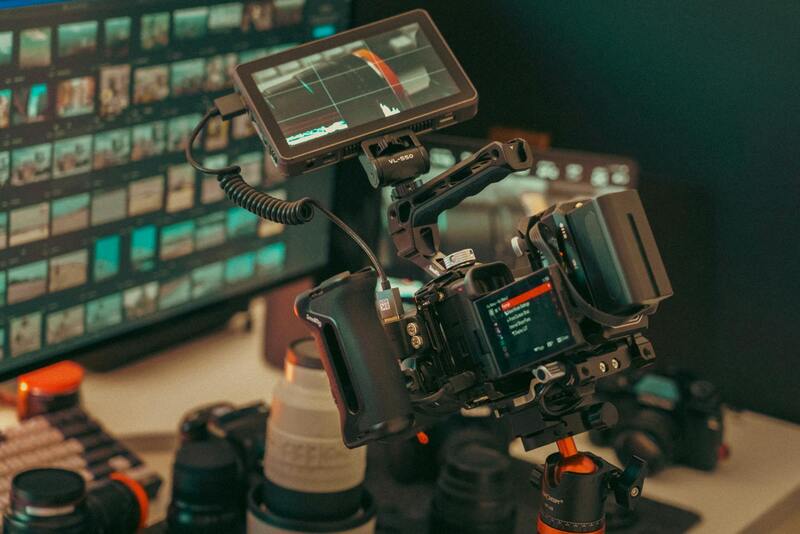
Effective commercial real estate photography hinges on the right tools and methods. High-end digital cameras with wide-angle lenses are standard, enabling the capture of expansive spaces with clarity. Tripods ensure stability for sharp images, while drone photography can add a compelling aerial perspective of the property’s surroundings and layout. Proper lighting techniques—natural light combined with supplemental fixtures—are essential for bright, inviting visuals that accurately represent the space.
Use of Drones and Aerial Photography
Incorporating drone images can provide a comprehensive view of the property’s scale, landscape, and contextual neighborhood features. This perspective is particularly valuable for large campuses, industrial complexes, or properties situated in vibrant urban areas like Miami. Additionally, aerial shots can highlight accessibility and proximity to key infrastructure or transportation hubs.
Advanced Techniques
HDR imaging, panoramic stitching, and focus stacking are techniques that can enhance image quality and detail. These methods ensure that every corner of the property is visible with proper exposure, creating a richer visual storytelling opportunity. Combining these approaches with professional editing ensures that the final photos are polished and compelling.
Staging and Preparing Commercial Properties for Photoshoots
Preparing a commercial property involves strategic staging aimed at showcasing versatility and functionality. Deep cleaning, decluttering, and minor repairs are fundamental steps to make spaces appear well-maintained and appealing. It is equally important to arrange furniture or accessories to convey the intended use of each area while avoiding overcrowding which can obscure the space’s actual dimensions and flow.
- Ensure windows are cleaned and natural light is maximized.
- Use neutral or professional decor to create a versatile backdrop.
- Remove personal items or branding elements that could distract or date the images.
- Highlight the adaptability of the space through staged setups that reflect various uses or configurations.
Editing and Post-Production for Commercial Real Estate Photos
Post-processing enhances raw images, aligning them with the desired marketing message and aesthetic standards. Adjustments to brightness, contrast, and color balance help produce vivid, true-to-life images. Retouching minor imperfections, such as shooting artifacts or distractions, ensures a clean visual presentation. Advanced editing can also correct distortions caused by wide-angle lenses, straighten lines, and optimize images for various digital platforms. Maintaining authenticity during editing is key to providing an accurate representation of the property, which builds trust and sets realistic expectations.
Legal and Ethical Considerations
That it is necessary to obtain appropriate permissions before photographing and sharing images of commercial properties. This includes securing consent for the use of private spaces, respecting intellectual property rights, and ensuring that images do not infringe on trademarks or proprietary elements. Transparency about the scope of photography and editing practices fosters a responsible approach, helping to build trustworthy relationships with clients and the broader market.
Choosing the Right Equipment and Techniques
Preparation with the appropriate equipment and shooting methods is essential for capturing professional-grade commercial real estate pictures. High-resolution DSLR or mirrorless cameras are preferred for their ability to produce detailed images that can be enlarged without losing quality, which is critical for showcasing vast spaces and intricate details. Utilizing wide-angle lenses is a standard approach in commercial photography as they enable the capturing of expansive interiors and exteriors, giving viewers a comprehensive view of the property. However, care must be taken to avoid distortion, which can be managed through advanced lens correction tools or by limiting the angle of view.
Lighting plays a pivotal role in real estate photography. Natural light is often the most flattering and cost-effective, so scheduling shoots during periods of ample daylight maximizes the authenticity of the space. In areas where natural light is insufficient, professional studio lighting or portable LED panels can be employed to evenly illuminate key features without creating harsh shadows or overexposed highlights. Diffusers and reflectors further enhance lighting control, ensuring a balanced appearance across all images.
Shooting techniques should emphasize stability and consistency. Using a tripod ensures sharp images, especially in low-light settings or when capturing HDR (high dynamic range) images. Shooting from multiple angles and heights provides comprehensive coverage, allowing viewers to gain a full understanding of the property’s layout and scale. Implementing proper framing and composition principles—such as the rule of thirds—draws attention to focal points and architectural details. Additionally, capturing images during optimal weather conditions and at times when the property’s exterior is well-lit optimizes visual appeal.
Post-shoot, it’s vital to review images for consistency and quality. Selecting the best shots involves assessing clarity, lighting, and how well they represent the property's features. Post-processing efforts should focus on enhancing the original captures without compromising authenticity. Color correction ensures neutral tones that match real-world appearances, while perspective adjustments help correct distortions caused by wide-angle lenses. Image stacking techniques can improve dynamic range, vividly illustrating both interior and exterior lighting levels in a single shot. The goal is to produce images that are both striking and true to the property's real-world appearance, facilitating more effective marketing efforts.
Staging and Preparing Commercial Properties for Photoshoots
While technical prowess is critical, the visual impact of commercial real estate images also depends heavily on staging and preparing the property. Clutter should be minimized, and spaces should be tidied to highlight their functional and aesthetic aspects. Strategic placement of furniture and decor can demonstrate various uses of the space and help prospective tenants or buyers visualize the potential of the property. Ensuring that windows and glass surfaces are spotless prevents distracting reflections and glare, preserving the clarity of exterior shots. Furthermore, removing personal items, branding, or any elements that might distract from the space’s features ensures that images focus solely on the property’s attributes.
Properly preparing a commercial property before a photoshoot not only results in cleaner, more appealing images but also reduces the time required for editing. When spaces are presented in their best light, the final images serve as compelling visual assets that effectively showcase the property’s strengths, making them more attractive in competitive markets.
Utilizing Advanced Editing and Post-Production Techniques
Enhancing commercial real estate photographs through professional editing is essential to maximize their visual impact and appeal. This process includes a variety of adjustments that respect the authenticity of the property while highlighting its best features. Techniques such as exposure correction ensure that both interior and exterior lighting are accurately represented, avoiding images that are too dark or overly bright. Color correction enhances the vibrancy and true-to-life appearance of the property’s surfaces, walls, and landscaping, which is vital for setting accurate expectations.
One of the most impactful editing techniques is perspective correction. Commercial properties often require wide-angle lenses to accommodate expansive spaces within limited camera angles. Post-production adjustments help address any distortions caused by these lenses, restoring proportions and ensuring the images accurately reflect the property's real structure. Image stitching, creating panoramic views by combining multiple shots, offers a comprehensive perspective of large commercial spaces, allowing viewers to grasp the full scope of the property.
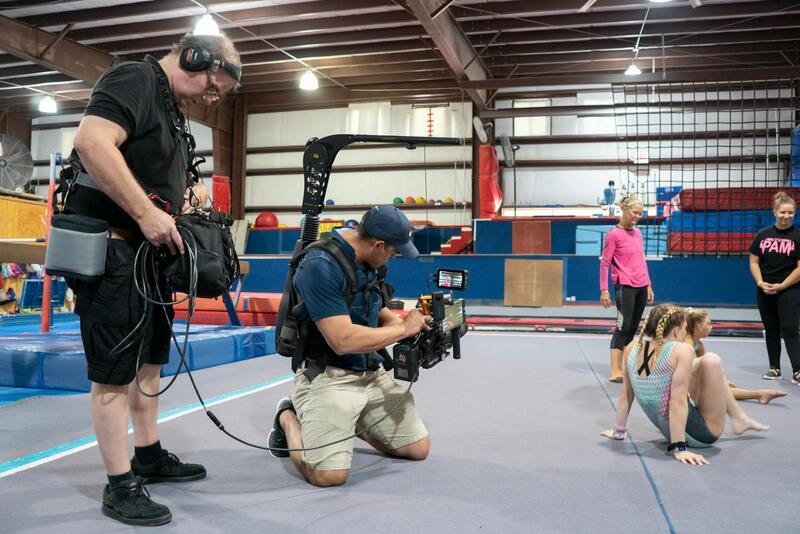
In addition, advanced techniques such as HDR (High Dynamic Range) imaging enable photographers to capture a broader range of light and dark areas within the same shot. This is particularly useful for images where interior spaces have windows, and exterior lighting conditions vary significantly. HDR processing ensures that details in shadows and highlights are preserved, providing a balanced and clear image that showcases the property's full visual potential.
Post-production does not end with color correction and perspective adjustments. It also involves retouching to remove minor imperfections—such as stains, blemishes, or distracting elements—that may diminish the image’s professionalism. When performed meticulously, editing softens the visual noise, enhances textures, and creates a polished presentation that aligns with the high standards expected in commercial real estate marketing.
Color grading and tone adjustments can also set the mood of images, whether aiming for a clean, modern feel or a warm, inviting atmosphere. It is crucial, however, that these edits remain true to the actual appearance of the spaces, ensuring prospective clients receive an honest representation that aids in their decision-making process.
Ultimately, skilled post-production elevates the raw material into striking marketing assets. High-quality commercial real estate pictures not only attract attention but also generate interest by providing potential tenants, investors, or buyers with a clear and compelling visualization of the property’s potential.
Strategies for Optimizing Commercial Real Estate Photos for Online Marketing
To maximize the impact of commercial real estate photographs, implementing strategic optimization techniques is essential. High-quality images serve as a powerful tool to attract potential tenants, buyers, and investors, but their effectiveness can be significantly amplified through carefully curated presentation methods. This includes integrating images seamlessly into your website's layout, ensuring fast load times, and employing appropriate image formats to maintain clarity without compromising site performance.
Part of optimization involves utilizing compelling image thumbnails and previews that entice viewers to explore further. These preliminary visuals act as digital storefronts, making the initial impression count. Additionally, high-resolution photographs should be accompanied by descriptive alt text laden with relevant keywords, such as "commercial real estate pictures", to enhance searchability and improve search engine rankings.
For online listings, employing consistent color grading and branding across all images helps establish a recognizable and professional aesthetic. Incorporating virtual staging or 3D tours alongside high-quality photos offers prospective clients a more immersive experience, thereby increasing engagement and inquiries. When integrating these visuals into marketing campaigns, it’s important to select images that highlight the most attractive features of the property, including interior spaces, exterior facades, amenities, and contextual surroundings.
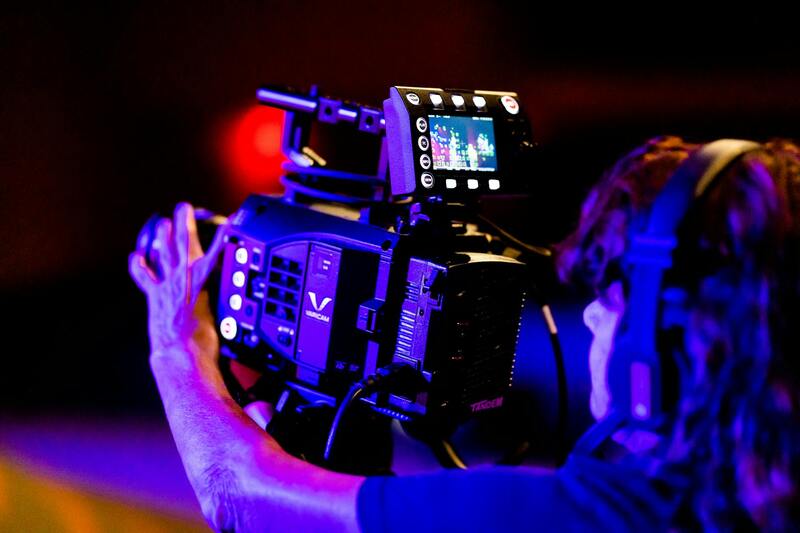
Furthermore, strategic placement of visuals within marketing materials—such as brochures, email campaigns, and social media posts—ensures a cohesive and persuasive message. When potential clients browse through listings, clear, attractive commercial real estate pictures act as visual proof of the property's value, encouraging further inquiry and site visits.
It is equally crucial to periodically update your photographic content to reflect any changes, renovations, or improvements in the property, maintaining fresh and relevant visuals that resonate with current market standards. Consistent, professional imagery throughout your marketing channels ultimately positions your brand as a trusted authority in the commercial real estate sector, driving sustained interest and successful transactions.
Legal and Ethical Considerations in Commercial Real Estate Photography
When capturing images of commercial properties, it is vital to adhere to established guidelines that respect privacy and property rights. Obtaining explicit permissions from property owners or authorized representatives ensures that all visual material aligns with contractual and ethical standards. This process typically involves formal agreements that specify the scope of the photography, the intended use of images, and geographic restrictions, especially in high-profile or sensitive locations.
In densely populated urban settings such as Miami, special care should be taken to avoid photographing private areas that are not visible from publicly accessible viewpoints. This includes securing consent if interior shots reveal confidential information, proprietary layouts, or sensitive business operations. Respecting tenants’ rights and maintaining discretion enhances reputation and fosters trustworthy relationships with clients.
Photographers should also be aware of local regulations pertaining to drone usage and aerial photography. In many jurisdictions, including Miami, drone operation requires proper licensing and adherence to flight restrictions to prevent violations that could compromise safety or privacy. By complying with such rules, professionals can capture compelling aerial shots that showcase the property’s surroundings while safeguarding the interests of all parties involved.

In addition, ethical practices involve avoiding distortions or manipulations that could mislead prospective clients. Accurate representation of the property’s features, dimensions, and condition is essential to maintain credibility and prevent disputes. Using editing processes judiciously to enhance images without altering factual content preserves transparency and trustworthiness.
Developing a comprehensive understanding of local laws and industry standards ensures that commercial real estate images not only serve marketing objectives but also uphold integrity. This commitment to ethical practice provides a solid foundation for attracting serious buyers and tenants while reinforcing the professionalism of your brand.

Implementing Proper Storage and Usage Protocols for Commercial Real Estate Imagery
Effective management of commercial real estate pictures is crucial for maintaining their quality, security, and accessibility over time. Organized storage solutions ensure that high-resolution images are preserved without degradation, facilitating easy retrieval for future marketing efforts. Using dedicated digital asset management (DAM) platforms or cloud-based storage services provides a centralized repository, reducing the risks of data loss and ensuring that files are systematically categorized based on property type, location, or project status.
Establishing clear usage rights and access permissions is essential, especially for images that involve sensitive property details or confidential client information. Restricting access to authorized personnel prevents unauthorized distribution or alteration of the visuals, thereby protecting the original quality and intent of the photographs.
Moreover, integrating proper version control protocols ensures that team members utilize the most current images, avoiding outdated or incorrect visuals in marketing campaigns. Regularly reviewing and updating image libraries aligns visual content with current property conditions and marketing strategies.
When deploying commercial real estate images across various channels, it’s vital to optimize images appropriately to match the platform’s specifications. For example, resizing images for web use, compressing files for faster loading without sacrificing quality, and maintaining consistent color profiles contribute to a seamless visual presentation across all marketing avenues.
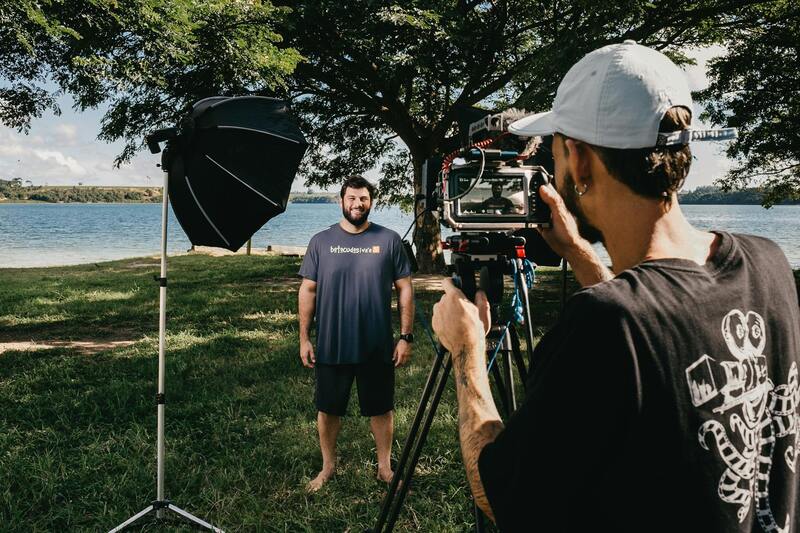
Maintaining a professional approach to image management reflects positively on your brand’s integrity. Clients and prospects appreciate consistent, high-quality visuals that accurately represent the property’s features and potential. By establishing disciplined protocols for storage, usage rights, and deployment, professionals ensure that their visual marketing materials continue to serve their strategic objectives effectively over time.
Legal and Ethical Considerations in Commercial Real Estate Photography
Adhering to established legal and ethical practices in commercial real estate photography is essential for maintaining industry standards, protecting client interests, and ensuring a professional reputation. Photographers and real estate professionals must respect property rights and obtain clear permissions before photographing, especially in private or restricted areas. This approach helps prevent misunderstandings or disputes regarding image use and ownership.
Additionally, transparency about how images will be used and distributed fosters trust between photographers, property owners, and clients. Providing comprehensive information about licensing terms, usage rights, and storage protocols aligns with responsible business practices, ensuring all parties are informed and agree upon the scope of image deployment.
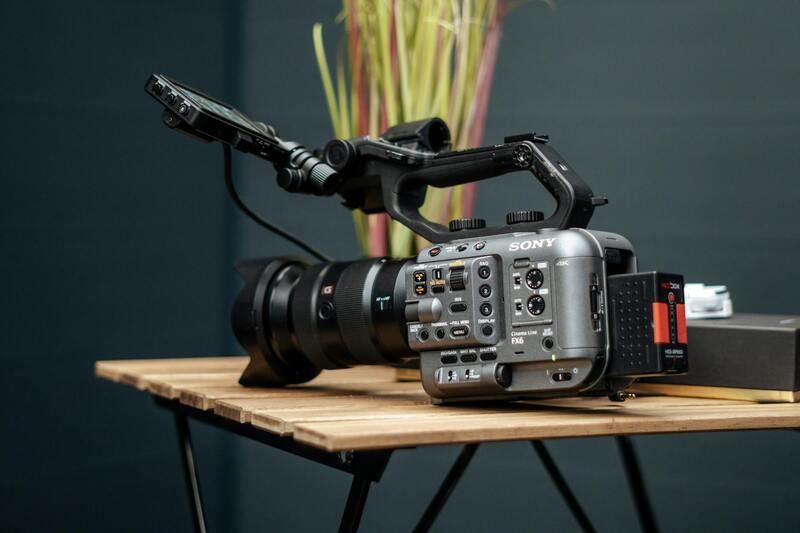
Photographers should also be cautious when editing images to maintain accuracy and avoid misleading representations of a property’s features or condition. Over-editing or selective highlighting can create discrepancies that misrepresent the actual property, leading to potential issues with clients and stakeholders.
Respect for Privacy and Confidentiality
- Ensure sensitive details or private areas are appropriately concealed or excluded from images.
- Obtain explicit permission to photograph areas that may contain confidential information or proprietary features.
- Maintain discretion when capturing images within occupied or sensitive spaces, avoiding disruption or privacy invasions.
Storage, Usage, and Distribution Practices
- Implement secure storage solutions that safeguard high-resolution images against unauthorized access or alterations.
- Use watermarks or other protective methods when sharing images publicly to prevent unauthorized use.
- Establish clear policies for image licensing and reuse to ensure consistent and ethical deployment across marketing channels.
Consistency and Authenticity in Visual Content
Striking a balance between appealing visuals and truthful representation fosters credibility and trust in the market. Accurate portrayal of a commercial property's condition, layout, and features ensures prospective clients form realistic expectations, reducing misunderstandings and enhancing the effectiveness of marketing efforts.
Adhering to these methods not only aligns with best practices but also strengthens the overall integrity of commercial real estate marketing. By practicing responsible photo acquisition, editing, and distribution, professionals uphold industry standards while effectively supporting client and market needs without compromising trust or transparency.